
Q
Are Jeep Grand Cherokee SRT fast?
 GoldenSunsetAug 11, 2025, 09:37 AM
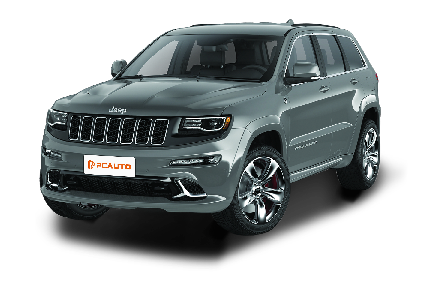
The Jeep Grand Cherokee SRT is fast. It is equipped with a 6.4-liter V8 engine that delivers 461 horsepower and 624 Nm of torque, enabling it to accelerate from 0 to 100 km/h in just 5 seconds. The engine's power delivery is immediate and forceful, providing a strong sense of acceleration when you press the gas pedal. The smooth-shifting 8-speed automatic transmission efficiently transfers power to the wheels, further enhancing acceleration. Additionally, its all-wheel drive system offers excellent traction and stability, ensuring effective power delivery, especially during rapid acceleration. Whether overtaking on the highway or merging into traffic, the Grand Cherokee SRT's speed and performance make it an exhilarating vehicle to drive.
Special Disclaimer: This content is published by users and does not represent the views or position of PCauto.
Related Q&A
Q
What is the most common problem with the Jeep Grand Cherokee?
In Malaysia, one of the more common issues reported with the Jeep Grand Cherokee involves electronic system malfunctions—particularly instrument cluster display errors, central touchscreen freezes, or malfunctioning reverse cameras. These problems are often related to software compatibility or sensor sensitivity and can usually be resolved through system updates at authorized service centers.
In addition, some owners have reported that the air suspension system may develop air leaks or experience slow height adjustments after prolonged use. This is often linked to accelerated aging of rubber components in the tropical climate. Regular inspection of the suspension lines and seals can help prevent such issues. From a powertrain perspective, the 3.6L Pentastar engine is prone to carbon buildup in hot and humid conditions if not properly maintained. For Malaysian owners, it is advisable to shorten the service interval to every 8,000 km and use fully synthetic engine oil.
Notably, the Grand Cherokee’s four-wheel-drive system performs exceptionally well during Malaysia’s rainy season. However, transfer case fluid should be replaced strictly according to the maintenance schedule to prevent moisture-related damage. Owners should also ensure that sunroof drainage channels are kept clean to avoid water leaks into the cabin during heavy rains. Overall, with a maintenance strategy tailored to tropical conditions, this American SUV can deliver reliable performance to meet daily driving needs.
 ExplorerPathAug 11, 2025
Q
Is the Jeep Grand Cherokee SRT AWD?
Yes, the Jeep Grand Cherokee SRT is equipped with All Wheel Drive (AWD). This AWD system enhances traction and stability, proving particularly advantageous across various driving conditions. Whether navigating wet or slippery roads during Malaysia's rainy seasons or seeking improved control when cornering on regular roads, the AWD system dynamically distributes power to all four wheels as needed. This optimizes vehicle handling while minimizing wheel spin risk. Furthermore, it enhances acceleration performance, enabling the 461-horsepower engine to efficiently transfer power to the road surface for a smooth and confident driving experience.
 HelperHandAug 11, 2025
Q
Does the Jeep Grand Cherokee SRT have a Hellcat engine?
The Jeep Grand Cherokee SRT does not have a Hellcat engine. The Hellcat engine is typically associated with certain models of Dodge, such as the Dodge Challenger SRT Hellcat and Dodge Charger SRT Hellcat. These Dodge models are known for their high-performance capabilities, with the Hellcat engine delivering substantial horsepower and torque.
The Jeep Grand Cherokee SRT is equipped with a 6.4-liter V8 engine. It can generate 461 horsepower and 624 Nm of torque. This engine provides the Grand Cherokee SRT with strong acceleration and performance suitable for an executive-class vehicle. While both the Hellcat-powered Dodges and the Jeep Grand Cherokee SRT offer high performance, they have different powertrain configurations and characteristics to suit various driving preferences and needs.
 HealerHeartAug 11, 2025
Q
How much is the Jeep Grand Cherokee SRT worth?
The Jeep Grand Cherokee SRT is priced at RM 698,889. This vehicle delivers powerful performance with its 6.4-liter V8 engine that generates 461 horsepower and 624 Nm of torque. It can accelerate from 0 to 100 km/h in just 5 seconds. Equipped with an 8-speed automatic transmission and all-wheel drive, it offers excellent handling and traction. The interior is well-appointed, featuring a Harman Kardon sound system with 19 speakers, a power panoramic sunroof, dual-zone automatic climate control, and various safety features including 7 airbags. It also has a sizable 93-liter fuel tank and a spacious 990-liter trunk, making it suitable for both daily commutes and long journeys.
 MusicianNoteAug 11, 2025
Q
What is the difference between the Grand Cherokee SRT and Limited?
The Grand Cherokee SRT and Limited have several differences. The SRT is a high-performance model, powered by a 6.4L V8 engine that delivers 461 horsepower and 624 N·m of torque, enabling it to accelerate from 0 to 100 km/h in just 5 seconds. It's priced at RM 698,889. It features sporty elements like a lowered body with aerodynamic kits and Brembo brakes for enhanced handling. The interior incorporates sporty materials.
On the other hand, the Limited prioritizes comfort and luxury. It comes with premium interior materials such as genuine leather seats and wood trim. Standard features include a panoramic sunroof, a BOSE sound system, and intelligent driving assistance systems. It offers a more refined and comfortable driving experience rather than extreme performance. So, if you desire speed and a sporty drive, the SRT is ideal; but if luxury and comfort are your priorities, the Limited would be a better fit.
 QuirkyStyleAug 11, 2025
Q
How many Jeep Grand Cherokee SRT were made?
Sorry, no information about the specific production volume of the Jeep Grand Cherokee SRT was found. The Jeep Grand Cherokee SRT is a high-performance luxury SUV, renowned for its powerful engine and excellent off-road capabilities. Take the 2015 Jeep Grand Cherokee SRT 6.4 V8 as an example: it is equipped with a 6.4L V8 naturally aspirated engine delivering a maximum power output of 339 kilowatts (461 PS), achieving the 0-100 km/h sprint in just 5 seconds officially. The vehicle features a range of advanced technologies and comfort amenities, including an 8.4-inch central touchscreen and Harman Kardon audio system, along with comprehensive safety provisions such as seven airbags and electronic stability control. While its exact production figures remain undisclosed, this model has garnered significant attention in the automotive market due to its distinctive appeal.
 StrongWillAug 11, 2025
Q
What was the last year of the Grand Cherokee SRT?
2021 was the last recorded model year of the Grand Cherokee SRT available in the local market. It is powered by a 6.4L HEMI V8 engine delivering 461 horsepower (461PS) and 339 kilowatts of maximum power. With robust performance capabilities, it achieves 0-100km/h acceleration in under 5 seconds. Featuring an All-Wheel Drive system paired with independent front/rear suspensions and ventilated disc brakes, the vehicle demonstrates exceptional handling and braking performance. The well-appointed interior includes seven airbags for safety protection, a 19-speaker Harman Kardon premium audio system, along with comfort features such as a panoramic sunroof and heated seats. While this represents the final model year available, actual market availability may vary across different used vehicle sources. Prospective buyers should verify specific vehicle details through multiple channels when purchasing pre-owned units.
 DazzlingSparkleAug 11, 2025
Q
How much HP does a Grand Cherokee SRT have?
The Jeep Grand Cherokee SRT 6.4 V8 delivers 461 horsepower (PS). This potent engine provides the vehicle with robust acceleration and road performance. Its 6.4-liter V8 engine generates a maximum torque of 624 N·m at 4100 rpm, reaching peak power output of 339 kW at 6250 rpm. This power enables the Grand Cherokee SRT to accelerate from 0 to 100 km/h in merely 5 seconds. It delivers an exhilarating driving experience whether overtaking on highways or enjoying spirited driving. Additionally, its performance is enhanced by features such as an 8-speed automatic transmission and All-Wheel Drive system, improving both handling and traction for comprehensive driving dynamics.
 TwilightMysteryAug 11, 2025
Q
Can you turbo a Jeep SRT?
Technically, it is possible to turbocharge a Jeep SRT. However, it's a complex modification. The Jeep Grand Cherokee SRT comes with a 6.4L naturally aspirated V8 engine that already delivers substantial power at 461 horsepower. Turbocharging involves adding a turbocharger to the engine to force more air into the combustion chambers, thereby increasing power output. However, such modifications require careful consideration as they impact multiple components including the engine internals, fuel system, and cooling system. For example, the stock fuel injectors may not supply sufficient fuel for the increased air intake, and the cooling system might struggle to manage the additional heat generated. Additionally, turbocharging could void the vehicle's warranty. Proper tuning is also critical to ensure smooth and efficient engine operation. Incorrect tuning may lead to performance issues or even engine damage. Therefore, while feasible, this modification should only be performed by experienced mechanics with expertise in the Jeep SRT's engine dynamics.
 CheeryMoodAug 11, 2025
Q
Is a SRT Jeep a V6?
An SRT Jeep is not equipped with a V6 engine. Take the 2015 Jeep Grand Cherokee SRT as an example—it is powered by a 6.4L V8 engine with a displacement of 6417mL, delivering 461 horsepower and 624 N·m of torque. This V8 engine provides the vehicle with robust power output, enabling it to accelerate from 0 to 100 km/h in just 5 seconds. The V8 configuration also contributes to a smooth and powerful driving experience, whether for daily commuting or more demanding driving scenarios. In contrast, a V6 engine typically has fewer cylinders and generally offers less power and torque compared to a V8 engine of the same displacement.
 SolverProblemAug 11, 2025
Popular Cars
Model Year
Car Compare
Car Photo
Related Models
 Cars
CarsLatest Q&A
Q
Is AMT similar to automatic?
There are significant differences between AMT transmissions and automatic transmissions (AT) in terms of core structure and driving experience. AMT is essentially an electronically automated version of a manual transmission, simulating manual clutch operation and gear shifting through a computerized control system while retaining the gear set structure of manual transmissions. As a result, it offers higher transmission efficiency, with fuel consumption approximately 8%-12% lower than AT, making it particularly suitable for highway or long-distance driving. However, it may exhibit jerking similar to manual transmissions during low-speed gear shifts, especially noticeable in congested traffic conditions.
AT transmissions rely on torque converters for power transfer, delivering smooth and seamless gear shifts that appeal to comfort-oriented users. However, their complex structure (incorporating planetary gear sets, hydraulic systems, etc.) results in higher maintenance costs. A single service may cost between 800 to 1,500 ringgit, whereas AMT only requires gear oil replacement at approximately 400 ringgit.
From a market perspective, AMT is predominantly used in budget vehicles or commercial models priced below 80,000 ringgit, while AT is typically featured in mid-to-high-end vehicles. Consumers should select based on actual needs: AMT suits those prioritizing fuel efficiency and low maintenance costs, while AT better serves those valuing comfort. Notably, recent advancements in AMT electronic control technology have significantly mitigated jerking issues, though test drives should still emphasize low-speed performance evaluation.
 AriaMar 26, 2026
Q
Which is better, DCT or AT?
DCT (Dual-Clutch Transmission) and AT (Automatic Transmission) each have their own advantages and disadvantages, and the choice should be based on personal driving needs. AT transmissions transfer power through a torque converter, offering excellent shift smoothness, making them suitable for urban commuting or novice drivers. However, they tend to have higher fuel consumption, and vehicles equipped with them are usually more expensive. DCT transmissions utilize a dual-clutch structure, featuring fast shift speeds and high power transmission efficiency, which provides a more direct driving experience—particularly suitable for users seeking a sporty feel. However, they may exhibit jerking at low speeds and have relatively high maintenance costs. If durability and comfort are priorities, AT is the more reliable choice; if power responsiveness and driving pleasure are preferred, wet DCT (such as Volkswagen DSG) performs better, though dry DCT models should be avoided in prolonged stop-and-go traffic conditions. Additionally, CVT transmissions excel in smoothness and fuel efficiency, making them ideal for daily commuting, but they lack driving excitement. It is recommended to test-drive before purchasing, as tuning varies significantly across brands, and real-world experience is more important than theoretical specifications.
 FlutteringMar 26, 2026
Q
Is Amt good or bad?
AMT gearboxes have a significant cost advantage in the local market, typically being around 5,000 Ringgit cheaper than models equipped with conventional automatic transmissions. Their fuel efficiency is comparable to manual transmissions, resulting in long-term fuel savings. Featuring a straightforward design, they achieve transmission efficiency exceeding 90% with relatively low maintenance costs, making them ideal for practicality-oriented consumers. However, their shifting logic contains inherent limitations: gear changes between 1st and 2nd cause 0.3-0.5 second power interruptions, while unintended upshifts on inclines may reduce engine speed by 15%-20%, compromising driving smoothness. For urban commuters or budget-conscious buyers, AMT offers excellent value, though those prioritizing premium driving dynamics should consider alternative transmission types. Some domestic models like the Perodua Axia employ enhanced AMT systems, where optimized shift programming has reduced gearshift shock by approximately 30%.
 RainbowsMar 26, 2026
Q
Which gives better mileage, CVT or AMT?
From the perspective of fuel economy, CVT transmissions generally perform better under urban driving conditions. Their continuously variable design allows the engine to consistently operate within the optimal speed range, significantly reducing fuel consumption during frequent starts and stops. Test data shows that their fuel consumption in urban driving conditions is 10% to 15% lower than that of comparable models. AMT transmissions, on the other hand, inherit the high transmission efficiency of manual transmissions, delivering fuel efficiency close to manual transmissions during high-speed cruising. This makes them particularly suitable for long-distance driving in large-displacement vehicles. However, due to power interruption during gear shifts, their overall fuel consumption may be 5% to 8% higher than CVTs.
The difference in fuel-saving characteristics between the two transmissions stems from their technical principles: CVTs achieve continuous variability through steel belts and pulleys, eliminating the fixed gear ratio limitations of traditional transmissions; AMTs simulate manual gear changes via electronic control systems while maintaining the mechanical efficiency of gear transmission. Notably, actual fuel consumption is also influenced by driving habits. Smooth acceleration and anticipatory deceleration can maximize the transmissions' fuel-saving potential. If the vehicle budget permits and urban commuting is the primary use, CVTs offer a more economical choice. For frequent highway driving with an emphasis on cost-effectiveness, AMTs are equally worth considering.
 RubyBlazeMar 26, 2026
Q
Which is cheaper, AMT or CVT?
In terms of gearbox cost, AMT is usually more economical than CVT. Essentially, AMT is a manual transmission equipped with an electronic control unit, featuring a simple structure and low maintenance costs. The unit price ranges from approximately 5,000 to 8,000 ringgit, making it suitable for budget-conscious consumers or those who prioritize long-term operating costs. CVT incurs higher manufacturing costs due to its precision steel belt transmission system and continuous variable transmission technology, with a unit price of about 7,000 to 10,000 ringgit. However, it delivers a smoother driving experience and superior fuel efficiency. The primary differences between the two lie in technical complexity: AMT retains the gear-shifting mechanism, resulting in noticeable shift shock; CVT achieves linear power output through stepless speed variation but requires periodic belt inspection and incurs higher maintenance expenses. For those prioritizing initial cost and basic transportation needs, AMT offers better value; if comfort and long-term fuel economy are priorities, CVT represents a more worthwhile investment. Note that actual prices may vary based on vehicle model, brand, and local supply chain factors.
 ShadowProwlMar 26, 2026
Pros
Cons