
Q
How big is the 2024 Tesla Model 3?
 CreatorIdeaInnovationDec 15, 2025, 10:08 AM
The 2024 Tesla Model 3 measures 4,720 mm in length, 1,848 mm in width, and 1,442 mm in height, with a wheelbase of 2,875 mm. While slightly tweaked from the previous generation, it retains its compact electric sedan DNA—perfect for city driving and tight parking.
Thanks to its EV platform, the rear legroom is surprisingly generous, and with a 425-liter trunk plus a front frunk, practicality is solid. For its class, the Model 3 sits in the upper mid-size range—roomy enough for daily use without feeling bulky.
A standout feature? The low-mounted battery pack lowers the center of gravity, boosting handling stability. And with a drag coefficient of just 0.23, efficiency gets a nice bump.
Oh, and if you’re into EVs, don’t sleep on the charging perks—Tesla’s Supercharger network is vast and fast, making road trips a non-issue.
Special Disclaimer: This content is published by users and does not represent the views or position of PCauto.
Related Q&A
Q
What is the new Model 3 for 2024?
The 2024 Tesla Model 3, as a mid-cycle refresh, brings key upgrades to its exterior, interior, and features.
Up front, it sports a cleaner design with sharper headlights and removed fog light trim. The rear gets sleeker new taillights for a more flowing silhouette. Inside, the changes are more noticeable: wood trim is swapped for fabric accents, ambient lighting now wraps around the cabin, and the dashboard is simplified. Tesla also ditched the traditional stalks—turn signals and wiper controls are now handled by steering wheel buttons, while gear selection is done via screen swipes or top-mounted buttons, giving it a more futuristic vibe.
Tech-wise, the audio system gets an upgrade, seats now come with ventilation, and rear passengers get an 8-inch touchscreen for climate and media controls. The base RWD model sees its battery capacity jump from 60kWh to 66kWh, adding roughly 50km of range, while the Performance version gets a slight power bump. The retuned suspension improves ride comfort, and the upgraded HW4.0 hardware boosts camera resolution for better detection.
As a benchmark in the EV space, the refreshed Model 3 doubles down on tech and practicality, making it a solid pick for buyers. That said, the lack of physical controls might take some getting used to—best to test-drive it first before deciding.
 ActorStagePerformanceDec 15, 2025
Q
How much does it cost to buy a 2024 Tesla Model 3?
The 2024 Tesla Model 3 starts at around RM 175,000, but the final price depends on your chosen configuration and add-ons. Opt for the Long Range or Performance version, and you’re looking at a higher tag.
As Tesla’s entry-level model, it packs cutting-edge EV tech, including 500+ km of range on a single charge and standard Autopilot for both daily commutes and road trips. Just keep in mind extra costs like insurance, registration, and potential home charger installation.
Tesla’s Supercharger network is expanding locally, with solid coverage in major cities, making charging hassle-free. Maintenance costs? Typically lower than gas cars—no oil changes, fewer moving parts—so long-term savings add up.
If you’re after more thrills, the Performance variant hits 0-100 km/h in roughly 3 seconds. Plus, government EV tax perks help soften the upfront cost.
 DesignerArtCreationDec 11, 2025
Q
How reliable is the 2024 Model 3?
The 2024 Model 3 delivers solid reliability, thanks to Tesla’s continuous software updates and hardware refinements. Key areas like the battery management system and Autopilot have seen multiple optimizations, leading to a noticeable drop in failure rates.
This model features a stiffer body structure and an improved suspension setup, offering a smoother ride. Upgraded interior materials also help reduce cabin rattles—a common gripe with earlier builds.
EV maintenance costs remain low (no oil changes, etc.), though it’s wise to periodically check battery health and charging components for long-term performance. For shoppers eyeing EVs, charging infrastructure and home charging options matter—thankfully, public chargers are expanding fast, making daily use more convenient.
If you frequently road-trip, planning charging stops ahead helps. While the range easily handles daily drives, a little route prep goes a long way in maximizing the experience.
 PilotDec 11, 2025
Q
What is the battery range of the Tesla Model 3 2025?
The battery range of Tesla Model 3 2025 is expected to be optimized based on existing models, and specific data needs to be released officially. However, referring to the EPA range of the 2024 rear wheel drive version, which is about 438 kilometers, and the high-performance version, which is about 513 kilometers, the 2025 model may further improve, especially in terms of battery technology or energy efficiency management. For electric vehicles, the range is greatly affected by driving habits, road conditions, and climate. Air conditioning may slightly reduce the range in hot weather, but the battery thermal management system can usually maintain stable performance. In terms of charging, Model 3 supports super fast charging, which can replenish about 250 kilometers of range in about 15 minutes, while home charging stations require 6-8 hours to fully charge. Daily commuting or long-distance travel are practical enough, it is recommended to follow Tesla's official website or local showroom for the latest information.
 QuirkyDec 11, 2025
Q
Is the 2024 Model 3 worth the price?
The 2024 Model 3 strikes an impressive balance between price and performance. Its upgraded range, more refined interior, and enhanced autonomous driving features genuinely boost its competitiveness—especially for tech-savvy, eco-conscious buyers.
Tesla optimized the battery efficiency this time around, making it suitable for both daily commutes and longer trips, while the handling stays true to the brand’s signature responsiveness. If your budget allows and you’re open to EVs, this one’s worth considering—though a test drive is wise to see if it matches your driving style.
That said, local charging access matters. While public chargers are becoming more common, home installation costs should factor into your budget. Alternatives in this price range exist, so cross-shop specs and service policies (like warranty coverage or charging network support) to make a well-rounded decision.
 SweetDec 11, 2025
Q
How many miles does a 2024 Tesla Model 3 get?
The 2024 Tesla Model 3 offers varying range figures depending on configuration. The rear-wheel-drive (RWD) version delivers an EPA-estimated 272 miles (approx. 438 km), while the all-wheel-drive Long Range model pushes that to around 341 miles (roughly 549 km). Real-world range may vary slightly based on driving style, road conditions, and climate.
As a pure EV, the Model 3 achieves this efficiency thanks to its advanced battery management system and lightweight design. It also supports fast charging—at a Tesla Supercharger, you can add up to 200 km of range in about 15 minutes. Whether for daily commutes or longer trips, that’s more than enough for most drivers, especially with charging infrastructure becoming more widespread.
If you need to maximize range, tweaking your driving mode or using the car’s built-in energy optimization features can help squeeze out even more miles.
 LovelyDec 11, 2025
Q
Is the 2024 Model 3 reliable?
The 2024 Model 3 delivers solid reliability, with Tesla refining its performance through ongoing software updates and hardware tweaks. Notably, the battery management system and Autopilot stability have seen improvements, resulting in fewer reported issues from owners.
Staying true to Tesla's tech-forward approach, this model packs a more efficient motor and upgraded suspension for a smoother ride. Cabin materials and noise insulation got attention too, making it equally suited for daily commutes and road trips.
Just remember: EV reliability isn't just about the car itself. Charging infrastructure and maintenance habits matter. Stick to scheduled battery checkups and use Tesla's service network. If you're shopping for an EV, compare real-world range and charging speeds with rivals, and scout your local charging options—it'll save headaches later.
 WalkerPathLeisureDec 11, 2025
Q
How fast is the 2024 Tesla Model 3?
The 2024 Tesla Model 3 delivers impressive performance across its lineup. The high-performance variant rockets from 0-100 km/h in just 3.1 seconds with a top speed of 261 km/h, while the standard range model achieves the same sprint in 5.8 seconds and tops out at 225 km/h - more than enough for daily commutes and occasional spirited driving.
What really sets the Model 3 apart is its instant throttle response, thanks to the electric motor's immediate torque delivery. This gives it a noticeable edge over traditional gas-powered cars off the line.
Beyond pure acceleration, the Model 3 packs advanced driver-assist tech and solid range figures. The performance model can cover over 500 km on a charge, with the standard version hitting around 400 km. Hook it up to a Supercharger, and you'll get to 80% in roughly 30 minutes.
For tech-savvy buyers looking to go green without compromising on performance, the Model 3 makes a compelling case. It's quick, cost-effective to run, and requires minimal maintenance - a complete package in the EV space.
 DuskDec 11, 2025
Q
How many Tesla Model 3 have been sold in 2024?
As of Q2 2024, the Tesla Model 3 continues to show strong sales performance globally. However, since Tesla doesn’t break down sales figures by specific models for individual countries or regions, exact local sales numbers aren’t available. That said, given industry trends and the growing EV market, the Model 3—one of Tesla’s most popular vehicles—is expected to maintain high sales volumes in 2024.
With its impressive range, advanced Autopilot tech, and relatively accessible pricing, the Model 3 remains a top choice for many EV buyers. The rapid rise in EV adoption and expanding charging infrastructure have made more people open to going electric. The Model 3’s success has also pushed rival brands to accelerate competing models, giving shoppers even more options.
If you’re curious about EV performance or charging, it’s worth checking local charging station availability and government incentives—both can play a big role in your buying decision.
 BenDec 11, 2025
Q
How much does it cost to charge a 2024 Tesla Model 3?
The cost of charging the 2024 Tesla Model 3 depends on the charging method and current electricity prices. When using a home charging station, it will cost approximately 30 to 40 ringgit to fully charge a battery pack of about 60 kWh, depending on the electricity price per kWh, typically between 0.50 and 0.60 ringgit. If using a Tesla Supercharging Station, the cost will be slightly higher, approximately RM1.20 to RM1.50 per kWh. It may take RM70 to RM90 to fully charge, but the charging speed is faster, taking around 30 minutes to reach 80%. In addition, the cost of public charging stations varies depending on the operator, generally ranging from RM0.80 to RM1.20 per kilowatt hour. It is worth noting that the charging cost of electric vehicles is much lower than that of fuel vehicles. Taking Model 3 as an example, the electricity cost per kilometer is about 0.05 to 0.08 ringgit, while the fuel cost per kilometer of fuel vehicles in the same class is about 0.20 to 0.30 ringgit. For more economical and efficient charging, it is recommended to use the low electricity price period at night for charging, and regularly check the battery health status to maintain optimal performance.
 NovaDec 11, 2025
Popular Cars
Model Year
Car Compare
Car Photo
Related Models
 Cars
CarsLatest Q&A
Q
Is AMT similar to automatic?
There are significant differences between AMT transmissions and automatic transmissions (AT) in terms of core structure and driving experience. AMT is essentially an electronically automated version of a manual transmission, simulating manual clutch operation and gear shifting through a computerized control system while retaining the gear set structure of manual transmissions. As a result, it offers higher transmission efficiency, with fuel consumption approximately 8%-12% lower than AT, making it particularly suitable for highway or long-distance driving. However, it may exhibit jerking similar to manual transmissions during low-speed gear shifts, especially noticeable in congested traffic conditions.
AT transmissions rely on torque converters for power transfer, delivering smooth and seamless gear shifts that appeal to comfort-oriented users. However, their complex structure (incorporating planetary gear sets, hydraulic systems, etc.) results in higher maintenance costs. A single service may cost between 800 to 1,500 ringgit, whereas AMT only requires gear oil replacement at approximately 400 ringgit.
From a market perspective, AMT is predominantly used in budget vehicles or commercial models priced below 80,000 ringgit, while AT is typically featured in mid-to-high-end vehicles. Consumers should select based on actual needs: AMT suits those prioritizing fuel efficiency and low maintenance costs, while AT better serves those valuing comfort. Notably, recent advancements in AMT electronic control technology have significantly mitigated jerking issues, though test drives should still emphasize low-speed performance evaluation.
 AriaMar 26, 2026
Q
Which is better, DCT or AT?
DCT (Dual-Clutch Transmission) and AT (Automatic Transmission) each have their own advantages and disadvantages, and the choice should be based on personal driving needs. AT transmissions transfer power through a torque converter, offering excellent shift smoothness, making them suitable for urban commuting or novice drivers. However, they tend to have higher fuel consumption, and vehicles equipped with them are usually more expensive. DCT transmissions utilize a dual-clutch structure, featuring fast shift speeds and high power transmission efficiency, which provides a more direct driving experience—particularly suitable for users seeking a sporty feel. However, they may exhibit jerking at low speeds and have relatively high maintenance costs. If durability and comfort are priorities, AT is the more reliable choice; if power responsiveness and driving pleasure are preferred, wet DCT (such as Volkswagen DSG) performs better, though dry DCT models should be avoided in prolonged stop-and-go traffic conditions. Additionally, CVT transmissions excel in smoothness and fuel efficiency, making them ideal for daily commuting, but they lack driving excitement. It is recommended to test-drive before purchasing, as tuning varies significantly across brands, and real-world experience is more important than theoretical specifications.
 FlutteringMar 26, 2026
Q
Is Amt good or bad?
AMT gearboxes have a significant cost advantage in the local market, typically being around 5,000 Ringgit cheaper than models equipped with conventional automatic transmissions. Their fuel efficiency is comparable to manual transmissions, resulting in long-term fuel savings. Featuring a straightforward design, they achieve transmission efficiency exceeding 90% with relatively low maintenance costs, making them ideal for practicality-oriented consumers. However, their shifting logic contains inherent limitations: gear changes between 1st and 2nd cause 0.3-0.5 second power interruptions, while unintended upshifts on inclines may reduce engine speed by 15%-20%, compromising driving smoothness. For urban commuters or budget-conscious buyers, AMT offers excellent value, though those prioritizing premium driving dynamics should consider alternative transmission types. Some domestic models like the Perodua Axia employ enhanced AMT systems, where optimized shift programming has reduced gearshift shock by approximately 30%.
 RainbowsMar 26, 2026
Q
Which gives better mileage, CVT or AMT?
From the perspective of fuel economy, CVT transmissions generally perform better under urban driving conditions. Their continuously variable design allows the engine to consistently operate within the optimal speed range, significantly reducing fuel consumption during frequent starts and stops. Test data shows that their fuel consumption in urban driving conditions is 10% to 15% lower than that of comparable models. AMT transmissions, on the other hand, inherit the high transmission efficiency of manual transmissions, delivering fuel efficiency close to manual transmissions during high-speed cruising. This makes them particularly suitable for long-distance driving in large-displacement vehicles. However, due to power interruption during gear shifts, their overall fuel consumption may be 5% to 8% higher than CVTs.
The difference in fuel-saving characteristics between the two transmissions stems from their technical principles: CVTs achieve continuous variability through steel belts and pulleys, eliminating the fixed gear ratio limitations of traditional transmissions; AMTs simulate manual gear changes via electronic control systems while maintaining the mechanical efficiency of gear transmission. Notably, actual fuel consumption is also influenced by driving habits. Smooth acceleration and anticipatory deceleration can maximize the transmissions' fuel-saving potential. If the vehicle budget permits and urban commuting is the primary use, CVTs offer a more economical choice. For frequent highway driving with an emphasis on cost-effectiveness, AMTs are equally worth considering.
 RubyBlazeMar 26, 2026
Q
Which is cheaper, AMT or CVT?
In terms of gearbox cost, AMT is usually more economical than CVT. Essentially, AMT is a manual transmission equipped with an electronic control unit, featuring a simple structure and low maintenance costs. The unit price ranges from approximately 5,000 to 8,000 ringgit, making it suitable for budget-conscious consumers or those who prioritize long-term operating costs. CVT incurs higher manufacturing costs due to its precision steel belt transmission system and continuous variable transmission technology, with a unit price of about 7,000 to 10,000 ringgit. However, it delivers a smoother driving experience and superior fuel efficiency. The primary differences between the two lie in technical complexity: AMT retains the gear-shifting mechanism, resulting in noticeable shift shock; CVT achieves linear power output through stepless speed variation but requires periodic belt inspection and incurs higher maintenance expenses. For those prioritizing initial cost and basic transportation needs, AMT offers better value; if comfort and long-term fuel economy are priorities, CVT represents a more worthwhile investment. Note that actual prices may vary based on vehicle model, brand, and local supply chain factors.
 ShadowProwlMar 26, 2026
Related News

Geely EX2, Model 3/Y become the three best-selling electric vehicles in the third quarter of 2025
MichaelDec 11, 2025

Tesla launches Model Y Standard in the US, removes glass roof
MichaelOct 9, 2025
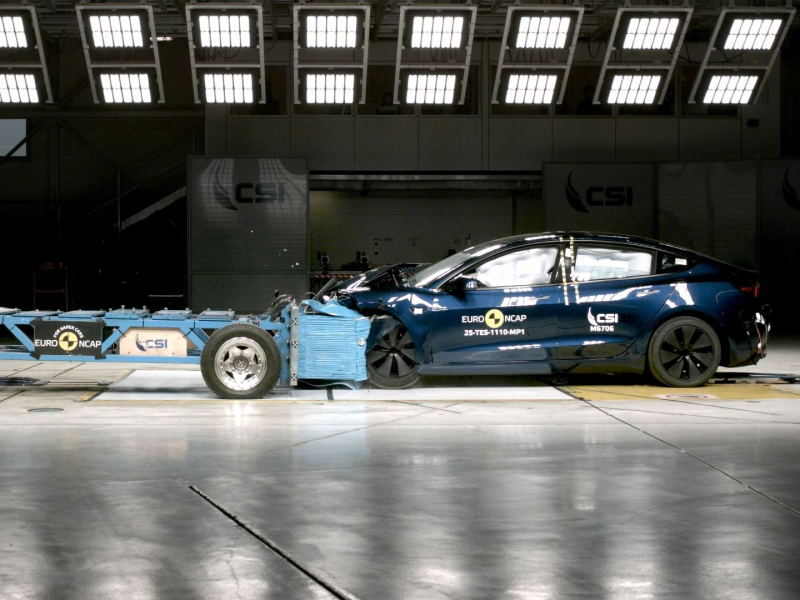
Tesla Model 3 scored the highest in 2025 Euro NCAP, becoming the safest new car in Europe
AshleyJul 8, 2025
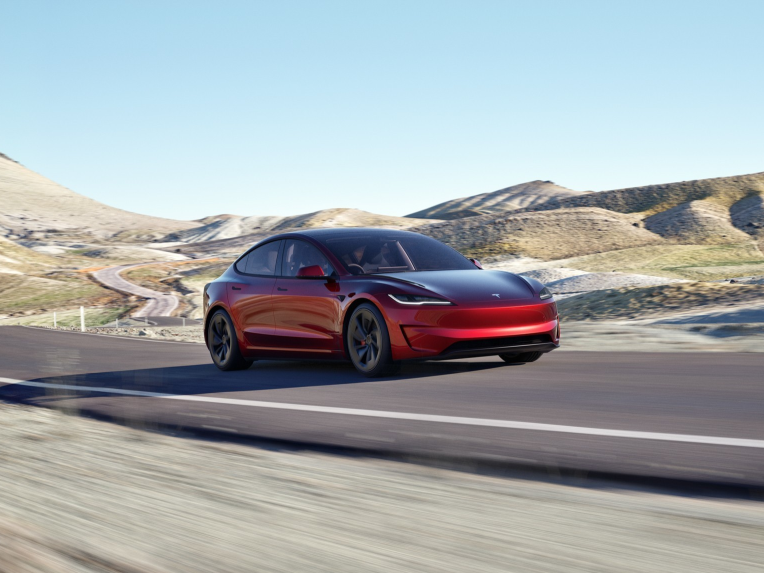
Tesla improves the range and performance of Model 3/Y without changing the battery capacity
Kevin WongJul 3, 2025
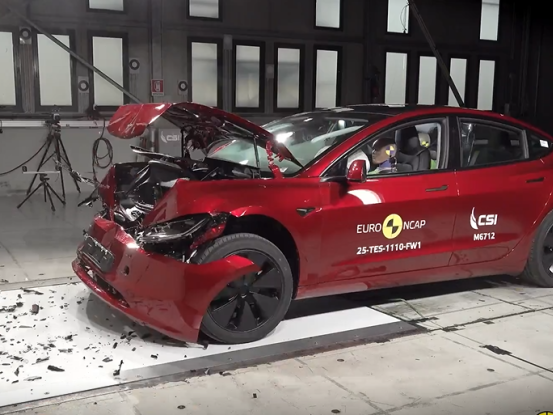
2025 Tesla Model 3: Euro NCAP 5-Star Safety Champion
LienMay 23, 2025
View More
Pros
Cons