
Q
How to charge Mercedes C-Class?
 FreeBirdJun 09, 2025, 10:53 AM
To charge Mercedes-Benz C-Class sedan, the most common method is through the vehicle's alternator while the engine is running. When the engine operates, the alternator converts mechanical energy from the engine into electrical energy. This powers various electrical components in the car while simultaneously charging the battery. This continuous charging helps maintain the battery's charge level during normal driving.
If the battery is dead or requires independent charging, you can use a dedicated battery charger. Follow the charger's instructions to connect its positive cable to the battery's positive terminal and the negative cable to the negative terminal. Ensure the charger is compatible with the battery's voltage and capacity.
Some newer Mercedes-Benz C-Class models may also feature regenerative braking, where kinetic energy during braking is converted back into electrical energy to recharge the battery, thereby improving the vehicle's overall energy efficiency.
Special Disclaimer: This content is published by users and does not represent the views or position of PCauto.
Related Q&A
Q
Which model of Mercedes C-Class is the best?
Currently in Malaysia, the Mercedes - AMG C 63 S E Performance (chassis code W206) is the most powerful C - class model. It is equipped with a 2.0L four - cylinder turbo engine and a high - performance PHEV system, with a combined output of up to 680PS and a torque of 1,020Nm, it can accelerate from 0 to 100km/h in just 3.4 seconds. This C63 S inherits AMG's racing genes and is newly added with a rear - axle electric drive, a 4MATIC+ all - wheel - drive system, and an AMG dynamic handling configuration, which significantly improves the handling. At the same time, it has an all - electric range of about 13 kilometers (WLTP standard), meeting the needs of short - distance emission reduction. Compared with the previous V8 C63 S (510PS) of the W205 generation, although the new model has sparked controversy by switching to a four - cylinder engine, it comprehensively surpasses the previous one in terms of power data and acceleration performance and is more in line with the electrification trend. In terms of price, the C63 S E Performance is expected to be priced over RM900,000 in Malaysia (subject to configuration and taxes), belonging to the top - tier performance sedan category. If your budget is a bit lower but you still pursue high performance, you can consider the C43 AMG (408PS).
 ObsidianBladeJun 9, 2025
Q
How to activate start-stop function of Mercedes-Benz C-Class?
The engine start-stop function of Mercedes-Benz C-Class is typically enabled by default. To verify its status or reactivate it, find the button marked with an "A" inside a circular symbol in the cabin - usually located above the left side of the gear lever - and press it to toggle the feature. For touchscreen operation, navigate to the vehicle settings, select either energy management or eco mode, and ensure the start-stop function is checked.
Some variants additionally allow control through the Mercedes me app (requiring phone connection to the car's hotspot before accessing the "Settings" menu), through the instrument cluster display (specific procedures vary by model - consult the owner's manual), or through the central console's driving computer (press the "Menu/Back" or globe-shaped button on the steering wheel to enter settings, then locate the "Engine" or "Engine Start/Stop" option).
The system automatically shuts off the engine when stationary at traffic lights or in congestion after a few seconds of brake application, restarting upon releasing the brake to accelerate or gently turning the steering wheel, thereby reducing fuel consumption and emissions.
 DragonFangJun 9, 2025
Q
Does Mercedes C Class have a timing belt or chain?
The Mercedes C-Class uses a timing chain. The main timing drive methods for engines include timing belts, timing chains, timing gears, etc. Nowadays, most civilian gasoline vehicles use timing belts or chains. Among them, the timing chain is widely used because it requires no maintenance. The Mercedes C-Class models are equipped with timing chains. Compared with the timing belt, although it generates more noise, it has lower long-term usage costs as it doesn't need to be replaced regularly like a timing belt. Generally, you only need to check and adjust its tension every 100,000 kilometers or so. However, even though the timing chain is claimed to be maintenance-free, regular vehicle maintenance and inspections of relevant components are still necessary to ensure the normal operation of the engine.
 HelixTwistJun 9, 2025
Q
What audio system does Mercedes C Class have?
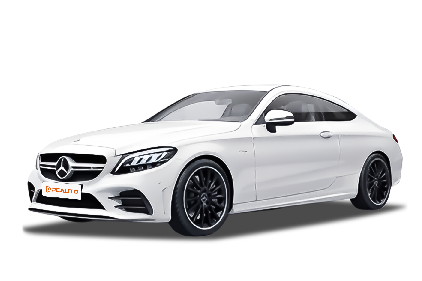
The Mercedes C-Class models are generally equipped with Harman Kardon or Burmester audio systems. Harman Kardon was founded in 1953 and is a division of Harman International Industries that specializes in producing home and car audio. Brands like BMW and Land Rover also frequently use its audio systems. It also owns several well - known brands such as JBL and AKG. The Burmester audio system was founded in Germany in 1978. As a high - end brand, it is renowned for its excellent sound quality and a pursuit of audiophile - level sound, and is a favorite among audio enthusiasts. Both of these brands can provide high - quality auditory enjoyment for passengers inside the car. For example, the 2018 Mercedes - Benz AMG C - Class Coupe is equipped with 21 speakers of Burmester and the Sound Plus function.
 QuantumLeapJun 9, 2025
Q
Is Mercedes C Class equipped with ADAS?
The Mercedes C Class is equipped with ADAS (Advanced Driver Assistance System). It has reached the Level 2 driver assistance level and adopts five exterior cameras, 12 ultrasonic radars, and one millimeter - wave radar. When driving on the highway, the car - following and full - speed adaptive cruise control functions are stable, which can automatically adjust the vehicle speed according to the speed of the vehicle in front, maintain a safe following distance, and relieve the driver's fatigue during long - distance driving. In addition, the Mercedes C Class also comes with systems such as active braking/active safety systems, forward collision warning, electronic stability control, and automatic parking. For example, the active braking system can automatically apply the brakes when necessary to reduce the risk of collision; the automatic parking system can help the driver easily complete the parking maneuver. However, when facing complex road conditions such as on - ramps and road construction, the system's response ability is limited. The driver still needs to stay focused and be ready to take over the vehicle manually at any time.
 EclipseShadowJun 9, 2025
Q
What suspension does the Mercedes C-Class have?
The Mercedes C-Class is equipped with multi-link independent suspensions both at the front and rear. The front and rear multi-link independent suspensions have numerous advantages in many aspects. They can effectively filter out road vibrations and bumps, providing a smoother driving and riding experience whether you're cruising on rough city streets or uneven rural roads. Additionally, this suspension setup enhances the vehicle's handling characteristics, allowing for better control during turns and maneuvers. The use of this suspension in the C-Class means that passengers can enjoy a more comfortable journey, while drivers can experience superior driving dynamics. For car enthusiasts, this suspension system is also a hallmark of the vehicle's precision engineering, which helps to improve the overall performance and reputation of the Mercedes C-Class.
 SlashHunterJun 9, 2025
Q
Does Mercedes C-Class have spare wheel?
The Mercedes C-Class doesn't provide spare tire. Instead, it's typically equipped with run - flat tires. These tires are designed to keep going even when they lose air pressure. With run - flat tires, the vehicle can still keep moving for a certain distance after the loss of tire pressure, without the need to install a spare tire right away, which provides a certain level of convenience and peace of mind for drivers, as they don't have to worry about changing a tire by the roadside immediately. To some extent, this also helps to reduce the vehicle's weight, which may potentially improve fuel efficiency. These run - flat tires usually have special markings like RSC to indicate their technical features.
 HappyOctopusJun 9, 2025
Q
How to open the sunroof of Mercedes C-Class?
To open the sunroof of Mercedes C-Class, find the SOS button inside the car and push it backward. You can decide the opening degree on your own. For some models without an SOS button, there will be a dedicated button for opening the sunroof in the car, which usually has a pattern similar to a sunroof , press it and then the sunroof will be automatically opened. Besides this opening method, in some models, there is a switch in the center of the roof to control the opening and closing of the sunroof. You can operate it by toggling this switch. After the vehicle is turned off, you can also point the key at the driver - side door and long - press the lock button to close all windows, including the sunroof. Alternatively, you can get close to the driver - side door and long - press the sensor on the outside of the door handle to close them. Knowing these ways to open and close the sunroof allows passengers and drivers to enjoy the comfort brought by the sunroof more freely, such as rapid temperature reduction, fog removal, and improved air circulation.
 HappySquidJun 9, 2025
Q
Is Mercedes C-Class equipped with LED lights?
Yes, the Mercedes C-Class is equipped with LED lights. Both the 2018 Mercedes-Benz AMG C-Class Coupe AMG C 43 4MATIC and the 2018 Mercedes-Benz AMG C-Class Coupe C 63 S come standard with LED headlights. Compared with traditional halogen lights, LED lights offer many advantages, such as better lighting effects, a more stylish appearance, and a longer service life. They can improve visibility on the road, especially when driving at night, in foggy or rainy conditions, ensuring safer driving. In addition, as a luxury car, the use of LED lights also improves the overall luxury of the Mercedes C-Class. In addition, equipped with other standard features like its comprehensive safety system and luxurious interior, the C-Class has become a popular choice among car enthusiasts in the sports car segment.
 HappyWhaleJun 9, 2025
Q
Does Mercedes C-class have touch screen?
Yes, the latest Mercedes-Benz C-Class (W206 generation) comes standard with an 11.9-inch central touchscreen across the entire lineup. It's equipped with the second-generation MBUX (Mercedes-Benz User Experience) infotainment system, whose high-definition screen supports touch operation and tactile feedback function, allowing you to control functions like navigation, audio, and vehicle settings. The screen also features voice control with "Hey Mercedes" and supports wireless Apple CarPlay and Android Auto connectivity, making it more intelligent and convenient to use.
Moreover, the screen of the Mercedes-Benz C-Class offers clear display and an intuitive UI design. It has a sensitive touch response, which better meets the technological needs of modern users compared to traditional knob controls. In Malaysia, whether it's the entry-level C 200 or the higher-performance C 300 or AMG versions, this touchscreen is standard equipment, providing both drivers and passengers with a more modern interactive experience.
 HappyManateeJun 9, 2025
Popular Cars
Model Year
Car Compare
Car Photo
Related Models
 Cars
CarsLatest Q&A
Q
Does the 2019 Golf GTI have a timing belt or chain?
The 2019 Golf GTI uses a timing chain instead of a timing belt—a design that offers better durability and lower maintenance costs. Typically, a chain lasts as long as the engine itself and rarely needs replacement, whereas a belt requires inspection or replacement every 60,000 to 100,000 km. If neglected, a worn belt can snap and cause severe engine damage.
VW’s EA888 engine family has long relied on chain-driven systems, which are relatively quiet and highly reliable. That said, it’s crucial to periodically check the tensioner’s condition. Some earlier models experienced timing issues due to tensioner design flaws, but this was addressed in the 2019 version.
For performance enthusiasts, a chain system handles high-revving stress better, making it a common choice for hot hatches like the GTI. For daily driving, just stick to VW 50400/50700-spec oil as recommended in the manual—proper lubrication keeps the chain system healthy long-term.
One heads-up: If you hear noticeable metallic rattling near the front of the engine, have the guides or tensioner inspected ASAP. Unlike the telltale belt squeal before failure, this noise is a classic sign of chain-related wear.
 MoonlitSerenadeDec 5, 2025
Q
What is the recall on the 2019 GTI?
The 2019 Volkswagen Golf GTI was subject to a safety recall addressing two potential issues. First, the fuel pump control unit software could malfunction, potentially causing engine stalling in rare cases. Second, some vehicles might have rear suspension stabilizer link bolts that weren't tightened to specification, posing a loosening risk. Owners can visit authorized dealers for free software updates or bolt retightening.
These proactive recalls demonstrate Volkswagen's commitment to safety. Dealers often handle outstanding recall items during routine maintenance.
For performance-oriented models like the GTI, it's wise to go beyond recall checks. Pay close attention to the turbo system, DSG transmission fluid, and brake wear—these components endure more stress during spirited driving. If warning lights appear or you notice unusual noises, get a professional inspection promptly. Keeping the car in top shape ensures you can fully enjoy its dynamic capabilities.
 MusicianNoteMelodyDec 5, 2025
Q
Does the 2019 GTI require premium gas?
The 2019 GTI does recommend using high-octane fuel (typically RON 95 or above). Its 2.0L turbocharged engine has a relatively high compression ratio, and premium gas ensures optimal performance while reducing knock risk. It also helps maintain engine cleanliness and long-term reliability.
While the car may tolerate lower-octane fuel (like RON 92), you’d see slightly reduced power output and fuel efficiency. Over time, it could also affect engine longevity. Turbocharged engines are particularly sensitive to octane ratings since turbos generate higher heat and pressure—high-octane fuel handles these conditions better.
Mixing different fuel grades occasionally won’t hurt, but sticking to the manufacturer’s recommendation is ideal. Also, periodic fuel additive treatments can help clean carbon buildup, especially for direct-injection engines.
One more thing: even with the same octane rating, fuel additive packages vary by brand. So, picking a reputable gas station matters too.
 FlutteringButterflyDec 5, 2025
Q
How long will a 2019 GTI last?
The lifespan of a 2019 GTI largely depends on maintenance and driving habits. With regular oil changes, transmission fluid replacements, and avoiding aggressive driving, it can easily clock over 200,000 kilometers—or even more. Its 2.0T engine and DSG gearbox are proven combos, and as long as you stick to the factory service schedule, mechanical reliability won’t be an issue.
Just keep in mind: turbocharged engines demand extra care. Always use the right spec full-synthetic oil and monitor the cooling system. Climate plays a role too—hot, humid conditions mean paying extra attention to rubber seals and electronics. Every 50,000 km, have the timing chain and high-pressure fuel pump inspected (key items for turbos).
Driving style matters. Don’t redline it constantly, and let the engine warm up properly after cold starts. Rustproofing helps long-term durability, so regular underbody washes are smart. Nail these details, and this car’s built to last.
 DriverRouteTravelDec 5, 2025
Q
How fast is the 2019 GTI?
The 2019 GTI truly delivers when it comes to performance. Under the hood lies a punchy 2.0-liter turbocharged four-cylinder, churning out 228 horsepower and 350 Nm of torque. Whether you opt for the engaging 6-speed manual or the lightning-fast 7-speed DSG, this hot hatch rockets from 0-100 km/h in just 6.3 seconds, with an electronically limited top speed of 250 km/h.
What really sets the GTI apart is its razor-sharp handling. The sport-tuned suspension and electronic differential lock work together to deliver precise steering and rock-solid cornering stability. It’s the perfect blend of everyday practicality and proper driver’s car thrills—a well-rounded hot hatch in every sense.
For enthusiasts, the GTI’s tuning potential is massive. Many owners go for ECU remaps or intake/exhaust upgrades to squeeze out even more power. Just remember to keep things street-legal—safety and compliance should always come first. Around here, these pocket rockets have a solid following, and it’s easy to see why.
 HikerTrailNatureDec 5, 2025
Related News

Mercedes-Benz invests in an autonomous driving technology company under Geely named Qianli
AshleySep 25, 2025

Benz launches its first car equipped with solid-state batteries, capable of traveling 1,205 kilometers on a full charge
WilliamSep 10, 2025

Mercedes-Benz electric vehicle design language will also undergo a major change to respond to BMW Neue Klasse.
JamesSep 9, 2025

Mercedes-Benz CLA Electric Opens for Pre-Orders with Over 700km Range
AshleyAug 14, 2025

Mercedes-Benz Unveils Bold Plan: 18 New Models by 2026
Kevin WongAug 6, 2025
View More
Pros
Cons