
Q
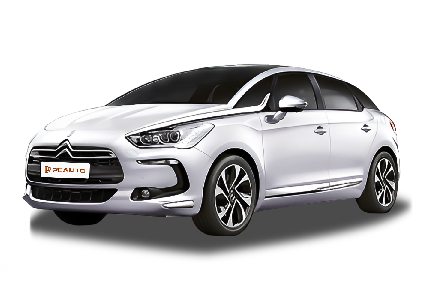
How much is Citroen DS5 in Malaysia?
 RunnerSpeedOct 22, 2025, 04:35 PM
In Malaysia right now, the price of a brand-new Citroën DS5 can vary a bit depending on the trim level and any ongoing promotions. Generally speaking, you're looking at a ballpark figure between RM150,000 and RM180,000. For the most up-to-date and accurate pricing, though, your best bet is to hit up Citroën Malaysia's official dealers or authorized agents directly.
The DS5, as Citroën's premium offering, has carved out a niche with its head-turning design and comfortable ride. It's got that certain appeal for folks who appreciate a bit of flair. Step inside, and you'll find a cabin kitted out with quality materials and some nifty tech, like a heads-up display and adaptive cruise control – perfect for buyers who want something that's both stylish and practical.
Now, when you're buying an imported car in Malaysia, it's not just the sticker price you need to think about. There's also the added costs like import duties, insurance, and registration fees, all of which will bump up the final on-the-road price. So make sure you factor those in.
If the DS5 has caught your eye, it might be worth cross-shopping with other European models in the same segment, things like the Peugeot 508 or Volkswagen Passat. That way, you can weigh up your options against your budget and what you really need, and hopefully land on the best fit for you.
Special Disclaimer: This content is published by users and does not represent the views or position of PCauto.
Related Q&A
Q
When was the DS 5 discontinued?
The DS 5 is a premium crossover from French luxury marque DS Automobiles (originally under Citroën). Production wrapped up in 2018, mainly due to a brand strategy shift that refocused resources on new energy vehicles and SUVs better aligned with market demands – think subsequent models like the DS 7 Crossback. Stylistically, the DS 5 blended coupe and MPV elements, prioritizing a luxurious feel and tech-forward features. It even packed the advanced Hybrid4 diesel hybrid system back in the day, showing the brand's early exploration into green technology.
For the Malaysian market, the DS 5 never got an official launch. However, local consumers could still get their hands on one through parallel import channels. Its unique design and that distinct French luxury vibe still managed to attract a niche following of enthusiasts.
These days, DS is doubling down on electrification, rolling out fully electric models like the DS 3 E-Tense. If Malaysian folks have their eye on the DS brand, keeping tabs on their global new releases or checking in with local authorized dealers would be the way to go.
 DancerMoveOct 22, 2025
Q
What are the common problems with the DS 5?
The DS 5, with its distinctively styled luxury offering, has carved out a niche among Malaysian buyers, though there are a few common issues potential owners should be aware of. First off, the electronics: some drivers have reported occasional lag or blackouts with the infotainment screen. This ties back to system software optimization, so popping into an authorized service center for regular software updates is a smart move.
Then there's the suspension. After some miles, you might start hearing creaks or rattles, and that's largely down to Malaysia's notoriously patchy road conditions taking a toll on suspension components. Keeping an eye on the bushings and shock absorbers with regular inspections is definitely worthwhile.
Another point to note is the 1.6THP engine. At higher mileages, the timing chain can develop a slight stretch. Sticking to scheduled oil changes and using genuine parts, though, goes a long way in preventing that.
It’s also worth mentioning that the DS 5’s unique body shape does mean the rearview mirrors offer a somewhat narrower field of vision. That’s something to keep in mind when navigating Malaysia’s tighter roads.
If you’re looking at a used DS 5, make sure to thoroughly check these areas and verify that the service history is complete.
Sure, these niggles exist, but the DS 5’s exquisite interior design and engaging driving dynamics still give it a unique appeal in its class. As long as you stay on top of regular maintenance, it’s still a car that delivers a solid ownership experience.
 DriverRouteOct 22, 2025
Q
Is the Citroen DS5 a good car?
The Citroën DS5 stands out as a uniquely styled vehicle that prioritizes the driving experience, carving out a niche in Malaysia's market among consumers who value individuality and comfort. Its exterior blends coupé-like sleekness with hatchback practicality, featuring fluid lines that exude a futuristic vibe. Step inside, and you're greeted by premium materials and meticulous attention to detail, elevating the overall sense of luxury. Under the hood, the DS5 offers both petrol and diesel options, with select models boasting Hybrid4 technology – a smart balance of performance and fuel efficiency that handles Malaysia's urban jungles and highway stretches with equal ease. Tech-savvy drivers will appreciate the inclusion of adaptive cruise control and lane-keeping assist, which add an extra layer of safety to every journey. That said, as an imported model, potential owners should be aware that maintenance costs in Malaysia might run a bit higher, and some spare parts could have longer lead times. It's definitely worth doing your homework on the after-sales service network before taking the plunge. The DS5 is tailor-made for those who crave distinctive design, cutting-edge tech, and a refined driving feel. If you're drawn to that unique French flair and have the budget to match, it's a solid contender. Plus, in Malaysia's hot and rainy climate, the DS5's air conditioning system and rust-proofing hold up reliably, making it more than capable of handling daily commutes.
 JoyfulHeartOct 22, 2025
Q
What is the problem with the 2018 Citro Ds5?
Common issues reported by Malaysian owners of the 2018 Citroën DS5 include occasional electronic glitches—like laggy infotainment screens or delayed reverse cameras—usually fixable with a quick software update. A small number of units also develop suspension creaks, likely due to rubber components aging faster in our tropical heat; regular checks on chassis bushings are smart preventive care.
Under the hood, DS5's 1.6THP turbo engine demands strict adherence to timing chain and coolant replacement schedules—standard maintenance musts for European turbocharged powerplants here. Local drivers should also keep those sunroof drain holes clear during monsoon season to avoid interior leaks from clogs.
If hunting for a used DS5, prioritize inspecting these systems and insist on full service records. Despite these quirks, the DS5 delivers distinctive French luxury and engaging driving dynamics that still make it worthwhile when properly maintained. Its standout aviation-inspired cockpit design and eco-friendly interior materials remain unique selling points in its segment.
 NatureBeautyOct 22, 2025
Popular Cars
Model Year
Car Compare
Car Photo
Related Models
 Cars
CarsLatest Q&A
Q
Is AMT similar to automatic?
There are significant differences between AMT transmissions and automatic transmissions (AT) in terms of core structure and driving experience. AMT is essentially an electronically automated version of a manual transmission, simulating manual clutch operation and gear shifting through a computerized control system while retaining the gear set structure of manual transmissions. As a result, it offers higher transmission efficiency, with fuel consumption approximately 8%-12% lower than AT, making it particularly suitable for highway or long-distance driving. However, it may exhibit jerking similar to manual transmissions during low-speed gear shifts, especially noticeable in congested traffic conditions.
AT transmissions rely on torque converters for power transfer, delivering smooth and seamless gear shifts that appeal to comfort-oriented users. However, their complex structure (incorporating planetary gear sets, hydraulic systems, etc.) results in higher maintenance costs. A single service may cost between 800 to 1,500 ringgit, whereas AMT only requires gear oil replacement at approximately 400 ringgit.
From a market perspective, AMT is predominantly used in budget vehicles or commercial models priced below 80,000 ringgit, while AT is typically featured in mid-to-high-end vehicles. Consumers should select based on actual needs: AMT suits those prioritizing fuel efficiency and low maintenance costs, while AT better serves those valuing comfort. Notably, recent advancements in AMT electronic control technology have significantly mitigated jerking issues, though test drives should still emphasize low-speed performance evaluation.
 AriaMar 26, 2026
Q
Which is better, DCT or AT?
DCT (Dual-Clutch Transmission) and AT (Automatic Transmission) each have their own advantages and disadvantages, and the choice should be based on personal driving needs. AT transmissions transfer power through a torque converter, offering excellent shift smoothness, making them suitable for urban commuting or novice drivers. However, they tend to have higher fuel consumption, and vehicles equipped with them are usually more expensive. DCT transmissions utilize a dual-clutch structure, featuring fast shift speeds and high power transmission efficiency, which provides a more direct driving experience—particularly suitable for users seeking a sporty feel. However, they may exhibit jerking at low speeds and have relatively high maintenance costs. If durability and comfort are priorities, AT is the more reliable choice; if power responsiveness and driving pleasure are preferred, wet DCT (such as Volkswagen DSG) performs better, though dry DCT models should be avoided in prolonged stop-and-go traffic conditions. Additionally, CVT transmissions excel in smoothness and fuel efficiency, making them ideal for daily commuting, but they lack driving excitement. It is recommended to test-drive before purchasing, as tuning varies significantly across brands, and real-world experience is more important than theoretical specifications.
 FlutteringMar 26, 2026
Q
Is Amt good or bad?
AMT gearboxes have a significant cost advantage in the local market, typically being around 5,000 Ringgit cheaper than models equipped with conventional automatic transmissions. Their fuel efficiency is comparable to manual transmissions, resulting in long-term fuel savings. Featuring a straightforward design, they achieve transmission efficiency exceeding 90% with relatively low maintenance costs, making them ideal for practicality-oriented consumers. However, their shifting logic contains inherent limitations: gear changes between 1st and 2nd cause 0.3-0.5 second power interruptions, while unintended upshifts on inclines may reduce engine speed by 15%-20%, compromising driving smoothness. For urban commuters or budget-conscious buyers, AMT offers excellent value, though those prioritizing premium driving dynamics should consider alternative transmission types. Some domestic models like the Perodua Axia employ enhanced AMT systems, where optimized shift programming has reduced gearshift shock by approximately 30%.
 RainbowsMar 26, 2026
Q
Which gives better mileage, CVT or AMT?
From the perspective of fuel economy, CVT transmissions generally perform better under urban driving conditions. Their continuously variable design allows the engine to consistently operate within the optimal speed range, significantly reducing fuel consumption during frequent starts and stops. Test data shows that their fuel consumption in urban driving conditions is 10% to 15% lower than that of comparable models. AMT transmissions, on the other hand, inherit the high transmission efficiency of manual transmissions, delivering fuel efficiency close to manual transmissions during high-speed cruising. This makes them particularly suitable for long-distance driving in large-displacement vehicles. However, due to power interruption during gear shifts, their overall fuel consumption may be 5% to 8% higher than CVTs.
The difference in fuel-saving characteristics between the two transmissions stems from their technical principles: CVTs achieve continuous variability through steel belts and pulleys, eliminating the fixed gear ratio limitations of traditional transmissions; AMTs simulate manual gear changes via electronic control systems while maintaining the mechanical efficiency of gear transmission. Notably, actual fuel consumption is also influenced by driving habits. Smooth acceleration and anticipatory deceleration can maximize the transmissions' fuel-saving potential. If the vehicle budget permits and urban commuting is the primary use, CVTs offer a more economical choice. For frequent highway driving with an emphasis on cost-effectiveness, AMTs are equally worth considering.
 RubyBlazeMar 26, 2026
Q
Which is cheaper, AMT or CVT?
In terms of gearbox cost, AMT is usually more economical than CVT. Essentially, AMT is a manual transmission equipped with an electronic control unit, featuring a simple structure and low maintenance costs. The unit price ranges from approximately 5,000 to 8,000 ringgit, making it suitable for budget-conscious consumers or those who prioritize long-term operating costs. CVT incurs higher manufacturing costs due to its precision steel belt transmission system and continuous variable transmission technology, with a unit price of about 7,000 to 10,000 ringgit. However, it delivers a smoother driving experience and superior fuel efficiency. The primary differences between the two lie in technical complexity: AMT retains the gear-shifting mechanism, resulting in noticeable shift shock; CVT achieves linear power output through stepless speed variation but requires periodic belt inspection and incurs higher maintenance expenses. For those prioritizing initial cost and basic transportation needs, AMT offers better value; if comfort and long-term fuel economy are priorities, CVT represents a more worthwhile investment. Note that actual prices may vary based on vehicle model, brand, and local supply chain factors.
 ShadowProwlMar 26, 2026
Pros
Cons