
Q
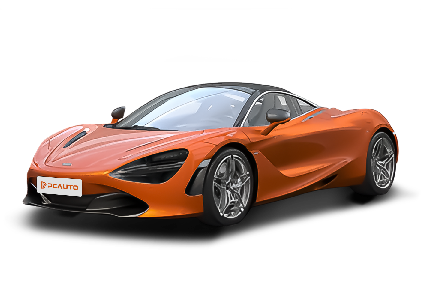
How much is the 2019 McLaren 720S worth?
 HappyMillipedeOct 21, 2025, 03:53 PM
If you're eyeing a 2019 McLaren 720S in Malaysia's pre-owned market, expect to shell out somewhere between RM900k to RM1.2 million. The exact figure really hinges on stuff like how well the car's been looked after, mileage, spec levels, and whether it still has that factory warranty kickin'.
Under the hood, this beast packs a 4.0L twin-turbo V8 cranking out 720 horsepower, rocketing from 0-100km/h in just 2.9 seconds—easily one of the benchmarks in the supercar game. Over here in Malaysia, these high-performance machines tend to have a strong following among collectors and enthusiasts, so you'll find that well-maintained examples hold their value pretty solidly.
When you're in the market, do yourself a favor and go through proper channels to check the vehicle's history—make sure there's no accident baggage or sketchy mods. And don't sleep on import duties and road tax either; those can add up and seriously affect your total ownership costs.
The 720S built its reputation on that lightweight carbon fiber construction and killer aerodynamics, making it a dream for drivers chasing that ultimate behind-the-wheel rush. But keep in mind, regular upkeep needs to be handled by specialist service centers to keep it performing at its peak.
Special Disclaimer: This content is published by users and does not represent the views or position of PCauto.
Related Q&A
Q
How much horsepower does a 2019 McLaren 720S have?
The 2019 McLaren 720S is powered by a 4.0-liter twin-turbocharged V8 engine cranking out 720 horsepower—hence the "720S" in its name—and a meaty 770 Nm of torque. Mated to a 7-speed dual-clutch gearbox, this thing rockets from 0-100 km/h in just 2.9 seconds and tops out at 341 km/h. Performance-wise, it's an absolute beast.
Underpinning it all is the Monocage II carbon fiber monocoque chassis, which nails that perfect balance of featherweight construction and seriously beefed-up rigidity. Then there's the aerodynamics—total next-level stuff. The active rear wing and those wild dihedral doors aren't just for show; they work overtime to generate serious downforce at high speeds.
For Malaysian petrolheads, the 720S hits that sweet spot between track-ready weapon and daily-drivable supercar. Sure, our hot and humid climate can be tough on high-performance cooling systems, but McLaren's engineering team has that covered. This thing stays cool and composed, no matter what you throw at it.
And let's not sleep on the cockpit. It's all about driver ergonomics here, with a sharp digital instrument cluster and a slick infotainment system. So you're not just getting mind-blowing speed—you're getting luxury and tech to match.
 JourneyOct 21, 2025
Q
Who makes the McLaren 720S engine?
The McLaren 720S gets its heart from McLaren's own engineering team – specifically, a 4.0-liter twin-turbocharged V8 engine codenamed M840T. This powerplant is designed and built entirely at McLaren's UK production facility, really showcasing the brand's deep technical prowess when it comes to high-performance powertrains. The M840T cranks out 720 horsepower and 770 Nm of peak torque, and when paired with that 7-speed dual-clutch gearbox, it hurls the 720S from 0-100 km/h in just 2.9 seconds, with a top speed of 341 km/h. That's some seriously impressive performance. For Malaysian petrolheads, the McLaren 720S isn't just another supercar; it's a masterpiece of engineering. Its engine tech highlights McLaren's leading edge in lightweight materials and aerodynamics, and the car has built up a solid presence in Malaysia's luxury high-performance car market, earning plenty of love from local automotive enthusiasts. What's more, McLaren keeps refining its engine tech to strike that balance between performance and environmental responsibility – think efficient turbocharging systems and precise fuel management to boost fuel economy. That's especially crucial in a market like Malaysia, where a passion for high-performance cars goes hand-in-hand with growing environmental awareness.
 CloverOct 21, 2025
Q
What is the interior like on a 2019 720S?
The interior of the 2019 McLaren 720S screams supercar from every angle. They’ve gone all-in on lightweight materials—think plenty of carbon fiber and Alcantara—without skimping on that premium feel. The seats? Wrapped in high-grade leather, they offer killer support, whether you’re bombing down a highway or attacking a set of twisties.
The center console is clean, driver-focused, and home to an 8-inch vertical touchscreen that handles Apple CarPlay and navigation like a pro. Then there’s that trick folding digital gauge cluster—it changes what info it displays based on your driving mode, adding a serious tech edge.
Storage space? Yeah, it’s tight, but let’s be real—when you’re buying a performance machine like this, cargo room isn’t exactly top of the priority list. One thing that really stands out is the "Monocage II" carbon fiber tub. It’s a smart move, cutting weight while beefing up rigidity—a setup you don’t see in every supercar.
For folks in Malaysia, the 720S holds up well in the heat. The AC cranks hard, and the seat ventilation works a treat. Just keep in mind, leather and Alcantara need a bit more TLC in that hot, humid climate to stay looking sharp.
Now, the 720S might not hit the same over-the-top luxury notes as some Italian brands, but where it really shines is in functionality and that laser-focus on the driver. You see that same philosophy across McLaren’s lineup, and honestly? It works.
 RubyRedOct 21, 2025
Q
What awards did the 2019 McLaren 720S win?
The 2019 McLaren 720S racked up some serious hardware from big-name international awards thanks to its killer performance and stunning design. We're talking big ones here—like being named "Supercar of the Year" by none other than Top Gear, and scoring "Best Performance Car of the Year" from GQ magazine. Under the hood, this beast packs a 4.0-liter twin-turbo V8 that cranks out 720 horsepower and 770 Newton-meters of torque. That translates to a blistering 0-100 km/h sprint in just 2.9 seconds and a top speed of 341 km/h, really showing off McLaren's mastery when it comes to lightweight tech and aerodynamics.
For Malaysian petrolheads, the 720S story gets even more exciting with the track-focused GT3 version, which has been tearing it up in Asian motorsport events. Sure, local road conditions and regulations mean you can't quite uncage its full beast mode on public streets, but that doesn't stop it from being the stuff of dreams for legions of supercar fans. And let's not forget the engineering cred—its carbon fiber monocoque chassis and active suspension system have earned it plenty of respect from the tech heads too.
 RipplingStreamOct 21, 2025
Q
What colors did the 2019 720S come in?
The 2019 McLaren 720S arrived in the Malaysian market boasting a range of classic and highly personalized color options, split between standard hues and exclusive customized finishes. The standard palette highlights McLaren staples like **Volcano Yellow**, **Senna Grey**, **Lantana Purple**, and **Onyx Black**. For those seeking something truly one-of-a-kind, McLaren Special Operations (MSO) opened the door to bespoke color choices – think head-turners like **Amethyst Black** or **Belize Blue** – tailored to satisfy the desires of discerning owners who crave a truly unique aesthetic.
As a high-performance supercar, the 720S’s color isn’t just about looks; it plays with the car’s striking lines, especially when paired with special paint techniques like metallic or matte finishes that enhance depth and dimension. Given Malaysia’s hot and humid, rain-prone climate, it’s wise for owners to opt for paint finishes with good weather resistance and to stick to regular maintenance routines to keep that showroom shine intact.
What’s more, McLaren’s color names often nod to the brand’s rich heritage and motorsport legends. Take **Senna Grey**, for example – a clear tribute to the incomparable Ayrton Senna. These little touches don’t just add character; they elevate the car’s collectibility and cultural significance.
 InventorMindInventionOct 21, 2025
Q
How much horsepower does the 2019 720S have?
The 2019 McLaren 720S is powered by a 4.0-liter twin-turbo V8 engine cranking out 720 horsepower – hence the "720S" in its name – and a meaty 770 Nm of torque. Paired with a 7-speed dual-clutch gearbox, this thing rockets from 0-100 km/h in just 2.9 seconds and tops out at 341 km/h. Performance-wise, it's an absolute beast. For Malaysian petrolheads, the 720S isn't just about raw power; its lightweight carbon fiber MonoCage chassis and active aerodynamics work together to boost handling and high-speed stability, making it a solid fit for our twisty local roads. What's cool is that despite its relatively modest engine displacement, the twin-turbo setup lets it punch way above its weight in terms of power delivery. This trend of small-displacement, high-output engines is becoming more common in modern supercars – it meets stricter emissions standards while still serving up that adrenaline-pumping driving experience we crave. Price-wise, the 720S sits around the RM1.5 million mark in Malaysia, firmly in the top-tier supercar league, but it still offers pretty good value for money compared to its direct competitors.
 FriendshipBondTightOct 21, 2025
Q
How many gears does a 720S have?
The McLaren 720S is hooked up with a 7-speed dual-clutch gearbox (SSG), engineered to deliver quick yet smooth shifts—perfect for a high-performance supercar. The beauty of a dual-clutch setup here is that power delivery stays nearly uninterrupted during gear changes, letting drivers focus more on nailing the perfect line when pushing hard. As a standout in McLaren's Super Series, the 720S strikes a nice balance with its gearbox tuning—comfortable enough for daily drives but sharp when you hit the track. Even in Malaysia's hot and rainy weather, the transmission's cooling system keeps temperatures in check, so performance never skips a beat. For Aussie petrolheads who love supercars, the 720S isn't just about blistering acceleration; its gearbox tech shows off the best of what engineering can do these days. These high-performance boxes do need regular love, though—owners should stick to the factory maintenance schedule to keep things running strong for the long haul.
 SilverStreamOct 21, 2025
Q
What are common 720S problems?
Alright, let's talk about the McLaren 720S in the context of Malaysia's hot and humid climate. As a high-performance supercar, owners might encounter some typical niggles. For instance, there can be occasional gremlins in the electronic systems – think wonky dashboard displays or sensor false alarms. More often than not, a quick software update will iron those out.
Now, the 720S makes extensive use of carbon fiber, which is fantastic for weight and rigidity. However, some owners have noted a bit of creaking or rattling from interior panel gaps after prolonged exposure to the sun. Importantly, this is just an annoyance and doesn't compromise the car's safety one bit.
The cooling system is another area to keep an eye on, especially during those frustratingly gridlocked traffic jams. Regularly cleaning out the radiator grilles is a simple but effective way to prevent overheating warnings – trust me, you don't want that light popping up when you're stuck.
And let's not forget those iconic dihedral doors – they look absolutely epic, but in some of Malaysia's more compact or low-ceilinged parking garages, you've really got to mind the opening angle to avoid any unwanted scrapes.
For the performance purists out there, remember that those Pirelli P Zero tires need a proper warm-up after rain to deliver their full grip potential. That's just the nature of high-performance rubber, not a flaw in the car itself.
My advice to Malaysian 720S owners? Stick religiously to the official maintenance schedule. Pay extra attention to the air conditioning system and battery checks too – keeping those in top shape will ensure your McLaren performs at its absolute best, even when the tropical mercury soars.
 GoldenSunsetHorizonOct 21, 2025
Q
How much is a used McLaren 720S?
In Malaysia, the price of a used McLaren 720S can vary quite a bit depending on factors like condition, year, mileage, and specs. Generally, you're looking at a range of around 1 million to 1.5 million ringgit. The newer ones with lower miles might nudge closer to that 1.5 million mark, while the ones with more years or kms under their belt will be a bit easier on the wallet.
The 720S is a proper high-performance supercar. Under the hood, there's a 4.0-liter twin-turbo V8 cranking out 720 horsepower, which rockets it from 0-100 km/h in just 2.9 seconds—total thrill to drive. And it's not just straight-line speed; the lightweight carbon fiber body and clever aerodynamics really sharpen up the handling too.
If you're in the market for a used supercar like this, definitely go through professional channels to check the vehicle's history and mechanical condition. You want to make sure there are no major accidents or hidden issues. Also, factor in the ongoing costs—insurance, maintenance, taxes. High-performance cars like this usually have pretty steep upkeep bills, so make sure your budget has enough buffer for the long haul.
 WildernessExplorerSoulOct 21, 2025
Q
Is McLaren 720S full carbon?
The McLaren 720S isn't all carbon fiber, but its core structure relies on the Monocage II carbon fiber tub – McLaren's second-gen carbon tech that seriously slashes weight while cranking up rigidity. They've also thrown carbon fiber into the doors and roof, but other bits like the bumpers and some body panels stick with aluminum or composites to balance cost and performance. For Malaysian petrolheads, that carbon fiber tech isn't just about handling the tropical heat and humidity; it also delivers rock-solid stability when you're pushing hard. And let's not forget McLaren Special Operations (MSO) – they'll hook you up with extra carbon fiber exterior bits if you want to make that 720S truly your own. Carbon fiber's everywhere in supercars these days, right? It's lighter and stronger than old-school metal, which does wonders for fuel economy and handling. But building a full carbon fiber body is pricey, so most brands, McLaren included with the 720S, go the mixed-materials route.
 NightRiderOct 21, 2025
Popular Cars
Model Year
Car Compare
Car Photo
Related Models
 Cars
CarsLatest Q&A
Q
Is AMT similar to automatic?
There are significant differences between AMT transmissions and automatic transmissions (AT) in terms of core structure and driving experience. AMT is essentially an electronically automated version of a manual transmission, simulating manual clutch operation and gear shifting through a computerized control system while retaining the gear set structure of manual transmissions. As a result, it offers higher transmission efficiency, with fuel consumption approximately 8%-12% lower than AT, making it particularly suitable for highway or long-distance driving. However, it may exhibit jerking similar to manual transmissions during low-speed gear shifts, especially noticeable in congested traffic conditions.
AT transmissions rely on torque converters for power transfer, delivering smooth and seamless gear shifts that appeal to comfort-oriented users. However, their complex structure (incorporating planetary gear sets, hydraulic systems, etc.) results in higher maintenance costs. A single service may cost between 800 to 1,500 ringgit, whereas AMT only requires gear oil replacement at approximately 400 ringgit.
From a market perspective, AMT is predominantly used in budget vehicles or commercial models priced below 80,000 ringgit, while AT is typically featured in mid-to-high-end vehicles. Consumers should select based on actual needs: AMT suits those prioritizing fuel efficiency and low maintenance costs, while AT better serves those valuing comfort. Notably, recent advancements in AMT electronic control technology have significantly mitigated jerking issues, though test drives should still emphasize low-speed performance evaluation.
 AriaMar 26, 2026
Q
Which is better, DCT or AT?
DCT (Dual-Clutch Transmission) and AT (Automatic Transmission) each have their own advantages and disadvantages, and the choice should be based on personal driving needs. AT transmissions transfer power through a torque converter, offering excellent shift smoothness, making them suitable for urban commuting or novice drivers. However, they tend to have higher fuel consumption, and vehicles equipped with them are usually more expensive. DCT transmissions utilize a dual-clutch structure, featuring fast shift speeds and high power transmission efficiency, which provides a more direct driving experience—particularly suitable for users seeking a sporty feel. However, they may exhibit jerking at low speeds and have relatively high maintenance costs. If durability and comfort are priorities, AT is the more reliable choice; if power responsiveness and driving pleasure are preferred, wet DCT (such as Volkswagen DSG) performs better, though dry DCT models should be avoided in prolonged stop-and-go traffic conditions. Additionally, CVT transmissions excel in smoothness and fuel efficiency, making them ideal for daily commuting, but they lack driving excitement. It is recommended to test-drive before purchasing, as tuning varies significantly across brands, and real-world experience is more important than theoretical specifications.
 FlutteringMar 26, 2026
Q
Is Amt good or bad?
AMT gearboxes have a significant cost advantage in the local market, typically being around 5,000 Ringgit cheaper than models equipped with conventional automatic transmissions. Their fuel efficiency is comparable to manual transmissions, resulting in long-term fuel savings. Featuring a straightforward design, they achieve transmission efficiency exceeding 90% with relatively low maintenance costs, making them ideal for practicality-oriented consumers. However, their shifting logic contains inherent limitations: gear changes between 1st and 2nd cause 0.3-0.5 second power interruptions, while unintended upshifts on inclines may reduce engine speed by 15%-20%, compromising driving smoothness. For urban commuters or budget-conscious buyers, AMT offers excellent value, though those prioritizing premium driving dynamics should consider alternative transmission types. Some domestic models like the Perodua Axia employ enhanced AMT systems, where optimized shift programming has reduced gearshift shock by approximately 30%.
 RainbowsMar 26, 2026
Q
Which gives better mileage, CVT or AMT?
From the perspective of fuel economy, CVT transmissions generally perform better under urban driving conditions. Their continuously variable design allows the engine to consistently operate within the optimal speed range, significantly reducing fuel consumption during frequent starts and stops. Test data shows that their fuel consumption in urban driving conditions is 10% to 15% lower than that of comparable models. AMT transmissions, on the other hand, inherit the high transmission efficiency of manual transmissions, delivering fuel efficiency close to manual transmissions during high-speed cruising. This makes them particularly suitable for long-distance driving in large-displacement vehicles. However, due to power interruption during gear shifts, their overall fuel consumption may be 5% to 8% higher than CVTs.
The difference in fuel-saving characteristics between the two transmissions stems from their technical principles: CVTs achieve continuous variability through steel belts and pulleys, eliminating the fixed gear ratio limitations of traditional transmissions; AMTs simulate manual gear changes via electronic control systems while maintaining the mechanical efficiency of gear transmission. Notably, actual fuel consumption is also influenced by driving habits. Smooth acceleration and anticipatory deceleration can maximize the transmissions' fuel-saving potential. If the vehicle budget permits and urban commuting is the primary use, CVTs offer a more economical choice. For frequent highway driving with an emphasis on cost-effectiveness, AMTs are equally worth considering.
 RubyBlazeMar 26, 2026
Q
Which is cheaper, AMT or CVT?
In terms of gearbox cost, AMT is usually more economical than CVT. Essentially, AMT is a manual transmission equipped with an electronic control unit, featuring a simple structure and low maintenance costs. The unit price ranges from approximately 5,000 to 8,000 ringgit, making it suitable for budget-conscious consumers or those who prioritize long-term operating costs. CVT incurs higher manufacturing costs due to its precision steel belt transmission system and continuous variable transmission technology, with a unit price of about 7,000 to 10,000 ringgit. However, it delivers a smoother driving experience and superior fuel efficiency. The primary differences between the two lie in technical complexity: AMT retains the gear-shifting mechanism, resulting in noticeable shift shock; CVT achieves linear power output through stepless speed variation but requires periodic belt inspection and incurs higher maintenance expenses. For those prioritizing initial cost and basic transportation needs, AMT offers better value; if comfort and long-term fuel economy are priorities, CVT represents a more worthwhile investment. Note that actual prices may vary based on vehicle model, brand, and local supply chain factors.
 ShadowProwlMar 26, 2026

Pros
Cons