
Q
Is the 2022 Kia Carnival a good car?
 CoraDec 15, 2025, 05:11 PM
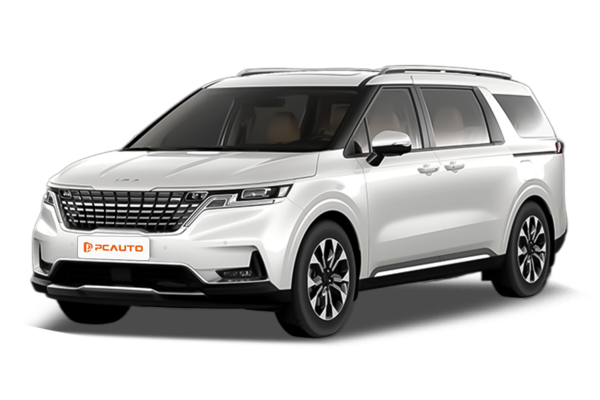
The 2022 Kia Carnival is a well-rounded MPV that's particularly ideal for family use, delivering strong performance in space, comfort, and tech features. It offers a three-row seating layout with surprisingly roomy third-row space—enough for adults—plus decent cargo capacity for daily needs. The cabin uses high-quality materials with a premium feel, featuring a responsive 10.25-inch touchscreen supporting both Apple CarPlay and Android Auto. Under the hood, you get a choice between a 2.2L diesel engine (great fuel efficiency for long hauls) or a punchier 3.5L gasoline unit. Safety tech like smart cruise control, lane-keeping assist, and blind-spot monitoring keeps it competitive in its class.
MPVs are gaining traction locally for their blend of practicality and comfort, making them a smart pick for larger families or frequent group travel. If you’re after a spacious, feature-packed people-hauler, the Carnival deserves a spot on your shortlist—though it’s always worth cross-shopping rivals to match your specific needs.
Special Disclaimer: This content is published by users and does not represent the views or position of PCauto.
Related Q&A
Q
What kind of engine is in the Kia Carnival 2022?
The 2022 Kia Carnival is powered by a 2.2-liter CRDi turbocharged diesel engine, featuring modern high-pressure common rail fuel injection technology. This setup delivers impressive fuel efficiency and strong low-end torque, with a max output of 202 horsepower and 440 Nm of peak torque. Paired with an 8-speed automatic transmission, it ensures smooth power delivery whether you're navigating city streets or cruising on the highway.
Diesel engines remain popular in the local market, thanks to their high-torque character—ideal for long-distance driving or hauling heavier loads—plus the added perk of diesel being more budget-friendly than petrol. To meet stricter emissions regulations, this engine also comes equipped with an exhaust gas recirculation system and a diesel particulate filter.
For families prioritizing practicality and fuel economy, this powertrain is a solid pick. And with Kia backing it up with an extended warranty, buyers can feel even more confident in their choice.
 SailorDec 15, 2025
Q
How much oil is in a 2022 Kia Carnival?
The 2022 Kia Carnival’s oil capacity varies by engine type. The 3.5L MPI gasoline engine typically takes around 5.7 quarts (including filter replacement), while the 3.5L GDI turbocharged version requires roughly 6.5 quarts. Always double-check your owner’s manual or the dashboard oil-life monitoring system for exact specs.
A heads-up: The amount can slightly vary depending on how thoroughly the old oil was drained during service. Too much oil? You risk higher crankcase pressure. Too little? Poor lubrication. Stick with full synthetic 5W-30 oil meeting API SP or ACEA C2/C3 standards—it handles tropical climates better.
When checking the oil level, park on level ground, wait 10 minutes after shutting off the engine, then pull the dipstick, wipe it, reinsert, and check. The level should sit between MIN and MAX. Noticing excessive consumption—say, over 0.5 quarts per 3,000 miles? Get those seals or piston rings inspected ASAP.
Pro tip: If you’re mostly doing short trips or heavy stop-and-go driving, consider shortening the oil-change interval to every 3,000 miles to keep the engine in top shape.
 HunterDec 15, 2025
Q
What is the fuel tank capacity of the Kia Carnival 2022?
The 2022 Kia Carnival comes with a 72-liter fuel tank, placing it in the upper-middle range among its MPV competitors. This capacity is well-suited for long-distance trips or family outings, minimizing those annoying fuel stops. For practical, spacious vehicles like MPVs—especially when you're regularly hauling the whole family—a generous fuel tank is a big plus.
Beyond tank size, the 2022 Carnival also features an efficient fuel system, with solid official fuel economy figures. In real-world driving, maintaining a smooth driving style can stretch a full tank quite far. When shopping for an MPV, don’t just focus on fuel capacity—safety features, ride comfort, and maintenance costs all play a role in day-to-day usability. If you frequently transport passengers or rack up highway miles, the Carnival is a practical pick, offering plenty of space and balanced fuel efficiency.
 AdventDec 15, 2025
Q
What is the fuel consumption of the Kia Carnival 2022?
The 2022 Kia Carnival's fuel efficiency varies depending on powertrain options and driving conditions. Equipped with a 3.5L V6 gasoline engine, it delivers an estimated combined fuel consumption of around 10-12L/100km. The more economical 2.2L diesel variant achieves approximately 7-8L/100km in mixed driving—though real-world figures may fluctuate based on driving habits and road conditions.
This MPV benefits from Hyundai-Kia's Smartstream technology, which optimizes combustion efficiency and reduces mechanical friction to strike a balance between fuel economy and performance. Whether for long family trips or daily urban commutes, it holds its own.
To maximize efficiency, maintain smooth acceleration, utilize cruise control wisely, and stick to regular maintenance—like timely air filter and spark plug replacements. If cross-shopping, competitors like the Toyota Innova and Honda Odyssey offer comparable fuel economy, but your final choice should weigh factors like cabin space, features, and power delivery.
 FunnyDec 15, 2025
Q
Is the 2022 Kia Carnival AWD?
The 2022 Kia Carnival offers both front-wheel drive (FWD) and all-wheel drive (AWD) configurations in select global markets, though availability varies by region. Positioned as a family-focused MPV, it comes equipped with either a 3.5L V6 gasoline engine or a 2.2L diesel unit, paired with an 8-speed automatic transmission. The AWD system—typically using a multi-plate clutch to distribute torque between axles—enhances stability on slippery surfaces.
That said, AWD remains relatively uncommon in the MPV segment, where it’s geared more for light off-pavement use than serious off-roading. Key rivals like the Toyota Granvia and Honda Odyssey also prioritize FWD, with AWD usually reserved for colder climates. If drivetrain options matter to you, check directly with local dealers for inventory specifics—and consider test-driving both versions to feel how they handle corners or wet roads.
Beyond drivetrains, the Carnival shines with its flexible seating and advanced driver-assistance tech, making it a solid pick for space and comfort.
GentleDec 15, 2025Q
How long does the 2022 Kia Carnival last?
The durability of the 2022 Kia Carnival largely depends on routine maintenance and driving habits. Under normal conditions, this MPV can last between 150,000 to 200,000 kilometers or over a decade—provided you stick to key service items like regular oil changes, transmission fluid replacements, and timing belt inspections. Pay extra attention to the chassis and suspension components too.
Designed as a family-oriented MPV, the Carnival features a high-rigidity body structure and anti-corrosion treatment, making it resilient against local weather. Its 3.5L V6 engine and 8-speed automatic transmission have proven reliable over years of real-world use.
For optimal longevity, schedule a basic service every six months or 10,000 km, with special care given to the air conditioning system and electronics—these often make or break long-term reliability. While well-maintained rivals in this segment can hit similar mileage milestones, actual lifespan varies based on usage patterns. Heavy loads or frequent short trips will wear parts faster, so consider shortening maintenance intervals if your driving leans toward the tougher side.
 ReaderNookEscapeDec 15, 2025
Q
What are the alternatives to the 2022 Carnival?
The 2022 Carnival, as a mid to large MPV, mainly competes with models such as the Toyota Innova Zenix, Honda Odyssey, and Mitsubishi Xpander. Innova Zenix has become the energy-saving choice with its hybrid system and Toyota reliability, Odyssey attracts home users with its more exquisite interior and Honda Sensing safety technology, while Xpander performs well in the entry-level market with affordable prices and flexible space layout. If you pay attention to technological configuration, you can consider equipping modern Staria with dual screens; The pursuit of luxury texture is worth paying attention to the zero gravity seats of Nissan Serena. These 7-seater cars usually adopt a 2+2+3 layout, with the second row of independent seats providing the best comfort. When purchasing, it is recommended to focus on experiencing the headroom and knee space in the third row. The hybrid system can significantly reduce fuel consumption when driving in urban areas, but the price difference between the gasoline and electric versions takes about 5 years to recover through fuel efficiency. Some models offer 360 degree panoramic imaging and automatic parking function, making them more beginner friendly. In terms of warranty policy, mainstream brands generally offer a 5-year unlimited mileage warranty, while power batteries usually enjoy a separate 8-year warranty.
 WriterPageStoryDec 15, 2025
Q
How much does a 2022 Kia Carnival cost?
The 2022 Kia Carnival's price varies depending on trim levels, with the base model starting around RM 170,000 to RM 180,000, while the top-spec variant could go up to approximately RM 220,000. Final pricing may differ due to dealer incentives or optional add-ons.
This MPV stands out with its spacious cabin and family-friendly features, like versatile seating arrangements and advanced safety tech—making it a solid pick for buyers who prioritize practicality and comfort. In the local market, it goes head-to-head with rivals like the Toyota Innova and Honda Odyssey, but the Carnival’s sharper design and higher equipment levels give it an edge.
If you’re considering one, shop around for the best dealer offers—keep an eye out for promotions or financing deals. Also, don’t overlook lightly used models in the pre-owned market; you might snag a well-maintained Carnival at a more attractive price.
 DancerDec 15, 2025
Q
How long will a 2022 Kia Carnival last?
The durability of the 2022 Kia Carnival largely depends on driving habits and maintenance. Under normal conditions, this MPV can easily clock 200,000 to 300,000 kilometers or more—provided you stick to scheduled servicing and drive responsibly.
Kia's got the formula right with the Carnival: proven powertrains and a solid body structure, paired with either a 2.2L diesel or a 3.5L gasoline engine—both known for steady, long-lasting performance. Plus, it packs a suite of active safety tech to keep things secure on the road.
For maintenance, stick to the 10,000 km or 6-month intervals (whichever comes first). Regular oil changes, air filter replacements, and thorough checks on brakes and suspension components will go a long way in extending its lifespan. Since the Carnival’s tuned for comfort (typical MPV style), it’s great for families—but avoid chronic overloading to prevent unnecessary strain on the suspension.
Don’t sleep on the tech side, either. Keep the infotainment system updated to avoid glitches. With proper care and no reckless driving, this thing can easily last a decade or longer. And here’s the kicker: always opt for genuine parts and authorized service centers—it’s the smartest way to keep the Carnival running smoothly for years.
 HueDec 15, 2025
Q
What is the difference between 2022 and 2025 Carnival?
The key differences between the 2022 and 2025 Carnival models come down to exterior styling, tech features, and powertrain updates. The 2025 refresh sports a sharper front end with slimmer LED headlights and a more aggressive grille, giving it a noticeably more modern look.
Inside, the 2025 model steps up its game with an upgraded infotainment system—expect a larger touchscreen and expanded connectivity, including wireless Apple CarPlay and Android Auto. Safety tech also gets a boost, with added driver assists like enhanced adaptive cruise control and lane-keeping assist.
Under the hood, the 2025 Carnival likely carries over the same engine options but with tweaks for better fuel efficiency and cleaner emissions. For MPV shoppers, the Carnival has always been a standout for its spacious, practical layout, and the latest version keeps those strengths while dialing up the tech and driving experience. If your budget allows, the 2025 updates are worth considering, especially for families who want the latest convenience and safety features.
 GamerDec 15, 2025
Popular Cars
Model Year
Car Compare
Car Photo
Related Models
 Cars
CarsLatest Q&A
Q
Is AMT similar to automatic?
There are significant differences between AMT transmissions and automatic transmissions (AT) in terms of core structure and driving experience. AMT is essentially an electronically automated version of a manual transmission, simulating manual clutch operation and gear shifting through a computerized control system while retaining the gear set structure of manual transmissions. As a result, it offers higher transmission efficiency, with fuel consumption approximately 8%-12% lower than AT, making it particularly suitable for highway or long-distance driving. However, it may exhibit jerking similar to manual transmissions during low-speed gear shifts, especially noticeable in congested traffic conditions.
AT transmissions rely on torque converters for power transfer, delivering smooth and seamless gear shifts that appeal to comfort-oriented users. However, their complex structure (incorporating planetary gear sets, hydraulic systems, etc.) results in higher maintenance costs. A single service may cost between 800 to 1,500 ringgit, whereas AMT only requires gear oil replacement at approximately 400 ringgit.
From a market perspective, AMT is predominantly used in budget vehicles or commercial models priced below 80,000 ringgit, while AT is typically featured in mid-to-high-end vehicles. Consumers should select based on actual needs: AMT suits those prioritizing fuel efficiency and low maintenance costs, while AT better serves those valuing comfort. Notably, recent advancements in AMT electronic control technology have significantly mitigated jerking issues, though test drives should still emphasize low-speed performance evaluation.
 AriaMar 26, 2026
Q
Which is better, DCT or AT?
DCT (Dual-Clutch Transmission) and AT (Automatic Transmission) each have their own advantages and disadvantages, and the choice should be based on personal driving needs. AT transmissions transfer power through a torque converter, offering excellent shift smoothness, making them suitable for urban commuting or novice drivers. However, they tend to have higher fuel consumption, and vehicles equipped with them are usually more expensive. DCT transmissions utilize a dual-clutch structure, featuring fast shift speeds and high power transmission efficiency, which provides a more direct driving experience—particularly suitable for users seeking a sporty feel. However, they may exhibit jerking at low speeds and have relatively high maintenance costs. If durability and comfort are priorities, AT is the more reliable choice; if power responsiveness and driving pleasure are preferred, wet DCT (such as Volkswagen DSG) performs better, though dry DCT models should be avoided in prolonged stop-and-go traffic conditions. Additionally, CVT transmissions excel in smoothness and fuel efficiency, making them ideal for daily commuting, but they lack driving excitement. It is recommended to test-drive before purchasing, as tuning varies significantly across brands, and real-world experience is more important than theoretical specifications.
FlutteringMar 26, 2026Q
Is Amt good or bad?
AMT gearboxes have a significant cost advantage in the local market, typically being around 5,000 Ringgit cheaper than models equipped with conventional automatic transmissions. Their fuel efficiency is comparable to manual transmissions, resulting in long-term fuel savings. Featuring a straightforward design, they achieve transmission efficiency exceeding 90% with relatively low maintenance costs, making them ideal for practicality-oriented consumers. However, their shifting logic contains inherent limitations: gear changes between 1st and 2nd cause 0.3-0.5 second power interruptions, while unintended upshifts on inclines may reduce engine speed by 15%-20%, compromising driving smoothness. For urban commuters or budget-conscious buyers, AMT offers excellent value, though those prioritizing premium driving dynamics should consider alternative transmission types. Some domestic models like the Perodua Axia employ enhanced AMT systems, where optimized shift programming has reduced gearshift shock by approximately 30%.
 RainbowsMar 26, 2026
Q
Which gives better mileage, CVT or AMT?
From the perspective of fuel economy, CVT transmissions generally perform better under urban driving conditions. Their continuously variable design allows the engine to consistently operate within the optimal speed range, significantly reducing fuel consumption during frequent starts and stops. Test data shows that their fuel consumption in urban driving conditions is 10% to 15% lower than that of comparable models. AMT transmissions, on the other hand, inherit the high transmission efficiency of manual transmissions, delivering fuel efficiency close to manual transmissions during high-speed cruising. This makes them particularly suitable for long-distance driving in large-displacement vehicles. However, due to power interruption during gear shifts, their overall fuel consumption may be 5% to 8% higher than CVTs.
The difference in fuel-saving characteristics between the two transmissions stems from their technical principles: CVTs achieve continuous variability through steel belts and pulleys, eliminating the fixed gear ratio limitations of traditional transmissions; AMTs simulate manual gear changes via electronic control systems while maintaining the mechanical efficiency of gear transmission. Notably, actual fuel consumption is also influenced by driving habits. Smooth acceleration and anticipatory deceleration can maximize the transmissions' fuel-saving potential. If the vehicle budget permits and urban commuting is the primary use, CVTs offer a more economical choice. For frequent highway driving with an emphasis on cost-effectiveness, AMTs are equally worth considering.
 RubyBlazeMar 26, 2026
Q
Which is cheaper, AMT or CVT?
In terms of gearbox cost, AMT is usually more economical than CVT. Essentially, AMT is a manual transmission equipped with an electronic control unit, featuring a simple structure and low maintenance costs. The unit price ranges from approximately 5,000 to 8,000 ringgit, making it suitable for budget-conscious consumers or those who prioritize long-term operating costs. CVT incurs higher manufacturing costs due to its precision steel belt transmission system and continuous variable transmission technology, with a unit price of about 7,000 to 10,000 ringgit. However, it delivers a smoother driving experience and superior fuel efficiency. The primary differences between the two lie in technical complexity: AMT retains the gear-shifting mechanism, resulting in noticeable shift shock; CVT achieves linear power output through stepless speed variation but requires periodic belt inspection and incurs higher maintenance expenses. For those prioritizing initial cost and basic transportation needs, AMT offers better value; if comfort and long-term fuel economy are priorities, CVT represents a more worthwhile investment. Note that actual prices may vary based on vehicle model, brand, and local supply chain factors.
 ShadowProwlMar 26, 2026
Related News
Kia Carnival: Spacious & Versatile for Every Journey
Kevin WongMay 19, 2025
Bangkok Auto Show 2024: KIA Carnival adds high-end models, priced at 2,990,000 Thai Baht
Kevin WongMar 27, 2024

In Malaysia, which sliding door MPVs are available?
MichaelOct 30, 2025
Kia Sportage: Superior Suspension for Smooth Ride
Kevin WongMay 19, 2025
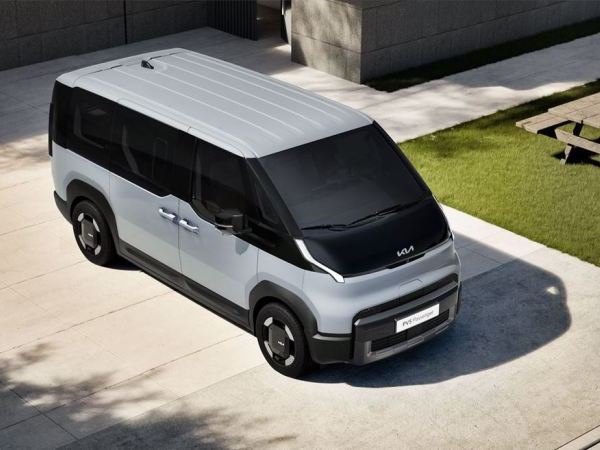
Kia reveals all details of PV5, with a maximum range of up to 400 kilometers
LienMar 11, 2025
View More
Pros
Cons