
Q
Is the Jeep Wrangler a luxury car?
 SkaterRinkGlideAug 13, 2025, 10:22 AM
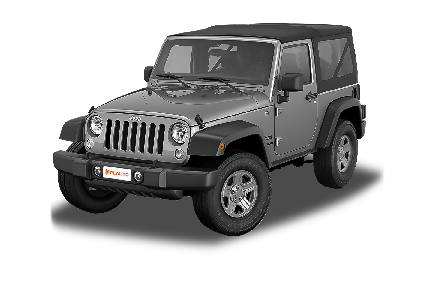
The Jeep Wrangler isn't a luxury car. Instead, it's a classic SUV that focuses on off - road performance. Its original design purpose was to handle complex terrains and harsh road conditions, so it's especially popular in a multi - terrain country like Malaysia. The Wrangler features a sturdy body - on - frame construction, removable doors and roof, and a powerful four - wheel - drive system. These designs lean more towards practicality and functionality rather than a sense of luxury.
Although the latest Wrangler has been upgraded in terms of interior and tech features, like using higher - quality materials and adding a touch - screen infotainment system, its overall positioning still centers around off - road capabilities. It's different from models like the Mercedes - Benz G - Class or Land Rover Defender, which combine both luxury and off - road performance.
For Malaysian consumers, if they're after a luxury experience, they might need to consider other brands. However, if they value off - road performance and the potential for personalized customization, the Wrangler is a very suitable choice. Moreover, Malaysia's tropical climate and diverse terrains make the Wrangler's open - air design and strong passability a major advantage, especially when used during the rainy season or in rural areas.
Special Disclaimer: This content is published by users and does not represent the views or position of PCauto.
Related Q&A
Q
Is a Jeep Wrangler good for long distances?
As a classic hardcore off-road vehicle, the Jeep Wrangler was initially designed more to handle complex terrains rather than ensure long-distance comfort. However, for Malaysian users, if they mainly drive on highways or city roads, it can still handle long-distance trips, but there are a few key points to keep in mind. The Wrangler's high seating position and boxy shape offer an expansive view, but the wind noise and fuel consumption are slightly higher than those of ordinary SUVs, especially when it's fitted with large off-road tires. Its suspension is tuned on the stiffer side, which is great for off-roading but a bit lacking in long-distance comfort. It is recommended to choose the high - end version equipped with an adaptive suspension to enhance the driving experience.
The interior space of the Wrangler is spacious, and the trunk is large enough to hold family luggage. However, the interior materials are mainly focused on practicality, and it lacks the luxurious feel of city SUVs. In Malaysia's hot climate, it is advisable to opt for an enhanced air - conditioning system and regularly check the cooling system. If you plan to explore the rainforests or remote areas of East Malaysia, the Wrangler's off - road capabilities will be a significant advantage. But when driving on pure roads, there may be more fuel - efficient and quieter options at the same price range.
Before a long - distance drive, be sure to check the chassis's sealing to prevent water ingress during rainy weather. Also, while the removable roof design is interesting, be aware of Malaysia's sudden downpours.
 MoonlitSerenadeAug 13, 2025
Q
Is the Jeep Wrangler spacious?
As a classic off-road SUV, the interior space design of the Jeep Wrangler focuses more on functionality than sheer spaciousness. The front row seats offer ample space and the driving view is wide. However, the legroom in the rear row is relatively compact, which is suitable for passengers of medium build. If you need more space, you can consider the four - door version. The trunk volume is approximately 498 liters in the standard state and can be expanded to nearly 1,300 liters when the rear seats are folded down, which is sufficient for daily use or loading off - road equipment.
For users in Malaysia, although the high ground clearance and the boxy shape of the Wrangler slightly affect the headroom, the convertible design (in some versions), commonly used in the tropical climate, can enhance the sense of openness. It should be noted that the core design of this vehicle lies in its off - road performance. The body - on - frame structure and the robust chassis will take up some cabin space. If you pursue ultimate comfort, you can test - drive city SUVs in the same class.
Its unique detachable doors and roof design can provide passengers with a unique open - air driving experience, which is especially enjoyable on the coastal roads or high - altitude sections in Malaysia. However, it is recommended that you visit the dealership first to experience whether the space meets your personal needs.
 SailorAug 13, 2025
Q
What is the cargo capacity of a Jeep Wrangler?
The cargo capacity of the Jeep Wrangler varies depending on the model and configuration. The cargo volume of the two - door Wrangler is approximately 12.9 cubic feet (about 365 liters), while the four - door Wrangler Unlimited offers more space, around 31.7 cubic feet (about 898 liters). If you fully fold down the rear seats, the cargo capacity of the four - door version can be expanded to about 72.4 cubic feet (about 2050 liters), which is suitable for loading larger items.
In Malaysia, the Jeep Wrangler is favored by many outdoor enthusiasts for its strong off - road performance and practicality. The four - door version, in particular, is more suitable for family use or long - distance travel. It should be noted that the actual loading capacity can also be affected by vehicle configuration (such as the location of the spare tire) and modifications. It is recommended to conduct on - site inspections according to personal needs or consult the dealer before purchasing.
In addition, the modular design of the Wrangler allows owners to remove the doors and the roof, further increasing flexibility. However, pay attention to the weather changes in Malaysia to avoid sudden rainfall affecting the safety of the cargo.
 TravelBugWanderlustAug 13, 2025
Q
Can a Jeep Wrangler go off-road?
The Jeep Wrangler is a vehicle specifically designed for off - roading. Its powerful four - wheel drive system, high ground clearance, and robust body structure enable it to perform excellently on various complex terrains in Malaysia. Whether it's a muddy mountain road, sandy area, or rocky section, the Wrangler can handle them with ease.
Equipped with a lockable differential and an electronic anti - slip system, the Wrangler further enhances its ability to get out of trouble on low - traction surfaces. Meanwhile, its detachable roof and door design add more fun to outdoor adventures. In consideration of Malaysia's tropical climate and changeable terrains, the Wrangler's waterproof design and corrosion - resistant materials ensure the vehicle's durability.
Moreover, off - road enthusiasts in Malaysia can choose to install tires and suspension systems that are more suitable for local road conditions according to their needs to further improve the vehicle's performance. It should be noted that although the Wrangler has outstanding off - road capabilities, drivers still need to master basic off - road skills. For example, on steep slopes or in deep - water sections, they should maintain an appropriate speed and select the right gear. Regular checks on key vehicle components such as the brakes and transmission system are also necessary to ensure safety and optimal performance.
 SweetAug 13, 2025
Q
Which Jeep Wrangler to stay away from?
In Malaysia, the Jeep Wrangler is a popular rugged off - road vehicle. However, some common problems may exist in certain years or models, and it is recommended that consumers choose carefully. For example, some models equipped with the 3.6 - liter Pentastar V6 engine from 2012 to 2018 reported cylinder head issues, which might lead to coolant leakage or engine overheating. Also, some models before 2018 could experience occasional malfunctions due to the complex electronic systems. In addition, the automatic transmissions of the early JK series (2007 - 2018) may require more maintenance after long - term high - intensity off - road use.
In the tropical climate of Malaysia, it is advisable to pay special attention to the vehicle's cooling system and sealing to prevent the aging of electronic components or rubber parts caused by high temperature and humidity. If you are considering a used Wrangler, it is recommended to give priority to vehicles with complete maintenance records and professional inspections. At the same time, pay attention to the actual usage feedback from local Jeep owner forums or communities.
Overall, the Wrangler still has excellent off - road performance and modification potential. However, when making a choice, you need to consider your own needs and budget, and ensure regular maintenance to extend the vehicle's lifespan.
 ToughAug 13, 2025
Q
How many kilometers will a Jeep Wrangler last?
The Jeep Wrangler, a vehicle renowned for its durability and off - road performance, can typically cover over 300,000 kilometers or even more under normal maintenance conditions. The actual lifespan depends on factors such as driving habits, road conditions, and maintenance frequency. In Malaysia, due to the hot and rainy climate, it is recommended that car owners pay special attention to regular oil changes, cooling system checks, and chassis anti - rust treatments to extend the vehicle's lifespan.
Moreover, the engine and transmission of the Wrangler are designed to be quite robust. The diesel version, in particular, performs more stably during long - distance drives, making it well - suited to Malaysia's diverse terrains. To further protect your beloved vehicle, it is advisable to avoid frequent extreme off - road driving and opt for original or high - quality replacement parts for repairs. Understanding these details can not only help owners maximize the Wrangler's lifespan but also ensure it maintains optimal performance on various road conditions.
 QuirkyAug 13, 2025
Q
What are the negatives of a Jeep Wrangler?
Although the Jeep Wrangler is widely loved for its powerful off - road capabilities and classic design, it still has some shortcomings in daily use in Malaysia. Firstly, it has relatively high fuel consumption. Especially for models equipped with large - displacement engines, their fuel economy in city driving is just average, resulting in high long - term usage costs.
Secondly, in terms of comfort, due to its emphasis on off - road performance, the suspension is tuned to be quite stiff. When driving on paved roads, there is a noticeable sense of bumpiness, and long - distance driving can easily lead to fatigue. The interior design is mainly focused on practicality. Compared with urban SUVs at the same price range, the materials and workmanship are a bit rough, and the technological features are not rich enough. Additionally, the boxy body shape leads to significant wind noise, and there is obvious noise inside the vehicle when driving at high speeds. With its large body size, it can be a bit inconvenient to maneuver in the narrow streets and compact parking spaces in Malaysia.
Finally, regarding maintenance costs, as an imported vehicle, the supply cycle of parts is long and the prices are high. However, these drawbacks are inevitable trade - offs due to its hardcore off - road positioning. For users who truly need powerful off - road capabilities, these deficiencies are acceptable. It is recommended that potential buyers weigh the pros and cons based on their own usage needs. If the vehicle is mainly used for commuting in the city, they may need to consider SUV models that focus more on comfort and economy.
 SapphireGlowAug 13, 2025
Q
What Chinese car is similar to the Jeep Wrangler?
In the Chinese market, models with a similar style to the Jeep Wrangler include the Tank 300 by Great Wall Motors and the BJ40 by Beijing Automobile. Both of these models feature a rugged off - road design, with a body - on - frame structure, four - wheel drive systems, and high ground clearance, making them suitable for off - road enthusiasts. The Tank 300 has drawn attention with its retro styling and modern technological features, while the BJ40 has won market recognition for its classic boxy appearance and practical off - road capabilities.
For Malaysian consumers, these models may be available through import channels. However, they need to pay attention to local regulations and after - sales support. As a tropical country, Malaysia has a hot and humid climate, so the durability of off - road vehicles in such an environment should be considered. It is recommended to thoroughly understand the vehicle's heat dissipation performance and anti - rust treatment before purchasing.
In addition, Malaysia has diverse terrains, with complex road conditions ranging from urban areas to rainforests. When choosing an off - road vehicle, it is also necessary to balance daily practicality and fuel economy. If the budget is limited, the used - car market or parallel import channels can be considered, but be sure to check the vehicle's condition and warranty terms.
 ForestTrailAug 13, 2025
Q
Do Jeep Wranglers need a lot of maintenance?
As a vehicle renowned for its off-road performance, the Jeep Wrangler does require more maintenance compared to regular city SUVs. However, this mainly depends on the owner's driving habits and the road conditions in Malaysia. The Wrangler features a body-on-frame construction and a robust mechanical structure, making it suitable for tackling rough terrains. But this also means that its suspension system, transmission components, and seals need to be inspected regularly, especially after frequent off-road adventures or driving in a wet and rainy environment.
In Malaysia's hot and humid climate, it is recommended to pay special attention to anti-rust treatment for the vehicle body, the maintenance of rubber seals, and the upkeep of the cooling system. At the same time, regularly change the differential oil and transmission oil to ensure the normal operation of the four-wheel-drive system. For owners who mainly use the vehicle for urban commuting, regular maintenance according to the official maintenance manual is sufficient. However, if you frequently go off-road, the maintenance interval should be shortened.
It's worth mentioning that the Wrangler's modification culture is also very popular in Malaysia. However, any modifications to the powertrain or suspension may affect the original factory warranty and increase the complexity of maintenance. It is recommended to carry out modifications through official authorized channels to ensure reliability.
Overall, as long as you maintain the vehicle on schedule and choose a regular repair shop, the durability of the Wrangler is guaranteed, and its maintenance cost is comparable to that of other hardcore off-road vehicles in the same class.
 PeachBlossomAug 13, 2025
Q
How many suitcases fit in a Jeep Wrangler?
The trunk capacity of the Jeep Wrangler depends on the variant and configuration. Generally speaking, the trunk space of the two - door Wrangler is about 12.9 cubic feet (about 365 liters), which can hold 2 - 3 medium - sized suitcases (about 24 inches). The four - door Wrangler has a larger trunk space, approximately 31.7 cubic feet (about 898 liters), and can easily accommodate 4 - 5 medium - sized suitcases, or even more. If you fold down the rear seats, the storage space can be further increased to 72.4 cubic feet (about 2050 liters), which is suitable for loading large items or for long - distance trips.
For users in Malaysia, the practicality of the Wrangler is not only reflected in its storage space. Its powerful four - wheel drive system and off - road capabilities are also suitable for the diverse local road conditions, especially the driving needs during the rainy season or in remote areas. It should be noted that the actual loading capacity is also affected by the size and shape of the suitcases. It is recommended to measure on - site or refer to the official data before purchasing.
In addition, the removable roof and door design of the Wrangler also provides more flexibility for outdoor activities, making it very suitable for Malaysian car owners who love adventures.
 PetalSoftnessAug 13, 2025
Popular Cars
Model Year
Car Compare
Car Photo
Related Models
 Cars
CarsLatest Q&A
Q
Is AMT similar to automatic?
There are significant differences between AMT transmissions and automatic transmissions (AT) in terms of core structure and driving experience. AMT is essentially an electronically automated version of a manual transmission, simulating manual clutch operation and gear shifting through a computerized control system while retaining the gear set structure of manual transmissions. As a result, it offers higher transmission efficiency, with fuel consumption approximately 8%-12% lower than AT, making it particularly suitable for highway or long-distance driving. However, it may exhibit jerking similar to manual transmissions during low-speed gear shifts, especially noticeable in congested traffic conditions.
AT transmissions rely on torque converters for power transfer, delivering smooth and seamless gear shifts that appeal to comfort-oriented users. However, their complex structure (incorporating planetary gear sets, hydraulic systems, etc.) results in higher maintenance costs. A single service may cost between 800 to 1,500 ringgit, whereas AMT only requires gear oil replacement at approximately 400 ringgit.
From a market perspective, AMT is predominantly used in budget vehicles or commercial models priced below 80,000 ringgit, while AT is typically featured in mid-to-high-end vehicles. Consumers should select based on actual needs: AMT suits those prioritizing fuel efficiency and low maintenance costs, while AT better serves those valuing comfort. Notably, recent advancements in AMT electronic control technology have significantly mitigated jerking issues, though test drives should still emphasize low-speed performance evaluation.
 AriaMar 26, 2026
Q
Which is better, DCT or AT?
DCT (Dual-Clutch Transmission) and AT (Automatic Transmission) each have their own advantages and disadvantages, and the choice should be based on personal driving needs. AT transmissions transfer power through a torque converter, offering excellent shift smoothness, making them suitable for urban commuting or novice drivers. However, they tend to have higher fuel consumption, and vehicles equipped with them are usually more expensive. DCT transmissions utilize a dual-clutch structure, featuring fast shift speeds and high power transmission efficiency, which provides a more direct driving experience—particularly suitable for users seeking a sporty feel. However, they may exhibit jerking at low speeds and have relatively high maintenance costs. If durability and comfort are priorities, AT is the more reliable choice; if power responsiveness and driving pleasure are preferred, wet DCT (such as Volkswagen DSG) performs better, though dry DCT models should be avoided in prolonged stop-and-go traffic conditions. Additionally, CVT transmissions excel in smoothness and fuel efficiency, making them ideal for daily commuting, but they lack driving excitement. It is recommended to test-drive before purchasing, as tuning varies significantly across brands, and real-world experience is more important than theoretical specifications.
 FlutteringMar 26, 2026
Q
Is Amt good or bad?
AMT gearboxes have a significant cost advantage in the local market, typically being around 5,000 Ringgit cheaper than models equipped with conventional automatic transmissions. Their fuel efficiency is comparable to manual transmissions, resulting in long-term fuel savings. Featuring a straightforward design, they achieve transmission efficiency exceeding 90% with relatively low maintenance costs, making them ideal for practicality-oriented consumers. However, their shifting logic contains inherent limitations: gear changes between 1st and 2nd cause 0.3-0.5 second power interruptions, while unintended upshifts on inclines may reduce engine speed by 15%-20%, compromising driving smoothness. For urban commuters or budget-conscious buyers, AMT offers excellent value, though those prioritizing premium driving dynamics should consider alternative transmission types. Some domestic models like the Perodua Axia employ enhanced AMT systems, where optimized shift programming has reduced gearshift shock by approximately 30%.
 RainbowsMar 26, 2026
Q
Which gives better mileage, CVT or AMT?
From the perspective of fuel economy, CVT transmissions generally perform better under urban driving conditions. Their continuously variable design allows the engine to consistently operate within the optimal speed range, significantly reducing fuel consumption during frequent starts and stops. Test data shows that their fuel consumption in urban driving conditions is 10% to 15% lower than that of comparable models. AMT transmissions, on the other hand, inherit the high transmission efficiency of manual transmissions, delivering fuel efficiency close to manual transmissions during high-speed cruising. This makes them particularly suitable for long-distance driving in large-displacement vehicles. However, due to power interruption during gear shifts, their overall fuel consumption may be 5% to 8% higher than CVTs.
The difference in fuel-saving characteristics between the two transmissions stems from their technical principles: CVTs achieve continuous variability through steel belts and pulleys, eliminating the fixed gear ratio limitations of traditional transmissions; AMTs simulate manual gear changes via electronic control systems while maintaining the mechanical efficiency of gear transmission. Notably, actual fuel consumption is also influenced by driving habits. Smooth acceleration and anticipatory deceleration can maximize the transmissions' fuel-saving potential. If the vehicle budget permits and urban commuting is the primary use, CVTs offer a more economical choice. For frequent highway driving with an emphasis on cost-effectiveness, AMTs are equally worth considering.
 RubyBlazeMar 26, 2026
Q
Which is cheaper, AMT or CVT?
In terms of gearbox cost, AMT is usually more economical than CVT. Essentially, AMT is a manual transmission equipped with an electronic control unit, featuring a simple structure and low maintenance costs. The unit price ranges from approximately 5,000 to 8,000 ringgit, making it suitable for budget-conscious consumers or those who prioritize long-term operating costs. CVT incurs higher manufacturing costs due to its precision steel belt transmission system and continuous variable transmission technology, with a unit price of about 7,000 to 10,000 ringgit. However, it delivers a smoother driving experience and superior fuel efficiency. The primary differences between the two lie in technical complexity: AMT retains the gear-shifting mechanism, resulting in noticeable shift shock; CVT achieves linear power output through stepless speed variation but requires periodic belt inspection and incurs higher maintenance expenses. For those prioritizing initial cost and basic transportation needs, AMT offers better value; if comfort and long-term fuel economy are priorities, CVT represents a more worthwhile investment. Note that actual prices may vary based on vehicle model, brand, and local supply chain factors.
 ShadowProwlMar 26, 2026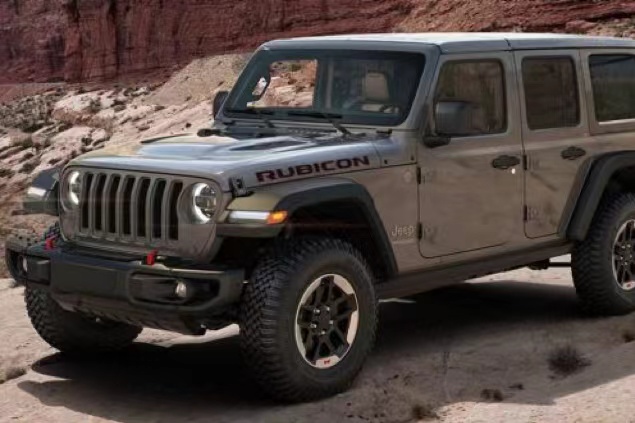

Pros
Cons