
Q
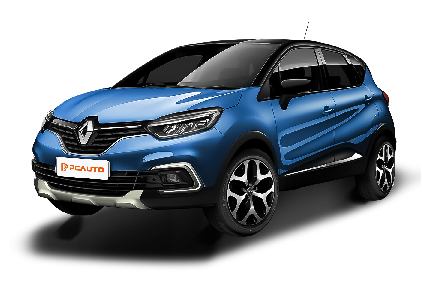
What size Tyres are on a 2017 Renault Captur?
 ForestTrailOct 23, 2025, 05:37 PM
The 2017 Renault Captur offered two tyre setups in Malaysia, depending on the trim level. The base models typically rolled on 16-inch wheels shod with 195/60 R16 tyres, while higher-spec variants upped the ante with 17-inch rims paired with 215/55 R17 rubber. Both options strike a decent balance between grip and comfort, whether you're tackling wet roads or just cruising around town.
When it comes to picking tyres, size is obviously key, but Malaysian drivers should also factor in our tropical climate. With the heat and frequent downpours, prioritising all-season tyres with good drainage or even dedicated rain tyres makes sense. Don't forget to regularly check your tyre pressure and tread depth – safety first, folks. If you're chasing sharper handling, you might think about switching to lower-profile tyres, but just be aware that could firm up the ride a bit. More often than not, sticking with the factory-spec tyres gives you the best all-round package.
Special Disclaimer: This content is published by users and does not represent the views or position of PCauto.
Related Q&A
Q
How to check tyre pressure on Renault Captur 2017?
To check the tire pressure on a 2017 Renault Captur, first make sure the car's had time to cool down—either leave it parked for at least 3 hours or don't drive it more than 2 kilometers. Next, locate the tire pressure label, which is usually on the driver's side door jamb or inside the fuel filler cap. This label lists the recommended pressures for front and rear tires (typically around 2.2-2.4 bar up front and 2.0-2.2 bar at the rear, but always go by what the label says). Grab a digital or analog tire pressure gauge, unscrew the valve cap from each tire, press the gauge firmly onto the valve stem, and take the reading. If the pressure's too low, top it up using an air compressor at a gas station or repair shop until it hits the recommended level; if it's too high, press the center of the valve stem to release some air. It's a good idea to check your tire pressure once a month, and definitely before any long road trips. Malaysia's hot weather can cause pressures to rise by 0.2-0.3 bar, so measuring when the tires are cold gives the most accurate reading. While you're at it, keep an eye out for uneven tire wear—incorrect pressure can speed up wear and tear, hurt fuel economy, and affect how the car handles. If your Captur has a Tire Pressure Monitoring System (TPMS), a warning light will pop up on the dashboard if there's an issue, but manual checks are still a crucial backup.
 WilOct 23, 2025
Q
What is the price of tyres in Captur?
The cost of tires for the Renault Captur can vary quite a bit depending on the brand, model, size, and where you buy them. Typically, you're looking at around RM300 to RM800 per tire for the original equipment (OE) spec ones. If you opt for high-performance tires or go with big-name premium brands, expect to pay more.
In Malaysia, popular tire brands like Michelin, Bridgestone, Continental, and Goodyear all have options that fit the Captur. When picking tires, I always tell owners to think about their driving style and the roads they usually hit. For example, if you do a lot of highway miles, durability and tread life should be high on your list. If you prioritize a smooth, quiet ride, then those premium comfort-focused lines are worth checking out.
Also, keep an eye out for sales or package deals when buying tires. A lot of shops throw in extras like free installation, wheel balancing, or even tire warranties. Those little perks can actually save you some cash in the long run.
Last but not least, don't forget to regularly check your tire wear and pressure—super important for safety. If the tread is looking really worn down or you spot any cracks, it's time to swap them out. Better safe than sorry on the road!
 TedOct 23, 2025
Q
What is the fuel tank size of the Renault Captur 2017?
The 2017 Renault Captur comes with a 45-liter fuel tank, a design that's perfectly suited for daily city commutes and short to medium road trips. For Malaysian drivers, this 45-liter capacity typically translates to a range of around 500 to 600 kilometers under mixed driving conditions, though your actual mileage will depend on your driving style and the roads you take. As a compact SUV, the Captur already boasts solid fuel economy thanks to its efficient engine tech, which helps keep those fuel expenses in check. Even with Malaysia's relatively affordable petrol prices, a well-sized tank combined with good fuel efficiency remains a key consideration for car buyers here. On top of that, the Captur's fuel tank is built with leak-proof and corrosion-resistant technology, ensuring it stays safe and reliable for the long haul. If you're someone who frequently takes longer drives, it's a good idea to regularly check the tank and fuel system to keep everything running at its best and extend your vehicle's lifespan.
 UmaOct 23, 2025
Q
Which country made the Renault Captur?
The Renault Captur is originally designed and built by French automaker Renault. As a compact SUV targeting global markets, it's produced in several countries to meet regional demands – think France, Spain, and India, to name a few. For Malaysia, the Captur is mainly brought in via imports, though the specific source might vary slightly depending on the model year and trim.
Malaysian buyers are drawn to the Captur for its stylish looks, flexible interior space, and efficient powertrains – it's a solid pick for city commuting and family use alike. Renault's dealer network in Malaysia also backs it up with after-sales service and warranty coverage, so owners can enjoy a hassle-free driving experience.
What really stands out is the Captur's decent safety kit and tech features. You're looking at things like a multimedia touchscreen and various driver assistance systems, which give it a leg up in its segment. If you're curious about the Captur, swing by your local Renault showroom for a test drive and to get the full lowdown – it's worth checking out in person.
 ToughguyOct 23, 2025
Q
What is the top speed of the Renault Captur 2017?
The top speed of the 2017 Renault Captur varies depending on the engine setup. The version with the 1.2-liter turbocharged petrol engine (TCe 120) can hit around 190 km/h, while the 1.5-liter diesel (dCi 90) model is slightly slower at approximately 175 km/h. This compact SUV is all about city driving and fuel efficiency, and its performance is more than enough for daily commutes and highway runs here in Malaysia.
Renault Captur has struck a chord with young families thanks to its nimble handling and stylish looks. In the Malaysian market, these compact SUVs are a hit because their size is just right and they're easy on fuel, making them perfect for navigating those congested city streets. If you're craving a bit more pep, keep an eye on its sport mode – it sharpens up the throttle response nicely. Of course, when you're out there driving, always stick to Malaysia's speed limits. Safety first, folks.
 StrongerOct 23, 2025
Q
What size engine is the Renault Captur 2017?
The 2017 Renault Captur hits the Malaysian market with two engine choices: a 1.2-litre turbocharged petrol (TCe 120) and a 1.5-litre diesel (dCi 90). Both are known for their efficiency and low emissions, making them solid picks whether you're zipping around the city or cruising on a long highway stint.
The 1.2T packs 118 horsepower and 190 Nm of torque, paired with either a 6-speed manual or EDC dual-clutch auto. It delivers that snappy acceleration you want when you need to overtake or merge quickly. On the flip side, the 1.5 diesel prioritizes fuel sipping – 90 horsepower and a meaty 220 Nm of torque, perfect if you're all about keeping those fuel stops to a minimum.
What's cool about the Captur, being a compact SUV, is how it balances power and green credentials. These engines meet Euro emission standards, and in real-world Malaysian driving, they hold up really well. Plus, servicing and maintenance aren't a hassle here. So for Malaysian buyers, it really comes down to your driving style and fuel preference. The turbo petrol is for those who love that instant power kick, while the diesel? It's your best friend if you clock up a lot of highway miles regularly.
 BraveoneOct 23, 2025
Q
How big is the tank on a 2017 Renault Captur?
The 2017 Renault Captur comes with a 45-liter fuel tank, which is slightly above average for a small SUV in its class. That's more than enough for daily commutes and weekend getaways around town. Malaysian drivers can typically expect to squeeze out about 500 to 600 kilometers on a full tank under city conditions, though your actual mileage will depend on how you drive and the traffic you're dealing with.
What's clever about the Captur – being the urban-focused crossover that it is – is how that tank size balances fuel efficiency with real-world usability. Pair that with either the peppy 1.2-liter turbo petrol or the torquey 1.5-liter diesel engine (depending on your market's specs), and you've got a setup that's pretty easy on fuel.
A quick tip for owners: make sure to check that your fuel cap seals properly and that the low-fuel warning light is working as it should. Also, keep in mind that Malaysia's common RON95 petrol works perfectly fine in this car. If you're planning a long drive, especially over in East Malaysia, it's smart to map out your petrol stops ahead of time – some of those remote areas have pretty big gaps between stations. Oh, and don't sleep on the simple stuff: keeping your tires properly inflated and sticking to regular servicing can go a long way in keeping those fuel bills in check. Handy pointers for all you savvy Malaysian drivers out there trying to stretch every ringgit!
 FitnessFanaticTrainerOct 23, 2025
Q
How many litres per 100km is a Renault Captur?
The fuel efficiency of the Renault Captur varies depending on the specific trim and powertrain setup. Here in Malaysia, the version you'll mainly find on the market comes with a 1.3-liter turbocharged petrol engine. Official figures peg the combined fuel consumption at around 5.6 to 6.0 liters per 100 kilometers, but remember, real-world numbers can swing based on how you drive, the roads you're on, and how much you're hauling. This little SUV has won over city dwellers with its thrifty nature and nimble handling.
It's worth pointing out that Malaysian drivers need to factor in our local conditions too – think stop-and-go city traffic or cranking up the AC during those hot spells, both of which can take a bite out of fuel economy. Rivals like the Honda HR-V or Toyota C-HR are in the same ballpark, typically returning between 5.5 to 6.5 liters per 100 kilometers. My advice? Always take it for a test drive to get a feel for the real-world mpg, and keeping up with regular maintenance plus proper tire pressure will help keep that fuel efficiency in top shape.
 ChocolateFreakFanaticOct 23, 2025
Q
What is the fuel consumption of the 2017 Renault Captur?
The 2017 Renault Captur's fuel economy in the Malaysian market varies by engine option. The 1.2-liter turbocharged petrol variant returns a combined fuel consumption of around 5.6 liters per 100 kilometers, while the 1.5-liter dCi diesel engine is even thriftier, sipping just about 4.2 liters per 100 km combined. Of course, real-world figures can fluctuate depending on your driving style and the roads you tackle.
This compact SUV, with its lightweight build and efficiently tuned powertrains, is a solid fit for city commuting. If you keep your acceleration smooth and make smart use of the cruise control on those open stretches, you might even squeeze out a bit better fuel efficiency. It’s worth mentioning that Malaysia’s hot climate can put a slight extra load on the air-con system, so keeping your air filter clean and tires properly inflated with regular maintenance will help you stay in that optimal efficiency zone.
Rivals like the Honda HR-V or Mazda CX-3 fall into a similar fuel economy bracket, so at the end of the day, it really comes down to personal preference and what you prioritize in your daily drive when picking between them.
 TeaAddictBrewerOct 23, 2025
Q
How much is a 2017 Renault Captur worth?
The 2017 Renault Captur is fetching around RM40,000 to RM60,000 on Malaysia's used car market these days. Of course, the exact price hinges on factors like overall condition, mileage, trim level, and service history. The base 1.6L naturally aspirated models sit at the lower end of that range, while the higher-spec turbo variants or those still with some original factory warranty leftover can nudge closer to the RM60k mark.
This compact SUV is all about sharp looks and nimble handling, making it a solid pick for city driving. When you stack it up against the 2017 Honda HR-V or Mazda CX-3, it tends to come in a bit cheaper. And maintenance costs? They’re pretty reasonable too. Sure, Renault’s official dealer network here isn’t as widespread as the Japanese brands, but third-party workshops can usually source common parts without too much hassle.
If you’re in the market, here’s the lowdown: prioritize checking the gearbox condition (especially on auto models) and make sure all the electronic gadgets work as they should. Definitely ask to see the full service book—no skimping on that. If your budget stretches, going for a factory-certified used unit might be worth it for the extra peace of mind with a warranty. Oh, and don’t forget: Malaysia’s relentless heat can take a toll on rubber components and battery life, so a thorough professional inspection before signing on the dotted line is a total must.
 CoffeeLoverAddictOct 23, 2025
Popular Cars
Model Year
Car Compare
Car Photo
Related Models
 Cars
CarsLatest Q&A
Q
Is AMT similar to automatic?
There are significant differences between AMT transmissions and automatic transmissions (AT) in terms of core structure and driving experience. AMT is essentially an electronically automated version of a manual transmission, simulating manual clutch operation and gear shifting through a computerized control system while retaining the gear set structure of manual transmissions. As a result, it offers higher transmission efficiency, with fuel consumption approximately 8%-12% lower than AT, making it particularly suitable for highway or long-distance driving. However, it may exhibit jerking similar to manual transmissions during low-speed gear shifts, especially noticeable in congested traffic conditions.
AT transmissions rely on torque converters for power transfer, delivering smooth and seamless gear shifts that appeal to comfort-oriented users. However, their complex structure (incorporating planetary gear sets, hydraulic systems, etc.) results in higher maintenance costs. A single service may cost between 800 to 1,500 ringgit, whereas AMT only requires gear oil replacement at approximately 400 ringgit.
From a market perspective, AMT is predominantly used in budget vehicles or commercial models priced below 80,000 ringgit, while AT is typically featured in mid-to-high-end vehicles. Consumers should select based on actual needs: AMT suits those prioritizing fuel efficiency and low maintenance costs, while AT better serves those valuing comfort. Notably, recent advancements in AMT electronic control technology have significantly mitigated jerking issues, though test drives should still emphasize low-speed performance evaluation.
 AriaMar 26, 2026
Q
Which is better, DCT or AT?
DCT (Dual-Clutch Transmission) and AT (Automatic Transmission) each have their own advantages and disadvantages, and the choice should be based on personal driving needs. AT transmissions transfer power through a torque converter, offering excellent shift smoothness, making them suitable for urban commuting or novice drivers. However, they tend to have higher fuel consumption, and vehicles equipped with them are usually more expensive. DCT transmissions utilize a dual-clutch structure, featuring fast shift speeds and high power transmission efficiency, which provides a more direct driving experience—particularly suitable for users seeking a sporty feel. However, they may exhibit jerking at low speeds and have relatively high maintenance costs. If durability and comfort are priorities, AT is the more reliable choice; if power responsiveness and driving pleasure are preferred, wet DCT (such as Volkswagen DSG) performs better, though dry DCT models should be avoided in prolonged stop-and-go traffic conditions. Additionally, CVT transmissions excel in smoothness and fuel efficiency, making them ideal for daily commuting, but they lack driving excitement. It is recommended to test-drive before purchasing, as tuning varies significantly across brands, and real-world experience is more important than theoretical specifications.
FlutteringMar 26, 2026Q
Is Amt good or bad?
AMT gearboxes have a significant cost advantage in the local market, typically being around 5,000 Ringgit cheaper than models equipped with conventional automatic transmissions. Their fuel efficiency is comparable to manual transmissions, resulting in long-term fuel savings. Featuring a straightforward design, they achieve transmission efficiency exceeding 90% with relatively low maintenance costs, making them ideal for practicality-oriented consumers. However, their shifting logic contains inherent limitations: gear changes between 1st and 2nd cause 0.3-0.5 second power interruptions, while unintended upshifts on inclines may reduce engine speed by 15%-20%, compromising driving smoothness. For urban commuters or budget-conscious buyers, AMT offers excellent value, though those prioritizing premium driving dynamics should consider alternative transmission types. Some domestic models like the Perodua Axia employ enhanced AMT systems, where optimized shift programming has reduced gearshift shock by approximately 30%.
 RainbowsMar 26, 2026
Q
Which gives better mileage, CVT or AMT?
From the perspective of fuel economy, CVT transmissions generally perform better under urban driving conditions. Their continuously variable design allows the engine to consistently operate within the optimal speed range, significantly reducing fuel consumption during frequent starts and stops. Test data shows that their fuel consumption in urban driving conditions is 10% to 15% lower than that of comparable models. AMT transmissions, on the other hand, inherit the high transmission efficiency of manual transmissions, delivering fuel efficiency close to manual transmissions during high-speed cruising. This makes them particularly suitable for long-distance driving in large-displacement vehicles. However, due to power interruption during gear shifts, their overall fuel consumption may be 5% to 8% higher than CVTs.
The difference in fuel-saving characteristics between the two transmissions stems from their technical principles: CVTs achieve continuous variability through steel belts and pulleys, eliminating the fixed gear ratio limitations of traditional transmissions; AMTs simulate manual gear changes via electronic control systems while maintaining the mechanical efficiency of gear transmission. Notably, actual fuel consumption is also influenced by driving habits. Smooth acceleration and anticipatory deceleration can maximize the transmissions' fuel-saving potential. If the vehicle budget permits and urban commuting is the primary use, CVTs offer a more economical choice. For frequent highway driving with an emphasis on cost-effectiveness, AMTs are equally worth considering.
 RubyBlazeMar 26, 2026
Q
Which is cheaper, AMT or CVT?
In terms of gearbox cost, AMT is usually more economical than CVT. Essentially, AMT is a manual transmission equipped with an electronic control unit, featuring a simple structure and low maintenance costs. The unit price ranges from approximately 5,000 to 8,000 ringgit, making it suitable for budget-conscious consumers or those who prioritize long-term operating costs. CVT incurs higher manufacturing costs due to its precision steel belt transmission system and continuous variable transmission technology, with a unit price of about 7,000 to 10,000 ringgit. However, it delivers a smoother driving experience and superior fuel efficiency. The primary differences between the two lie in technical complexity: AMT retains the gear-shifting mechanism, resulting in noticeable shift shock; CVT achieves linear power output through stepless speed variation but requires periodic belt inspection and incurs higher maintenance expenses. For those prioritizing initial cost and basic transportation needs, AMT offers better value; if comfort and long-term fuel economy are priorities, CVT represents a more worthwhile investment. Note that actual prices may vary based on vehicle model, brand, and local supply chain factors.
 ShadowProwlMar 26, 2026
Pros
Cons