
Q
which honda civic type r is the best
 CherryBlossomBreezeSep 24, 2025, 10:24 AM
To pair your phone with the Perodua Bezza's Bluetooth, first make sure the car's ignition is on or the engine is running. Fire up the infotainment system, head to the main menu, and hit the "Bluetooth" option—don't forget to set it to visible mode. Next, grab your phone, jump into its Bluetooth settings, and scan for nearby devices. Look for "Perodua Bezza" (or a similar name) on the list, tap to pair, and once both devices show the same PIN, confirm it. You'll know it worked when the head unit displays "Connected" or a similar message.
Having trouble? Try restarting both the car's stereo and your phone's Bluetooth, and make sure no other gadgets are hogging the signal. Beyond streaming music, this Bluetooth setup also handles hands-free calls—super handy for keeping your focus on the road. Most modern smartphones play nice with the Bezza's system, but older models might need a quick settings tweak or software update. Pro tip: Check for infotainment software updates regularly to keep that Bluetooth running smooth.
While these steps are pretty standard for most cars, exact menus and buttons can vary between models and head units. When in doubt, the owner's manual is your best friend for model-specific directions.
Special Disclaimer: This content is published by users and does not represent the views or position of PCauto.
Related Q&A
Q
How much horsepower does a 23 Civic Type R have?
The 2023 Honda Civic Type R is powered by a 2.0-liter turbocharged four-cylinder engine, cranking out 315 horsepower and 420 Nm of peak torque, mated to a 6-speed manual gearbox. Its performance is seriously impressive, making it a perfect fit for Malaysian car enthusiasts who love driving fun. This car is one of the benchmarks for front-wheel-drive hot hatches. Not only does it pack strong power, but it also comes with an advanced suspension system and aerodynamic design—like the large front air intakes and that iconic big rear wing. All these bits help it maintain excellent handling both on the track and in daily driving. It's worth mentioning that the Civic Type R has always been super popular in the Malaysian market, especially among young consumers and performance car fans. That's because it balances practicality with sporty DNA, and the five-door hatchback design is handy for family use too. If you're into performance cars, you might also want to check out its rivals in the same class, like the Volkswagen Golf R or Hyundai i30 N. They offer great driving experiences too, but the Civic Type R has the edge with its classic Honda VTEC tech and more aggressive looks.
 SlashHunterNov 6, 2025
Q
Does the 2023 Type R have VTEC?
The 2023 Honda Type R (FL5) still features VTEC technology, but the VTEC system in its 2.0T turbocharged engine (K20C1) primarily operates on the intake side, unlike the earlier naturally aspirated engines that controlled both intake and exhaust valve timing and lift simultaneously. This design in the turbo era prioritizes balancing low-end torque with high-rpm power, while also optimizing fuel efficiency. For Malaysian car enthusiasts, although the VTEC sound of the Type R isn't as high-pitched as the older B-series engines, when combined with the turbo's broad torque band, it strikes a better balance between daily driving and track performance. It's worth noting that since its introduction in 1989, VTEC technology has evolved into various forms, including i-VTEC (Intelligent Variable Valve Timing and Lift Electronic Control) and DOHC VTEC TURBO. The Type R's VTEC system has always been one of the symbols of Honda's high-performance spirit, and its cooling system and turbo durability have been specially tuned for Malaysia's hot climate, making it suitable for local driving conditions.
 EclipseShadowNov 6, 2025
Q
What's the difference between 2023 and 2024 Honda Civic Type R?
The 2023 and 2024 Honda Civic Type R share the same overall architecture and core performance, both packing a 2.0-liter VTEC turbocharged engine that cranks out 315 horsepower, mated to a 6-speed manual gearbox. But the 2024 model gets some nice tweaks and upgrades. For starters, the suspension's been dialed in more precisely, which should make it more stable when carving through high-speed corners. They've also thrown in some exclusive exterior color options, spruced up the interior materials a bit, and the infotainment system might get updated to the latest version for a better user experience.
For Malaysian fans, both model years are brought in as imports, but the 2024 Civic Type R might come with a cooling system optimized for the local climate. As for pricing, expect a slight bump thanks to those added features.
It's worth remembering that the Civic Type R is the benchmark for front-wheel-drive hot hatches, and its track-ready performance combined with daily usability really shines on Malaysia's twisty, tropical roads. Honda Malaysia usually offers warranty coverage that's on par with global standards, so if you're thinking about getting one, keep an eye on your local dealer for the official spec sheets and test drive events to get the most up-to-date info.
 ShadowProwlNov 6, 2025
Q
Does the 2023 Honda Civic Type R have a turbo?
Yeah, the 2023 Honda Civic Type R comes with a 2.0-liter VTEC turbocharged four-cylinder engine, which is the usual high-performance setup you'd expect from the Type R lineup. It cranks out serious power and delivers quick acceleration response—perfect for Malaysian car enthusiasts who love driving fun. This engine's been further tweaked, not just to boost horsepower, but also with improvements to the turbo system and cooling efficiency to make sure it keeps performing steadily even in hot weather. On top of that, the Type R gets a front limited-slip differential and adaptive suspension, which really step up the handling game—whether you're cruising around town or hitting the track, it handles it all like a pro. For Malaysian buyers, this car isn't just carrying on the sporty heritage of the Honda Type R series; it also balances practicality and tech, like the standard Honda Sensing safety suite and a modern infotainment system. It's a great fit for drivers who want that perfect mix of performance and everyday comfort.
 RubyBlazeNov 6, 2025
Q
How fast is the 2023 Civic Type R?
The 2023 Honda Civic Type R, a high-performance front-wheel-drive hot hatch, boasts an official 0-100 km/h acceleration time of approximately 5.7 seconds and an electronically limited top speed of 275 km/h. Under the hood lies a 2.0-liter VTEC turbocharged engine churning out 315 horsepower and 420 Nm of torque, paired with a 6-speed manual gearbox and a limited-slip differential. For optimal performance in Malaysia's hot climate, 98-octane petrol is recommended. During testing at Sepang Circuit, the car demonstrated impressive cornering stability, thanks to its track-tuned chassis and adaptive damping system that handles Malaysia's diverse road conditions. Notably, the technical expertise gained from setting front-wheel-drive lap records at the Nürburgring Nordschleife has resulted in a cooling system particularly well-suited for spirited driving in tropical regions. However, for daily use, regular brake system checks are advised, as Malaysia's hilly terrain and frequent stop-start driving conditions put significant strain on the brakes.
 WittywitNov 6, 2025
Q
Is the 2023 Type R automatic?
The 2023 Honda Civic Type R doesn't come with an automatic transmission option. It stays true to the Type R heritage, sticking with the standard 6-speed manual gearbox to emphasize driver engagement and high-performance handling thrills—one of the reasons so many Malaysian fans love the Type R. These days, more and more performance cars are offering automatic or dual-clutch options, but the Type R holds firm with the manual, aiming to satisfy enthusiasts who crave that pure driving experience. In the Malaysian market, manual-performance cars are relatively rare, making the Type R a unique standout. If you're after an automatic high-performance front-wheel-drive car, there are similar models from other brands to consider, but the Type R's driving feel and track performance still stand tall among its peers. It's worth noting that while a manual does require more driving skill, it delivers more direct power control and greater driver involvement—big reasons why so many driving enthusiasts swear by the Type R.
 KindnessNov 6, 2025
Q
How much would a 2023 Honda Civic cost?
The 2023 Honda Civic's price in Malaysia varies depending on the trim level and configuration, generally ranging from RM130,000 to RM160,000. The exact price may fluctuate due to dealer promotions or optional accessories, so it's best to check with your local authorized dealer for the latest quotes. Under the hood, it packs a 1.5-liter turbocharged engine that delivers great fuel efficiency without skimping on power. It also comes with the Honda Sensing safety suite, featuring advanced tech like adaptive cruise control and lane-keeping assist—perfect for Malaysia's urban driving conditions. If you're in the market for a compact sedan, besides the Civic, you might want to check out the Toyota Corolla or Mazda3 in the same class. Each has its own strengths: the Corolla is known for its reliability, while the Mazda3 stands out with its sleek interior and engaging driving dynamics. I'd recommend test-driving them all to compare, then pick based on your personal needs and budget.
 NomadicLifeNov 6, 2025
Q
How much horsepower does a Type R have in 2023?
The 2023 Honda Type R (FL5) is powered by a 2.0-liter VTEC turbocharged engine that cranks out 315 horsepower and 420 Nm of torque. This front-wheel-drive hot hatch carries on the Type R lineage of high performance, mated to a 6-speed manual gearbox and a limited-slip differential, making it equally at home on the track and the daily commute. For Malaysian car enthusiasts, the Type R's robust power and sharp handling have made it a top pick, though it's worth noting that locally imported versions might have slight differences due to certification or spec adjustments. What's cool is that the Type R's engine tuning isn't just about raw horsepower; it also optimizes turbo response and cooling efficiency to keep things stable when you're pushing hard. If you're in the market for a high-performance hatchback, head to an authorized dealer for a test drive and to check out the latest specs. It's also a good idea to compare it with rivals like the Volkswagen Golf R or Renault Megane RS to find the one that best fits your needs.
 JourneyHomeNov 6, 2025
Q
How much will the 2023 Type R cost?
The official price of the 2023 Honda Civic Type R in Malaysia is expected to be between RM300,000 and RM350,000, with the exact figure potentially varying slightly depending on configuration, taxes, and dealer policies. This high-performance hatchback is powered by a 2.0-liter VTEC turbocharged engine, churning out 315 horsepower and 420 Nm of torque. Paired with a 6-speed manual gearbox and a front-wheel-drive setup, it carries forward the iconic track-focused DNA of the Type R lineage. Malaysian enthusiasts should note that as a fully imported model, the Type R's price includes import duties, sales tax, and other additional fees, making it potentially pricier than some locally assembled (CKD) performance cars like the Toyota GR Corolla. However, their positioning differs – the Type R places greater emphasis on track-tuned dynamics and Honda's legendary red-top engine heritage. Prospective buyers are advised to keep an eye on Honda Malaysia's official website or authorized dealers for the latest announcements regarding exact configurations and promotional offers. Additionally, since the Type R is a niche high-performance vehicle in Malaysia, maintenance and servicing must be done through official channels, and parts waiting periods might be longer. It's recommended to assess long-term ownership costs before making a purchase.
 WindyHillNov 6, 2025
Q
What Segment Does Honda Civic Type R Belong to?
The Honda Civic Type R belongs to the high - performance hatchback (Hot Hatch) segment. It is a high - performance version developed by Honda based on the regular Civic, targeting consumers who pursue driving pleasure and track performance. In the Malaysian market, the Civic Type R is well - known for its 2.0 - liter VTEC turbocharged engine (capable of delivering 315 horsepower) and front - wheel drive layout. It is paired with a 6 - speed manual transmission and a limited - slip differential, emphasizing a direct driving experience.
This model is usually classified as a C - Segment performance car. However, due to its track - tuned setup and aggressive appearance (such as a large rear wing and wide - body kit), its actual positioning is more towards professional driving enthusiasts rather than ordinary family car buyers. It's worth noting that the Civic Type R in Malaysia is imported through official channels. It is fully adapted to the tropical climate and local fuel quality, and Honda Malaysia provides factory warranty services, enabling owners to legally enjoy high - performance vehicles while getting after - sales support.
For owners who are keen on vehicle modification, they need to be aware of the regulations on vehicle modification set by the JPJ in Malaysia, especially the compliance of the exhaust system and appearance kits. It is recommended to give priority to factory - approved upgrade parts to meet local regulatory requirements.
 FopAug 1, 2025
Popular Cars
Model Year
Car Compare
Car Photo
Related Models
 Cars
CarsLatest Q&A
Q
Is AMT similar to automatic?
There are significant differences between AMT transmissions and automatic transmissions (AT) in terms of core structure and driving experience. AMT is essentially an electronically automated version of a manual transmission, simulating manual clutch operation and gear shifting through a computerized control system while retaining the gear set structure of manual transmissions. As a result, it offers higher transmission efficiency, with fuel consumption approximately 8%-12% lower than AT, making it particularly suitable for highway or long-distance driving. However, it may exhibit jerking similar to manual transmissions during low-speed gear shifts, especially noticeable in congested traffic conditions.
AT transmissions rely on torque converters for power transfer, delivering smooth and seamless gear shifts that appeal to comfort-oriented users. However, their complex structure (incorporating planetary gear sets, hydraulic systems, etc.) results in higher maintenance costs. A single service may cost between 800 to 1,500 ringgit, whereas AMT only requires gear oil replacement at approximately 400 ringgit.
From a market perspective, AMT is predominantly used in budget vehicles or commercial models priced below 80,000 ringgit, while AT is typically featured in mid-to-high-end vehicles. Consumers should select based on actual needs: AMT suits those prioritizing fuel efficiency and low maintenance costs, while AT better serves those valuing comfort. Notably, recent advancements in AMT electronic control technology have significantly mitigated jerking issues, though test drives should still emphasize low-speed performance evaluation.
 AriaMar 26, 2026
Q
Which is better, DCT or AT?
DCT (Dual-Clutch Transmission) and AT (Automatic Transmission) each have their own advantages and disadvantages, and the choice should be based on personal driving needs. AT transmissions transfer power through a torque converter, offering excellent shift smoothness, making them suitable for urban commuting or novice drivers. However, they tend to have higher fuel consumption, and vehicles equipped with them are usually more expensive. DCT transmissions utilize a dual-clutch structure, featuring fast shift speeds and high power transmission efficiency, which provides a more direct driving experience—particularly suitable for users seeking a sporty feel. However, they may exhibit jerking at low speeds and have relatively high maintenance costs. If durability and comfort are priorities, AT is the more reliable choice; if power responsiveness and driving pleasure are preferred, wet DCT (such as Volkswagen DSG) performs better, though dry DCT models should be avoided in prolonged stop-and-go traffic conditions. Additionally, CVT transmissions excel in smoothness and fuel efficiency, making them ideal for daily commuting, but they lack driving excitement. It is recommended to test-drive before purchasing, as tuning varies significantly across brands, and real-world experience is more important than theoretical specifications.
 FlutteringMar 26, 2026
Q
Is Amt good or bad?
AMT gearboxes have a significant cost advantage in the local market, typically being around 5,000 Ringgit cheaper than models equipped with conventional automatic transmissions. Their fuel efficiency is comparable to manual transmissions, resulting in long-term fuel savings. Featuring a straightforward design, they achieve transmission efficiency exceeding 90% with relatively low maintenance costs, making them ideal for practicality-oriented consumers. However, their shifting logic contains inherent limitations: gear changes between 1st and 2nd cause 0.3-0.5 second power interruptions, while unintended upshifts on inclines may reduce engine speed by 15%-20%, compromising driving smoothness. For urban commuters or budget-conscious buyers, AMT offers excellent value, though those prioritizing premium driving dynamics should consider alternative transmission types. Some domestic models like the Perodua Axia employ enhanced AMT systems, where optimized shift programming has reduced gearshift shock by approximately 30%.
 RainbowsMar 26, 2026
Q
Which gives better mileage, CVT or AMT?
From the perspective of fuel economy, CVT transmissions generally perform better under urban driving conditions. Their continuously variable design allows the engine to consistently operate within the optimal speed range, significantly reducing fuel consumption during frequent starts and stops. Test data shows that their fuel consumption in urban driving conditions is 10% to 15% lower than that of comparable models. AMT transmissions, on the other hand, inherit the high transmission efficiency of manual transmissions, delivering fuel efficiency close to manual transmissions during high-speed cruising. This makes them particularly suitable for long-distance driving in large-displacement vehicles. However, due to power interruption during gear shifts, their overall fuel consumption may be 5% to 8% higher than CVTs.
The difference in fuel-saving characteristics between the two transmissions stems from their technical principles: CVTs achieve continuous variability through steel belts and pulleys, eliminating the fixed gear ratio limitations of traditional transmissions; AMTs simulate manual gear changes via electronic control systems while maintaining the mechanical efficiency of gear transmission. Notably, actual fuel consumption is also influenced by driving habits. Smooth acceleration and anticipatory deceleration can maximize the transmissions' fuel-saving potential. If the vehicle budget permits and urban commuting is the primary use, CVTs offer a more economical choice. For frequent highway driving with an emphasis on cost-effectiveness, AMTs are equally worth considering.
RubyBlazeMar 26, 2026Q
Which is cheaper, AMT or CVT?
In terms of gearbox cost, AMT is usually more economical than CVT. Essentially, AMT is a manual transmission equipped with an electronic control unit, featuring a simple structure and low maintenance costs. The unit price ranges from approximately 5,000 to 8,000 ringgit, making it suitable for budget-conscious consumers or those who prioritize long-term operating costs. CVT incurs higher manufacturing costs due to its precision steel belt transmission system and continuous variable transmission technology, with a unit price of about 7,000 to 10,000 ringgit. However, it delivers a smoother driving experience and superior fuel efficiency. The primary differences between the two lie in technical complexity: AMT retains the gear-shifting mechanism, resulting in noticeable shift shock; CVT achieves linear power output through stepless speed variation but requires periodic belt inspection and incurs higher maintenance expenses. For those prioritizing initial cost and basic transportation needs, AMT offers better value; if comfort and long-term fuel economy are priorities, CVT represents a more worthwhile investment. Note that actual prices may vary based on vehicle model, brand, and local supply chain factors.
ShadowProwlMar 26, 2026Related News
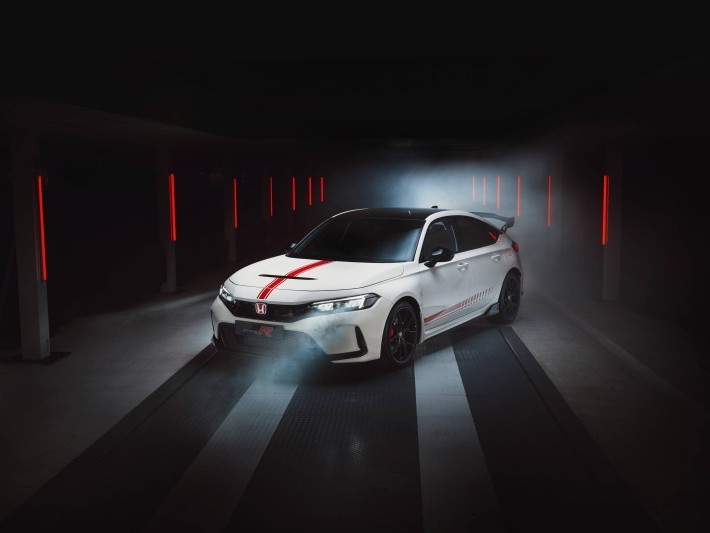
Final Edition: Honda's Last Civic TYPE R – Limited Run before Euro Exit
AshleyJun 11, 2025
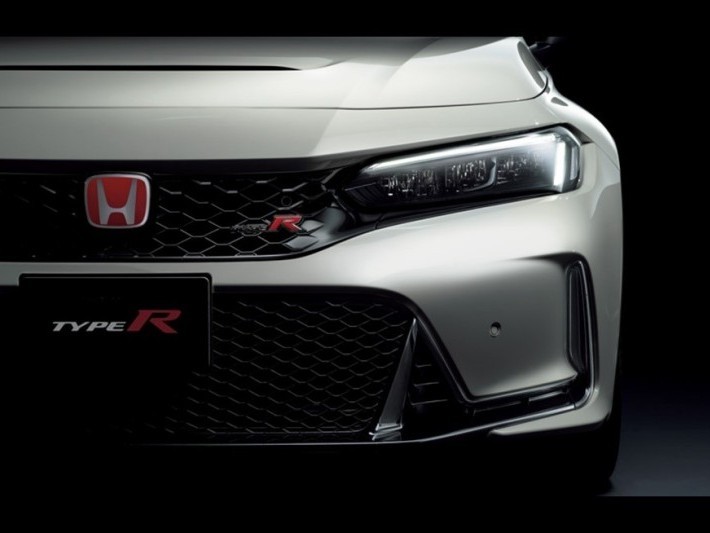
RM 399,900: 2023 Honda Civic Type R, racing soul injected
JamesAug 29, 2024

Honda Vezel (HR-V), Civic, Accord will adopt a unified design language, debuting in 2027
MichaelMar 17, 2026

Honda forecasts its first annual loss in 49 years, with the loss amount exceeding Nissan.
LienMar 13, 2026

Honda Heritage Works officially launched, first-generation NSX owners receive original factory support
MichaelMar 12, 2026
View More
Pros
Cons