
Q
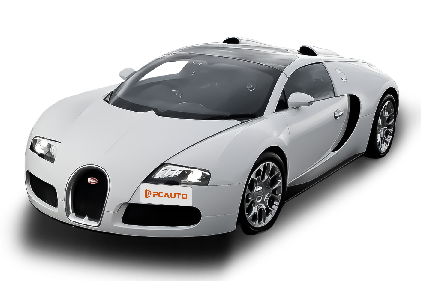
Why is the Bugatti Veyron so popular?
 BoarderWaveAug 04, 2025, 11:43 AM
The reason why the Bugatti Veyron is so popular is mainly due to its status as the benchmark for supercars in the early 21st century. Its 8.0-liter W16 quad-turbocharged engine can output 1,001 horsepower, and its top speed exceeds 407 km/h, making it the fastest production car in the world at that time. This extreme performance has attracted countless car enthusiasts. For Malaysian car enthusiasts, the Veyron is not just a speed machine but also a symbol of engineering art. Its carbon fiber body, active aerodynamic design, and precise hand - made manufacturing process showcase the pinnacle of the automotive industry. The success of the Veyron has also promoted the development of subsequent models such as the Chiron, further consolidating Bugatti's position in the super - car field. It is worth mentioning that although the hot and rainy climate in Malaysia poses challenges to the maintenance of high - performance cars, top - notch supercars like the Veyron are still regarded as treasures by local collectors. Whenever it occasionally makes an appearance at high - end car gatherings in Kuala Lumpur or Penang, it always causes a sensation. Its rarity (only 450 units were produced globally) and legendary status also make it an important symbol in automotive culture.
Special Disclaimer: This content is published by users and does not represent the views or position of PCauto.
Related Q&A
Q
How long does it take to empty the tank on a Bugatti Veyron?
As a high - performance supercar, the Bugatti Veyron has a fuel tank capacity of approximately 100 liters. It has extremely high fuel consumption when driven at top speed. According to official data, when traveling at a top speed of 407 kilometers per hour, the fuel tank will run out in about 12 minutes. In daily driving conditions, the fuel consumption will be relatively lower, and the specific time depends on the driving style and road conditions.
For car enthusiasts in Malaysia, it should be noted that this kind of supercar is not designed to save fuel but to pursue ultimate performance. Therefore, in the local hot climate and congested traffic conditions, the actual fuel consumption may be even higher.
The Veyron is equipped with an 8.0 - liter quad - turbocharged W16 engine that can output over 1000 horsepower. This kind of power configuration brings an amazing acceleration experience but also means higher fuel consumption.
It is recommended that Malaysian owners, when using this kind of supercar, not only pay attention to fuel economy but also focus on regular maintenance. In particular, they should check the cooling system and lubrication system under high - temperature conditions to ensure that the vehicle is always in the best condition.
 BikerRideAug 4, 2025
Q
Is the Bugatti Veyron faster than the Bugatti Chiron?
Both the Bugatti Veyron and the Bugatti Chiron are legendary models in the super - car world, but the Chiron truly outperforms the Veyron in terms of performance. When the Veyron was launched in 2005, it shocked the world with a top speed of 431 km/h. As its successor, the Chiron, after its release in 2016, further increased the top speed to 420 km/h (the electronically limited version). However, the unrestricted Chiron Super Sport 300+ set a production - car top - speed record of 490.48 km/h in 2019, far exceeding that of the Veyron.
Both cars are equipped with an 8.0 - liter quad - turbocharged W16 engine. Nevertheless, the Chiron's engine has been optimized, with the maximum horsepower increasing from 1001 hp of the Veyron to 1500 hp (in the Chiron Super Sport version). At the same time, the aerodynamics and chassis technology have been improved, resulting in better acceleration and handling.
For car enthusiasts in Malaysia, although these two models are rare locally, their engineering represents the pinnacle of the automotive industry and showcases Bugatti's pursuit of ultimate performance. It's worth noting that the performance of a super - car depends not only on its top speed but also on acceleration, cornering performance, and daily driving experience. The Chiron has been comprehensively upgraded in these aspects, making it more suitable for the needs of modern super - car users.
 RiderJourneyAug 4, 2025
Q
How long do Bugatti Veyron tires last at top speed?
The tire life of the Bugatti Veyron at top speed is approximately 15 minutes. This is because when the vehicle is traveling at a maximum speed exceeding 400 km/h, the tires are subjected to extreme centrifugal forces and high temperatures, causing the rubber to wear out rapidly. Although the Michelin PAX tires specially designed for the Veyron use high - strength materials and a special structure to handle extreme conditions, rapid wear at top speed is still unavoidable. Therefore, Bugatti officially advises owners to avoid maintaining top - speed driving for long periods to extend tire life and ensure safety.
For owners in Malaysia, although local road conditions cannot meet the Veyron's top - speed requirements, understanding this helps in better maintaining the supercar's tires. During daily driving, attention should be paid to tire maintenance. For example, regularly check tire pressure and wear, and avoid aggressive driving. Additionally, Malaysia's hot climate may also accelerate tire aging, so it is recommended to park the vehicle in a shady place and use appropriate tire protectants.
 SilverStreamMoonlightAug 4, 2025
Q
How much is a Bugatti Veyron full tank?
The Bugatti Veyron has a fuel tank capacity of 100 liters. Based on the current price of RON 97 gasoline in Malaysia (around 3.50 ringgit per liter), it would cost approximately 350 ringgit to fill up the tank. However, as a top - tier supercar, the Veyron usually recommends using higher - grade fuel to ensure its performance, so the actual cost might be slightly higher. The car is equipped with an 8.0 - liter W16 quad - turbocharged engine. While it offers astonishing power, it also has relatively high fuel consumption. In urban driving, the fuel consumption per 100 kilometers could exceed 30 liters, so frequent refueling is the norm.
For car enthusiasts in Malaysia, apart from the fuel cost, they also need to consider the maintenance and insurance costs of such supercars, which are significantly higher than those of ordinary vehicles. Additionally, the hot and humid climate in Malaysia poses a challenge to the cooling system of high - performance engines, making regular maintenance especially crucial.
As a limited - production top - tier supercar, the Bugatti Veyron is rarely seen on Malaysian roads. Its rarity also makes it highly sought after in the collector's market.
 SkaterRinkAug 4, 2025
Q
What car replaced the Bugatti Veyron?
The successor to the Bugatti Veyron is the Bugatti Chiron. This super - car was officially launched in 2016, inheriting the legendary status of the Veyron and achieving a full - scale upgrade in performance and technology. The Chiron is equipped with an 8.0 - liter quad - turbocharged W16 engine with a maximum power of 1500 horsepower. Its top speed is electronically limited to 420 km/h, and it can accelerate from 0 to 100 km/h in just 2.5 seconds, demonstrating Bugatti's top - notch technological strength in the super - car field. For car enthusiasts in Malaysia, although this kind of super - car is quite rare locally, they still have a chance to appreciate it up close through official dealers or international auto shows. The Chiron not only continues the extreme performance of the Veyron but also incorporates more modern technology and luxury design, such as more advanced aerodynamic kits and customized services, further consolidating Bugatti's leading position in the super - car market. It's worth mentioning that Bugatti has also launched several special - edition models based on the Chiron, such as the Chiron Super Sport 300+ and the Chiron Pur Sport, to meet the needs of different collectors.
 WalkerPathAug 4, 2025
Q
How many Bugatti Veyron are there in the world?
The Bugatti Veyron is a globally limited-production supercar. According to official data, from 2005 to 2015, including the regular version, the Grand Sport convertible version, the Super Sport high-performance version, and specially customized versions, a total of about 450 units were produced. Among them, the Super Sport version once set a world record for production cars with a top speed of 431 kilometers per hour, demonstrating Bugatti's ultimate pursuit of engineering and performance.
For car enthusiasts in Malaysia, although the Veyron is extremely rare locally, the Bugatti brand has gradually expanded its influence in the Southeast Asian market through official channels in recent years. For example, it has set up a showroom in Singapore. Maybe there will be more opportunities to see Bugatti models in Malaysia in the future.
As a milestone in Bugatti's modern revival, the Veyron is not only equipped with an 8.0-liter quad-turbocharged W16 engine. Its unique aerodynamic design and luxurious handcrafting also make it a rarity in the eyes of collectors. Subsequent models such as the Chiron and Divo have also carried on the technical essence of the Veyron, further consolidating Bugatti's top position in the supercar field.
 GraceAug 4, 2025
Q
How much is a Bugatti Veyron oil change?
The cost of changing the oil for a Bugatti Veyron varies depending on the region and the service center. However, based on global data, the cost of a single oil change usually ranges from RM 20,000 to RM 25,000. This is mainly due to the fact that its 8.0-liter W16 engine requires high-performance oil and a complex maintenance process. Additionally, the Veyron has a large oil capacity (around 15 liters) and needs high-spec synthetic oil specifically designed for supercars, which further drives up the cost.
For Malaysian owners, since there is no official Bugatti service center in the country, they may need to transport their vehicles to neighboring countries such as Singapore or Thailand for maintenance. This will incur additional transportation and tariff costs. It's worth noting that the regular maintenance of a supercar doesn't just involve changing the oil. It also includes checking key components such as the turbocharging system, suspension, and brakes to ensure the vehicle is always in top condition. Therefore, it is recommended that owners set aside a sufficient budget to cover the comprehensive maintenance expenses.
If you're thinking about owning a top - tier supercar like the Veyron in the long term, it's very important to understand its maintenance cycle (usually every 10,000 kilometers or once a year) and the overall maintenance cost. This way, you can avoid affecting the vehicle's performance and resale value due to negligence.
 RubyRedFlamePassionAug 4, 2025
Q
Is the Bugatti Veyron a luxury car?
The Bugatti Veyron is truly a luxury car. It is not only renowned for its outstanding performance but also has become an iconic product in the automotive world due to its exquisite craftsmanship and luxurious design. As a supercar, the Veyron is equipped with an 8.0 - liter quad - turbocharged W16 engine and can reach a top speed of 407 kilometers per hour. This kind of performance has earned it a special place in the hearts of car enthusiasts in Malaysia and around the world. Although its price is extremely high, it also reflects its rarity and top - notch manufacturing standards. In Malaysia, due to taxes and import restrictions, the Veyron is even rarer. Therefore, owning it is not only a symbol of wealth but also a pursuit of the ultimate in automotive craftsmanship. It's worth mentioning that the interior of the Veyron uses top - grade materials such as genuine leather and aluminum alloy. Every detail has been meticulously crafted to ensure that drivers and passengers enjoy an unparalleled experience of comfort and luxury. For Malaysian car fans, the Veyron is not just a car; it is a combination of engineering and art, representing the pinnacle of the automotive industry.
 SunbeamAug 4, 2025
Q
Why was the Bugatti Veyron discontinued?
The discontinuation of the Bugatti Veyron is mainly because its product life cycle is nearing the end. Meanwhile, Bugatti aims to concentrate its resources on the R & D of new - generation supercars, such as the subsequently launched Chiron. This car has seen significant improvements in performance and technology, and the Veyron has fulfilled its mission as the brand's flagship.
Since its launch in 2005, the Veyron has become a milestone in the automotive industry with its astonishing 1001 horsepower and a top speed of over 400 km/h. However, with the development of technology and the increasingly strict environmental regulations, Bugatti needs to introduce more advanced and efficient models to meet market demands.
For Malaysian car enthusiasts, although the Veyron is extremely rare in the local area, it represents the pinnacle of super - car technology. Subsequent models like the Chiron continue this legend, and Bugatti also consolidates its leading position in the super - car field by constantly pushing the engineering limits.
The discontinuation of the Veyron is not due to problems with the brand or the model. Instead, it is a common product iteration strategy in the automotive industry to ensure the brand's continuous innovation and competitiveness.
 LivelyAug 4, 2025
Q
What is the cheapest Bugatti Veyron sold for?
Currently, the cheapest known second - hand transaction price of the Bugatti Veyron is around $1.5 million to $2 million (equivalent to about RM7 million to RM9 million). The specific price depends on the vehicle's condition, mileage, and modification status. For example, in 2018, an early - model Veyron with high mileage in the United States was sold for $1.5 million.
As a legendary supercar, the Veyron is extremely rare in Malaysia. This is mainly because of the high import duties (which may exceed 300% depending on the engine displacement), resulting in the on - the - road price far exceeding the international market price. For instance, the original price of a new Veyron is about $2.5 million (the price including taxes may reach over RM30 million).
The Veyron is equipped with an 8.0 - liter W16 quad - turbo engine and can reach a top speed of 407 km/h. When it was launched in 2005, it was the world's fastest production car. Due to its complex craftsmanship, only 450 units were produced (including derivative models such as the Super Sport), which makes the supply of second - hand cars scarce.
It's worth noting that when buying such supercars in Southeast Asia, one also needs to consider the potential impact of the hot and humid climate on carbon fiber components and electronic systems. It is recommended to conduct a complete inspection through a professional institution. Meanwhile, Malaysian car owners usually store these types of vehicles in a constant - temperature garage to extend their service life.
 ArtistBrushAug 4, 2025
Popular Cars
Model Year
Car Compare
Car Photo
Related Models
 Cars
CarsLatest Q&A
Q
Is AMT similar to automatic?
There are significant differences between AMT transmissions and automatic transmissions (AT) in terms of core structure and driving experience. AMT is essentially an electronically automated version of a manual transmission, simulating manual clutch operation and gear shifting through a computerized control system while retaining the gear set structure of manual transmissions. As a result, it offers higher transmission efficiency, with fuel consumption approximately 8%-12% lower than AT, making it particularly suitable for highway or long-distance driving. However, it may exhibit jerking similar to manual transmissions during low-speed gear shifts, especially noticeable in congested traffic conditions.
AT transmissions rely on torque converters for power transfer, delivering smooth and seamless gear shifts that appeal to comfort-oriented users. However, their complex structure (incorporating planetary gear sets, hydraulic systems, etc.) results in higher maintenance costs. A single service may cost between 800 to 1,500 ringgit, whereas AMT only requires gear oil replacement at approximately 400 ringgit.
From a market perspective, AMT is predominantly used in budget vehicles or commercial models priced below 80,000 ringgit, while AT is typically featured in mid-to-high-end vehicles. Consumers should select based on actual needs: AMT suits those prioritizing fuel efficiency and low maintenance costs, while AT better serves those valuing comfort. Notably, recent advancements in AMT electronic control technology have significantly mitigated jerking issues, though test drives should still emphasize low-speed performance evaluation.
 AriaMar 26, 2026
Q
Which is better, DCT or AT?
DCT (Dual-Clutch Transmission) and AT (Automatic Transmission) each have their own advantages and disadvantages, and the choice should be based on personal driving needs. AT transmissions transfer power through a torque converter, offering excellent shift smoothness, making them suitable for urban commuting or novice drivers. However, they tend to have higher fuel consumption, and vehicles equipped with them are usually more expensive. DCT transmissions utilize a dual-clutch structure, featuring fast shift speeds and high power transmission efficiency, which provides a more direct driving experience—particularly suitable for users seeking a sporty feel. However, they may exhibit jerking at low speeds and have relatively high maintenance costs. If durability and comfort are priorities, AT is the more reliable choice; if power responsiveness and driving pleasure are preferred, wet DCT (such as Volkswagen DSG) performs better, though dry DCT models should be avoided in prolonged stop-and-go traffic conditions. Additionally, CVT transmissions excel in smoothness and fuel efficiency, making them ideal for daily commuting, but they lack driving excitement. It is recommended to test-drive before purchasing, as tuning varies significantly across brands, and real-world experience is more important than theoretical specifications.
 FlutteringMar 26, 2026
Q
Is Amt good or bad?
AMT gearboxes have a significant cost advantage in the local market, typically being around 5,000 Ringgit cheaper than models equipped with conventional automatic transmissions. Their fuel efficiency is comparable to manual transmissions, resulting in long-term fuel savings. Featuring a straightforward design, they achieve transmission efficiency exceeding 90% with relatively low maintenance costs, making them ideal for practicality-oriented consumers. However, their shifting logic contains inherent limitations: gear changes between 1st and 2nd cause 0.3-0.5 second power interruptions, while unintended upshifts on inclines may reduce engine speed by 15%-20%, compromising driving smoothness. For urban commuters or budget-conscious buyers, AMT offers excellent value, though those prioritizing premium driving dynamics should consider alternative transmission types. Some domestic models like the Perodua Axia employ enhanced AMT systems, where optimized shift programming has reduced gearshift shock by approximately 30%.
 RainbowsMar 26, 2026
Q
Which gives better mileage, CVT or AMT?
From the perspective of fuel economy, CVT transmissions generally perform better under urban driving conditions. Their continuously variable design allows the engine to consistently operate within the optimal speed range, significantly reducing fuel consumption during frequent starts and stops. Test data shows that their fuel consumption in urban driving conditions is 10% to 15% lower than that of comparable models. AMT transmissions, on the other hand, inherit the high transmission efficiency of manual transmissions, delivering fuel efficiency close to manual transmissions during high-speed cruising. This makes them particularly suitable for long-distance driving in large-displacement vehicles. However, due to power interruption during gear shifts, their overall fuel consumption may be 5% to 8% higher than CVTs.
The difference in fuel-saving characteristics between the two transmissions stems from their technical principles: CVTs achieve continuous variability through steel belts and pulleys, eliminating the fixed gear ratio limitations of traditional transmissions; AMTs simulate manual gear changes via electronic control systems while maintaining the mechanical efficiency of gear transmission. Notably, actual fuel consumption is also influenced by driving habits. Smooth acceleration and anticipatory deceleration can maximize the transmissions' fuel-saving potential. If the vehicle budget permits and urban commuting is the primary use, CVTs offer a more economical choice. For frequent highway driving with an emphasis on cost-effectiveness, AMTs are equally worth considering.
 RubyBlazeMar 26, 2026
Q
Which is cheaper, AMT or CVT?
In terms of gearbox cost, AMT is usually more economical than CVT. Essentially, AMT is a manual transmission equipped with an electronic control unit, featuring a simple structure and low maintenance costs. The unit price ranges from approximately 5,000 to 8,000 ringgit, making it suitable for budget-conscious consumers or those who prioritize long-term operating costs. CVT incurs higher manufacturing costs due to its precision steel belt transmission system and continuous variable transmission technology, with a unit price of about 7,000 to 10,000 ringgit. However, it delivers a smoother driving experience and superior fuel efficiency. The primary differences between the two lie in technical complexity: AMT retains the gear-shifting mechanism, resulting in noticeable shift shock; CVT achieves linear power output through stepless speed variation but requires periodic belt inspection and incurs higher maintenance expenses. For those prioritizing initial cost and basic transportation needs, AMT offers better value; if comfort and long-term fuel economy are priorities, CVT represents a more worthwhile investment. Note that actual prices may vary based on vehicle model, brand, and local supply chain factors.
 ShadowProwlMar 26, 2026

Pros
Cons