

2025 Audi Q7 S line 3.0 TFSI Review

 Share
Share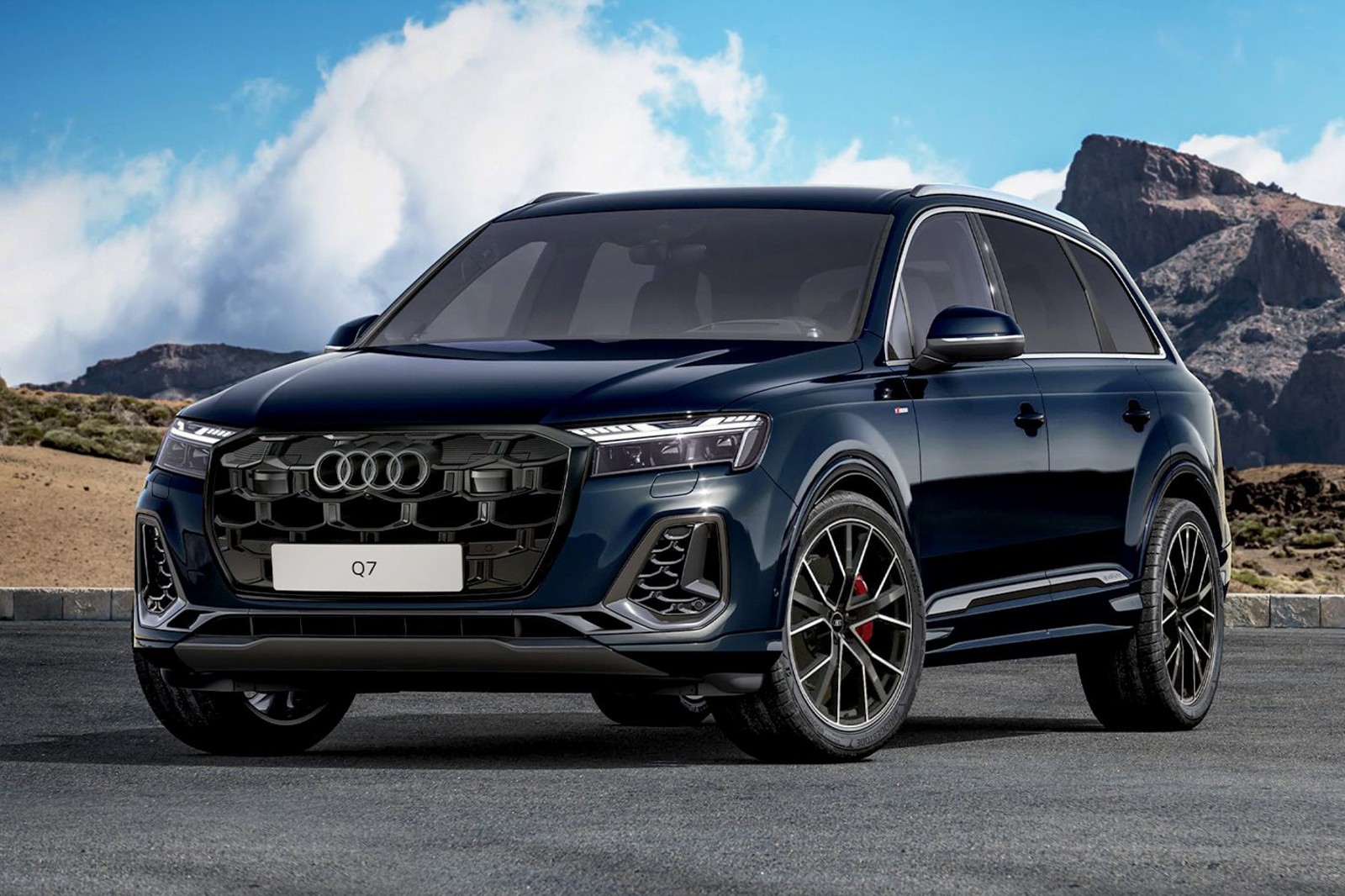
 Segment
 Body Type
 Capacity(L)
 Engine Power(PS)
 Engine Torque(Nm)
 Transmission
In the mid-to-large luxury SUV market in Malaysia, consumers have always had high expectations for brand, space, and features, with German models maintaining a dominant position due to their consistent product strength. The 2025 Audi Q7 S line 3.0 TFSI, as a facelift model, introduces a 48V mild hybrid system for the first time while retaining a 7-seater layout and air suspension. Its core selling points are focused on upgraded power smoothness, enhanced luxury features, and practicality in space. The primary goal of this test drive was to verify whether the mild hybrid system truly improves daily driving experience and to see if its features and space can still hold an advantage against competitors in the same price range.
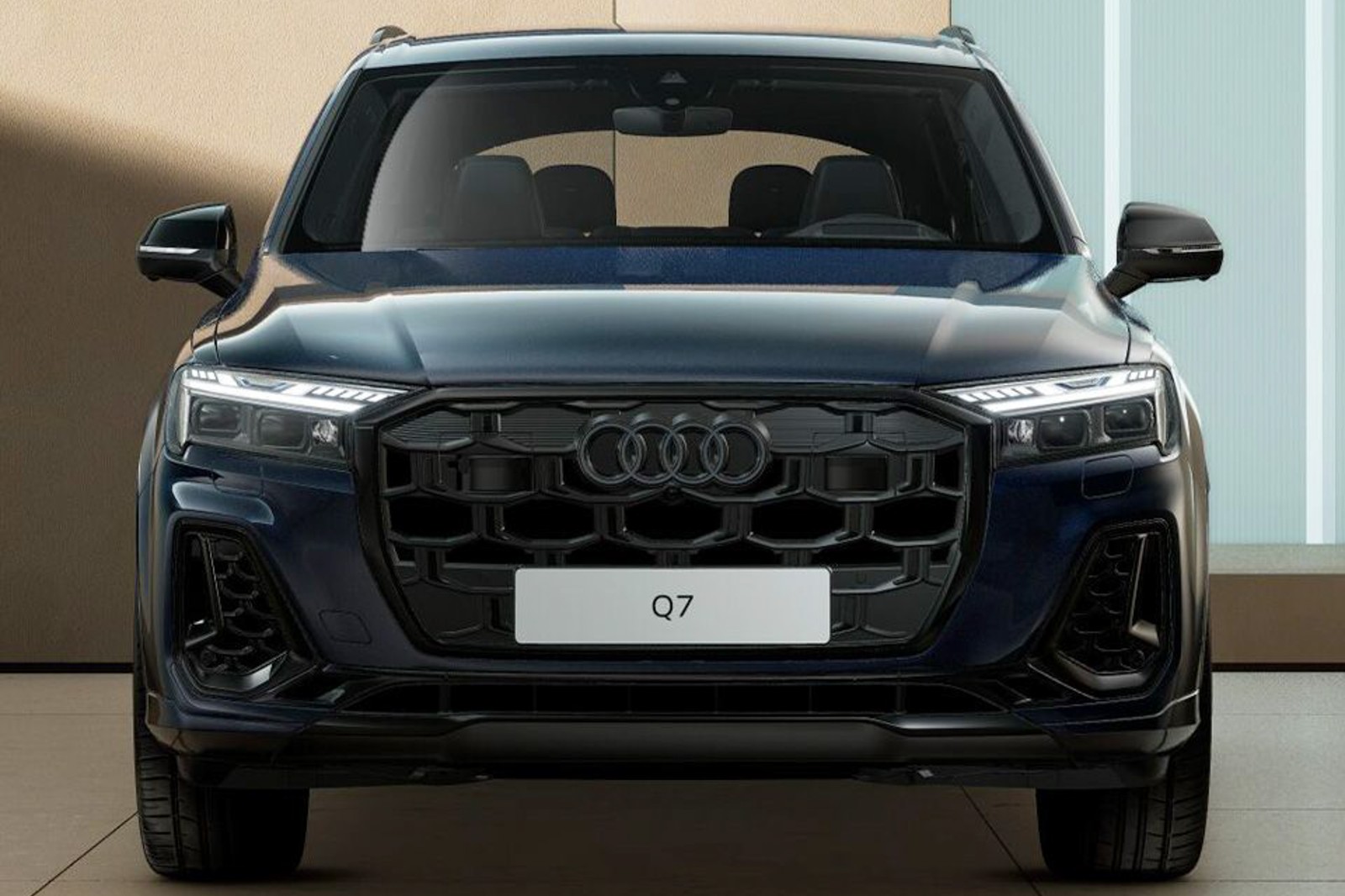
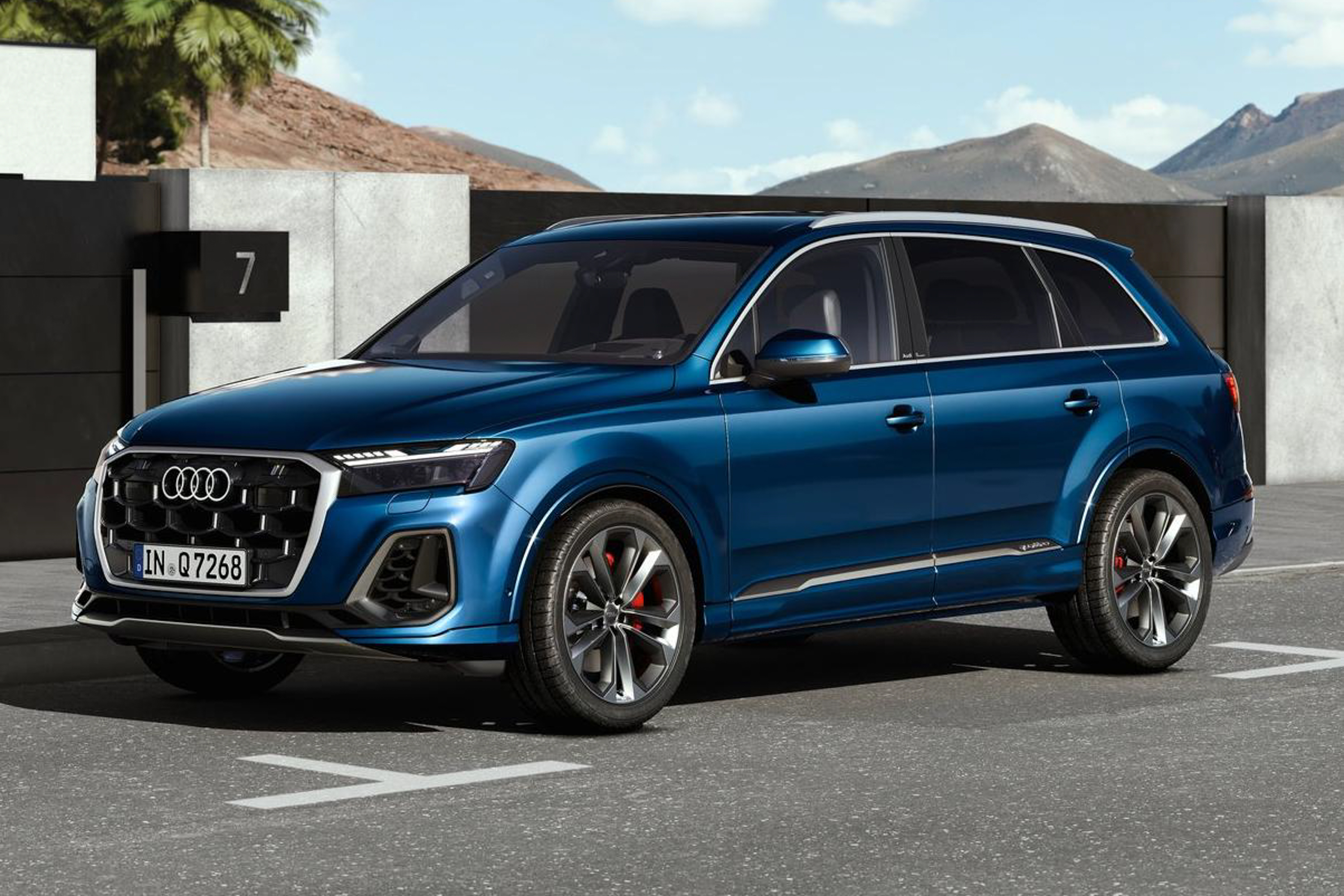
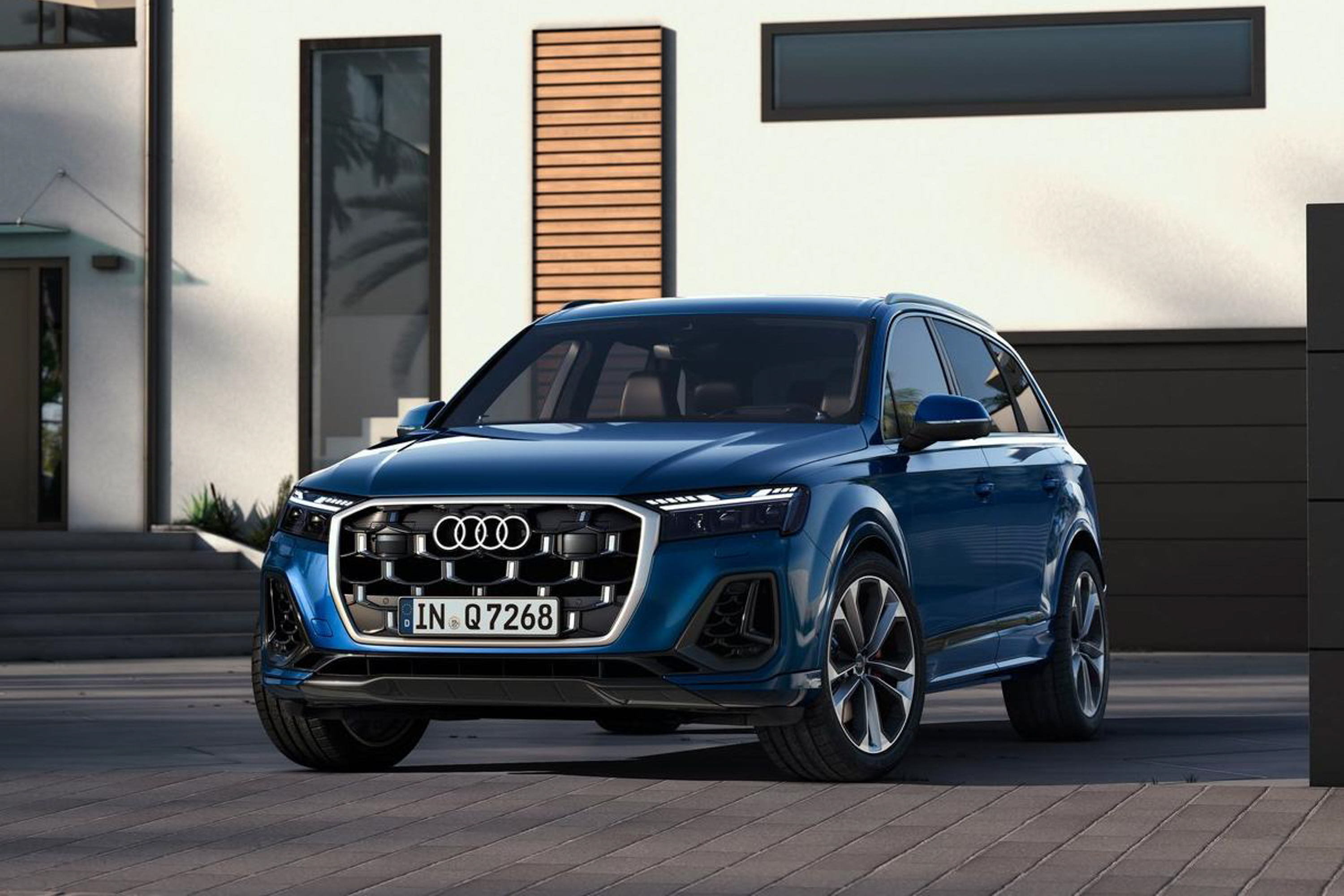
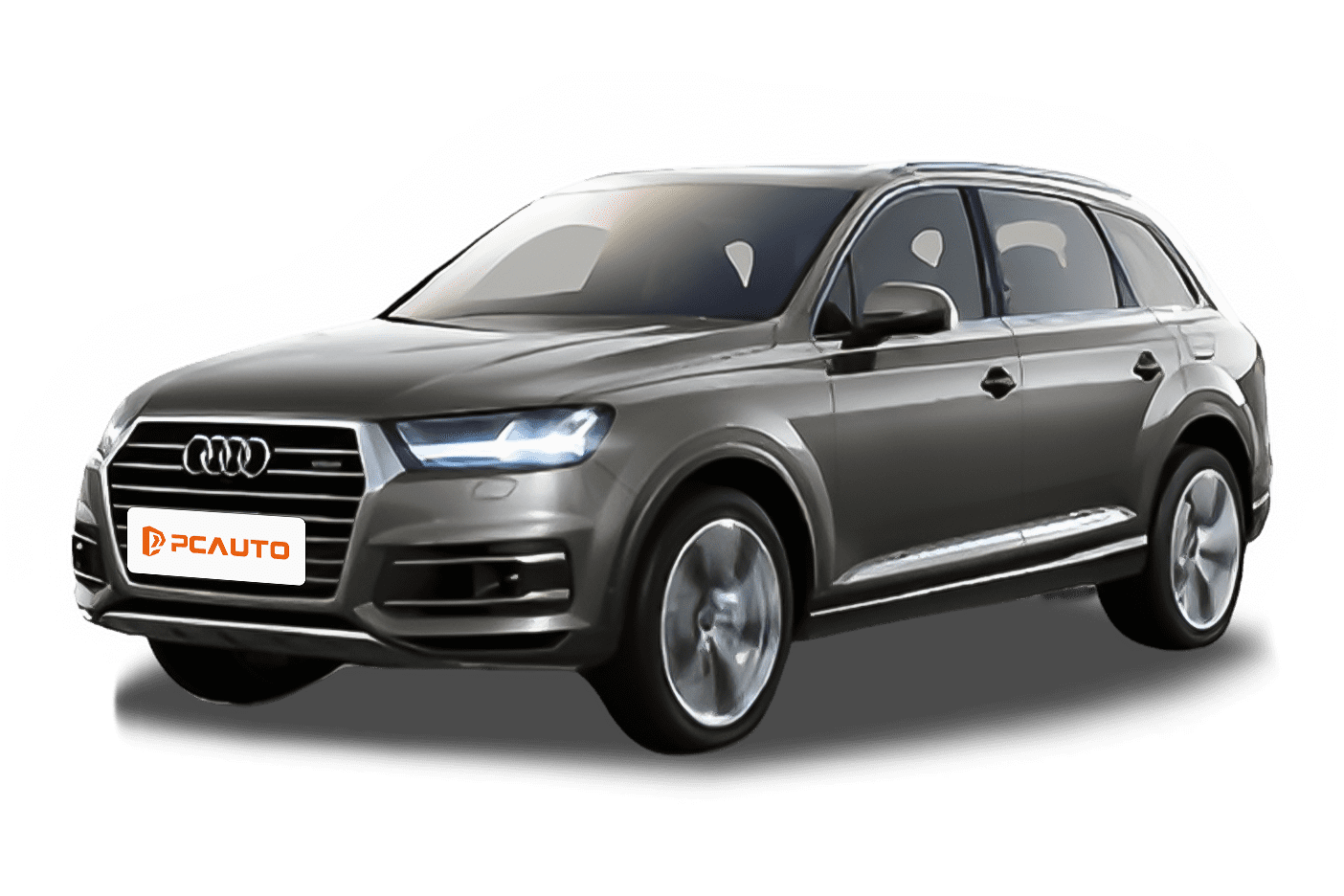
In terms of exterior design, the Q7 S line continues Audi's steady and robust family style but incorporates sportier details. The front features an octagonal single-frame grille with a honeycomb blacked-out design inside, accompanied by large air intakes on both sides, making it visually more striking than the previous model. The side profile exhibits straight lines, and the 22-inch five-spoke alloy wheels with 285/35 R22 wide tires make the proportions appear more solid. At the rear, the standout feature is the full-width LED taillights, which are highly recognizable when illuminated; the dual exhaust layout on both sides further enhances its sporty attributes. The lighting system across all trims uses LED lights, and the automatic headlights and daytime running lights are responsive, making everyday use very convenient.
Upon stepping inside, the interior delivers a strong sense of luxury and technology. The dashboard features a layered design: the upper section uses soft-touch material, the middle incorporates metallic strips, and the lower section is finished with piano black panels. The material quality aligns with the positioning of an executive-level SUV. The 12.3-inch virtual cockpit instrument cluster is clear and can switch between different view modes, while the HUD head-up display projects information like speed and navigation, reducing the need to look down at the instrument panel. The center console houses a 10.1-inch touchscreen with a smooth system interface that supports CarPlay and Android Auto integration, with an intuitive operating logic. For seating, the front seats are power-adjustable, offering excellent support and comfort for prolonged driving without fatigue. The second-row seats can be folded down in a 40:20:40 split, while the third-row seats fold down in a 50:50 split. When fully folded, the trunk capacity expands to 770 liters, making it easy to accommodate large luggage. Notably, the rear air vents and USB ports are included, along with cup holders in the third row, addressing the needs of the whole family.
In terms of space performance, the Q7’s dimensions are 5052mm×1968mm×1740mm, with a wheelbase of 2994mm, which is considered standard for 7-seater SUVs. With the front seat adjusted to a comfortable position, the headroom offers one fist and two fingers of space. In the second row, when the seats are moved all the way forward, legroom can reach two fists; even when pushed fully backward, there is still more than one fist of space, and headroom remains sufficient. The third-row space is relatively compact and is suitable for passengers under 1.7 meters tall for short trips, but may feel cramped for long journeys. As for storage space, the storage slots in the front and rear door panels are quite large, the central armrest box can fit four bottles of mineral water, and the trunk, even in the 7-seater configuration, can accommodate two carry-on suitcases, making it fairly practical.
In terms of power, this Q7 is equipped with a 3.0T V6 turbocharged engine paired with a 48V mild hybrid system, delivering a maximum power of 250kW (340PS) and a maximum torque of 500N·m. It is matched with an 8-speed automatic transmission and quattro all-wheel drive system. During daily driving, the integration of the mild hybrid system is very smooth, and the motor provides auxiliary power during startup, reducing the feeling of turbo lag. When switched to sport mode, the throttle response becomes more sensitive, and the acceleration feels strong when you step on the gas pedal. The official 0-100km/h acceleration time is 5.6 seconds, and in actual tests, this result is almost accurate, giving great confidence when overtaking. The 8-speed automatic transmission's shifting logic is clear, with proactive upshifts and quick downshifts, resulting in almost no stuttering.
Handling and chassis performance are one of the Q7's strengths. The combination of front double wishbone and rear multi-link air suspension can adjust the firmness based on the driving mode. In standard mode, the suspension leans towards comfort and filters out most small road bumps; in sport mode, the suspension becomes stiffer, offering better support, and body roll is well controlled when cornering. The steering wheel has moderate steering force, minimal dead zone, and precise steering, ensuring the vehicle does not feel cumbersome like a "big ship." When dealing with continuous bumpy roads, the suspension's rebound feels crisp without any excessive wobbling, and the rear passengers' seating experience is quite comfortable. However, due to the low tire profile, some vibration can be felt when crossing speed bumps, which is a common issue with sports wheels.
As for fuel consumption, this test drive was mainly on city roads with a small section on highways, achieving a combined fuel consumption of around 10.5L/100km. Considering the 3.0T displacement and the weight of the car, this result is fairly average. The braking performance is excellent, with the brake pedal offering a linear feel and consistent braking power. During emergency braking, the car's body remains stable without significant nose-diving effect. Regarding noise control, wind and tire noise are not overly noticeable at high speeds, and while engine noise can be heard within the cabin during rapid acceleration, it is not harsh. Overall, the quietness meets luxury SUV standards.
In summary, the 2025 Audi Q7 S line 3.0 TFSI has clear core advantages: the combination of the 3.0T V6 engine and mild hybrid system is smooth yet powerful, the air suspension brings excellent handling and comfort, and the 7-seat capacity meets family needs. Features like HUD, virtual cockpit, and B&O sound system are standard, making it more cost-effective compared to the same class of BMW X5 and Mercedes-Benz GLE. However, its drawbacks include limited space in the third row and relatively high fuel consumption.
This car is more suitable for families that value luxury, need a 7-seat configuration, and occasionally seek driving pleasure. It can meet the needs of daily commuting and family outings, while also allowing you to enjoy a bit of driving excitement on weekends. If your budget is around 460,000 MYR and you want a well-balanced executive-level SUV, the Q7 S line 3.0 TFSI is worth considering.
Overall, the 2025 Audi Q7 S line 3.0 TFSI is an "all-rounder" with no significant shortcomings in terms of power, features, space, and comfort. It is a pragmatic choice in the mid-to-large luxury SUV market.
Audi Q7 Car Compare
Audi Q7 Loan Calculator
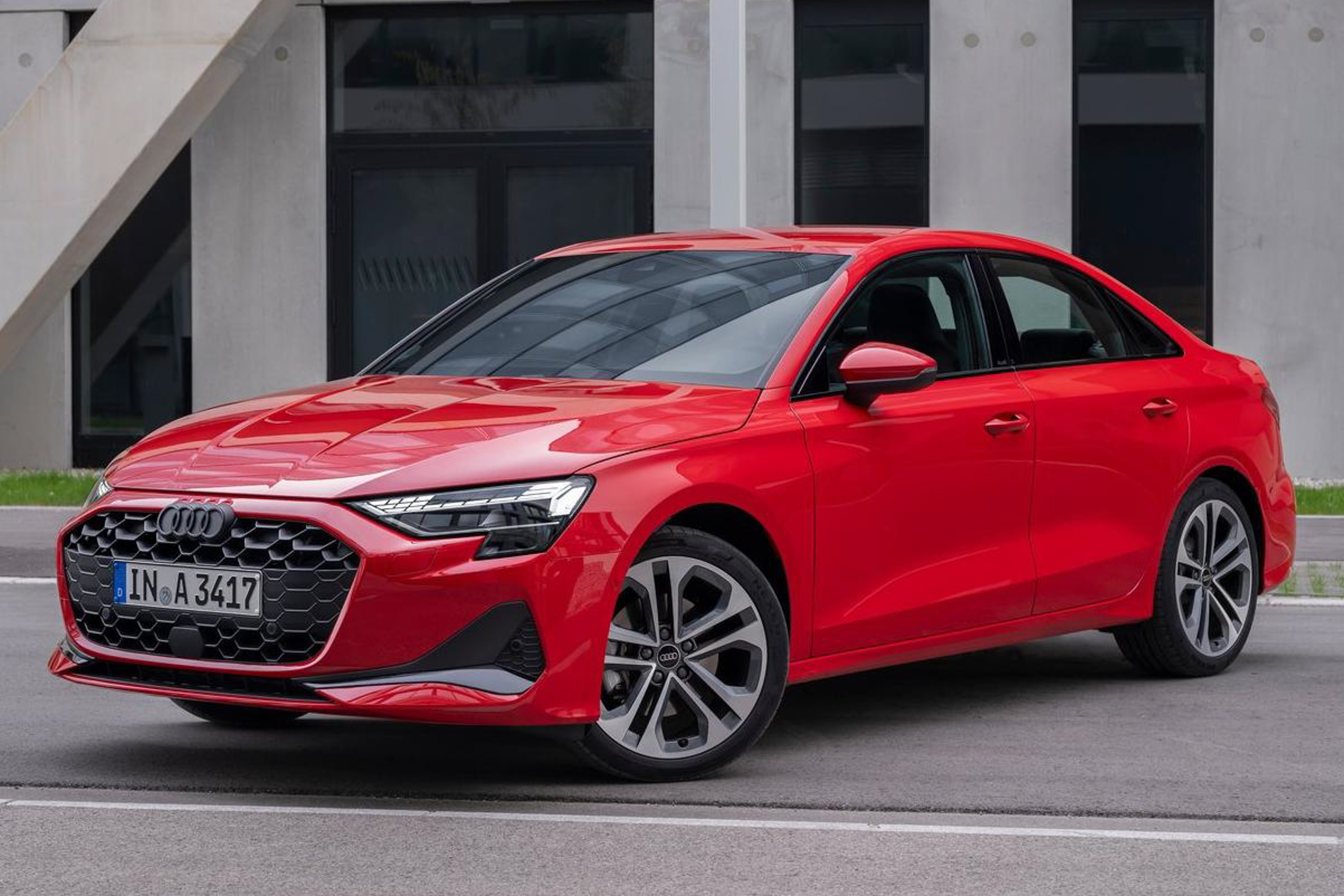
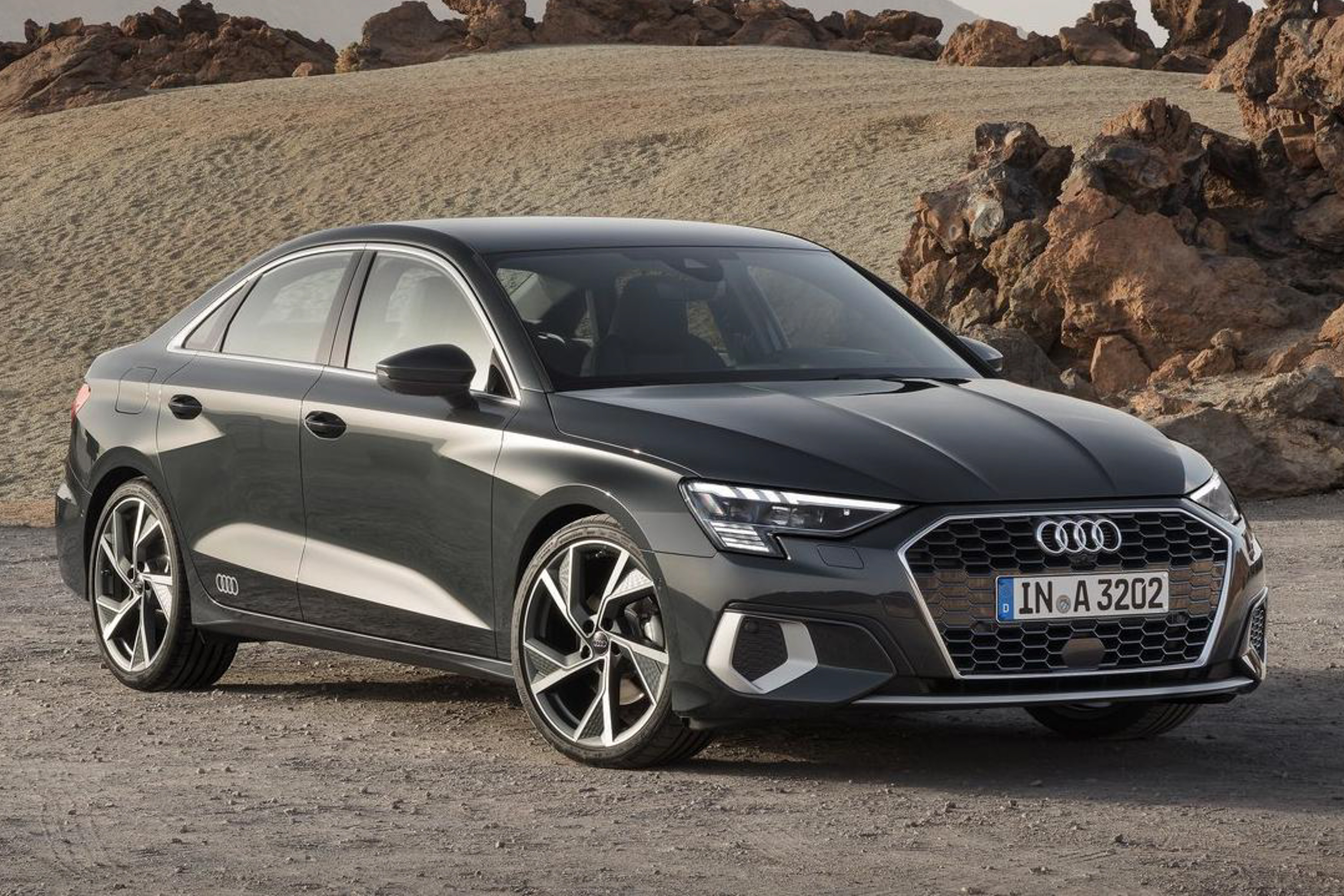
Cars With Similar Price And Features

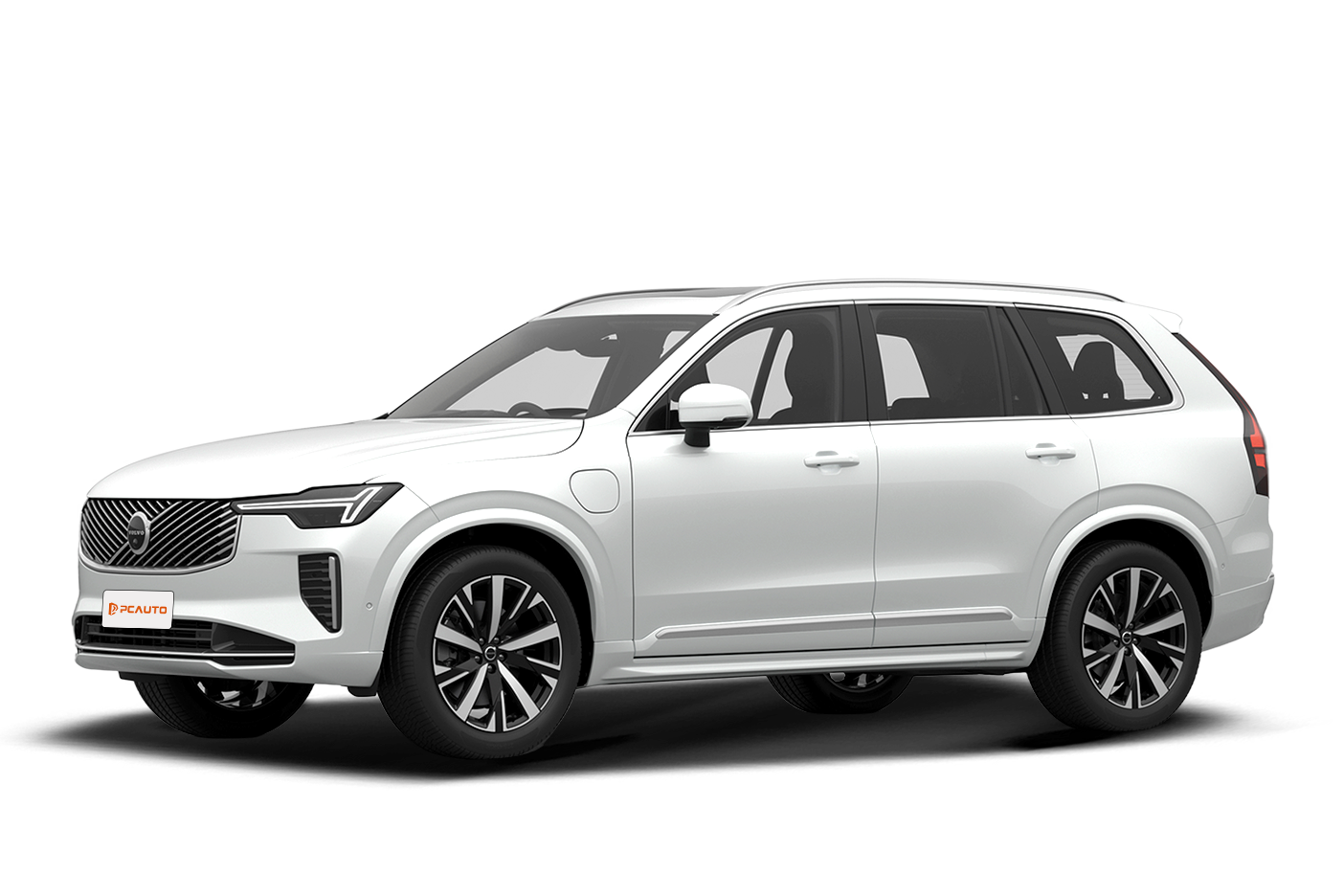
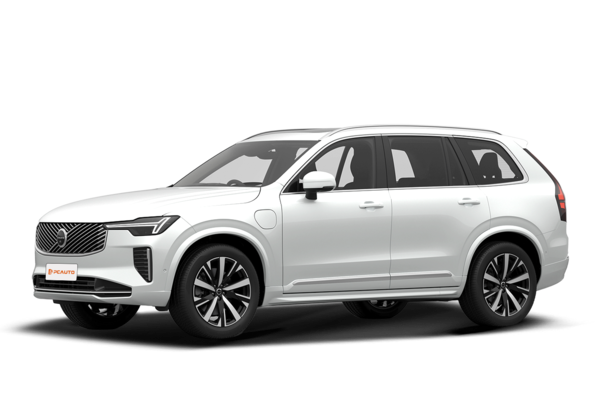
2025 Volvo XC90 Ultra B5, as an Executive-level luxury 7-seat SUV, optimizes fuel efficiency with a mild hybrid system, enhances comfort with air suspension across the range, coupled with an intelligent cockpit, balancing space and safety, showcasing outstanding capability.
23
Rank in SUV
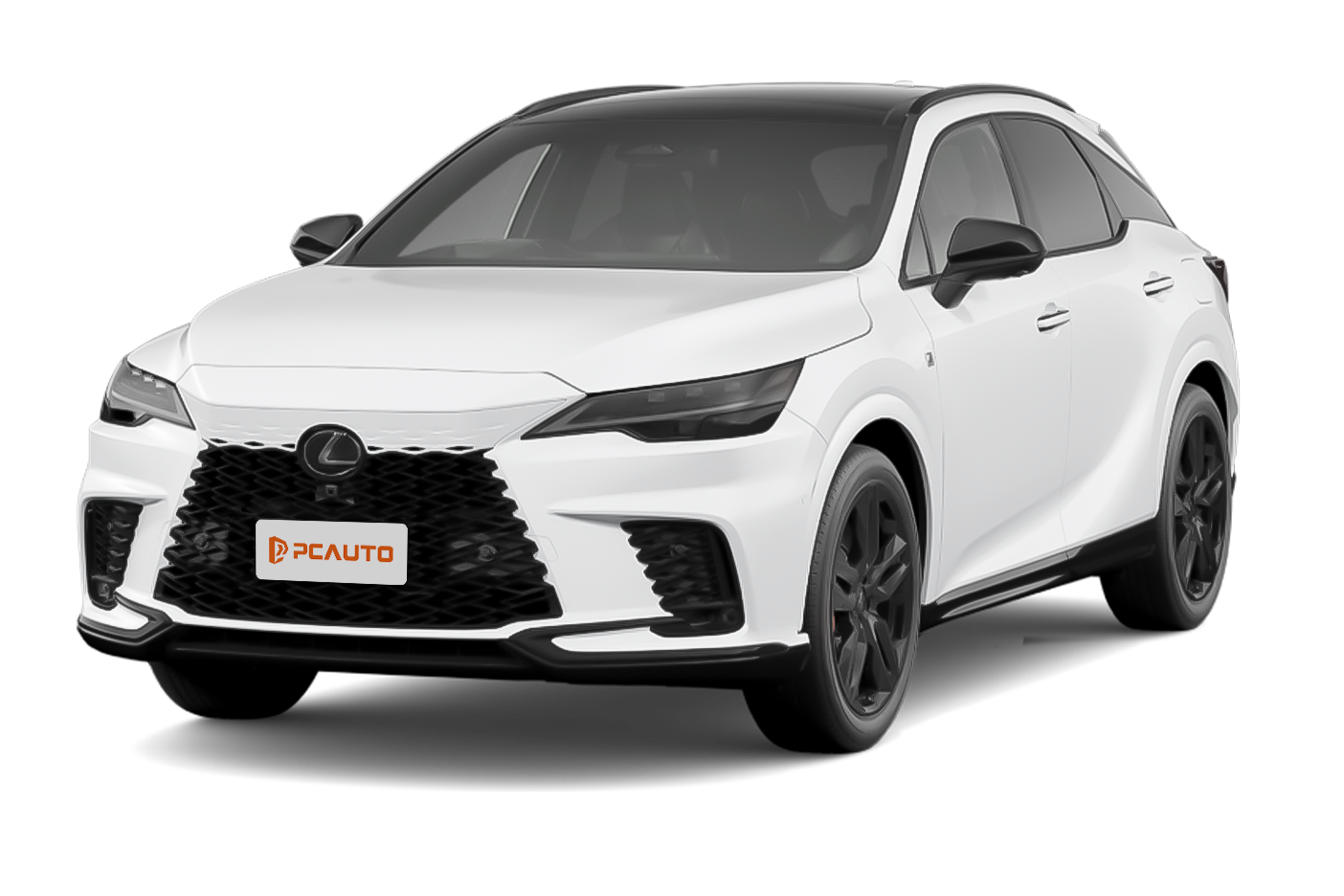
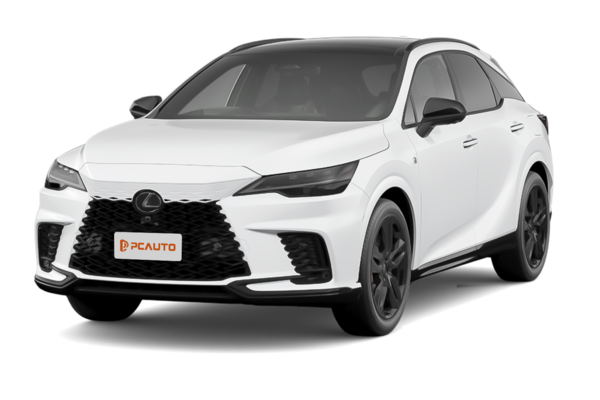
2025 Lexus RX 500h F Sport Special Edition is an executive-level hybrid SUV that balances performance, luxury, and technology, featuring a 2.4T hybrid system, exclusive 21-inch wheels, and a 14-inch central control screen as its core highlights.
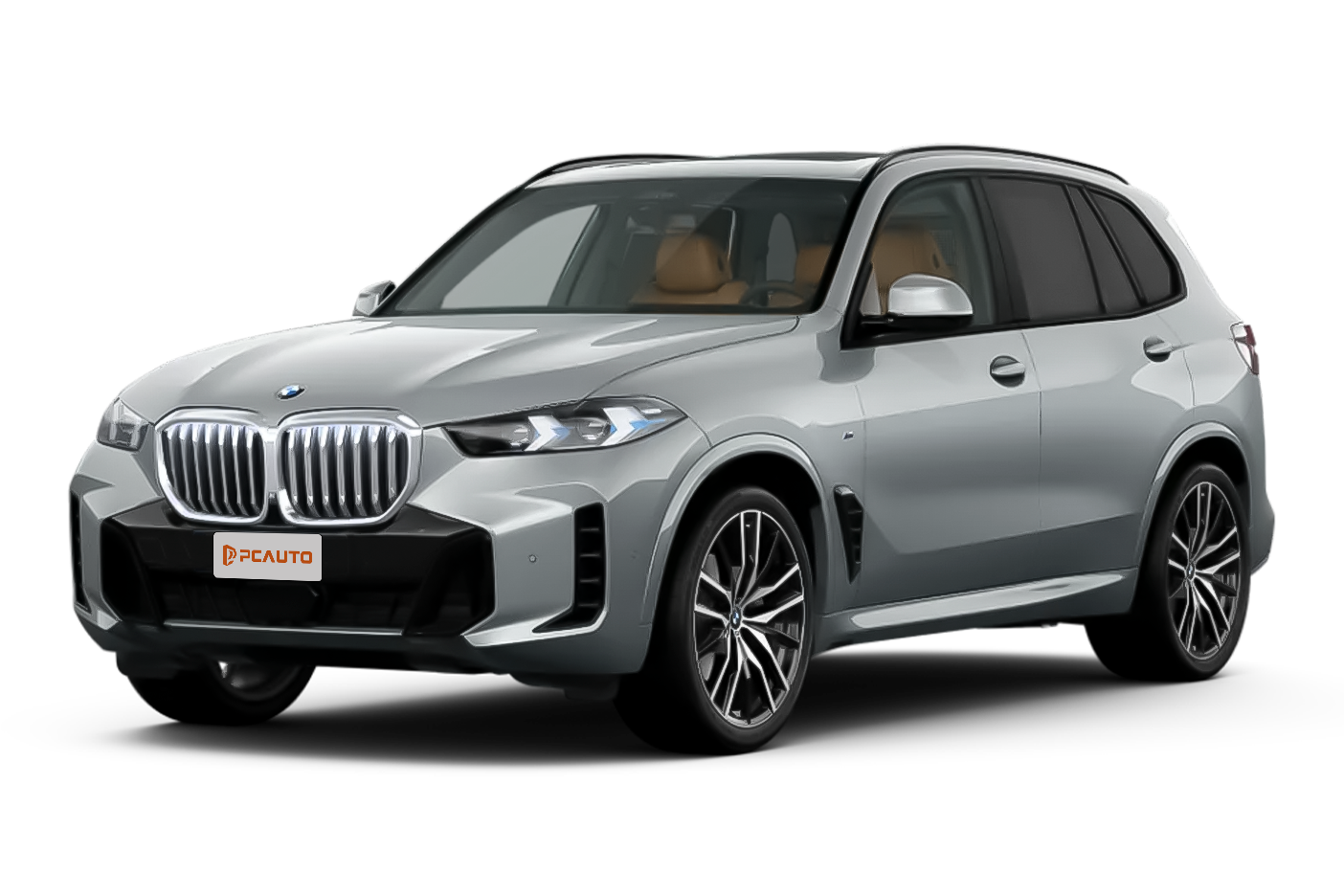
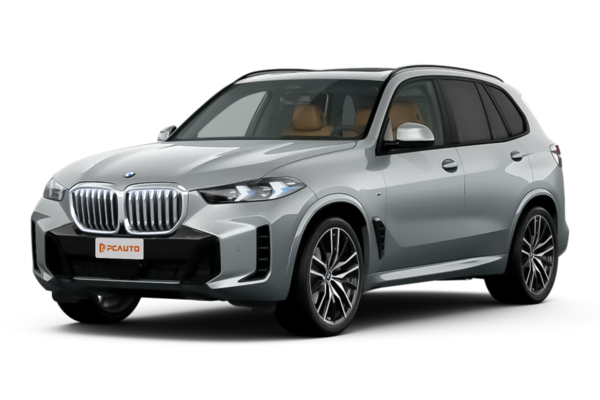
2025 BMW X5 xDrive40i M Sport is a luxury mid-to-large SUV that balances family comfort with driving pleasure. It features upgraded power, rich configurations, and more affordable pricing.
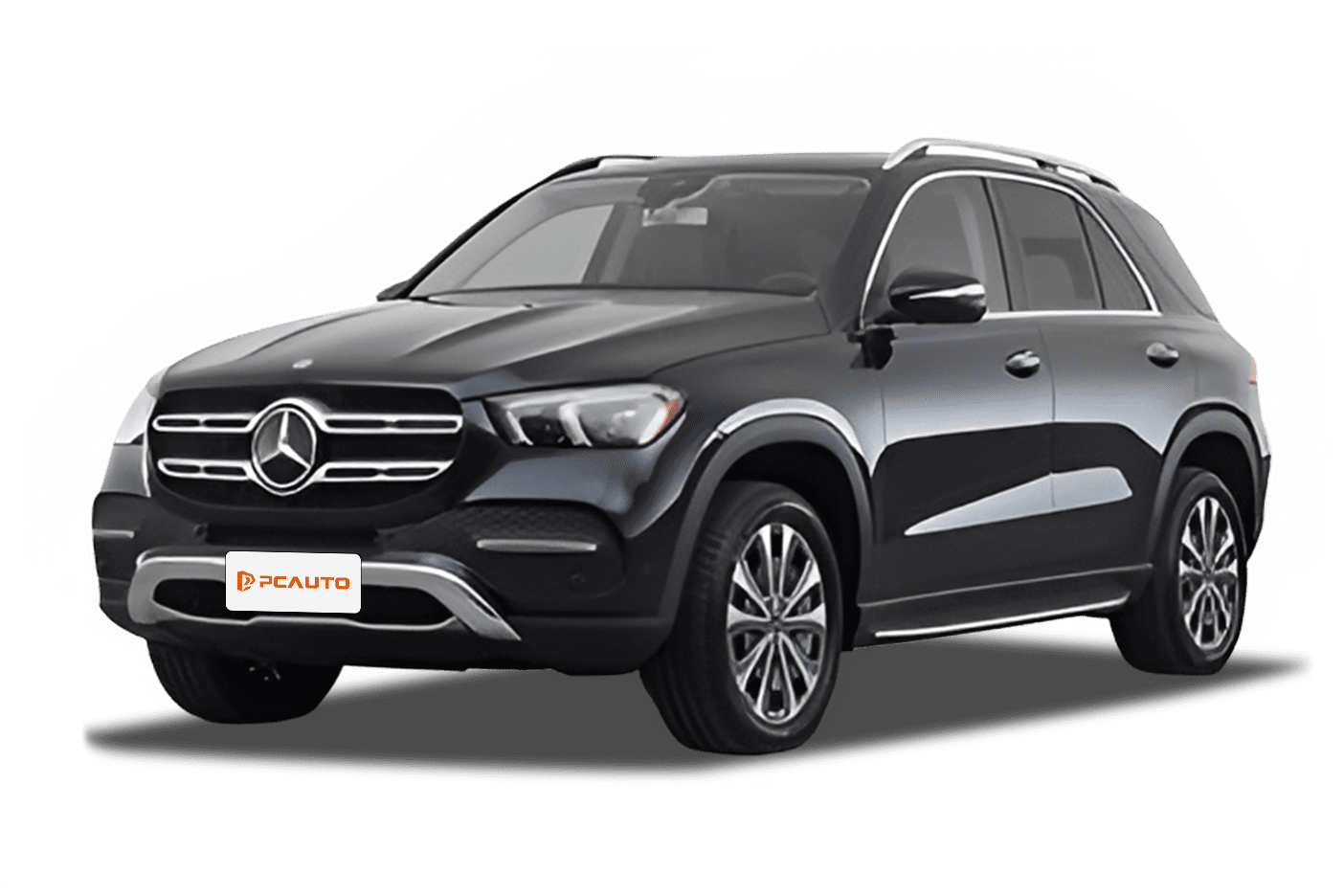
2024 Mercedes-Benz GLE 450 4MATIC AMG Line FL (CKD) is a locally assembled executive-level luxury SUV that lowers the entry threshold while upgrading power and intelligent features, balancing a sense of status and practicality.