
Aston Martin Vantage 2018 Review

 Share
Share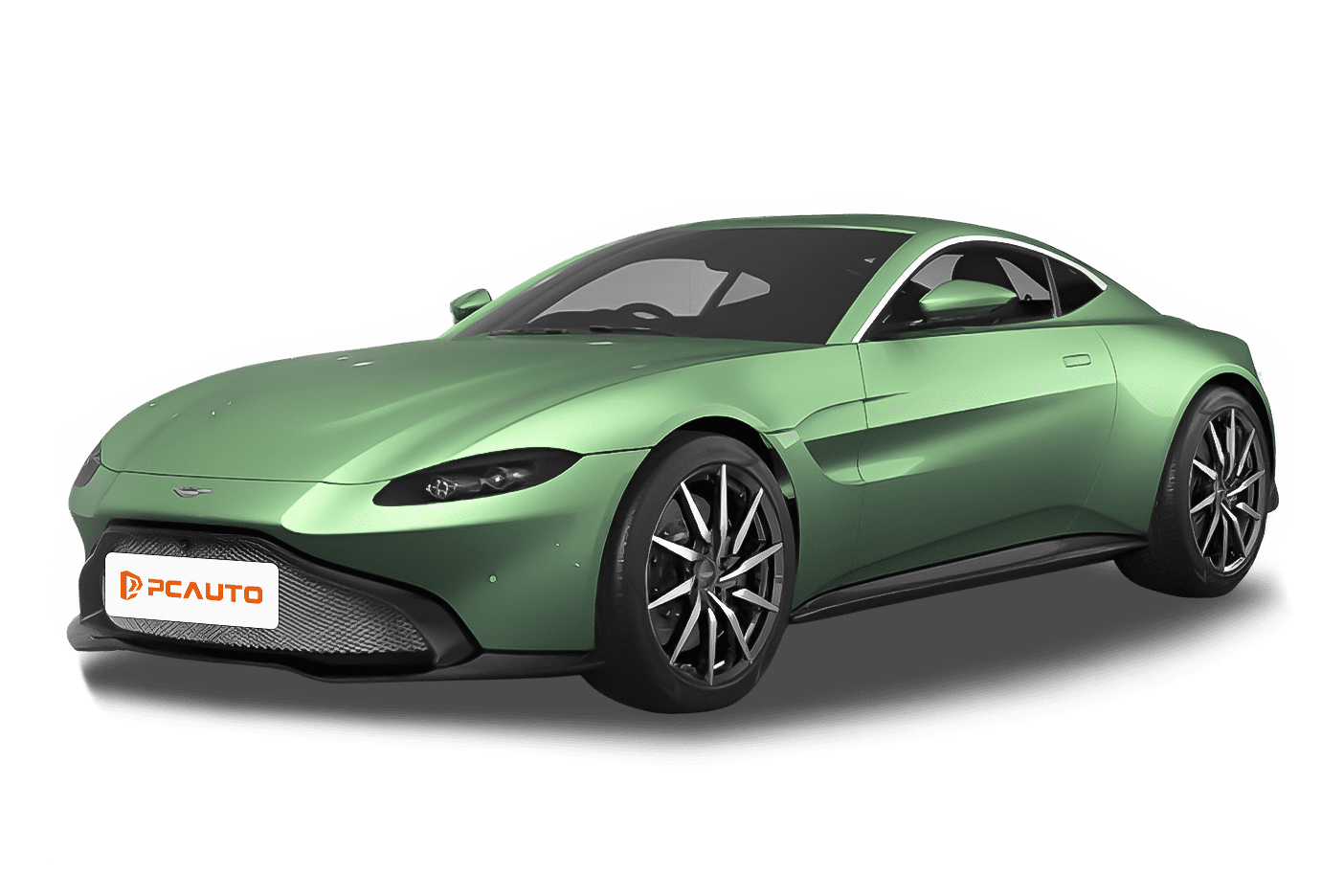
 Segment
 Body Type
 Capacity(L)
 Engine Power(PS)
 Transmission
 Driven Wheels
The competition in the luxury GT market never ceases, as players need to balance daily driving comfort with owners' expectations for performance—the 2018 Aston Martin Vantage V8 is a typical contender in this niche segment. The 4.0T twin-turbo engine delivering 510 horsepower, an official acceleration time of 3.6 seconds from 0 to 100 km/h, coupled with Aston Martin's iconic British design, are enough to intrigue performance car enthusiasts: is it a track-leaning beast or a GT better suited for long-distance cruising? This time, we got the actual car to verify whether its dynamic performance lives up to its badge, and to see if it really is practical as a daily driver.
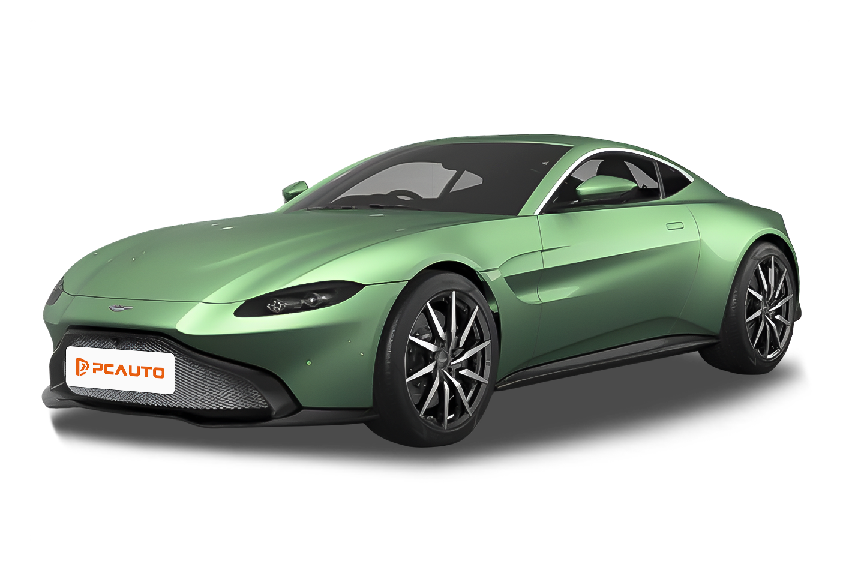
At first glance at the Vantage V8, you can feel its distinction from other models in the Aston Martin family—it lacks the elegance and softness of the DB series, replaced instead with a more aggressive sporty stance. The dimensions of the car measure 4465mm×1942mm×1273mm, with a wheelbase of 2704mm. The short front overhang and long rear overhang proportions make the side profile look compact and powerful. The front grille is a large trapezoid, occupying nearly the entire front fascia, with a high-recognition honeycomb structure inside, paired with sharp LED daytime running lights on both sides. The two raised muscular lines on the hood stretch from the A-pillars to the grille, further enhancing its muscular look. The design of the rear is likewise impressive—its full-width LED taillights form an uninterrupted light band when lit, paired with the dual exhaust pipes on both sides, emphasizing a full sporty vibe. Both front and rear tires adopt 295/35 ZR20 specifications, with wide treads that not only offer a robust visual effect but also provide a foundation for excellent grip.
Stepping into the cabin, the overall interior layout leans towards the driver, with the center console angled about 12 degrees towards the driver, ensuring all functional buttons are within easy reach. Regarding materials, the seats, inner door panels, and the upper part of the dashboard are all covered in genuine leather, with fine stitching and a solid feel, which aligns well with the luxury GT positioning. The 8-inch touchscreen infotainment system comes standard, featuring a clean interface and decent operational fluidity, though the functions are not overly flashy, focusing primarily on basic needs such as navigation, Bluetooth, and vehicle settings. The multifunction steering wheel is wrapped in genuine leather, with an appropriately-sized and firm grip. The left side incorporates buttons for volume adjustment and call answering, while the right side serves as the cruise control zone. The seats are sport-type bucket seats, providing sufficient lateral support, and the padding is neither too hard nor too soft, striking a balance between the comfort needed for spirited driving and long journeys. However, as a two-seater model, storage space is indeed limited—the door storage pockets can only fit a bottle of water, and the central armrest box is small, so daily-carry items may need to be placed on the passenger seat or floor.
Starting the engine, the 4.0T twin-turbo V8 doesn't produce the kind of explosive sound of a supercar, but its deep, robust roar is enough to ignite the desire to drive. According to official data, this engine achieves a maximum power of 510 PS and peak torque of 685 N·m (Note: there is an error in the configuration sheet; the actual torque is 685 N·m at 2000-5000 rpm), paired with an 8-speed automatic transmission and rear-wheel drive. Switching to Sport+ mode, the transmission's shifting logic becomes aggressive, and the throttle response more sensitive. When lightly pressing the accelerator at launch, the powerful surge of acceleration is instantly noticeable. The official 0-100 km/h acceleration time of 3.6 seconds can be easily achieved during actual tests—under full-throttle conditions, the transmission shifts quickly and smoothly with no noticeable jerkiness, and power delivery remains consistent and linear. Even up to the redline at 6000 rpm, the engine still provides ample thrust. When driving daily in Comfort mode, the engine speed stays at a low range, the transmission shifts gear promptly, and interior noise control is quite good. Wind and tire noise are barely noticeable below 80 km/h, aligning well with the positioning of a GT car.
In terms of handling, the combination of front double-wishbone independent suspension and rear multi-link suspension (the configuration sheet does not specify the rear suspension, but it is actually multi-link) performs excellently. The steering feel is precise with minimal play; it is light at low speeds and stable at high speeds, delivering clear road feedback. The body roll is well-controlled during cornering, and the wide tires provide sufficient grip. Even when cornering at relatively high speeds, the rear end does not show obvious sliding, maintaining overall stability. When handling bumpy roads, the suspension filters out most of the minor vibrations, ensuring passenger comfort while still retaining a certain degree of road feel, unlike executive sedans which completely isolate road feedback. In terms of fuel consumption, the official combined fuel consumption is 10.3L/100km. In actual tests, it is about 13-15L/100km in urban conditions and 8-9L/100km on highways. For a 510-horsepower performance GT, this performance is reasonable.
The 360-degree panoramic imaging and automatic parking assist features are very practical in daily use, especially for the Vantage with its nearly 2-meter width, allowing users to avoid scrapes when parking. The active safety features are comprehensive too, with lane assist, active braking, and stability control all as standard, enhancing driving safety. However, as a 2018 model, its intelligent driving assistance features are not as advanced as those of newer models. For example, it lacks adaptive cruise control, requiring manual speed control during long-distance driving, which is slightly inconvenient.
Overall, the 2018 Aston Martin Vantage V8 has very clear core strengths: iconic British design, a strong 510-horsepower engine, and precise handling performance, while also balancing daily driving comfort. Compared to the Porsche 911 Carrera S in the same class, the Vantage boasts more impressive power parameters and a more distinctive design. In comparison to the Mercedes-AMG GT, its interior luxury and brand appeal stand out more. However, its shortcomings are also obvious: the two-seat layout limits practicality, storage space is insufficient, and its intelligent features are somewhat outdated.
This car is best suited for consumers who value both performance and brand appeal — for example, those who enjoy experiencing speed on the track on weekends but require a luxurious and comfortable daily commuter, or those who are not satisfied with ordinary sports cars and desire a more unique British-styled vehicle. If you need a car that can accommodate family use, the Vantage’s two-seat design may not be ideal. However, if you want a car that can satisfy your driving desires while maintaining a sense of sophistication, it is definitely worth considering.
In summary, the 2018 Aston Martin Vantage V8 is a "balanced" performance GT — it offers enough power and handling for driving enjoyment without sacrificing everyday comfort like pure track cars. For consumers seeking individuality and driving experience, it remains an unmissable choice in the luxury GT market.
Aston Martin Vantage Car Compare
Aston Martin Vantage Loan Calculator
More Aston Martin Reviews
Cars With Similar Price And Features
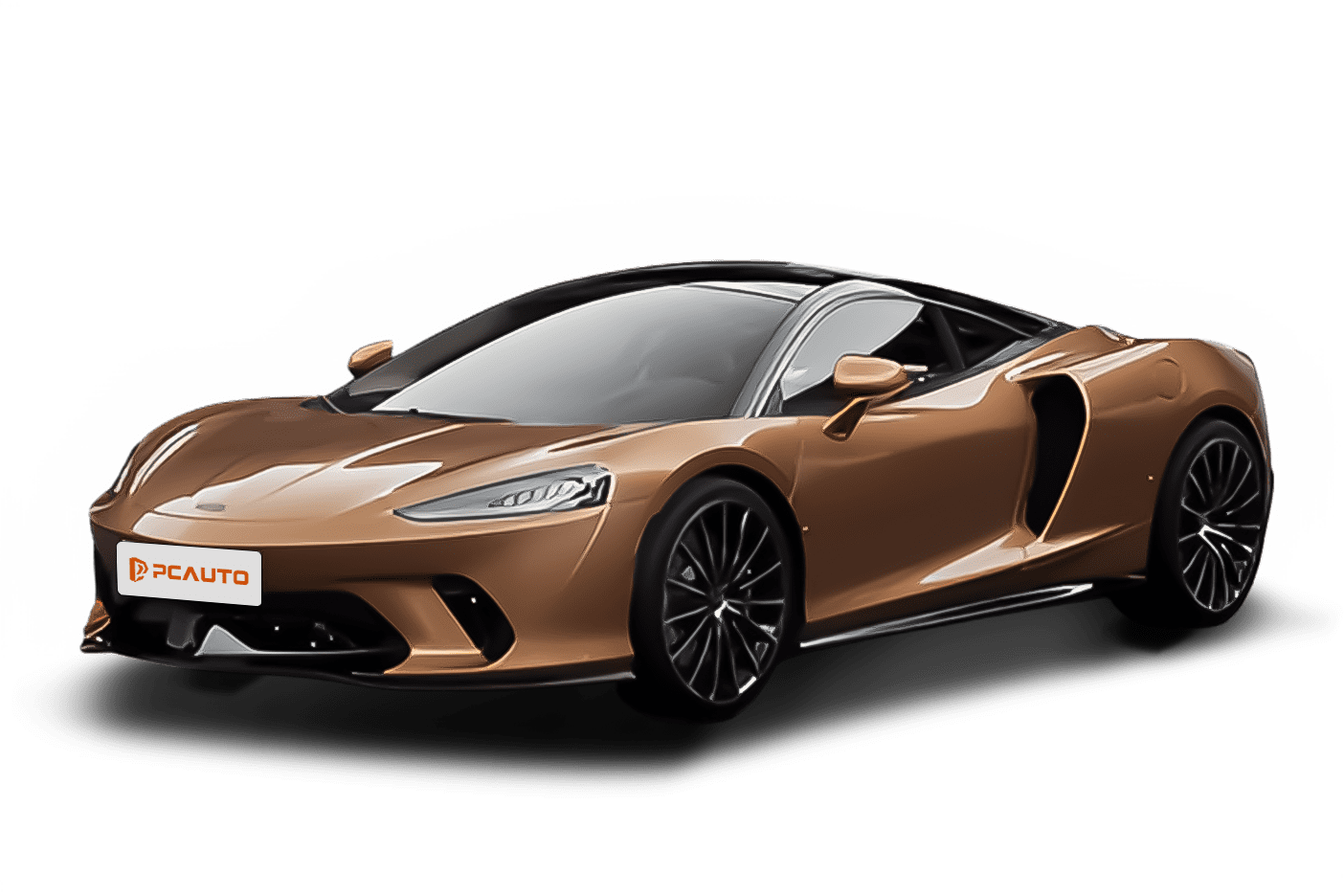
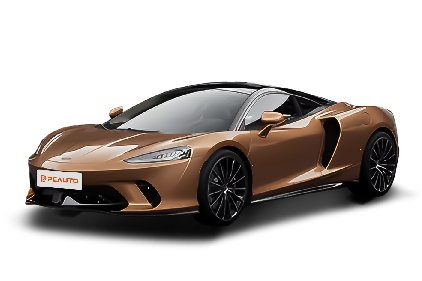
2020 McLaren GT public is McLaren's first GT model, achieving supercar handling with a lightweight body and 4.0T V8 power, while balancing long-distance travel comfort with class-leading storage space and luxurious configuration.
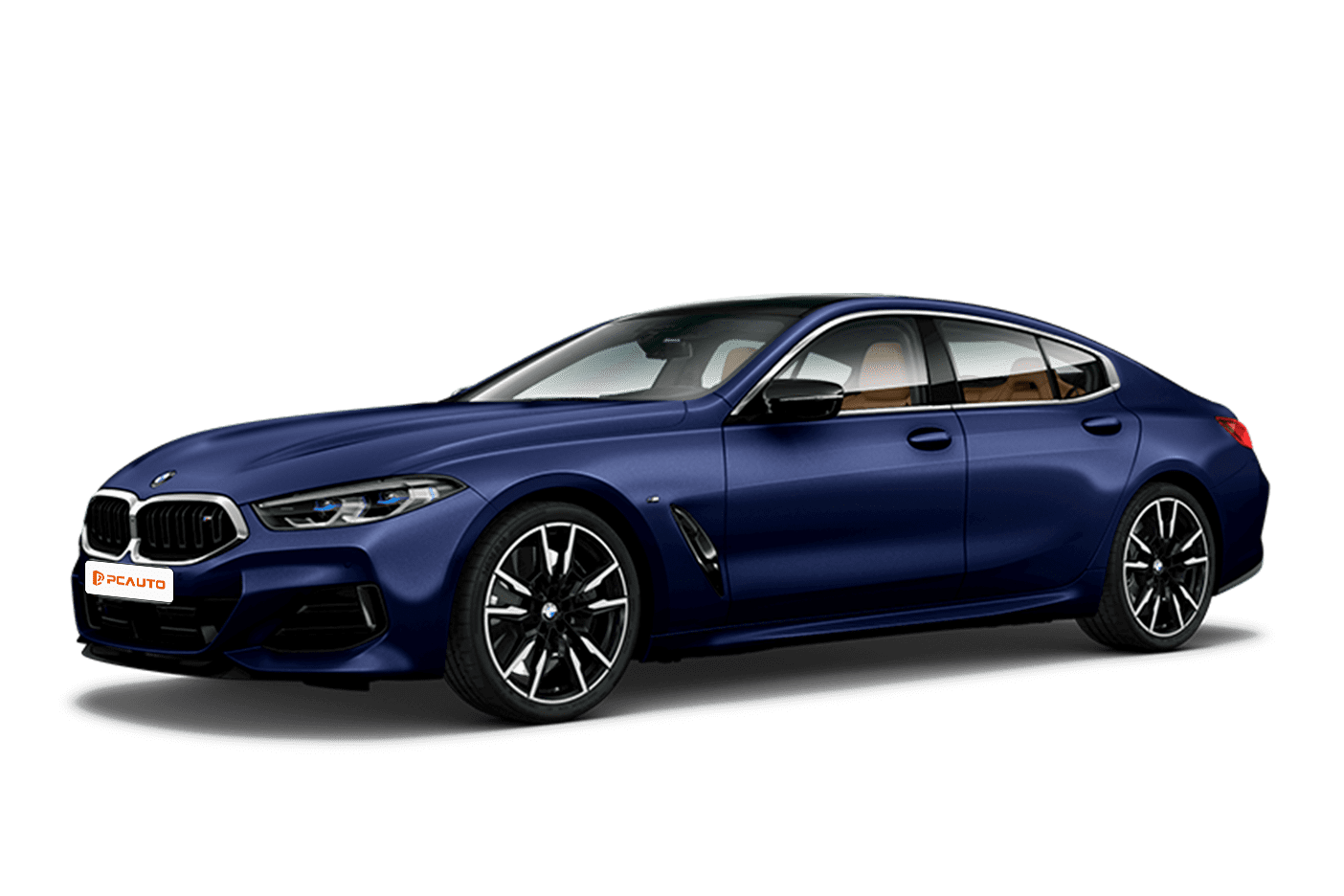
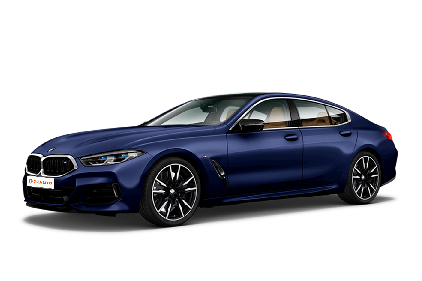
2023 BMW 8 Series Gran Coupe public is a luxurious four-door coupe that balances the dynamic design of a sports car with everyday practicality, combining powerful performance and comfortable driving to meet both driving passion and family/business needs.
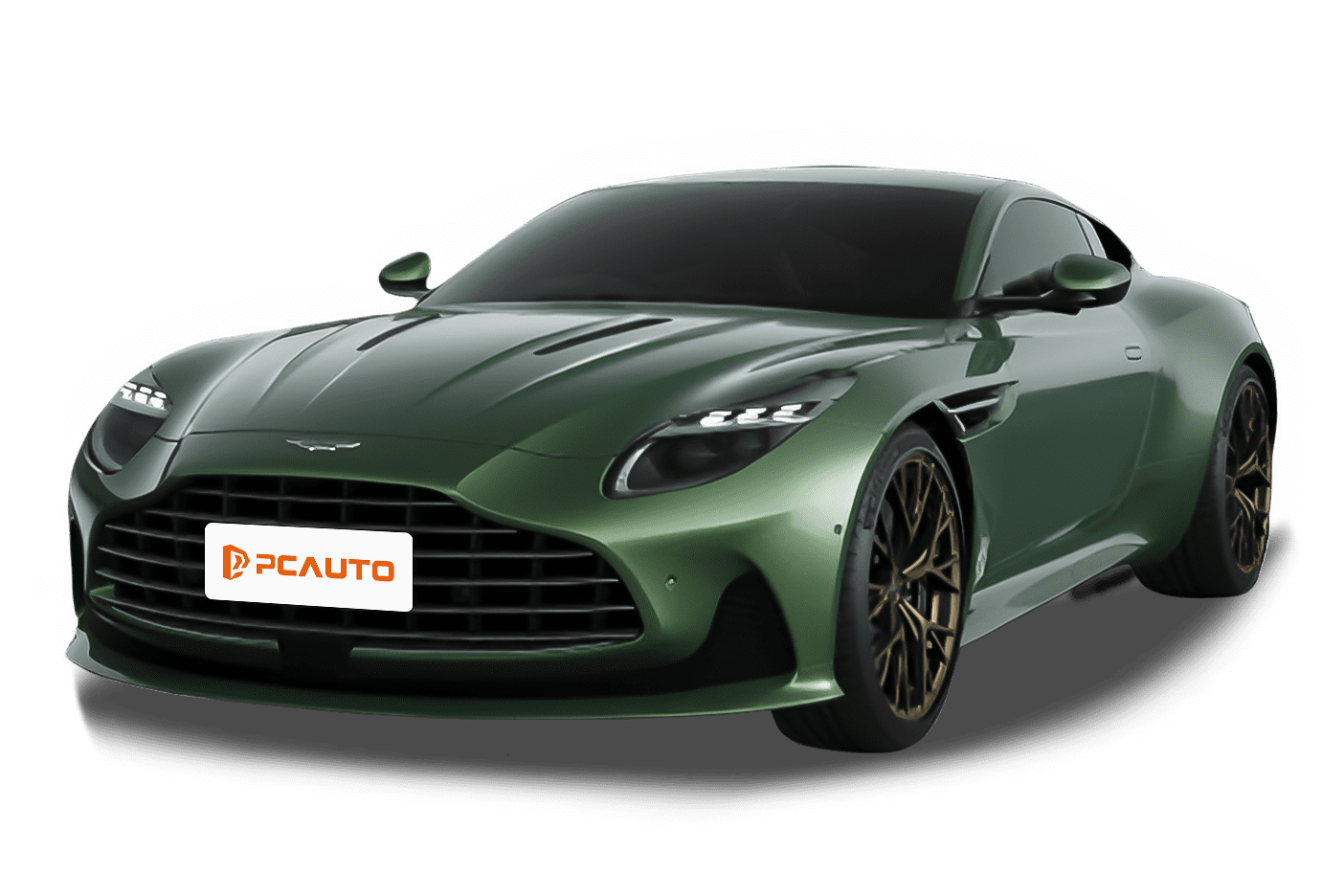
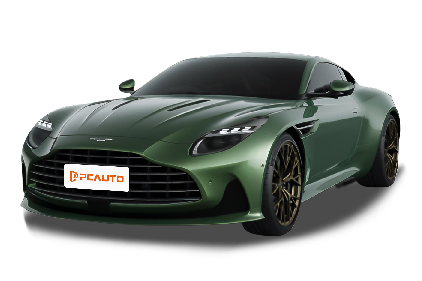
2023 Aston Martin DB12 V8 is positioned as a "Super GT," redefining the benchmark for luxury performance GT with 680PS 4.0T V8 power, elegant sporty design, and a balance of track performance and everyday practicality.

2018 Aston Martin DB11 V8 is an English luxury grand tourer that combines 600PS dynamic passion with GT elegance and comfort, equipped with practical standard configurations, designed for users who value brand and driving experience.