

Audi Q7 2010 Review

 Share
Share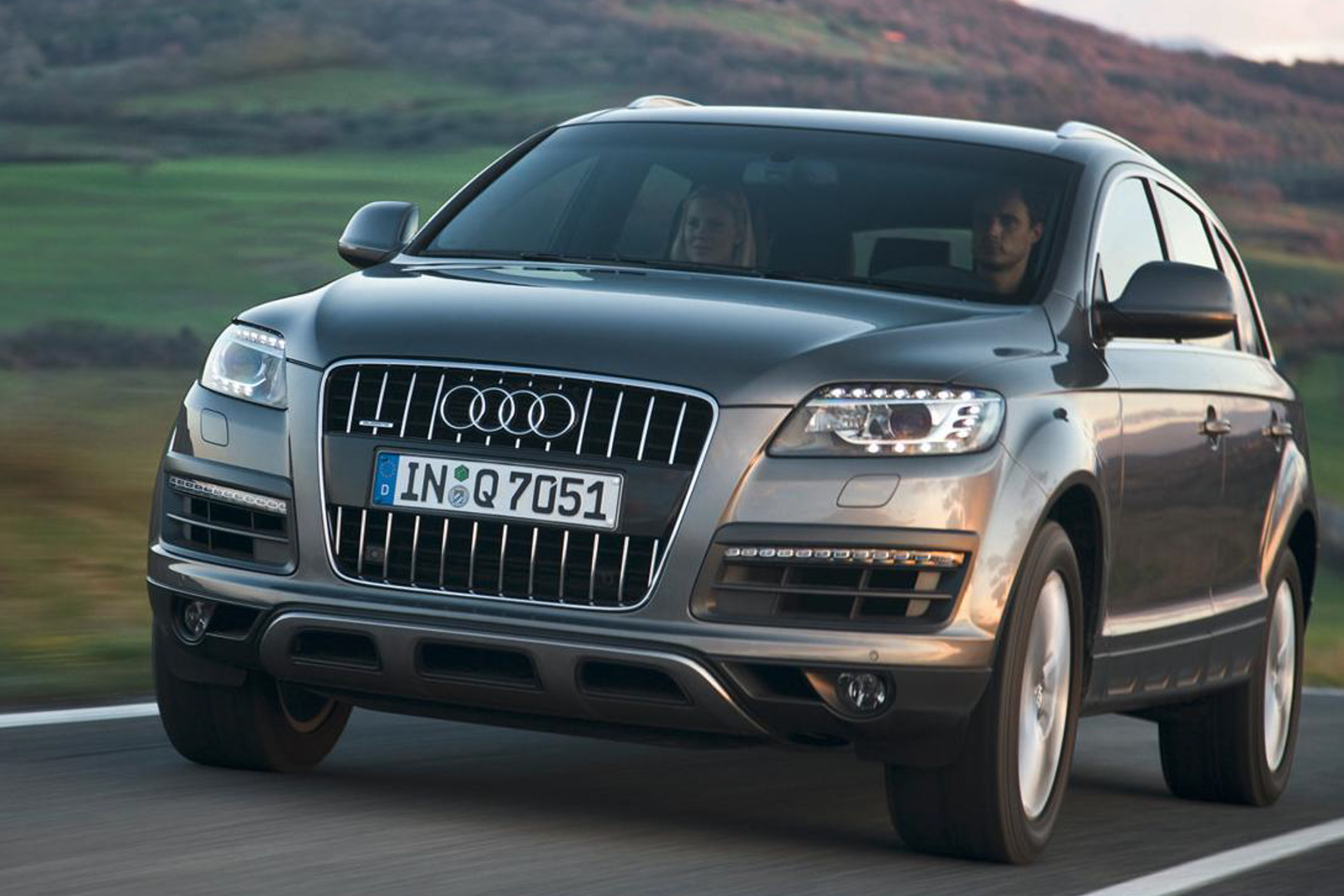
 Body Type
 Segment
 Capacity(L)
 Engine Power(PS)
 Engine Torque(Nm)
 Transmission
As a mid-to-large luxury SUV, the 2010 Audi Q7 was one of the few models in the Malaysian market at the time that managed to combine a sense of business prestige with family practicality. Its core selling points were the stability of the Quattro all-wheel-drive system, the spacious seven-seat cabin, and Audi’s signature technological features. These are also the areas we will focus on in this in-depth experience — to see whether this "veteran" can still meet users' demand for overall balance today.
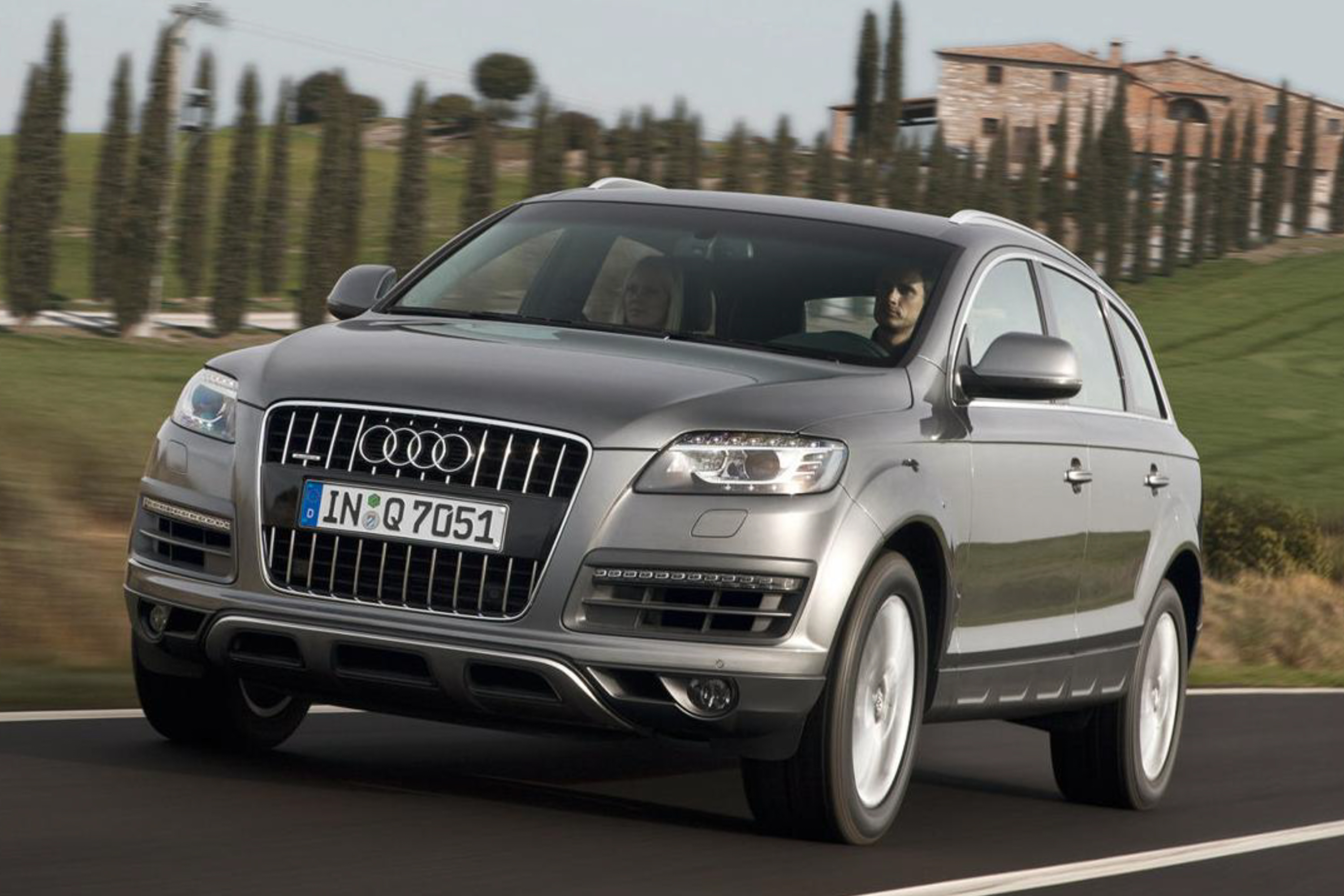
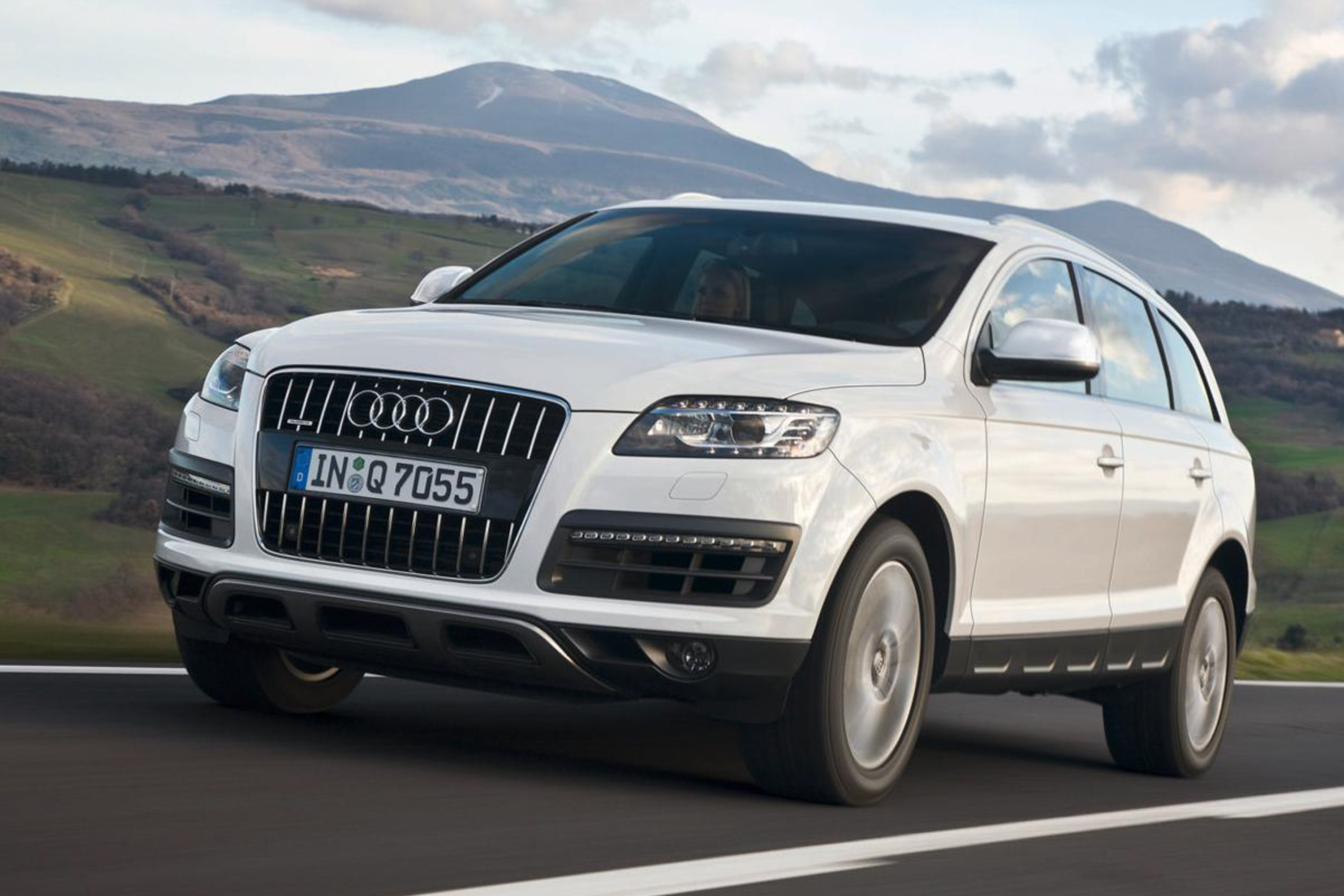
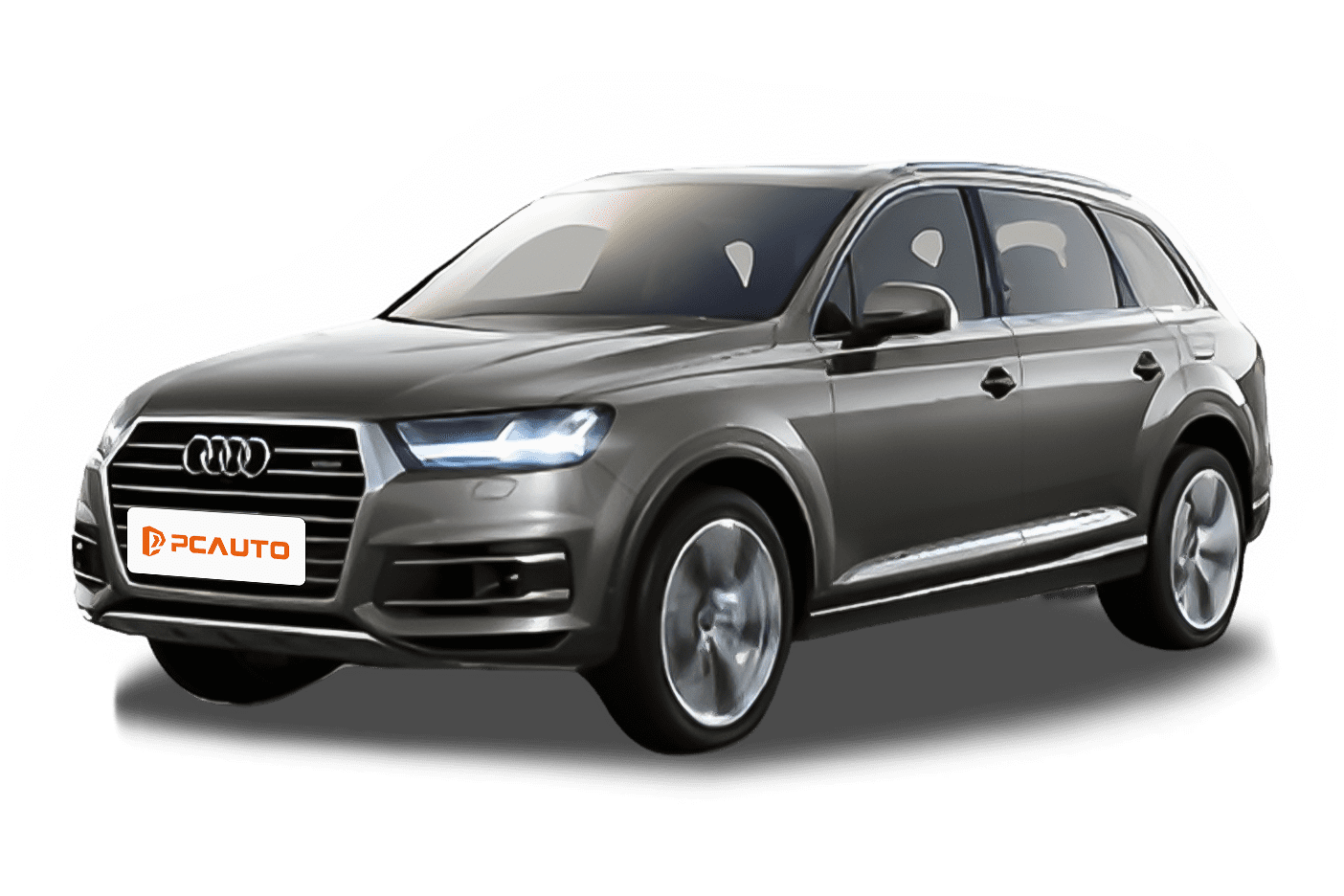
In terms of appearance, the 2010 Q7 retained Audi's classic family design language, with rugged and powerful lines overall. The front features a large trapezoidal grille, coupled with the iconic four-ring logo for high recognition; the headlights on both sides use xenon lamps. Though not as striking as today’s LED headlights, they were considered mainstream at the time, providing practical nighttime illumination. The side profile features straight lines, with 20-inch alloy wheels (depending on the configuration) further enhancing its robust SUV character; at the rear, the split tail light design is simple and elegant, while the dual exhaust layout suggests its performance capabilities. Overall, the vehicle's exterior may not be striking, but it is visually appealing and suits the stable positioning of a mid-to-large SUV.
Stepping into the cabin, the interior's luxurious and technological feel was top-notch at the time. The dashboard adopts a symmetrical layout, with extensive use of soft-touch materials complemented by wood grain trims, providing a good tactile feel in reach. The central control screen measures 7 inches, supports Bluetooth connectivity, and features a rearview camera. Although not as feature-rich as today’s smart systems, its interface is intuitive and easy to operate. The seats are wrapped in genuine leather, with the front seats supporting electric adjustment and lumbar support, ensuring comfort during long drives. The second-row seats offer spacious legroom, leaving about two fists of space for passengers around 180cm tall. They also support forward/rearward sliding and backrest angle adjustment. The third-row seats are more suited for children or short-distance travel by adults and offer acceptable usability. In terms of storage space, the trunk has a default capacity of 775 liters, which can be expanded up to 2,035 liters by folding down the second and third-row seats—ample capacity for regular shopping or long road trips.
In terms of performance, the model we tested comes with a 3.0-liter supercharged V6 engine, delivering a maximum power of 245 PS and a peak torque of 440 Nm, paired with an 8-speed Tiptronic automatic transmission. In actual driving, the response is swift during take-off; a light press on the accelerator brings a noticeable push-back sensation. Mid-to-high range acceleration remains robust; for overtaking, simply press the accelerator harder and the transmission promptly downshifts, ensuring smooth and linear power delivery. The driving modes include Comfort, Auto, and Dynamic. Switching to Dynamic mode sharpens the throttle response, firms up the suspension, and is suitable for users seeking driving pleasure.
In terms of handling, the Q7’s steering is precise, with minimal play and a moderate feel. The suspension system adopts air suspension (available with high-end models), which can adjust its stiffness based on the driving mode. On bumpy roads, the suspension effectively absorbs most shocks, ensuring passengers don’t feel pronounced jarring. When cornering, body roll is well-controlled, and with the Quattro all-wheel-drive system, the vehicle offers excellent stability, providing ample confidence to the driver. However, due to its relatively large size, extra caution is recommended in narrow spaces or during parking.
In terms of fuel consumption, after a week of driving in mixed city and highway conditions, the tested fuel consumption is approximately 12.5L per 100 kilometers. For a mid-to-large SUV with a 3.0T engine, this result is fairly average. Noise control performs well; at low speeds, engine noise is almost imperceptible inside the cabin. At high speeds, there is a slight increase in wind and tire noise, but it does not affect normal conversations.
Overall, the key strengths of the 2010 Audi Q7 public lie in its balanced capabilities—spacious interior, strong performance, stable handling, and decent luxury feel. Although its technological features and fuel efficiency might not match those of current new energy vehicles, its overall competitiveness in the fuel-powered vehicle field remains solid. Compared to its class competitors like the BMW X5 and Mercedes-Benz GLE, the Q7 offers advantages in space and all-wheel drive systems, making it suitable for families prioritizing practicality and driving stability, or for consumers needing a balance between business and household usage.
In conclusion, the 2010 Audi Q7 public is a quintessential "all-rounder." While it may not excel in any single category, its all-around performance is sufficiently balanced. If you don't mind its age and are seeking a reliable and stable luxury SUV experience, this vehicle is worth considering.
Audi Q7 Car Compare
Cars With Similar Price And Features

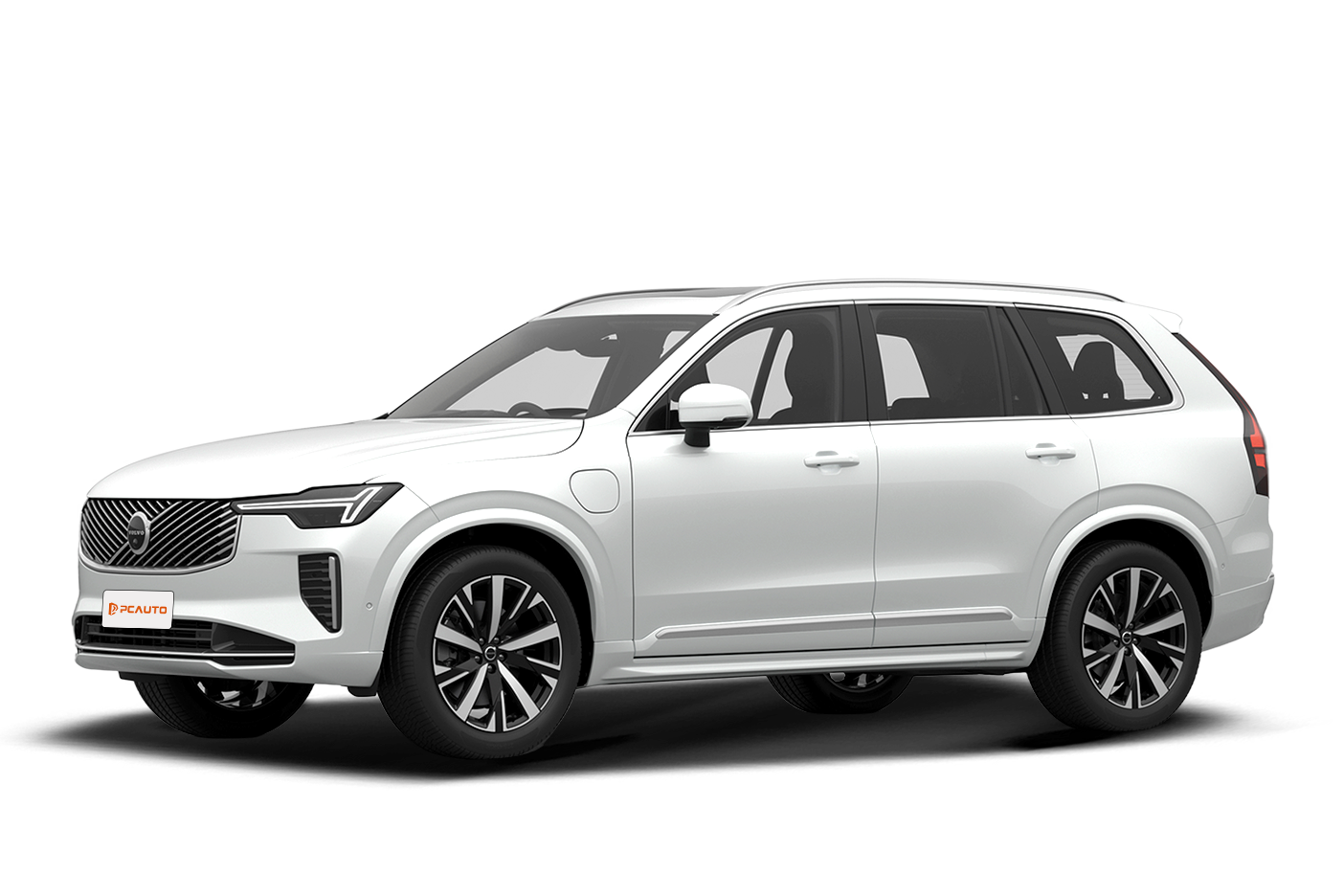
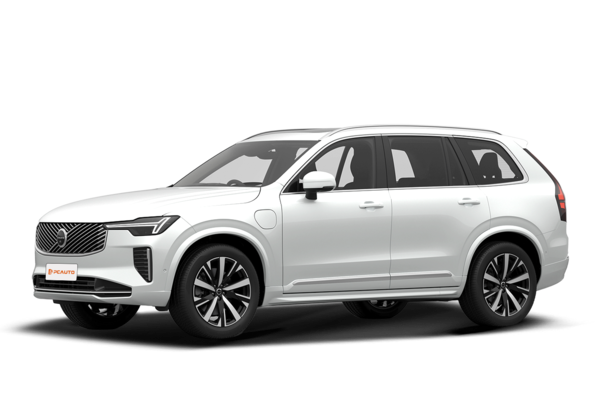
2025 Volvo XC90 Ultra B5, as an Executive-level luxury 7-seat SUV, optimizes fuel efficiency with a mild hybrid system, enhances comfort with air suspension across the range, coupled with an intelligent cockpit, balancing space and safety, showcasing outstanding capability.
23
Rank in SUV
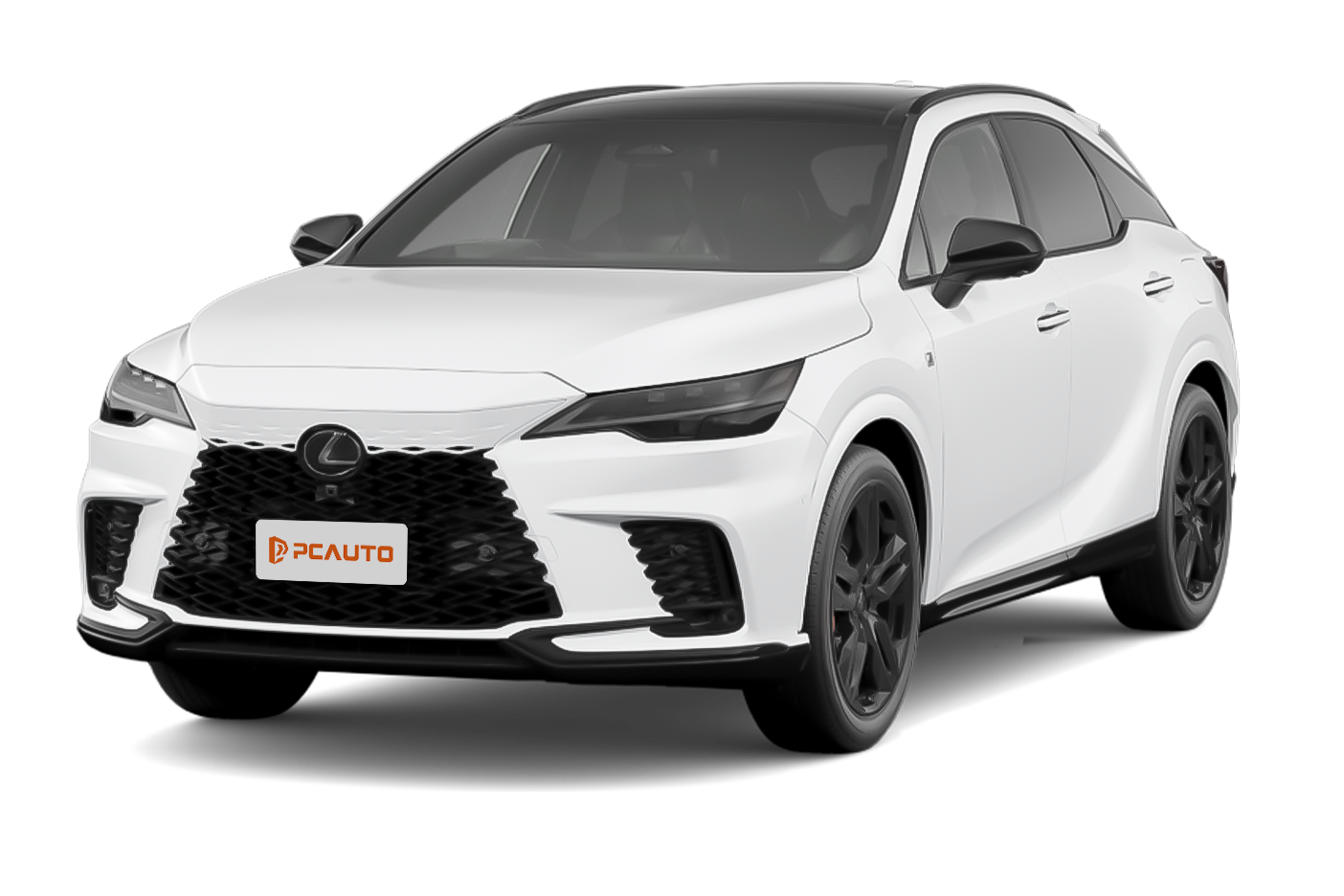
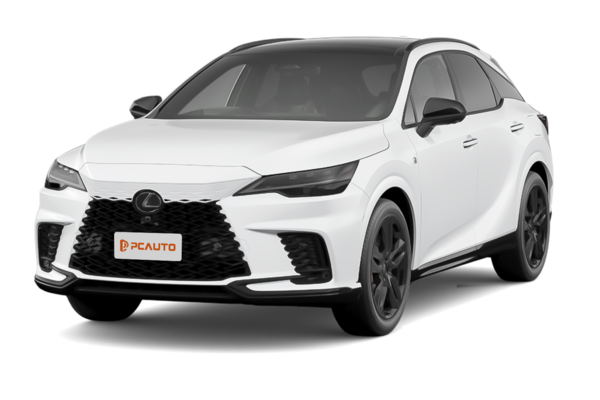
2025 Lexus RX 500h F Sport Special Edition is an executive-level hybrid SUV that balances performance, luxury, and technology, featuring a 2.4T hybrid system, exclusive 21-inch wheels, and a 14-inch central control screen as its core highlights.
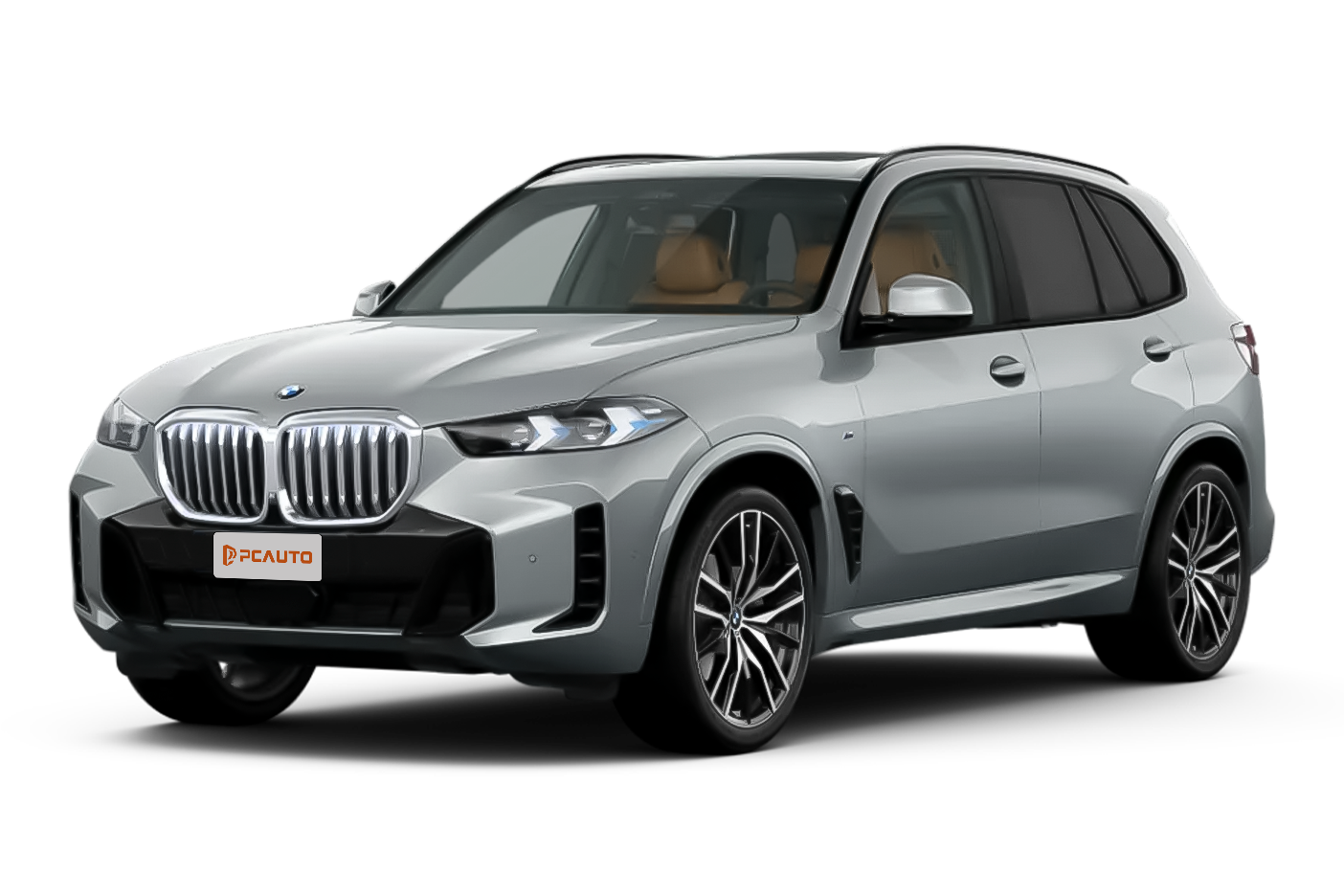
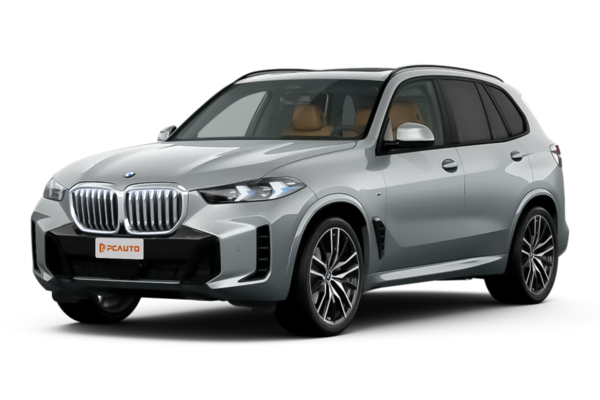
2025 BMW X5 xDrive40i M Sport is a luxury mid-to-large SUV that balances family comfort with driving pleasure. It features upgraded power, rich configurations, and more affordable pricing.
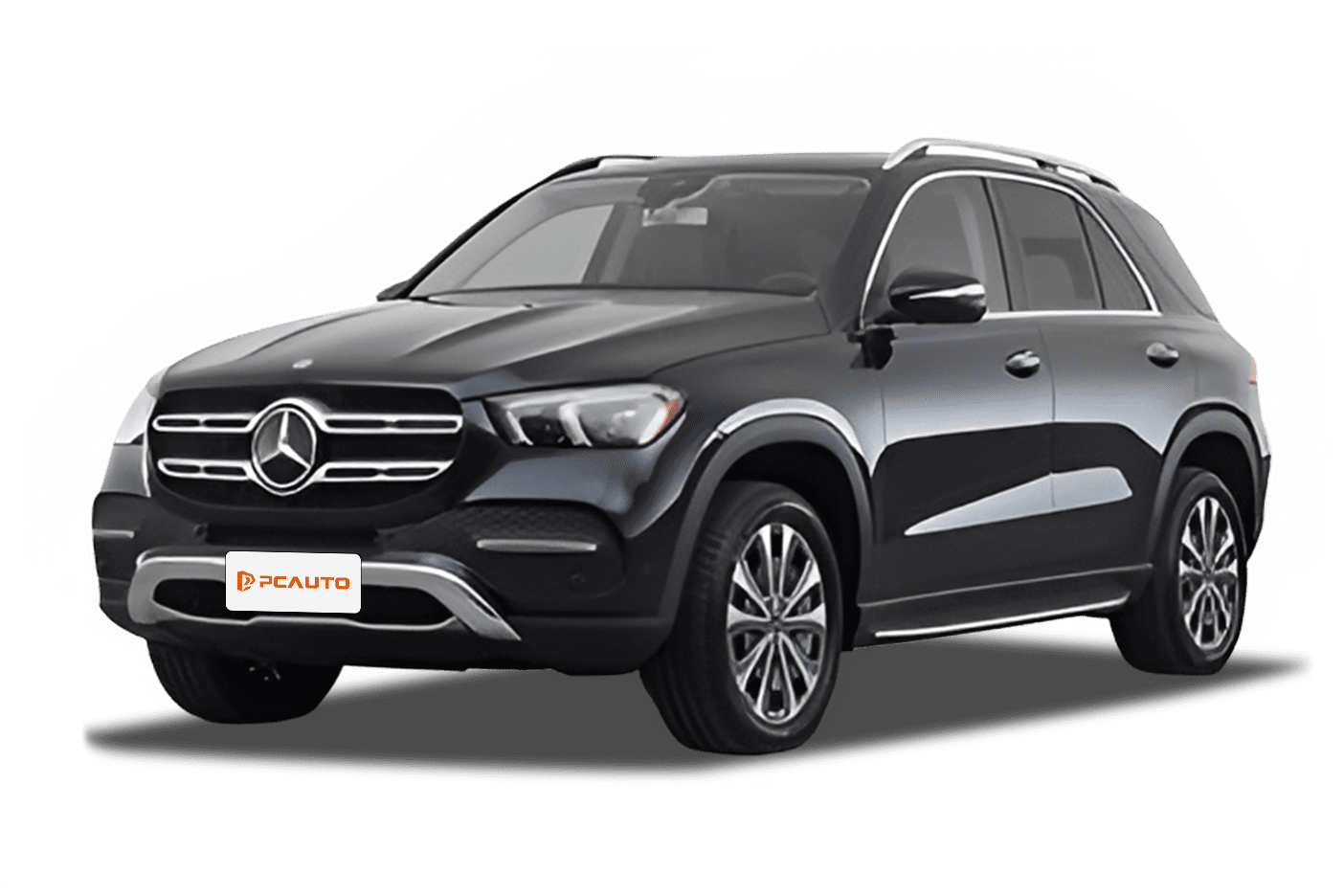
2024 Mercedes-Benz GLE 450 4MATIC AMG Line FL (CKD) is a locally assembled executive-level luxury SUV that lowers the entry threshold while upgrading power and intelligent features, balancing a sense of status and practicality.