

Audi Q7 2016 Review

 Share
Share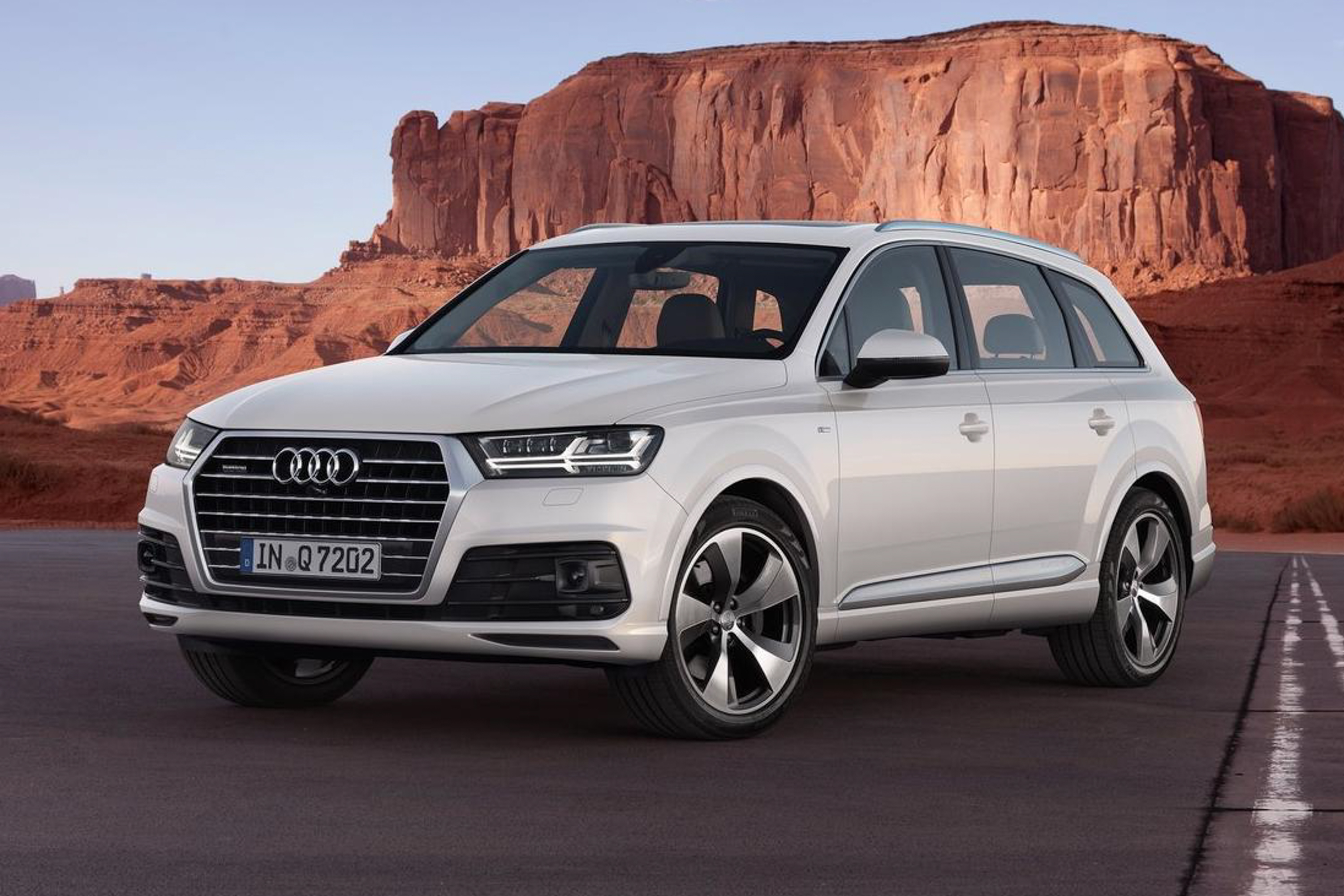
 Body Type
 Segment
 Capacity(L)
 Engine Power(PS)
 Engine Torque(Nm)
 Transmission
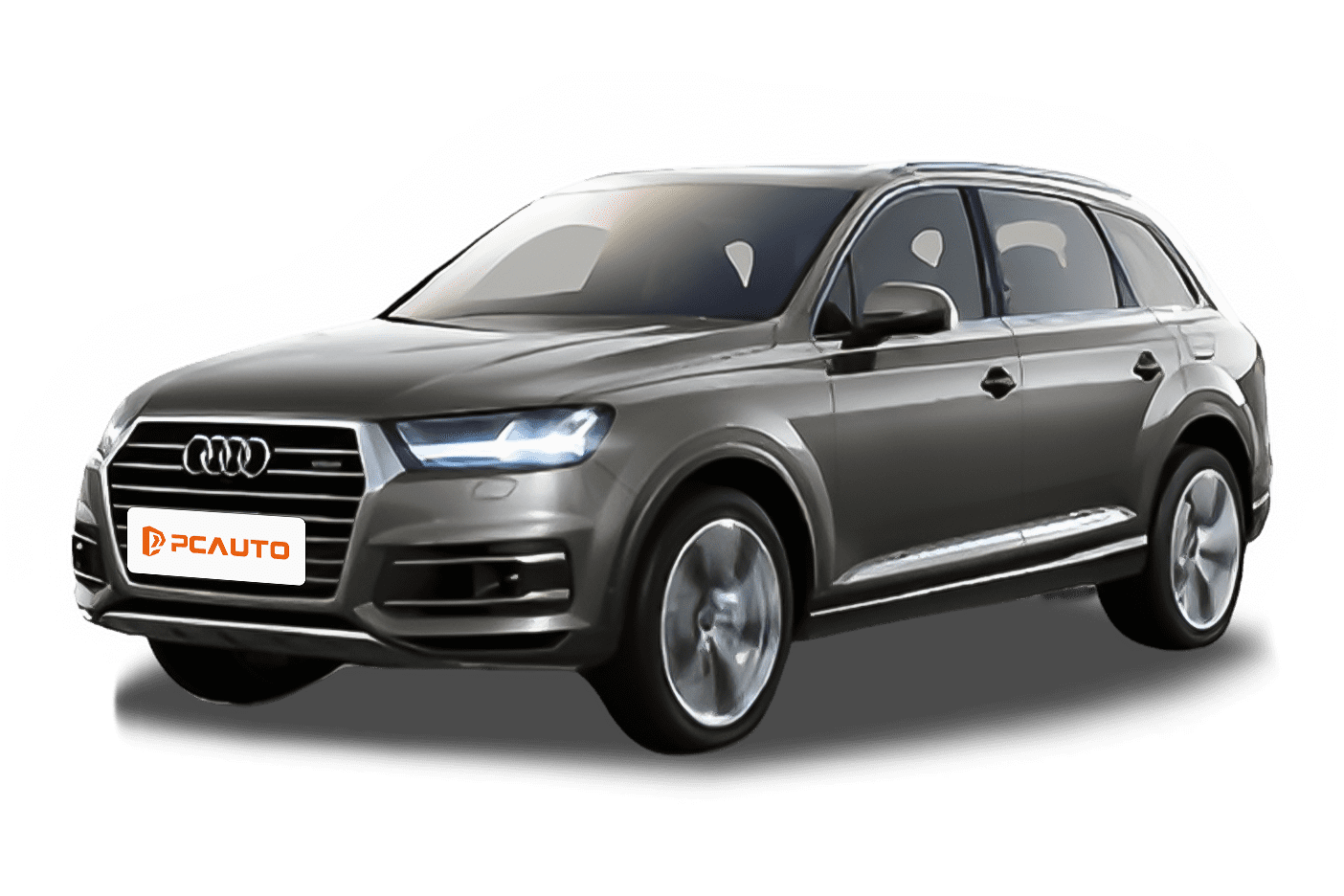
As competition in Malaysia's luxury mid-size SUV market intensifies, consumers are placing higher demands on practicality, technological features, and driving comfort. The 2016 Audi Q7 public, as a popular model in this segment, has drawn significant attention with its lightweight body design, quattro all-wheel-drive system, and abundant technological features. This time, through a test drive, we will focus on evaluating its overall performance in daily commuting and family travel scenarios to see whether it meets high-end users' demands for balance.
The exterior design of the 2016 Q7 public follows a stable and understated approach, without overly aggressive lines. The front features Audi's signature octagonal grille, complemented by horizontal chrome accents, which give it a wide and luxurious visual appeal; the LED headlights on both sides are standard, and they have high recognition when lit while also supporting an automatic lighting function. The side profile of the car features straight lines, with a waistline extending from the front fender to the rear, enhancing its three-dimensional feel. The 19-inch multi-spoke aluminum alloy wheels are standard and boast a simple, understated design. The rear design is rounded, and the LED taillights echo the headlights, while the chrome trim at the bottom of the rear bumper enhances the refined look. The overall exterior aligns perfectly with the positioning of a luxury mid-size SUV, catering well to business and family use scenarios.
Sitting inside the car, the interior adopts a symmetrical layout with a center console slightly inclined toward the driver for easier operation. Regarding materials, the upper part of the center console and the interior sides of the doors are covered with soft-touch materials, complemented by wood grain and metal trims, achieving a texture that meets the standards of a luxury brand. For core features, the 12.3-inch full LCD instrument panel supports three display modes, showing information such as navigation and speed. The 8.3-inch central control screen is operated via the MMI system, supporting Bluetooth and CarPlay connectivity, though the touch responsiveness is not the fastest compared to current standards. The seats are wrapped in genuine leather, with front-row seats supporting electric adjustments and lumbar support, and the driver’s seat also comes with a memory function, ensuring comfort during long rides.
Space performance is one of Q7’s advantages. The dimensions are 5050mm×1968mm×1741mm, with a wheelbase of 3001mm, offering a 7-seat layout (2+3+2). The front row has approximately a fist and two fingers of headroom, while rear legroom can reach up to two fists when the second-row seats are adjusted to the frontmost position. The middle floor is nearly flat, so seating three people is not cramped. The third-row seats are suitable for passengers under 1.7 meters tall, acceptable for short trips but slightly cramped for long journeys. In terms of storage capacity, the front central armrest and door storage spaces are spacious enough to accommodate water bottles, phones, and other items. When the third-row seats are folded, the trunk volume reaches 890L, and when fully folded, it expands to 2075L, meeting the storage needs for family moves or long-distance trips. Both the second and third rows are equipped with air conditioning vents and USB charging ports, showing careful attention to detail.
In terms of power, we tested the 2.0T turbocharged engine version, delivering a maximum power of 185kW (252 horsepower) and a peak torque of 370N·m, paired with an 8-speed Tiptronic automatic transmission. During daily driving, it starts briskly, with sufficient torque output at low RPMs, making it smooth for urban driving and overtaking. With a deep press on the accelerator, the transmission shifts proactively, and the 0-100km/h acceleration takes about 7.1 seconds, making its power reserves adequate for most driving scenarios. The driving modes include Comfort, Auto, and Dynamic. When switched to Dynamic mode, throttle response becomes more sensitive, and the transmission maintains lower gears, catering to users seeking a more spirited driving experience.
In terms of handling performance, the steering is precise with minimal dead zone; it’s lightweight at low speeds and becomes heavier at high speeds, offering good stability. The chassis features a front five-link independent suspension and a rear five-link independent suspension, tuned for comfort. When passing speed bumps or rough roads, the suspension filters out most vibrations, ensuring that passengers barely feel any jolts. During cornering, the body roll is kept within a reasonable range, and the quattro all-wheel-drive system distributes power between the front and rear wheels, providing strong grip without noticeable skidding.
As for fuel consumption, we tested both urban and highway mixed conditions, and the average fuel consumption is approximately 9.2L per 100 kilometers. For an SUV weighing over 2 tons, this performance is above average among its class. Noise control is impressive: at speeds below 60 km/h, there’s virtually no wind noise or tire noise in the cabin; at 120 km/h, wind noise slightly enters the cabin but does not affect normal conversations. The seats offer good support and remain comfortable even on long trips. Overall, the driving and riding comfort aligns with the positioning of a luxury SUV.
In summary, the core strengths of the 2016 Audi Q7 public lie in its spacious 7-seat design, solid exterior styling, the handling stability offered by its quattro all-wheel-drive system, and the interior quality that meets luxury brand standards. Compared to the BMW X5 (2016 model) in the same class, the Q7’s 7-seat layout and practicality are more prominent. In comparison with the Mercedes-Benz GLE, the Q7’s technological features (such as the full-digital instrument panel) were more advantageous at the time. However, the smoothness of the central control screen operation and the comfort of the third-row seats on long trips are minor drawbacks.
This car is suitable for family users who prioritize practical space, especially those needing to carry 6-7 people for short trips. At the same time, its solid exterior appearance and quattro all-wheel-drive system make it well-suited for frequent highway trips or occasional light off-road business purposes. If you’re looking for a well-balanced, prestigious luxury mid-to-large SUV, the 2016 Q7 public is worth considering.
Audi Q7 Car Compare
Cars With Similar Price And Features

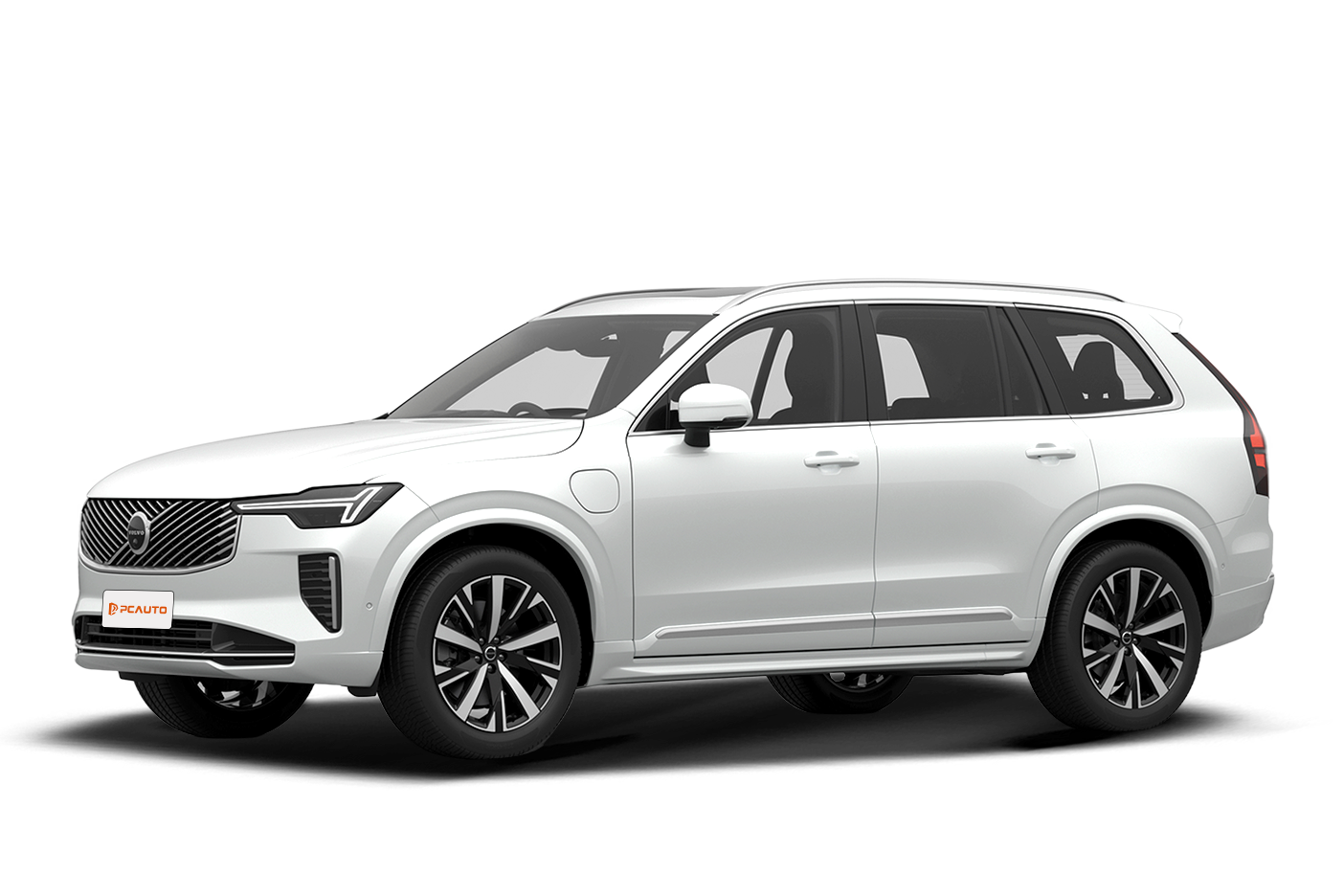
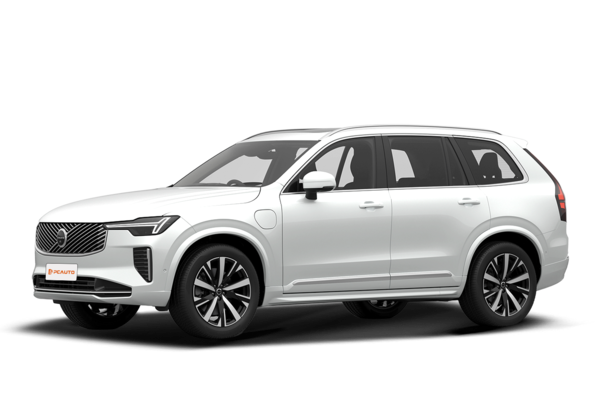
2025 Volvo XC90 Ultra B5, as an Executive-level luxury 7-seat SUV, optimizes fuel efficiency with a mild hybrid system, enhances comfort with air suspension across the range, coupled with an intelligent cockpit, balancing space and safety, showcasing outstanding capability.
23
Rank in SUV
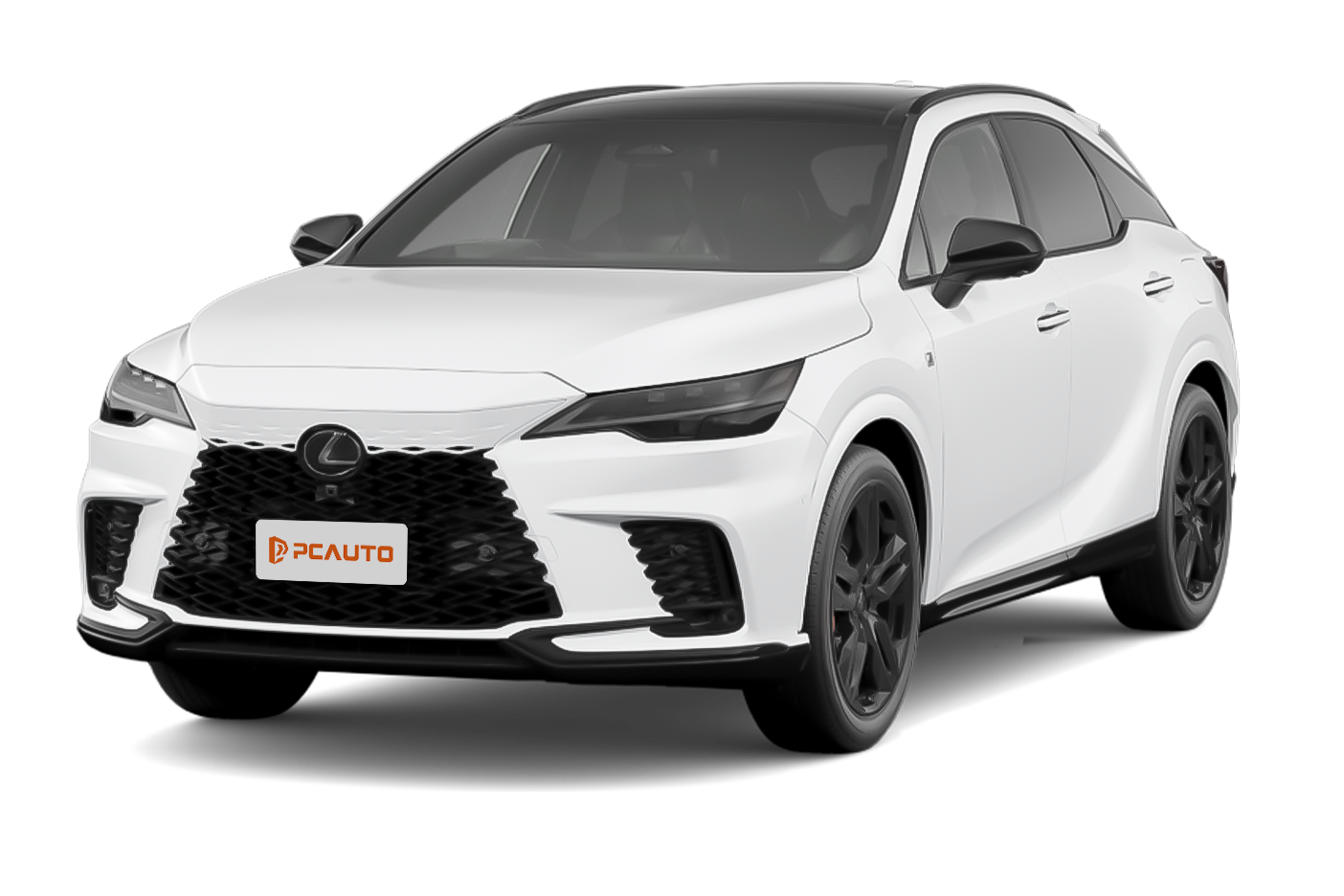
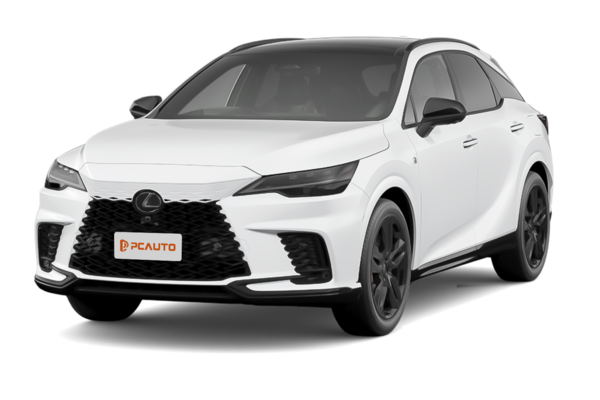
2025 Lexus RX 500h F Sport Special Edition is an executive-level hybrid SUV that balances performance, luxury, and technology, featuring a 2.4T hybrid system, exclusive 21-inch wheels, and a 14-inch central control screen as its core highlights.
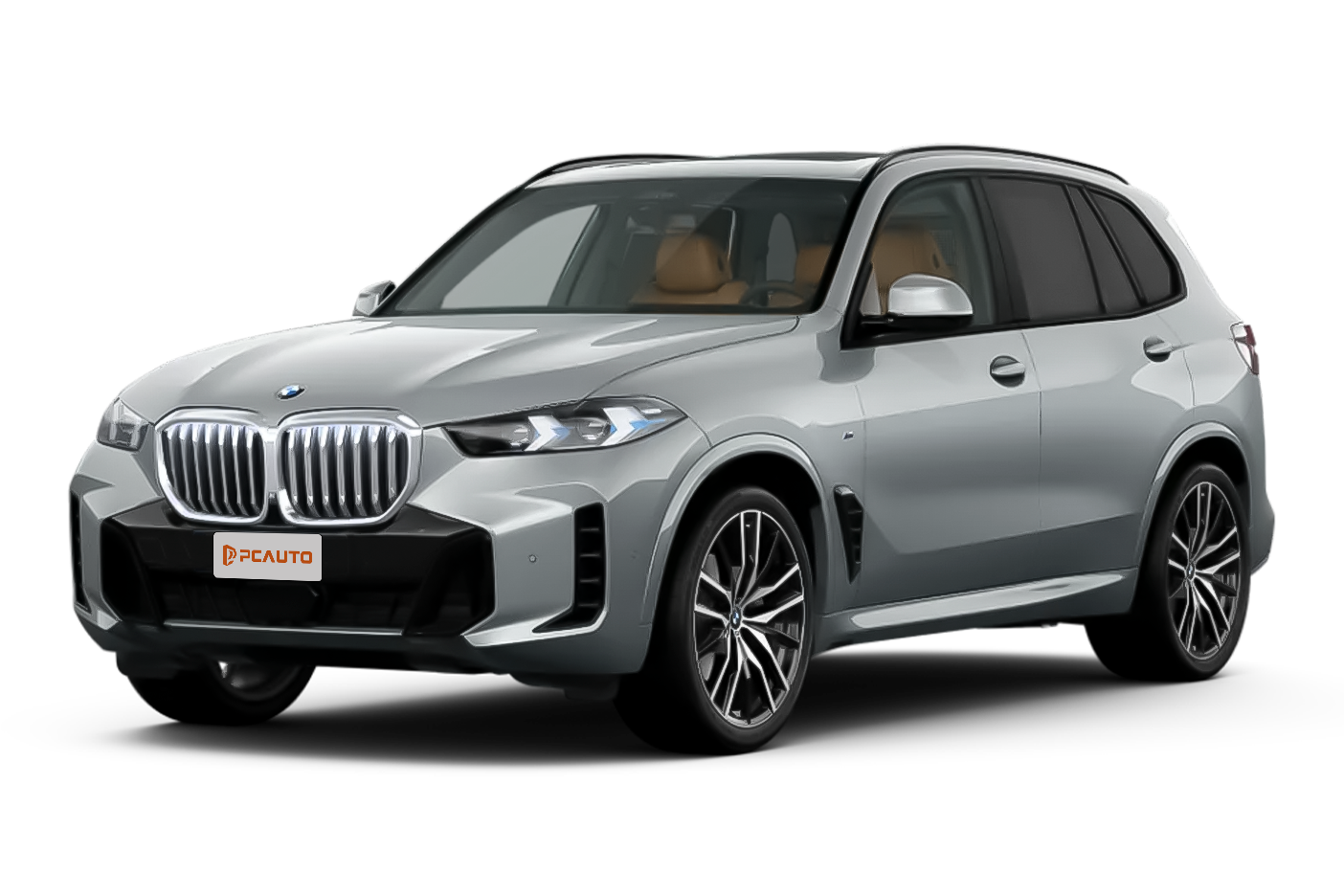
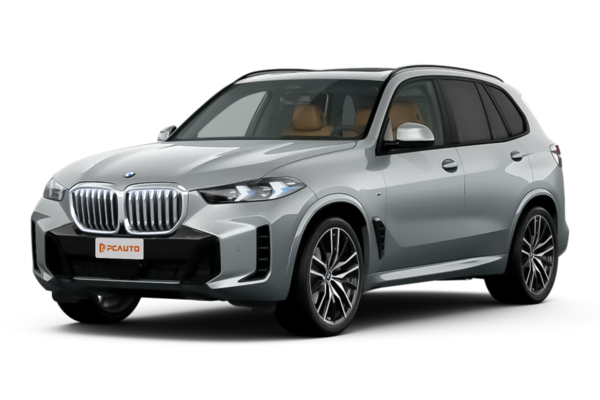
2025 BMW X5 xDrive40i M Sport is a luxury mid-to-large SUV that balances family comfort with driving pleasure. It features upgraded power, rich configurations, and more affordable pricing.
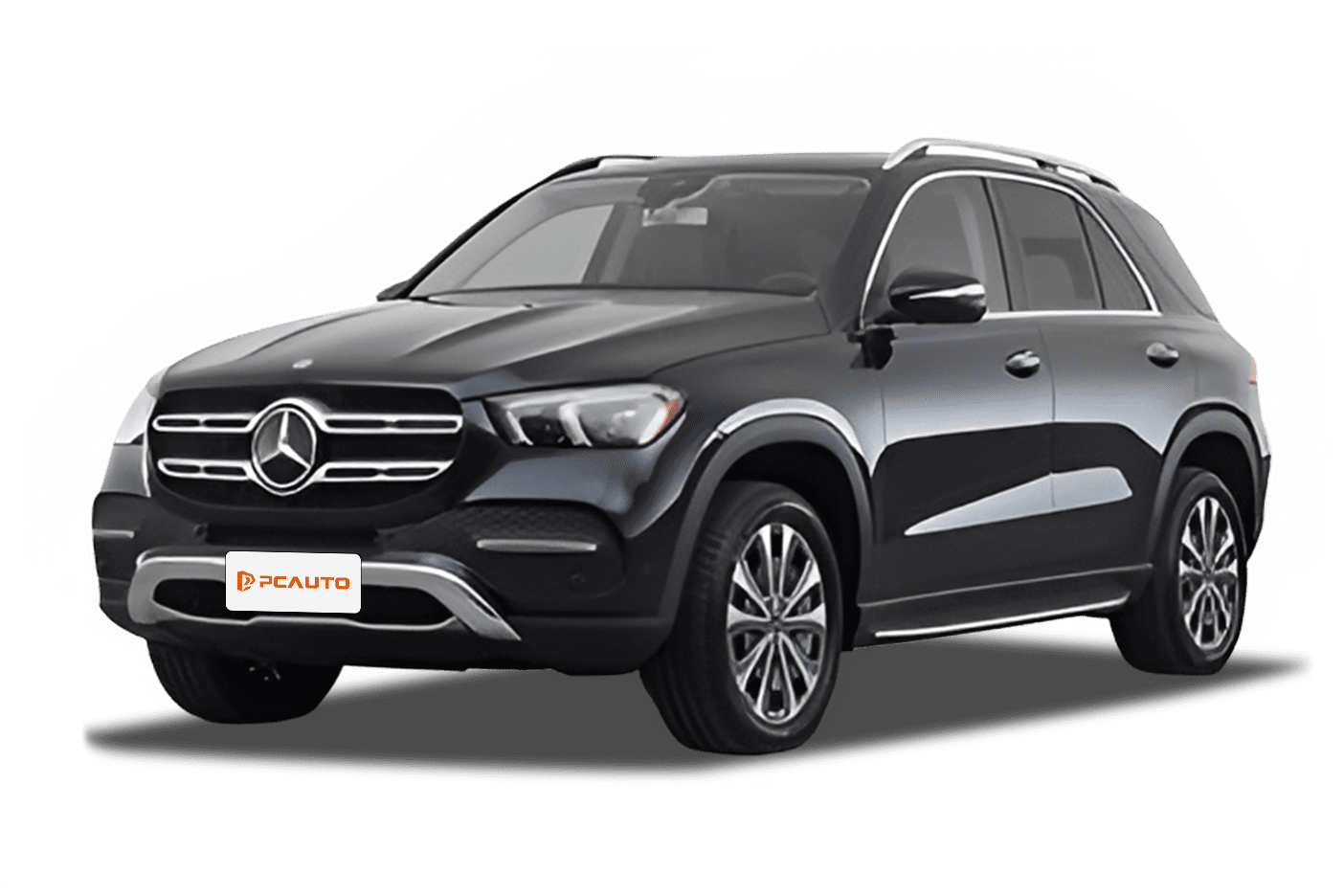
2024 Mercedes-Benz GLE 450 4MATIC AMG Line FL (CKD) is a locally assembled executive-level luxury SUV that lowers the entry threshold while upgrading power and intelligent features, balancing a sense of status and practicality.