

BMW 2 Series Gran Coupe Review

 Share
Share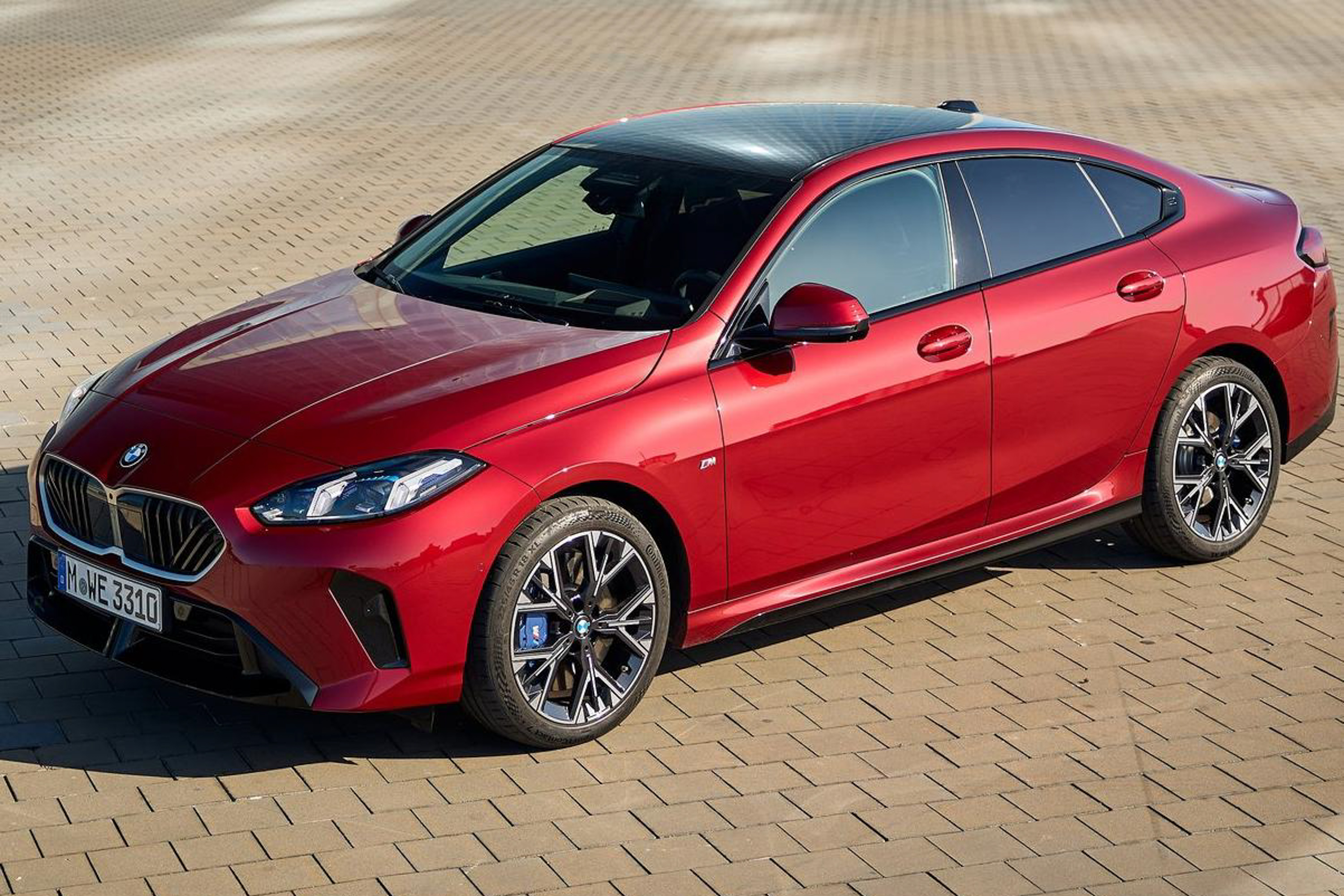
 Segment
 Body Type
 Capacity(L)
 Engine Power(PS)
 Engine Torque(Nm)
 Transmission
In recent years, competition in Malaysia's C-segment sedan market has intensified, with consumers seeking the texture of luxury brands while pursuing a balanced combination of practicality and price advantages. As the latest member of the BMW 2-Series Gran Coupe family, the 218 Sport version, set to be launched on June 12, 2025, offers a combination of upgraded performance, extended dimensions, and optimized configurations. It may very well become a dark horse in this market segment. We conducted a test drive of this new car in advance, with the core purpose of verifying whether these upgrades truly enhance the daily driving experience and determining how much it has improved compared to its predecessor.
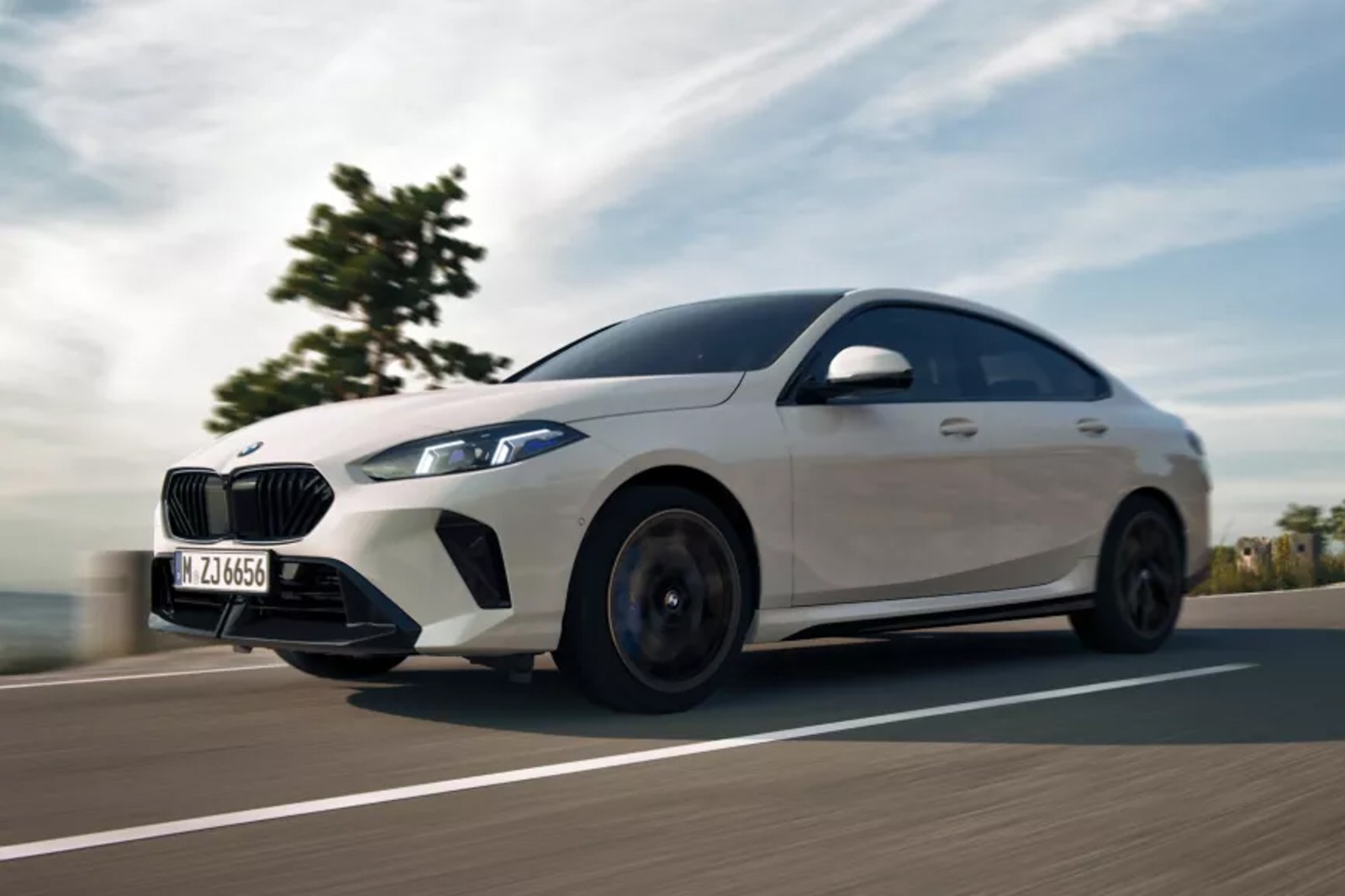
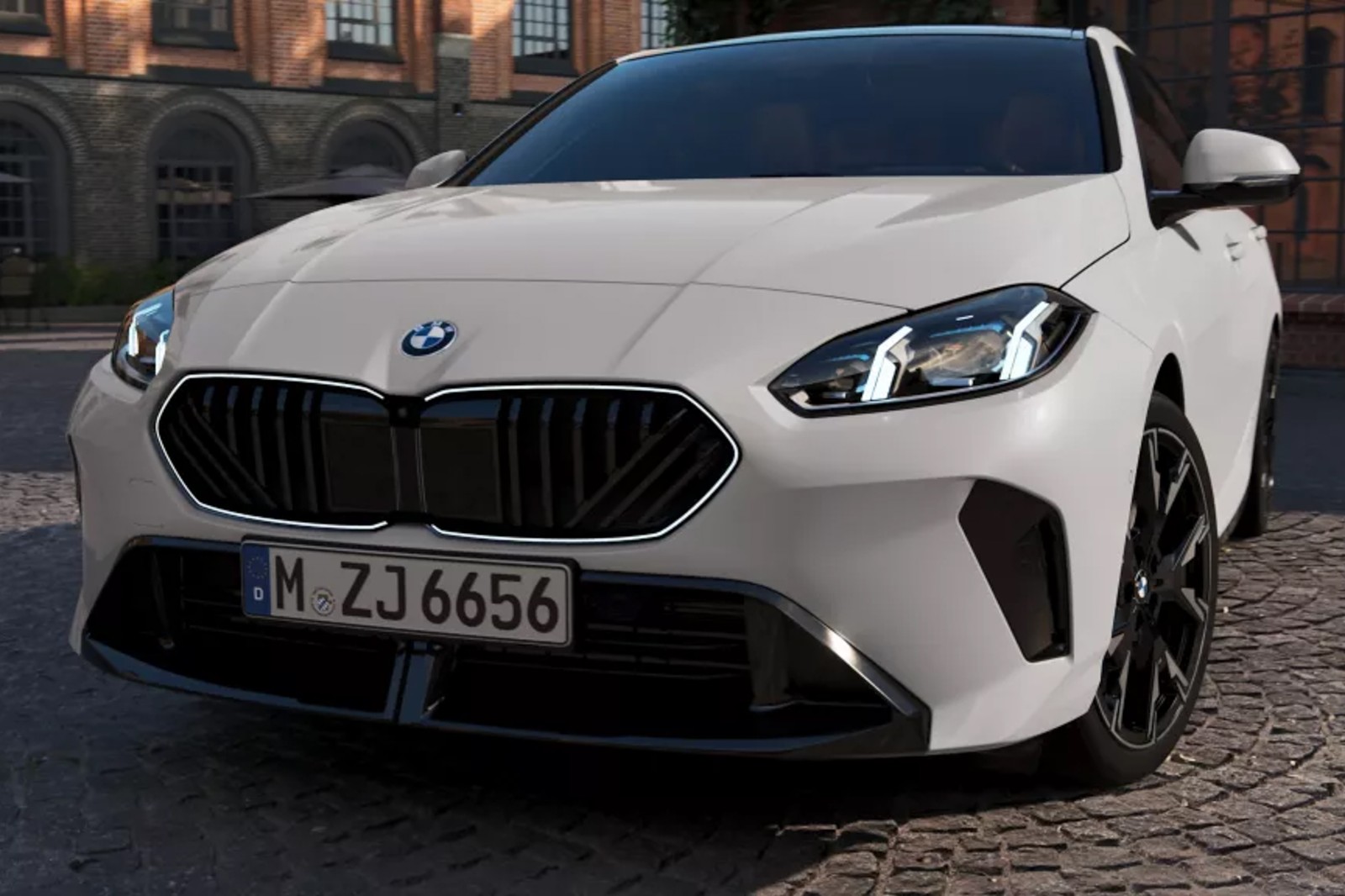
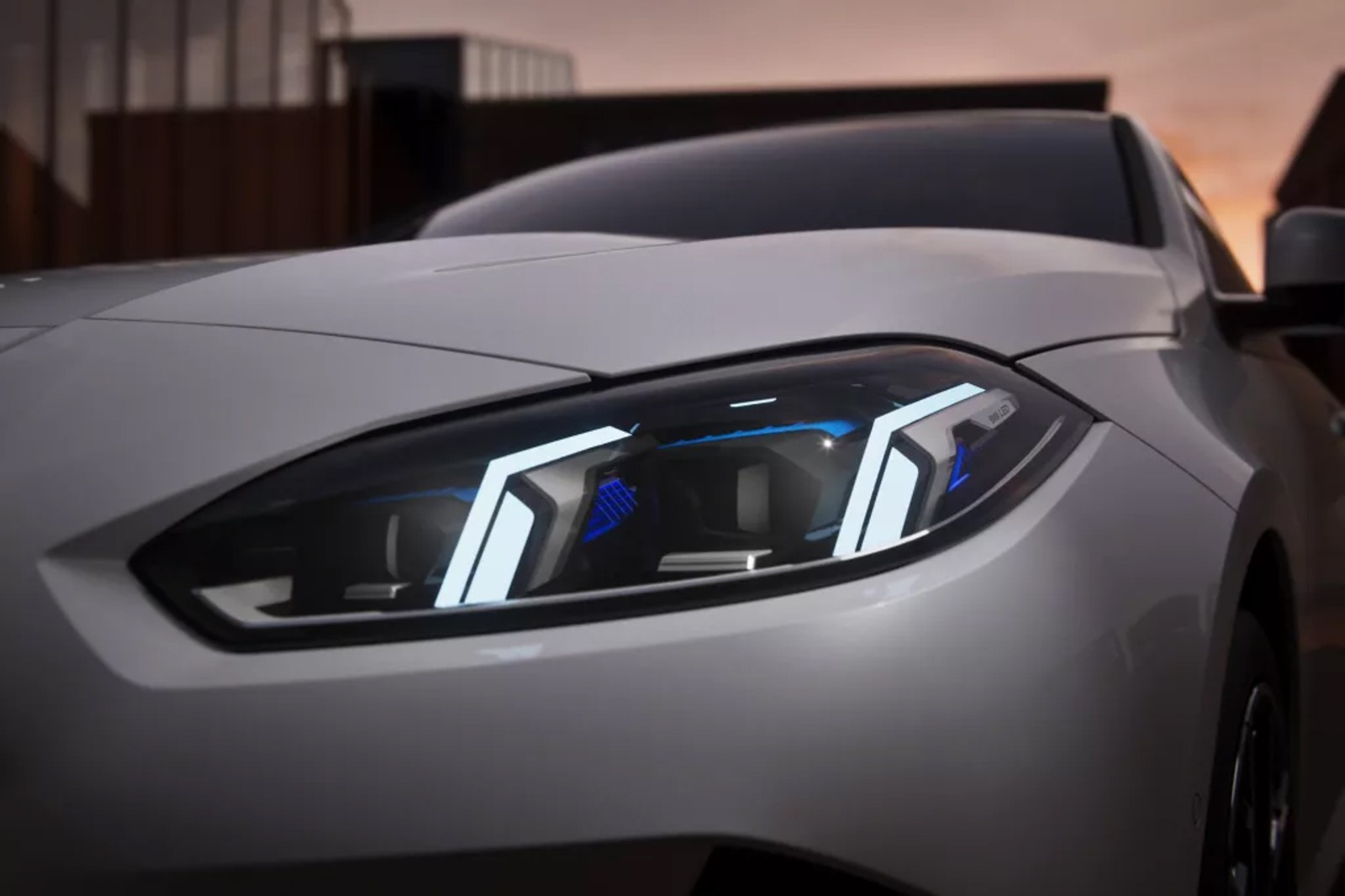
From afar, the overall style of the 2025 218 Sport continues the sleek coupe design of the Gran Coupe, but adjustments to the details make it more recognizable. The body length has increased to 4546mm, which is 20mm longer than the 2024 model, making the side profile look more elongated. The size of the front kidney grille has not changed significantly, but the internal trim adopts a sportier black treatment. Together with the standard LED headlights and daytime running lights, it delivers a sharper visual effect. The LED taillight cluster at the rear has a smoked treatment, and the dual exhaust layout on both sides enhances the sporty feel. The performance of the lighting system is worth mentioning: the automatic headlights are responsive, and the front fog lights provide clear auxiliary illumination in rainy or foggy conditions, offering superb practicality.
Entering the cabin, the sense of luxury and technology has improved compared to the previous generation. The dashboard is wrapped in soft-touch materials, with a delicate texture, accented with metal trim, creating an overall ambiance on par with higher-end models. The 10.7-inch infotainment screen is larger than the 10.25-inch screen in the 2024 model, offering clear display quality and smooth operation. It supports both touch and voice controls. The 10.25-inch fully digital instrument panel features a simple interface displaying core information like navigation and fuel consumption, making it convenient for the driver to monitor at a glance. The front seats offer electric adjustments with moderate cushioning, ensuring comfort even on long drives. The rear seats can be folded down in a 40:20:40 split, allowing for flexible expansion of the trunk space. The dual-zone automatic air conditioning has a straightforward and intuitive adjustment logic, and the rear seats are equipped with independent air vents and power outlets, catering to the needs of rear passengers. In terms of storage space, the door panel pockets can hold two bottles of water, the central armrest compartment is deep enough, and daily essentials can all be easily accommodated.
In terms of space performance, the wheelbase remains unchanged at 2670mm, but with the extended body, rear legroom has slightly improved compared to the previous generation. A passenger with a height of 175cm sitting in the rear would have about two fists’ worth of space between their knees and the front seatback. However, due to the sleek coupe roof design, headroom leaves about one fist of space. While it’s not exceptionally spacious, it doesn't feel stifling either. The official trunk volume data has not been provided, but based on actual experience, it can easily accommodate two 28-inch suitcases alongside a few backpacks, catering well to the requirements of a family’s weekend trips.
One of the highlights of this test drive was the performance. The 2025 218 Sport is equipped with a 1.5L 3-cylinder turbocharged engine, delivering a maximum power of 156 PS and a peak torque of 230 N·m—a significant improvement compared to the 140 PS and 220 N·m of the 2024 model. Paired with a 7-speed DCT transmission, the power response is very prompt. With a light press of the accelerator, the car delivers a commendable surge of power during acceleration, with strong low-end torque making it easy to follow traffic in congested urban areas. When switched to Sport mode, the transmission’s shift logic becomes more aggressive, with quicker downshifts and more immediate power delivery when the accelerator is pressed hard. This allows for swift overtaking, even at high speeds. The official 0-100 km/h acceleration time is 8.6 seconds, 0.1 seconds faster than the 2024 version. While this difference might not be particularly noticeable in everyday driving, the power reserve for daily use does feel significantly more robust.
In terms of handling, the combination of front MacPherson and rear multi-link independent suspension is tuned towards sportiness. The steering is precise with very little play, and body roll is well-controlled during cornering, giving the driver enough confidence. The suspension does a good job of filtering road bumps, and going over speed bumps or uneven roads does not produce significant harsh impacts, balancing handling and comfort. The braking performance is also very linear, with moderate force in the initial phase and sufficient braking power in the later phase, ensuring a short stopping distance and a sense of safety.
In the fuel consumption test, we drove 100km each on urban and highway roads, with an average fuel consumption of about 6.5L/100km, slightly higher than the official figure of 6.3L/100km. However, considering frequent use of the sport mode during the test drive, this result is still acceptable. For noise control, tire and wind noise are not obvious during high-speed driving, and engine noise becomes noticeable inside the cabin only when the RPM exceeds 3000, but it is not harsh. Overall, the NVH performance aligns well with the positioning of a luxury brand.
Compared to competitors in the same class, the advantages of the 2025 BMW 218 Sport are very obvious. Firstly, the power upgrade makes it rank among the top in its class for 1.5T models. Secondly, it offers rich features, coming standard with lane change assist, lane departure warning, automatic parking, and other safety and convenience configurations, which are more generous than some competing models. Lastly, its brand premium is appealing to many consumers, as the BMW badge is still very attractive. However, it does have some minor drawbacks, such as the rear headroom not being particularly spacious and the three-cylinder engine exhibiting slight vibrations at idle, although this does not affect daily usage.
Overall, the 2025 BMW 218 Sport is a very well-balanced model. It is suitable for consumers who want the quality of a luxury brand while also valuing practicality and power performance, such as young families or quality-conscious professionals. If you are looking for a C-segment sedan that balances daily commuting and weekend outings, this car is worth considering.
In conclusion, the 2025 BMW 218 Sport enhances its product strength through power upgrades, optimized configurations, and detailed adjustments. It strikes a good balance between luxury, performance, and practicality, making it a highly competitive model.