

Geely Emgrand X7 2019 Review

 Share
Share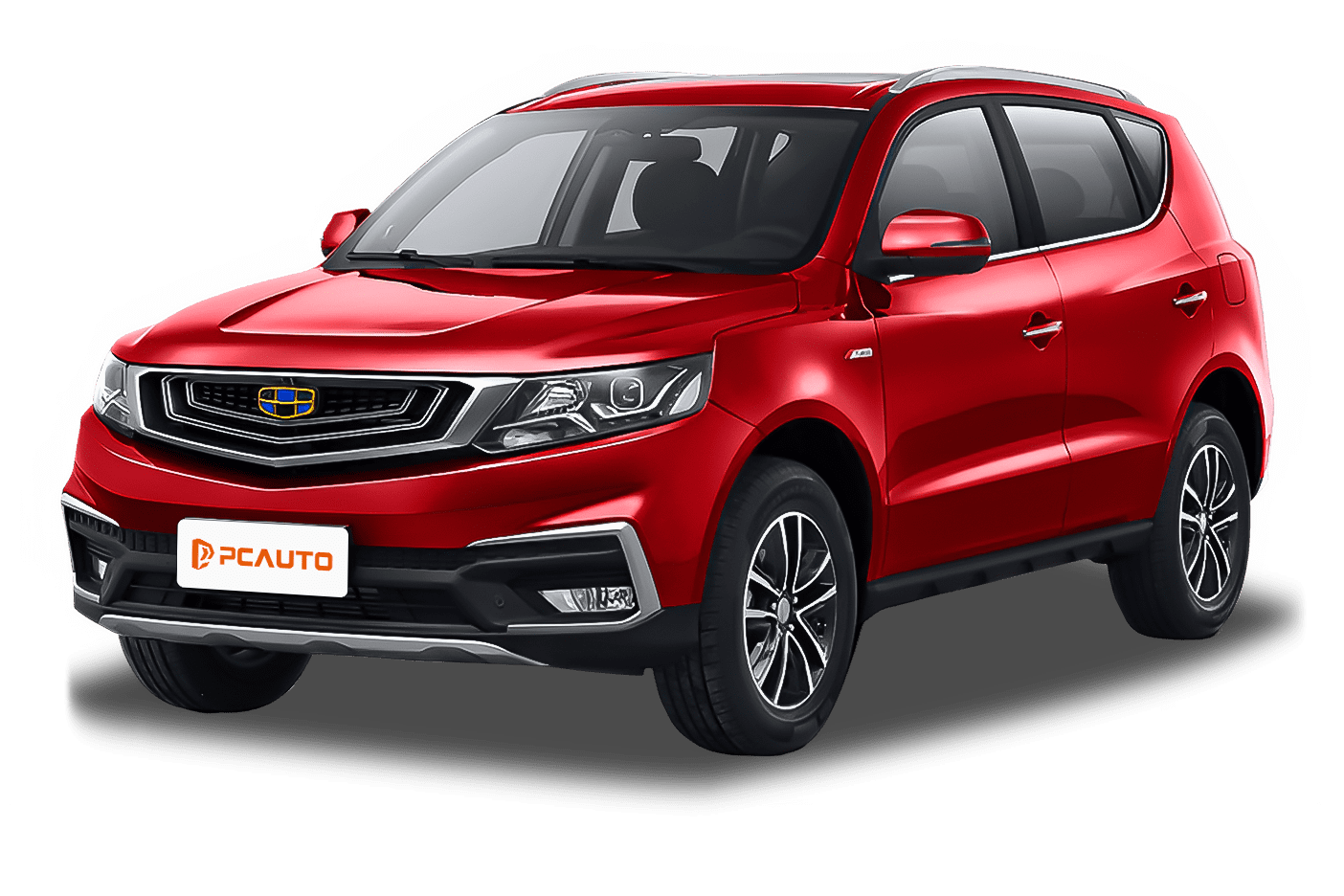
 Segment
 Body Type
 Capacity(L)
 Engine Power(PS)
 Transmission
 Driven Wheels
In recent years, the A-Segment SUV market in Malaysia has been heating up, with more and more family users tending to choose models that are practical in terms of space, suitable for daily commuting, and light travel. The 2019 Geely Emgrand X7 1.8L+5MT, as the entry-level manual version of the series, has become the focus of budget-conscious yet practicality-oriented consumers thanks to its independent rear suspension, generous wheelbase, and stable power output, which are relatively rare in the same class. This test drive will focus on whether its dynamic performance meets family use needs and if the manual transmission version offers good value for money.
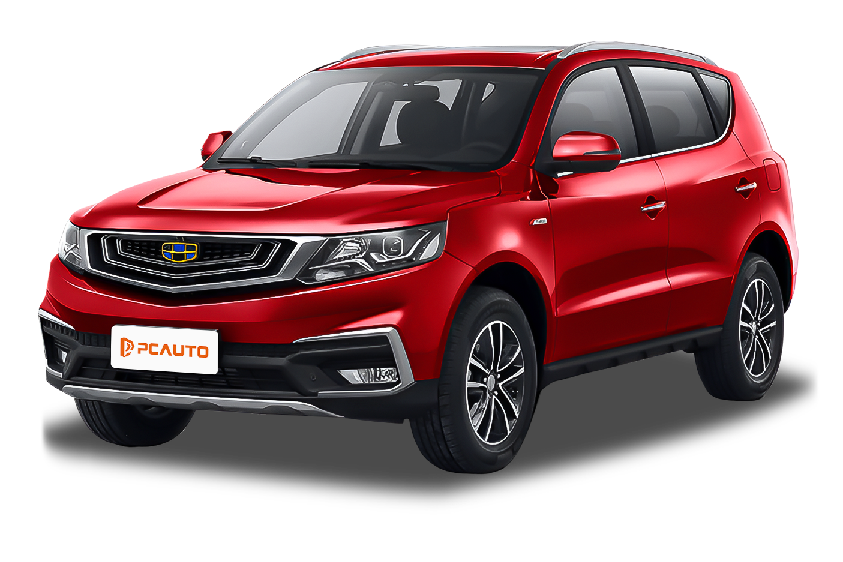
From a distance, the 2019 Emgrand X7 1.8L+5MT maintains the typical silhouette of a compact SUV, with overall lines leaning towards a stable design without overly aggressive elements. The front features a large trapezoidal grille with an internal black honeycomb structure, paired with irregularly shaped headlights on both sides, which give it a somewhat distinctive look visually. A side body waistline runs from the front fender to the rear of the car, complemented by 17-inch multi-spoke wheels (though the data is not explicitly marked, the actual vehicle appearance appears well-proportioned), creating a relatively balanced side profile. The rear design is relatively simple, with taillights on both sides connected by a chrome trim and a hidden exhaust layout below, giving the overall style a stronger focus on family orientation. As for the lighting system, both the high and low beam lights are halogen, which is sufficient for daily use but lacks standout features. The turn signals and brake lights, however, are LED, providing faster illumination.
Sitting inside, the interior predominantly features dark tones, with the dashboard covered in plastic material, which feels hard to the touch but has fairly decent craftsmanship. The center console area is clearly laid out, with a 7-inch touchscreen at the top that supports Bluetooth connectivity and basic multimedia functions. The operating smoothness is average, and there are no overly fancy features. Below the screen, physical buttons and knobs for air conditioning adjustment are retained, making blind operation more convenient. The steering wheel adopts a three-spoke design, with the left side integrated with buttons for volume adjustment, answering calls, and other functions. The grip is moderate. The seats are wrapped in fabric material, with the front seats supporting manual adjustments. The backrest and cushion offer decent support, making long-term sitting relatively comfortable without causing significant fatigue.
In terms of body dimensions, the car is 4500mm long, 1834mm wide, and 1707mm high, with a wheelbase of 2661mm, positioning it as medium to above-average in the A-Segment SUV category. The front row offers ample space, and a 175cm tall passenger can still have a fist and two fingers of headroom after adjusting to a comfortable sitting position. The rear space is impressive as well, where a passenger of the same height can enjoy two fists of legroom and one fist of headroom. The middle floor has a low bulge, so the feet of the middle passenger won't feel too cramped. In terms of storage capacity, the front door pockets can hold two bottles of mineral water, the central armrest box has a moderate depth to store small items, and the rear door pockets also offer storage space, complete with a central armrest and cup holders. The regular luggage compartment capacity is not explicitly stated, but it visually appears capable of accommodating two 28-inch suitcases. The rear seats support split-folding, which can expand the storage space to meet the loading needs of family trips.
In terms of power, the 1.8L naturally aspirated engine has a maximum output of 131PS, with maximum torque available at 4400rpm, paired with a 5-speed manual transmission. During takeoff, the low torque performance of the engine is moderate, requiring the revs to go above 2500rpm before noticeable power output can be felt. The clutch bite point is clear, making it relatively easy for new drivers to pick up. During medium to high-speed driving, acceleration in the range of 60-80km/h is acceptable, but overtaking requires downshifting and rev-matching, with the engine responding more actively above 3000rpm. This car offers two driving modes: Economy and Sport. In Economy mode, throttle response is more sluggish, making it suitable for daily commuting. In Sport mode, throttle sensitivity increases, revs drop more slowly after shifting, and the power transition feels more cohesive.
In terms of handling, the steering wheel is lightly weighted with minimal dead zone, making it sufficiently precise for daily driving, and female drivers won't find it laborious. The chassis uses a front MacPherson + rear multi-link independent suspension combination, which is relatively rare among manual SUVs at the same price point. When handling small bumps on urban roads, the suspension effectively filters out vibrations, resulting in minimal bumpiness felt inside the car. Facing speed bumps or large potholes, the rear suspension demonstrates good resilience without a loose or bouncy feel. During cornering, the body roll is controlled within a reasonable range, and the suspension provides enough support for everyday driving, without causing a floating sensation.
One of the advantages of a manual transmission model is its fuel economy, with an official combined fuel consumption of 8.2L/100km. During actual test drives, the fuel consumption in congested urban sections was about 9.5L/100km, while a consistent speed on highways reduced it to 7.2L/100km. On mixed road conditions, the average fuel consumption was approximately 8.5L/100km, which is not a significant deviation from the official figures. For a 1.8L naturally aspirated SUV, this is a fairly average performance. As for braking, the combination of front ventilated discs and rear ventilated discs delivers a moderate brake pedal travel, with a softer initial braking force that gradually increases. During emergency braking, the vehicle maintains a stable posture without noticeable nosedive.
In terms of driving comfort, the noise control performance of this car is average. At speeds above 80km/h, wind noise and tire noise become markedly audible inside the cabin, especially the latter, which becomes more pronounced on rough road surfaces. Engine noise is also noticeable when the engine revs exceed 3000rpm, but for daily commuting within the 2000–2500rpm range, the noise is still acceptable. The manual transmission lacks an energy recovery system, so the driving smoothness largely depends on the driver's shifting rhythm. Once familiar, it can deliver a relatively smooth driving experience.
In summary, the core advantages of the 2019 Geely Emgrand X7 1.8L+5MT lie in its spacious interior enabled by the 2661mm long wheelbase, the chassis quality provided by the independent rear suspension, and the lower operating costs of a manual transmission model. Compared to competitors in the same segment, its space performance surpasses some small Japanese SUVs, and its chassis comfort is also more advantageous. However, the interior materials and configurations are relatively basic. This car is more suitable for budget-conscious family users who value practicality and driving engagement, especially for daily commuting that involves frequent passenger or cargo transportation, or for occasional family weekend getaways.
Overall, the 2019 Emgrand X7 1.8L+5MT is a clearly positioned family SUV. It doesn't offer numerous standout features, but its core offerings of space and chassis performance meet the demands of family use, and the manual version has a relatively high cost-performance ratio within the series. If you do not have high requirements for configuration and are accustomed to driving a manual, this car is worth considering.
Geely Emgrand X7 Car Compare
More Geely Reviews
Cars With Similar Price And Features
20
Rank in SUV
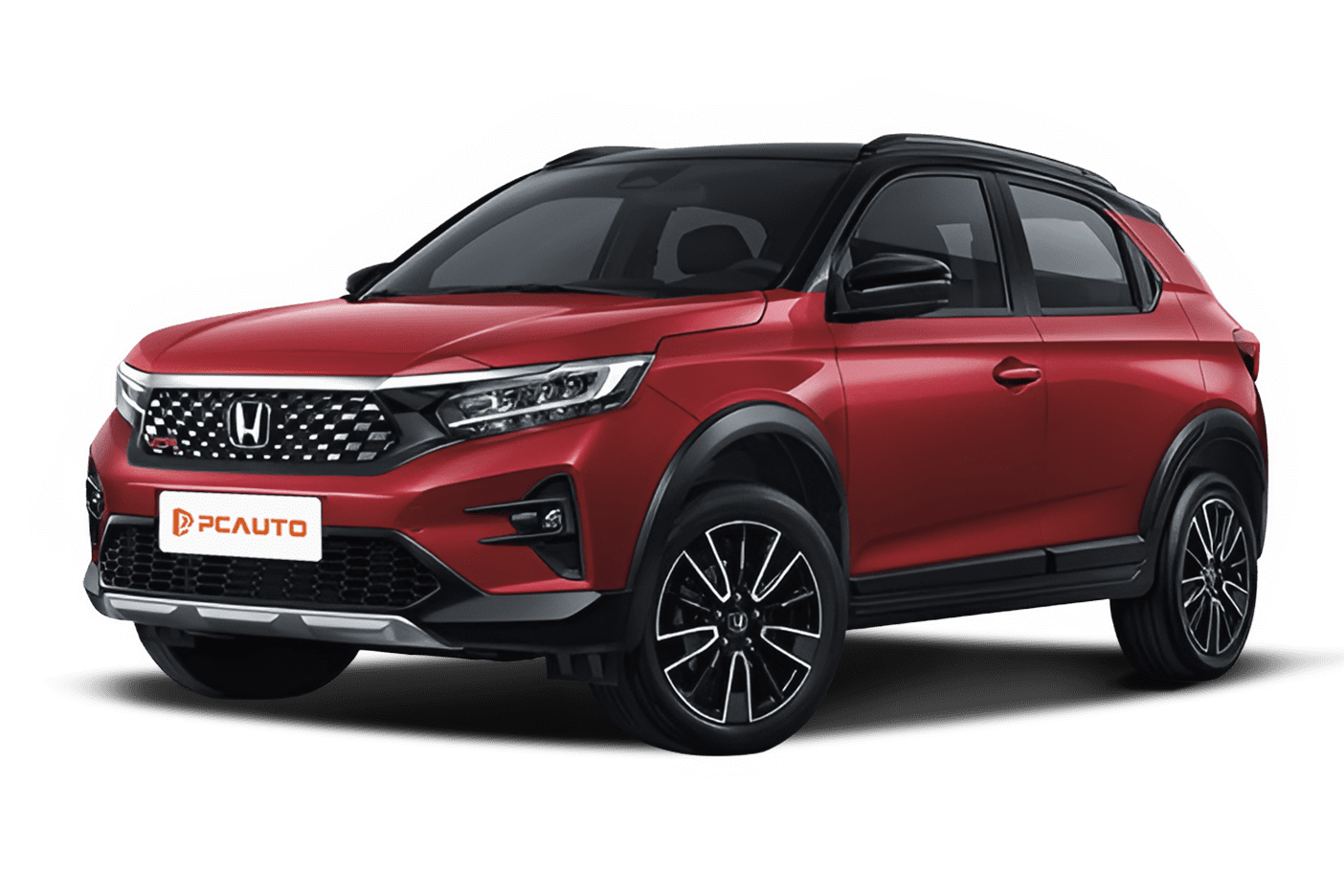
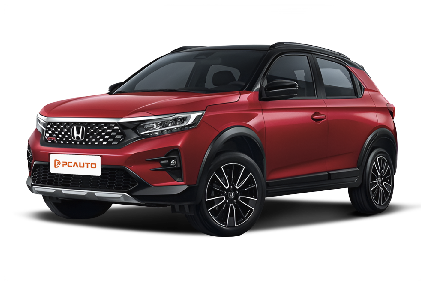
2023 Honda WR-V 1.5 S, as the entry-level model of an A-Segment SUV, enhances maneuverability with high ground clearance, featuring a standard sunroof and practical configurations, balancing urban agility and family needs.
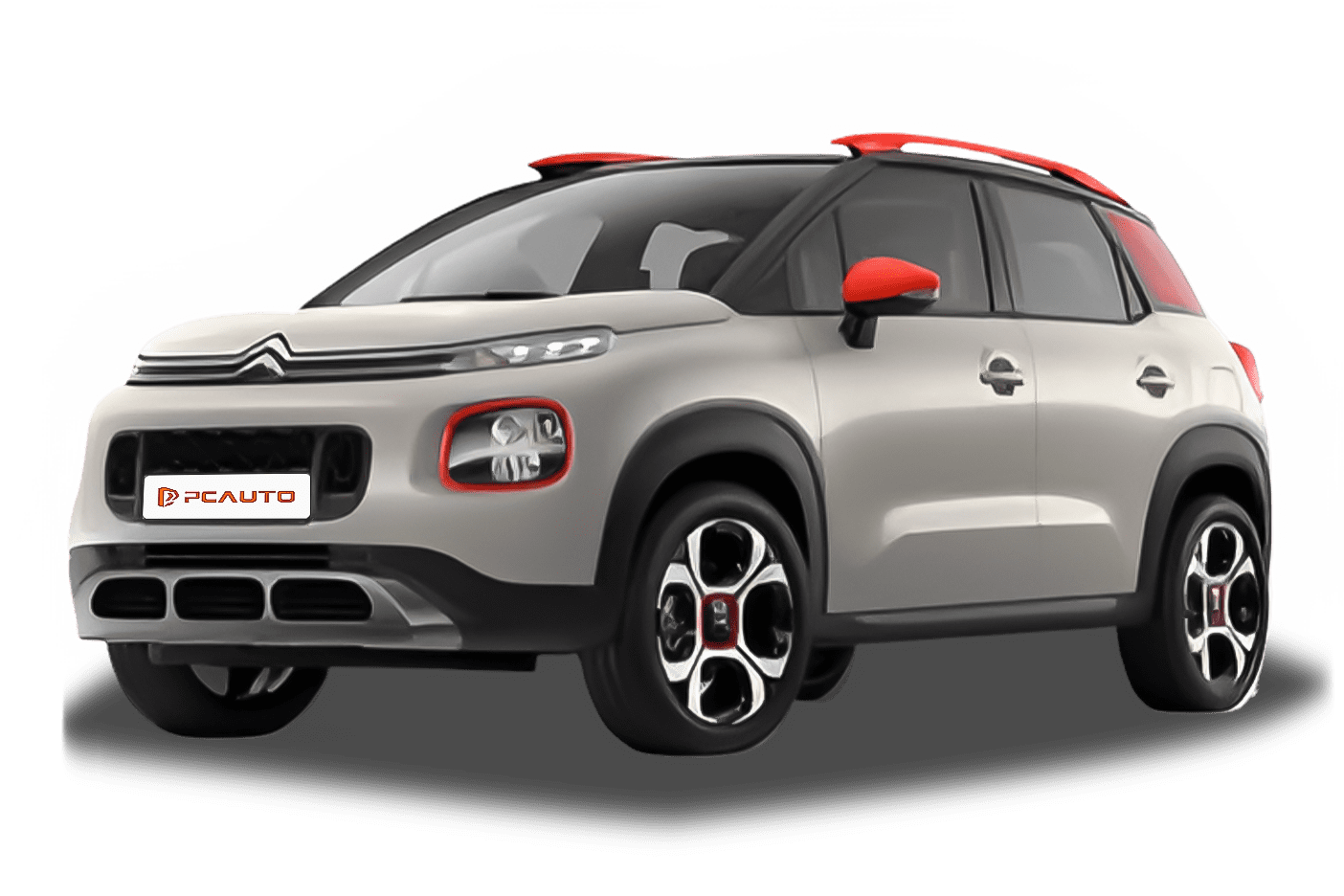
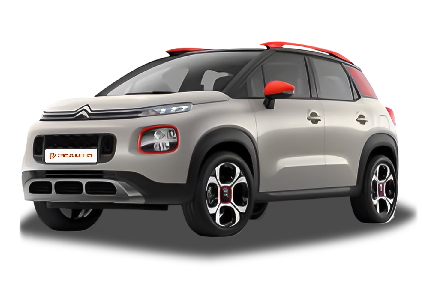
2025 Citroen C3 Aircross public is an A-Segment SUV designed for family users, focusing on flexible space, rich safety configurations, and affordable pricing as its core selling points, balancing urban commuting and multi-scenario practical needs.

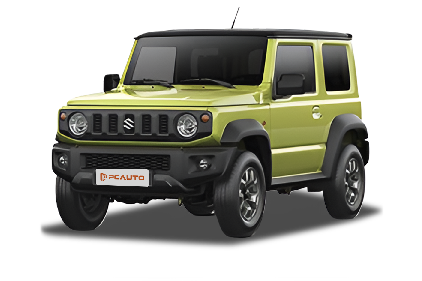
Suzuki Jimny 2024 is an A-segment hardcore small SUV with a classic square off-road design. The newly added full-time four-wheel drive enhances its off-road capability, making it suitable for outdoor adventure and individualistic enthusiasts.