
Mercedes-Benz AMG SL-Class Review

 Share
Share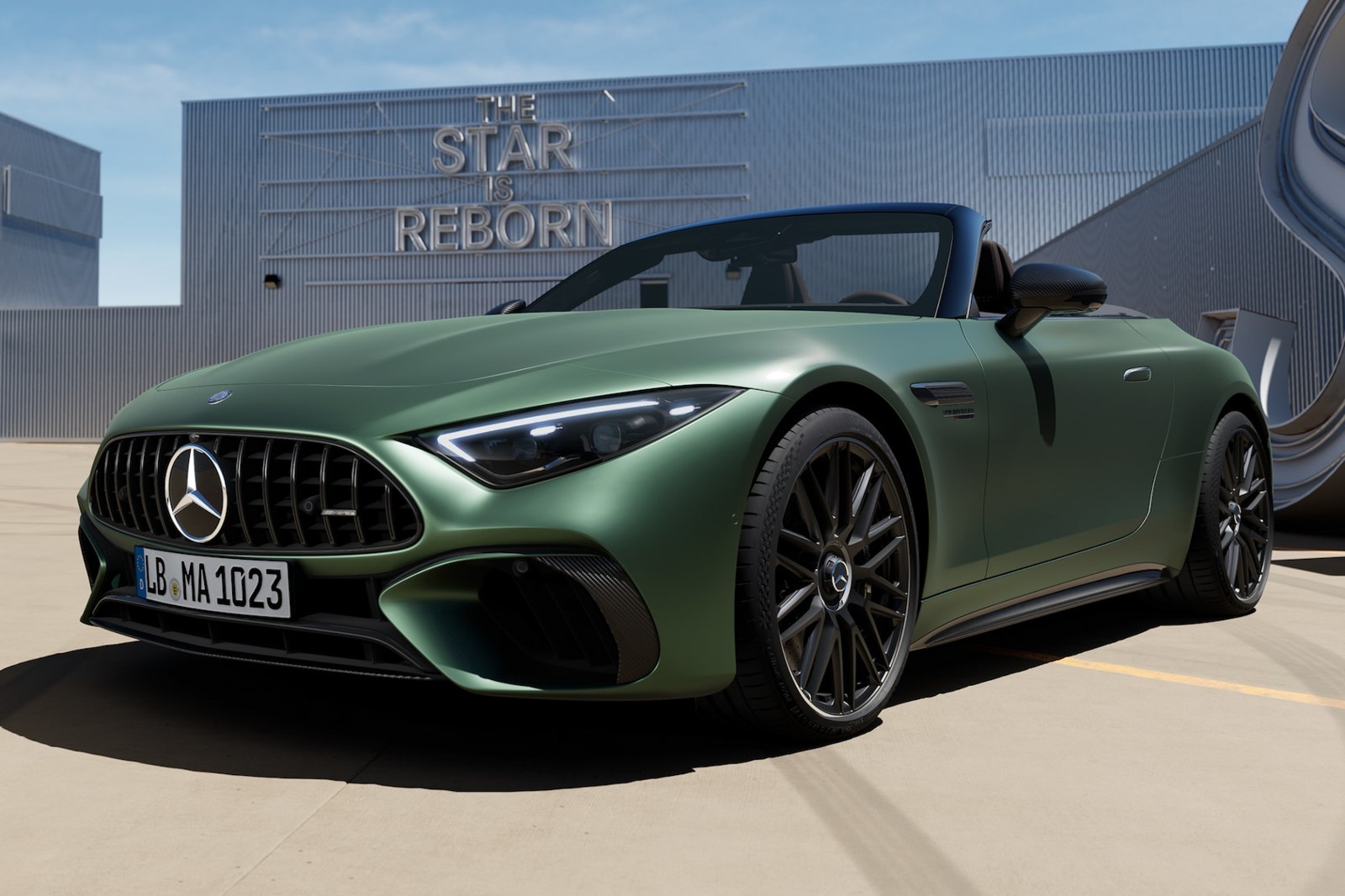

 Segment
 Body Type
 Capacity(L)
 Combined System Output(PS)
 EV Range(km)
 Driven Wheels
In the past two years, the competitive focus of the luxury performance sports car market has gradually shifted to "performance and efficiency balance." Many brands have started incorporating hybrid technology into their classic sports cars, and the 2025 Mercedes-Benz AMG SL-Class 63S E Performance is a representative model of this trend. As the flagship version of the SL series, it utilizes a plug-in hybrid system with a 4.0T V8 engine and a rear-mounted electric motor, delivering a combined output of 816PS and 1420N·m, while also accommodating short-distance pure electric commuting. Our test drive this time focuses on verifying whether this hybrid system truly elevates the performance experience to a new level and whether, as a GT sports car, it compromises on everyday practicality.
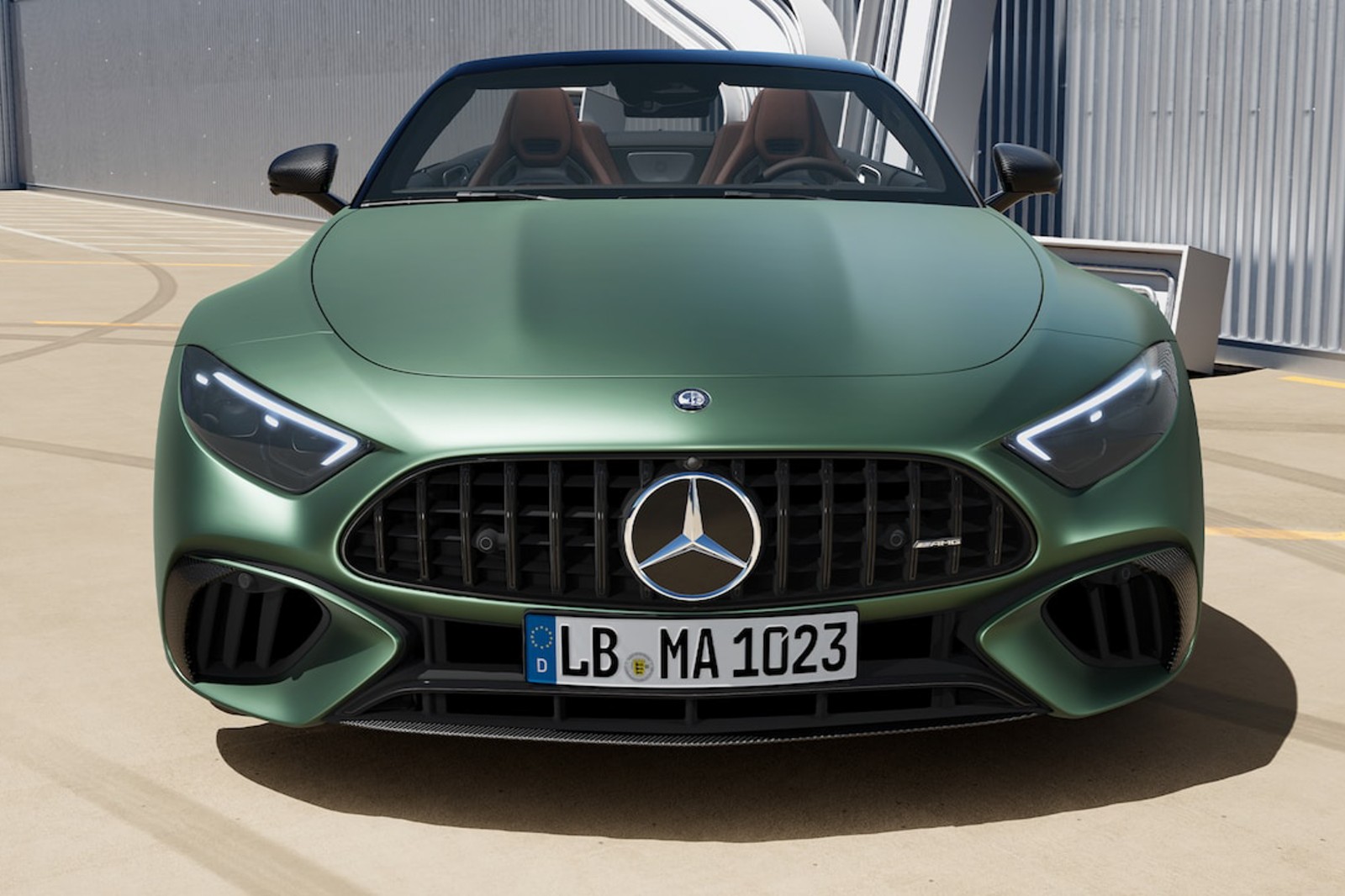
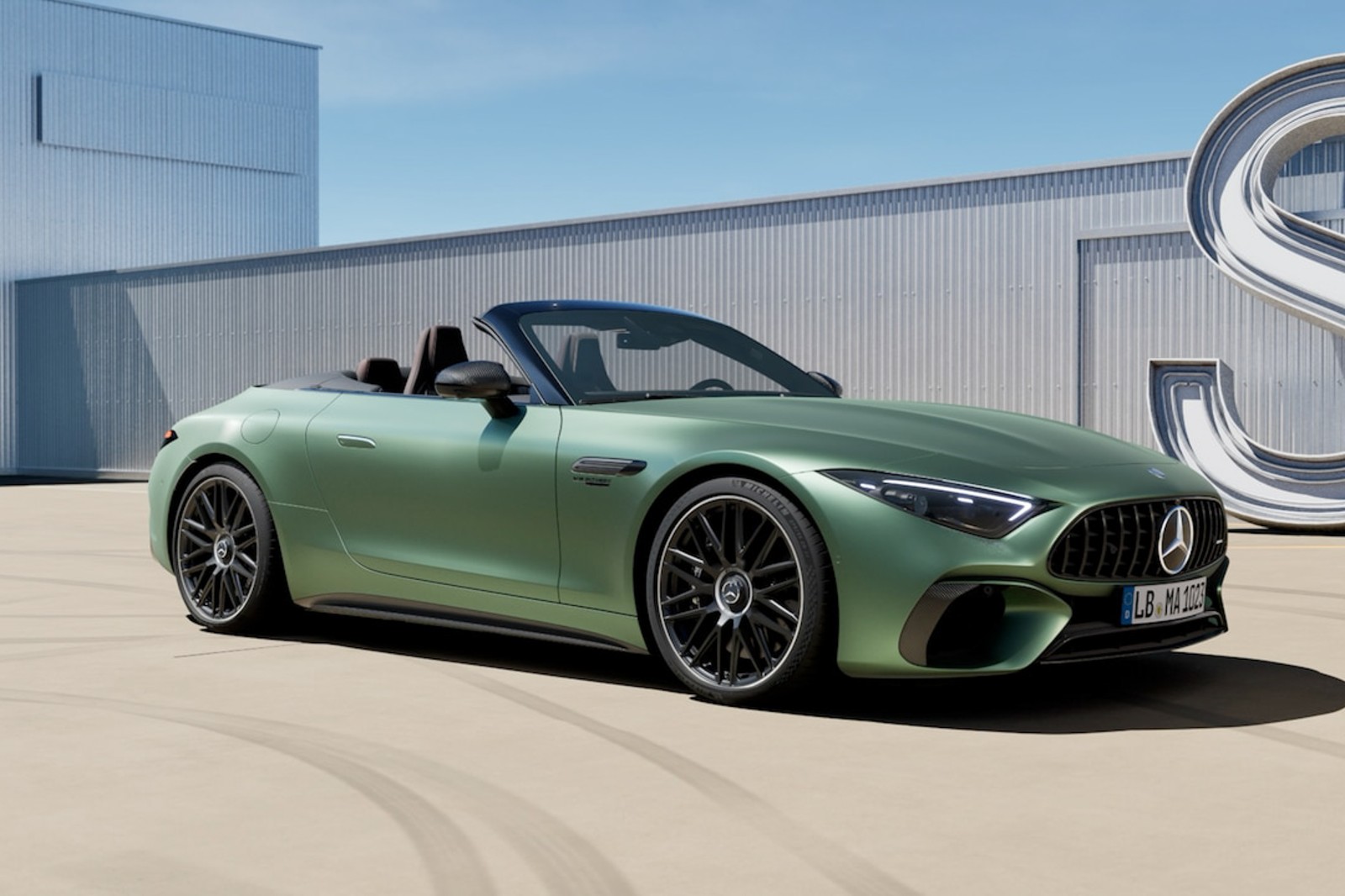
The first impression upon seeing the 2025 AMG SL 63S E Performance is that it's more aggressive than its predecessor. The dimensions remain at 4705mm×2100mm×1354mm, a standard GT proportion, but the AMG family-style vertical grille at the front is larger, complemented by sharp LED daytime running lights on both sides, giving it a highly recognizable design. The side profile features smooth lines, with the waistline extending from the fender to the rear, enhancing its muscular stance. The 21-inch wheels, paired with 275/35 R21 front and 305/30 R21 rear wide tires, further emphasize its performance-oriented positioning. At the rear, the quad exhaust layout and LED taillights echo the overall styling, while the PHEV-specific charging port is discreetly hidden in the left rear fender, subtly hinting at its hybrid nature.
Opening the door, the interior strikes a balance between luxury and technology. The center console adopts a multi-layered design, and the 11.9-inch touchscreen infotainment system supports angle adjustments, making it convenient to use even when driving with the top down. The 12.3-inch fully digital instrument cluster presents comprehensive information and switches themes based on the driving mode. The steering wheel is wrapped in Nappa leather, with well-arranged multifunctional buttons and sizable paddle shifters that offer a solid feel. The seats are electrically adjustable and heated, with padding that's moderately firm yet supportive, providing sufficient grip during spirited driving. Notably, despite being a two-door sports car, it retains two rear seats. With a 2700mm wheelbase, passengers under 170cm in height should be able to manage short trips in the rear seats. While the trunk volume isn't explicitly stated, it can accommodate two carry-on suitcases, making it adequate for daily commutes or weekend getaways.
The car's dynamic performance is its standout feature. The 4.0T V8 twin-turbo engine, paired with a rear-mounted permanent magnet synchronous motor, delivers a combined output of 816PS and 1420N·m. It is mated to a 9-speed automatic gearbox and an all-wheel-drive system, with an official 0-100km/h acceleration time of just 2.9 seconds. During actual driving, switching to Sport+ mode reveals extremely responsive throttle inputs, with an immediate surge of acceleration, providing a distinct sense of pushback. The involvement of the electric motor enhances low-end torque over the purely combustion-powered version, while mid-to-high-range acceleration remains robust and confident. Overtaking requires only a slight press on the throttle. The steering is precise with minimal play, providing clear feedback on road conditions in corners. The chassis uses front and rear multi-link independent suspension and is equipped with ceramic ventilated brake discs, offering strong support and minimal body roll during cornering. It maintains stability even at high speeds. However, on regular road surfaces, the suspension's stiff tuning filters out some minor bumps, but considering its performance-oriented nature, this setup is understandable.
As a PHEV model, its pure electric range is only 13km, mainly suitable for short-distance commuting or low-speed city driving. Daily usage primarily relies on hybrid mode, with an official combined fuel consumption of 7.9L/100km, which is significantly reduced compared to the 2024 pure fuel version. In terms of noise control, wind and tire noise at high speed are somewhat noticeable but within an acceptable range. The Burmester® surround sound system delivers excellent audio quality, effectively offsetting part of the noise. Energy recovery offers adjustable intensity levels, with the strongest mode approaching one-pedal driving, saving a considerable number of braking occurrences, while the comfort mode feels closer to the driving experience of a traditional fuel car.
Overall, the 2025 AMG SL 63S E Performance's core advantages lie in "performance upgrade + efficiency optimization"—compared to the 2024 pure fuel version, it accelerates faster and consumes less fuel while retaining the classic GT sports car attributes of the SL series. Compared to competitors in the same class, its hybrid system significantly enhances performance. It also comes standard with practical features like ACC adaptive cruise control, 360-degree panoramic imaging, and HUD head-up display, making its value fairly outstanding among luxury performance sports cars.
This car is suitable for two types of buyers: the first is sports car enthusiasts who pursue extreme performance while aiming to reduce fuel consumption in daily use; the second is those in need of a luxurious GT car that satisfies occasional spirited driving while also being suitable for short family trips. If your budget is over 2 million MYR and you're looking for a hybrid sports car that combines performance, luxury, and practicality, the 2025 AMG SL 63S E Performance is worth considering.
Mercedes-Benz AMG SL-Class Loan Calculator
More Mercedes-Benz Reviews
Cars With Similar Price And Features
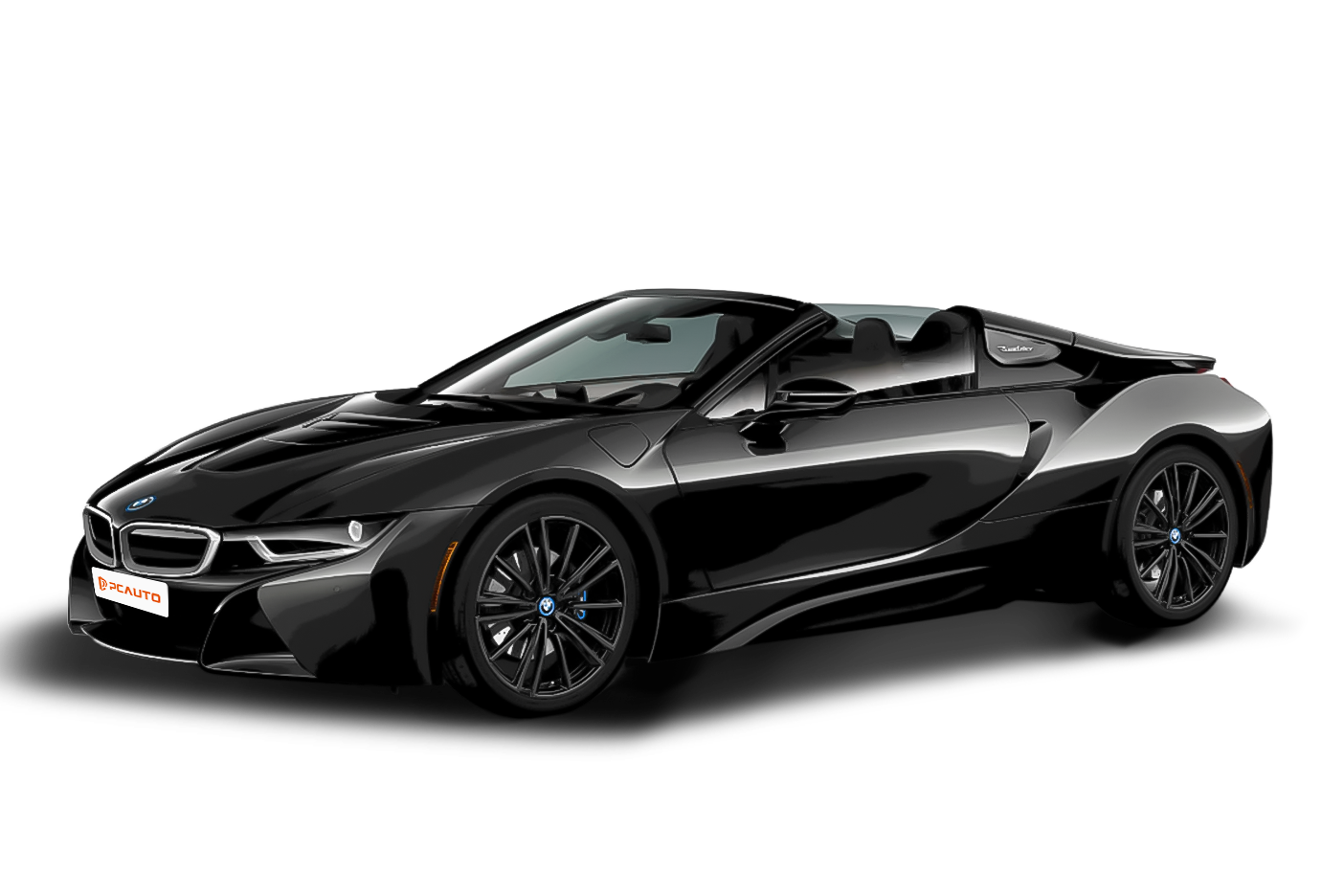
2019 BMW i8 Roadster is a distinctive sports car that combines futuristic convertible design, hybrid performance, and everyday practicality, precisely meeting the needs of high-end users seeking balance.