MG Cyberster 2025 Review

 Share
Share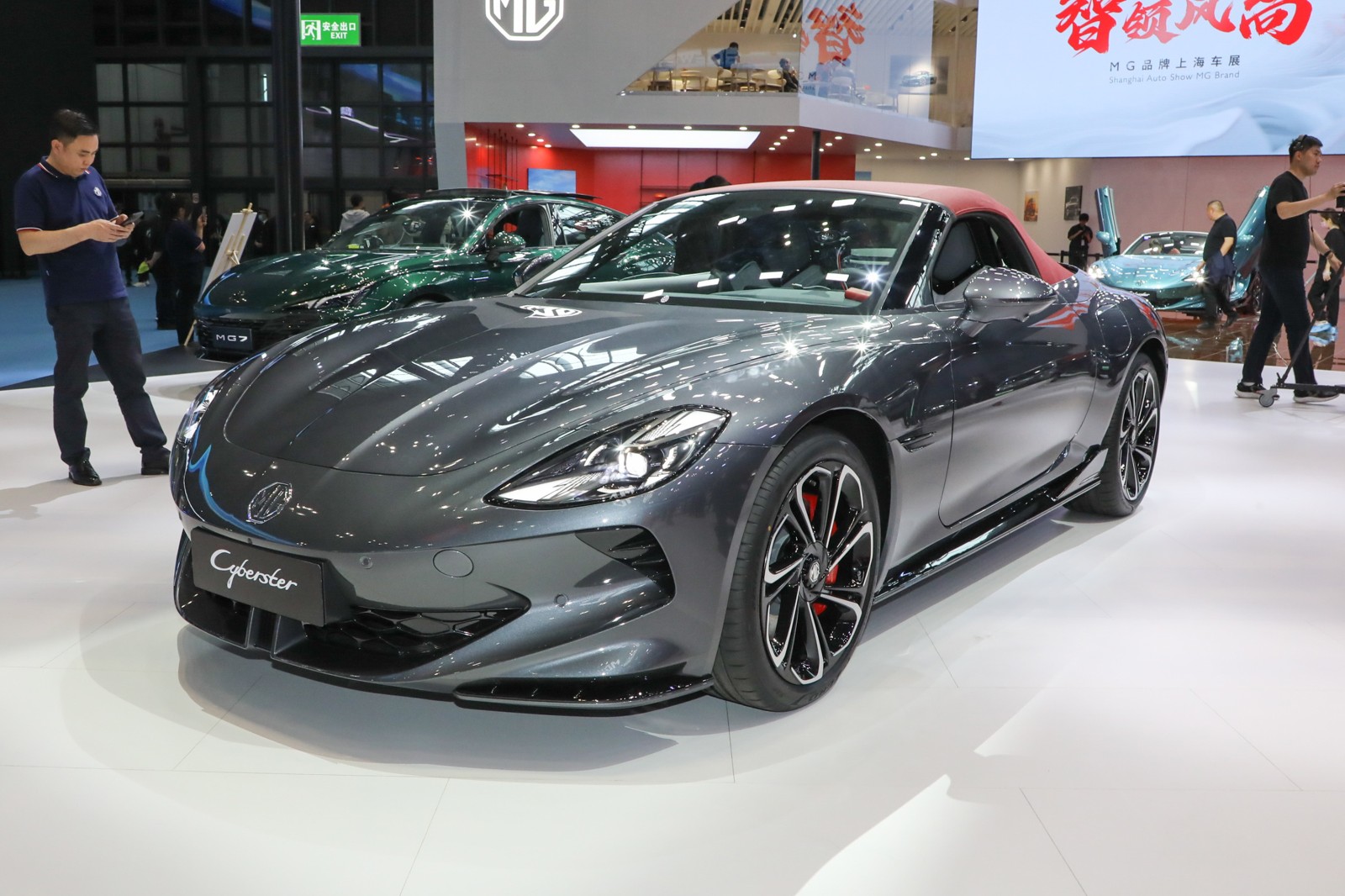
 Body Type
 Segment
 Motor Output(kW)
 Motor Torque(Nm)
 EV Range(km)
 Battery Capacity(kWh)
The choices in the Malaysian sports car market recently are not plentiful. They're either high-priced imported performance cars or coupe models leaning more towards family use. For young people looking for a stunning, fun-to-drive, wallet-friendly pure electric sports car, the options are indeed very limited. The emergence of the MG Cyberster perfectly fills this gap. As the brand's first pure electric sports car, it not only carries the classic "British convertible" DNA but also includes many smart configurations and performance parameters. This time, we got the 2025 MG Cyberster Public version for testing, with the main aim of figuring out whether it’s all about looks or if it can truly balance daily driving with driving fun.
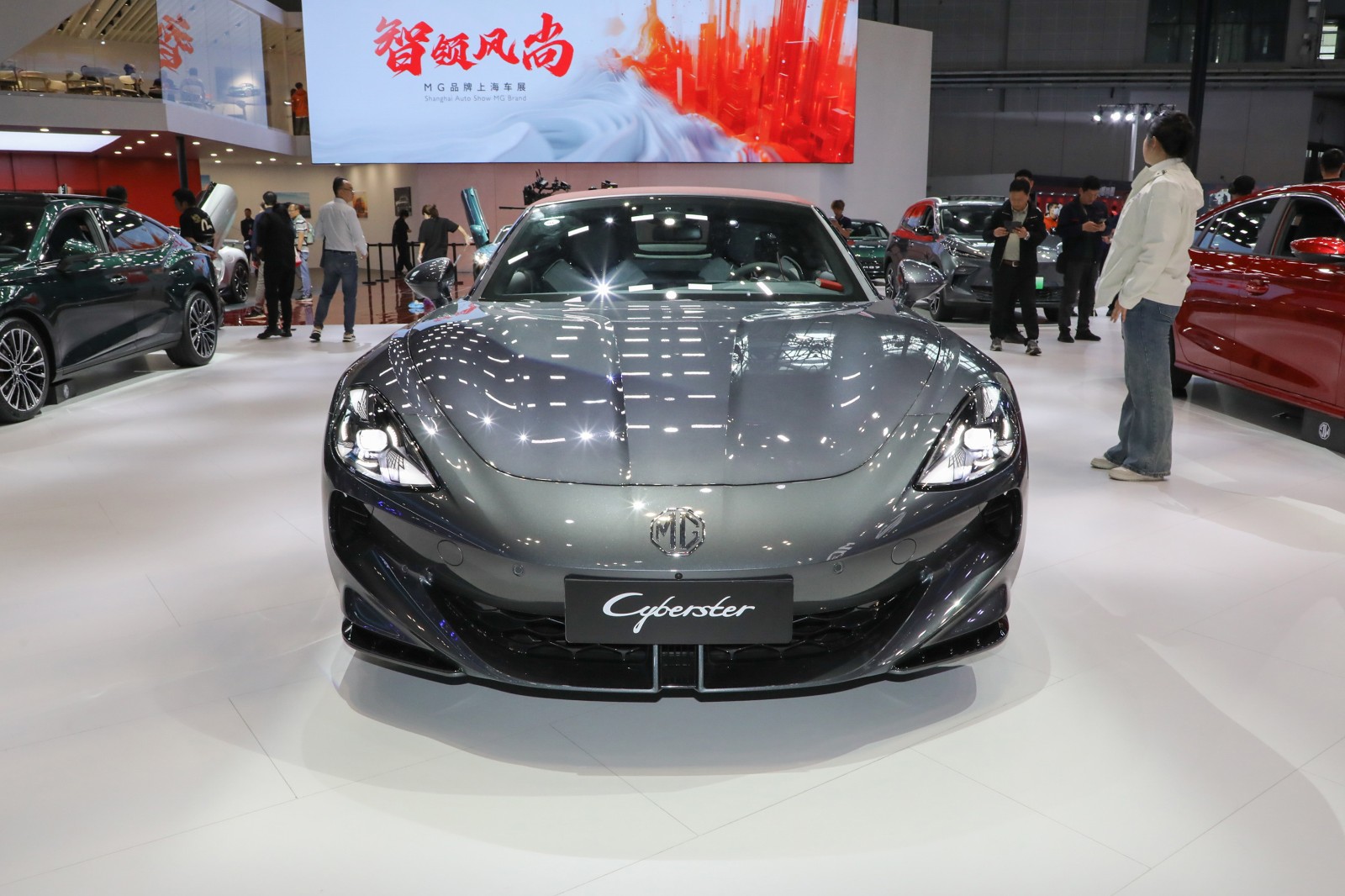
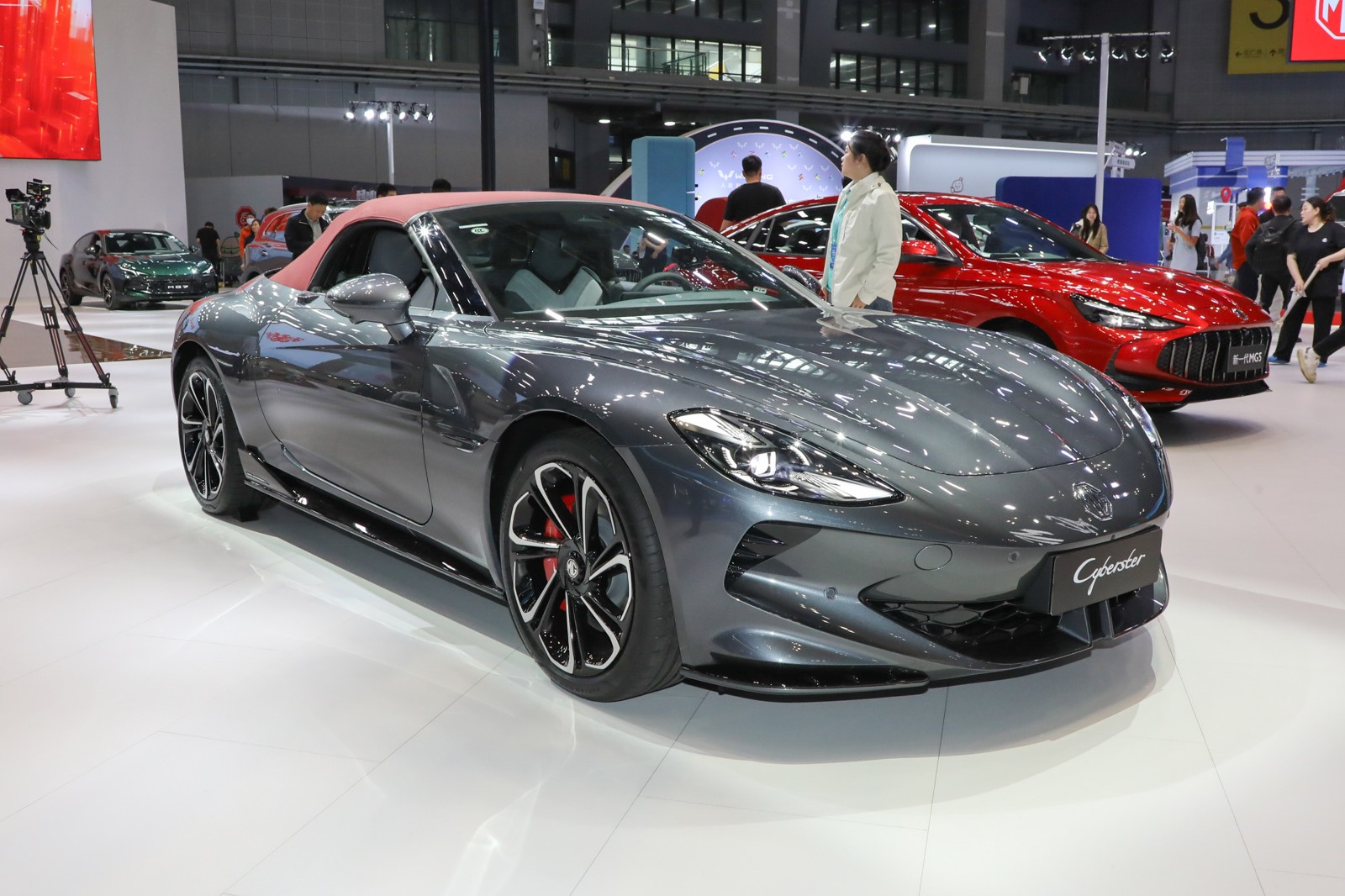
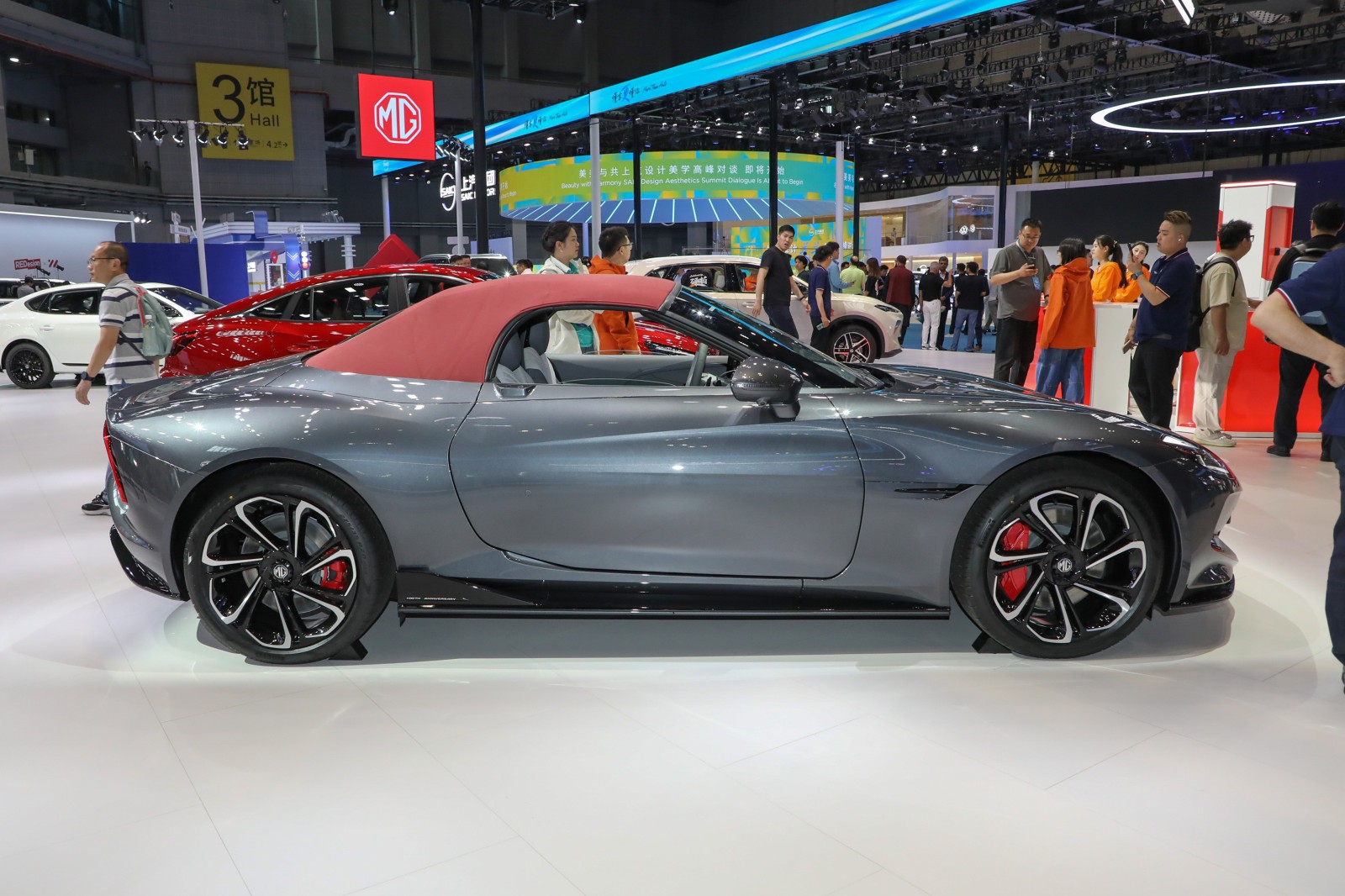
At first glance, it's hard not to be drawn to the convertible design of the Cyberster. Its overall lines lean towards a retro sport style, with round LED headlights showcasing MG's classic "frog-eye" design, paired with a three-part air intake grille underneath (even though it's an electric car, the design retains the sporty feel of a fuel-powered sports car), making it highly recognizable. The side profile features fastback lines extending from the A-pillar to the car's rear. The two-door design, combined with 19-inch multi-spoke wheels, cranks up its sporty vibe significantly. The soft-top convertible mechanism operates quickly, with the official claim being under 10 seconds. In real-world tests, it worked smoothly even during low-speed driving (under 50km/h). With the top down, the overall elegance of the car becomes even more noticeable. The rear features a trendy through-type LED taillight design with decent recognition when illuminated. Although the diffuser below is decorative, it still enhances the sporty atmosphere of the sports car.
Opening the door, the overall interior style leans towards a minimalist tech vibe. The dashboard uses a lot of soft-touch materials, paired with silver trims and piano black panels, giving it a more premium feel compared to other electric cars in the same price range. The 10.25-inch fully digital instrument cluster and 12.3-inch central control screen are connected in a dual-screen design, and the interface runs smoothly, supporting CarPlay and Android Auto for convenient everyday use. The steering wheel adopts a flat-bottomed sports-style design, with a solid grip and well-arranged physical buttons on both sides for easy blind operation. The seats are sporty bucket types with a mix of leather and Alcantara materials, offering strong support for both the waist and legs, ensuring less fatigue during long drives. When it comes to storage space, the space in the front center armrest box and door-side storage compartments is not very large, but it's adequate for small items like phones and wallets. Due to the convertible design, the trunk space is limited by the soft-top mechanism, accommodating only two 20-inch carry-on suitcases. While manageable for daily commuting, it might require planning for longer journeys.
In terms of space performance, the Cyberster has body dimensions of 4535mm × 1913mm × 1329mm, with a wheelbase of 2690mm. The front row provides ample space; even a 180cm-tall passenger has a spare fist of headroom after adjusting the seat. The rear space, however, is rather cramped, just enough for two children to squeeze in. Adults would find long-time rides uncomfortable, making it more like a "2+2" sports car, with the back seat mainly meant for bags or occasional use. As for features, the Public version comes standard with keyless entry, one-touch start, automatic air conditioning, a panoramic camera, and adaptive cruise control. Safety features include six airbags, ESC stability control, and AEB automatic emergency braking, which generally meet everyday requirements.
The Public version tested this time is equipped with a rear single motor, with a maximum power of 231kW (314 horsepower) and a maximum torque of 450N·m. The official 0-100 km/h acceleration time is 5.9 seconds. In actual driving, the power response at the start is very quick, and you can feel a noticeable thrust the moment you step on the accelerator. Overtaking in the city is very convenient. When switched to sport mode, the power output becomes more aggressive, and the acceleration feel is stronger with heavy throttle, which, although not as good as the dual-motor version, is sufficient for daily driving. In economy mode, the power is slightly reduced, making it suitable for city commuting with lower energy consumption.
Handling is a highlight of the Cyberster. The steering accuracy of the wheel is very high, with minimal play, and the directional feedback during cornering is clear, providing enough confidence to the driver. The chassis uses a front double-wishbone + rear multi-link independent suspension system, tuned towards sportiness with strong support. Body roll is well-controlled during cornering, and it doesn’t feel unstable even at slightly higher speeds. However, the stiff suspension makes bumps quite noticeable on rough roads, and vibrations at the rear become more direct when passing over speed bumps or potholes. Nonetheless, this tuning is acceptable for a sports car.
In terms of range and energy consumption, the Public version is equipped with a 77kWh ternary lithium battery, boasting a CLTC range of 580km. We tested the combined range in urban commuting and highway conditions. While using air conditioning and audio systems in the city, the power consumption is about 16kWh per 100km, with a range retention rate of around 85%. On highways (average speed of 100km/h), power consumption increases to 19kWh, and the range retention rate is about 75%. Overall, the performance is decent. Regarding charging speeds, it supports fast charging, taking about 40 minutes to charge from 30% to 80%. Fully charging with slow charging takes about 8 hours, which is sufficient for daily use.
In terms of driving comfort, the Cyberster performs beyond expectations. Despite its sporty tuning, the seat comfort is quite good, and long drives don’t feel tiring. The noise control is excellent, as tire and wind noise are barely noticeable in the city when the roof is closed. On highways, wind noise increases slightly but remains within acceptable limits. When the roof is open, wind noise rises with speed, which is normal for a convertible. The regenerative braking system offers three adjustable levels, with the lowest level providing minimal drag, creating a driving experience close to that of a fuel vehicle, making it very comfortable for city commuting.
Overall, the core advantages of the 2025 MG Cyberster Public version are very clear: the retro sporty convertible design, decent interior quality, precise handling, and adequate power. Compared with other electric cars in the same price range (such as BYD Seal and Tesla Model 3), its sports car attributes stand out more, with the convertible design being its biggest selling point. It is suitable for users who value individuality and driving pleasure. However, it does have its downsides, such as limited rear seat space and small trunk capacity, making it less ideal for family users.
This car is best suited for individuals aged 25-35 who pursue individuality and driving pleasure. Their primary use is daily commuting with occasional outings with friends, and they have low requirements for rear space and trunk capacity. If you want a convertible electric car that is suitable for city commuting and occasionally offers driving excitement, the Cyberster Public version is a good choice.
Overall, the MG Cyberster Public Edition is not a "pure sports car," but it strikes a good balance between daily practicality and driving pleasure. The retro convertible design, decent interior quality, adequate power, and precise handling make it stand out among electric cars in the same price range. If you want to own a "not-so-expensive" convertible and don't want to give up the convenience of an electric car, the Cyberster is worth a try.