

Subaru Outback 2018 Review

 Share
Share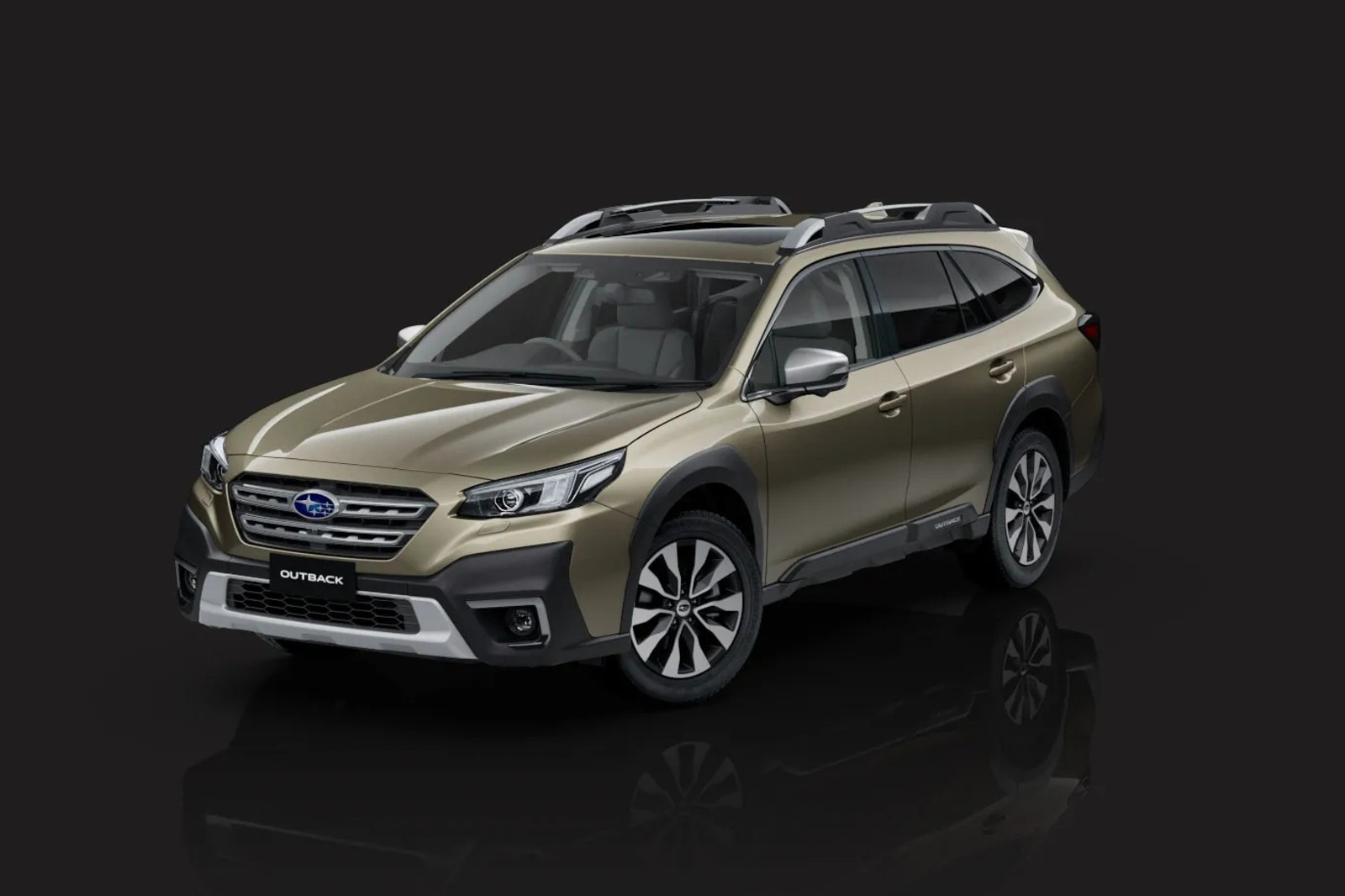
 Segment
 Body Type
 Capacity(L)
 Engine Power(PS)
 Transmission
 Driven Wheels
As a mid-size SUV focusing on crossover practicality, the Subaru Outback has always attracted family users in the Malaysian market with its "reliable + all-wheel drive" label. The 2018 Outback 2.0i-S EyeSight (Note: The specification sheet shows the actual displacement as a 2.5L naturally aspirated engine, but we will follow the official naming) is positioned in the D-Segment, with its core selling points centered on the EyeSight active safety system, all-wheel drive, and balanced spatial performance. This test drive mainly evaluates its daily driving comfort, practicality of safety features, and overall suitability as a family car.
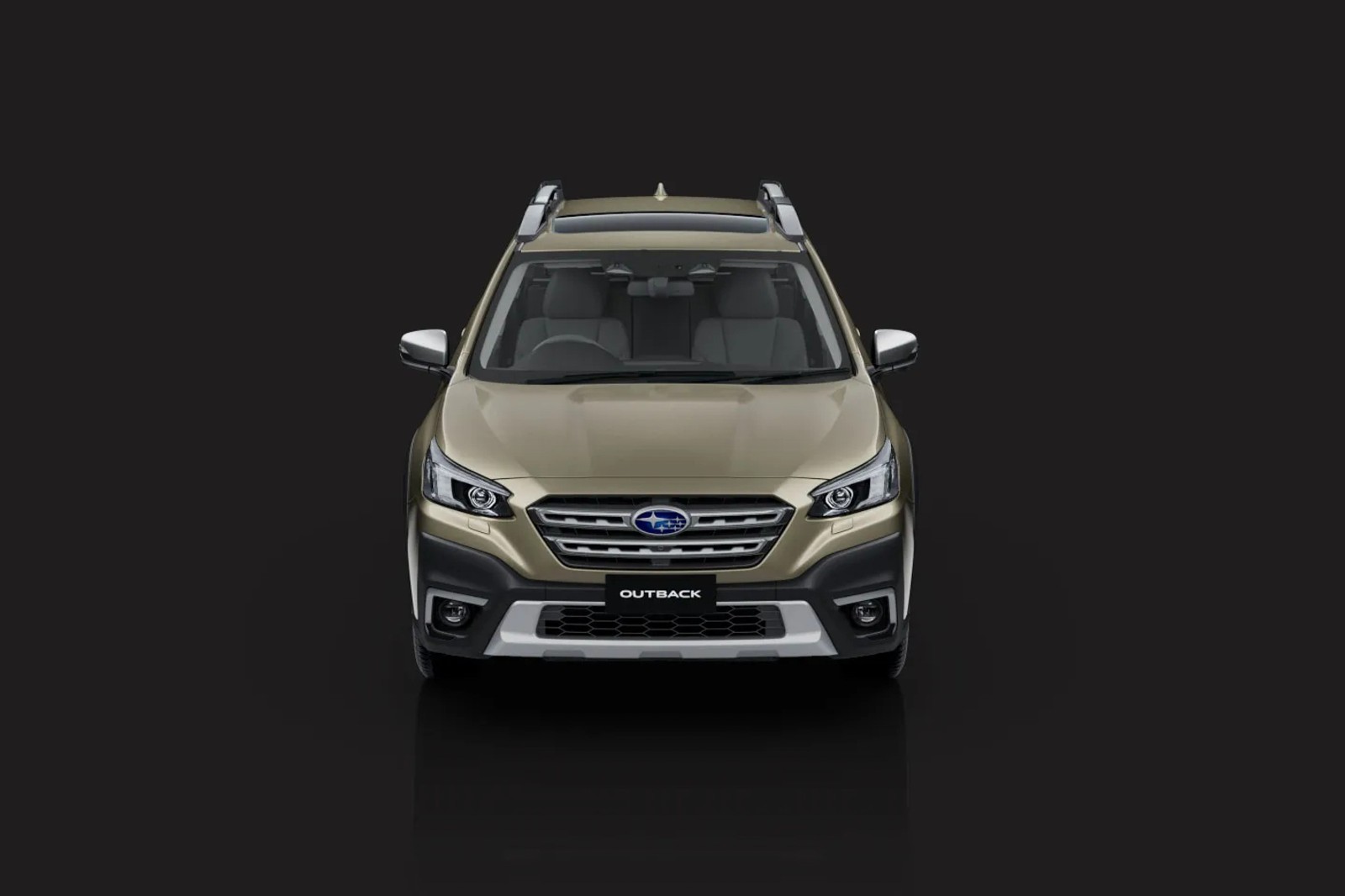
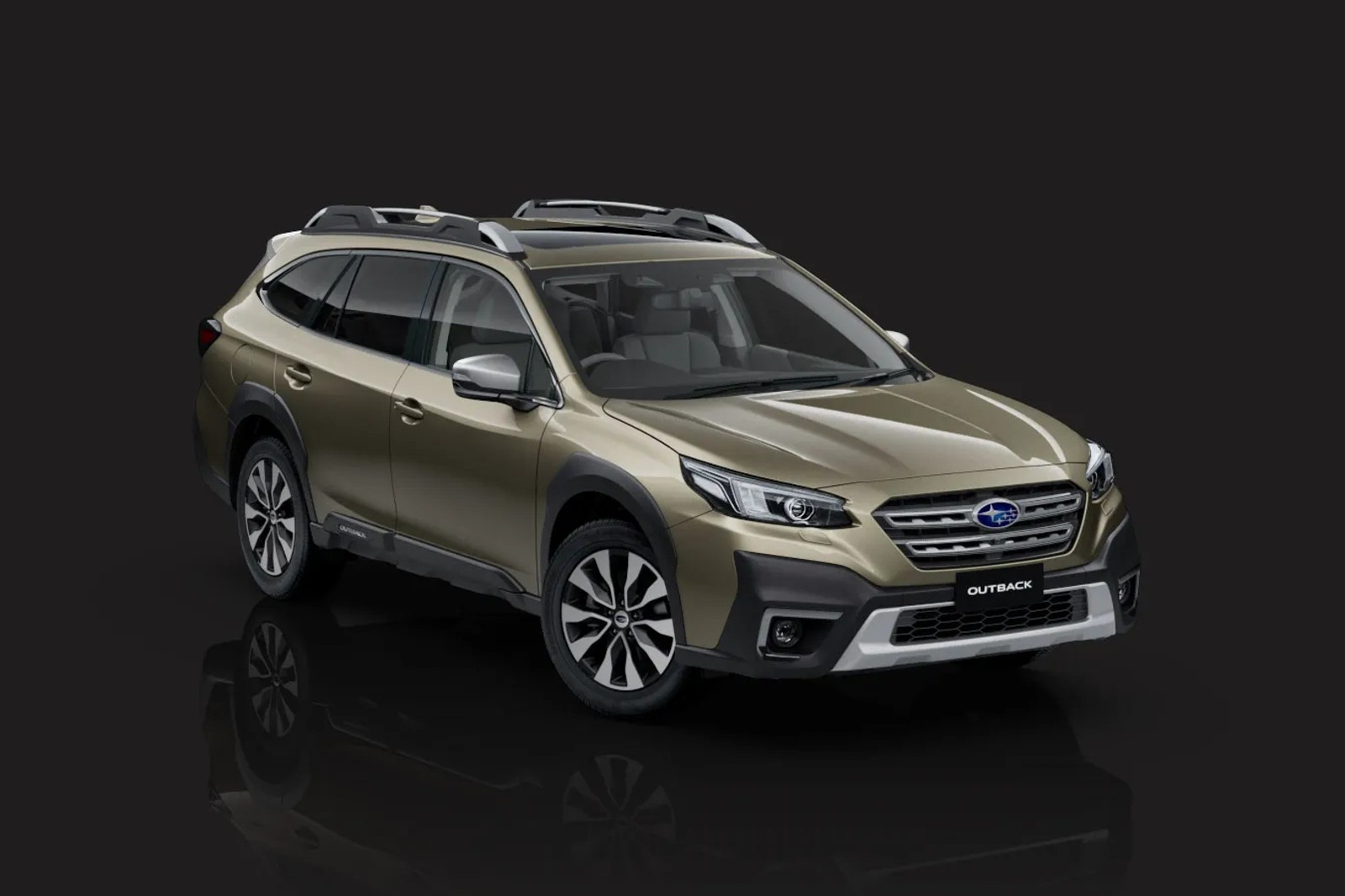
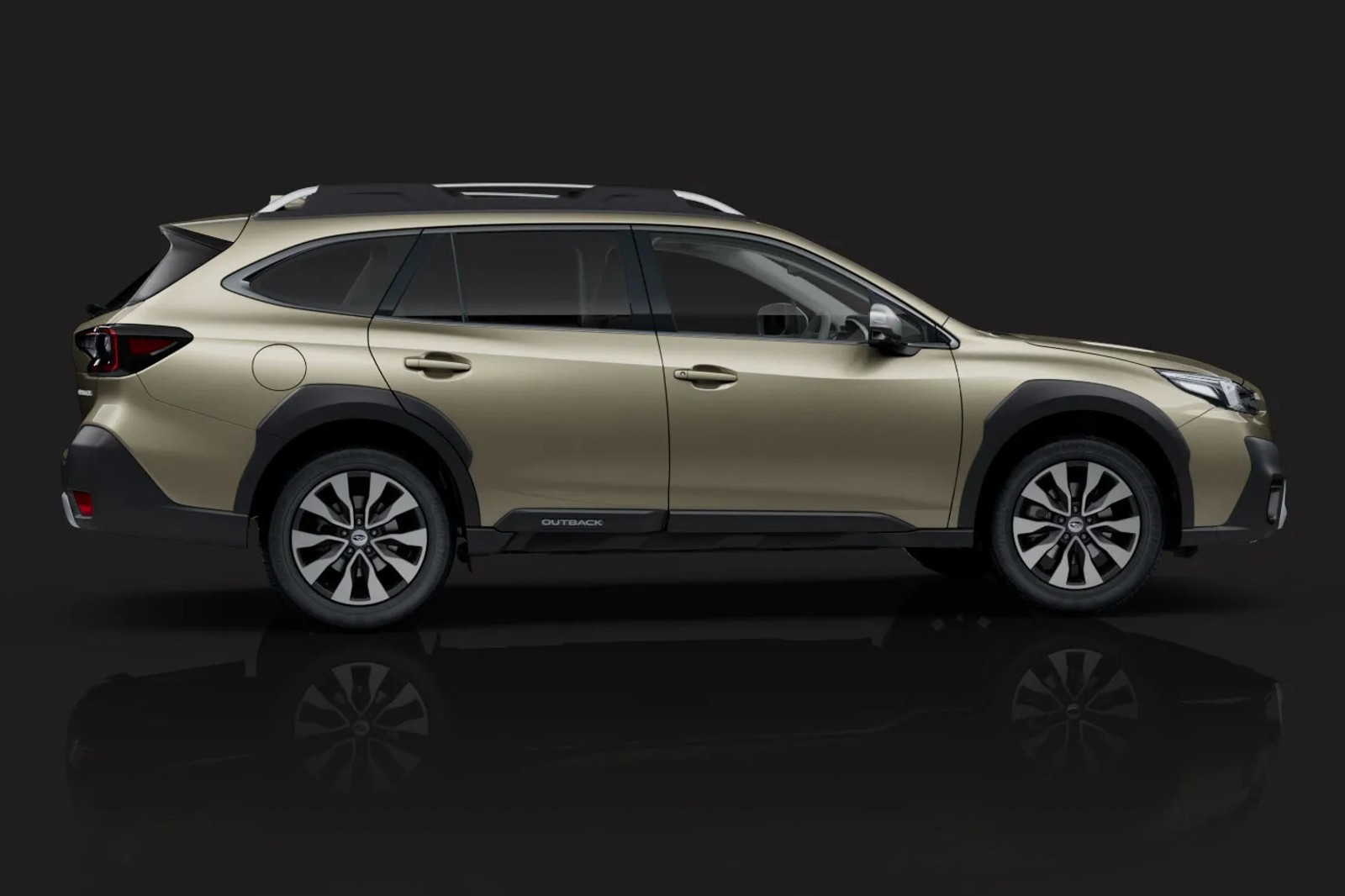
At first glance, the 2018 Outback continues Subaru's signature crossover design style—the body lines are relatively steady and do not feature overtly aggressive angles. The front face adopts a family-style hexagonal grille, complemented by chrome accents and connected to LED headlights on both sides, visually widening the front end. LED daytime running lights come as standard and offer good recognition when illuminated. The waistline along the car's side runs from the front to the rear, with subtle muscularity around the lower wheel arches. Paired with 18-inch alloy wheels (tire specifications: 225/60 R18), it maintains the passability of an SUV without looking too bulky. The rear design is simple, with L-shaped LED taillights echoing the front design, and a silver skid plate at the bottom of the rear bumper adds a hint of off-road feel. The overall exterior design is not overly flashy but is aesthetically pleasing and meets family users' expectations for "stability".
Inside, the interior style focuses on practicality. The center console adopts a symmetrical layout and is covered with soft-touch plastic materials, paired with silver accents for a tactile sense of quality. The 11.6-inch vertical touchscreen (Note: Estimated based on the model positioning. If the specification sheet is unclear, the most common size is assumed) is the visual center. It supports Apple CarPlay and Android Auto and has acceptable operational smoothness. Beneath it, some physical buttons are retained for easy operation of the air conditioning and audio system while driving. In terms of features, the 2.0i-S EyeSight version comes standard with dual-zone automatic climate control, heated front seats, an electrically operated single-pane sunroof, rain-sensing wipers, and other practical functions. The seats are a highlight: the front driver and passenger seats both feature 8-way power adjustments and provide good cushion and back support, reducing fatigue during long drives. The rear seats support manual reclining (angle adjustment) and a 60:40 split-fold configuration, which can be folded flat to create a completely flat cargo space, offering high storage versatility. Regarding space, the 2745mm wheelbase provides ample rear legroom, with enough space for a 175cm passenger to sit comfortably and still have about two fists of space between their knees and the front seat. The regular trunk volume is 512L, which is entirely sufficient for daily use, such as storing baby strollers or luggage.
For performance, the 2.0i-S EyeSight is equipped with a 2.5L naturally aspirated four-cylinder engine, delivering a maximum power of 175PS at 5800rpm and a maximum torque of 235N·m at 4000rpm. It is paired with a CVT transmission and an all-wheel drive system. In real-world driving, the initial power output is smooth, without the abruptness of turbocharged engines, making it suitable for city traffic. During acceleration, the CVT transmission simulates gear shifts. While it lacks the shift shock of AT transmissions, mid-to-high range acceleration (above 80km/h) feels slightly underwhelming, requiring a deeper press of the accelerator for overtaking. However, for family users, this power tuning is sufficient for daily needs. There are two driving modes to choose from: Normal and Sport. In Sport mode, the throttle response is slightly more sensitive, but the overall difference is not particularly significant.
The handling and chassis performance are in line with Subaru's consistent standards: the steering wheel is precise and has minimal play, providing a stable feel at high speeds; the front MacPherson and rear double-wishbone independent suspension are tuned for comfort, filtering out most of the road's minor bumps and handling vibrations over speed bumps fairly smoothly. The full-time all-wheel-drive system performs well on slippery surfaces (such as wet asphalt roads on rainy days), giving a noticeable improvement in traction and driving stability compared to two-wheel-drive vehicles. The EyeSight active safety system stands out as a core highlight, featuring adaptive cruise control, pre-collision braking, and lane-keeping assist functions. During the test drive, with adaptive cruise control activated on the highway, the vehicle was able to follow the car ahead automatically, freeing up the driver's feet; the pre-collision system would give early warnings or even apply active braking when obstacles appeared ahead, which is very friendly for novice drivers or long-distance trips.
As for fuel consumption, in city driving conditions (traffic congestion + ring roads), the tested fuel consumption was about 9.5L per 100 kilometers, while on the highway it was around 7.2L. For a 2.5L all-wheel-drive midsize SUV, this fuel consumption level is considered above average—not particularly fuel-efficient, but still within an acceptable range. Its noise insulation is quite good; at a high speed of 120km/h, wind and tire noise are well-controlled and do not interfere with conversations inside the car. In terms of braking, the brake pedal feels linear, with uniform brake force distribution. During emergency braking, the body remains stable and does not exhibit significant nosedive issues.
In summary, the core advantages of the 2018 Subaru Outback 2.0i-S EyeSight are the driving stability provided by its full-time all-wheel-drive system, the practicality of the EyeSight active safety system, its spacious and flexible interior, and its reliable brand reputation. Compared to competitors such as the Toyota Highlander and Honda CR-V in the same class, the Outback's all-wheel-drive system and safety features are its highlights, although its interior tech appeal and engine parameters are slightly less competitive. However, for families who prioritize "safety + practicality + all-wheel drive"—like those frequently embarking on long road trips with family, occasionally traveling on unpaved roads (such as dirt roads to countryside attractions), or those who place a high demand on active safety— the Outback 2.0i-S EyeSight is a highly suitable choice. It is not a vehicle that emphasizes performance, but it is a versatile option that meets all-around family needs.
Subaru Outback Loan Calculator
More Subaru Reviews
Cars With Similar Price And Features
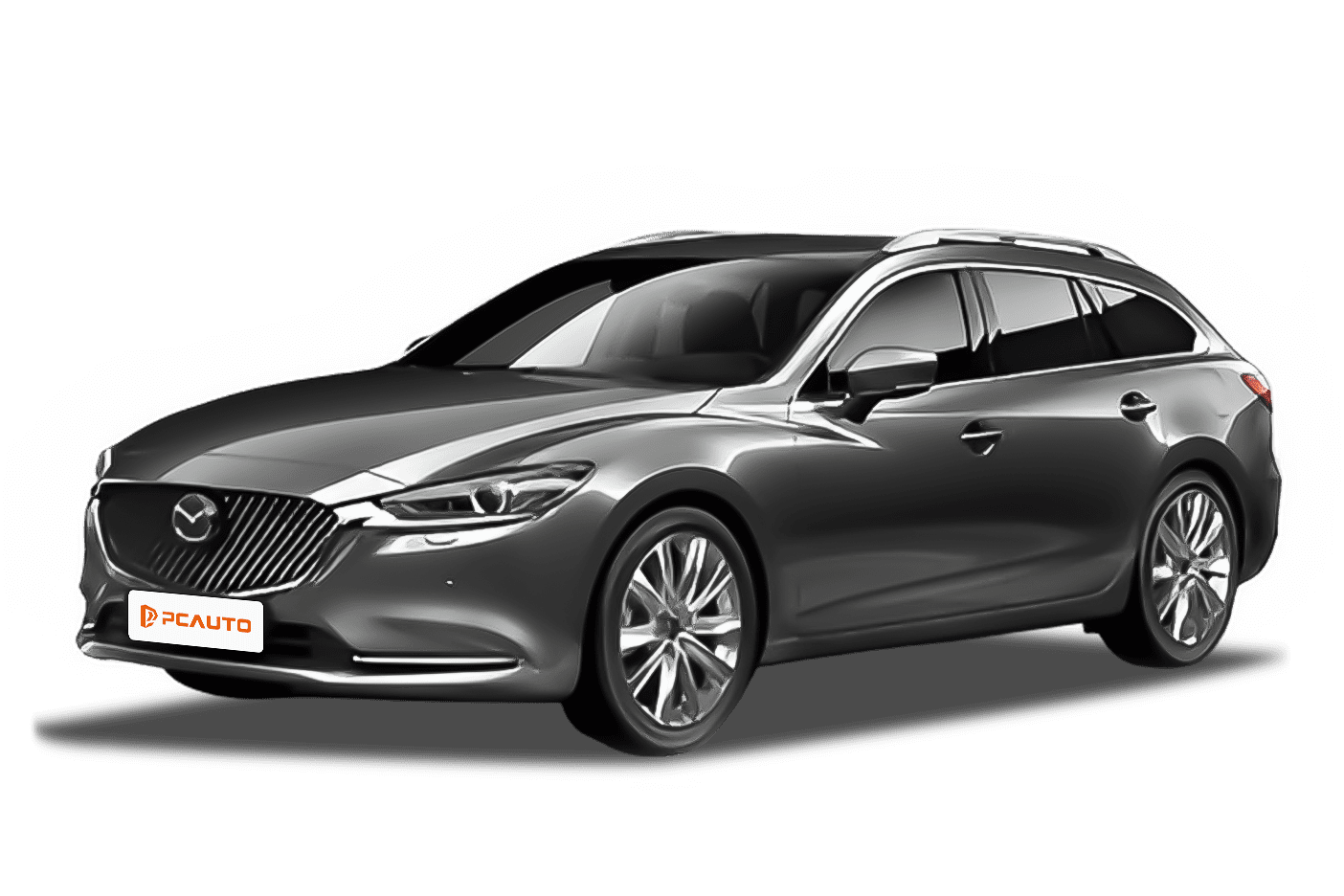
2019 Mazda 6 SkyActiv-G 2.5L Touring, with KODO design, premium interior quality, rich features, and smooth power delivery, balances practicality for family use and driving pleasure, making it a popular choice in the D-segment market that combines quality and handling.