

Subaru Outback 2024 Review

 Share
Share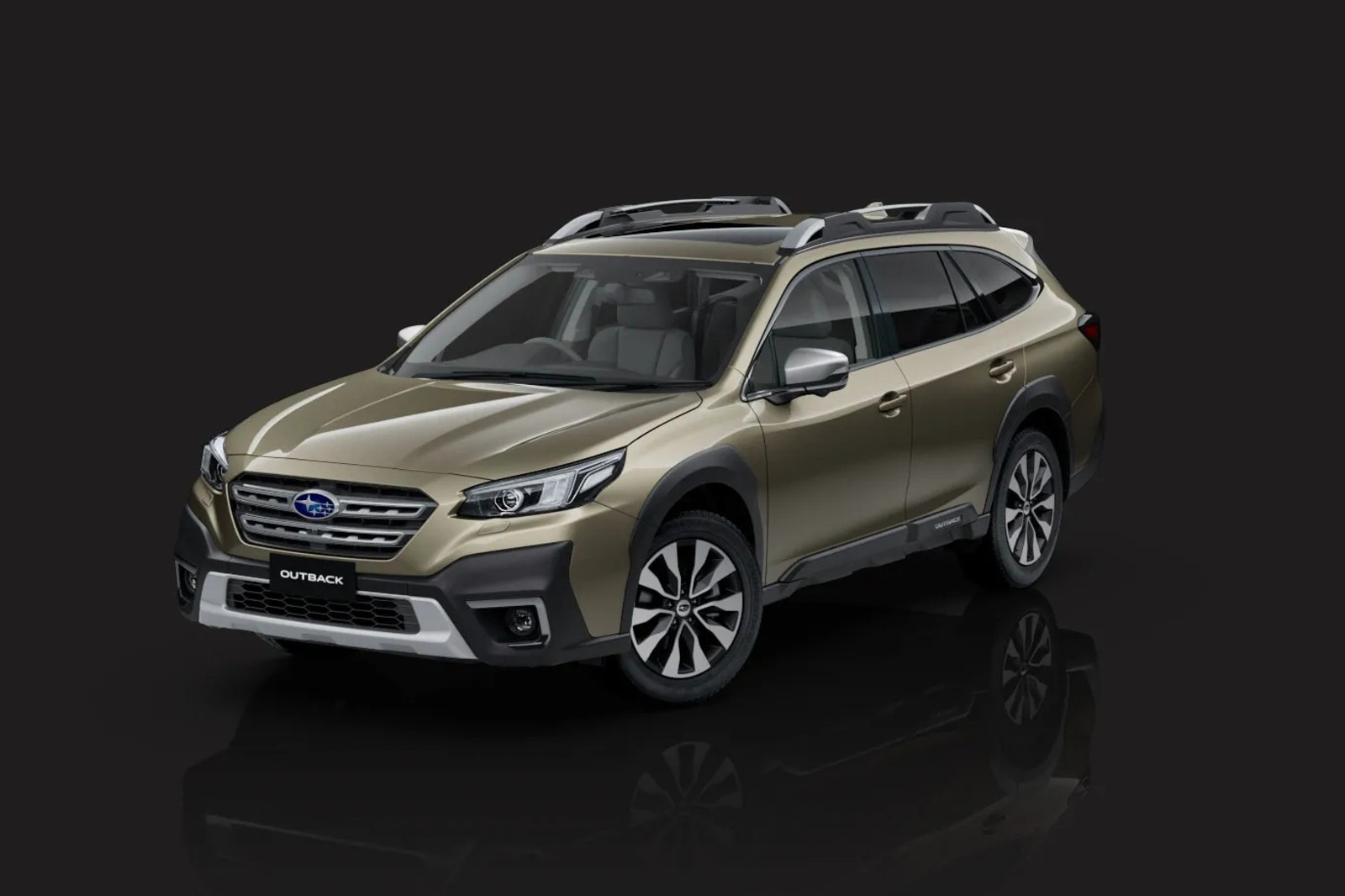
 Segment
 Body Type
 Engine Power(PS)
 Engine Torque(Nm)
 Transmission
 Driven Wheels
In Malaysia's D-Segment crossover SUV market, models that balance urban commuting and light outdoor needs have consistently been the focal point for family users. The 2024 Subaru Outback 2.5 iT EyeSight targets this niche market with its core selling points of "all-terrain adaptability + high safety configurations." In this test drive, we focused on evaluating whether its power is adequate for daily driving, whether its space meets family travel needs, and how Subaru's renowned Symmetrical AWD performs under various local road conditions, aiming to provide potential buyers with more realistic insights.
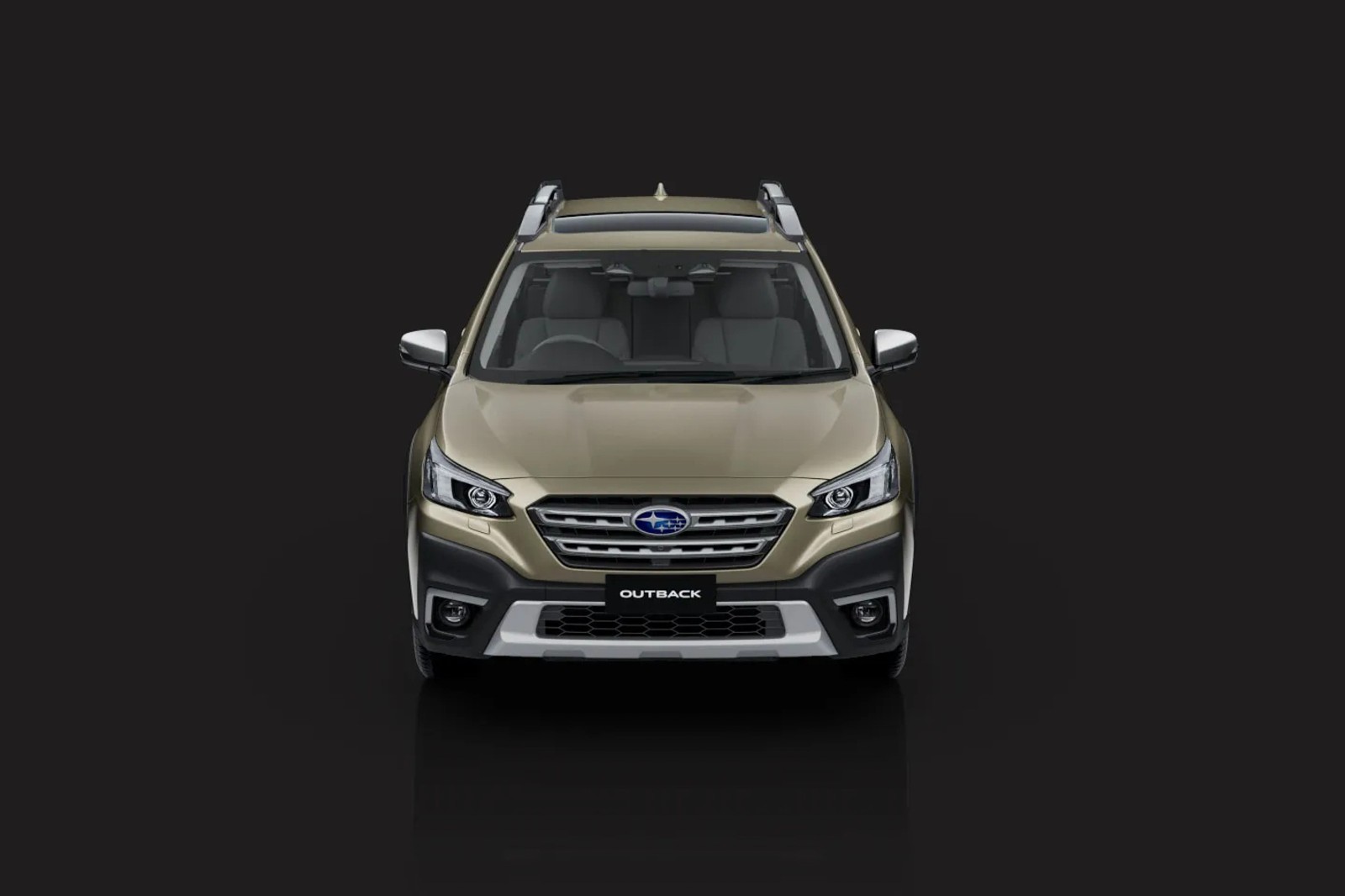
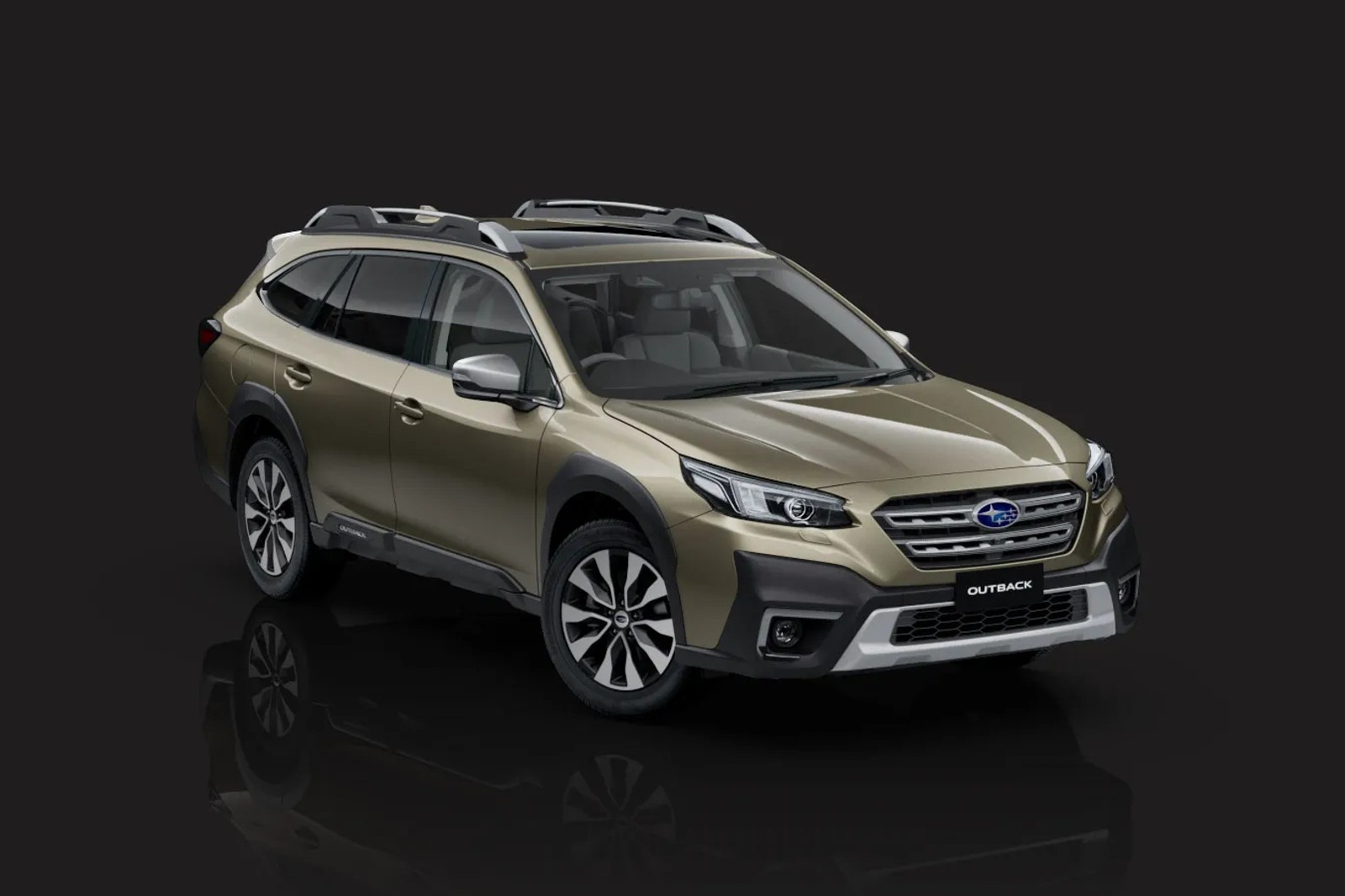
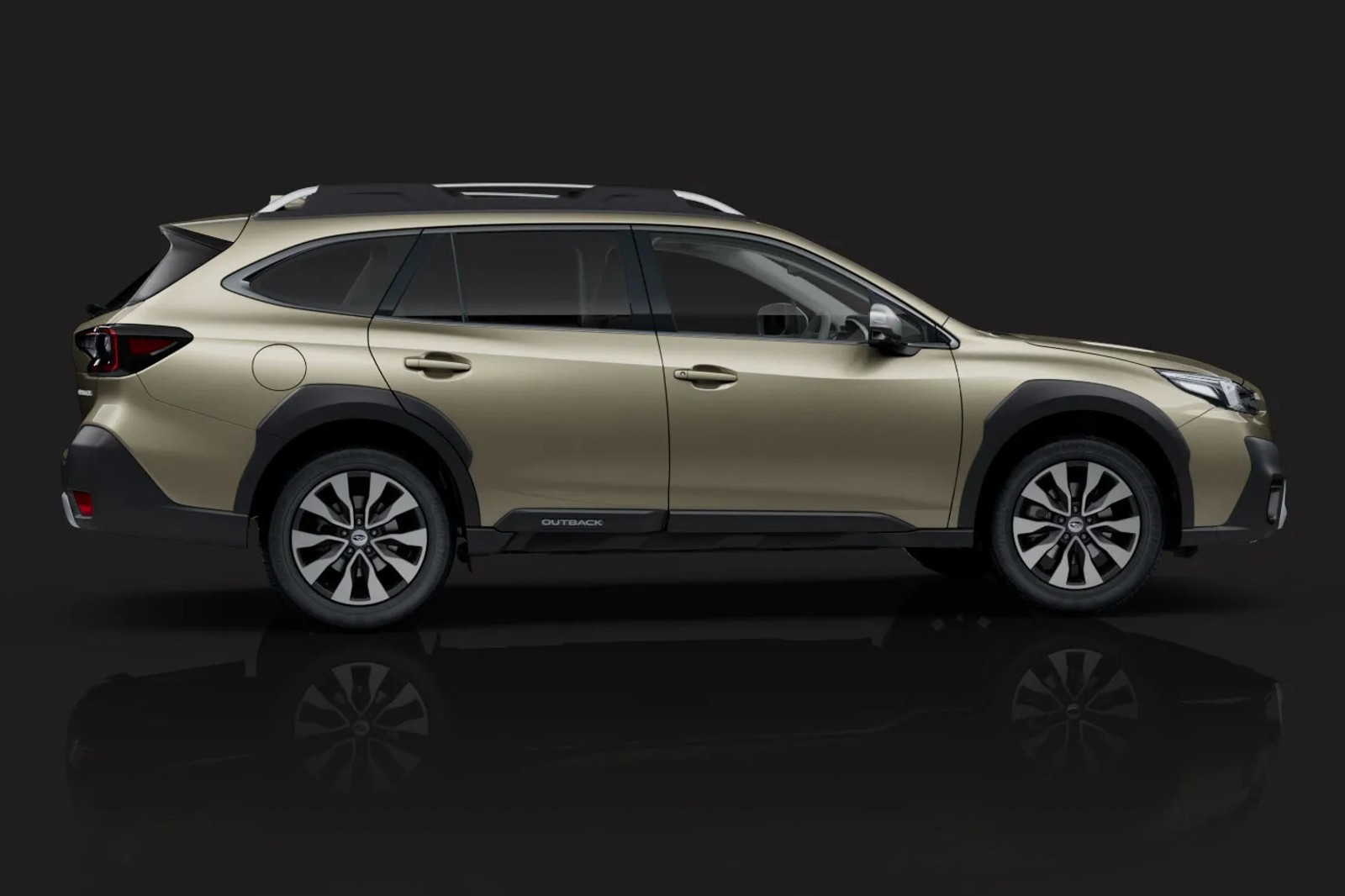
From the exterior, the Outback 2.5 iT EyeSight maintains Subaru's rugged family style, with overall lines that are boxy yet not clumsy. The front features a large hexagonal grille with a black honeycomb design inside, paired with angular LED headlights on both sides, offering high recognizability. A silver skid plate is added to the lower part of the front bumper, enhancing its crossover attributes. The side profile reveals a waistline running from the front fender to the rear end, complemented by 18-inch multi-spoke alloy wheels for a visually elongated effect; the 213mm minimum ground clearance is higher than that of most urban SUVs in its class, providing a notable advantage in passability. The rear design is simple, with horizontally arranged LED taillights that light up in a C-shaped pattern, while the rear bumper also features a silver skid plate and dual exhaust décor, maintaining a cohesive and unified style.
Once inside, the interior adopts a dark tone paired with silver trim accents, creating a composed atmosphere. The centerpiece of the dashboard is an 11.6-inch vertically oriented touchscreen with a clear user interface that supports Apple CarPlay and Android Auto connectivity, offering decent operation smoothness. Below, physical buttons for the air conditioning system are retained, making it convenient to operate while driving. In terms of materials, the top of the dashboard and the inner side of the door panels are wrapped in soft-touch materials, delivering a pleasant tactile experience; the seats are upholstered in genuine leather, with the front seats featuring 10-way power adjustment (for the driver) and 8-way power adjustment (for the passenger), providing adequate lumbar support and ensuring comfort during long journeys. For features, the fully digital instrument cluster displays comprehensive information, including real-time four-wheel-drive system status and fuel consumption data. Keyless entry, dual-zone automatic climate control, rear air vents, and a panoramic sunroof are all part of the practical configurations to meet daily usage needs.
In terms of space performance, the car measures 4870mm in length, 1875mm in width, and 1675mm in height, with a 2745mm wheelbase, placing it within the mainstream range of the D-Segment. The front row offers ample space, with a 175cm passenger having about one fist of headroom after adjusting the seat. The rear row provides around two fists of legroom and one fist of headroom, accommodating three passengers without feeling cramped. Regarding storage space, the front door panel storage slots can hold two bottles of mineral water, the center armrest box offers considerable capacity, and it is also equipped with a wireless charging pad. The trunk boasts a standard capacity of 522 liters, which can be expanded to approximately 1800 liters with the rear seats folded, easily accommodating strollers or camping gear, making it highly practical.
For powertrain, the Outback 2.5 iT EyeSight is equipped with a 2.5L naturally aspirated horizontally opposed four-cylinder engine that delivers a maximum power of 188PS and a maximum torque of 245Nm. It is paired with a CVT gearbox and a Symmetrical AWD full-time all-wheel-drive system. During daily driving, the power output is smooth and the start is light. On urban roads, the throttle response is prompt, and acceleration is linear. During mid-to-high-speed overtaking, stepping hard on the accelerator causes the transmission to simulate gear shifts, which results in slight delays in power output but is sufficient for basic needs. There are three driving modes: Economy, Normal, and Sport. In Sport mode, the throttle becomes more responsive, the engine speed is maintained above 2000rpm, and power delivery is more aggressive.
In terms of handling, the steering wheel offers moderate resistance, minimal play, and precise directionality; the front MacPherson + rear double-wishbone independent suspension is tuned for comfort, effectively filtering out minor road bumps. When traversing speed bumps or uneven roads, the suspension rebounds quickly without excessive oscillation. The Symmetrical AWD all-wheel-drive system performs excellently on slippery roads, offering great stability when driving in rainy weather. Even during fast cornering, there is no noticeable body roll. For light off-road conditions such as muddy or gravel roads, the AWD system distributes power in a timely manner, providing better passability than most two-wheel-drive SUVs.
Fuel consumption is within expectations. During our test drive of 50 km in urban traffic and 50 km on highways, the combined fuel consumption was about 8.2L/100km, slightly higher than the official figure of 7.3L/100km. However, considering the all-wheel-drive system and vehicle weight, this result is still acceptable. In terms of braking, the brake pedal travel is moderate, the brake force output is linear, and during emergency braking, the vehicle remains stable without significant nose-diving.
As for driving comfort, the sound insulation is quite good, with wind and tire noise well controlled during high-speed driving. The seats offer excellent support and cushioning, and the angle of the rear seats is adjustable, making long trips more comfortable. The EyeSight driver assistance system performs excellently, with ACC adaptive cruise control maintaining a safe distance from the vehicle ahead. The lane departure warning and automatic emergency braking systems are responsive and effectively reduce the risk of accidents.
In summary, the core strengths of the 2024 Subaru Outback 2.5 iT EyeSight lie in its all-terrain adaptability brought by the all-wheel-drive system, extensive safety features, and spacious practicality. Compared to the Toyota Venza in the same class, the Outback has higher ground clearance and better passability; compared to the Mazda CX-8, it is more affordable and better equipped. It is well-suited for families who need to balance city commuting with weekend outdoor adventures, especially those who frequently travel on rural roads or enjoy camping. If you value practicality, safety, and off-road capability, the Outback 2.5 iT EyeSight is a great choice.
Subaru Outback Loan Calculator
More Subaru Reviews
Cars With Similar Price And Features
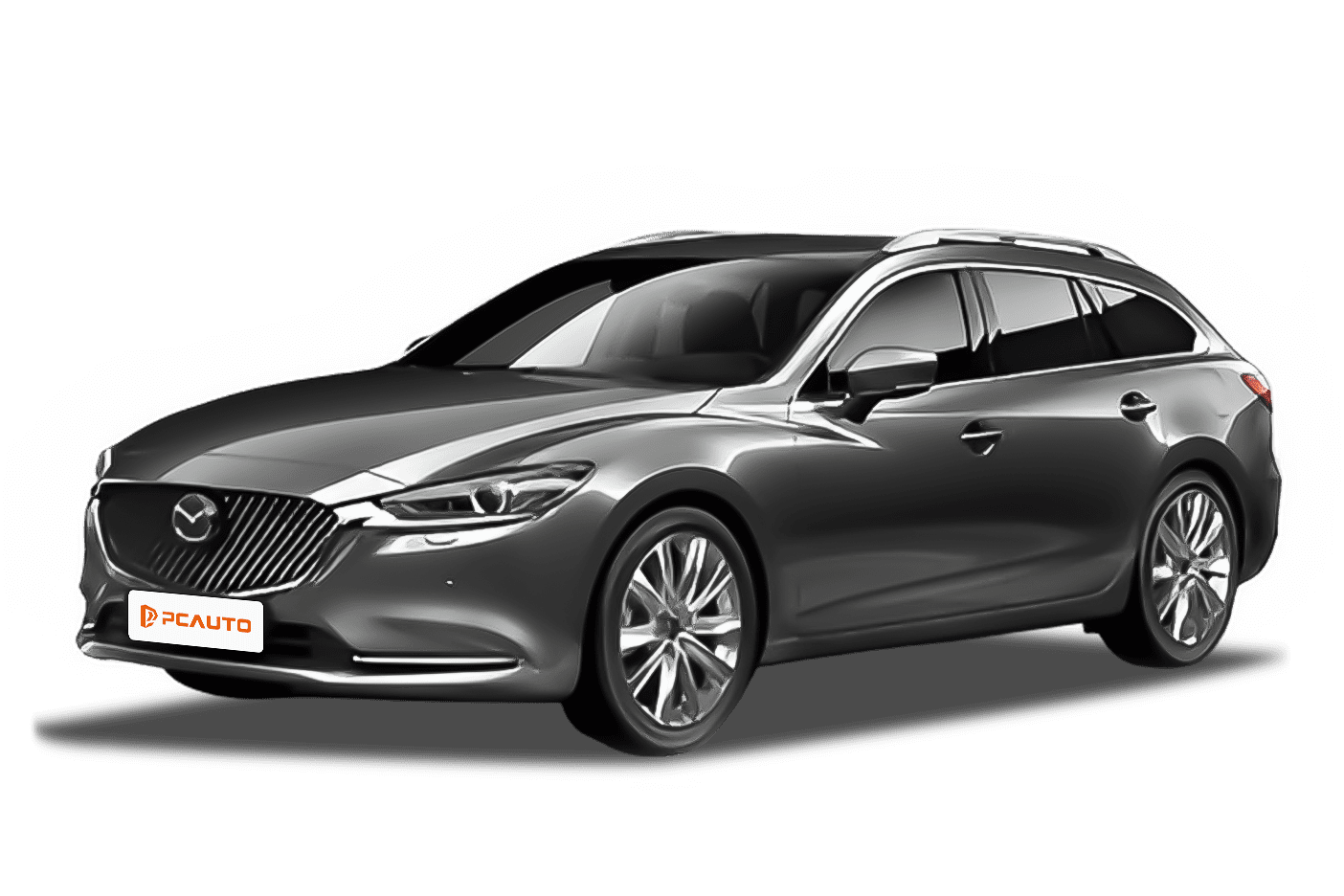
2019 Mazda 6 SkyActiv-G 2.5L Touring, with KODO design, premium interior quality, rich features, and smooth power delivery, balances practicality for family use and driving pleasure, making it a popular choice in the D-segment market that combines quality and handling.