Reference Only. Update Soon
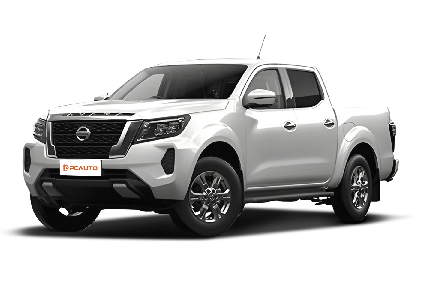
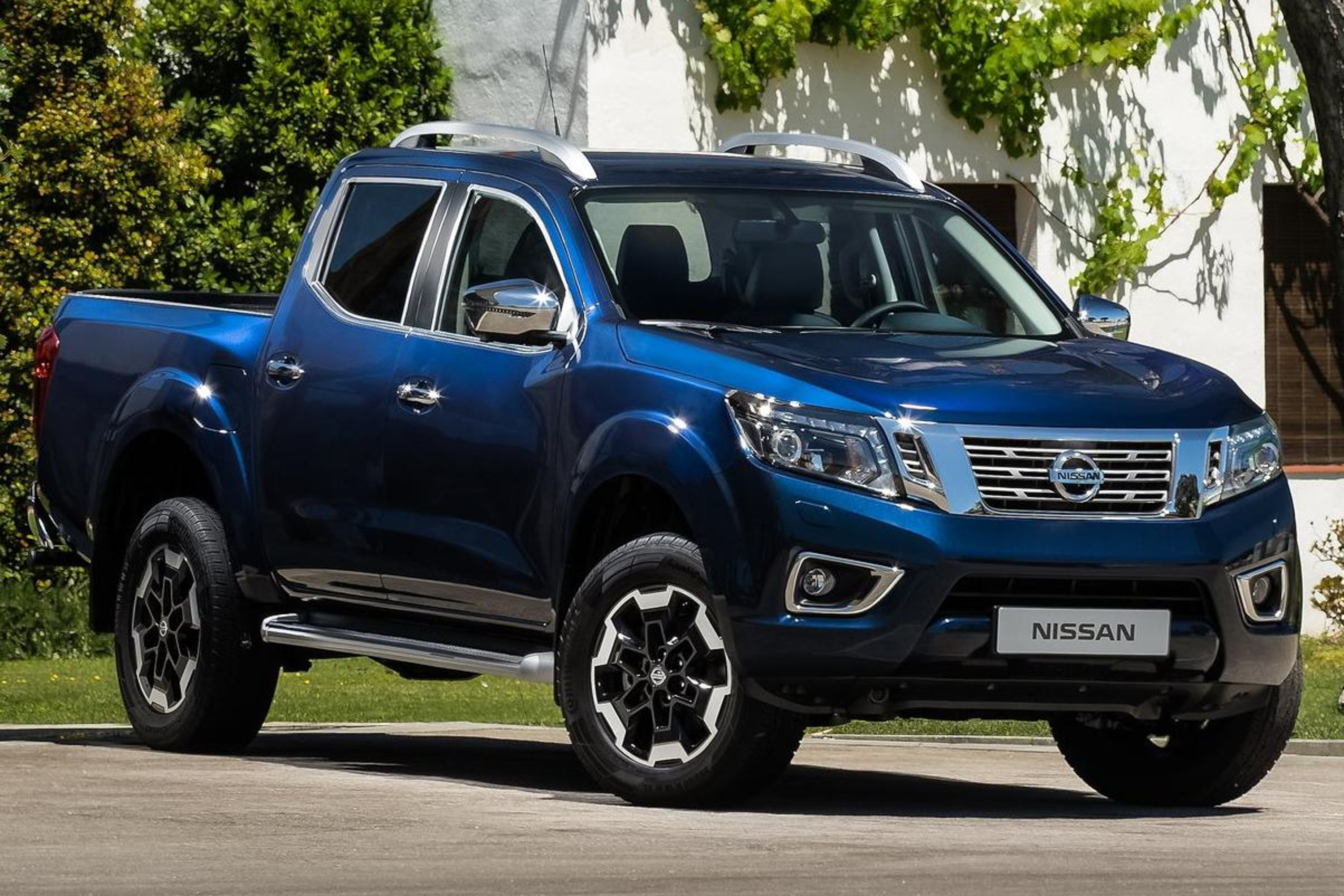
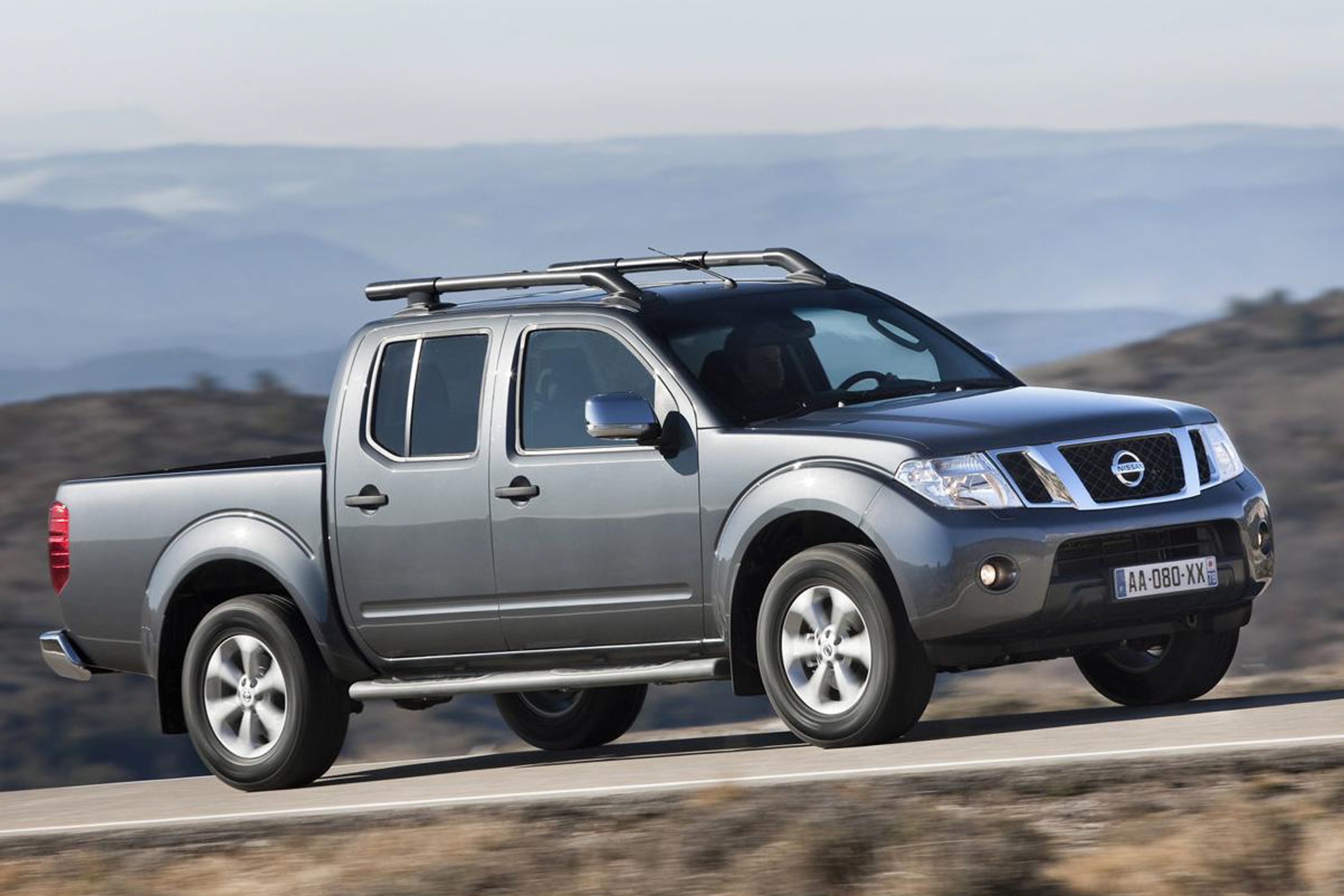
2023 Nissan Navara 2.5 V Black Edition
No.5 in Best PickupPrice
RM 137,900
Select a Vehicle Variant
GWM Cannon Upcoming Version TBC
Summary
Get the 2023 Nissan Navara 2.5 V Black Edition – a practical 4x4 Pickup since 2023. Starts at RM 137,900. Seats 5 comfortably in its spacious cabin (5260x1850x1860mm). Big enough for families, nimble enough for cities.
Zippy on highways with a -km/h max speed. The 2488cc engine is both strong and efficient. Want a no-fuss car that looks good? The 2023 Nissan Navara 2.5 V Black Edition packs value, modern design, and everyday performance together.
Zippy on highways with a -km/h max speed. The 2488cc engine is both strong and efficient. Want a no-fuss car that looks good? The 2023 Nissan Navara 2.5 V Black Edition packs value, modern design, and everyday performance together.
Core Specs

Segment
4x4

Engine Capacity(cc)
2488

Transmission
AT

Fuel Comsumption (L/100km)
-

Fuel Tank(litres)
-

Top Speed(km/h)
-

Seats
5

Length(mm)
5260

Width(mm)
1850

Height(mm)
1860

Wheelbase(mm)
3150

Boot Volume(L)
-
Related Q&A
View More >Q
What is the difference between Lexus UX NX and RX?
The Lexus UX, NX, and RX are the three main SUV models that Toyota's luxury brand Lexus is pushing in the Malaysian market, with the key differences lying in their positioning, size, and powertrain options. The UX is the compact one – the smallest in the lineup – perfect for zipping around the city. It comes in the UX 200 with a naturally aspirated engine and the UX 250h hybrid, targeting younger buyers and those who value fuel efficiency.
Moving up, the NX slots in as the mid-size SUV, sitting between the UX and RX in terms of dimensions. It offers the NX 250, NX 350h hybrid, and the NX 450h+ plug-in hybrid. The NX prioritizes practical space and a more loaded tech suite.
Then there's the RX, the flagship midsize-to-large SUV with the most commanding presence. It's available as the RX 350, RX 350h hybrid, and the sporty RX 500h performance hybrid. The RX really leans into luxury and ride comfort, making it a solid pick for families.
All three sport Lexus' latest family design language, but the RX takes the cake when it comes to interior materials and sound insulation. Malaysian buyers can pick based on their needs: the UX for singles or small families, the NX for a balance of space and versatility, and the RX for that extra roomy, premium experience.
Lexus has a strong after-sales network in Malaysia too. All models come with a 5-year unlimited mileage warranty, and hybrid models get an even better 10-year warranty on the battery, giving customers plenty of peace of mind.
 LivelyOct 17, 2025
Q
What is the Width of Perodua Aruz?
The body width of the Perodua Aruz is 1,730 millimeters, which is a moderately sized dimension among compact SUVs. It's well - suited for driving on the urban roads in Malaysia and for daily family use. As Perodua's first 7 - seat SUV, the Aruz takes both seating comfort and practicality into account in its space design. With its width combined with a vehicle length of 4,425 millimeters and a wheelbase of 2,750 millimeters, it can offer reasonable legroom and lateral movement space. It's worth noting that SUVs of this size are quite popular in the Malaysian market. They can handle narrow streets and also meet the needs of multi - person travel. The Aruz also features a high - rigidity body structure and an optimized chassis design, which enhance its driving stability. The 1,730 - millimeter width also helps to improve handling performance when cornering. For Malaysian consumers who value practicality, the Aruz strikes a good balance between space and flexibility. Coupled with Perodua's consistent economic advantage, it has become one of the popular choices for family cars.
 NomadicLifeJul 9, 2025
Q
Does the Kia Sportage 2024 have a blind spot camera?
The 2024 Kia Sportage does come with a blind-spot monitoring system on some high - end models. However, it's important to note that the original factory configuration usually features the Blind - Spot Collision Warning. It alerts the driver through the indicator lights on the rear - view mirrors, rather than directly providing a blind - spot camera function.
That said, special editions or optional packages in certain markets might be equipped with a 360 - degree surround - view camera system. In this case, you can view the real - time side images on the center console screen. This design is especially useful in Malaysia's hot, humid and rainy climate as it can reduce the unclear vision caused by rain on the rear - view mirrors.
For Malaysian consumers, it's advisable to carefully check the local specification sheet or consult the dealer before purchasing, as the configurations may vary from region to region.
Blind - spot assistance technology has become a standard feature in many new cars in recent years. Apart from traditional radar monitoring, companies like the Hyundai Motor Group have started to use camera - based blind - spot display systems. This kind of technology is likely to become more widespread in the future.
If you often change lanes in the congested traffic of Kuala Lumpur, these safety features can significantly reduce the risk of collisions and are definitely worth considering first.
 HelixTwistSep 16, 2025
Q
What country made Toyota Veloz?
The Toyota Veloz is a seven-seater MPV produced in Indonesia, standing as a key model in Toyota's Southeast Asian lineup, primarily targeted at markets like Indonesia and Malaysia. Built on Toyota's DNGA platform, it shares sibling ties with the Avanza but sports a more dynamic exterior design and trim levels tailored to the preferences of young families. In Malaysia, officially brought in by UMW Toyota Motor, the Veloz offers two engine choices: a 1.5L naturally aspirated unit and a 1.5L turbocharged powerplant, both paired with a D-CVT gearbox to strike a balance between fuel efficiency and performance. It's worth noting that Southeast Asia serves as a crucial manufacturing hub for Toyota, with factories in Indonesia and Thailand engineering vehicles specifically adapted to local conditions – think increased ground clearance to tackle rough roads and more robust air conditioning systems to combat the tropical heat. Thanks to its versatile seating configurations, Toyota Safety Sense suite, and competitive pricing, the Veloz has become a top pick among Malaysian families in the MPV segment.
 CherryBlossomBreezeOct 22, 2025
Q
How much horsepower does the 2021 Honda Civic LX have?
The 2021 Honda Civic LX comes with a 2.0-liter naturally aspirated four-cylinder engine that puts out 158 horsepower and 187 Nm of peak torque, paired with a CVT transmission. The power delivery is smooth and fuel economy is impressive, making it perfect for daily commuting. This engine features Honda's i-VTEC technology, which optimizes valve timing and lift at different RPMs to balance fuel efficiency at low speeds with power output at higher revs. As the entry-level trim, the Civic LX isn't the most powerful in terms of numbers, but Honda's typical tuning magic gives it a light, nimble driving feel that makes zipping through city traffic a breeze. Among its peers, the Civic stands out with its sportier suspension tuning and sharp steering precision, appealing to drivers who enjoy a bit of fun behind the wheel. It's worth noting that the CVT has been tweaked for quicker response—compared to traditional automatics, it sends power to the wheels more efficiently while keeping engine revs low to save gas. If you're craving more punch, the Civic Sport trims step things up with a 1.5-liter turbocharged engine that delivers noticeably stronger performance.
 WildernessExplorerSoulNov 12, 2025
Q
How fast is 20 hp in mph?
20 horsepower (hp) is a unit for measuring engine power, and there is no direct conversion formula between it and speed (mph), because speed is also affected by various factors such as vehicle weight, drag coefficient, transmission system efficiency, and tire specifications. For example, the power of a common 100cc motorcycle in Malaysia is about 10-15 hp, and its top speed is usually around 80-100 km/h, which converts to approximately 50-62 mph. If a vehicle has a power of 20 hp, assuming it is a light vehicle (such as a small commercial vehicle or a microcar), its top speed is roughly between 100-120 km/h, that is, about 62-75 mph under ideal conditions of flat road and no wind. However, in actual driving, if the vehicle is heavier or has higher wind resistance, the speed will decrease accordingly; conversely, if the vehicle is lighter, the speed may be slightly higher. In addition, different vehicle models have different power transmission efficiencies, so the actual speed under the same horsepower will also vary. Therefore, the speed of a vehicle cannot be directly determined only by the horsepower value.
 RubyRedFlamePassionDec 31, 2025
Q
Is idling at 500 RPM normal?
An idle speed of 500 RPM is normal under specific circumstances, but a comprehensive assessment should be made based on the engine type and vehicle condition. The normal idle range for diesel engines is typically 500 to 800 RPM, so if a vehicle equipped with a diesel engine maintains a stable 500 RPM after warming up, it falls within the acceptable range. The standard idle speed for gasoline engines is generally 700 to 900 RPM, though certain specially calibrated models may be designed to idle around 500 RPM. In such cases, no abnormality exists if the engine runs smoothly without vibration. Note that during cold starts, the idle speed temporarily increases to 1300-1500 RPM for rapid warm-up and should return to the preset value once normal operating temperature is reached. If a gasoline vehicle consistently idles at 500 RPM after warming up while exhibiting vibration or stalling, potential issues may include throttle body carbon buildup, intake system leaks, or sensor malfunctions. It is advisable to use professional diagnostic tools to analyze data streams and inspect components such as oxygen sensors and mass air flow sensors. During routine operation, idle speed health can be monitored by observing tachometer stability and engine acoustics. Any irregularities should be promptly addressed to prevent incomplete combustion resulting from prolonged low-RPM operation.
 SkySlasherJan 14, 2026
Q
Can you paint over an already painted car?
Overspray can be applied directly to a painted car body, but strict adherence to professional procedures is required to ensure optimal results and durability. For paint repairs on body panels (such as doors, hoods, etc.), the original paint thickness must first be measured using a paint thickness gauge, and details like orange peel texture should be examined to determine if sanding is necessary. The professional painting process involves surface cleaning, filling damaged areas with body filler, primer application (to enhance rust protection and adhesion), topcoat application (solid, metallic, or pearlescent paint), and clear coat application, followed by curing in a dust-free baking booth. DIY spraying often results in color mismatch, runs, or poor adhesion due to lack of expertise. It is recommended to select a repair facility with professional equipment, as their two-component paint systems and precise color-matching technology can best replicate the original factory finish. Note that paint repair quality directly impacts vehicle resale value. While non-structural damage doesn't qualify a vehicle as "accident-damaged," improper painting may cause oxidation or peeling issues.
 SkaterRinkFeb 10, 2026
Q
How long do foam mats last?
The service life of foam car floor mats typically ranges from 6 months to 3 years, depending on material quality, frequency of use, and environmental conditions. Regular foam mats are recommended to be replaced every 6-12 months, while high-density or composite material products may last 2-3 years. In daily use, it is necessary to check for surface cracks, deformation, or loss of elasticity, as these signs indicate the need for replacement. For vehicles frequently used in dusty and humid environments, or for car owners who often transport pets, the replacement cycle should be shortened to 6-12 months. Regular cleaning can extend the service life, but even if they appear intact, the anti-slip and shock-absorbing properties of foam mats older than 3 years will significantly deteriorate. From a safety perspective, when the mats show obvious wear or cannot be securely fastened, they should be replaced immediately to avoid safety hazards caused by displacement during driving. When selecting floor mats, it is advisable to prioritize products with anti-slip base patterns and eco-certifications, as such products generally offer longer service life and better user experience.
 DaisyMeadowFeb 14, 2026
Q
Are all car blinkers the same?
Car turn signals are not identical; their design, function, and configuration vary due to differences in vehicle models, technical standards, and brands. In terms of basic functions, all turn signals are used to indicate the intention to turn or change lanes, using yellow light sources to ensure high visibility, and their flashing frequency generally follows the national standard of 60 to 80 flashes per minute. However, there are differences in specific implementation methods: traditional models mostly use xenon tubes, while modern models such as some luxury cars or new energy vehicles have popularized LED turn signals, which offer advantages of higher brightness, longer lifespan, and energy efficiency. In terms of operation logic, most vehicles are controlled via the lever on the left side of the steering wheel following the "up for right, down for left" rule, but some brands (such as certain Japanese cars) may use the opposite design, and high-end models even feature sequential turn signals or automatic steering functions. Additionally, the base types of turn signals (such as P21W, PY21W) and installation positions (beside headlights, rear of the vehicle, side mirrors, etc.) also vary depending on the vehicle's positioning. Drivers should note that if the turn signal flashes abnormally fast, it may indicate a bulb failure, requiring prompt inspection and repair to ensure driving safety. Proper use of turn signals not only reduces accident risks but also constitutes a fundamental requirement for traffic regulation compliance.
 WipMar 20, 2026
Popular Cars
Model Year
Car Compare
Car Photo
Model List
GWM Cannon is a Light Duty Pickup car launched by GWM. PCauto has cataloged various variants of this car produced from - to -.You can compare differences in detail at the parameter table.
Among the 0 variants of GWM Cannon, prices range from the affordable TBC to the most expensive TBC.You can find different horsepower versions ranging from - to -.
GWM Cannon offers - engines and - transmission. Check the spec sheet for more details.
0 Model on Sale
2021