Reference Only. Update Soon
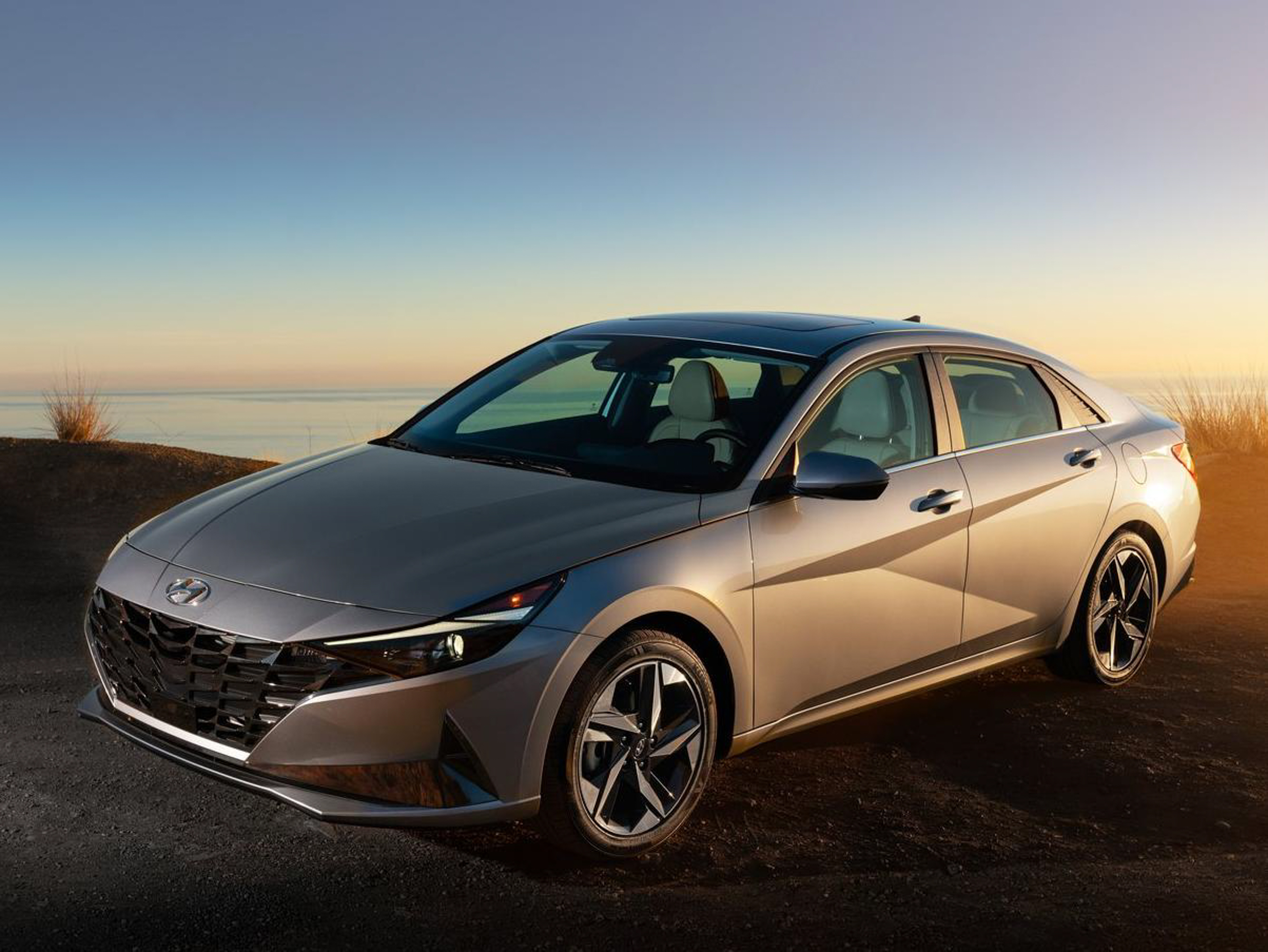
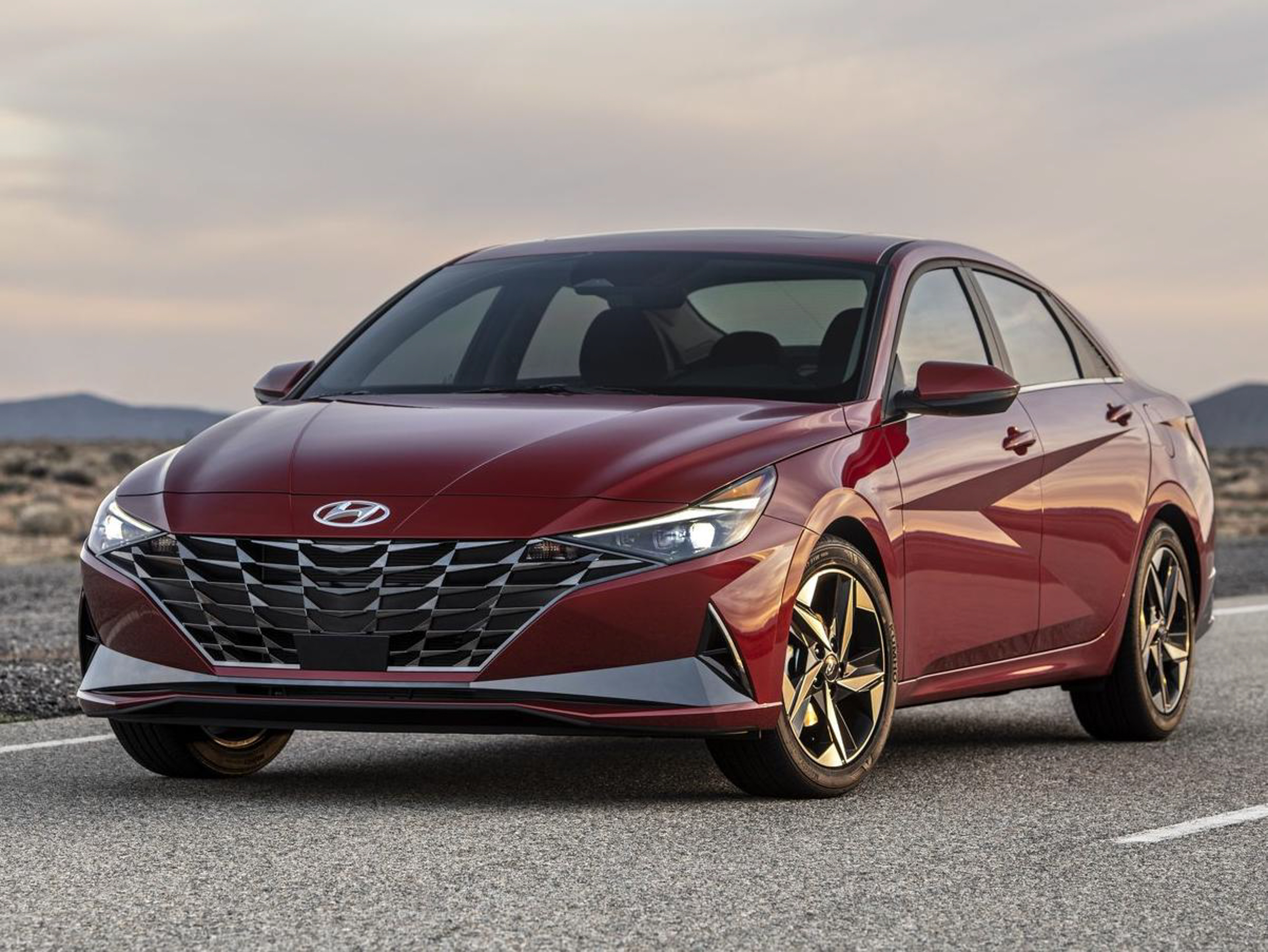
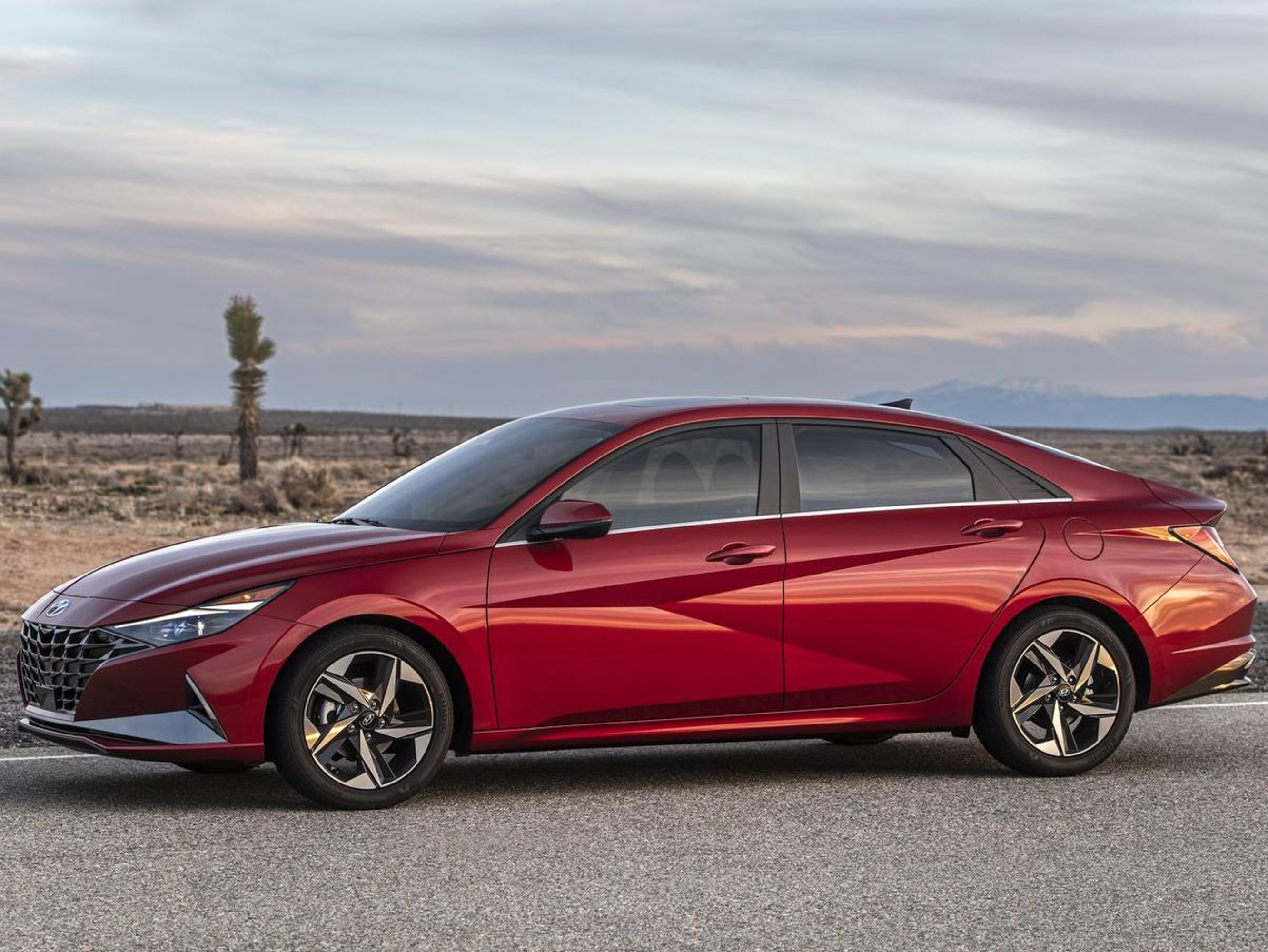
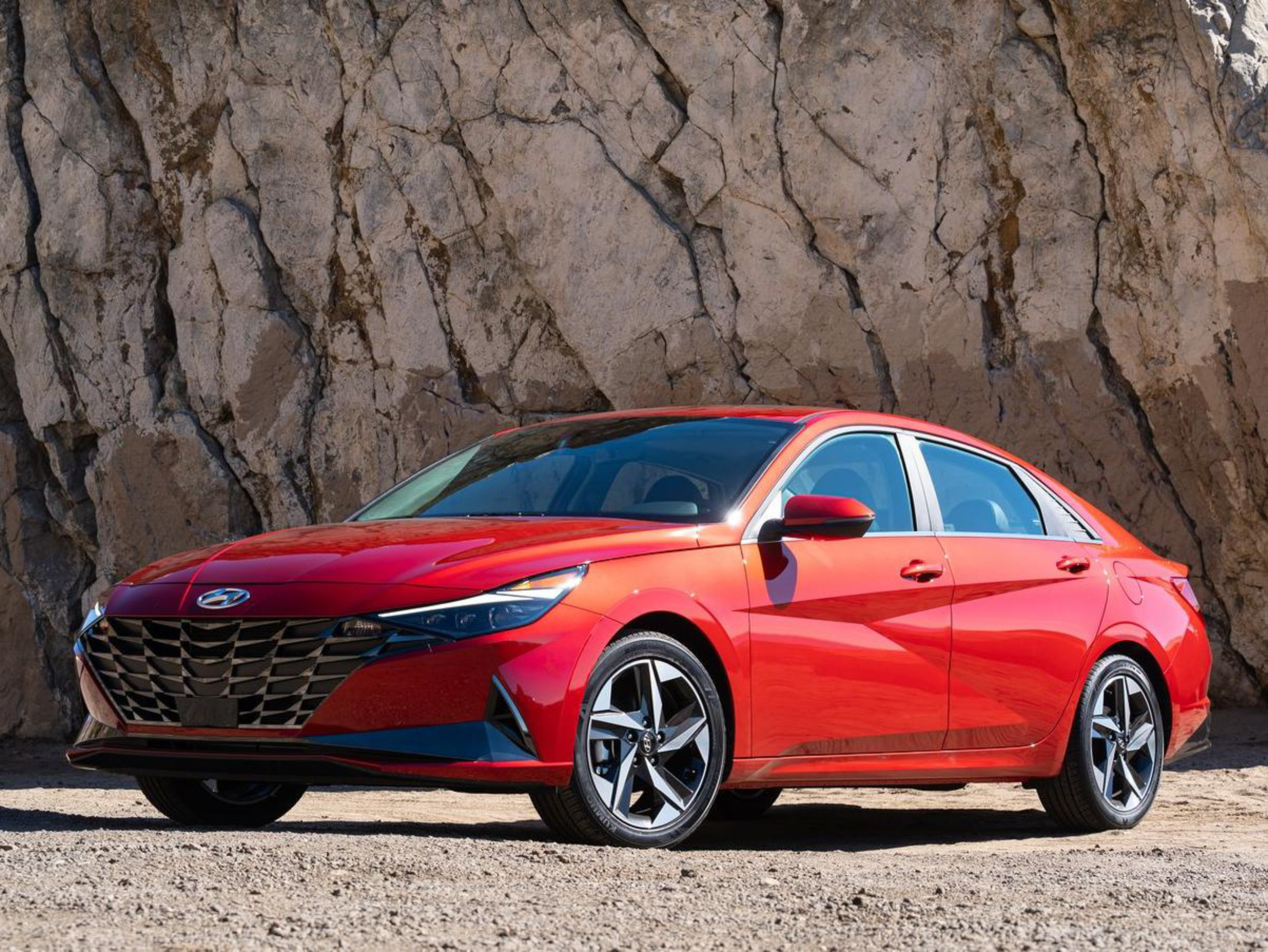
2021 Hyundai Elantra Premium
Price
RM 158,888
Select a Vehicle Variant
2024 Hyundai Elantra public TBC
Summary
Meet the 2021 Hyundai Elantra Premium – a C-Segment Sedan launched in 2021. Starting at RM 158,888, it seats 5 people comfortably. Its size (4675mm long, 1825mm wide, 1430mm tall) means plenty of room inside. Great for families needing space that's still easy to drive in town.
It handles highways easily with a top speed of 195km/h. The 1598cc engine gives good power and fuel economy. Whether it’s daily drives or weekend trips, this car offers great value, modern looks, and solid performance all in one package.
It handles highways easily with a top speed of 195km/h. The 1598cc engine gives good power and fuel economy. Whether it’s daily drives or weekend trips, this car offers great value, modern looks, and solid performance all in one package.
Core Specs

Segment
C-Segment

Engine Capacity(cc)
1598

Transmission
CVT

Fuel Comsumption (L/100km)
5.4

Fuel Tank(litres)
47

Top Speed(km/h)
195

Seats
5

Length(mm)
4675

Width(mm)
1825

Height(mm)
1430

Wheelbase(mm)
2720

Boot Volume(L)
474
Hyundai Elantra Dealers
Related Q&A
View More >Q
How many miles will a 2018 Elantra last?
The 2018 Elantra can typically hit 200,000 to 300,000 kilometers with regular maintenance and sensible driving. The actual mileage depends on day-to-day upkeep, driving habits, and road conditions. Hyundai's engine and transmission tech is pretty solid these days—stick to regular oil changes, filter replacements, brake fluid flushes, and keep an eye on the chassis and suspension, and you'll see its durability really shine. It's worth noting that the 1.6L and 2.0L naturally aspirated engines are known for being reliable workhorses, while the turbo versions need a bit more attention to the cooling system and fuel quality. Also, checking tire wear and wheel alignment regularly helps extend the car's life too. If you're mostly driving in stop-and-go city traffic, consider shortening your maintenance intervals—all that starting and stopping can wear on the engine more. Long-term, the stability of the electronic systems matters too, especially sensor and wiring aging. A regular computer diagnostic check is a good idea there. All in all, as an economy car, the Elantra holds up well in its class. With proper care, it'll easily handle daily family driving needs.
 NomadNov 20, 2025
Q
How fast does a 2018 Hyundai Elantra go?
The top speed of the 2018 Hyundai Elantra varies by specific configuration. The version with the 2.0-liter naturally aspirated engine has a top speed of around 195 km/h, while the 1.6-liter turbocharged variant can exceed 210 km/h. Actual performance is also affected by factors like road conditions and vehicle load. This car is a popular family sedan locally, with power tuning focused on the smoothness and fuel efficiency needed for daily driving. While its top speed isn't the highest in its class, the 6-speed automatic transmission responds well and the chassis offers balanced stability. It's important to note that the legal speed limit on Malaysian highways is 110 km/h, so it's advisable to follow traffic regulations when driving—speeding is not only dangerous but can also result in heavy fines. If you have higher performance needs, you might want to check out Hyundai's N series models, which are specially tuned for better power delivery. Of course, for daily use, the Elantra's 1.6T version already provides a decent acceleration experience, going from 0-100 km/h in about 7.5 seconds.
 SailorNov 20, 2025
Q
How long does a 2018 Hyundai Elantra battery last?
The battery life of a 2018 Hyundai Elantra typically ranges from 2 to 5 years, depending on usage habits and environmental factors. Things like frequent short trips, hot climates, or leaving it sitting for long periods can shorten its lifespan, while regular maintenance and avoiding deep discharges help extend it. It's a good idea to check the battery's health around every 3 years. If you're having trouble starting the car, notice dim headlights, or your electronics are acting slow, it might be time for a replacement.
Choosing the right battery type matters too. Regular lead-acid batteries are cheaper but don't last as long, while AGM or EFB batteries, though more expensive, work better with start-stop systems and are more durable. Daily habits like cutting down on using electrical devices after turning off the engine and cleaning corrosion off the battery terminals can also help prolong its life. When replacing the battery, stick with one that matches the original specifications and have a professional install it to ensure compatibility and safety.
 WandererNov 20, 2025
Q
What is the most common problem with the 2018 Hyundai Sonata?
The most common issues with the 2018 Hyundai Sonata are engine-related problems, especially the 2.4L Theta II GDI engine which may experience excessive oil consumption or engine knocking. Some owners report needing to add oil after driving a certain mileage, and in severe cases, this could lead to engine damage. It's advisable to regularly check oil levels and perform timely maintenance. Additionally, some vehicles might have transmission shifting jerkiness, particularly at low speeds. This is usually related to software calibration or transmission fluid condition—upgrading the TCU program or changing the transmission fluid may improve the issue. For the body electronics, the infotainment screen occasionally freezes or goes black; restarting the system or updating the software typically resolves this. The Sonata's suspension system may develop rattles after long-term use, so checking for worn bushings or shock absorbers is key. For owners, following the official maintenance schedule and using genuine parts can effectively extend the vehicle's lifespan. If any abnormalities are noticed, it's best to get it inspected at an authorized service center promptly. Hyundai's warranty policy usually covers such issues, especially for low-mileage vehicles. Regularly checking tire wear and wheel alignment also helps improve driving stability. This car performs well in fuel economy and comfort within its class, and proper maintenance will keep it in good condition.
 HunterNov 20, 2025
Q
What is the warranty on the 2018 Elantra transmission?
The 2018 Hyundai Elantra typically comes with a transmission warranty of 5 years or 100,000 kilometers, whichever comes first. This is the brand's standard warranty coverage for the powertrain system, including manufacturing defects or functional failures of the transmission. It's important to note that the warranty does not cover damage caused by improper operation, failure to maintain according to the manual, or external factors such as accidents or modifications. Therefore, it's crucial to regularly change the transmission fluid at authorized service centers and keep complete records. If the vehicle has been part of a used car transaction, it's advisable to check the warranty transfer status through the original manufacturer's system to ensure your rights. For owners, Hyundai's transmission technology is relatively mature. In daily driving, avoid prolonged aggressive driving or frequent rapid acceleration, as this can effectively extend the transmission's lifespan. If you experience gear shifting judders, abnormal noises, or warning lights, have it inspected promptly to prevent minor issues from escalating—repair costs outside the warranty period can be quite high. Additionally, some dealerships offer extended warranty services, which can be considered as an extra option when purchasing the car.
 PonNov 20, 2025
Q
How long do 2018 Elantras last?
The 2018 Hyundai Elantra can typically hit 200,000 to 300,000 kilometers with regular maintenance and normal use. Its lifespan really depends on driving habits, how often you service it, and local climate. The 1.6L and 2.0L naturally aspirated engines under the hood are solid, proven units—keep up with oil changes, transmission fluid swaps, and timing belt replacements, and the powertrain should hold up reliably for years. The body's rust protection is decent too; just keep the undercarriage clean if you're in a humid area to avoid premature corrosion. One thing to watch, though: the suspension and electronics tend to need more attention as the miles stack up. I'd recommend checking the shocks and ball joints every 50,000 km, and keep the infotainment system updated to keep everything running smoothly. Among its peers, a well-maintained Elantra holds its own in durability, and clean 2018 models still have good resale value on the used market. If you're planning to keep it long-term, hang onto those service records and stick with OEM parts for repairs when possible.
TravelNov 20, 2025Q
What kind of transmission is in a 2018 Hyundai Elantra?
The 2018 Hyundai Elantra offers two transmission options depending on trim level: a 6-speed manual and a 6-speed automatic. The automatic uses a traditional torque converter design, prioritizing smoothness and reliability—perfect for daily city driving. It even has a manual shift mode, letting you take control via the gear lever or steering wheel paddles for a more engaging drive. On the other hand, the manual transmission variant focuses more on driving fun and fuel efficiency. Hyundai's transmission tech is tuned to work seamlessly with the Gamma 1.6L MPI engine, striking a good balance between responsive power delivery and fuel economy. For maintenance, it's best to stick to the manufacturer's recommendation of changing the transmission fluid every 40,000 kilometers. In its class, this transmission setup is pretty standard. Compared to CVTs, it can handle more torque, and versus dual-clutch units, it offers better low-speed smoothness. Ultimately, buyers should pick the version that fits their driving style, and with regular maintenance, it'll stay running strong for the long haul.
 DancerNov 20, 2025
Q
What kind of engine is in the 2018 Elantra?
The 2018 Elantra offers two gasoline engine options: the 1.6-liter Gamma MPI naturally aspirated engine and the 1.6-liter Gamma T-GDI turbocharged engine. The former puts out 123 horsepower, mated to a 6-speed manual or automatic transmission, perfect for daily commuting. The latter cranks up the power to a more robust 201 horsepower, paired with a 7-speed dual-clutch transmission for a sportier driving feel. Both engines feature Hyundai's advanced gasoline direct injection technology and lightweight design, striking a solid balance between fuel efficiency and performance. It's worth noting that the Gamma engine series is known for its reliability and low maintenance costs—routine upkeep basically just involves regular oil and filter changes. For practicality-focused buyers, the naturally aspirated version handles city driving just fine, while those after more driving fun should lean towards the turbocharged model. Both deliver above-average fuel economy for the class.
 GamerNov 20, 2025
Q
What are the common problems with the 2018 Elantra?
The 2018 Elantra's common issues mainly center around transmission jerkiness, especially rough shifting at low speeds. Some owners report minor rattling noises with the dual-clutch version, which can usually be improved through software updates or transmission fluid replacement. On the engine front, the 1.6L Gamma unit might occasionally trigger the check engine light, mostly related to the oxygen sensor or ignition coils – regular maintenance helps lower the chances. Electronics-wise, the infotainment screen could lag or have spotty Bluetooth connectivity, a common quirk with that era's system. Body-wise, watch the sunroof drains – they're pretty narrow, so cleaning them regularly during rainy seasons prevents clogging. After long-term use, the rear torsion beam bushings in the suspension might wear out, causing creaking sounds over speed bumps. The cabin air filter is located behind the glove box, making DIY replacements a bit of a hassle. On the upside, the Elantra delivers solid fuel economy – the 1.6L model averages around 7-8L/100km in the city – though using 95-octane gasoline is recommended for optimal performance. Regularly replacing the timing chain and cleaning the throttle body effectively extends engine life. The factory 5-year warranty covers most major components too, so it's best to contact an authorized service center first when issues pop up.
HealerNov 20, 2025Q
Does the 2018 Hyundai Elantra have a timing belt or chain?
The 2018 Hyundai Elantra comes with a timing chain instead of a timing belt. This design offers better durability and lower maintenance costs—unlike a timing belt, it usually doesn’t need regular replacement and can typically last the entire lifespan of the engine under normal conditions. However, it’s still necessary to periodically check the wear on the chain tensioner and guides. Timing chains are better suited for the high-revving, high-temperature operating environments of modern engines compared to belts. They might be a bit noisier but are more reliable, and many brands have been leaning toward chain designs in recent years. It’s worth noting that while chains have a long lifespan, insufficient lubrication from delayed oil changes can still cause them to wear or stretch, so sticking to regular maintenance schedules is crucial. The Elantra’s powertrain has a large local presence, ensuring ample supply of repair parts and overall good maintenance accessibility. For budget-conscious buyers who value practicality, this low-maintenance design saves a significant amount on upkeep costs—something that’s also a common technical approach among Japanese and Korean models in the same class.
DesignNov 20, 2025Popular Cars
Model Year
Car Compare
Car Photo
Model List
Hyundai Elantra is a C-Segment Sedan car launched by Hyundai. PCauto has cataloged various variants of this car produced from 2004 to 2024.You can compare differences in detail at the parameter table.
Among the 2 variants of Hyundai Elantra, prices range from the affordable RM 139,888 to the most expensive RM 158,888.You can find different horsepower versions ranging from 123PS to 123PS.
Hyundai Elantra offers 1.6L engines and CVT transmission. Check the spec sheet for more details.
0 Model on Sale
2024
2021
2019
2018
2017
2007
2004