Reference Only. Update Soon
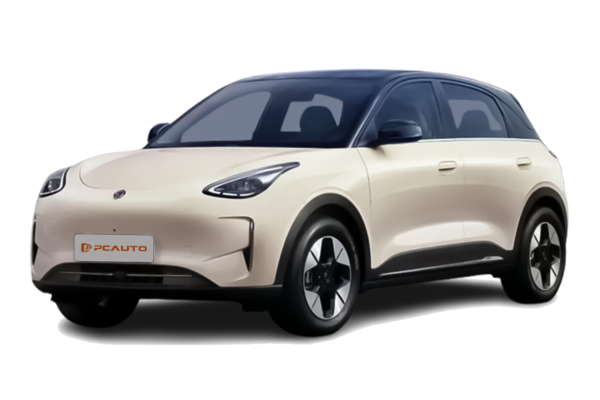
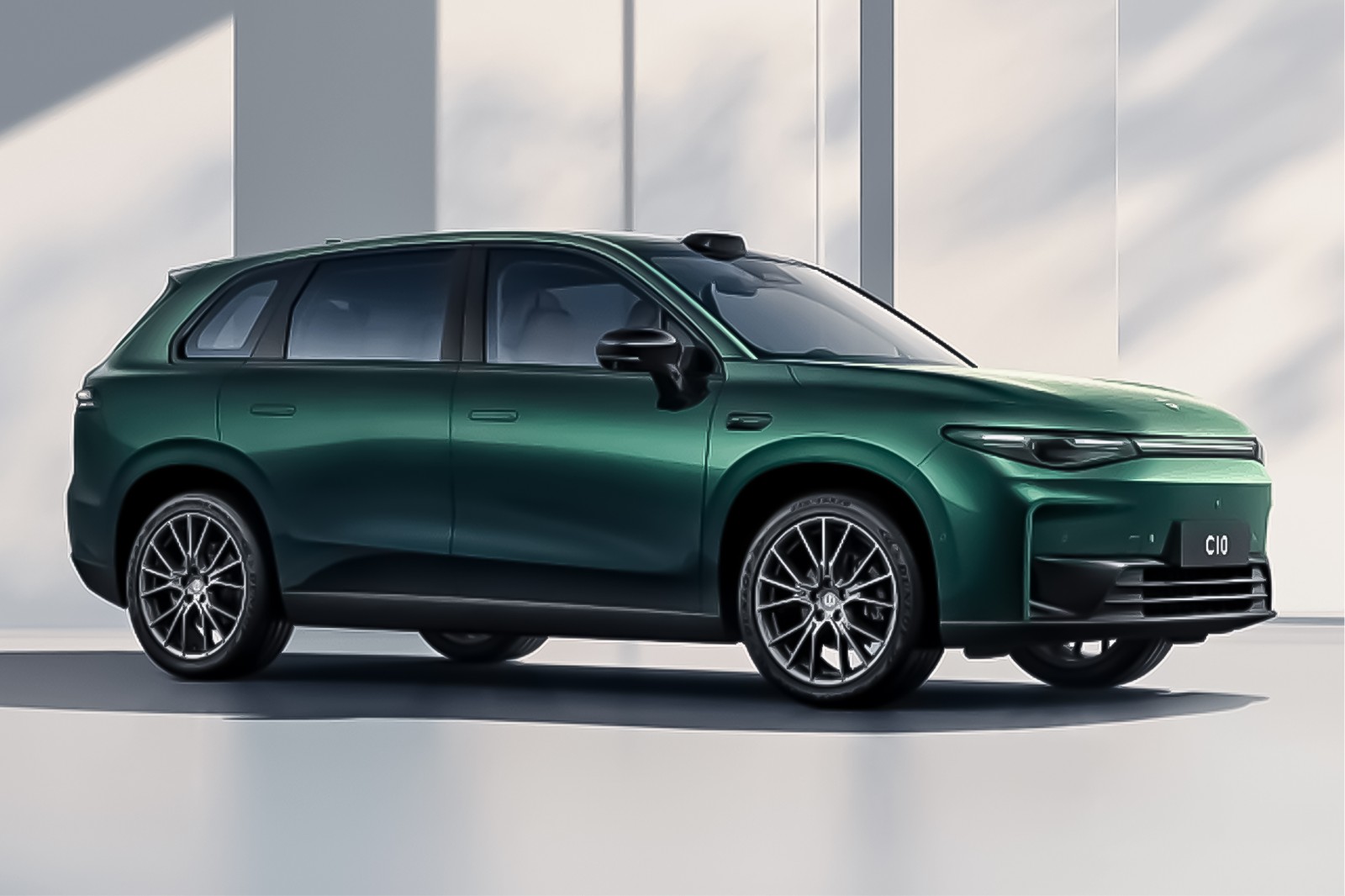
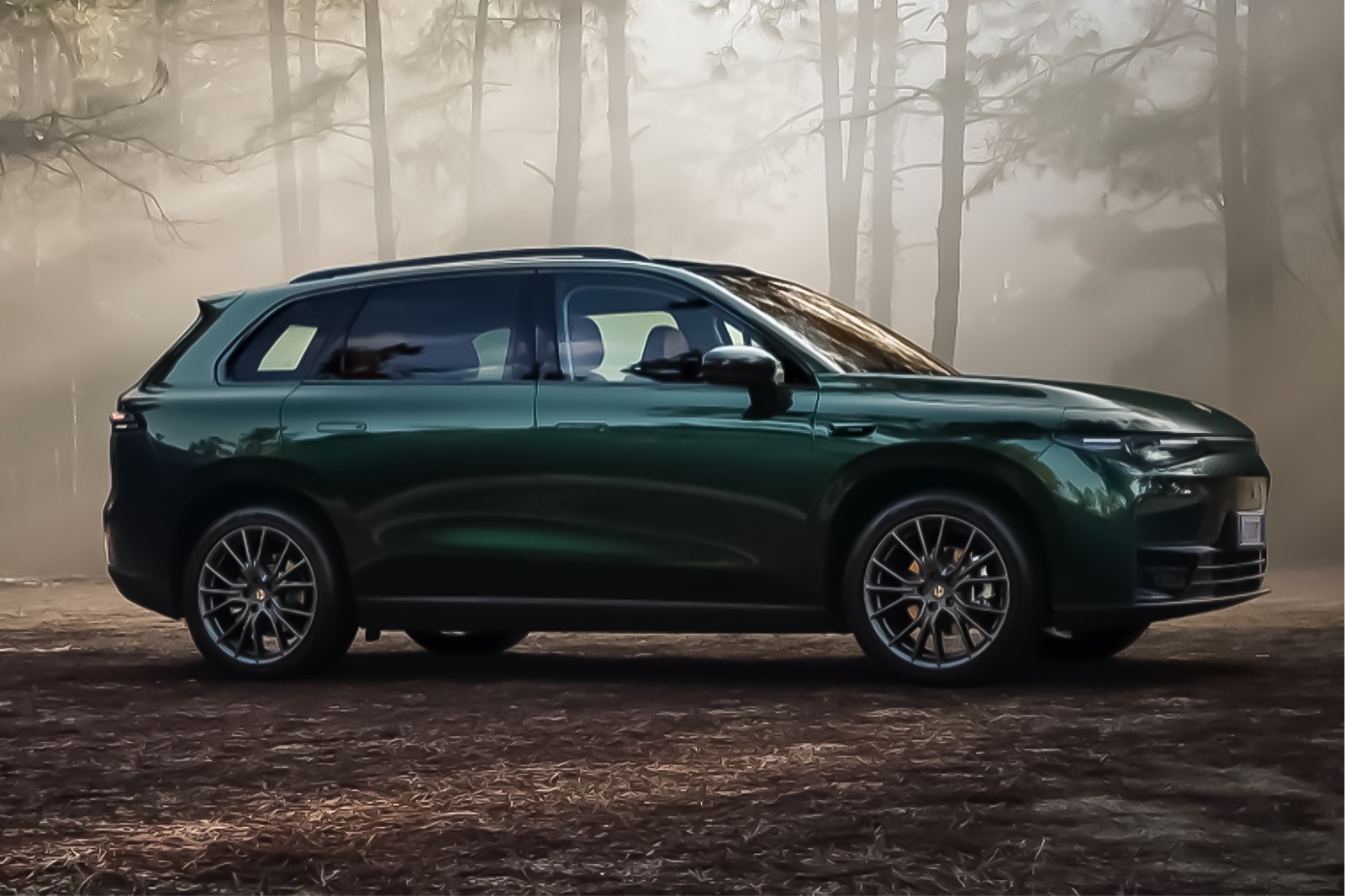
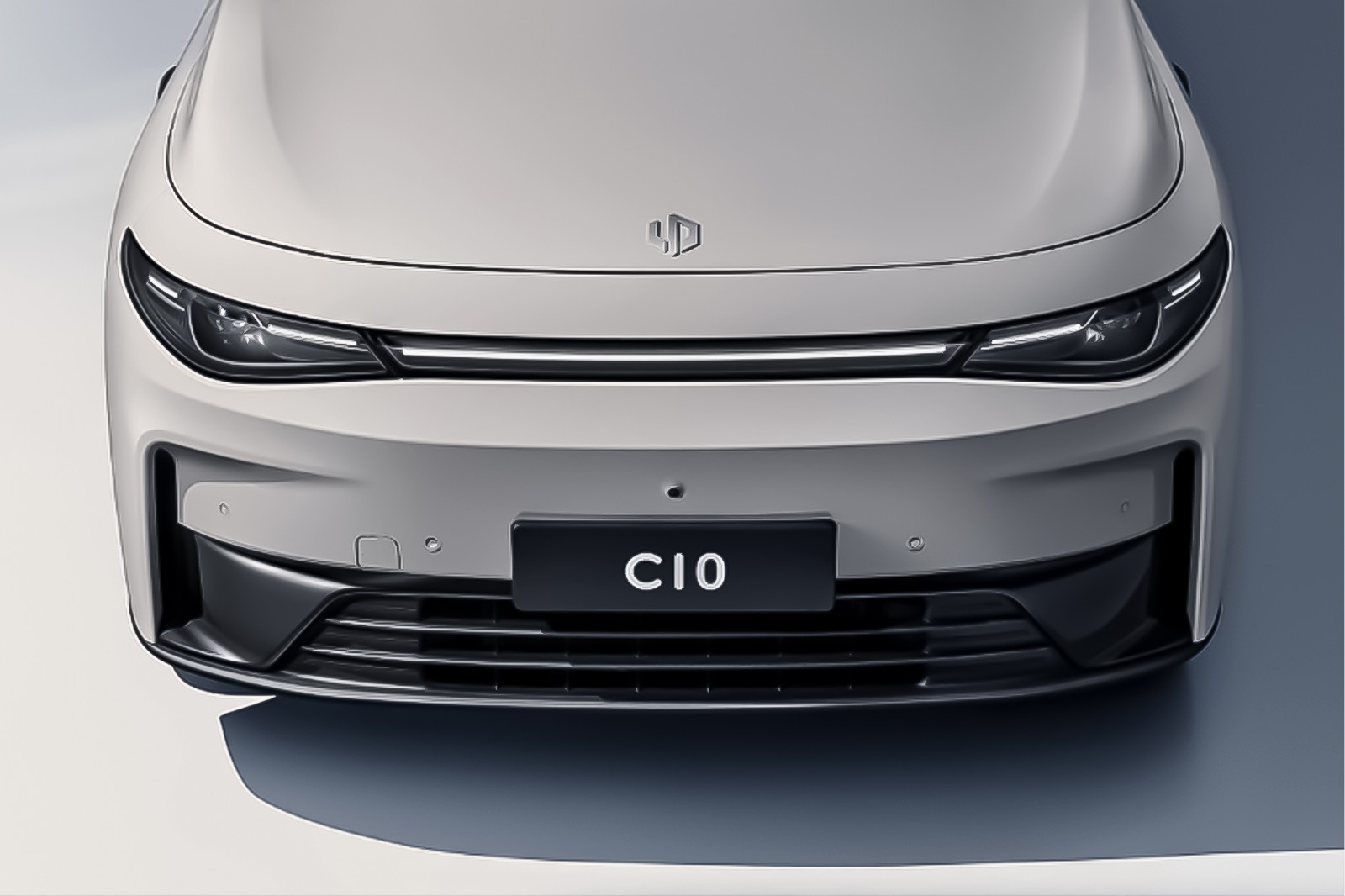
2024 Leapmotor C10 EV
No.38 in Best SUVPrice
RM 159,000
Select a Vehicle Variant
2025 Leapmotor C10 Plus RM 139,000
Summary
Looking at the 2024 Leapmotor C10 EV? This D-Segment SUV debuted in 2024-10-16 with pricing from RM 159,000. There’s space for 5 passengers inside (4739mm long cabin), and it hits 7.5 km/h(s) smoothly. The 424 km range means fewer charging stops – ideal for busy lives.
Under the floor sits a 69.9 kWh Lithium iron phosphate battery pack. Fast charging takes 0.5 hours for a quick boost, while a full home charge needs 6.1 hours. No fancy jargon here – just an easy-to-live-with EV that’s ready for work or weekend adventures.
Under the floor sits a 69.9 kWh Lithium iron phosphate battery pack. Fast charging takes 0.5 hours for a quick boost, while a full home charge needs 6.1 hours. No fancy jargon here – just an easy-to-live-with EV that’s ready for work or weekend adventures.
Core Specs

Segment
D-Segment

EV Range(km)
424

Battery Type
Lithium iron phosphate battery

100 Kilometers(kWh)
7.5

Motor Arrangement
Rear

Battery Capacity(kWh)
69.9

Seats
5

Length(mm)
4739

Width(mm)
1900

Height(mm)
1680

Wheelbase(mm)
2825

Boot Volume(L)
435
Other Variants

Price
RM 159,000
Body
4739×1900×1680
Motor Output(PS)
218
Motor Output(kW)
160
Battery Capacity
69.9
EV Range
424
Power Consumption
eight-year/160,000 km Battery warranty
Related Q&A
View More >Q
toyota crown malaysia price 2023
The 2023 Toyota Crown available in the Malaysian market is a fully imported (CBU) model positioned as Toyota's premium sedan offering. Based on available information, its official guide price starts from approximately RM369,000 for the 2.5L hybrid variant and can go up to around RM429,000 for the top-tier 2.4T hybrid version, with the final cost varying by specific trim, dealer promotions, and optional features.
This model offers different powertrain options. The widely available option is a 2.5-liter hybrid system focused on efficiency, while a more powerful 2.4-liter turbocharged hybrid powertrain is typically reserved for the highest-grade Platinum trim. This provides a balance between fuel economy and performance. A significant standard feature across the range is Toyota's latest T-Mate intelligent driver assistance system, enhancing active safety.
For consumers in Malaysia, the Crown's market positioning sits between the Toyota Camry and the Lexus ES, making it a suitable choice for those seeking a comfortable ride equipped with advanced technology.
It is important to note that as a Completely Built-Up (CBU) import, the Crown is subject to Malaysia's import duties, which results in a higher price point compared to locally assembled (CKD) vehicles in the same segment. However, this also ensures authentic factory build quality. An additional advantage is Toyota's extensive after-sales service network across Malaysia, which helps make maintenance and repairs relatively convenient.
For buyers particularly interested in hybrid technology, the Crown's hybrid variants are commendable for their ability to significantly reduce fuel consumption in city driving conditions, a valuable benefit for drivers frequently navigating Malaysia's congested urban traffic.
 WilSep 28, 2025
Q
How to open the fuel tank cover of Suzuki jimny?
To open the Suzuki Jimny's fuel tank cap, first make sure the vehicle is unlocked. Then, look for a lever marked with a fuel pump symbol – it's usually located below the driver's seat on the left side or near the door. Give it a gentle pull, and that should release the fuel cap. If you've got a newer Jimny model, it might have a push-to-open design; just press the outer edge of the fuel cap, and it'll pop right open.
One thing to note: some Malaysian-market Jimnys might have an extra locking clasp on the fuel cap. In that case, you'll need to unlock it with your key first before opening. Knowing how to do this properly matters – it's not just about making refueling easier, but also preventing damage to the cap from incorrect handling.
With Malaysia's hot climate, it's a good idea to regularly check the fuel cap's seal to stop petrol from evaporating or dirt getting into the tank. Also, there might be slight differences in fuel cap designs across different Jimny model years. If you're ever unsure, just refer to your owner's manual or swing by an authorized Suzuki Malaysia dealership for the right info. Taking care of the fuel cap properly will help it last longer too, especially avoiding that rubber seal from drying out and cracking under constant sun exposure.
 CoffeeLoverAddictOct 13, 2025
Q
What type of gasoline does Mazda CX 5 require?
For the Malaysian market, the Mazda CX-5 is recommended to run on RON 95 unleaded petrol. This is the standard fuel for its Skyactiv-G high-efficiency petrol engine, perfectly suited for daily driving while keeping fuel economy in check. If you're after a bit more pep, RON 97 is an option too – its higher octane rating can marginally improve combustion efficiency at higher revs, though it's worth weighing up the price difference against the actual benefits you'll feel day-to-day.
Malaysian petrols meet international standards, and both RON 95 and RON 97 come with cleaning additives to help prevent carbon buildup. We'd suggest sticking to the factory-recommended fuel system cleaner at regular intervals to keep that engine purring. A crucial note: *avoid E15 or any ethanol-blended fuels* in the CX-5 range. The hot and humid Southeast Asian climate can amplify potential issues these fuels might cause to fuel system components over time.
Owners should also flip through the "Fuel Recommendations for Extreme Conditions" section in their manual – for instance, if you're regularly stuck in heavy traffic, you might want to slightly shorten your maintenance intervals. Fuel requirements can vary slightly between model years too; post-2023 variants, for example, have seen some tweaks to fuel adaptability. So, the most reliable sources? Always check the label inside the fuel filler cap or your owner's manual for the definitive word.
 CloverPatchOct 16, 2025
Q
What's the safety rating of Nissan Kicks?
Nissan Kicks has performed well in international safety tests. Although it hasn't officially participated in the ASEAN NCAP crash test in the Southeast Asian market, referring to its 5-star rating in the Latin NCAP test in 2018 (the standard version is equipped with 2 airbags) and the "Good" grade it received in some items of the North American IIHS test, it's obvious that it performs well in driving safety. However, for the models in Malaysia, attention should be paid to the specific configuration differences. The local version comes standard with 6 airbags, a Vehicle Dynamic Control (VDC) system, a Hill Start Assist (HSA) system, and a Tire Pressure Monitoring System (TPMS). The passive safety structure adopts the Zone Body high-rigidity vehicle body design. If you have higher safety requirements, it is recommended to choose the high - end version equipped with an Intelligent Emergency Braking (IEB) system and a Blind Spot Warning (BSW) system. Compared with its Japanese competitors in the same class, the safety performance of the Kicks is above average, especially outstanding in low - speed urban protection. Nevertheless, it is still advisable to check the specific safety report of the Malaysian version or have a test drive before purchasing the vehicle.
 JonJun 5, 2025
Q
How Heavy Does Ford Ranger Weight? Check Here to Know
The weight of the Ford Ranger varies depending on the specific model and configuration. For example, the 2023 Ford Ranger WildTrak weighs 2,227 kg, the 2022 Ford Ranger WildTrak Sport weighs 2,156 kg, and the 2021 Ford Ranger Raptor 2.0 Bi - Turbo weighs 2,325 kg.
Generally speaking, the weight of different versions of the Ranger fluctuates around 2,000 kg to 2,300 kg. If you want to know the weight of a specific model, it is recommended to refer to the official vehicle information, product manuals, or consult a Ford dealer. Vehicle weight can have an impact on aspects such as the vehicle's power performance, fuel economy, and handling stability. Heavier vehicles may be more stable when driving, but they may also consume more fuel and place higher demands on the power system. Lighter vehicles are relatively more flexible and may have better fuel economy.
 DipJul 10, 2025
Q
What is the Mainentance Cost of BMW I7? Get Idea Here!
As a luxury electric sedan, the maintenance cost of the BMW i7 in Malaysia is relatively high. However, considering its high - end positioning and advanced technology, this cost is within a reasonable range. According to BMW's official advice, the regular maintenance of the i7 includes battery inspection, braking system maintenance, and software updates. The cost of each regular maintenance is approximately between 1,500 and 2,500 Malaysian ringgit, depending on the service center and the required items.
In addition, the maintenance cost of electric vehicles is generally lower than that of traditional fuel - powered vehicles because it eliminates traditional items such as oil changes and spark plugs. But battery health monitoring and high - voltage system inspection are the key points. For Malaysian users, BMW also offers maintenance package plans, which allow you to lock in the cost in advance and enjoy discounts. It is recommended that car owners consult local dealers for the latest offers.
It's worth mentioning that the long - term usage cost of electric vehicles may be lower. For example, the cost of electricity is much lower than that of fuel, and the Malaysian government offers tax incentives for electric vehicles. These factors can partially offset the relatively high maintenance expenses.
 WolfFangJul 23, 2025
Q
What is the fuel economy of the Daihatsu Sirion?
As a practical and economical small car, the Daihatsu Sirion performs well in fuel economy. The specific fuel-consumption data will vary depending on different years and engine configurations. Generally, for models equipped with a 1.3L or 1.5L engine, the fuel consumption is about 6-7 liters per 100 kilometers under city driving conditions, and it can drop to around 5-6 liters per 100 kilometers when driving on the highway. Overall, it's suitable for daily commuting and family use.
For Malaysian consumers, considering the local road conditions and fuel prices, the fuel-saving feature of the Sirion can help reduce the cost of car use. It's especially suitable for users with limited budgets who still need a reliable means of transportation. Moreover, it's quite convenient to drive and park a small car in Malaysian cities. Additionally, the Daihatsu brand has a well-established after-sales service network locally, so the maintenance is also relatively cost-effective.
If you have higher requirements for fuel economy, you can also pay attention to the regular maintenance of the vehicle. For example, keep the tire pressure normal and replace the air filter regularly. These small details can further optimize the fuel-consumption performance.
 HikerAug 15, 2025
Q
Is the 2023 Civic a good first car?
The 2023 Honda Civic makes a solid pick for young Malaysians buying their first car. It's got that reputation for reliability and good vibes, perfect for daily commutes and family runs. Under the hood, there's a 1.5L turbo engine that delivers plenty of zip, and it's pretty fuel-efficient too – which plays well with Malaysia's road conditions and fuel prices. Inside, space is generous, especially that rear legroom which beats a lot of its competitors, making family trips a lot more comfortable.
Safety-wise, the 2023 Civic comes standard with Honda SENSING, their active safety suite. That means adaptive cruise control, lane keeping assist, and more – all stuff that adds peace of mind when you're behind the wheel. Plus, Honda's got a strong service network here in Malaysia, so getting it serviced or repaired is relatively hassle-free and won't break the bank.
For first-time buyers, going with a popular model like the Civic also means better resale value down the line – easier to sell when you're ready to upgrade. And hey, as a new driver, it's not just about the car's performance. You've gotta think about insurance and road tax too. The Civic checks those boxes as well, keeping things affordable. All in all, it's a well-rounded, practical choice for your first set of wheels.
 InventorOct 23, 2025
Q
What are the benefits of low end torque?
The core advantage of low-end torque lies in the engine's ability to deliver sufficient rotational force at lower RPM ranges, bringing multiple benefits. First, in terms of fuel economy, the required power can be obtained without revving the engine high, effectively reducing fuel consumption and exhaust emissions, which meets energy-saving needs. Second, regarding driving convenience, the power response is rapid during start-up, climbing hills, or overtaking at medium and low speeds, making it particularly suitable for congested urban road conditions and ensuring smoother vehicle operation. Mechanically, low-speed operation reduces the load on the engine and transmission system, minimizes wear and tear, extends component lifespan, and enhances the reliability of the overall powertrain. In terms of ride comfort, lower vibration and noise at low RPMs improve the driving and riding experience. Additionally, it has strong adaptability: it can maintain high fuel efficiency on urban roads and provide stable power support on highways. Properly tuned low-end torque output (such as within the "golden torque range") can balance power performance and fuel efficiency, making it an ideal choice for daily commuting and economy models, while also contributing to energy conservation, emission reduction, and sustainable development.
 WittyRemarkJan 8, 2026
Q
How does a car turn signal work?
The working principle of car turn signals is to control the current flow through a flasher, causing the lights to flash at a specific frequency to indicate turning intention. When the driver activates the turn signal switch to the left or right position, current flows from the flasher relay through the switch to the corresponding side bulb and grounds to complete the circuit, at which point the flasher begins operation. Traditional thermal flashers utilize the thermal expansion and contraction of bimetallic strips to periodically complete the circuit; capacitor-type flashers operate through capacitor charge/discharge cycles to trigger relay action; while modern electronic flashers employ transistor switching characteristics combined with capacitor charge/discharge, enabling more stable control of flash frequency. Turn signals typically use xenon tubes or LED light sources, with left-right alternating flashing controlled by a microcontroller, and their amber color complies with regulatory requirements. For proper use, they should be activated approximately 30-100 meters before turning and at least 3 seconds prior to lane changes to ensure adequate reaction time for surrounding vehicles. Common troubleshooting includes checking for oxidized flasher relay contacts, blown fuses, or poor wiring connections. Electronic flashers generally have longer service lives due to their lack of mechanical components. The turn signal system, together with position lamps, license plate lamps, and other lighting elements, constitutes the vehicle's lighting safety system and serves as a critical component for communicating driving intentions during operation.
 SteelHeartMar 23, 2026
Popular Cars
Model Year
Car Compare
Car Photo
Model List
Leapmotor C10 is a D-Segment SUV EV launched by Leapmotor. PCauto has cataloged various variants of this car produced from 2024 to 2026.You can compare differences in detail at the parameter table.
Among the 2 variants of Leapmotor C10, prices range from the affordable RM 125,000 to the most expensive RM 139,000.You can find different horsepower versions ranging from 160PS to 160PS.
Leapmotor C10 offers 118 Permanent Magnet Synchronous Motor Motor and 69.9kWh battery. Check the spec sheet for more details.
1 Model on Sale
2026
2025
2024