Reference Only. Update Soon
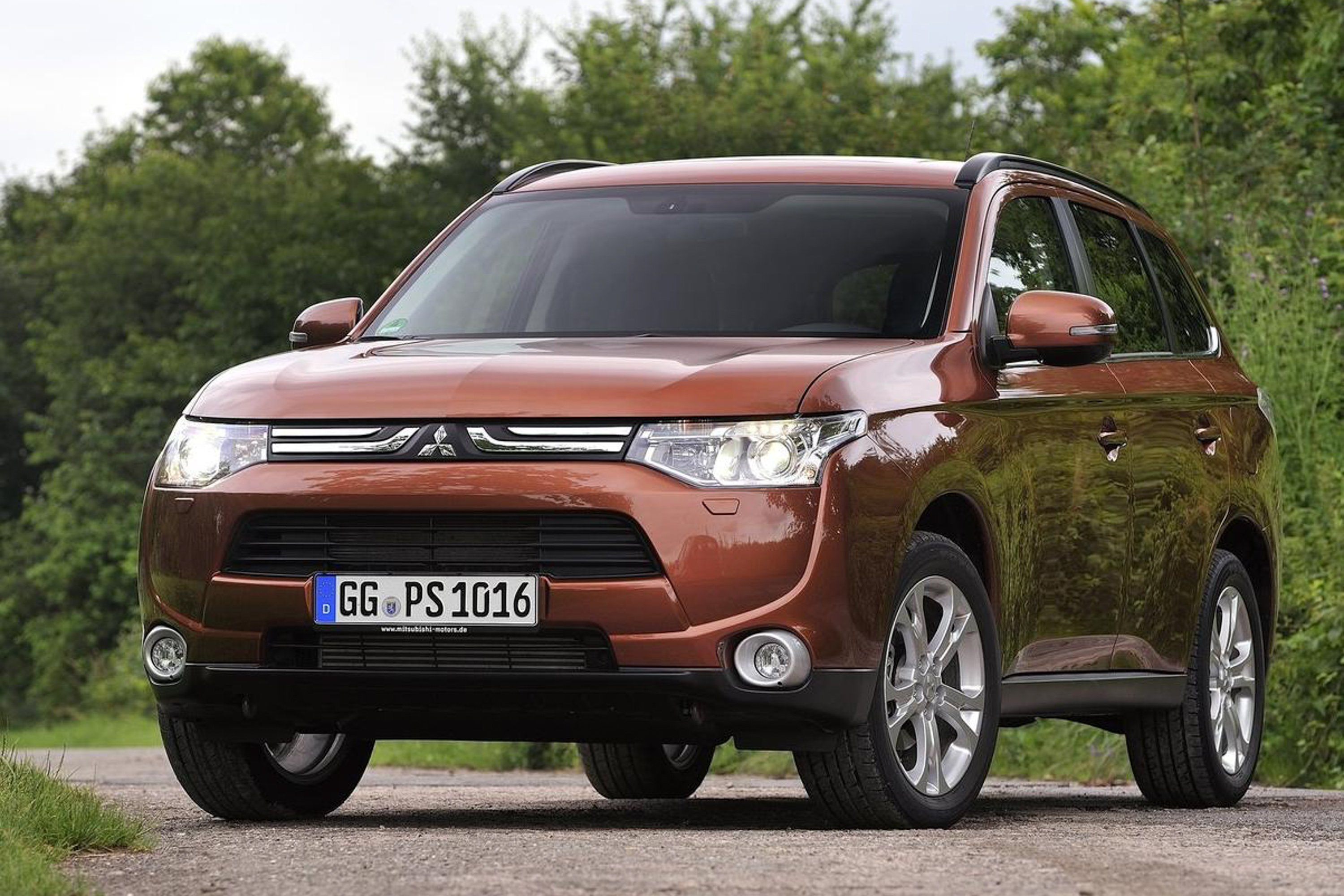
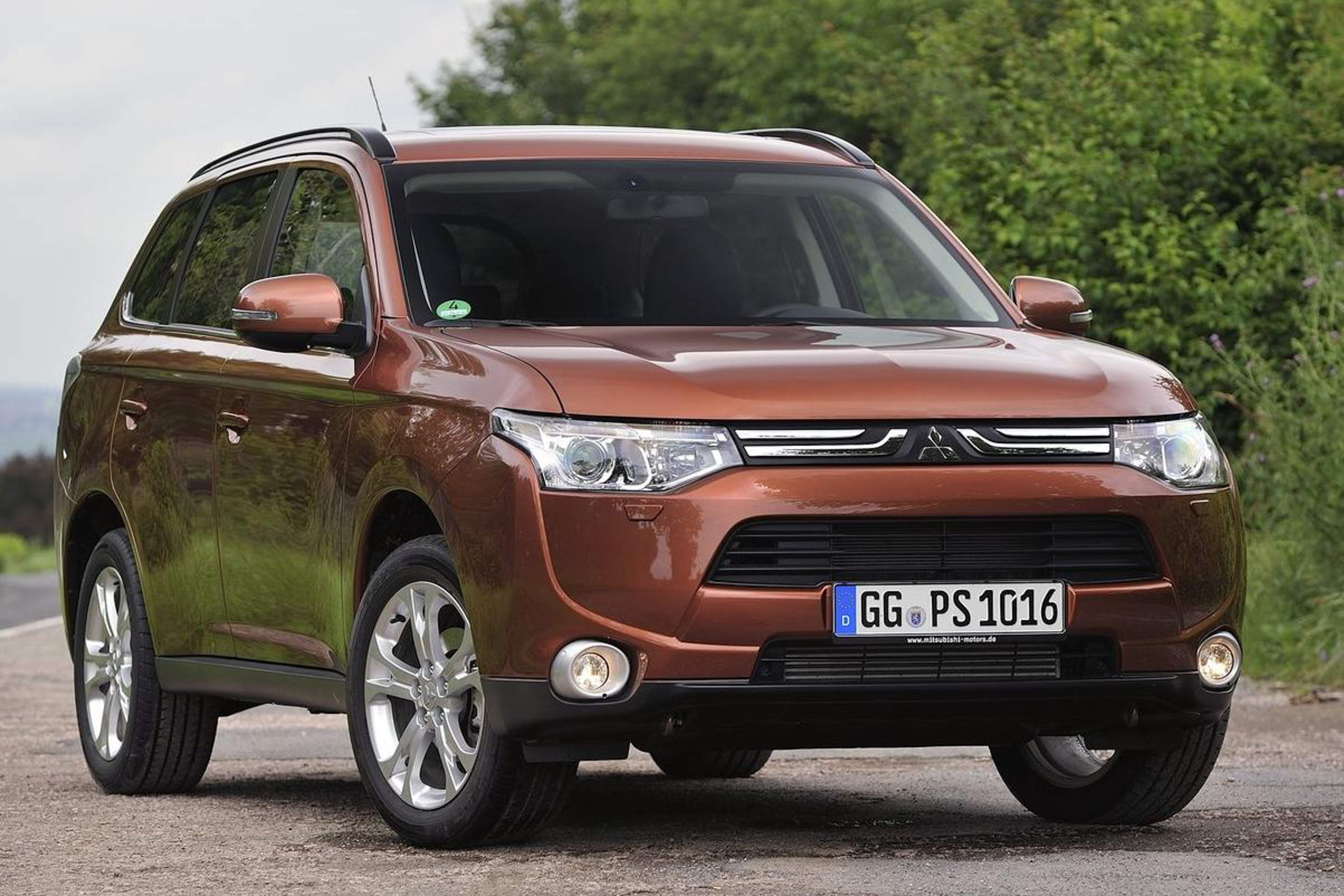
2018 Mitsubishi Outlander 2.4 CVT (CKD)
Price
RM 152,888
Select a Vehicle Variant
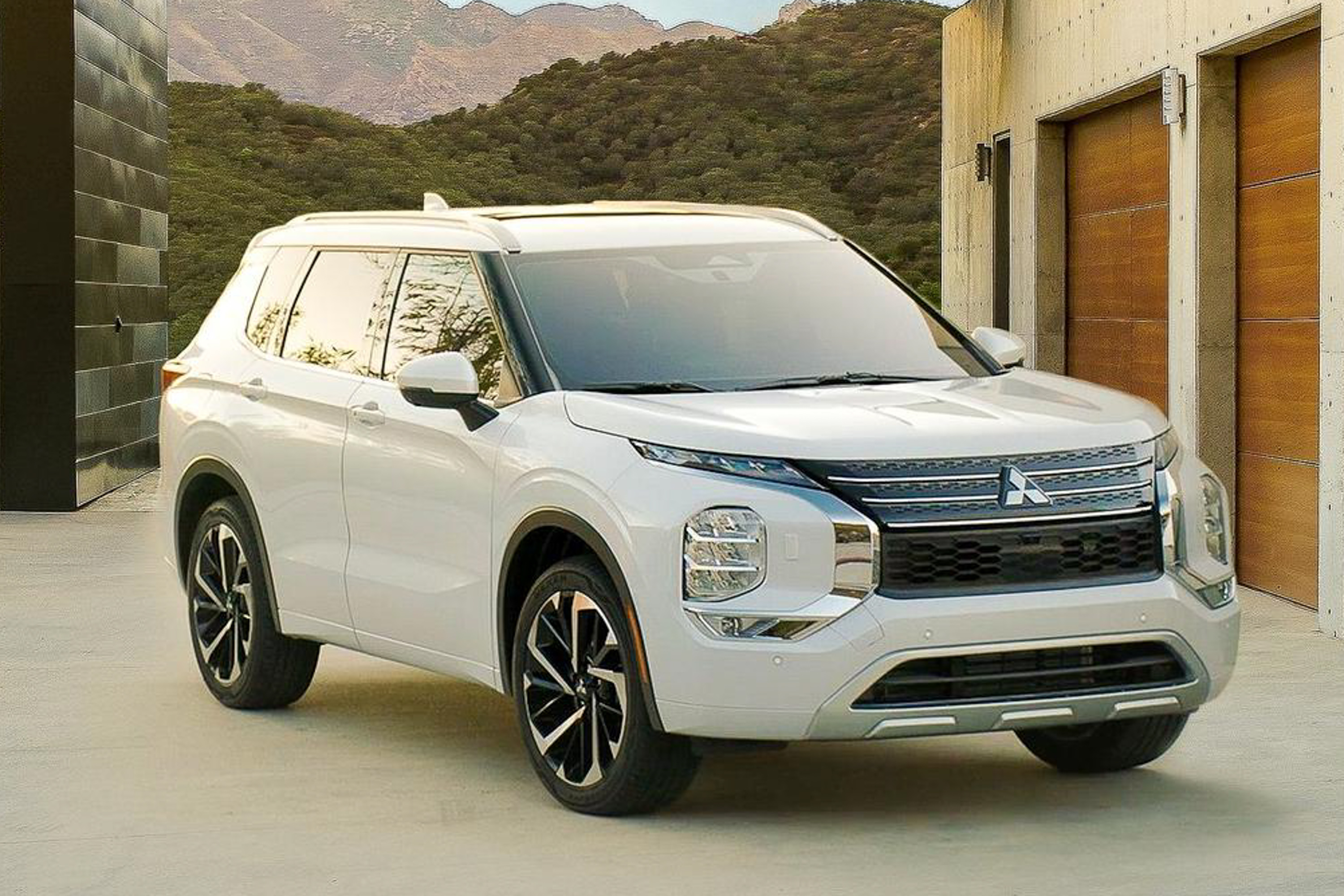
2023 Mitsubishi Outlander Upcoming TBC
Summary
Meet the 2018 Mitsubishi Outlander 2.4 CVT (CKD) – a C-Segment SUV launched in 2018. Starting at RM 152,888, it seats 7 people comfortably. Its size (4695mm long, 1810mm wide, 1680mm tall) means plenty of room inside. Great for families needing space that's still easy to drive in town.
It handles highways easily with a top speed of -km/h. The 2360cc engine gives good power and fuel economy. Whether it’s daily drives or weekend trips, this car offers great value, modern looks, and solid performance all in one package.
It handles highways easily with a top speed of -km/h. The 2360cc engine gives good power and fuel economy. Whether it’s daily drives or weekend trips, this car offers great value, modern looks, and solid performance all in one package.
Core Specs

Segment
C-Segment

Engine Capacity(cc)
2360

Transmission
CVT

Fuel Comsumption (L/100km)
7.8

Fuel Tank(litres)
60

Top Speed(km/h)
-

Seats
7

Length(mm)
4695

Width(mm)
1810

Height(mm)
1680

Wheelbase(mm)
2670

Boot Volume(L)
477
Mitsubishi Outlander Dealers
Related Q&A
View More >Q
What is the fuel consumption of the Outlander 2023?
The fuel economy of the 2023 Mitsubishi Outlander in the Malaysian market varies depending on the powertrain configuration. The version with a 2.5 - liter naturally - aspirated gasoline engine has a combined fuel consumption of approximately 8.5 to 9.2 liters per 100 kilometers. On the other hand, the PHEV (Plug - in Hybrid Electric Vehicle) version can achieve even lower fuel consumption when fully charged. It has an all - electric range of about 80 to 100 kilometers, which is suitable for short - distance commuting.
For Malaysian consumers, they need to consider the local road conditions when making a choice. The driving environment in Malaysia is a mix of city congestion and highway cruising. The traditional gasoline version is convenient for refueling during long - distance trips, while the PHEV version can significantly reduce the cost of use if paired with home charging facilities.
It's worth noting that the actual fuel consumption can be affected by factors such as driving habits, air - conditioning load, and tire pressure. It is recommended to perform regular maintenance and use smooth acceleration to optimize fuel efficiency.
Hybrid technology is gradually becoming a trend in the Malaysian market. Various brands are successively launching fuel - efficient models. Consumers can make a choice based on their own budgets and driving scenarios.
 HappyCowFeb 18, 2026
Q
Is the Mitsubishi Outlander 2023 a good car?
The 2023 Mitsubishi Outlander is a mid - size SUV suitable for Malaysian family users. Its highlights lie in the newly - designed tough exterior and practical seven - seat layout, which is especially suitable for consumers who often need to transport family members or friends. This vehicle is equipped with a 2.5L naturally - aspirated engine paired with a CVT transmission. It offers smooth power output and good fuel economy, meeting the needs of both city driving and long - distance travel in Malaysia.
In terms of the interior, it features a minimalist design. The standard 8 - inch center console screen supports Apple CarPlay/Android Auto, enhancing the convenience of daily use. Safety configuration is the Outlander's strong suit. The entire lineup comes standard with 7 airbags, a 360 - degree surround - view camera, and the MI - PILOT intelligent driver assistance system, which is quite competitive among vehicles in the same class.
It's worth mentioning that the Outlander has a ground clearance of 212mm. Coupled with Mitsubishi's signature S - AWC four - wheel drive system (in high - end models), it can handle the muddy roads common during the rainy season in Malaysia and mild off - road requirements. However, it should be noted that the third - row seats are more suitable for children or short - distance rides, and the trunk space will be reduced when the vehicle is fully loaded.
Overall, the 2023 Outlander shows a balanced performance in terms of space practicality, safety, and off - road capabilities. It is a sincere offering from the Mitsubishi brand in the Malaysian market, especially suitable for family users who value versatility and reliability.
 SoftSandFeb 18, 2026
Q
What's the difference between 2023 and 2024 Outlander?
The main differences between the 2023 and 2024 Mitsubishi Outlander lie in configuration upgrades and detail optimizations. The 2024 model may have new body color options in terms of appearance, and minor adjustments have been made to the front grille or wheel design to enhance visual freshness. In the interior, the proportion of soft materials may have been increased and the ergonomic design has been optimized. At the same time, the infotainment system may have been updated to the latest version to support smoother voice control and smartphone connectivity functions. In terms of safety configuration, it is expected that new driving assistance technologies such as rear cross-traffic alert will be added. The powertrain continues the combination of the current 2.5L four - cylinder engine and the S - AWC all - wheel drive system, but fuel economy may be slightly improved through ECU tuning.
For Malaysian consumers, as an SUV that combines space and off - road capabilities, the improvements of the 2024 Outlander focus more on daily practicality. For example, the enhanced air - conditioning system is more adaptable to the tropical climate, and the ground clearance is more compatible with the local complex road conditions. If considering the resale value of used cars, the new model is usually more favored by the market than the old one due to its configuration advantages. However, the specific pricing needs to refer to the local tax policies in Malaysia. It is recommended to compare the actual in - store discounts and after - sales packages before buying a car.
 HappyHorseFeb 18, 2026
Q
Does the 2018 Mitsubishi Outlander have a timing belt or chain?
The 2018 Mitsubishi Outlander comes with a timing chain instead of a timing belt. This design offers advantages in durability and maintenance costs—unlike a timing belt, it generally doesn’t need regular replacement and theoretically lasts as long as the engine itself. However, it’s advisable to periodically check the condition of the chain tensioner and guides to ensure proper operation. Both the 2.0L and 2.4L MIVEC engines in this model use chain drive, a technology that reduces the risk of breakage and handles higher RPM conditions better. That said, the chain might produce slightly more operational noise than a belt. For owners, knowing the type of timing system is important: while chains have longer maintenance intervals, any unusual noises or skipped teeth still require professional inspection. Belts, on the other hand, need strict replacement every 60,000-100,000 kilometers or 5 years to prevent breakage and severe engine damage. During regular maintenance, keep an eye on the service manual’s recommendations for timing system checks. Using oil that meets specifications can also extend the chain system’s life. If you experience difficulty starting the engine or notice abnormal power delivery, promptly investigate potential timing issues.
 LilacHazeAdmirerNov 20, 2025
Q
Is there any recalls on a 2018 Mitsubishi Outlander?
Information on the recall of the 2018 Mitsubishi Outlander: this model was subject to global recall notices due to fuel pump failures and brake booster issues. Specifically, the fuel pump impeller could deform, leading to engine stalling, and insufficient sealing in the brake booster might affect braking performance. While recall batches may vary across markets, owners are advised to enter their Vehicle Identification Number (VIN) into the recall lookup tool on Mitsubishi's official website to check if their vehicle is affected, or contact an authorized service center directly for verification. Additionally, staying updated on recall information is crucial for vehicle safety, especially regarding potential hazards in electronic systems and critical components – for instance, some same-era models also had recalls related to airbag control modules or wiring harness connectors. If any abnormalities are noticed in the vehicle, such as difficulty starting or a hard brake pedal, prompt inspection at a service facility is recommended, and local dealers can provide free repair services. For used car buyers, checking the complete maintenance records and recall handling status is also an essential step to ensure the vehicle meets safety standards.
 AzureHorizonWatcherNov 20, 2025
Q
How long will a 2018 Outlander last?
The 2018 Outlander can typically hit 200,000 to 300,000 kilometers or more with regular maintenance and proper use. Its lifespan really depends on how well the owner takes care of it and the driving conditions. Under the hood, you've got the tried-and-true 2.0L or 2.4L naturally aspirated engines paired with a CVT transmission, making for a pretty reliable powertrain. Staying on top of key services like oil changes, transmission fluid swaps, and coolant replacements will definitely help it go the distance.
Body-wise, Mitsubishi went with a high-rigidity design, and the suspension is tuned more for comfort, which works well for local roads. But if you're regularly tackling rough terrain, it's smart to check the suspension and brake components more often. Inside, the materials are practical rather than fancy, but the interior and electronics don't throw a lot of tantrums. Keeping things clean and avoiding really damp spots should slow down aging.
If you're planning to keep it for the long haul, stick to the manufacturer's maintenance schedule and use reputable repair shops. Also, keep an eye on rubber parts and seals—they dry out over time, and replacing them before they fail can save you from bigger repair bills later. All in all, it's a solid, durable ride that fits the bill for folks who value practicality and fuel economy.
 IvoryTowerThinkerNov 20, 2025
Q
What is the range of the 2018 Mitsubishi Outlander?
The range of the 2018 Mitsubishi Outlander depends on its specific powertrain. The version with the 2.0-liter MIVEC gasoline engine has a 63-liter fuel tank, delivering a combined driving range of approximately 600 to 650 kilometers on a full tank. The 2.4-liter variant, with its slightly larger displacement, sees a minor reduction in range, coming in at 550 to 600 kilometers. Actual mileage will vary based on driving habits and road conditions. When this SUV is equipped with the S-AWC all-wheel-drive system, fuel consumption increases slightly, but it enhances stability on complex road surfaces, making it suitable for long journeys. If you opt for the plug-in hybrid version (PHEV), it can travel around 50 kilometers in pure electric mode, and with the combustion engine, the total range exceeds 800 kilometers, ideal for short commutes and energy-saving needs. The Outlander's fuel tank capacity is similar to that of same level Japanese system SUV, but it's advisable to regularly maintain the engine and tire pressure to optimize fuel efficiency. Additionally, its ECO driving mode can further extend the range. It's important to note that the range of used vehicles may vary depending on the condition of the battery or engine; you can request to inspect the fuel efficiency data before purchasing.
 HairStylistStylistNov 20, 2025
Q
What is the value of a 2018 Outlander?
A 2018 Outlander typically fetches between RM70,000 and RM100,000 on the used car market, with the exact price depending on factors like condition, mileage, trim level, and service history. The higher-spec 2.4L 4WD variants usually hold their value better than the base models. Thanks to its reliable powertrains – think the 2.0L and 2.4L MIVEC engines – and practical seven-seat layout, this SUV has built a solid reputation among family buyers. It’s also pretty common in the used market, so finding one with a complete service record isn’t too tough. If you’re eyeing a used Outlander, I’d recommend prioritizing those with dealer service history. Make sure to check the CVT transmission’s condition and test the 4WD system. Also, don’t overlook the 2018 model’s standard active safety features like the FCM forward collision mitigation system – super useful for daily driving. On top of that, Mitsubishi has a decent after-sales network and relatively sufficient supply of accessories, keeping long-term running costs manageable. All in all, it’s a solid pick if you value practicality and durability.
 MusicMakerComposerNov 20, 2025
Q
What is the fuel consumption of the 2018 Outlander?
The fuel economy of the 2018 Outlander varies depending on the powertrain and driving conditions. Models equipped with the 2.0L naturally aspirated engine have a combined fuel consumption of approximately 7.6L/100km, while the 2.4L version is slightly higher at around 8.1L/100km. Actual fuel usage may fluctuate based on factors like road conditions, driving habits, or vehicle load. This SUV features Mitsubishi's MIVEC technology to optimize combustion efficiency, paired with a CVT transmission to enhance fuel economy, making it well-suited for balancing city commuting and long-distance driving. To further reduce fuel consumption, it's advisable to regularly maintain proper tire pressure, avoid sudden acceleration, and use the ECO driving mode appropriately. Among SUVs in its class, its fuel economy is on par with competitors, but the Outlander stands out with its higher ground clearance and practical space layout, ideal for family users. It's worth noting that the hybrid Outlander PHEV is also available in the local market, offering an all-electric range of about 50 kilometers, making it more suitable for short commutes and significantly reducing fuel expenses.
 MakeupArtistCreatorNov 20, 2025
Q
Is the 2018 Mitsubishi Outlander good or bad?
The 2018 Mitsubishi Outlander is a family-friendly SUV that shines with its spacious seven-seat layout and solid practicality, making it a solid pick for group outings. Under the hood, the 2.4L MIVEC engine delivers smooth power, and fuel economy sits right in the middle of its class. On the safety front, standard active features like the FCM Forward Collision Mitigation system add peace of mind on the road. That said, the interior leans heavily on hard plastics, feeling a bit plain compared to some rivals, and the third row is tight for adults—better suited for kids or short trips. The all-wheel-drive version handles light off-roading steadily, but it’s no hardcore trail rig; it’s more at home in the city with the occasional outdoor adventure. If you prioritize utility and value over a plush interior, the 2018 Outlander is worth a look. Still, I’d recommend test-driving it alongside the 2018 Honda CR-V or Toyota RAV4 to make sure it lines up with your driving style and needs.
 FashionistaStylistNov 20, 2025
Popular Cars
Model Year
Car Compare
Car Photo
Model List
Mitsubishi Outlander is a C-Segment SUV car launched by Mitsubishi. PCauto has cataloged various variants of this car produced from - to -.You can compare differences in detail at the parameter table.
Among the 0 variants of Mitsubishi Outlander, prices range from the affordable TBC to the most expensive TBC.You can find different horsepower versions ranging from - to -.
Mitsubishi Outlander offers - engines and - transmission. Check the spec sheet for more details.
0 Model on Sale
2023
2022
2018
2013
2007