
Q
Where can I test drive the Neta V?
 DazzlingSparkleShineOct 13, 2025, 05:05 PM
You can now book a test drive for the Neta V at authorized Neta dealerships across Malaysia, with showrooms located in major cities like Kuala Lumpur, Penang, and Johor Bahru. For the latest test drive locations, it’s best to check Neta Malaysia’s official website or reach out to their customer service. Some dealers also host regular in-person experience events, so keep an eye out for those.
As a pure electric SUV, the Neta V stands out with its solid range and smart tech features—perfect for daily city commutes. Plus, Malaysia’s government offers tax incentives for EVs, meaning you can enjoy exemptions on import duties and sales tax when purchasing.
During your test drive, focus on key aspects like charging speed, handling, and practicality of the interior space. It’s also worth cross-shopping against other EVs in the same price bracket, such as the BYD Atto 3 or Ora Good Cat. Ultimately, your choice should boil down to personal needs and budget.
Malaysia’s EV charging infrastructure is steadily improving, with plenty of charging points already available in major cities. Just remember to plan your route in advance if you’re heading out for a long road trip.
Special Disclaimer: This content is published by users and does not represent the views or position of PCauto.
Related Q&A
Q
What is the difference between Neta V II and Neta V
The Neta V II is the upgraded version of the Neta V, with the main differences lying in refinements to its exterior design, features, and performance. Visually, the Neta V II likely adopts a more contemporary design language – think a refreshed front fascia or new wheel designs to give it a sharper, more stylish look.
In terms of tech and features, we're probably looking at some added smart functionalities. Expect a larger infotainment screen, a more advanced in-car operating system, or maybe even extra driver assistance features to improve the overall driving experience.
Under the hood (or rather, under the floor), the V II might see optimizations to its battery or electric motor. The goal here? Likely longer range on a single charge or quicker charging times – both big wins for EV owners.
For Malaysian buyers, these upgrades could be tailored to local needs. A beefed-up air conditioning system springs to mind, or battery management tech better suited to our tropical heat. With EVs gaining traction in Malaysia, understanding these improvements helps consumers make smarter choices. More range means you can tackle longer road trips with confidence, while those smart features just make your daily drive that much easier.
All in all, the Neta V II feels like a comprehensive step up from the original V, making it a solid pick for folks who want a good mix of tech appeal and practicality.
 BraveoneOct 13, 2025
Q
What battery does Neta V use
The Neta V has made quite a name for itself in China, and it's turning heads in Malaysia too. Under the hood (or rather, beneath the floor), it packs a lithium-ion battery setup – specifically, a Lithium Iron Phosphate (LFP) unit supplied by CATL. These LFP batteries are well-known for their solid safety record, long lifespan, and good thermal stability, making them a smart pick for tropical climates like Malaysia's.
Battery capacities for the Neta V vary slightly by trim, ranging from around 31kWh to 38kWh. That translates to an NEDC range of 301km to 401km – more than enough juice for daily commutes and zipping around the city.
Now, when it comes to EV battery tech, LFP batteries do have a slightly lower energy density compared to ternary lithium batteries. But where they shine is in their stability under high temperatures and their superior cycle life. That's precisely why many EVs in tropical regions tend to favor LFP. For Malaysian users, this means the Neta V's battery tech should handle the local heat with no sweat. Plus, its fast-charging capability can take you from 30% to 80% battery in about 30 minutes, which is a big win for convenience.
As EV tech keeps advancing, we can expect even more battery solutions tailored for tropical environments, giving Malaysian consumers even more great options to choose from.
 SunnyRadiantSmileOct 13, 2025
Q
Where can I book Neta V?
In Malaysia, if you're looking to book a Neta V electric vehicle, you can do so through Neta Auto's official dealers or authorized agents. Their showrooms are located in major cities like Kuala Lumpur, Penang, and Johor. You can also hit up Neta Malaysia's official website or reach out to their customer service for the latest booking info and test drive arrangements.
The Neta V is a budget-friendly all-electric SUV with a range of around 380 kilometers, making it perfect for city commutes and short road trips. Its smart features and interior space also check the boxes for family users. On top of that, the Malaysian government offers tax incentives for EVs, including import duty and sales tax exemptions, which helps bring down the Neta V's purchase cost even more.
If EVs have caught your eye, it's worth checking out other models available in Malaysia too—like the BYD Atto 3 or Tesla Model Y. Each has its own strengths when it comes to performance, charging networks, and after-sales service. I’d suggest comparing them based on your own needs and budget, and also keeping an eye on Malaysia’s charging infrastructure expansion plans to make sure it fits your daily driving routine.
 FrostyWinterWhispersOct 13, 2025
Q
What colors are available for Neta V
The Neta V currently offers a range of color options in the Malaysian market, including classic shades like Pearl White, Onyx Black, and Titanium Silver, along with more personalized choices such as Sky Blue and Sakura Pink. These colors cater to different consumers' aesthetic preferences. When picking a car color, besides personal taste, you might want to consider Malaysia's climate. For instance, lighter colors tend to stay cleaner in the hot weather and help reflect sunlight, keeping the cabin temperature relatively lower. What's more, as an all-electric model, the Neta V blends eco-friendly features with stylish design, and its color options lean towards modernity and vibrancy, making it a solid fit for young drivers or those who love a tech-forward vibe. With electric vehicles gaining traction in Malaysia, knowing about these color options can help potential buyers make a better purchase decision while also showing off their personal style.
 MoonlitDreamyPathOct 13, 2025
Q
How many hours does it take to charge Neta V at home
The Neta V, as a pure electric vehicle, its home charging time depends on the battery capacity and charging power. Typically, this model comes with a charger rated around 3.3kW. If the battery capacity is approximately 30kWh, a full charge from zero will take roughly 9 to 10 hours – perfect for overnight charging or during long periods of parking. For Malaysian users, charging via a standard household socket (220V) is the most convenient way to top up, but make sure your electrical circuit is safe and avoid using extension cords. If you want to cut down charging time, consider installing a higher-power wall-mounted charger, like a 7kW unit, which can reduce the charging duration to 4-5 hours. It's worth noting that EV charging efficiency can be affected by ambient temperature, battery condition, and the quality of charging equipment. So, it's advisable to regularly inspect your charging gear and follow the manufacturer's guidelines. Given Malaysia's hot climate, for long-term use, it's better to charge in the shade to protect battery life. Also, make good use of the vehicle's app to schedule charging during off-peak hours when electricity rates are lower – it's more economical that way.
 FixerToolOct 13, 2025
Q
What are the colors of Neta V
The Neta V, a popular electric vehicle in Malaysia, offers a solid range of color options to suit different tastes. You'll typically find choices like Pearl White, Starry Blue, Blazing Red, and Obsidian Black – all stylish, timeless shades that work great for city driving and everyday use. When picking your color, personal preference is key, but practicality matters too. Lighter hues tend to stay cooler in Malaysia's hot weather, while darker tones give a more stably sophisticated, low-maintenance look.
Neta V's paint quality is also worth noting – it's got good scratch resistance and weather durability, which handles Malaysia's sometimes unpredictable climate nicely. If you've got your heart set on something specific, check with your local dealer about custom options; some brands do seasonal limited editions or special finishes.
No matter what color you go for, regular washes and waxing will keep that shine and extend the life of your paint, so your ride stays looking fresh for longer.
 BuddyTimeOct 13, 2025
Q
How many kilometers can Neta V run
For the Neta V, a pure electric compact SUV, range is a top concern for many Malaysian buyers. Official figures put its combined range at around 380km on a full charge – more than enough for most daily commutes and short trips around town. Now, in typical Malaysian driving conditions – think a mix of stop-and-go city traffic and highway stretches – you might see some variation in real-world range, but overall, it holds up reliably.
Let’s be real, EV range depends on a bunch of things: how you drive, whether you’re cranking the AC, how much cargo you’re hauling, and the road conditions. Take it easy on the accelerator and use the air-con wisely, and you’ll squeeze out extra kilometers.
What’s really handy for Malaysian users, though, is the Neta V’s fast-charging capability. It can top up a significant amount of juice in no time, which is a game-changer – especially for longer drives, cutting down those annoying charging stops.
And as Malaysia’s EV infrastructure keeps improving, with more charging stations popping up everywhere, that range anxiety? It’s gonna get less and less of a worry. That’ll make EVs like the Neta V even more practical choices.
If you’re thinking about going electric, range isn’t the only thing to check. Look into the battery warranty, how well the charging network covers your area, and what the day-to-day running costs are like. Considering all these will help you make a smarter, more well-rounded decision when picking your next car.
 MoonlightNightOct 13, 2025
Q
What is the household electricity cost for Neta V charging
When it comes to how much it costs to charge the Neta V at home, the exact amount really depends on Malaysia's electricity rates and how much juice the car actually draws. Typically, household electricity tariffs range from around RM0.22 to RM0.57 per kilowatt-hour (kWh). The Neta V's battery has a capacity of 31.18 kWh, so if you're charging from empty to full, you'll roughly use that 31.18 kWh. Doing the math, a full charge would set you back somewhere between RM6.86 and RM17.77. Of course, this can vary a bit depending on which state you're in and even the time of day you charge.
To keep things more budget-friendly and efficient, I'd suggest plugging in during off-peak night hours when electricity rates are usually lower. And make sure you're using a home charging setup that meets all the safety standards – it's not just about avoiding accidents, but also helping maintain your battery's lifespan in the long run.
On a side note, charging an EV at home is a lot cheaper than filling up a petrol car, and that cost saving really adds up over time. Plus, EVs have the upper hand when it comes to being eco-friendly and keeping noise down – perfect for zipping around Malaysian cities on your daily commute.
 StrongerOct 13, 2025
Q
Which country's car is Neta V?
The Neta V is a compact all-electric SUV from Chinese new energy vehicle brand HOZON Auto, primarily targeting Southeast Asian markets including Malaysia. It's positioned as an affordable, practical city commuter with decent range and smart features, boasting an NEDC range of around 384km and fast-charging capability. In Malaysia, it goes head-to-head with rivals like the BYD Atto 3 and Ora Good Cat, but has been steadily turning heads with its more competitive pricing and localized services. For Malaysian buyers, EVs are becoming increasingly appealing thanks to government tax incentives – think import duty exemptions and road tax reductions – while the charging infrastructure continues to slowly but surely expand. The arrival of the Neta V gives Malaysian consumers more options in the EV space, especially those on a tighter budget who still want to dip their toes into new energy tech. As the global shift towards electric mobility accelerates, we can expect more budget-friendly EV models to hit the Malaysian market, helping drive wider adoption of greener transportation.
 FearlessCourageOct 13, 2025
Popular Cars
Model Year
Car Compare
Car Photo
Related Models
 Cars
CarsLatest Q&A
Q
Is AMT similar to automatic?
There are significant differences between AMT transmissions and automatic transmissions (AT) in terms of core structure and driving experience. AMT is essentially an electronically automated version of a manual transmission, simulating manual clutch operation and gear shifting through a computerized control system while retaining the gear set structure of manual transmissions. As a result, it offers higher transmission efficiency, with fuel consumption approximately 8%-12% lower than AT, making it particularly suitable for highway or long-distance driving. However, it may exhibit jerking similar to manual transmissions during low-speed gear shifts, especially noticeable in congested traffic conditions.
AT transmissions rely on torque converters for power transfer, delivering smooth and seamless gear shifts that appeal to comfort-oriented users. However, their complex structure (incorporating planetary gear sets, hydraulic systems, etc.) results in higher maintenance costs. A single service may cost between 800 to 1,500 ringgit, whereas AMT only requires gear oil replacement at approximately 400 ringgit.
From a market perspective, AMT is predominantly used in budget vehicles or commercial models priced below 80,000 ringgit, while AT is typically featured in mid-to-high-end vehicles. Consumers should select based on actual needs: AMT suits those prioritizing fuel efficiency and low maintenance costs, while AT better serves those valuing comfort. Notably, recent advancements in AMT electronic control technology have significantly mitigated jerking issues, though test drives should still emphasize low-speed performance evaluation.
 AriaMar 26, 2026
Q
Which is better, DCT or AT?
DCT (Dual-Clutch Transmission) and AT (Automatic Transmission) each have their own advantages and disadvantages, and the choice should be based on personal driving needs. AT transmissions transfer power through a torque converter, offering excellent shift smoothness, making them suitable for urban commuting or novice drivers. However, they tend to have higher fuel consumption, and vehicles equipped with them are usually more expensive. DCT transmissions utilize a dual-clutch structure, featuring fast shift speeds and high power transmission efficiency, which provides a more direct driving experience—particularly suitable for users seeking a sporty feel. However, they may exhibit jerking at low speeds and have relatively high maintenance costs. If durability and comfort are priorities, AT is the more reliable choice; if power responsiveness and driving pleasure are preferred, wet DCT (such as Volkswagen DSG) performs better, though dry DCT models should be avoided in prolonged stop-and-go traffic conditions. Additionally, CVT transmissions excel in smoothness and fuel efficiency, making them ideal for daily commuting, but they lack driving excitement. It is recommended to test-drive before purchasing, as tuning varies significantly across brands, and real-world experience is more important than theoretical specifications.
 FlutteringMar 26, 2026
Q
Is Amt good or bad?
AMT gearboxes have a significant cost advantage in the local market, typically being around 5,000 Ringgit cheaper than models equipped with conventional automatic transmissions. Their fuel efficiency is comparable to manual transmissions, resulting in long-term fuel savings. Featuring a straightforward design, they achieve transmission efficiency exceeding 90% with relatively low maintenance costs, making them ideal for practicality-oriented consumers. However, their shifting logic contains inherent limitations: gear changes between 1st and 2nd cause 0.3-0.5 second power interruptions, while unintended upshifts on inclines may reduce engine speed by 15%-20%, compromising driving smoothness. For urban commuters or budget-conscious buyers, AMT offers excellent value, though those prioritizing premium driving dynamics should consider alternative transmission types. Some domestic models like the Perodua Axia employ enhanced AMT systems, where optimized shift programming has reduced gearshift shock by approximately 30%.
 RainbowsMar 26, 2026
Q
Which gives better mileage, CVT or AMT?
From the perspective of fuel economy, CVT transmissions generally perform better under urban driving conditions. Their continuously variable design allows the engine to consistently operate within the optimal speed range, significantly reducing fuel consumption during frequent starts and stops. Test data shows that their fuel consumption in urban driving conditions is 10% to 15% lower than that of comparable models. AMT transmissions, on the other hand, inherit the high transmission efficiency of manual transmissions, delivering fuel efficiency close to manual transmissions during high-speed cruising. This makes them particularly suitable for long-distance driving in large-displacement vehicles. However, due to power interruption during gear shifts, their overall fuel consumption may be 5% to 8% higher than CVTs.
The difference in fuel-saving characteristics between the two transmissions stems from their technical principles: CVTs achieve continuous variability through steel belts and pulleys, eliminating the fixed gear ratio limitations of traditional transmissions; AMTs simulate manual gear changes via electronic control systems while maintaining the mechanical efficiency of gear transmission. Notably, actual fuel consumption is also influenced by driving habits. Smooth acceleration and anticipatory deceleration can maximize the transmissions' fuel-saving potential. If the vehicle budget permits and urban commuting is the primary use, CVTs offer a more economical choice. For frequent highway driving with an emphasis on cost-effectiveness, AMTs are equally worth considering.
 RubyBlazeMar 26, 2026
Q
Which is cheaper, AMT or CVT?
In terms of gearbox cost, AMT is usually more economical than CVT. Essentially, AMT is a manual transmission equipped with an electronic control unit, featuring a simple structure and low maintenance costs. The unit price ranges from approximately 5,000 to 8,000 ringgit, making it suitable for budget-conscious consumers or those who prioritize long-term operating costs. CVT incurs higher manufacturing costs due to its precision steel belt transmission system and continuous variable transmission technology, with a unit price of about 7,000 to 10,000 ringgit. However, it delivers a smoother driving experience and superior fuel efficiency. The primary differences between the two lie in technical complexity: AMT retains the gear-shifting mechanism, resulting in noticeable shift shock; CVT achieves linear power output through stepless speed variation but requires periodic belt inspection and incurs higher maintenance expenses. For those prioritizing initial cost and basic transportation needs, AMT offers better value; if comfort and long-term fuel economy are priorities, CVT represents a more worthwhile investment. Note that actual prices may vary based on vehicle model, brand, and local supply chain factors.
 ShadowProwlMar 26, 2026
Related News
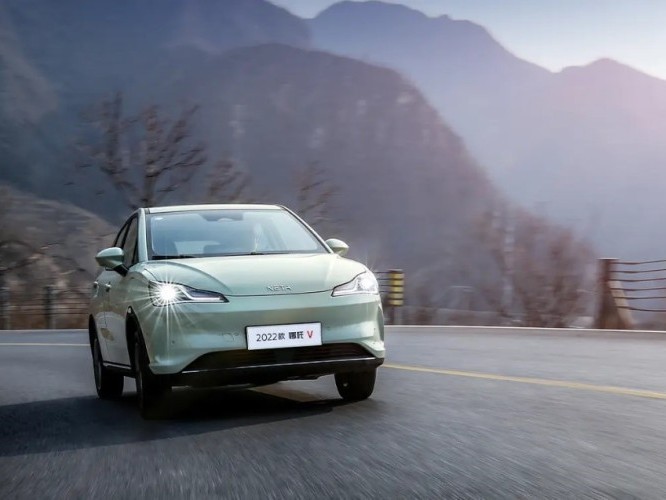
A small, affordable electric car, Neta V, with a range of 380 kilometers can be owned for just RM 99,800!
AshleySep 12, 2024
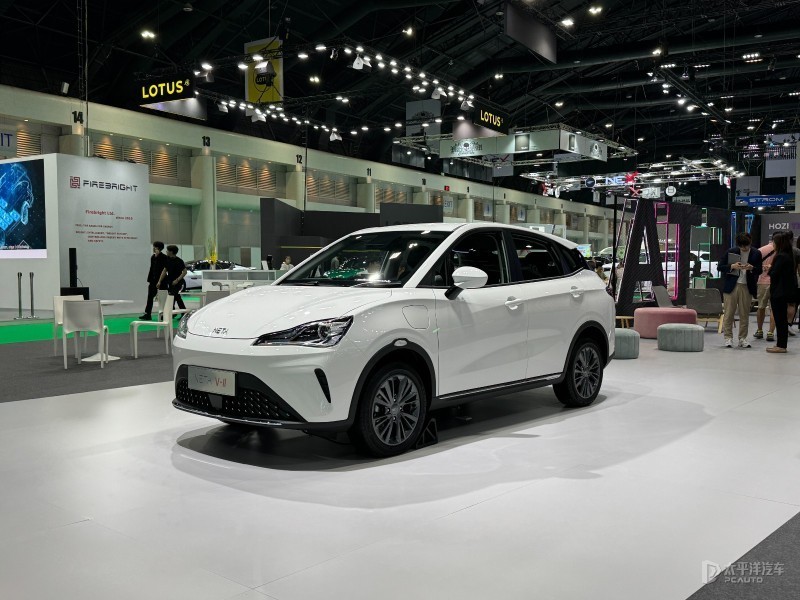
Bangkok Motor Show: NETA V-II debuts, first model from NETA's Thailand factory
Kevin WongMar 25, 2024
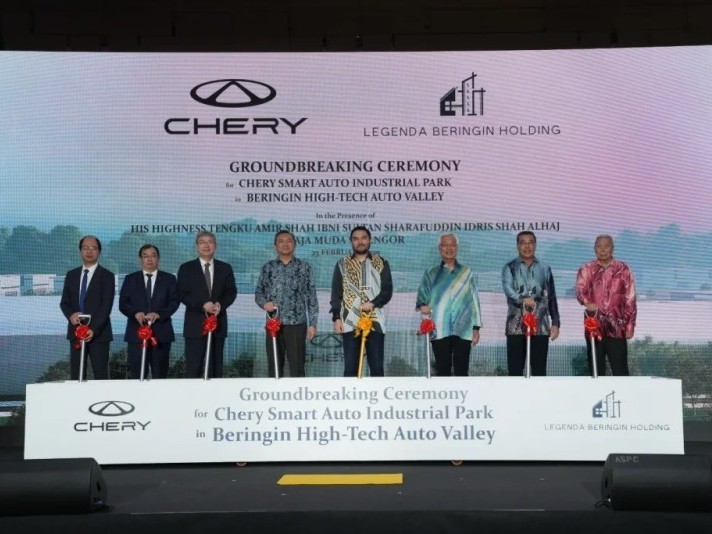
Chery breaks ground for its smart factory in Malaysia, initial annual production capacity of 100,000 vehicles
MichaelFeb 26, 2025
Is there a rumor that Neta owes its employees wages in China? Can Neta X still be purchased?
WilliamNov 21, 2024
NETA S Hunting Suit arrives: new benchmark for travel cars, endurance exceeds 1200km
AshleyAug 26, 2024
View More
Pros
Cons