
Q
chery tiggo 7 pro made in which country
 TwilightMysticGlimmerSep 24, 2025, 10:18 AM
The Jaecoo J7 is a new SUV from Jaecoo, a fresh sub-brand under China's Chery Group. Designed with global markets in mind, it blends stylish looks with practical functionality, targeting young buyers and families alike. Positioned as Chery's premium offshoot, Jaecoo focuses on crafting vehicles that deliver both off-road capability and on-road comfort. The J7, as its debut model, comes packed with advanced powertrain tech and smart features – think efficient turbocharged engines and intelligent connectivity systems – making it well-suited for Malaysia's diverse road conditions.
For Malaysian consumers, the Jaecoo J7 could be a compelling value-for-money option, especially for those who love SUVs and crave the latest tech. Chery has been building its presence overseas for years, with its products gaining recognition in multiple countries. The arrival of the Jaecoo J7 further expands their lineup, and its performance in Malaysia will be one to watch. If you're intrigued by this new offering, keep an eye on local dealership announcements for test drive opportunities and purchasing details.
Special Disclaimer: This content is published by users and does not represent the views or position of PCauto.
Related Q&A
Q
What Segment is Chery Tiggo 7 Pro?
The Chery Tiggo 7 Pro falls into the C-Segment SUV category in the Malaysian market. It competes with models in the same class, such as the Honda CR-V and Mazda CX-5. Its body size and interior space meet the standards of this segment, making it a great fit for family users or consumers who value practicality.
This vehicle is powered by a 1.5T turbocharged engine, which offers a good balance of power and fuel efficiency. It also comes equipped with advanced safety technologies like adaptive cruise control and lane-keeping assist. In terms of cost - effectiveness, it's quite competitive among similar models.
C - Segment SUVs are extremely popular in Malaysia because they combine the agility needed for city driving with the comfort required for long - distance trips. The addition of the Tiggo 7 Pro gives consumers more options.
If you're thinking about getting a vehicle in this segment, I'd recommend taking a test drive to experience its handling and interior space. Also, compare the services and warranty policies of different brands to make a decision that best suits your needs.
 SailorAdventJul 21, 2025
Q
What is the Reslae Value of Chery Tiggo 7 Pro?
As an SUV that has attracted much attention in the Malaysian market, the second-hand resale value of the Chery Tiggo 7 Pro is influenced by various factors, including brand recognition, market demand, vehicle condition, and maintenance records. Currently, this model has an average performance in the Malaysian second-hand market. In recent years, the Chery brand has increased its popularity through local production and active marketing, so the resale value of the Tiggo 7 Pro is relatively stable. However, there is still a certain gap compared with mainstream Japanese or German brands. Generally, the resale value of a vehicle decreases as the vehicle ages, but good maintenance records and a complete service history can help maintain a relatively high residual value.
It is very important for potential buyers to understand the trends in the Malaysian second-hand car market. For example, SUVs usually hold their value better than sedans due to their high practicality, and models equipped with advanced safety technologies and entertainment systems are also more likely to attract second-hand buyers. It is recommended that car owners conduct regular official maintenance and keep complete records. This can not only improve the vehicle's performance but also fetch a better price when selling the car in the future. In addition, Malaysian consumers generally pay great attention to the vehicle's appearance and mechanical reliability when buying second-hand cars. Therefore, keeping the vehicle clean inside and out and promptly repairing minor problems can also have a positive impact on the resale value.
 RiderJourneyJul 21, 2025
Q
How Many CC is Chery Tiggo 7 Pro?
The Chery Tiggo 7 Pro available in the Malaysian market is equipped with a 1.5-liter turbocharged gasoline engine. It has a displacement of 1498 cc (cubic centimeters), a maximum output power of 147 horsepower, and a peak torque of up to 210 Nm. Paired with a CVT transmission, it offers a smooth driving experience. This engine adopts advanced combustion technology and lightweight design, balancing power performance and fuel economy, making it suitable for both city commuting and long - distance driving in Malaysia.
For Malaysian consumers, engine displacement (CC) is one of the important indicators for measuring engine size and power. Generally, the larger the displacement, the stronger the power, but it also affects fuel consumption and road tax. The 1.5T engine of the Tiggo 7 Pro strikes a good balance between the two. Moreover, the application of turbocharging technology allows small - displacement engines to output power close to that of traditional large - displacement engines while reducing emissions, which is in line with the global trend of energy conservation and emission reduction.
When making a purchase, Malaysian car owners can consider factors such as displacement, power, fuel consumption, and annual road tax based on their driving habits and budget. The 1.5T configuration of the Tiggo 7 Pro is a great choice for users who pursue balanced performance.
 TravelBugJul 21, 2025
Q
What is the Engine in Chery Tiggo 7 Pro?
The Chery Tiggo 7 Pro is equipped with a 1.6-liter turbocharged four-cylinder gasoline engine, which can generate 197 horsepower and 290 Nm of torque. This engine is paired with a seven-speed wet dual-clutch transmission, enabling quick and smooth gear changes and providing excellent power transmission for the vehicle. The acceleration time from 0 to 100 km/h is only 8.3 seconds, and the maximum speed can reach 205 km/h. Such power performance can meet the needs of daily driving and occasional exciting drives.
The application of turbocharging technology allows the engine to output a large amount of torque in the low and medium speed ranges. It can easily handle the frequent start - stop conditions on urban roads, bringing a relatively sensitive power response. Moreover, this engine strikes a good balance between fuel economy and power performance, with an official combined fuel consumption of 7L/100km.
 NomadicLifeJul 21, 2025
Q
What is the Gearbox Type of Chery Tiggo 7 Pro?
The Chery Tiggo 7 Pro is equipped with a DCT (Dual-Clutch Transmission) gearbox with 7 gears. The DCT combines the advantages of manual and automatic transmissions. It has a rapid shift response and can achieve smooth power transmission during acceleration and deceleration, thus balancing fuel economy and driving performance. The 7 - gear setup allows the engine to operate in a more optimized speed range under different driving scenarios, such as on city roads, during high - speed cruising, or when overtaking. For instance, in congested city traffic, using lower gears can improve the starting and acceleration performance. On the other hand, at high speeds, higher gears help keep the engine running efficiently and reduce fuel consumption. This gearbox configuration also optimizes the overall driving dynamics of the Tiggo 7 Pro, offering drivers a sensitive and comfortable driving experience.
 HunterQuestJul 21, 2025
Q
What is the PCD Size of Chery Tiggo 7 Pro?
The PCD (Pitch Circle Diameter) of the Chery Tiggo 7 Pro is 5x114.3 mm. This means the diameter of the circle formed by the 5 bolt holes on the wheel hub is 114.3 mm. This specification is quite common among mid - sized SUVs in the Malaysian market. For example, the Honda CR - V and Toyota RAV4 also use the same PCD size, which makes it convenient for car owners to replace the wheel hubs or upgrade the tires later.
PCD is an important parameter for wheel hub installation. Choosing the wrong size can lead to the wheel hub being unable to be installed or pose potential safety hazards during driving. Therefore, when replacing the wheel hubs, it is essential to confirm whether the vehicle's PCD, center bore (CB), and offset (ET) data match.
In addition, as an SUV that focuses on cost - effectiveness, the original wheel hubs of the Chery Tiggo 7 Pro are usually made of aluminum alloy, which combines light weight and durability, making it suitable for the diverse road conditions in Malaysia. If car owners plan to upgrade their wheel hubs, it is recommended to choose certified products to ensure safety. At the same time, pay attention to adjusting the tire size to maintain the accuracy of the speedometer.
 JourneyHomeJul 21, 2025
Q
Does Chery Tiggo 7 Pro Have Apple Carplay?
The Chery Tiggo 7 Pro does support the Apple CarPlay feature, which enables iPhone users in Malaysia to easily connect their phones to the in - car system and enjoy convenient services such as navigation, music, and calls. This feature can be connected via USB or wirelessly, with simple operation and good compatibility, making it suitable for daily use. Besides Apple CarPlay, the Tiggo 7 Pro is also equipped with the Android Auto function to meet the needs of different phone users. The intelligent connectivity system of this car also integrates local services, such as supporting commonly used navigation apps in Malaysia, which enhances the driving experience. In the Malaysian market, the Chery Tiggo 7 Pro has attracted attention for its high cost - effectiveness and rich configurations, especially its performance in intelligent technology, which meets the expectations of young consumers for connectivity features. If you have higher requirements for the in - car connectivity system, you can also learn about similar features of other models in the same class to make a more suitable choice for yourself.
 ButterflyJul 21, 2025
Q
What is the Tyre Brand of Chery Tiggo 7 Pro?
The tire brands originally equipped on the Chery Tiggo 7 Pro in the Malaysian market may vary depending on the vehicle configuration or production year. Common tire brands include well - known international ones such as Continental, Goodyear, or Michelin. The specific details should be based on the specifications provided by local dealers.
As the only part of the vehicle that comes into contact with the road surface, tires are crucial for safety, handling, and comfort. It is recommended that car owners regularly check tire pressure (at least once a month) and tread depth (the legal minimum is 1.6 millimeters). They should pay more attention to the drainage performance during the rainy season.
If tire replacement is needed, in addition to the brands recommended by the manufacturer, cost - effective options like Bridgestone or the locally popular Silverstone can also be considered. However, it is necessary to ensure that the tire specifications (e.g., 215/55 R18) and load indices are consistent with the original ones.
In Malaysia's rainy climate, choosing tires with strong wet - grip performance (with AA or A - grade wet - road markings) can significantly improve driving safety. At the same time, avoid mixing tires of different brands or tread patterns, as this may affect the vehicle's dynamic stability.
 PetalSoftJul 21, 2025
Q
Is Chery Tiggo 7 Pro a Good Car? Learn the Pros and Cons Here
As an SUV that has attracted significant attention in the Malaysian market, the Chery Tiggo 7 Pro boasts several advantages, including its stylish and dynamic exterior design, extensive range of features, and high cost - effectiveness. It's an ideal choice for consumers who value both practicality and a sense of technology.
The Tiggo 7 Pro is equipped with a 1.5T turbocharged engine, which offers smooth power delivery and good fuel economy, making it well - suited for city driving. Inside the cabin, it uses soft materials and features a high - tech center console screen. It supports Apple CarPlay and Android Auto, enhancing driving convenience. In terms of safety features, it comes with a number of active safety technologies, such as lane - keeping assist and automatic emergency braking, meeting the requirements of modern family vehicles.
Of course, the Tiggo 7 Pro also has some drawbacks. For instance, the third - row space is relatively cramped, more suitable for short - distance rides. It may not be as comfortable for long - distance trips. Additionally, Chery's after - sales service network in Malaysia is still expanding, so the maintenance convenience in some areas may not be as good as that of Japanese brands.
Overall, if you have a limited budget and place importance on features and design, the Tiggo 7 Pro is a worthy option. However, it's recommended that you take a test drive and understand the local after - sales support before making a purchase. When Malaysian consumers are looking to buy an SUV, they can also compare models in the same class, such as the Proton X70 or the Honda CR - V, and make the most suitable decision based on their own needs.
 SparklingJul 21, 2025
Q
What is the Width of Chery Tiggo 7 Pro?
The body width of the Chery Tiggo 7 Pro is 1,862 millimeters. This dimension represents a relatively wide design among SUVs in the same class, offering more spacious seating and better stability. For Malaysian consumers, this width is suitable for both city driving and high - speed travel, maintaining good handling and is especially ideal for family use.
The Tiggo 7 Pro is also equipped with a variety of intelligent driving assistance systems, such as a 360 - degree panoramic view and blind - spot monitoring. These features are particularly crucial for the wider body design, helping drivers handle narrow roads or parking situations more easily.
Moreover, the wide - body design enhances the overall style and sportiness of its appearance, meeting the aesthetic preferences of Malaysian consumers for SUV models. The body width can also impact the drag coefficient and fuel economy, but the Tiggo 7 Pro addresses this through its streamlined design, balancing spaciousness with energy - efficient performance.
 RipplingWaveJul 21, 2025
Popular Cars
Model Year
Car Compare
Car Photo
Latest Q&A
Q
Is AMT similar to automatic?
There are significant differences between AMT transmissions and automatic transmissions (AT) in terms of core structure and driving experience. AMT is essentially an electronically automated version of a manual transmission, simulating manual clutch operation and gear shifting through a computerized control system while retaining the gear set structure of manual transmissions. As a result, it offers higher transmission efficiency, with fuel consumption approximately 8%-12% lower than AT, making it particularly suitable for highway or long-distance driving. However, it may exhibit jerking similar to manual transmissions during low-speed gear shifts, especially noticeable in congested traffic conditions.
AT transmissions rely on torque converters for power transfer, delivering smooth and seamless gear shifts that appeal to comfort-oriented users. However, their complex structure (incorporating planetary gear sets, hydraulic systems, etc.) results in higher maintenance costs. A single service may cost between 800 to 1,500 ringgit, whereas AMT only requires gear oil replacement at approximately 400 ringgit.
From a market perspective, AMT is predominantly used in budget vehicles or commercial models priced below 80,000 ringgit, while AT is typically featured in mid-to-high-end vehicles. Consumers should select based on actual needs: AMT suits those prioritizing fuel efficiency and low maintenance costs, while AT better serves those valuing comfort. Notably, recent advancements in AMT electronic control technology have significantly mitigated jerking issues, though test drives should still emphasize low-speed performance evaluation.
 AriaMar 26, 2026
Q
Which is better, DCT or AT?
DCT (Dual-Clutch Transmission) and AT (Automatic Transmission) each have their own advantages and disadvantages, and the choice should be based on personal driving needs. AT transmissions transfer power through a torque converter, offering excellent shift smoothness, making them suitable for urban commuting or novice drivers. However, they tend to have higher fuel consumption, and vehicles equipped with them are usually more expensive. DCT transmissions utilize a dual-clutch structure, featuring fast shift speeds and high power transmission efficiency, which provides a more direct driving experience—particularly suitable for users seeking a sporty feel. However, they may exhibit jerking at low speeds and have relatively high maintenance costs. If durability and comfort are priorities, AT is the more reliable choice; if power responsiveness and driving pleasure are preferred, wet DCT (such as Volkswagen DSG) performs better, though dry DCT models should be avoided in prolonged stop-and-go traffic conditions. Additionally, CVT transmissions excel in smoothness and fuel efficiency, making them ideal for daily commuting, but they lack driving excitement. It is recommended to test-drive before purchasing, as tuning varies significantly across brands, and real-world experience is more important than theoretical specifications.
 FlutteringMar 26, 2026
Q
Is Amt good or bad?
AMT gearboxes have a significant cost advantage in the local market, typically being around 5,000 Ringgit cheaper than models equipped with conventional automatic transmissions. Their fuel efficiency is comparable to manual transmissions, resulting in long-term fuel savings. Featuring a straightforward design, they achieve transmission efficiency exceeding 90% with relatively low maintenance costs, making them ideal for practicality-oriented consumers. However, their shifting logic contains inherent limitations: gear changes between 1st and 2nd cause 0.3-0.5 second power interruptions, while unintended upshifts on inclines may reduce engine speed by 15%-20%, compromising driving smoothness. For urban commuters or budget-conscious buyers, AMT offers excellent value, though those prioritizing premium driving dynamics should consider alternative transmission types. Some domestic models like the Perodua Axia employ enhanced AMT systems, where optimized shift programming has reduced gearshift shock by approximately 30%.
 RainbowsMar 26, 2026
Q
Which gives better mileage, CVT or AMT?
From the perspective of fuel economy, CVT transmissions generally perform better under urban driving conditions. Their continuously variable design allows the engine to consistently operate within the optimal speed range, significantly reducing fuel consumption during frequent starts and stops. Test data shows that their fuel consumption in urban driving conditions is 10% to 15% lower than that of comparable models. AMT transmissions, on the other hand, inherit the high transmission efficiency of manual transmissions, delivering fuel efficiency close to manual transmissions during high-speed cruising. This makes them particularly suitable for long-distance driving in large-displacement vehicles. However, due to power interruption during gear shifts, their overall fuel consumption may be 5% to 8% higher than CVTs.
The difference in fuel-saving characteristics between the two transmissions stems from their technical principles: CVTs achieve continuous variability through steel belts and pulleys, eliminating the fixed gear ratio limitations of traditional transmissions; AMTs simulate manual gear changes via electronic control systems while maintaining the mechanical efficiency of gear transmission. Notably, actual fuel consumption is also influenced by driving habits. Smooth acceleration and anticipatory deceleration can maximize the transmissions' fuel-saving potential. If the vehicle budget permits and urban commuting is the primary use, CVTs offer a more economical choice. For frequent highway driving with an emphasis on cost-effectiveness, AMTs are equally worth considering.
 RubyBlazeMar 26, 2026
Q
Which is cheaper, AMT or CVT?
In terms of gearbox cost, AMT is usually more economical than CVT. Essentially, AMT is a manual transmission equipped with an electronic control unit, featuring a simple structure and low maintenance costs. The unit price ranges from approximately 5,000 to 8,000 ringgit, making it suitable for budget-conscious consumers or those who prioritize long-term operating costs. CVT incurs higher manufacturing costs due to its precision steel belt transmission system and continuous variable transmission technology, with a unit price of about 7,000 to 10,000 ringgit. However, it delivers a smoother driving experience and superior fuel efficiency. The primary differences between the two lie in technical complexity: AMT retains the gear-shifting mechanism, resulting in noticeable shift shock; CVT achieves linear power output through stepless speed variation but requires periodic belt inspection and incurs higher maintenance expenses. For those prioritizing initial cost and basic transportation needs, AMT offers better value; if comfort and long-term fuel economy are priorities, CVT represents a more worthwhile investment. Note that actual prices may vary based on vehicle model, brand, and local supply chain factors.
 ShadowProwlMar 26, 2026
Related News
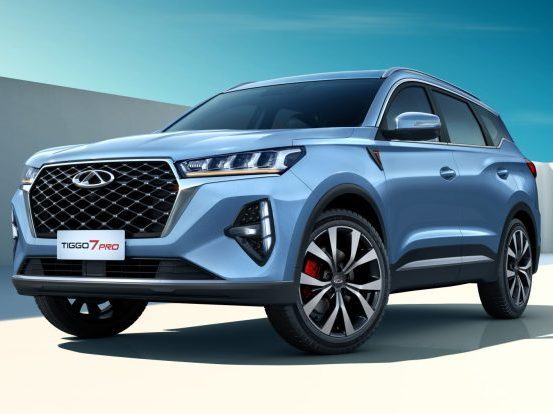
Chery Tiggo 7 Pro: Creating a Quality Driving Experience with Modern Design
MichaelApr 24, 2025
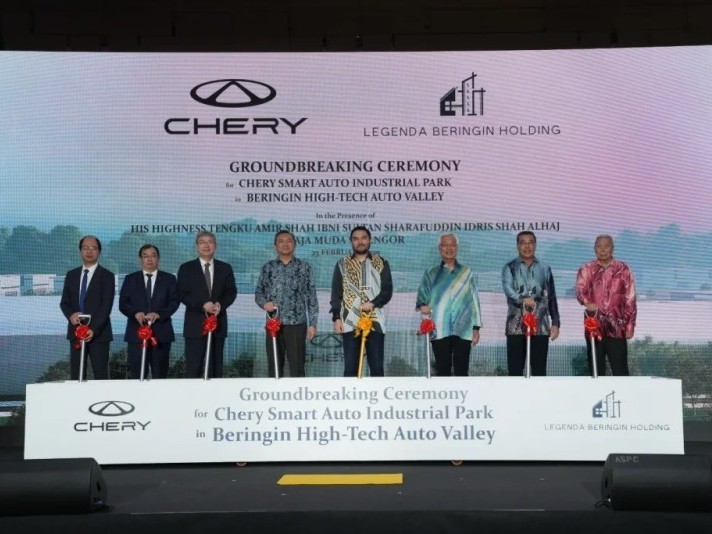
Chery breaks ground for its smart factory in Malaysia, initial annual production capacity of 100,000 vehicles
MichaelFeb 26, 2025
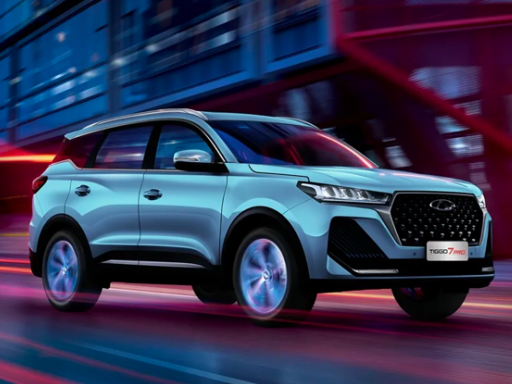
Chery Tiggo 7 Pro launched in Malaysia, priced at RM 123,800
LienJun 24, 2024

Chery Tiggo 7 Pro What Are The Problems You Should Know Before Buying
RobertMar 20, 2026

Omoda C9 PHEV officially launched in Malaysia, 537PS, price RM208,800
WilliamMar 19, 2026
View More