
Q
How do I open the hood on McLaren?
 RipplingStreamOct 15, 2025, 05:36 PM
Popping the hood on a McLaren is usually a unique process, and that’s all down to their focus on aerodynamics and weight reduction. Most of their models locate the engine in the rear instead of the traditional front setup. Take the McLaren 720S, for example: first, make sure the car’s switched off. Then, look for the engine release lever around the left door sill area or the side of the center console. Pull it gently to unlock the rear hood. After that, you’ll need to manually lift the hood up, and some models might even have an extra safety catch to release. Note that McLaren hoods are often made from lightweight stuff like carbon fiber, so handle them gently to avoid damage. For our Malaysian owners, given the hot and humid weather, it’s a good idea to regularly check the hoses and cooling system in the engine bay to keep the cooling efficiency up. If you’re ever unsure about the steps, it’s best to refer to the owner’s manual or contact the official McLaren Kuala Lumpur service center for professional guidance. These supercars have engine bays that are quite different from those of regular cars, so getting familiar with how they’re laid out will make your day - to - day maintenance much easier.
Special Disclaimer: This content is published by users and does not represent the views or position of PCauto.
Related Q&A
Q
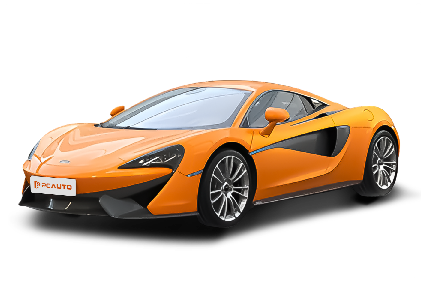
Does the McLaren 570S have an automatic transmission?
The McLaren 570S is equipped with a 7-speed dual-clutch transmission that features an automatic shifting function, so the vehicle can operate in automatic mode. Its dual-clutch transmission enables smooth gear changes, enhancing both performance and driving experience. Moreover, it can shift gears automatically to adapt to various driving conditions, such as normal city driving or high-speed cruising.
However, this automatic functionality does not impair the driving experience. Drivers can also take control and shift gears manually if they prefer a more hands-on approach—for instance, when on a track or seeking a more enjoyable driving on winding roads. With its combination of automatic and manual-shift capabilities, the McLaren 570S caters to a wide range of driving preferences among car enthusiasts.
 BuddyTimeMay 22, 2025
Q
How many gears does McLaren 570S have?
McLaren 570S has 7 gears. It is equipped with a 7-speed dual-clutch transmission. This type of transmission offers several advantages. Dual-clutch transmissions can provide extremely quick gear shifts, allowing for smooth power delivery during acceleration. For the 570S, a sports car known for its high-performance capabilities, the 7-speed dual-clutch gearbox helps it achieve rapid acceleration, such as its official 0-100km/h acceleration in just 3.2 seconds. The multiple gears also enable the engine to operate with its optimal power output and torque range across different driving conditions, whether it's cruising at high speeds on open roads or during intense track driving where quick gear changes are crucial for maintaining speed through corners.
 PrettyPictureMay 22, 2025
Q
Is 570S a convertible?
The McLaren 570S has a convertible version, known as the 570S Spider, priced at RM 2,033,600. However, there's also a coupe body style, the 570S Coupe, priced at RM 1,870,570. Therefore, strictly speaking, the 570S isn't inherently a convertible as the name encompasses both body types. The convertible 570S Spider allows drivers to enjoy open-top motoring, feeling the wind and experiencing the sounds of the road more directly. It features a power-operated soft-top that can be raised or lowered at the touch of a button. The coupe version, on the other hand, offers a more aerodynamic and enclosed driving experience. Both models share many mechanical components, such as the 3.8-liter twin-turbocharged V8 engine producing 570 PS, delivering the excellent performance and typical handling characteristics of McLaren sports cars.
 NiaMay 22, 2025
Q
Is McLaren 570S good for daily use?
The McLaren 570S can be suitable for daily use to some extent. With the starting price of RM 1,870,570, it offers both excellent performance and certain practical features. It has a 3.8L twin-turbocharged V8 engine with 570 PS, accelerating from 0 to 100km/h time in just 3.2 seconds. Despite being a sports car, it has some practical elements. It has features like keyless operation, dual-zone automatic climate control, and a touchscreen. The interior has comfortable seats with good support, and there's some storage space. It also has safety features such as ABS, stability control, and multiple airbags. However, it has a relatively low ground clearance of 93 mm, which might pose challenges on uneven roads. In addition, with petrol consumption of 10.7 L/100km , it is not very fuel-efficient. But overall, if you can overlook these minor drawbacks and afford its running costs, it can be used for daily driving while still providing an enjoyable driving experience.
 BraveAdventurerMay 22, 2025
Q
What type of engine is 570S equipped with?
The 570S is equipped with a 3,800 mL (3.8 L) V8 twin-turbocharged engine. This engine adopts a turbocharged intake system, capable of producing a maximum output of 570 horsepower. It reaches peak power at 7,500 rpm and delivers maximum torque between 5,000 and 6,500 rpm. The combination of the V8 configuration and twin-turbocharging ensures robust power delivery and rapid acceleration, which enables the 570S to achieve an official 0-100 km/h acceleration time of just 3.2 seconds and a top speed of 328 km/h. The engine's design perfectly aligns with the character of sports car, offering an enjoyable driving experience. Additionally, technologies such as direct fuel injection may be employed to enhance fuel efficiency and vehicle's performance.
 SolverProblemMay 22, 2025
Q
What's the top speed of McLaren 570S?
The McLaren 570S can reach a top speed of 328 km/h, making it a high-performance sports car capable of rapid acceleration and achieving extreme velocities. It is powered by a 3.8-liter V8 twin-turbocharged engine, generating 570 horsepower, which helps the vehicle achieve this impressive top speed. Whether it's the Coupe or Spider version, both can reach this high velocity. With a 0-100 km/h acceleration time of just 3.2 seconds, the 570S not only has a high top speed but also offers rapid acceleration. Its excellent performance perfectly show McLaren's engineering philosophy of creating a sports car that combines speed, power, and precision handling for an enjoyable driving experience.
 ActorStageMay 23, 2025
Q
Is McLaren 570S an AWD model?
No, McLaren 570S is not an AWD (All-Wheel Drive) model. It is a rear-wheel drive sports car. This rear-wheel drive layout is common among many high-performance sports cars as it provides a more direct connection between the engine and the driven wheels, contributing to a more engaging driving experience and improved weight distribution for enhanced handling. Powered by a 3.8-liter twin-turbocharged V8 engine producing 570 PS, the rear-wheel drive configuration enables the McLaren 570S to achieve an official 0-100 km/h acceleration time of 3.2 seconds and a top speed of 328 km/h. The rear-wheel drive system, combined with its advanced suspension and braking systems, allows the 570S to deliver exceptional performance both on the road and the track.
 CharmingSoulMay 23, 2025
Q
Is the McLaren 570S twin-turbocharged?
Yes, the McLaren 570S is indeed a twin-turbocharged model. It is powered by a 3.8-liter twin-turbocharged V8 engine, which significantly enhances the vehicle's power output. The twin-turbo system enables more efficient induction, delivering superior performance.
The 570S's engine generates substantial power and torque, allowing the vehicle to achieve a top speed of 328 km/h and accelerate from 0 to 100 km/h in just 3.2 seconds. Twin-turbo technology reduces turbo lag, providing immediate and consistent power delivery during acceleration, which results in exceptionally responsive performance whether on the road or track, creating an enjoyable driving experience.
 ToughFighterMay 23, 2025
Q
Is 570S faster than 650s?
No, the 570S is not faster than the 650S. Instead, the McLaren 650S has a higher top speed and shorter acceleration time. The 650S can reach a top speed of 340 km/h and accelerate from 0 to 100 km/h in just 3.0 seconds. In contrast, the 570S has a top speed of 328 km/h and an official 0-100 km/h acceleration time of 3.2 seconds. The differences in speed and acceleration are caused by the 650S's more powerful engine, which produces 650 horsepower, while the 570S's engine produces 570 horsepower. It's important to note that these are official figures, and actual performance may vary depending on driving conditions and other factors. However, in general, the 650S is faster. If you're looking for maximum speed and acceleration, the 650S would be the better choice. But if you prefer a more comfortable and practical sports car for everyday driving, the 570S may be better as it still offers impressive performance and is suitable for daily use.
 StrongWillMay 23, 2025
Q
How much does it cost to maintain 570S?
The maintenance cost of 570S can be different. For routine minor maintenance at a 4S shop, it's approximately RM 7,300. If more parts are replaced, the cost may rise to RM 13,000, and with additional inspections, it could be close to RM 20,000. At a reliable local shop, a basic minor maintenance, like changing the oil and oil filter, air filter, etc., might cost around RM 1,800. Using fully synthetic oil for just an oil change typically costs about RM 2,000. A comprehensive minor maintenance including oil, oil filter, and air filter replacement is around RM 7,600. The maintenance cycle for 570S is 10,000 kilometers. Overall, the annual maintenance cost for the first three years is around RM 100,000 - RM 150,000, and after three years, it's RM 200,000 - RM 300,000. Keep in mind that these are just estimates and actual costs may vary based on factors such as vehicle usage, location, and parts condition.
 AmberGlowMay 23, 2025
Popular Cars
Model Year
Car Compare
Car Photo
Related Models
 Cars
CarsLatest Q&A
Q
Is AMT similar to automatic?
There are significant differences between AMT transmissions and automatic transmissions (AT) in terms of core structure and driving experience. AMT is essentially an electronically automated version of a manual transmission, simulating manual clutch operation and gear shifting through a computerized control system while retaining the gear set structure of manual transmissions. As a result, it offers higher transmission efficiency, with fuel consumption approximately 8%-12% lower than AT, making it particularly suitable for highway or long-distance driving. However, it may exhibit jerking similar to manual transmissions during low-speed gear shifts, especially noticeable in congested traffic conditions.
AT transmissions rely on torque converters for power transfer, delivering smooth and seamless gear shifts that appeal to comfort-oriented users. However, their complex structure (incorporating planetary gear sets, hydraulic systems, etc.) results in higher maintenance costs. A single service may cost between 800 to 1,500 ringgit, whereas AMT only requires gear oil replacement at approximately 400 ringgit.
From a market perspective, AMT is predominantly used in budget vehicles or commercial models priced below 80,000 ringgit, while AT is typically featured in mid-to-high-end vehicles. Consumers should select based on actual needs: AMT suits those prioritizing fuel efficiency and low maintenance costs, while AT better serves those valuing comfort. Notably, recent advancements in AMT electronic control technology have significantly mitigated jerking issues, though test drives should still emphasize low-speed performance evaluation.
 AriaMar 26, 2026
Q
Which is better, DCT or AT?
DCT (Dual-Clutch Transmission) and AT (Automatic Transmission) each have their own advantages and disadvantages, and the choice should be based on personal driving needs. AT transmissions transfer power through a torque converter, offering excellent shift smoothness, making them suitable for urban commuting or novice drivers. However, they tend to have higher fuel consumption, and vehicles equipped with them are usually more expensive. DCT transmissions utilize a dual-clutch structure, featuring fast shift speeds and high power transmission efficiency, which provides a more direct driving experience—particularly suitable for users seeking a sporty feel. However, they may exhibit jerking at low speeds and have relatively high maintenance costs. If durability and comfort are priorities, AT is the more reliable choice; if power responsiveness and driving pleasure are preferred, wet DCT (such as Volkswagen DSG) performs better, though dry DCT models should be avoided in prolonged stop-and-go traffic conditions. Additionally, CVT transmissions excel in smoothness and fuel efficiency, making them ideal for daily commuting, but they lack driving excitement. It is recommended to test-drive before purchasing, as tuning varies significantly across brands, and real-world experience is more important than theoretical specifications.
 FlutteringMar 26, 2026
Q
Is Amt good or bad?
AMT gearboxes have a significant cost advantage in the local market, typically being around 5,000 Ringgit cheaper than models equipped with conventional automatic transmissions. Their fuel efficiency is comparable to manual transmissions, resulting in long-term fuel savings. Featuring a straightforward design, they achieve transmission efficiency exceeding 90% with relatively low maintenance costs, making them ideal for practicality-oriented consumers. However, their shifting logic contains inherent limitations: gear changes between 1st and 2nd cause 0.3-0.5 second power interruptions, while unintended upshifts on inclines may reduce engine speed by 15%-20%, compromising driving smoothness. For urban commuters or budget-conscious buyers, AMT offers excellent value, though those prioritizing premium driving dynamics should consider alternative transmission types. Some domestic models like the Perodua Axia employ enhanced AMT systems, where optimized shift programming has reduced gearshift shock by approximately 30%.
 RainbowsMar 26, 2026
Q
Which gives better mileage, CVT or AMT?
From the perspective of fuel economy, CVT transmissions generally perform better under urban driving conditions. Their continuously variable design allows the engine to consistently operate within the optimal speed range, significantly reducing fuel consumption during frequent starts and stops. Test data shows that their fuel consumption in urban driving conditions is 10% to 15% lower than that of comparable models. AMT transmissions, on the other hand, inherit the high transmission efficiency of manual transmissions, delivering fuel efficiency close to manual transmissions during high-speed cruising. This makes them particularly suitable for long-distance driving in large-displacement vehicles. However, due to power interruption during gear shifts, their overall fuel consumption may be 5% to 8% higher than CVTs.
The difference in fuel-saving characteristics between the two transmissions stems from their technical principles: CVTs achieve continuous variability through steel belts and pulleys, eliminating the fixed gear ratio limitations of traditional transmissions; AMTs simulate manual gear changes via electronic control systems while maintaining the mechanical efficiency of gear transmission. Notably, actual fuel consumption is also influenced by driving habits. Smooth acceleration and anticipatory deceleration can maximize the transmissions' fuel-saving potential. If the vehicle budget permits and urban commuting is the primary use, CVTs offer a more economical choice. For frequent highway driving with an emphasis on cost-effectiveness, AMTs are equally worth considering.
 RubyBlazeMar 26, 2026
Q
Which is cheaper, AMT or CVT?
In terms of gearbox cost, AMT is usually more economical than CVT. Essentially, AMT is a manual transmission equipped with an electronic control unit, featuring a simple structure and low maintenance costs. The unit price ranges from approximately 5,000 to 8,000 ringgit, making it suitable for budget-conscious consumers or those who prioritize long-term operating costs. CVT incurs higher manufacturing costs due to its precision steel belt transmission system and continuous variable transmission technology, with a unit price of about 7,000 to 10,000 ringgit. However, it delivers a smoother driving experience and superior fuel efficiency. The primary differences between the two lie in technical complexity: AMT retains the gear-shifting mechanism, resulting in noticeable shift shock; CVT achieves linear power output through stepless speed variation but requires periodic belt inspection and incurs higher maintenance expenses. For those prioritizing initial cost and basic transportation needs, AMT offers better value; if comfort and long-term fuel economy are priorities, CVT represents a more worthwhile investment. Note that actual prices may vary based on vehicle model, brand, and local supply chain factors.
 ShadowProwlMar 26, 2026
Pros
Cons