
Q
How long will a BMW 3 Series engine last?
 MysticGlowNov 10, 2025, 04:58 PM
The engine lifespan of the BMW 3 Series typically ranges from 200,000 to 300,000 kilometers, depending on regular maintenance, driving habits, and Malaysia's climate conditions. Regular oil changes, filter replacements, and upkeep of other critical components are key to extending engine life. Malaysia's hot and humid environment can place additional strain on the engine's rubber parts and cooling system, so it's advisable for car owners to inspect these components more frequently to ensure proper operation. Additionally, using high-quality fuel and following the manufacturer's maintenance schedule can significantly enhance engine durability. It's worth noting that turbocharged models may require more meticulous maintenance than naturally aspirated engines, as turbo components are more prone to wear when operating at high temperatures. For Malaysian car owners, choosing experienced technicians for regular maintenance is particularly important, as they are more familiar with the impact of local road conditions and environment on vehicles. With proper maintenance, the BMW 3 Series engine can easily reach or even exceed its expected service life while maintaining good performance.
Special Disclaimer: This content is published by users and does not represent the views or position of PCauto.
Related Q&A
Q
Which BMW 3 Series is the fastest?
The fastest current BMW 3 Series model on sale is the BMW M3 Competition xDrive (G80). It's powered by a 3.0-liter inline-six twin-turbo engine that cranks out 510 horsepower and 650 Nm of torque. Paired with an 8-speed M Steptronic transmission and xDrive all-wheel drive system, it sprints from 0-100km/h in just 3.5 seconds. Top speed is electronically limited to 250km/h, but with the optional M Driver's Package, you can unlock it up to 290km/h. For Malaysian consumers, this high-performance sedan isn't just about daily driving – it can also flex its muscles on track days, and BMW Malaysia backs it up with a full after-sales warranty and service package. It's worth noting that the regular 3 Series models like the 330i M Sport, while down on power (258hp/400Nm), are better suited for city commuting and easier on the wallet. Then there's the plug-in hybrid 330e, with a combined output of 292hp, balancing performance and fuel efficiency. So buyers can pick based on their budget and how they plan to use the car. BMW 3 Series models over the generations have always been known for their 50:50 weight distribution and precise handling, and the latest generation ups the ante with a lightweight chassis and a digitalized cockpit, keeping its crown as the benchmark sport sedan.
 FrostbiteNov 10, 2025
Q
When was the BMW 3 Series facelift?
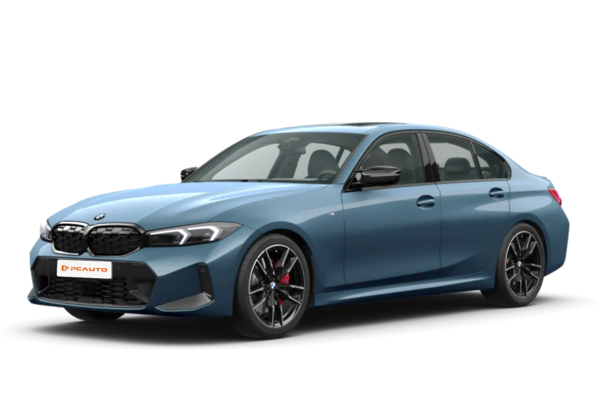
The BMW 3 Series, one of the brand's best-selling models, has always been a hot topic in the Malaysian market. Its latest facelift made its global debut in May 2022, with the locally-assembled (CKD) version hitting showrooms in the first quarter of 2023. The updates mainly focus on exterior tweaks, including sharper LED headlights, a larger kidney grille, and redesigned front and rear bumpers, giving the car a more sporty overall look. Inside, the cabin gets the new iDrive 8.0 operating system, paired with a curved display that combines a 12.3-inch all-digital instrument cluster and a 14.9-inch central touchscreen, significantly boosting the tech feel. For the Malaysian market, power options include the 320i, 330i, and M340i xDrive, all featuring 2.0L or 3.0L turbocharged engines mated to a 48V mild-hybrid system. Notably, the Malaysian-spec 3 Series comes standard with the Adaptive M suspension, which automatically adjusts damping based on road conditions for a more comfortable ride. For those considering a purchase, it's advisable to visit an authorized dealership for a test drive, especially to experience the upgraded autonomous driving assistance system, which works quite well for stop-and-go traffic in Kuala Lumpur.
 CrimsonHunterNov 10, 2025
Q
How much horsepower does a 2025 BMW 3 Series have?
Horsepower figures for the 2025 BMW 3 Series vary by specific model and powertrain configuration. Currently, the petrol variants available in the Malaysian market include the 320i, 330i, and M340i xDrive. The 320i is equipped with a 2.0-liter turbocharged engine, delivering approximately 184 horsepower. The 330i also uses a 2.0-liter turbocharged engine but with tuning to produce around 245 horsepower. The performance-focused M340i xDrive, on the other hand, comes with a 3.0-liter inline-six turbocharged engine, boasting about 382 horsepower. Additionally, there's the plug-in hybrid 330e, with a combined horsepower of roughly 292. Specific figures might vary slightly depending on local specifications or optional configurations. For Malaysian consumers, when making a choice, beyond focusing on horsepower numbers, it's essential to consider local road conditions and fuel quality. For instance, low-end torque performance is more practical for city driving, while high-horsepower models have an edge during highway cruising or mountain road driving. Meanwhile, BMW's TwinPower Turbo technology effectively balances power output and fuel efficiency. It's recommended to test drive different powertrain versions at authorized dealerships before purchasing to experience their actual performance.
 AzureStormNov 10, 2025
Q
What transmission is in the BMW 3 Series 2025?
The 2025 BMW 3 Series offers a range of transmission options in the Malaysian market to suit different driving needs. These include an updated 8-speed Steptronic automatic transmission, renowned for its smooth shifting and quick response times—perfect for drivers who want a blend of comfort and sporty performance. Meanwhile, some models may continue to offer a 6-speed manual gearbox, preserving that pure driving joy for enthusiasts who love being in control. BMW's transmission tech has always focused on balancing fuel efficiency with power delivery, and the 2025 3 Series takes it further with refined shift logic, enhancing both city driving and highway cruising. For Malaysian customers, the local hot and humid climate plus hilly road conditions demand reliable transmission cooling and durability, and BMW's systems are specifically tuned to handle these environments. Notably, following the trend toward electrification, the 2025 3 Series hybrid variants might come with a specially developed electrified transmission that integrates power from both the electric motor and internal combustion engine. When picking a transmission, Malaysian owners should consider their daily use: the 8-speed auto fits most family and business scenarios, while the manual is better suited for die-hard driving fans.
 NighthawkNov 10, 2025
Q
How much is the 2025 BMW 3 Series?
The 2025 BMW 3 Series is expected to be priced between RM250,000 and RM350,000 in Malaysia, depending on the trim and powertrain options. Different variants like the 320i, 330e, or M340i will have significant price differences. This car continues BMW's classic driving pleasure and luxury feel, while the new generation might get upgrades like a more advanced iDrive system, 48V mild hybrid technology, and more efficient powertrains – perfect for buyers who want a balance of sportiness and comfort. In the Malaysian market, the 3 Series' main rivals are the Mercedes C-Class and Audi A4, but it holds a unique edge with its excellent handling and brand reputation. Prospective buyers should contact local authorized BMW dealers directly for the latest pricing and promotions, and also book a test drive to experience its dynamic performance. Beyond just the price, factors like maintenance costs, insurance premiums, and resale value for long-term ownership should be considered too – BMW performs quite balanced in these aspects among luxury brands.
 ThornFangNov 10, 2025
Q
What are common BMW 3 Series problems?
The BMW 3 Series is a luxury sedan that's really popular with Malaysian buyers. It's got great driving dynamics and solid tech features, but there are a few common issues potential owners should keep in mind. For example, some models might develop electronics glitches after long-term use—like the iDrive system freezing up occasionally or sensors giving false alerts. Usually, a simple software update fixes those problems. Then, for the turbocharged engine variants, once they rack up high mileage, it's worth keeping an eye on the cooling system seals—they can get old and start leaking a bit. Regular checks on the radiator and hoses should help prevent that. With Malaysia's hot weather, interior materials such as rubber seals tend to age faster than in cooler climates, so using a protectant regularly can help extend their life. It's also worth noting that the 3 Series has a sporty suspension setup, and models with run-flat tires can get pretty noisy on some of Malaysia's rougher roads. But that's more of a design choice than a quality issue. If you're buying a used one, make sure to check the oil pan gasket and transmission seals carefully—those parts can show normal wear after around 80,000 kilometers. Overall, as long as you stick to the official service schedule and use genuine parts, the 3 Series should be reliable enough for Malaysian roads.
 AstralFlightNov 10, 2025
Q
How big is the BMW 3 Series Touring 2025?
The 2025 BMW 3 Series Touring is expected to have similar dimensions to the current model, measuring around 4.7 meters in length, 1.8 meters in width, 1.4 meters in height, and a 2.85-meter wheelbase. This translates to a spacious cabin and a boot capacity of approximately 500 liters, which can expand to nearly 1,500 liters with the rear seats folded down—perfect for Malaysian family trips or hauling cargo. It carries forward BMW's legendary handling while adding practicality, and comes with efficient powertrains, including petrol and plug-in hybrid options, making it ideal for drivers who crave driving fun but also need versatility. In the Malaysian market, the 3 Series Touring hits a sweet spot with its size—maneuvering easily in city traffic while offering ample load-lugging ability. Throw in BMW's well-established after-sales service network locally, and it's a luxury wagon well worth considering. Plus, its tech features like smart driving assistance and connectivity keep up with the times, meeting modern users' high demands for convenience and safety.
 CobaltCrushNov 10, 2025
Q
How much will the 2025 BMW 3 Series cost?
BMW Malaysia has yet to officially announce the specific pricing for the 2025 BMW 3 Series in Malaysia. However, looking at the current 2024 model's price range (approximately RM248,000 to RM370,000, depending on configuration and powertrain), we can expect a slight increase for the new model. This is mainly due to upgrades in new technology features and exchange rate fluctuations. The next-gen 3 Series will likely come with a more efficient 48V mild-hybrid system, an upgraded iDrive infotainment system, and enhanced driver assistance functions—improvements that typically impact pricing. For Malaysian consumers, beyond the new car price, local tax policies (like import duties and sales tax) and dealer promotions are key factors that will significantly affect the final on-the-road cost. If budget is a concern, keep an eye on BMW Malaysia's official certified pre-owned program (BMW Premium Selection), where vehicles come with factory warranties and more attractive pricing. Prospective buyers should stay tuned to BMW Malaysia's official website or authorized dealers for the latest updates on exact specifications and pricing details.
 FlareBurstNov 10, 2025
Q
What BMW cars are coming out in 2025?
BMW is set to roll out several new models in 2025, including the all-new fully electric iX3. Built on the Neue Klasse platform, this SUV is expected to deliver over 600 kilometers of range and support faster charging technology, making it a great fit for Malaysian drivers who value long-distance drives and charging convenience. Additionally, BMW will introduce a new plug-in hybrid version of the 5 Series, which combines efficient fuel economy with the benefits of electric driving—perfect for city commuting. Notably, the high-performance BMW XM SUV might also get a minor facelift, further boosting its power and luxury features to satisfy high-end users craving driving excitement. For the Malaysian market, these new models not only maintain BMW's signature driving dynamics but also incorporate more localized touches, such as cooling systems tailored for the tropical climate and right-hand drive configurations. BMW has invested heavily in electrification in recent years, and its 2025 lineup will further solidify its leading position in the luxury car market while offering Malaysian consumers more eco-friendly and high-tech choices.
 HypnoticGlowNov 10, 2025
Q
Is the 2025 BMW 3 Series reliable?
The 2025 BMW 3 Series shows promising potential in terms of reliability. As a core model for the BMW brand, previous generations of the 3 Series have built a solid reputation in the Malaysian market, with particular praise for their well-tuned chassis and efficient powertrains. The new model is expected to uphold BMW's consistent high standards of craftsmanship, while featuring optimized electronic systems and cooling components tailored for tropical climates—a crucial consideration for Malaysian users. While the exact specifications for the 2025 variant haven't been fully disclosed, the proven combination of BMW's B-series turbocharged engines and ZF 8-speed transmissions, as seen in current models, has already stood the test of market validation with relatively reasonable maintenance costs. It's worth noting that BMW boasts an extensive after-sales network in Malaysia, and localized production at the Sepang assembly plant ensures efficient parts availability. For consumers considering a German luxury sedan, beyond reliability data, it's advisable to take a test drive to experience the handling firsthand and compare warranty policies across competing models, as long-term ownership costs are significantly influenced by service terms. Overall, if it maintains the quality standards of the current generation, the 2025 3 Series remains a compelling choice in the luxury sports sedan segment.
 OmegaStrikeNov 10, 2025
Popular Cars
Model Year
Car Compare
Car Photo
Related Models
 Cars
CarsLatest Q&A
Q
Is AMT similar to automatic?
There are significant differences between AMT transmissions and automatic transmissions (AT) in terms of core structure and driving experience. AMT is essentially an electronically automated version of a manual transmission, simulating manual clutch operation and gear shifting through a computerized control system while retaining the gear set structure of manual transmissions. As a result, it offers higher transmission efficiency, with fuel consumption approximately 8%-12% lower than AT, making it particularly suitable for highway or long-distance driving. However, it may exhibit jerking similar to manual transmissions during low-speed gear shifts, especially noticeable in congested traffic conditions.
AT transmissions rely on torque converters for power transfer, delivering smooth and seamless gear shifts that appeal to comfort-oriented users. However, their complex structure (incorporating planetary gear sets, hydraulic systems, etc.) results in higher maintenance costs. A single service may cost between 800 to 1,500 ringgit, whereas AMT only requires gear oil replacement at approximately 400 ringgit.
From a market perspective, AMT is predominantly used in budget vehicles or commercial models priced below 80,000 ringgit, while AT is typically featured in mid-to-high-end vehicles. Consumers should select based on actual needs: AMT suits those prioritizing fuel efficiency and low maintenance costs, while AT better serves those valuing comfort. Notably, recent advancements in AMT electronic control technology have significantly mitigated jerking issues, though test drives should still emphasize low-speed performance evaluation.
 AriaMar 26, 2026
Q
Which is better, DCT or AT?
DCT (Dual-Clutch Transmission) and AT (Automatic Transmission) each have their own advantages and disadvantages, and the choice should be based on personal driving needs. AT transmissions transfer power through a torque converter, offering excellent shift smoothness, making them suitable for urban commuting or novice drivers. However, they tend to have higher fuel consumption, and vehicles equipped with them are usually more expensive. DCT transmissions utilize a dual-clutch structure, featuring fast shift speeds and high power transmission efficiency, which provides a more direct driving experience—particularly suitable for users seeking a sporty feel. However, they may exhibit jerking at low speeds and have relatively high maintenance costs. If durability and comfort are priorities, AT is the more reliable choice; if power responsiveness and driving pleasure are preferred, wet DCT (such as Volkswagen DSG) performs better, though dry DCT models should be avoided in prolonged stop-and-go traffic conditions. Additionally, CVT transmissions excel in smoothness and fuel efficiency, making them ideal for daily commuting, but they lack driving excitement. It is recommended to test-drive before purchasing, as tuning varies significantly across brands, and real-world experience is more important than theoretical specifications.
 FlutteringMar 26, 2026
Q
Is Amt good or bad?
AMT gearboxes have a significant cost advantage in the local market, typically being around 5,000 Ringgit cheaper than models equipped with conventional automatic transmissions. Their fuel efficiency is comparable to manual transmissions, resulting in long-term fuel savings. Featuring a straightforward design, they achieve transmission efficiency exceeding 90% with relatively low maintenance costs, making them ideal for practicality-oriented consumers. However, their shifting logic contains inherent limitations: gear changes between 1st and 2nd cause 0.3-0.5 second power interruptions, while unintended upshifts on inclines may reduce engine speed by 15%-20%, compromising driving smoothness. For urban commuters or budget-conscious buyers, AMT offers excellent value, though those prioritizing premium driving dynamics should consider alternative transmission types. Some domestic models like the Perodua Axia employ enhanced AMT systems, where optimized shift programming has reduced gearshift shock by approximately 30%.
 RainbowsMar 26, 2026
Q
Which gives better mileage, CVT or AMT?
From the perspective of fuel economy, CVT transmissions generally perform better under urban driving conditions. Their continuously variable design allows the engine to consistently operate within the optimal speed range, significantly reducing fuel consumption during frequent starts and stops. Test data shows that their fuel consumption in urban driving conditions is 10% to 15% lower than that of comparable models. AMT transmissions, on the other hand, inherit the high transmission efficiency of manual transmissions, delivering fuel efficiency close to manual transmissions during high-speed cruising. This makes them particularly suitable for long-distance driving in large-displacement vehicles. However, due to power interruption during gear shifts, their overall fuel consumption may be 5% to 8% higher than CVTs.
The difference in fuel-saving characteristics between the two transmissions stems from their technical principles: CVTs achieve continuous variability through steel belts and pulleys, eliminating the fixed gear ratio limitations of traditional transmissions; AMTs simulate manual gear changes via electronic control systems while maintaining the mechanical efficiency of gear transmission. Notably, actual fuel consumption is also influenced by driving habits. Smooth acceleration and anticipatory deceleration can maximize the transmissions' fuel-saving potential. If the vehicle budget permits and urban commuting is the primary use, CVTs offer a more economical choice. For frequent highway driving with an emphasis on cost-effectiveness, AMTs are equally worth considering.
 RubyBlazeMar 26, 2026
Q
Which is cheaper, AMT or CVT?
In terms of gearbox cost, AMT is usually more economical than CVT. Essentially, AMT is a manual transmission equipped with an electronic control unit, featuring a simple structure and low maintenance costs. The unit price ranges from approximately 5,000 to 8,000 ringgit, making it suitable for budget-conscious consumers or those who prioritize long-term operating costs. CVT incurs higher manufacturing costs due to its precision steel belt transmission system and continuous variable transmission technology, with a unit price of about 7,000 to 10,000 ringgit. However, it delivers a smoother driving experience and superior fuel efficiency. The primary differences between the two lie in technical complexity: AMT retains the gear-shifting mechanism, resulting in noticeable shift shock; CVT achieves linear power output through stepless speed variation but requires periodic belt inspection and incurs higher maintenance expenses. For those prioritizing initial cost and basic transportation needs, AMT offers better value; if comfort and long-term fuel economy are priorities, CVT represents a more worthwhile investment. Note that actual prices may vary based on vehicle model, brand, and local supply chain factors.
 ShadowProwlMar 26, 2026
Related News
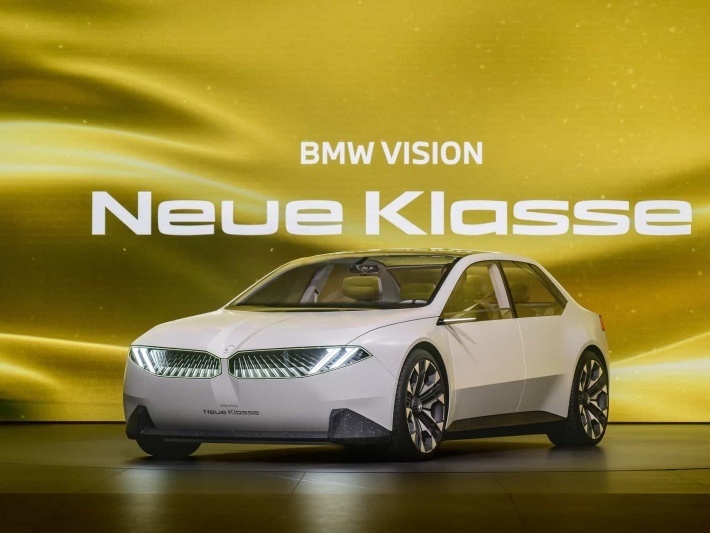
BMW Debuts Neue Klasse: Next 3 Series First to Feature
LienMay 30, 2025
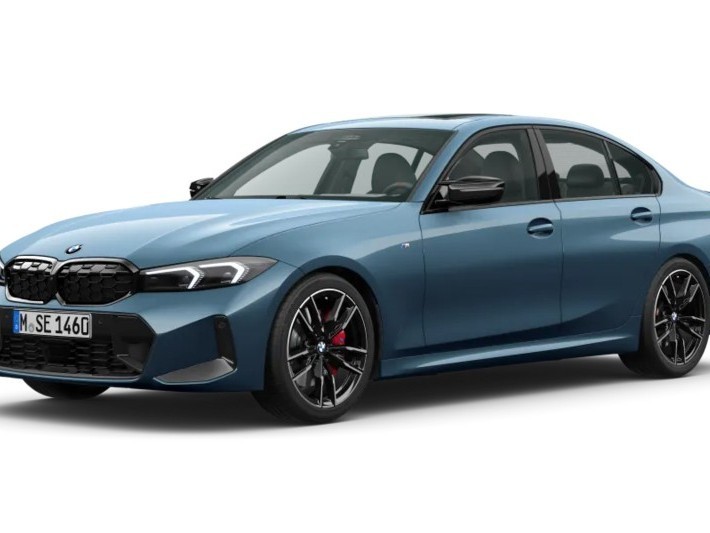
BMW 3 Series: Luxury Meets Efficiency
RobertMay 6, 2025
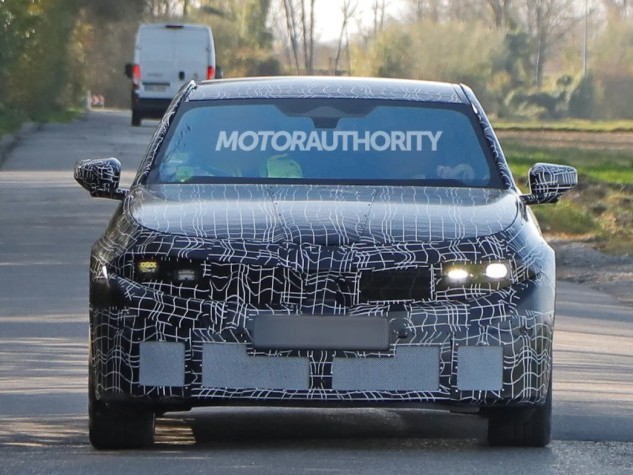
The next-generation BMW 3 Series revealed in road tests! It is expected to be launched in 2027, with both internal combustion engine and pure electric versions available!
JohnNov 19, 2024

The all-new BMW i5 eDrive40 M Sport Pro lands in Malaysia
LienJan 16, 2026

Audi RS6 sedan version may return to compete fully with the BMW M5
WilliamNov 21, 2025
View More
Pros
Cons