
Q
How many Range Rovers were sold in 2023?
 ThinkerThoughtOct 24, 2025, 06:15 PM
The global sales of the 2023 Land Rover Range Rover stood at approximately 70,000 units, with slight variations possible due to regional statistical differences. This luxury SUV continues to be a favorite among high-end consumers, thanks to its iconic design, robust off-road capabilities, and cutting-edge technology. In the Malaysian market, while official sales figures for the Range Rover aren't released separately, as Land Rover's flagship model, it consistently holds a significant share in the luxury SUV segment, particularly popular among local elites and off-road enthusiasts. Notably, the 2023 Range Rover introduced a plug-in hybrid variant, aligning with the global electrification trend while retaining its all-terrain prowess – a big draw for Malaysian buyers who value both environmental consciousness and a premium experience. Land Rover dealerships in Malaysia also offer localized service packages, including maintenance programs tailored to the tropical climate, further enhancing convenience for owners. If you're considering a purchase, we recommend heading to an authorized showroom to experience the latest models and explore configuration options suited to Malaysian road conditions.
Special Disclaimer: This content is published by users and does not represent the views or position of PCauto.
Related Q&A
Q
What are the different models of Range Rover Sport 2023?
The 2023 Range Rover Sport hits the Malaysian market with a solid lineup to suit different tastes, headlined by models like the P360 SE, P400 Dynamic SE, P400 Autobiography, and the fire-breathing performance king, the P530 First Edition.
Kicking things off, the P360 SE packs a 3.0-liter inline-six mild-hybrid setup, cranking out 355 horsepower. Step up to the P400 Dynamic SE, and you're looking at more power and a bump in luxury kit. But if you're all about raw performance, the range-topping P530 First Edition is where it's at. Under the hood sits a 4.4-liter twin-turbo V8, churning out a whopping 523 horsepower—good enough to rocket you from 0-100km/h in just 4.5 seconds. That one's for the drivers who crave that extra adrenaline rush.
Across the board, Land Rover's thrown in some serious tech. You get Terrain Response 2 as standard, so off-road capability is baked right in, along with the snappy Pivi Pro infotainment system to keep things connected on the go. For Malaysian roads, that generous ground clearance and 900mm wading depth are real practical wins, making short work of whatever the local conditions throw at you—be it rough patches or unexpected downpours. And let's not forget the interior: plush, luxurious, with options like Windsor leather seats that'll appeal to those who want to ride in style.
One more thing worth highlighting: the 2023 model gets a stiffer body and a new 48V active electronic anti-roll bar setup. Trust me, that translates to sharper, more composed handling on the tarmac. So whether you're carving through corners or cruising the highway, this Sport feels more planted than ever. All in all, it's a solid package that blends luxury, tech, off-road grit, and now, even better on-road dynamics.
 HappyClamOct 24, 2025
Q
How safe is the 2023 Range Rover Sport?
The 2023 Range Rover Sport really steps up when it comes to safety, packing in a solid suite of advanced safety tech and driver aids. We're talking adaptive cruise control, lane keep assist, automatic emergency braking, and a 360-degree surround-view camera – all the good stuff that genuinely makes a difference in everyday driving and those trickier road situations. It's got a tough, high-strength body structure too, plus a bunch of airbags, so you know the occupants are well looked after in there.
For folks in Malaysia, the Range Rover Sport's off-road chops and all-around adaptability make it a great fit for the country's mixed bag of roads. Whether you're navigating city streets or tackling those rural routes, it handles it all with ease. On top of that, this SUV has racked up some impressive scores from major international safety rating agencies, which is a solid thumbs-up to how well it performs in crash tests.
If you're after a luxury SUV that doesn't skimp on safety or comfort, the 2023 Range Rover Sport is definitely one to have on your shortlist. It's not just about the great driving feel – it also gives you that peace of mind, knowing your whole family's in safe hands when you're out and about.
 HappyCrabOct 24, 2025
Q
How many Range Rover sports were sold in 2023?
Detailed sales figures for the 2023 Range Rover Sport across global markets haven't been fully released yet, but looking at Land Rover's overall performance, this luxury SUV has maintained steady demand in Southeast Asian markets, including Malaysia. As Land Rover's model that blends sporty performance with luxury appointments, the Range Rover Sport has drawn in plenty of Malaysian consumers seeking a premium driving experience, thanks to its all-terrain capability, plug-in hybrid option, and the latest Pivi Pro infotainment system.
In the local market, its rivals include German contenders like the BMW X5 and Mercedes-Benz GLE, yet the Range Rover Sport's distinct British design language and off-road heritage continue to win it a dedicated following. When shopping for such luxury SUVs, Malaysian buyers typically prioritize factors like road tax costs, ease of maintenance, and the after-sales service packages offered by official distributor Jaguar Land Rover Malaysia.
Notably, the 2023 model also received an upgraded mild-hybrid system, further enhancing fuel efficiency – a definite plus for Malaysia's increasingly eco-conscious buyers.
 LuckyCloverOct 24, 2025
Q
How much is a 2023 Range Rover Sport worth?
The price of the 2023 Range Rover Sport in the Malaysian market varies based on configuration and optional equipment. The starting price for a new vehicle is approximately RM 800,000 to RM 1.2 million, with the final amount determined by the powertrain variant (such as the P360, P400e plug-in hybrid, or the high-performance P530 V8) and selected premium features like four-wheel steering, advanced audio systems, or all-terrain packages. It is important to note that import vehicle prices in Malaysia are also subject to tariffs, excise taxes, and exchange rate fluctuations. Therefore, it is advisable to contact an authorized dealer for the most current and accurate quotation. As Land Rover's high-performance SUV, the 2023 Range Rover Sport maintains its characteristic balance of a luxurious interior and serious off-road capability. It is equipped with the latest Pivi Pro infotainment system and 48V mild-hybrid technology, delivering strong performance alongside improved fuel efficiency. In the used car market, prices are typically 15-30% lower than new vehicles, depending on factors such as mileage, overall condition, and the remaining warranty period. Prospective buyers in Malaysia should also inquire about Land Rover's 5-year warranty and complimentary service packages, as these benefits can significantly reduce long-term ownership costs.
 CoolBreezeOct 24, 2025
Q
How big is the Range Rover Sport 2023?
The 2023 Range Rover Sport measures in at 4946mm long, 2047mm wide, and 1820mm tall, with a wheelbase stretching to 2997mm. These dimensions strike a nice balance for Malaysian roads – it's got that commanding SUV presence you'd expect from a luxury ride, but it still feels nimble enough for city driving. They've also tweaked the approach angle, departure angle, and ground clearance, making it pretty capable for Malaysia's mixed bag of terrains.
Putting it in context, size-wise, it's sitting comfortably in the upper-mid range of its luxury SUV peers. It's a smidge bigger than a Porsche Cayenne but not quite as large as a Mercedes GLS. Inside, there's a roomy five-seat setup, and the boot space is flexible too – 647 litres with the seats up, expanding to a generous 1686 litres when you fold them down. Perfect for family trips or those longer getaways.
For Malaysian buyers, the 2023 Range Rover Sport's dimensions hit that sweet spot between everyday practicality and off-road capability. Throw in its plush interior and all the latest tech, and you've got a versatile SUV that transitions smoothly from city streets to weekend adventures.
 SunshineDayOct 24, 2025
Q
What is the most stolen car in 2023?
The most stolen car model in Malaysia for 2023 is the Toyota Hilux. This pickup truck tops the list for thieves thanks to its reputation for durability, strong market demand, and the widespread availability of its parts – a problem that's especially prevalent in rural areas and industrial zones. Hot on its heels are the Honda City and Toyota Vios. These budget-friendly sedans are also frequent targets due to their large numbers on the road, low repair costs, and ease of resale.
In Malaysia, car thefts tend to cluster around popular models because both their parts and the vehicles themselves are easy to offload on the black market. To cut down your risk of becoming a victim, there are some practical steps you can take. Think about adding extra security measures like a steering wheel lock or a GPS tracker. Parking in well-lit areas or spots with CCTV coverage is a smart move too, as is using a hidden kill switch to cut off the electrical supply.
On top of that, it's crucial to regularly check your car's security system and make sure your insurance policy covers theft. Malaysian police also recommend marking your vehicle with a unique identifier – it can significantly boost the chances of getting it back if it does get stolen.
 FriendshipOct 24, 2025
Q
How many Range Rovers were stolen in 2023?
According to public data from Malaysian police and the insurance industry, thefts of Range Rovers in Malaysia saw an uptick in 2023 compared to previous years. These incidents are mainly concentrated in major cities like Kuala Lumpur and Penang, hotspots where high-value vehicles are densely concentrated. This trend ties directly to the model's premium positioning and strong market demand. While Malaysia's vehicle anti-theft technology has been advancing in recent years, thieves are also upping their game. It's advisable for owners to install additional security measures such as GPS trackers and steering wheel locks, and whenever possible, park in monitored, secure areas. The Range Rover has long been a favorite in the Malaysian market, prized for its luxurious design and exceptional performance—factors that unfortunately also make it a target for thieves. Malaysian authorities have stepped up efforts to crack down on these cases and are collaborating with insurance companies to roll out more anti-theft initiatives. Owners can further mitigate risks by opting for comprehensive insurance coverage. Being aware of this information can help Malaysian Range Rover owners stay vigilant and take appropriate precautions.
 DesignerArtOct 24, 2025
Q
Does the 2023 Range Rover have good resale value?
The 2023 Range Rover holds its value pretty well in the Malaysian market, and that’s mostly down to Land Rover’s premium image, strong brand loyalty, and the model’s status as a benchmark in the luxury SUV segment. Let’s be real, Range Rovers have always been known for their top-notch off-road capability, lush interiors, and cutting-edge tech—all things that keep demand steady in the used car market, which in turn helps those resale values stay high.
On top of that, Land Rover’s after-sales service network in Malaysia is pretty solid, which definitely gives buyers more confidence when looking at used models. But hey, let’s not forget—resale value still depends on stuff like the actual condition of the car, mileage, service history, and market supply and demand. If you’re thinking about buying one, I’d recommend going through official channels and making sure the vehicle has a complete service record.
For Malaysian consumers planning to switch cars in the next few years, picking a high-residual model like the Range Rover can definitely help lower your overall ownership costs. Just keep in mind, luxury cars come with higher maintenance bills, and that might take a bite out of those savings in the long run.
 ModelPoseOct 24, 2025
Q
Who makes 2023 Range Rover engines?
The 2023 Range Rover's engines are developed and built in-house by Jaguar Land Rover, with options spanning petrol, diesel, and plug-in hybrid powertrains. Petrol variants get either the 3.0-litre inline-six Ingenium motor or a 4.4-litre V8 (sourced from BMW collaboration), while diesels stick to the 3.0-litre Ingenium six-cylinder. The P400e plug-in hybrid pairs a 2.0-litre four-cylinder petrol engine with an electric motor. For Malaysian buyers, these setups strike a solid balance between performance and eco-friendliness, handling our diverse road conditions—think stop-and-go city traffic to long highway stretches out of town.
JLR's been steadily refining the Ingenium engine family over recent years, using lightweight construction and turbocharging tech to boost fuel efficiency while cutting emissions, keeping pace with strict global environmental standards. Malaysia's hot climate demands robust engine cooling, and Range Rover's system has been specifically tuned to handle tropical conditions reliably over the long haul. Plus, owners can keep their engines in top shape with regular maintenance—using factory-recommended oil and timely filter changes, for example. These little details go a long way in extending engine life and preserving that peak performance feel.
 RunnerSpeedOct 24, 2025
Q
Is the 2023 Range Rover reliable?
The 2023 Range Rover, Land Rover's flagship luxury SUV, has stepped up its reliability game compared to previous generations. They've really ironed out some kinks, especially in the electronics and powertrain stability. But let's be real, with all that cutting-edge tech packed in, owners should keep in mind that maintenance costs could creep up if things get finicky.
Malaysia's hot and humid climate is no joke for cars – it puts extra strain on cooling systems and the longevity of electronic bits. So, make it a point to get the cooling system and air suspension (if your Rover's equipped with it) checked regularly. And don't skimp on oil – stick with the factory-recommended stuff to keep that 3.0-litre or 4.4-litre engine purring at its best.
Here's the thing about luxury car reliability: it's not just about how well the metal and gears are put together. The local dealer network's service quality plays a huge role too. Before you sign on the dotted line, do your homework on Malaysia's authorized Land Rover service centers – check out their technicians' credentials and make sure they keep a decent stock of parts.
If resale value is on your mind, Land Rovers generally hold their value better than some European rivals in the Malaysian market. That said, the hybrid versions might take a bigger hit in the long run because of potential battery maintenance costs.
For buyers who prioritize peace of mind when it comes to reliability, springing for the factory extended warranty to cover those crucial components is a smart move. And when picking your model, lean towards the ones with the tried-and-tested Ingenium engines – they've proven themselves in the market.
 SwimmerStrokeOct 24, 2025
Popular Cars
Model Year
Car Compare
Car Photo
Related Models
 Cars
CarsLatest Q&A
Q
Is AMT similar to automatic?
There are significant differences between AMT transmissions and automatic transmissions (AT) in terms of core structure and driving experience. AMT is essentially an electronically automated version of a manual transmission, simulating manual clutch operation and gear shifting through a computerized control system while retaining the gear set structure of manual transmissions. As a result, it offers higher transmission efficiency, with fuel consumption approximately 8%-12% lower than AT, making it particularly suitable for highway or long-distance driving. However, it may exhibit jerking similar to manual transmissions during low-speed gear shifts, especially noticeable in congested traffic conditions.
AT transmissions rely on torque converters for power transfer, delivering smooth and seamless gear shifts that appeal to comfort-oriented users. However, their complex structure (incorporating planetary gear sets, hydraulic systems, etc.) results in higher maintenance costs. A single service may cost between 800 to 1,500 ringgit, whereas AMT only requires gear oil replacement at approximately 400 ringgit.
From a market perspective, AMT is predominantly used in budget vehicles or commercial models priced below 80,000 ringgit, while AT is typically featured in mid-to-high-end vehicles. Consumers should select based on actual needs: AMT suits those prioritizing fuel efficiency and low maintenance costs, while AT better serves those valuing comfort. Notably, recent advancements in AMT electronic control technology have significantly mitigated jerking issues, though test drives should still emphasize low-speed performance evaluation.
 AriaMar 26, 2026
Q
Which is better, DCT or AT?
DCT (Dual-Clutch Transmission) and AT (Automatic Transmission) each have their own advantages and disadvantages, and the choice should be based on personal driving needs. AT transmissions transfer power through a torque converter, offering excellent shift smoothness, making them suitable for urban commuting or novice drivers. However, they tend to have higher fuel consumption, and vehicles equipped with them are usually more expensive. DCT transmissions utilize a dual-clutch structure, featuring fast shift speeds and high power transmission efficiency, which provides a more direct driving experience—particularly suitable for users seeking a sporty feel. However, they may exhibit jerking at low speeds and have relatively high maintenance costs. If durability and comfort are priorities, AT is the more reliable choice; if power responsiveness and driving pleasure are preferred, wet DCT (such as Volkswagen DSG) performs better, though dry DCT models should be avoided in prolonged stop-and-go traffic conditions. Additionally, CVT transmissions excel in smoothness and fuel efficiency, making them ideal for daily commuting, but they lack driving excitement. It is recommended to test-drive before purchasing, as tuning varies significantly across brands, and real-world experience is more important than theoretical specifications.
 FlutteringMar 26, 2026
Q
Is Amt good or bad?
AMT gearboxes have a significant cost advantage in the local market, typically being around 5,000 Ringgit cheaper than models equipped with conventional automatic transmissions. Their fuel efficiency is comparable to manual transmissions, resulting in long-term fuel savings. Featuring a straightforward design, they achieve transmission efficiency exceeding 90% with relatively low maintenance costs, making them ideal for practicality-oriented consumers. However, their shifting logic contains inherent limitations: gear changes between 1st and 2nd cause 0.3-0.5 second power interruptions, while unintended upshifts on inclines may reduce engine speed by 15%-20%, compromising driving smoothness. For urban commuters or budget-conscious buyers, AMT offers excellent value, though those prioritizing premium driving dynamics should consider alternative transmission types. Some domestic models like the Perodua Axia employ enhanced AMT systems, where optimized shift programming has reduced gearshift shock by approximately 30%.
 RainbowsMar 26, 2026
Q
Which gives better mileage, CVT or AMT?
From the perspective of fuel economy, CVT transmissions generally perform better under urban driving conditions. Their continuously variable design allows the engine to consistently operate within the optimal speed range, significantly reducing fuel consumption during frequent starts and stops. Test data shows that their fuel consumption in urban driving conditions is 10% to 15% lower than that of comparable models. AMT transmissions, on the other hand, inherit the high transmission efficiency of manual transmissions, delivering fuel efficiency close to manual transmissions during high-speed cruising. This makes them particularly suitable for long-distance driving in large-displacement vehicles. However, due to power interruption during gear shifts, their overall fuel consumption may be 5% to 8% higher than CVTs.
The difference in fuel-saving characteristics between the two transmissions stems from their technical principles: CVTs achieve continuous variability through steel belts and pulleys, eliminating the fixed gear ratio limitations of traditional transmissions; AMTs simulate manual gear changes via electronic control systems while maintaining the mechanical efficiency of gear transmission. Notably, actual fuel consumption is also influenced by driving habits. Smooth acceleration and anticipatory deceleration can maximize the transmissions' fuel-saving potential. If the vehicle budget permits and urban commuting is the primary use, CVTs offer a more economical choice. For frequent highway driving with an emphasis on cost-effectiveness, AMTs are equally worth considering.
 RubyBlazeMar 26, 2026
Q
Which is cheaper, AMT or CVT?
In terms of gearbox cost, AMT is usually more economical than CVT. Essentially, AMT is a manual transmission equipped with an electronic control unit, featuring a simple structure and low maintenance costs. The unit price ranges from approximately 5,000 to 8,000 ringgit, making it suitable for budget-conscious consumers or those who prioritize long-term operating costs. CVT incurs higher manufacturing costs due to its precision steel belt transmission system and continuous variable transmission technology, with a unit price of about 7,000 to 10,000 ringgit. However, it delivers a smoother driving experience and superior fuel efficiency. The primary differences between the two lie in technical complexity: AMT retains the gear-shifting mechanism, resulting in noticeable shift shock; CVT achieves linear power output through stepless speed variation but requires periodic belt inspection and incurs higher maintenance expenses. For those prioritizing initial cost and basic transportation needs, AMT offers better value; if comfort and long-term fuel economy are priorities, CVT represents a more worthwhile investment. Note that actual prices may vary based on vehicle model, brand, and local supply chain factors.
 ShadowProwlMar 26, 2026
Related News

Return to the top! Land Rover Defender D7X-R Swept the top two spots in the Dakar Rally's Production Class
RobertJan 20, 2026

Land Rover releases Defender Dakar D7X-R, returning to Dakar Rally
RobertNov 28, 2025
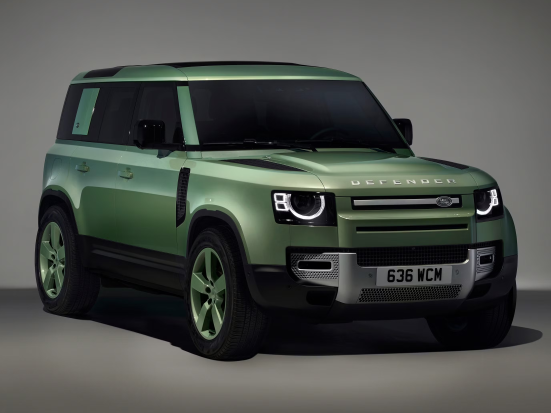
Land Rover Defender: Hardcore Chassis Conquers Any Terrain
LienMay 19, 2025
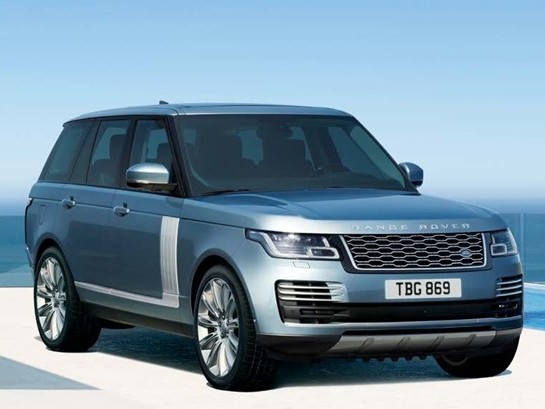
Starting from RM 1,220,000! Luxury SUV: Land Rover Range Rover, unlimited driving pleasure!
AshleyJul 16, 2024
Pros
Cons