
Q
How much horsepower does the MG HS 2024 have?
 FixerToolRepairSep 01, 2025, 06:16 PM
The powertrain options of the 2024 MG HS in the Malaysian market vary depending on the specific configurations. The main models are equipped with a 1.5 - liter turbocharged gasoline engine, which can deliver a maximum power of about 162 horsepower. Paired with a 7 - speed dual - clutch transmission, its power performance meets the needs of daily commuting and light - duty driving.
If it's a plug - in hybrid version (such as the HS PHEV), the combined horsepower can be increased to about 258 horsepower, and it has an all - electric range of about 52 kilometers, which is suitable for users who focus on fuel economy. It's worth mentioning that horsepower is just one of the indicators to measure a car's performance. Torque output, transmission tuning, and vehicle weight also affect the actual driving experience. It is recommended that consumers pay attention to the low - speed acceleration and high - speed overtaking performance during test drives.
In recent years, the MG brand has strengthened its presence in Southeast Asia through models like the HS. Its intelligent connectivity features, such as the 10.1 - inch touchscreen and voice control, also meet the preferences of Malaysian users for technological experiences. Before purchasing a car, consumers can compare the warranty terms and after - sales networks of Japanese or Korean SUVs in the same class.
Special Disclaimer: This content is published by users and does not represent the views or position of PCauto.
Related Q&A
Q
How far does a full tank go from 2024 MG HS?
The cruising range of the 2024 MG HS with a full tank of fuel depends on the specific model and driving conditions. According to official data, the version equipped with a 1.5 - liter turbocharged engine has a fuel tank capacity of 55 liters and a combined fuel consumption of approximately 6.5 liters per 100 kilometers. The theoretical cruising range can reach about 846 kilometers. The plug - in hybrid (PHEV) version has a 37 - liter fuel tank in pure - gasoline mode, with lower fuel consumption, and its cruising range may exceed 900 kilometers.
The actual cruising range may vary due to factors such as road conditions, driving habits, and vehicle load. For example, fuel consumption may increase by 20% in congested urban areas, while highway cruising is more fuel - efficient. Malaysian users should note that the long - term use of air conditioning in tropical climates may increase fuel consumption by 10% - 15%. It is recommended to regularly maintain tires and the engine to maintain optimal fuel efficiency.
SUVs in the same class, such as the Honda CR - V or Toyota RAV4, have similar cruising range performance. However, the intelligent driving mode of the MG HS can further optimize energy consumption by adjusting the power output, which is one of its technological highlights.
 BuddyTimeTogetherSep 1, 2025
Q
Is the 2024 MG HS a turbo?
Yes, the 2024 MG HS offers a turbocharged engine option in the Malaysian market. Specifically, it is equipped with a 1.5-liter four-cylinder turbocharged gasoline engine with a maximum power of 162 horsepower and a peak torque of 250 Nm. It is paired with a 7-speed dual-clutch transmission. This powertrain combination balances the smoothness of daily driving and acceleration performance.
For Malaysian consumers, turbocharging technology can effectively increase torque output at low engine speeds, which is especially suitable for the frequent start-stop traffic conditions in cities like Kuala Lumpur. At the same time, it achieves higher fuel efficiency on the basis of a small displacement. Competitors in the same class, such as the Honda CR-V and Toyota RAV4, also commonly use turbocharging technology, but the MG HS attracts consumers with a more competitive price and rich configurations. For example, it comes standard with LED headlights and a 10.1-inch touchscreen.
It's worth noting that turbocharged engines need regular maintenance to ensure long-term reliability. It is recommended to follow the manufacturer's specified oil change intervals and use the designated grade of fuel. This type of technology has been fully verified in the global market, so car owners don't need to worry too much about durability issues.
 SunshineDayHappySep 1, 2025
Q
Does the 2024 MG HS have front parking sensors?
The 2024 MG HS is indeed equipped with front parking sensors in the Malaysian market. This configuration provides additional convenience for drivers when parking in tight spaces or maneuvering at low speeds, especially suitable for the crowded urban areas and densely populated residential areas commonly found in Malaysia. In addition to the front sensors, this model usually comes with a rearview camera or a 360-degree surround-view system, further enhancing parking safety. It's worth noting that there may be differences among different configuration versions. It is recommended that consumers confirm the specific specifications with authorized dealers before purchasing. For Malaysian users who value practicality, the parking assistance system can significantly reduce the risk of scratches, especially helpful for novice drivers. With the development of automotive technology, more and more entry-level SUVs are starting to come standard with such configurations, reflecting the market's emphasis on driving assistance functions. If your budget allows, you can also pay attention to models equipped with automatic parking functions, as this technology can further simplify the parking operation.
 MoonlightNightCalmSep 1, 2025
Q
Is MG HS 2024 electric?
The 2024 MG HS isn't a pure electric vehicle, but it offers a plug - in hybrid electric vehicle (PHEV) version. This model is equipped with a hybrid system that combines a 1.5 - liter turbocharged gasoline engine and a 16.6 kWh lithium - ion battery pack. The maximum power of the electric motor is 90 kW (about 121 horsepower), and the combined output can reach 291 PS (about 287 horsepower). The pure - electric driving range is about 51 kilometers, and it only takes 5.8 seconds to accelerate from 0 to 100 km/h. For Malaysian consumers, the PHEV version can meet the zero - emission requirements for daily commuting (you can use the pure - electric mode for short trips) and the flexibility for long - distance driving, while enjoying lower fuel consumption. It should be noted that there are also traditional fuel versions of the MG HS available, which are equipped with 1.5T or 2.0T gasoline engines, and the specific configuration depends on the market - released version. In recent years, the MG brand has been continuously expanding the layout of new - energy vehicle models in the Southeast Asian market, and PHEV technology has been widely applied to its main models such as the HS and ZS.
 HelperHandSupportSep 1, 2025
Q
What is the fuel consumption of 2024 MG HS?
According to official data, the 2024 MG HS shows excellent fuel - economy performance in the Malaysian market. For the 1.5 - liter turbocharged gasoline version, the combined fuel consumption is approximately 6.5 liters per 100 kilometers. As for the plug - in hybrid electric vehicle (PHEV) version, it can travel about 75 kilometers in pure - electric mode, and its combined fuel consumption is as low as 1.7 liters per 100 kilometers. However, the specific figures may vary due to factors such as driving habits, road conditions, and vehicle load.
For Malaysian consumers, choosing the hybrid version not only means lower fuel costs but also complies with the local government's policy of promoting energy - efficient vehicles (EEV). Some states may offer road tax exemptions. It's worth noting that all models of the MG HS come standard with an intelligent driving mode switching function, which can automatically optimize power output to improve fuel efficiency. Owners are advised to conduct regular maintenance (especially checking tire pressure and changing engine oil) to ensure the vehicle maintains optimal fuel - consumption performance.
If you often encounter city traffic jams, you can make good use of the pure - electric mode of the PHEV version. This can not only reduce exhaust emissions but also lower noise pollution, which is especially useful for commuting in big cities like Kuala Lumpur.
 HikerTrailSep 1, 2025
Q
How big is the battery in the 2024 MG HS?
The 2024 MG HS offers two powertrain versions in the Malaysian market. The plug - in hybrid version (HS PHEV) is equipped with a lithium - ion battery pack with a capacity of 16.6 kWh, and its pure - electric driving range can reach up to 52 kilometers (NEDC standard), which is suitable for daily short - distance commuting. While the fuel - only version is not equipped with a high - voltage battery.
For Malaysian consumers, the advantage of the plug - in hybrid version is that they can enjoy the low fuel consumption characteristics of electric vehicles (the combined fuel consumption can be as low as 1.7L/100km) without worrying about the shortage of charging facilities, because the engine can serve as a backup power source. It's worth noting that the battery capacity and driving range performance can be affected by actual factors such as driving habits and air - conditioning usage. It is recommended to take a test drive at an authorized dealership before purchasing a car.
In recent years, the MG brand has been actively deploying new - energy vehicle models in the Malaysian market. The battery technology of the HS PHEV adopts a liquid - cooled temperature control system, which can better adapt to the tropical climate. Meanwhile, the manufacturer offers an 8 - year or 150,000 - kilometer battery warranty policy to provide long - term protection for consumers.
If you consider charging convenience, the public charging pile network in major cities in Malaysia has been gradually improved, and car owners can also apply for subsidies for home charging pile installation.
 NomadicLifeFreedomSep 1, 2025
Q
How do you open the fuel cap on a MG HS 2024?
To open the fuel tank cap of the 2024 MG HS, first make sure the vehicle is unlocked. Then, walk to the left side of the vehicle body where the fuel tank cap is located (usually on the left for right - hand - drive cars in Malaysia). Simply press the outer edge of the fuel tank cap, and it will pop open automatically. Then, turn the inner cap counter - clockwise to start refueling.
This car features a convenient keyless opening design. The operation is simple and in line with the practical style of modern mainstream SUVs. It's worth mentioning that many Malaysian car owners may be concerned about the anti - theft function of the fuel tank cap. The fuel tank cap of the MG HS will automatically lock when the vehicle is locked, requiring no additional operations. This is similar to the design of Japanese cars like the Toyota RAV4 or Honda CR - V.
In addition, it is recommended to regularly check whether the sealing ring of the fuel tank cap is aging to ensure the tightness of the fuel system. This is especially important in Malaysia's hot and rainy climate, as it can effectively prevent water vapor or impurities from entering the fuel tank. If you encounter a situation where the fuel tank cap cannot be opened, you can refer to the manual and use the emergency pull - cord in the trunk. This is an emergency function available in most modern vehicles.
 SailorAdventureOceanSep 1, 2025
Q
How to use cruise control MG HS 2024?
Using the cruise control function on the MG HS 2024 is very simple. First, make sure the vehicle is traveling at a speed of over 30 km/h. Then, press the cruise control button on the left side of the steering wheel to activate the system. At this time, the cruise icon will appear on the dashboard. Next, set the desired speed using the “+” or “-” buttons. The system will automatically maintain the vehicle speed without you having to step on the accelerator. If you need to temporarily cancel the cruise, simply tap the brake or press the cancel button. To resume, press the “RES” button. To completely turn off the cruise control, press the main cruise control button again. For Malaysian users, it is especially recommended to drive manually in busy roads or on slippery rainy days to ensure safety.
Cruise control is a practical function for long - distance highway driving, which can effectively reduce driving fatigue. However, it's important to note that it is not fully autonomous driving, and the driver still needs to keep an eye on the road conditions. The operating logic of cruise control systems is similar among different brands, but the specific button locations may vary slightly. It is recommended to refer to the owner's manual before using it for the first time.
With the development of technology, some high - end models are already equipped with adaptive cruise control, which can automatically adjust the vehicle speed to maintain a safe distance. However, the cruise control on the MG HS 2024 is still a basic version, and the driver needs to actively intervene in the following distance.
 GrinningSmileHappinessSep 1, 2025
Q
What is the top speed of the 2024 MG HS?
The top speed of the 2024 MG HS is approximately 195 km/h. This figure is based on the performance of its 1.5-liter turbocharged engine or plug-in hybrid system. The specific value may vary slightly depending on the vehicle configuration and drive mode. As an SUV targeting the family market, the MG HS focuses more on fuel economy and smoothness in daily driving rather than purely pursuing top - speed performance. Therefore, this speed is sufficient to meet the legal speed limits on Malaysian highways.
For local consumers, the MG HS is also equipped with an air - conditioning system suitable for the tropical climate and an electronic stability program for rainy road conditions. Its intelligent in - car system also supports the Malay language interface, which enhances the convenience of use. If you have higher requirements for performance, you can pay attention to other sporty models of the MG brand. However, it's important to drive safely, as the road conditions and traffic situations in some parts of Malaysia may not be suitable for long - term high - speed driving.
 AdventureSeekThrillSep 1, 2025
Q
What is the safety rating of MG HS 2024?
As of now, the specific safety rating data for the 2024 MG HS hasn't been released by ASEAN NCAP or Malaysian official agencies. However, referring to the previous MG HS models that achieved a five - star rating in Euro NCAP (in 2019), with the application of technologies in its body structure and active safety features like adaptive cruise control, lane - keeping assist, and automatic emergency braking, it's expected that the 2024 model will maintain a high standard in safety performance. Particularly for the Malaysian market, it might enhance adaptability to the tropical climate, such as improving the heat dissipation of the braking system or features related to visibility during the rainy season.
It's worth noting that when choosing a car, Malaysian consumers can first check the localized test results certified by ASEAN NCAP or JPJ. This is because there may be differences in the configurations or test standards of the same model in different regions. For example, some imported cars will adjust the layout of airbags to adapt to the right - hand - drive environment.
If you're interested in the MG HS, it's recommended to follow the official MG website in Malaysia or visit the showroom to learn about the details of the ADAS functions equipped in the actual vehicle. For instance, the performance of the 360 - degree panoramic view and blind - spot monitoring system on real roads. These configurations are especially useful in busy traffic areas like Kuala Lumpur.
Meanwhile, although the safety rating is an important reference, the actual protection effect also needs to be combined with driving habits and regular maintenance. For example, cleaning the sensors of the safety system and the tire replacement cycle will both affect the performance.
 ClimberSep 1, 2025
Popular Cars
Model Year
Car Compare
Car Photo
Related Models
 Cars
CarsLatest Q&A
Q
Is AMT similar to automatic?
There are significant differences between AMT transmissions and automatic transmissions (AT) in terms of core structure and driving experience. AMT is essentially an electronically automated version of a manual transmission, simulating manual clutch operation and gear shifting through a computerized control system while retaining the gear set structure of manual transmissions. As a result, it offers higher transmission efficiency, with fuel consumption approximately 8%-12% lower than AT, making it particularly suitable for highway or long-distance driving. However, it may exhibit jerking similar to manual transmissions during low-speed gear shifts, especially noticeable in congested traffic conditions.
AT transmissions rely on torque converters for power transfer, delivering smooth and seamless gear shifts that appeal to comfort-oriented users. However, their complex structure (incorporating planetary gear sets, hydraulic systems, etc.) results in higher maintenance costs. A single service may cost between 800 to 1,500 ringgit, whereas AMT only requires gear oil replacement at approximately 400 ringgit.
From a market perspective, AMT is predominantly used in budget vehicles or commercial models priced below 80,000 ringgit, while AT is typically featured in mid-to-high-end vehicles. Consumers should select based on actual needs: AMT suits those prioritizing fuel efficiency and low maintenance costs, while AT better serves those valuing comfort. Notably, recent advancements in AMT electronic control technology have significantly mitigated jerking issues, though test drives should still emphasize low-speed performance evaluation.
 AriaMar 26, 2026
Q
Which is better, DCT or AT?
DCT (Dual-Clutch Transmission) and AT (Automatic Transmission) each have their own advantages and disadvantages, and the choice should be based on personal driving needs. AT transmissions transfer power through a torque converter, offering excellent shift smoothness, making them suitable for urban commuting or novice drivers. However, they tend to have higher fuel consumption, and vehicles equipped with them are usually more expensive. DCT transmissions utilize a dual-clutch structure, featuring fast shift speeds and high power transmission efficiency, which provides a more direct driving experience—particularly suitable for users seeking a sporty feel. However, they may exhibit jerking at low speeds and have relatively high maintenance costs. If durability and comfort are priorities, AT is the more reliable choice; if power responsiveness and driving pleasure are preferred, wet DCT (such as Volkswagen DSG) performs better, though dry DCT models should be avoided in prolonged stop-and-go traffic conditions. Additionally, CVT transmissions excel in smoothness and fuel efficiency, making them ideal for daily commuting, but they lack driving excitement. It is recommended to test-drive before purchasing, as tuning varies significantly across brands, and real-world experience is more important than theoretical specifications.
 FlutteringMar 26, 2026
Q
Is Amt good or bad?
AMT gearboxes have a significant cost advantage in the local market, typically being around 5,000 Ringgit cheaper than models equipped with conventional automatic transmissions. Their fuel efficiency is comparable to manual transmissions, resulting in long-term fuel savings. Featuring a straightforward design, they achieve transmission efficiency exceeding 90% with relatively low maintenance costs, making them ideal for practicality-oriented consumers. However, their shifting logic contains inherent limitations: gear changes between 1st and 2nd cause 0.3-0.5 second power interruptions, while unintended upshifts on inclines may reduce engine speed by 15%-20%, compromising driving smoothness. For urban commuters or budget-conscious buyers, AMT offers excellent value, though those prioritizing premium driving dynamics should consider alternative transmission types. Some domestic models like the Perodua Axia employ enhanced AMT systems, where optimized shift programming has reduced gearshift shock by approximately 30%.
 RainbowsMar 26, 2026
Q
Which gives better mileage, CVT or AMT?
From the perspective of fuel economy, CVT transmissions generally perform better under urban driving conditions. Their continuously variable design allows the engine to consistently operate within the optimal speed range, significantly reducing fuel consumption during frequent starts and stops. Test data shows that their fuel consumption in urban driving conditions is 10% to 15% lower than that of comparable models. AMT transmissions, on the other hand, inherit the high transmission efficiency of manual transmissions, delivering fuel efficiency close to manual transmissions during high-speed cruising. This makes them particularly suitable for long-distance driving in large-displacement vehicles. However, due to power interruption during gear shifts, their overall fuel consumption may be 5% to 8% higher than CVTs.
The difference in fuel-saving characteristics between the two transmissions stems from their technical principles: CVTs achieve continuous variability through steel belts and pulleys, eliminating the fixed gear ratio limitations of traditional transmissions; AMTs simulate manual gear changes via electronic control systems while maintaining the mechanical efficiency of gear transmission. Notably, actual fuel consumption is also influenced by driving habits. Smooth acceleration and anticipatory deceleration can maximize the transmissions' fuel-saving potential. If the vehicle budget permits and urban commuting is the primary use, CVTs offer a more economical choice. For frequent highway driving with an emphasis on cost-effectiveness, AMTs are equally worth considering.
 RubyBlazeMar 26, 2026
Q
Which is cheaper, AMT or CVT?
In terms of gearbox cost, AMT is usually more economical than CVT. Essentially, AMT is a manual transmission equipped with an electronic control unit, featuring a simple structure and low maintenance costs. The unit price ranges from approximately 5,000 to 8,000 ringgit, making it suitable for budget-conscious consumers or those who prioritize long-term operating costs. CVT incurs higher manufacturing costs due to its precision steel belt transmission system and continuous variable transmission technology, with a unit price of about 7,000 to 10,000 ringgit. However, it delivers a smoother driving experience and superior fuel efficiency. The primary differences between the two lie in technical complexity: AMT retains the gear-shifting mechanism, resulting in noticeable shift shock; CVT achieves linear power output through stepless speed variation but requires periodic belt inspection and incurs higher maintenance expenses. For those prioritizing initial cost and basic transportation needs, AMT offers better value; if comfort and long-term fuel economy are priorities, CVT represents a more worthwhile investment. Note that actual prices may vary based on vehicle model, brand, and local supply chain factors.
 ShadowProwlMar 26, 2026
Related News
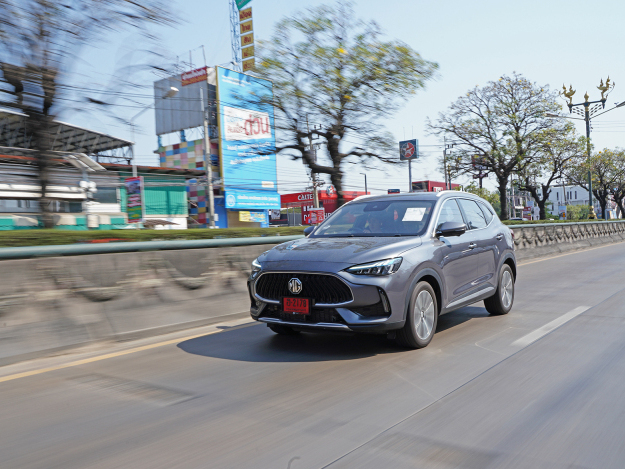
Test Drive MG HS PHEV: A Powerful But Not All-Around Household SUV
Kevin WongApr 17, 2024

MG releases SolidCore battery and Hybrid+ technology in Europe
Kevin WongMar 26, 2026

MG 4X spotted, equipped with semi-solid-state battery, range can reach 510 kilometers
RobertMar 17, 2026

2026 MG S5 EV CKD Malaysia officially open for booking, estimated price 120,000 MYR
JohnMar 11, 2026

Beginner's Guide to Electric Vehicle Selection: Which to Choose, MG 4 or BYD Dolphin?
AshleyJan 28, 2026
View More
Pros
Cons