
Q
What's the insurance cost of the Lamborghini Urus?
 KipOct 17, 2025, 05:19 PM
In Malaysia, insuring a Lamborghini Urus can set you back anywhere from RM20,000 to RM50,000 annually, and the exact figure swings based on a bunch of factors. Think the car's age, how old the driver is, their driving history, the level of coverage you're after, and each insurance company's own policies. Let's be real, the Urus isn't cheap to insure – it's a high-performance luxury SUV, so those sky-high repair costs and the risk profile that comes with that beast of an engine play a big part in bumping up the premiums.
On top of that, Malaysia's insurance scene also looks at how often you drive the thing and where you park it. If you're clocking up miles in the city every day or leaving it parked in a spot with a higher crime rate, don't be surprised if your insurance bill creeps up.
Here's a tip: before you sign on the dotted line, shop around and compare quotes from different insurers. You might also want to think about adding anti-theft gadgets or opting for a higher excess – both can help bring those premiums down a notch. And hey, make sure you wrap your head around the different types of car insurance in Malaysia, like the difference between Comprehensive and Third Party coverage. That way, you can pick the plan that actually fits what you need.
Special Disclaimer: This content is published by users and does not represent the views or position of PCauto.
Related Q&A
Q
How much horsepower does the Urus 2024 have?
The 2024 Lamborghini Urus is equipped with a 4.0-liter V8 twin-turbocharged engine, delivering a maximum output of 666 horsepower (approximately 492 kilowatts) and peak torque of 850 Nm. Paired with an 8-speed automatic transmission and full-time all-wheel-drive system, it accelerates from 0-100 km/h in just 3.5 seconds and reaches a top speed of 305 km/h—delivering truly remarkable performance.
For Malaysian car enthusiasts, the Urus is more than just a super SUV; it is well-adapted to Malaysia’s diverse road conditions, handling urban driving with ease while delivering exceptional power on highways or mountain roads. Notably, the Urus offers multiple driving modes, including STRADA (Road), SPORT (Sport), and CORSA (Track), allowing drivers to adjust the vehicle’s dynamic performance to different scenarios.
Additionally, the Urus’s luxurious interior and advanced technological features—such as a full digital instrument cluster and high-end driver assistance systems—make it a top-tier SUV that balances performance and practicality. If you’re considering a high-performance SUV in Malaysia, the Urus is definitely a model worth considering. However, it is recommended to take a test drive at an authorized dealer to experience its true capabilities.
 MoonlitPathFinderSep 15, 2025
Q
Is the Lamborghini Urus 2024 gas or electric?
The 2024 Lamborghini Urus in the Malaysian market still features a traditional internal combustion engine (ICE) powertrain. It is equipped with a 4.0-liter V8 twin-turbocharged engine that delivers 666 horsepower, and no pure-electric version is available. However, Lamborghini has announced it will launch hybrid and pure-electric models in the future as part of its electrification strategy.
For Malaysian consumers, the fuel-powered version of the Urus is currently better suited to the local driving environment. This is because Malaysia’s charging infrastructure is still developing, and fuel-powered vehicles offer greater convenience. Notably, as a super-luxury SUV, the Urus not only delivers strong performance but also balances daily practicality—making it ideal for high-end Malaysian consumers who pursue speed and interior space.
As the global automotive industry transitions to electrification, Lamborghini may release more new-energy models in the future. But for now, the Urus still relies primarily on fuel power to meet the needs of consumers who appreciate the traditional supercar driving experience.
 SunnySoulSparkleSep 15, 2025
Q
Is the Urus 2024 the fastest SUV?
The 2024 Lamborghini Urus is indeed one of the fastest SUVs on the market today. Its 4.0-liter V8 twin-turbo engine delivers 666 horsepower, accelerates from 0-100 km/h in just 3.3 seconds, and boasts a top speed of 305 km/h—figures that are industry-leading in the SUV segment. However, whether it qualifies as the "fastest" depends on specific comparison criteria; for instance, the Tesla Model X Plaid may outperform it in straight-line acceleration.
For Malaysian car enthusiasts, the Urus’s powerful performance and Lamborghini’s luxury brand positioning make it a standout representative of high-performance SUVs. That said, it’s important to note that Malaysia’s hot and rainy climate places higher demands on the tires and cooling systems of such high-performance vehicles, so special attention must be paid to maintenance during daily use. Additionally, Malaysia’s road conditions differ from those in Europe, meaning the performance of the Urus’s full-time all-wheel-drive (AWD) system and adaptive suspension on local roads may deviate from official data. Potential buyers are therefore advised to take a comprehensive test drive before purchasing.
 FrostyBreezeWhisperSep 15, 2025
Q
What is the top speed of the Lamborghini Urus 2024?
The 2024 Lamborghini Urus can reach a top speed of 305 km/h. This super SUV is powered by a 4.0-liter V8 twin-turbo engine that delivers 666 horsepower and 850 Nm of torque. Paired with an 8-speed automatic transmission and a full-time all-wheel-drive system, it accelerates from 0-100 km/h in just 3.6 seconds—performance that makes the Urus one of the fastest production SUVs on the market today.
For Malaysian car enthusiasts, the Urus is not only suitable for daily driving; its powerful performance and excellent handling also cater to the needs of occasional track sessions. Notably, it is equipped with an advanced aerodynamics kit and carbon-ceramic braking system, ensuring stability and safety at high speeds. While speed limits on Malaysian roads may prevent it from fully unleashing its performance potential, the Urus’ luxurious interior and cutting-edge technological features—such as the digital dashboard and adaptive suspension system—still deliver a top-notch driving experience.
 BlueSkiesDreamerSep 15, 2025
Q
How much is a Lambo Urus 2024?
The price of the 2024 Lamborghini Urus SE is RM 1,028,000. The Lamborghini Urus series has always attracted significant attention thanks to its powerful performance and unique design. The 2024 model features a Petrol Plug-in Hybrid (PHEV) powertrain, which combines the advantages of a fuel engine and an electric system. It delivers a combined system output of 800.2 Ps and a combined torque of 950 N·m, and offers a pure-electric range of 60 km—meeting diverse driving needs.
In contrast, the 2018 Lamborghini Urus 4.0L is priced at RM 1,000,000. As a pure-fuel model, it has a top speed of 305 km/h. There are differences in power, configuration, and other aspects among models from different years, with prices varying accordingly. Consumers can choose based on their specific needs.
 PilotzzSep 15, 2025
Q
What is the transmission of the Lamborghini Urus 2024?
The 2024 Lamborghini Urus is equipped with an 8 - speed Tiptronic automatic transmission. This transmission is well - known for its fast and smooth gear - shifting performance, and it can perfectly match the 4.0 - liter V8 twin - turbocharged engine installed in the Urus. The engine delivers a powerful output of up to 666 horsepower, allowing drivers to enjoy an ultimate driving experience whether it's for daily commuting or intense driving.
For car enthusiasts in Malaysia, this transmission not only adapts to the high - temperature environment of the tropical climate but also features excellent durability and reliability, making it suitable for the diverse local road conditions. Moreover, the Urus's transmission supports multiple driving modes, including Strada (Road), Sport, and Corsa (Track). This enables drivers to adjust the vehicle's dynamic performance according to different scenarios. The Tamburo driving mode selector is one of Lamborghini's classic designs, which further enhances the driving pleasure.
It's worth mentioning that the transmission technology of this high - performance SUV has become increasingly popular in the luxury car market in recent years. Many brands have launched similar high - performance transmissions to meet consumers' dual needs for power and comfort. Undoubtedly, the Urus's transmission performance leads the way in this field.
 RipplingStreamSep 2, 2025
Q
How many cc is the Lamborghini Urus 2024?
In 2024, the Lamborghini Urus is equipped with a 4.0-liter V8 twin-turbocharged engine with a displacement of 3996cc. Its maximum power reaches 666 horsepower, and the peak torque is 850 Nm. This high-performance SUV not only inherits Lamborghini's wild genes but also takes into account the practicality of daily driving. For car enthusiasts in Malaysia, the strong power and luxurious configuration of the Urus are very suitable for the local diverse driving environment. It can easily handle both urban roads and suburban highways. It's worth mentioning that the Urus is also equipped with an advanced four-wheel drive system and multiple driving modes to adapt to different road conditions. At the same time, its exterior design is full of aggression, and the interior combines luxury and a sense of technology, making it a benchmark in the super SUV segment. If you have higher performance requirements, you can also pay attention to the Performante version of the Urus, which further optimizes the power and lightweight design to bring a more extreme driving experience.
 SilverStreamSep 2, 2025
Q
How big is the fuel tank on a 2024Lamborghini Urus?
The 2024 Lamborghini Urus has a fuel tank capacity of 75 liters. This design takes into account both the high - performance requirements and the practicality of daily driving. For users in Malaysia, such a fuel tank capacity can provide good range performance whether on long - distance drives or in city commuting. The Urus is equipped with a 4.0 - liter V8 twin - turbocharged engine. Although it has strong power, its fuel consumption is relatively high. Therefore, a full 75 - liter tank can support the vehicle to travel about 400 to 500 kilometers under comprehensive road conditions. The specific range will also be affected by driving habits and road conditions. It's worth mentioning that as a super SUV, the fuel tank material and fuel system of the Urus have been specially optimized to ensure a stable fuel supply during high - performance driving. Malaysian car owners are advised to use 98 - octane gasoline when refueling to achieve the best performance. Meanwhile, regularly checking the fuel tank and oil circuit system is also the key to keeping the vehicle running efficiently.
 JourneySep 2, 2025
Q
What engine is in the Urus 2024?
In 2024, the Lamborghini Urus is powered by a 4.0-liter V8 twin-turbocharged engine. This engine can deliver a maximum power of up to 666 horsepower and a peak torque of 850 Nm. Paired with an 8-speed automatic transmission and a full-time all-wheel-drive system, it can accelerate from 0 to 100 km/h in just 3.5 seconds and reach a top speed of 305 km/h, showing extremely strong performance.
Actually, this engine shares the technical foundation with models like the Porsche Panamera Turbo S. However, after Lamborghini's exclusive tuning, it pays more attention to power output in the high - speed range. At the same time, it is equipped with an active anti - roll bar and a rear - wheel steering system to enhance handling.
For Malaysian consumers, Urus' power system can not only meet the comfort requirements of daily driving but also showcase the strength of a super SUV on the track. Moreover, its cooling system has been specially optimized for the hot climate in Malaysia to ensure stability during intense driving.
It's worth mentioning that although the Urus is Lamborghini's first SUV, it still retains the brand's iconic wild power and sharp handling, perfectly integrating practicality with super - car genes. It is very suitable for high - end Malaysian car owners who pursue ultimate performance and also need practical space.
 GamerZoneSep 2, 2025
Q
How fast can a 2024 Lamborghini Urus go?
The 2024 Lamborghini Urus, a high - performance luxury SUV, has a top speed of up to 305 km/h. It is equipped with a 4.0 - liter V8 twin - turbocharged engine, which can output 666 horsepower. It only takes 3.5 seconds to accelerate from 0 to 100 km/h, showing excellent performance. This car not only has super - car - level power but also combines the practicality and comfort of an SUV, making it very suitable for the road conditions and driving needs in Malaysia.
The Urus is equipped with an advanced four - wheel drive system and air suspension, which can provide a stable driving experience on both city roads and highways. In addition, Lamborghini offers a variety of driving modes for the Urus, including Strada (Road), Sport, and Corsa (Track), allowing drivers to adjust the vehicle's performance according to different scenarios.
For car enthusiasts in Malaysia, the Urus is not just a speed machine but an all - around vehicle that combines luxury and practicality. It can easily handle daily commutes and weekend getaways.
 GoldenSunsetHorizonSep 2, 2025
Popular Cars
Model Year
Car Compare
Car Photo
Related Models
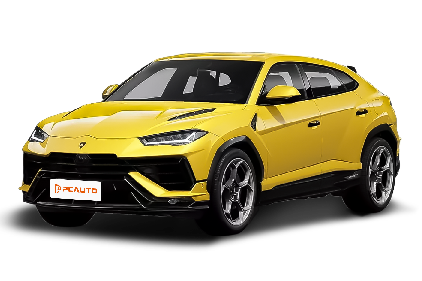
 Cars
CarsLatest Q&A
Q
Is AMT similar to automatic?
There are significant differences between AMT transmissions and automatic transmissions (AT) in terms of core structure and driving experience. AMT is essentially an electronically automated version of a manual transmission, simulating manual clutch operation and gear shifting through a computerized control system while retaining the gear set structure of manual transmissions. As a result, it offers higher transmission efficiency, with fuel consumption approximately 8%-12% lower than AT, making it particularly suitable for highway or long-distance driving. However, it may exhibit jerking similar to manual transmissions during low-speed gear shifts, especially noticeable in congested traffic conditions.
AT transmissions rely on torque converters for power transfer, delivering smooth and seamless gear shifts that appeal to comfort-oriented users. However, their complex structure (incorporating planetary gear sets, hydraulic systems, etc.) results in higher maintenance costs. A single service may cost between 800 to 1,500 ringgit, whereas AMT only requires gear oil replacement at approximately 400 ringgit.
From a market perspective, AMT is predominantly used in budget vehicles or commercial models priced below 80,000 ringgit, while AT is typically featured in mid-to-high-end vehicles. Consumers should select based on actual needs: AMT suits those prioritizing fuel efficiency and low maintenance costs, while AT better serves those valuing comfort. Notably, recent advancements in AMT electronic control technology have significantly mitigated jerking issues, though test drives should still emphasize low-speed performance evaluation.
 AriaMar 26, 2026
Q
Which is better, DCT or AT?
DCT (Dual-Clutch Transmission) and AT (Automatic Transmission) each have their own advantages and disadvantages, and the choice should be based on personal driving needs. AT transmissions transfer power through a torque converter, offering excellent shift smoothness, making them suitable for urban commuting or novice drivers. However, they tend to have higher fuel consumption, and vehicles equipped with them are usually more expensive. DCT transmissions utilize a dual-clutch structure, featuring fast shift speeds and high power transmission efficiency, which provides a more direct driving experience—particularly suitable for users seeking a sporty feel. However, they may exhibit jerking at low speeds and have relatively high maintenance costs. If durability and comfort are priorities, AT is the more reliable choice; if power responsiveness and driving pleasure are preferred, wet DCT (such as Volkswagen DSG) performs better, though dry DCT models should be avoided in prolonged stop-and-go traffic conditions. Additionally, CVT transmissions excel in smoothness and fuel efficiency, making them ideal for daily commuting, but they lack driving excitement. It is recommended to test-drive before purchasing, as tuning varies significantly across brands, and real-world experience is more important than theoretical specifications.
FlutteringMar 26, 2026Q
Is Amt good or bad?
AMT gearboxes have a significant cost advantage in the local market, typically being around 5,000 Ringgit cheaper than models equipped with conventional automatic transmissions. Their fuel efficiency is comparable to manual transmissions, resulting in long-term fuel savings. Featuring a straightforward design, they achieve transmission efficiency exceeding 90% with relatively low maintenance costs, making them ideal for practicality-oriented consumers. However, their shifting logic contains inherent limitations: gear changes between 1st and 2nd cause 0.3-0.5 second power interruptions, while unintended upshifts on inclines may reduce engine speed by 15%-20%, compromising driving smoothness. For urban commuters or budget-conscious buyers, AMT offers excellent value, though those prioritizing premium driving dynamics should consider alternative transmission types. Some domestic models like the Perodua Axia employ enhanced AMT systems, where optimized shift programming has reduced gearshift shock by approximately 30%.
 RainbowsMar 26, 2026
Q
Which gives better mileage, CVT or AMT?
From the perspective of fuel economy, CVT transmissions generally perform better under urban driving conditions. Their continuously variable design allows the engine to consistently operate within the optimal speed range, significantly reducing fuel consumption during frequent starts and stops. Test data shows that their fuel consumption in urban driving conditions is 10% to 15% lower than that of comparable models. AMT transmissions, on the other hand, inherit the high transmission efficiency of manual transmissions, delivering fuel efficiency close to manual transmissions during high-speed cruising. This makes them particularly suitable for long-distance driving in large-displacement vehicles. However, due to power interruption during gear shifts, their overall fuel consumption may be 5% to 8% higher than CVTs.
The difference in fuel-saving characteristics between the two transmissions stems from their technical principles: CVTs achieve continuous variability through steel belts and pulleys, eliminating the fixed gear ratio limitations of traditional transmissions; AMTs simulate manual gear changes via electronic control systems while maintaining the mechanical efficiency of gear transmission. Notably, actual fuel consumption is also influenced by driving habits. Smooth acceleration and anticipatory deceleration can maximize the transmissions' fuel-saving potential. If the vehicle budget permits and urban commuting is the primary use, CVTs offer a more economical choice. For frequent highway driving with an emphasis on cost-effectiveness, AMTs are equally worth considering.
 RubyBlazeMar 26, 2026
Q
Which is cheaper, AMT or CVT?
In terms of gearbox cost, AMT is usually more economical than CVT. Essentially, AMT is a manual transmission equipped with an electronic control unit, featuring a simple structure and low maintenance costs. The unit price ranges from approximately 5,000 to 8,000 ringgit, making it suitable for budget-conscious consumers or those who prioritize long-term operating costs. CVT incurs higher manufacturing costs due to its precision steel belt transmission system and continuous variable transmission technology, with a unit price of about 7,000 to 10,000 ringgit. However, it delivers a smoother driving experience and superior fuel efficiency. The primary differences between the two lie in technical complexity: AMT retains the gear-shifting mechanism, resulting in noticeable shift shock; CVT achieves linear power output through stepless speed variation but requires periodic belt inspection and incurs higher maintenance expenses. For those prioritizing initial cost and basic transportation needs, AMT offers better value; if comfort and long-term fuel economy are priorities, CVT represents a more worthwhile investment. Note that actual prices may vary based on vehicle model, brand, and local supply chain factors.
 ShadowProwlMar 26, 2026
Related News
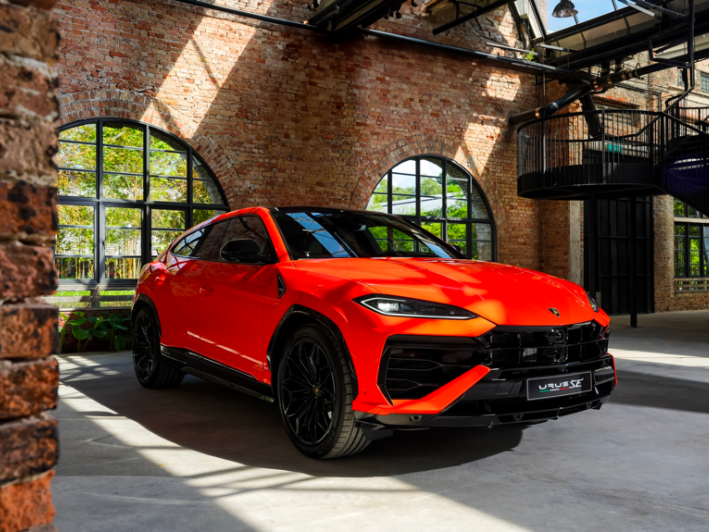
The starting price of Lamborghini Urus SE is RM 1,028,000, a perfect combination of luxury, performance, and environmental protection
LienJun 6, 2024
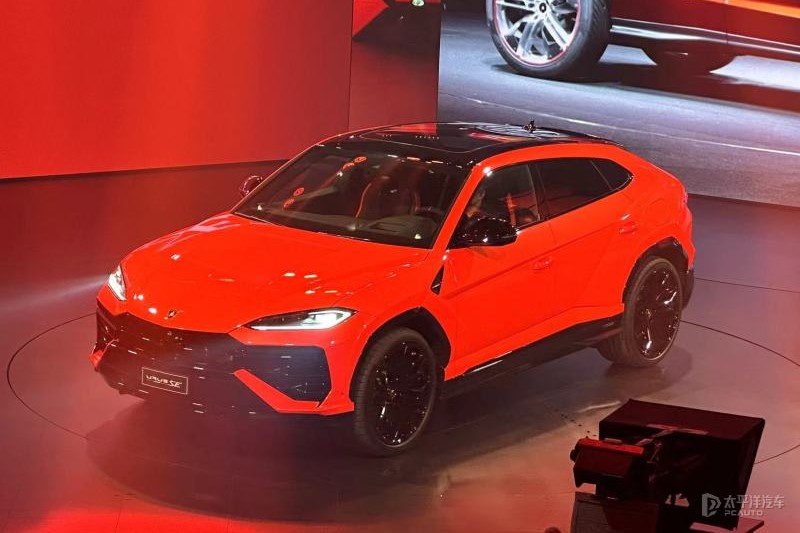
2024 Beijing Auto Show: Lamborghini Urus SE Debuts
LienApr 25, 2024

American Lamborghini Huracan EVO owner recovers his car missing for two years through ChatGPT
MichaelAug 28, 2025
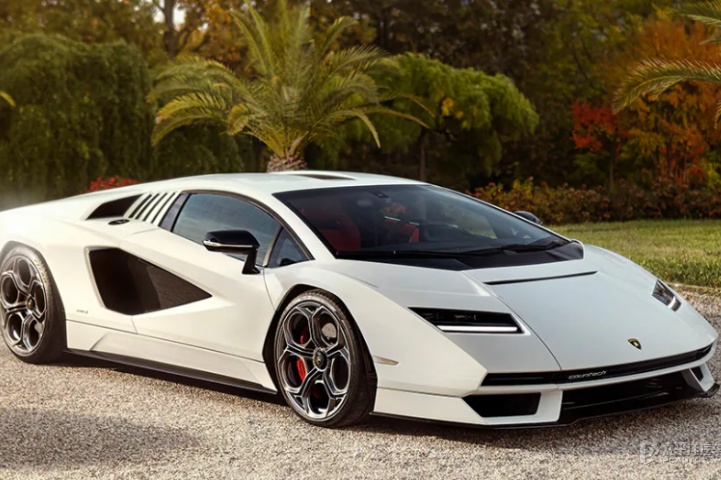
Lamborghini Makes a Strong Appearance at the 2024 Bangkok Motor Show: The Dazzling Debut of Countach LPI 800-4
AshleyMar 21, 2024
Pros
Cons