
Q
how much is chery omoda 5 in malaysia
 PhotoHunterCapturerSep 25, 2025, 11:09 AM
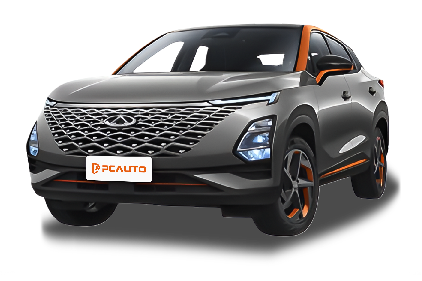
In Malaysia, the Chery Omoda 5 comes with different price tags depending on the trim level and specs you go for. Right now, you're looking at a ballpark range of RM108,800 to RM118,800, though keep in mind that could shift a bit with promotions or if you add on any extra options.
As Chery's compact SUV offering, the Omoda 5 is all about that youthful vibe and tech-forward features. Under the hood, there's a 1.5-liter turbocharged engine churning out 147 horsepower and 210 Nm of torque. It's also kitted out with some solid safety gear, like adaptive cruise control and lane-keeping assist. For Malaysian buyers, this one stacks up pretty well in terms of value for money in its segment – especially if you're after a stylish look with all the practical bits you need.
On top of that, Chery's after-sales service network in Malaysia is steadily expanding, which means owners can expect convenient maintenance and support. If you're considering picking one up, it's always a good idea to head to an official dealership to check the latest pricing and any ongoing deals – and of course, take it for a spin to get a feel for the driving performance and comfort.
Special Disclaimer: This content is published by users and does not represent the views or position of PCauto.
Related Q&A
Q
What Segment is Chery Omoda 5?
The Chery Omoda 5 is classified as a B-Segment SUV in the Malaysian market, belonging to the same class as models like the Honda HR-V and Toyota Corolla Cross, targeting young consumers and urban family users. This vehicle has attracted attention with its trendy and forward-looking exterior design, rich technological features, and high cost-performance ratio. The body dimensions are approximately 4,400mm x 1,830mm x 1,588mm, with a wheelbase of 2,630mm, offering decent seating space and practicality.
In terms of power, the Malaysian version is equipped with a 1.5L turbocharged engine paired with a CVT transmission, balancing power performance and fuel economy. It's worth noting that B-Segment SUVs are very popular in Malaysia. This is because such models usually have a relatively high ground clearance, which is suitable for local road conditions, and their moderate body size makes them easy to navigate in the city.
The Omoda 5 is also equipped with advanced driving assistance systems, such as adaptive cruise control and lane-keeping assist. These features were previously more common in higher-class models, demonstrating Chery's sincerity in technology dissemination.
For Malaysian consumers, when choosing a B-Segment SUV, besides considering the brand and price, they should also pay attention to after-sales service and warranty policies. These factors are equally important in the long-term vehicle use process.
 FunnyJul 7, 2025
Q
What is the Reslae Value of Chery Omoda 5?
As a relatively new SUV model, the Chery Omoda 5 currently has a mid - level second - hand resale value in the Malaysian market. Its specific performance depends on factors such as the vehicle's condition, mileage, maintenance records, and market demand. Since the model only entered the Malaysian market in 2022, the accumulation of second - hand data is limited. However, thanks to its stylish design, rich configurations, and the gradually increasing recognition of the Chery brand, its resale value is expected to be close to that of Japanese and Korean models in the same class, but slightly lower than that of models from mainstream brands like Toyota or Honda in the same segment.
The key factors affecting the resale value include regular maintenance, the integrity of the original factory warranty (Chery offers a 7 - year or 150,000 - kilometer warranty), and the market's acceptance of the new energy version (if a hybrid version is launched in the future). It is recommended that car owners keep complete service records and avoid excessive modifications to maximize the residual value. When evaluating the price of a used car, Malaysian consumers can refer to the real - time data on local used - car platforms such as Carlist or mytukar. Meanwhile, note that the long - term demand for SUV models in Malaysia is relatively stable, which helps the Omoda 5 maintain a certain second - hand market. If you plan to change your car in the short term, choosing a high - end version or the factory - certified used - car program may be more cost - effective.
 BraveJul 7, 2025
Q
How Many CC is Chery Omoda 5?
The Chery Omoda 5 available in the Malaysian market is equipped with a 1.5L turbocharged (Turbo) four - cylinder engine with an actual displacement of 1498cc, which meets the current mainstream engine specifications for compact SUVs. This engine can produce 156 horsepower and 230 Nm of torque. Paired with a CVT transmission, it offers smooth power delivery and good fuel economy, which is particularly suitable for driving in the Malaysian urban areas and long - distance highway cruising.
In addition to this traditional fuel - powered engine, the Omoda 5 also comes in 1.6L Turbo or electric versions in some markets around the world. However, in Malaysia, the 1.5L Turbo version is currently the mainstream. Among its local SUV competitors in the same class, such as the Proton X50 (1.5TGDi or 1.5T), Honda HR - V (1.5L NA), and Toyota Corolla Cross (1.8L NA), the Omoda 5 has an advantage in torque output at low and medium speeds, making it a great choice for drivers who prefer a livelier acceleration experience. If Chery Malaysia introduces higher - performance or electric versions in the future, it may further enhance its market competitiveness.
 CheeryJul 7, 2025
Q
What is the Engine in Chery Omoda 5?
The Chery Omoda 5 in the Malaysian market is equipped with a 1.5-liter turbocharged four-cylinder gasoline engine with an actual displacement of 1498cc. It has a maximum power of 156 horsepower and a peak torque of 230 Nm. It uses a CVT continuously variable transmission, offering smooth power performance and excellent fuel economy, which is very suitable for the daily driving environment in Malaysia. Compared with naturally aspirated engines, this engine can provide stronger torque output in the low and medium speed ranges, making the acceleration during city driving more brisk and giving you more confidence when overtaking or climbing slopes. It's worth mentioning that the Omoda 5 also offers 1.6T turbocharged and electric versions in other global markets. However, the 1.5T model introduced in Malaysia at present can well meet the needs of most consumers. Compared with its peers in the same class such as the Proton X50 and Honda HR-V, this engine shows a good balance in terms of power performance and fuel economy.
GentleJul 7, 2025Q
What is the Gearbox Type of Chery Omoda 5?
The Chery Omoda 5 is equipped with a CVT (Continuously Variable Transmission) in the Malaysian market. The specific configuration depends on the vehicle model version and power options. CVT transmissions are well - known for their smooth gear - shifting experience and fuel efficiency, making them ideal for daily city driving. For Malaysian consumers, the CVT is perfect for a comfortable commute in congested traffic. It's important to note that regular maintenance of the transmission fluid and following the manufacturer's recommended maintenance schedule are crucial for extending the lifespan of the transmission. No matter which option is chosen, it can provide a reliable driving experience for Omoda 5 owners.
 LovelyJul 7, 2025
Q
What is the PCD Size of Chery Omoda 5?
The PCD (Pitch Circle Diameter) of the Chery Omoda 5 is 5x114.3 mm. This is a common wheel hub bolt hole pitch specification used by many mainstream models in the Malaysian market and is suitable for 17- or 18-inch wheels. PCD is an important parameter for wheel installation, which determines whether the wheel can perfectly match the vehicle's axle head. Choosing the wrong PCD may result in the wheel not being installable or pose safety hazards during driving.
In addition to PCD, when replacing wheels, you also need to pay attention to the center bore diameter (CB) and offset (ET value). It is recommended that car owners confirm the data through the original factory manual or consult a professional modification shop to ensure compatibility. If you upgrade the wheel size, you also need to adjust the tire aspect ratio synchronously to keep the speedometer accurate, and comply with the legal regulations of Malaysia's JPJ regarding wheel modifications. For example, the change in the outer diameter of the wheels should not exceed 3% of the original factory specifications.
 GrinnyJul 7, 2025
Q
Does Chery Omoda 5 Have Apple Carplay?
It's true that the Chery Omoda 5 supports Apple CarPlay. This allows Malaysian car owners with iPhones to easily connect their phones to the in - car system and enjoy convenient services like navigation, music, and calls. The Omoda 5 is equipped with a 10.25 - inch central control touchscreen and comes with an intelligent connectivity system. Besides Apple CarPlay, it also supports Android Auto, meeting the needs of different mobile phone users. This feature is very practical in the Malaysian market, especially for young drivers who rely on their phones for navigation and entertainment, greatly enhancing the driving experience.
In addition, the Omoda 5 also offers other advanced technological configurations such as a 360 - degree panoramic view camera, wireless charging, and voice control, further enhancing the vehicle's competitiveness. As an international brand, Chery has been very active in the Malaysian market in recent years. The Omoda 5 has attracted many consumers with its stylish design, rich configurations, and affordable price.
If you're considering buying a compact SUV, the technological configurations and practicality of the Omoda 5 are worthy of attention. In particular, the addition of Apple CarPlay makes it even more appealing among vehicles in the same class.
 SingerVoiceHarmonyJul 7, 2025
Q
What is the Tyre Brand of Chery Omoda 5?
In the Malaysian market, the tire brands that come as original equipment on the Chery Omoda 5 may vary depending on the vehicle's configuration or the market strategy. Common tire brands include well - known international ones such as Continental, Bridgestone, or Goodyear. The actual configuration should be based on what the local dealers provide.
As the only part of the vehicle that touches the road surface, the quality of tires directly affects the handling, comfort, and safety of the vehicle. It is recommended that car owners regularly check the tire pressure and wear. When replacement is needed, it is advisable to give priority to the specifications recommended by the original manufacturer. Moreover, as it rains a lot in the tropical climate of Malaysia, choosing tires with excellent wet - surface performance (such as those with an AA - grade grip rating) can enhance driving safety.
Different tire brands have their own focuses on noise reduction, wear resistance, and fuel efficiency. For example, the comfort - oriented Michelin Primacy series or the sporty Pirelli P Zero. Car owners can upgrade their tires according to their driving habits and budgets. However, they need to ensure that the brands and patterns of the tires on the same axle are consistent after replacement to guarantee stability.
 JourneyHomeWarmthJul 7, 2025
Q
Is Chery Omoda 5 a Good Car? Learn the Pros and Cons Here
As an SUV targeting the young market, the Chery Omoda 5 has performed well in the Malaysian market. Its stylish appearance and rich configuration are the main selling points. It is equipped with a 1.5L turbo - charged engine, offering a smooth power performance. The fuel economy also meets the needs of families. The interior design is full of a sense of technology, with a standard dual - screen setup and intelligent connectivity features. The space performance is just okay, which is suitable for small families. In terms of safety configuration, it provides 6 airbags and an ADAS system, reaching the mainstream level in its class. However, the suspension tuning is a bit too stiff, resulting in average rear - seat ride comfort, and there is room for improvement in the sound insulation. The after - sales service network is being gradually improved. Overall, this car offers good value for money and is suitable for young consumers with limited budgets who pursue fashion. In Malaysia's hot climate, it is recommended to regularly check the cooling system and rubber parts to extend the vehicle's lifespan. Among the models in the same class, you can also consider the Honda HR - V or Proton X50. It is advisable to take a test drive and then make a choice based on your individual needs.
 ClimberPeakChallengeJul 7, 2025
Q
What is the Width of Chery Omoda 5?
The body width of the Chery Omoda 5 is 1,830 millimeters. This dimension represents a relatively wide design among SUVs in its class, offering passengers more generous lateral space and enhancing the comfort of the ride. Malaysian drivers should exercise a bit more caution when navigating urban areas. When driving on narrow roads or parking, it's advisable to utilize reverse cameras and other assistive technologies to ensure safety.
The vehicle's width not only affects the interior space but also contributes to its stability. A wider wheelbase enhances traction when cornering, making it well - suited for Malaysia's winding mountain roads or high - speed driving scenarios. Moreover, the Omoda 5's broad body design aligns with the contemporary trend of SUVs, and when paired with its sporty exterior, it exudes a more imposing presence.
If you're considering purchasing the Omoda 5, we recommend a hands - on exploration of the interior space and a test drive to assess whether its handling performance meets your requirements.
 HikerTrailNatureJul 7, 2025
Popular Cars
Model Year
Car Compare
Car Photo
Related Models
 Cars
CarsLatest Q&A
Q
Is AMT similar to automatic?
There are significant differences between AMT transmissions and automatic transmissions (AT) in terms of core structure and driving experience. AMT is essentially an electronically automated version of a manual transmission, simulating manual clutch operation and gear shifting through a computerized control system while retaining the gear set structure of manual transmissions. As a result, it offers higher transmission efficiency, with fuel consumption approximately 8%-12% lower than AT, making it particularly suitable for highway or long-distance driving. However, it may exhibit jerking similar to manual transmissions during low-speed gear shifts, especially noticeable in congested traffic conditions.
AT transmissions rely on torque converters for power transfer, delivering smooth and seamless gear shifts that appeal to comfort-oriented users. However, their complex structure (incorporating planetary gear sets, hydraulic systems, etc.) results in higher maintenance costs. A single service may cost between 800 to 1,500 ringgit, whereas AMT only requires gear oil replacement at approximately 400 ringgit.
From a market perspective, AMT is predominantly used in budget vehicles or commercial models priced below 80,000 ringgit, while AT is typically featured in mid-to-high-end vehicles. Consumers should select based on actual needs: AMT suits those prioritizing fuel efficiency and low maintenance costs, while AT better serves those valuing comfort. Notably, recent advancements in AMT electronic control technology have significantly mitigated jerking issues, though test drives should still emphasize low-speed performance evaluation.
 AriaMar 26, 2026
Q
Which is better, DCT or AT?
DCT (Dual-Clutch Transmission) and AT (Automatic Transmission) each have their own advantages and disadvantages, and the choice should be based on personal driving needs. AT transmissions transfer power through a torque converter, offering excellent shift smoothness, making them suitable for urban commuting or novice drivers. However, they tend to have higher fuel consumption, and vehicles equipped with them are usually more expensive. DCT transmissions utilize a dual-clutch structure, featuring fast shift speeds and high power transmission efficiency, which provides a more direct driving experience—particularly suitable for users seeking a sporty feel. However, they may exhibit jerking at low speeds and have relatively high maintenance costs. If durability and comfort are priorities, AT is the more reliable choice; if power responsiveness and driving pleasure are preferred, wet DCT (such as Volkswagen DSG) performs better, though dry DCT models should be avoided in prolonged stop-and-go traffic conditions. Additionally, CVT transmissions excel in smoothness and fuel efficiency, making them ideal for daily commuting, but they lack driving excitement. It is recommended to test-drive before purchasing, as tuning varies significantly across brands, and real-world experience is more important than theoretical specifications.
FlutteringMar 26, 2026Q
Is Amt good or bad?
AMT gearboxes have a significant cost advantage in the local market, typically being around 5,000 Ringgit cheaper than models equipped with conventional automatic transmissions. Their fuel efficiency is comparable to manual transmissions, resulting in long-term fuel savings. Featuring a straightforward design, they achieve transmission efficiency exceeding 90% with relatively low maintenance costs, making them ideal for practicality-oriented consumers. However, their shifting logic contains inherent limitations: gear changes between 1st and 2nd cause 0.3-0.5 second power interruptions, while unintended upshifts on inclines may reduce engine speed by 15%-20%, compromising driving smoothness. For urban commuters or budget-conscious buyers, AMT offers excellent value, though those prioritizing premium driving dynamics should consider alternative transmission types. Some domestic models like the Perodua Axia employ enhanced AMT systems, where optimized shift programming has reduced gearshift shock by approximately 30%.
 RainbowsMar 26, 2026
Q
Which gives better mileage, CVT or AMT?
From the perspective of fuel economy, CVT transmissions generally perform better under urban driving conditions. Their continuously variable design allows the engine to consistently operate within the optimal speed range, significantly reducing fuel consumption during frequent starts and stops. Test data shows that their fuel consumption in urban driving conditions is 10% to 15% lower than that of comparable models. AMT transmissions, on the other hand, inherit the high transmission efficiency of manual transmissions, delivering fuel efficiency close to manual transmissions during high-speed cruising. This makes them particularly suitable for long-distance driving in large-displacement vehicles. However, due to power interruption during gear shifts, their overall fuel consumption may be 5% to 8% higher than CVTs.
The difference in fuel-saving characteristics between the two transmissions stems from their technical principles: CVTs achieve continuous variability through steel belts and pulleys, eliminating the fixed gear ratio limitations of traditional transmissions; AMTs simulate manual gear changes via electronic control systems while maintaining the mechanical efficiency of gear transmission. Notably, actual fuel consumption is also influenced by driving habits. Smooth acceleration and anticipatory deceleration can maximize the transmissions' fuel-saving potential. If the vehicle budget permits and urban commuting is the primary use, CVTs offer a more economical choice. For frequent highway driving with an emphasis on cost-effectiveness, AMTs are equally worth considering.
 RubyBlazeMar 26, 2026
Q
Which is cheaper, AMT or CVT?
In terms of gearbox cost, AMT is usually more economical than CVT. Essentially, AMT is a manual transmission equipped with an electronic control unit, featuring a simple structure and low maintenance costs. The unit price ranges from approximately 5,000 to 8,000 ringgit, making it suitable for budget-conscious consumers or those who prioritize long-term operating costs. CVT incurs higher manufacturing costs due to its precision steel belt transmission system and continuous variable transmission technology, with a unit price of about 7,000 to 10,000 ringgit. However, it delivers a smoother driving experience and superior fuel efficiency. The primary differences between the two lie in technical complexity: AMT retains the gear-shifting mechanism, resulting in noticeable shift shock; CVT achieves linear power output through stepless speed variation but requires periodic belt inspection and incurs higher maintenance expenses. For those prioritizing initial cost and basic transportation needs, AMT offers better value; if comfort and long-term fuel economy are priorities, CVT represents a more worthwhile investment. Note that actual prices may vary based on vehicle model, brand, and local supply chain factors.
 ShadowProwlMar 26, 2026
Related News

Before buying the Chery Omoda 5, you must know some issues
Kevin WongFeb 23, 2026
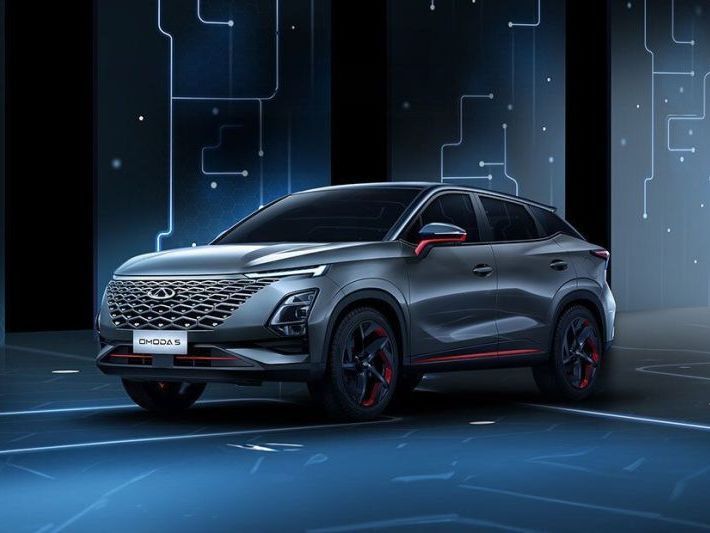
Chery Omoda 5 Interior Design Unveiled: A Tech Cockpit for the Young Generation
MichaelJul 9, 2025
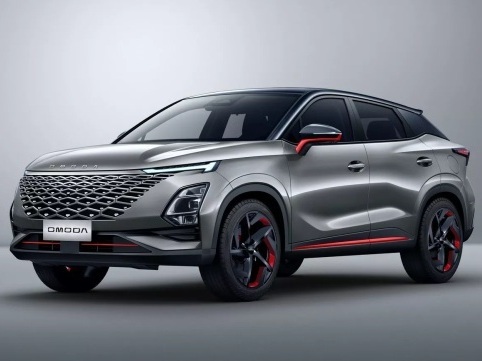
Hot Pick: Chery Omoda 5 - Stylish Design & Affordable Price
MichaelApr 17, 2025
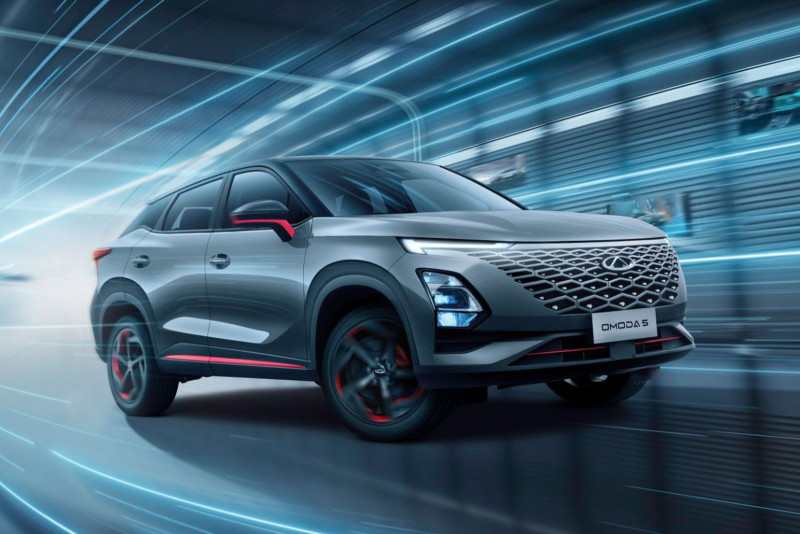
Is Chery Omoda 5 suitable for family users? Deep analysis of its advantages and disadvantages!
RobertOct 18, 2024
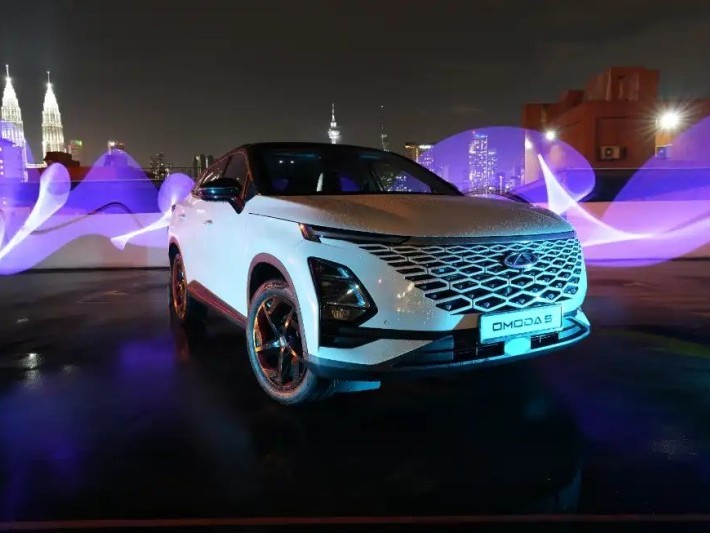
The popularity of Chery Omoda 5 is surging dramatically, a perfect fusion of intelligent technology and comprehensive experience!
AshleySep 11, 2024
View More
Pros
Cons