
Before buying the Chery Omoda 5, you must know some issues
 Kevin WongFeb 23, 2026, 04:00 PM
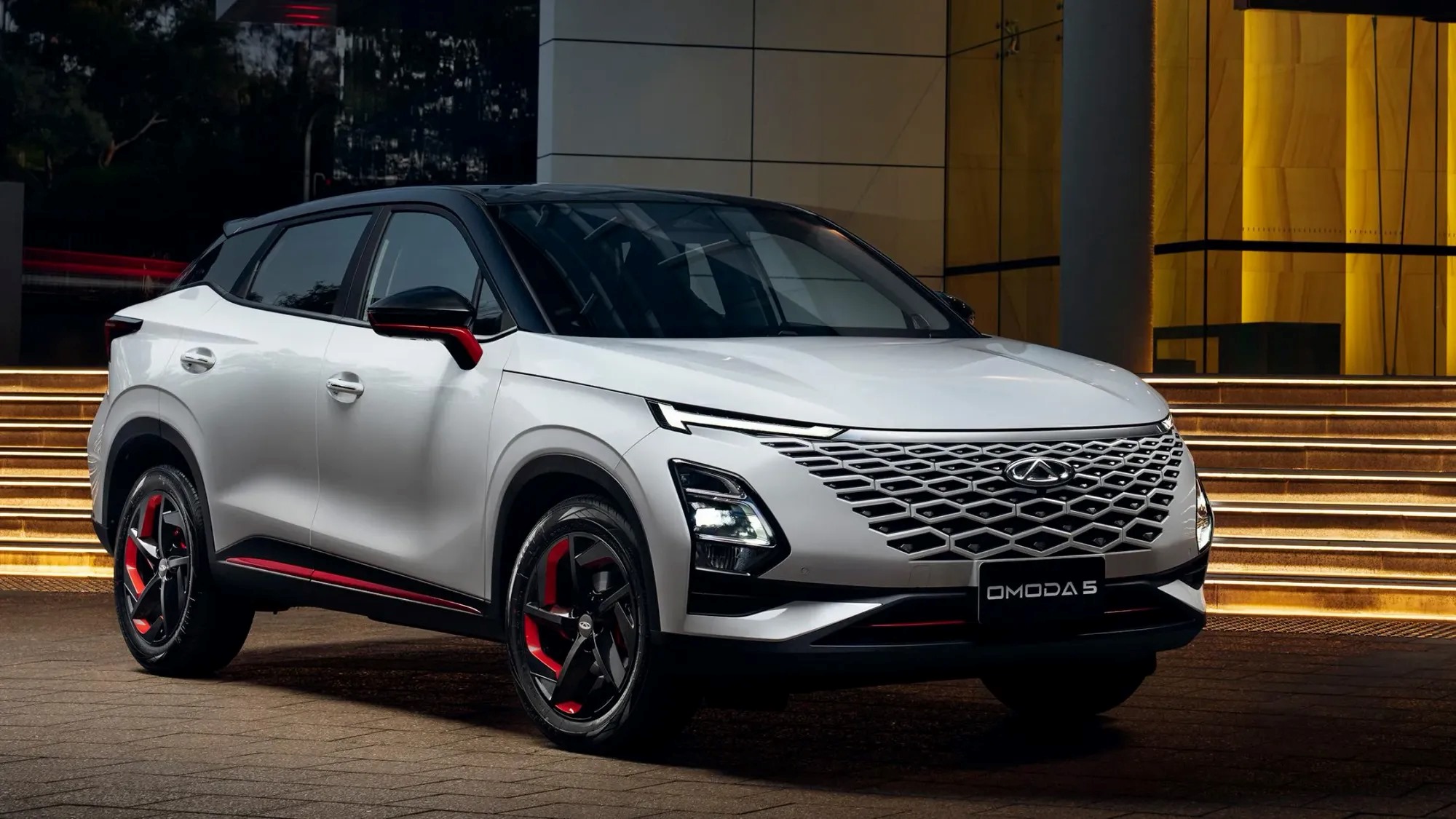
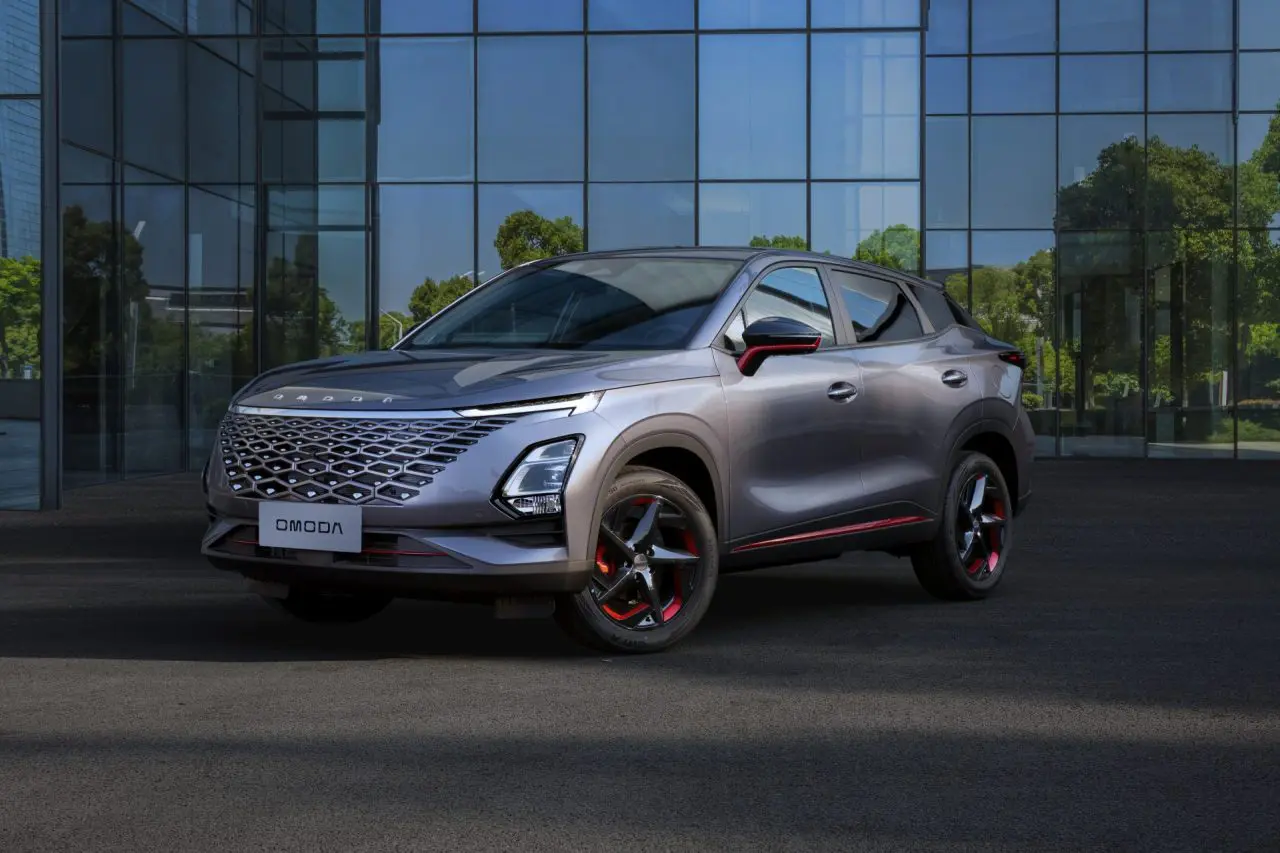
【PCauto】If you’ve been considering a B-segment SUV, the Chery Omoda 5 has likely come onto your radar.
Marketed as a youthful and tech-forward offering from Chery, it seeks to carve out a niche in Malaysia's competitive segment through its affordable pricing, generous feature set, and lengthy warranty.
Specifications of the Omoda 5
It is positioned as a B-segment SUV with the following dimensions:
Length: 4400 mm
Width: 1830 mm
Height: 1585 mm
Wheelbase: 2630 mm
This wheelbase is competitive for the segment, promising good interior space in theory.
Under the bonnet lies a 1.5-litre turbocharged four-cylinder petrol engine, producing 156 hp and 230 Nm of torque. This is paired with a CVT gearbox and front-wheel drive.
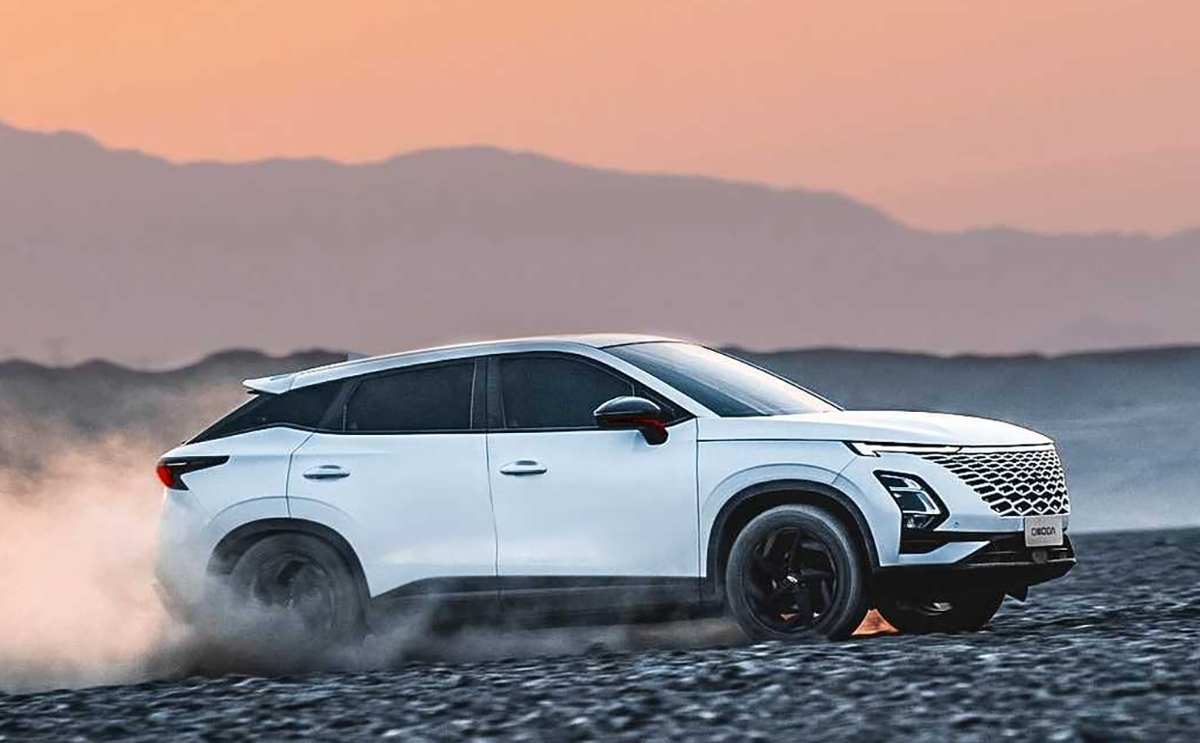
It is offered in two variants:
Model C: RM108,800
Model H: RM118,800
The Omoda 5’s main draws are its extensive features and warranty, which form the core of its appeal for many buyers. The cabin features dual 10.25-inch screens with support for Apple CarPlay and Android Auto, adding considerable convenience for daily drives.
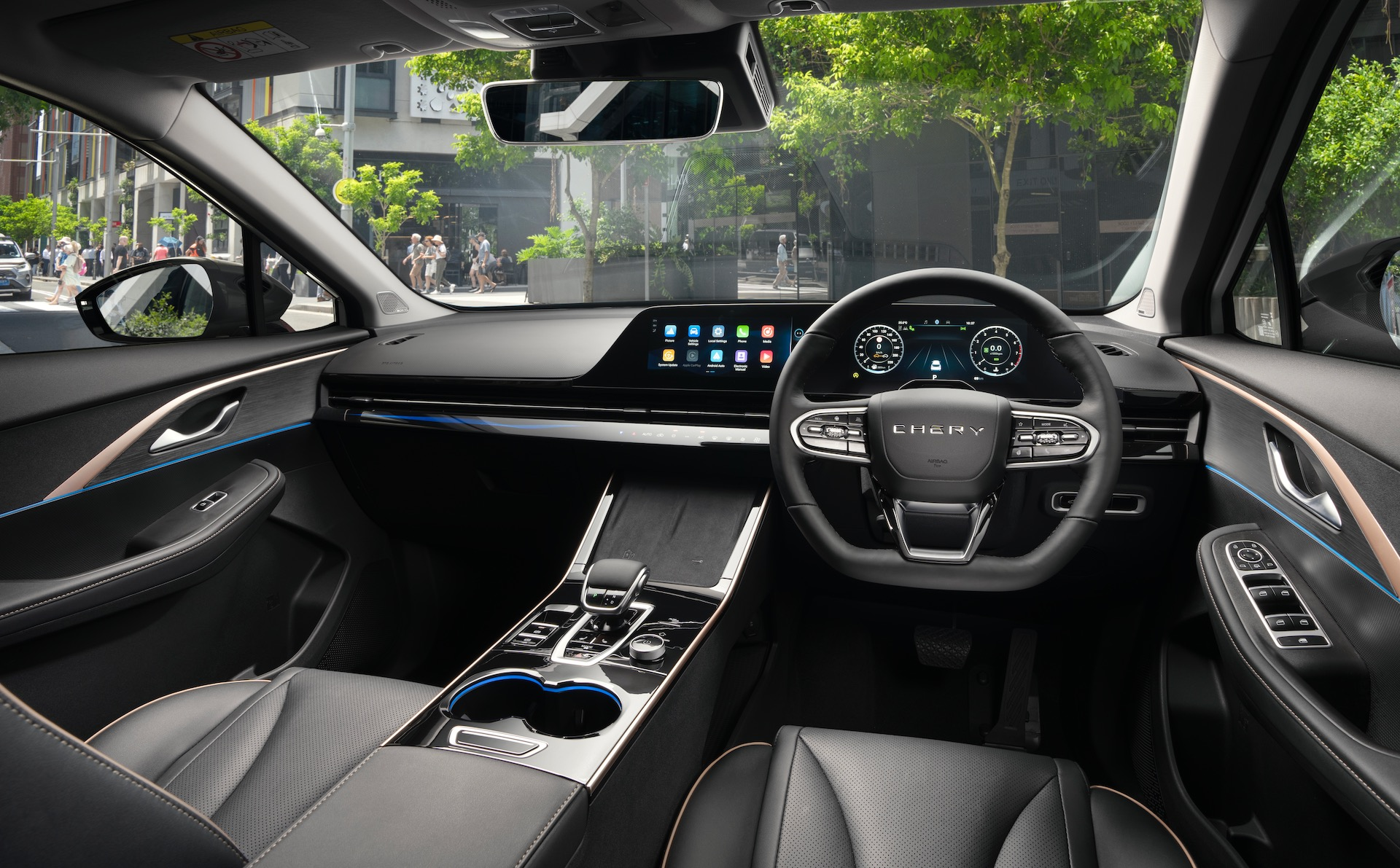
Its active safety suite is commendably comprehensive, featuring systems like Adaptive Cruise Control (ACC), Autonomous Emergency Braking (AEB), and Blind Spot Monitoring (BSM), which underpin its strong safety credentials.
On safety, the Omoda 5 secured a 5-star ASEAN NCAP rating, achieving an overall score of around 88.64 points. It scored high in categories such as adult/child occupant protection, safety assistance, and motorcyclist protection. This strength alone is a significant plus for family-oriented buyers who prioritise safety.
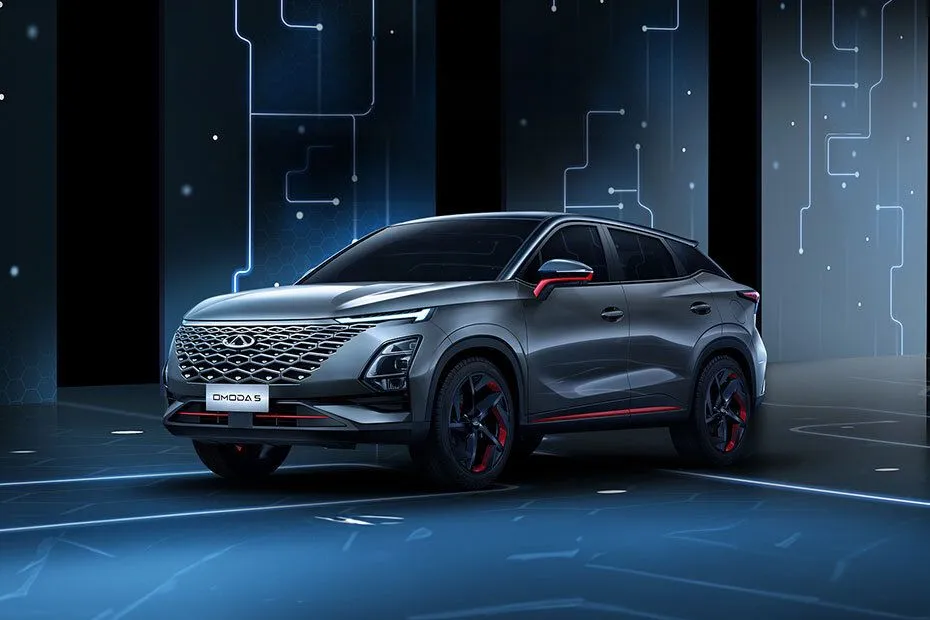
The warranty package is another strong point, headed by a standard 7-year / 150,000 km warranty. Early bird models additionally offer a 10-year/1-million-kilometer engine warranty. Potential buyers should note that this enhanced warranty is limited to the first 3,000 units, so confirming eligibility is essential.
What issues might Omoda 5 have?
However, beyond the positive headlines, the Omoda 5 has also revealed several areas for improvement.
A primary area of feedback revolves around the powertrain and driving dynamics. A commonly reported issue is a noticeable “rubber-band effect” or lag during low-speed take-off with the CVT, accompanied at times by jerky shifts. This is particularly noticeable in urban driving conditions with frequent start-stop traffic, which impacts the driving experience.
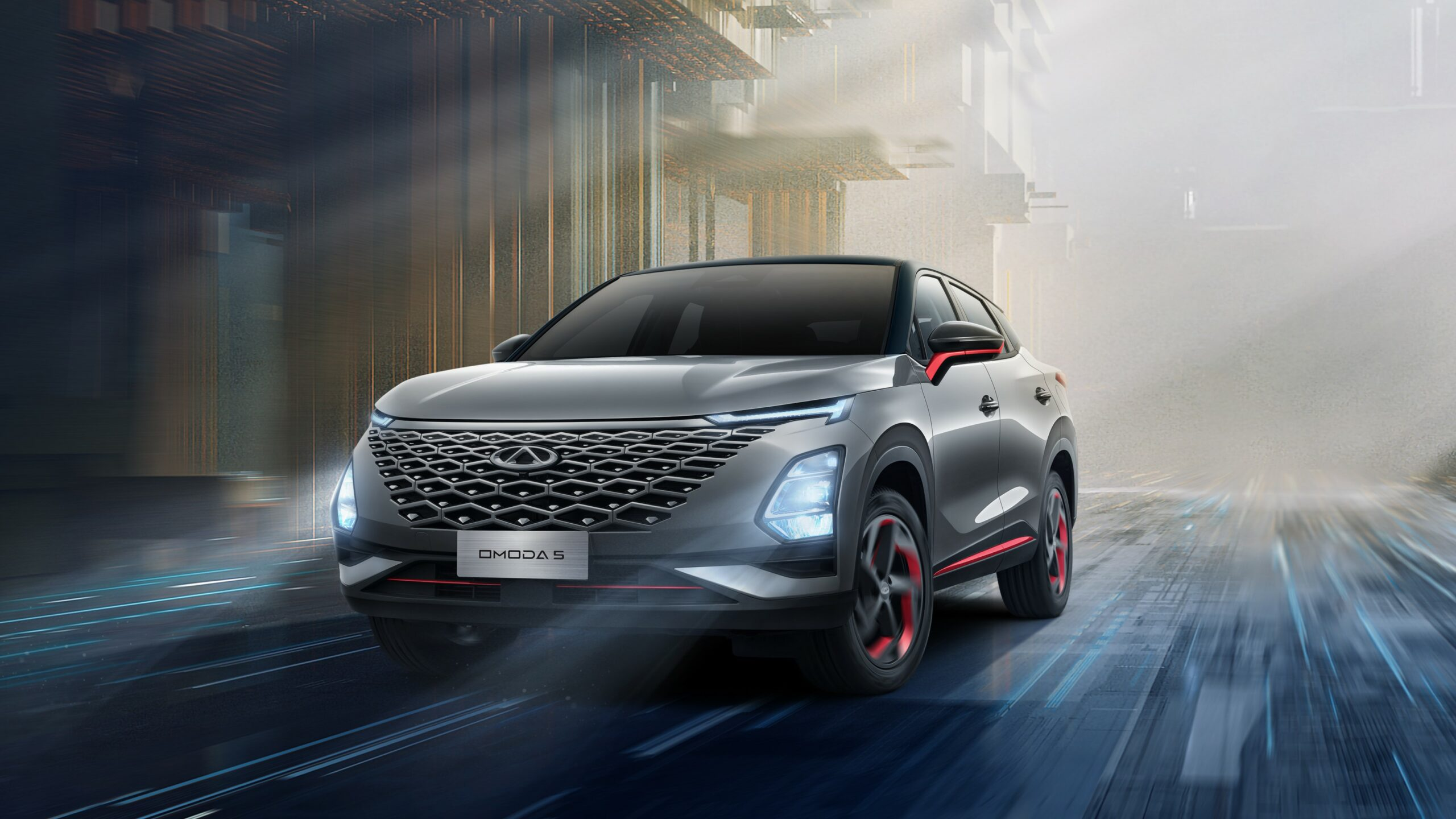
Furthermore, real-world fuel consumption tends to be higher than the manufacturer’s claimed figures. Many owners have reported that the fuel consumption during daily city driving is 1-2 L/100km higher than official data, which can lead to higher long-term fuel costs than expected.
Drivers with a performance bent often describe the car’s power delivery as adequate but unexceptional. It suits daily commuting well but lacks the burst of acceleration sought by those who enjoy spirited driving.
In terms of suspension and comfort, the performance of the Omoda 5 is not ideal. The suspension is often described as firm, translating to a noticeable bumpiness over uneven road surfaces. This is especially true for the version with 19-inch wheels, where the road feel is more pronounced, leading to potential fatigue during long rides.
Added to this is the level of road and wind noise at highway speeds. While not a safety concern, it does detract from cabin refinement and the overall driving experience.
The stability of the electronic and assistance systems is another shortfall of the Omoda 5. Several owners note that the Advanced Driver Assistance Systems (ADAS) can be overly sensitive. For example, the lane-keeping function may intervene in steering suddenly, especially on poorly marked road sections. This sudden intervention can catch the driver off guard and even pose some safety risks.
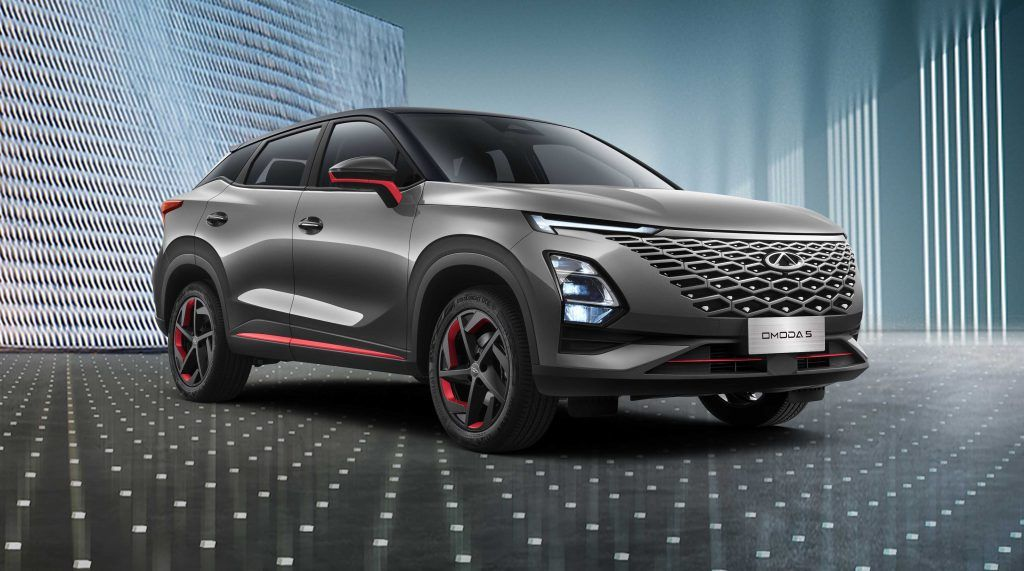
The onboard screen also has several issues, occasionally experiencing lag. The wireless Apple CarPlay and Android Auto connections are not very stable and often disconnect unexpectedly.
Some users also mentioned that the screen might restart on its own while driving. While this is not a common occurrence, it is enough to raise concerns about the reliability of the electronic system.
In terms of interior design and space, although the Omoda 5 visually exudes a sense of high-tech, there is still room for improvement in the details.
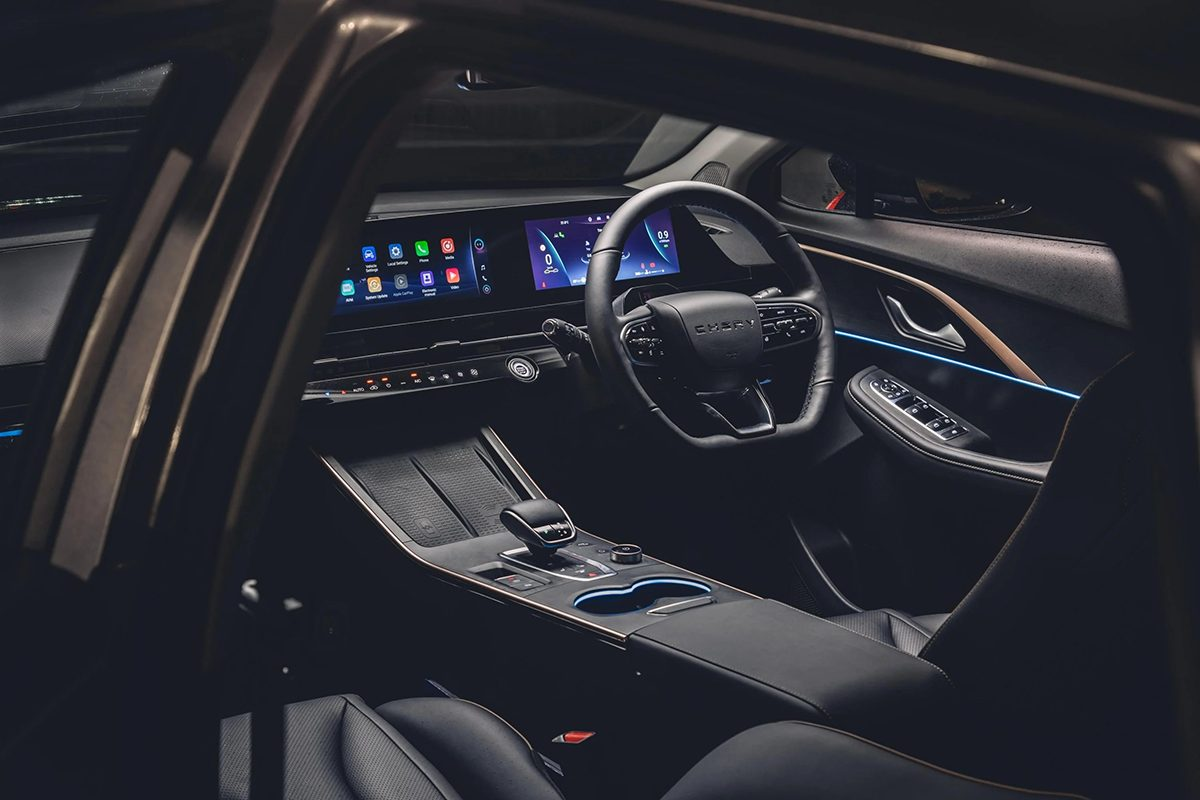
Some owners have pointed out that the quality of the plastic materials inside the car is fairly average, feeling hard to the touch, and some interior parts produce slight rattling noises during driving, affecting the overall interior quality.
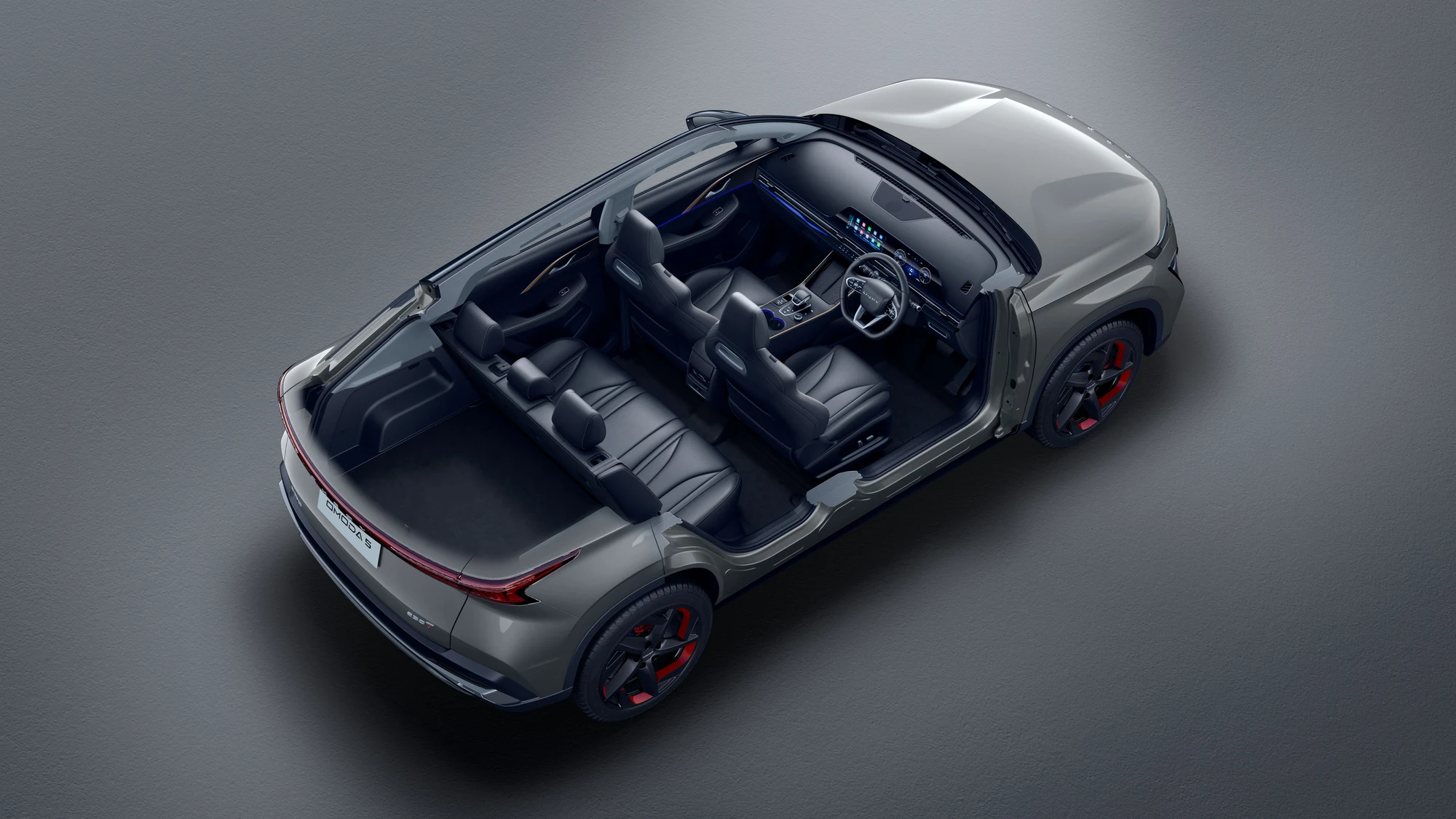
In terms of space, the performance of the rear seats is generally good, with ample legroom. However, the headroom is relatively tight, and passengers over 180cm in height may feel cramped when sitting in the rear seats.
In summary, the Chery Omoda 5 presents a clear set of strengths and weaknesses. Its strengths lie in its high cost-performance ratio, rich configurations, outstanding safety ratings, and the added benefit of an extended warranty policy. For families who prioritise equipment levels and value, and whose use is centred on daily commuting, it represents a compelling proposition—a case potentially strengthened by 2025 promotional offers that lower the entry point.
However, its shortcomings are equally evident. The CVT transmission has slow power responsiveness, the suspension is relatively stiff, and the electronic system is unstable, all of which could impact the driving experience. Room for improvement also exists in the realms of quality control and after-sales support.
To conclude, here is a final piece of advice:
If a long list of features and a strong value proposition are your top priorities, and you can look past its driving dynamics and some finer details, then the Omoda 5 warrants serious consideration.
However, if refined driving manners, a settled ride, and a quiet, comfortable cabin are higher on your list, then you may want to evaluate other options.
After all, buying a car is a significant expense. Before making a decision, you should take into account your own driving needs, learn from the feedback of real owners, and, ideally, take it for a thorough test drive to form your own comprehensive judgement.
If any infringement occurs, please contact us for deletion










Popular Cars
Model Year
Car Compare
Car Photo