
Q
Is the 2019 Kia Cerato a good first car?
 LavenderHazeOct 20, 2025, 12:26 PM
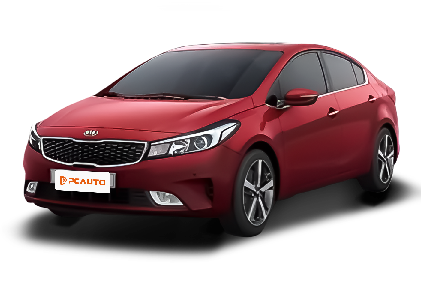
The 2019 Kia Cerato is a solid pick for young Malaysians looking to buy their first car. Styling-wise, it rocks that sleek tiger-nose grille and a streamlined body that totally fits what young folks want these days. Inside, you've got an 8-inch touchscreen with Apple CarPlay and Android Auto – all the useful tech stuff that makes the daily drive more connected and fun. Under the hood, there's a 2.0L naturally aspirated engine pumping out 152 hp and 192 Nm of torque, mated to a 6-speed auto box. The power delivery is smooth, and it's pretty fuel-efficient too, which is perfect for city cruising.
Safety-wise, it comes standard with 6 airbags, stability control, and a reverse camera – all the essentials for Malaysian roads. Space is another plus; that 502-liter trunk is actually pretty decent for family use when you need to haul stuff around.
When it comes to maintenance, Kia has a pretty solid after-sales network in Malaysia, so parts aren't too hard to come by, and servicing costs are about average for the class. Resale value holds up reasonably well too, so if you decide to upgrade after a few years, you won't take too big a hit.
One thing that stands out is the Cerato's comfort-focused suspension setup – it does a great job ironing out Malaysia's varied road surfaces. The noise insulation is also better than a lot of its competitors. All in all, the 2019 Cerato strikes a nice balance between performance, features, and price, making it a really compelling option for an entry-level sedan.
Special Disclaimer: This content is published by users and does not represent the views or position of PCauto.
Related Q&A
Q
Does the 2019 Kia Cerato have Apple CarPlay?
The 2019 Kia Cerato did come equipped with Apple CarPlay, which was a pretty standard tech feature for its class at the time. It lets you mirror your iPhone’s navigation, music, and calls onto the car’s display via USB—handy for keeping things safe and convenient on the road. Android Auto was also onboard, so it covered both major phone ecosystems. The 8-inch touchscreen was responsive, with a clean interface that made it easy to use.
Just a heads-up: for the best CarPlay experience, make sure your iPhone’s OS is compatible and use an original cable. Back in 2019, rivals like the Toyota Corolla and Honda Civic offered similar tech, but the Cerato stood out for its value, especially if you wanted solid features without overspending. If you run into any hiccups with CarPlay, the owner’s manual or a dealership visit should sort you out.
 MoonlitDec 2, 2025
Q
What is the fuel economy of the Kia Cerato 2019?
The 2019 Kia Cerato delivers pretty solid fuel efficiency, though the numbers vary depending on the transmission. The 1.6L naturally aspirated engine paired with the 6-speed automatic gets around 8.5L/100km in the city and 5.5L/100km on the highway, with a combined figure of roughly 6.8L/100km. Opt for the 2.0L engine, and you're looking at slightly higher consumption—about 7.2L/100km combined. Of course, real-world mileage can swing based on driving style, road conditions, and how well you maintain the car.
To squeeze out every extra kilometer, stick to the maintenance schedule—replace air filters, use the right oil, and keep those tires properly inflated. Smooth driving helps too; lay off the aggressive throttle and hard braking if you want to save fuel.
As a practical daily driver, the Cerato’s fuel economy sits comfortably above average for its class, whether you're commuting or hitting the highway. If you're hyper-focused on efficiency, the hybrid version is worth a look—just weigh the higher upfront cost against long-term savings at the pump.
 ShadowDec 2, 2025
Q
What is the power of the 2019 Kia Cerato GT?
The 2019 Kia Cerato GT packs a punch with its 1.6-liter turbocharged four-cylinder petrol engine, delivering 204 horsepower (150 kW) and a solid 265 Nm of torque. Paired with a 7-speed dual-clutch transmission, this setup offers genuinely exciting performance – perfect for drivers who crave some fun behind the wheel.
What stands out is how this powertrain stacks up against rivals in its class. The turbo tech gives you strong low-end grunt, making city driving and highway overtakes effortless. Kia also threw in sport-tuned suspension and drive mode selectors to sharpen the handling.
A quick heads-up though: while turbo engines deliver great performance, they do demand proper care. Stick to regular oil changes with quality lubricants to keep that turbo happy long-term.
When you cross-shop this against competitors like the Honda Civic Turbo or Toyota Corolla Altis, the Cerato GT holds its own with a more attractive price tag and solid specs. It’s a smart pick for budget-conscious buyers who still want some proper driving excitement.
 WhisperDec 2, 2025
Q
What is the fuel consumption of the Kia Cerato 2019?
The 2019 Kia Cerato's fuel efficiency varies depending on engine options and driving conditions. The 1.6L Gamma naturally aspirated engine delivers around 7.5-8.2L/100km in city driving, dropping to 5.8-6.3L/100km on the highway. The 2.0L version consumes roughly 0.5L more per 100km across both scenarios. Real-world figures may fluctuate based on driving style, road conditions, and maintenance status.
Equipped with a six-speed automatic transmission, the Cerato offers above-average fuel economy for its class, making it a solid choice for daily commutes and longer trips. To maximize efficiency, stick to regular maintenance—like replacing air filters and spark plugs—keep tires properly inflated, and avoid aggressive acceleration or braking.
Keep in mind that official fuel consumption data comes from lab tests, so your actual results might differ. Under mixed driving conditions, expect a combined average of 6.5-7.5L/100km, though your mileage will ultimately depend on how and where you drive.
 SunbeamDec 2, 2025
Q
What size engine is in the 2019 Cerato?
The 2019 Cerato comes with two engine options: a 1.6L and a 2.0L naturally aspirated four-cylinder gasoline unit. The 1.6L delivers 128 horsepower and 156 Nm of torque, while the 2.0L pushes out 152 hp and 192 Nm. Both engines pair with either a 6-speed manual or a 6-speed automatic transmission, offering smooth performance and decent fuel efficiency.
Naturally aspirated engines have their perks—simple design, lower maintenance costs, and solid reliability, making them great for daily commuting. The Cerato’s powerplants are no exception, with a reputation for being durable and fuss-free. If fuel economy is your priority, the 1.6L is the more budget-friendly pick. But if you want extra punch for highway driving or just prefer stronger acceleration, the 2.0L is the way to go.
Plus, the Cerato’s comfort-tuned chassis works well with both engines, delivering a composed ride whether you’re navigating city streets or cruising on long trips.
 FrostyDec 2, 2025
Q
How much is a Kia Cerato 2019?
The 2019 Kia Cerato typically goes for RM60k to RM80k on the used market, depending on factors like condition, mileage, trim level, and whether it's still under factory warranty. Higher-spec versions like the GT Line or models with the 1.6L turbo engine will command a premium.
This car's got a lot going for it – sleek styling, generous kit (think 8-inch touchscreen, Apple CarPlay/Android Auto, smart key), and solid reliability. Plus, it's easy on fuel, making it a practical daily driver.
If you're shopping for a used Cerato, prioritize units with full service history and check for any outstanding recalls. It's also worth cross-shopping rivals like the Honda Civic (more sporty) or Toyota Corolla (bulletproof reputation) – test drive a few to see what suits your needs best.
 EmeraldDec 2, 2025
Q
Is the 2019 Kia Cerato good on gas?
The 2019 Kia Cerato holds its own when it comes to fuel efficiency, making it a solid pick for daily commutes around Malaysia. Under the hood, you've got the 1.6-liter Gamma engine paired with a 6-speed automatic transmission. Official figures peg the combined fuel consumption at around 6.2 liters per 100 km, with city driving coming in at about 7.5 liters/100 km and highway cruising dropping to roughly 5.5 liters/100 km. That puts it comfortably above average for the class, which is definitely appealing if you're watching your budget and fuel costs closely.
Beyond just sipping fuel, the Cerato also comes with Drive Mode Select, offering Eco, Normal, and Sport settings. Eco mode is your buddy for squeezing out every last kilometer in stop-and-go city traffic, while Sport mode sharpens up the throttle response for when you want a bit more fun behind the wheel.
And hey, don't sleep on regular maintenance – keeping things like the air filter fresh, using the right viscosity oil, and making sure your tires are properly inflated will all help keep that fuel economy in check. Now, if you're chasing even better MPG, there are hybrid options in the same segment to consider, but the Cerato still stands strong as a well-rounded contender with a good balance of value and overall performance.
 PeachBlossomOct 20, 2025
Q
Does the 2019 Kia Cerato have a sunroof?
The 2019 Kia Cerato did offer sunroof-equipped versions in the Malaysian market, but it's worth noting that this feature was typically reserved for the higher-spec trims, like the GT Line or certain special packages. The base models probably skipped out on it. A sunroof isn't just about letting in light and fresh air – it really ups the overall driving and riding experience, especially in Malaysia's tropical climate where cracking it open can help kickstart that heat escape nicely. The 2019 Cerato, being a popular compact sedan, already had a lot going for it with its sharp looks, decent interior quality, and tech features. Adding a sunroof just gave it an extra edge in the market. If you're hunting for a used one or considering this model, my advice is to check the specific vehicle's specs sheet or hit up a dealer to confirm. You know how specs can vary a bit between model years and regions. And hey, while sunroofs are handy, they do need a little TLC – keeping the tracks clean and checking the seals regularly will help make sure it keeps working smoothly for years to come.
 CherryBlossomOct 20, 2025
Q
What is a 2019 Kia Cerato worth?
In Malaysia's used car market, you're looking at roughly RM65,000 to RM85,000 for a 2019 Kia Cerato. The actual price can swing based on a few things: how the car's been kept, mileage, trim level—like whether it's the 1.6L or 2.0L engine—and the service history. The higher-spec KX or GT Line models usually command a bit more.
What keeps the Cerato in the game for B-segment sedans? That sharp styling, solid kit—think the 8-inch touchscreen, Apple CarPlay, and some pretty decent safety features—and it doesn't guzzle fuel either. If you're eyeing a used one, definitely check if it's still under the original warranty (some might still have coverage left from that 5-year/unlimited mileage plan) and prioritize cars with a full service record.
Sure, rivals like the Toyota Corolla Altis or Honda Civic tend to hold their value better and have higher used prices, but the Cerato hits that sweet spot for bang-for-your-buck. It's a solid pick if you're watching your wallet. Oh, and pro tip: go through a reputable used car dealer or certified channel to keep the headaches to a minimum.
 ButterflyKissOct 20, 2025
Q
Is a 2019 Kia reliable?
The 2019 Kia models hold up pretty well in terms of reliability, sitting solidly above average—especially here in Malaysia. Mainstays like the Kia Picanto and Kia Seltos have really struck a chord with local buyers, thanks to their competitive pricing and generous kit levels. From what we've gathered from owner chatter and industry reports, Kia's engine and transmission tech for 2019 was pretty much dialed in, meaning you're unlikely to run into major headaches during day-to-day driving. Now, a few owners have mentioned minor niggles with electronics or interior materials popping up after some miles, but honestly, most of that stuff can be kept at bay with regular servicing and proper care.
For Malaysian drivers, Kia's got a decent after-sales network too, and repair costs won't break the bank—big pluses when you're in it for the long haul. Safety-wise, they didn't skimp either. A lot of models come standard with nice-to-have active safety features like stability control and multiple airbags, which is more than you'll find in some rivals at the same price point.
If you're scouting for a used 2019 Kia, my two cents? Hunt down one with a full service history, and make sure to give the electronic systems a thorough once-over. That'll help you avoid any unpleasant surprises down the line. All in all, the 2019 Kia range offers solid value for money. It's a smart pick if you're on a budget but still want a good amount of features and dependable daily transport.
 SparklingDewdropOct 20, 2025
Popular Cars
Model Year
Car Compare
Car Photo
Related Models
 Cars
CarsLatest Q&A
Q
Is AMT similar to automatic?
There are significant differences between AMT transmissions and automatic transmissions (AT) in terms of core structure and driving experience. AMT is essentially an electronically automated version of a manual transmission, simulating manual clutch operation and gear shifting through a computerized control system while retaining the gear set structure of manual transmissions. As a result, it offers higher transmission efficiency, with fuel consumption approximately 8%-12% lower than AT, making it particularly suitable for highway or long-distance driving. However, it may exhibit jerking similar to manual transmissions during low-speed gear shifts, especially noticeable in congested traffic conditions.
AT transmissions rely on torque converters for power transfer, delivering smooth and seamless gear shifts that appeal to comfort-oriented users. However, their complex structure (incorporating planetary gear sets, hydraulic systems, etc.) results in higher maintenance costs. A single service may cost between 800 to 1,500 ringgit, whereas AMT only requires gear oil replacement at approximately 400 ringgit.
From a market perspective, AMT is predominantly used in budget vehicles or commercial models priced below 80,000 ringgit, while AT is typically featured in mid-to-high-end vehicles. Consumers should select based on actual needs: AMT suits those prioritizing fuel efficiency and low maintenance costs, while AT better serves those valuing comfort. Notably, recent advancements in AMT electronic control technology have significantly mitigated jerking issues, though test drives should still emphasize low-speed performance evaluation.
 AriaMar 26, 2026
Q
Which is better, DCT or AT?
DCT (Dual-Clutch Transmission) and AT (Automatic Transmission) each have their own advantages and disadvantages, and the choice should be based on personal driving needs. AT transmissions transfer power through a torque converter, offering excellent shift smoothness, making them suitable for urban commuting or novice drivers. However, they tend to have higher fuel consumption, and vehicles equipped with them are usually more expensive. DCT transmissions utilize a dual-clutch structure, featuring fast shift speeds and high power transmission efficiency, which provides a more direct driving experience—particularly suitable for users seeking a sporty feel. However, they may exhibit jerking at low speeds and have relatively high maintenance costs. If durability and comfort are priorities, AT is the more reliable choice; if power responsiveness and driving pleasure are preferred, wet DCT (such as Volkswagen DSG) performs better, though dry DCT models should be avoided in prolonged stop-and-go traffic conditions. Additionally, CVT transmissions excel in smoothness and fuel efficiency, making them ideal for daily commuting, but they lack driving excitement. It is recommended to test-drive before purchasing, as tuning varies significantly across brands, and real-world experience is more important than theoretical specifications.
FlutteringMar 26, 2026Q
Is Amt good or bad?
AMT gearboxes have a significant cost advantage in the local market, typically being around 5,000 Ringgit cheaper than models equipped with conventional automatic transmissions. Their fuel efficiency is comparable to manual transmissions, resulting in long-term fuel savings. Featuring a straightforward design, they achieve transmission efficiency exceeding 90% with relatively low maintenance costs, making them ideal for practicality-oriented consumers. However, their shifting logic contains inherent limitations: gear changes between 1st and 2nd cause 0.3-0.5 second power interruptions, while unintended upshifts on inclines may reduce engine speed by 15%-20%, compromising driving smoothness. For urban commuters or budget-conscious buyers, AMT offers excellent value, though those prioritizing premium driving dynamics should consider alternative transmission types. Some domestic models like the Perodua Axia employ enhanced AMT systems, where optimized shift programming has reduced gearshift shock by approximately 30%.
 RainbowsMar 26, 2026
Q
Which gives better mileage, CVT or AMT?
From the perspective of fuel economy, CVT transmissions generally perform better under urban driving conditions. Their continuously variable design allows the engine to consistently operate within the optimal speed range, significantly reducing fuel consumption during frequent starts and stops. Test data shows that their fuel consumption in urban driving conditions is 10% to 15% lower than that of comparable models. AMT transmissions, on the other hand, inherit the high transmission efficiency of manual transmissions, delivering fuel efficiency close to manual transmissions during high-speed cruising. This makes them particularly suitable for long-distance driving in large-displacement vehicles. However, due to power interruption during gear shifts, their overall fuel consumption may be 5% to 8% higher than CVTs.
The difference in fuel-saving characteristics between the two transmissions stems from their technical principles: CVTs achieve continuous variability through steel belts and pulleys, eliminating the fixed gear ratio limitations of traditional transmissions; AMTs simulate manual gear changes via electronic control systems while maintaining the mechanical efficiency of gear transmission. Notably, actual fuel consumption is also influenced by driving habits. Smooth acceleration and anticipatory deceleration can maximize the transmissions' fuel-saving potential. If the vehicle budget permits and urban commuting is the primary use, CVTs offer a more economical choice. For frequent highway driving with an emphasis on cost-effectiveness, AMTs are equally worth considering.
 RubyBlazeMar 26, 2026
Q
Which is cheaper, AMT or CVT?
In terms of gearbox cost, AMT is usually more economical than CVT. Essentially, AMT is a manual transmission equipped with an electronic control unit, featuring a simple structure and low maintenance costs. The unit price ranges from approximately 5,000 to 8,000 ringgit, making it suitable for budget-conscious consumers or those who prioritize long-term operating costs. CVT incurs higher manufacturing costs due to its precision steel belt transmission system and continuous variable transmission technology, with a unit price of about 7,000 to 10,000 ringgit. However, it delivers a smoother driving experience and superior fuel efficiency. The primary differences between the two lie in technical complexity: AMT retains the gear-shifting mechanism, resulting in noticeable shift shock; CVT achieves linear power output through stepless speed variation but requires periodic belt inspection and incurs higher maintenance expenses. For those prioritizing initial cost and basic transportation needs, AMT offers better value; if comfort and long-term fuel economy are priorities, CVT represents a more worthwhile investment. Note that actual prices may vary based on vehicle model, brand, and local supply chain factors.
 ShadowProwlMar 26, 2026
Related News

In Malaysia, which sliding door MPVs are available?
MichaelOct 30, 2025
Kia Sportage: Superior Suspension for Smooth Ride
Kevin WongMay 19, 2025

Kia Carnival: Spacious & Versatile for Every Journey
Kevin WongMay 19, 2025
Kia reveals all details of PV5, with a maximum range of up to 400 kilometers
LienMar 11, 2025
173L cargo box, 3500kg towing capacity, KIA Tasman meets all your needs!
MichaelOct 31, 2024
View More
Pros
Cons