
Q
Is the 2021 Range Rover a good car?
 SolverzzDec 01, 2025, 04:57 PM
The 2021 Range Rover stands out as a top-tier luxury SUV, blending formidable off-road prowess with refined interiors and cutting-edge tech to maintain its edge in the premium segment. Offering a versatile powertrain lineup—from efficient mild-hybrid setups to a thunderous V8—it caters to diverse driving preferences, while its iconic Terrain Response system delivers uncompromising performance across all surfaces.
Inside, the Range Rover upholds its legacy of opulence with premium materials, the latest infotainment suite, and advanced driver aids that elevate both comfort and convenience. Though its sticker price and maintenance costs lean toward the steep side, buyers prioritizing brand prestige and exceptional driving dynamics will find it a compelling proposition.
Notably, the model holds relatively stable residual values in the used-car market, preserving long-term ownership appeal. For those with the budget who demand the ultimate fusion of luxury and capability, the 2021 Range Rover remains a standout choice.
Special Disclaimer: This content is published by users and does not represent the views or position of PCauto.
Related Q&A
Q
What engine is in the 2021 Land Rover Defender?
The 2021 Land Rover Defender offers a range of efficient powertrain options tailored to different markets. The lineup features two gasoline engines: a 2.0L turbocharged four-cylinder P300 (300 hp) and a 3.0L inline-six twin-turbo P400 (400 hp) paired with a 48V mild-hybrid system. Diesel variants include the 2.0L four-cylinder D200 (200 hp) and 3.0L six-cylinder D250/D300 (249/300 hp) turbocharged units. All models come standard with an 8-speed automatic transmission and permanent all-wheel drive.
Notably, the P400's 48V mild-hybrid tech recovers energy during braking, improving fuel efficiency by around 6%. Combined with the second-gen Terrain Response system, these powertrains ensure confident performance even in challenging conditions like sand or mud. For performance-oriented buyers, the 3.0L engine delivers 550 Nm of torque at just 1,500 rpm—ideal for tackling steep inclines common in local terrain. Plus, every engine meets Euro 6 emissions standards, balancing power with environmental responsibility.
 WanderDec 1, 2025
Q
How much can a 2021 Land Rover Defender tow?
The towing capacity of the 2021 Land Rover Defender varies by model and configuration. The diesel-powered Defender 110 can tow up to 3,720 kg at max, while the gasoline versions are slightly lower, rated at around 3,500 kg—though exact figures may differ depending on optional towing packages or drivetrain setups.
Thanks to its advanced chassis tech and electronic aids (like trailer stability control), the Defender delivers secure and stable towing performance, making it a solid choice for hauling caravans, boats, or heavy gear. Just remember: always use the factory-approved tow hitch module and follow local regulations. Proper load distribution is also key to staying within the rear axle weight limit.
If you’re regularly towing heavy loads, keep an eye on the transmission and cooling system—sustained high-stress work can put extra strain on the powertrain. And while the Defender’s off-road DNA gives it an edge over typical SUVs when pulling in rough terrain, don’t forget to adjust for longer braking distances and speed changes.
 LuckyCloverDec 1, 2025
Q
Is the 2021 Defender comfortable for long drives?
The 2021 Defender delivers impressive comfort on long journeys, with its chassis tuning striking a fine balance between off-road capability and on-road refinement. Models equipped with air suspension effectively absorb road imperfections, making it particularly well-suited for our region's diverse road conditions.
The high-density foam seats provide excellent support, reducing fatigue during extended drives, while available heated/ventilated options enhance comfort in humid climates. Thanks to active noise cancellation and multilayer acoustic glass, wind noise is better controlled at highway speeds compared to most off-road rivals.
Beyond the basics, features like the Meridian sound system and tri-zone climate control further elevate long-distance comfort. The adjustable drive modes—allowing quick switches between Comfort and Dynamic settings—offer a level of adaptability rarely seen in hardcore SUVs at this price point. One note: opting for larger wheels may slightly compromise rough-road comfort, so consider your typical usage when specifying.
 SunshinyDec 1, 2025
Q
How is the 2021 Defender's fuel economy?
The 2021 Land Rover Defender's fuel efficiency varies depending on the powertrain. The 2.0L turbocharged four-cylinder petrol engine delivers a combined fuel consumption of around 10.5L/100km, while the 3.0L turbocharged six-cylinder petrol engine with mild hybrid technology averages roughly 11.5L/100km. The diesel variant performs even better, coming in at about 8.5L/100km. Of course, real-world figures will depend on driving habits and road conditions.
As a rugged off-roader, the Defender’s fuel economy sits mid-pack for its class—thanks to its lightweight construction and advanced powertrain tech, like the 48V mild hybrid system in petrol models that recovers energy during deceleration to boost efficiency. If you’re after better fuel economy, the diesel version is worth considering—it’s not only thriftier but also delivers stronger torque for off-road driving.
Pro tip: Regular maintenance and smart use of drive modes (like cruise control on highways) can help optimize efficiency further.
 HelperzzDec 1, 2025
Q
Does the 2021 Defender hold its value well?
The 2021 Land Rover Defender holds its value remarkably well, thanks to its timeless design, rugged off-road capability, and the brand’s rich heritage. Built on the D7x all-aluminum architecture and equipped with advanced powertrains, it strikes a balance between durability and cutting-edge tech—keeping demand steady in the used market, especially for high-spec models and limited editions. Its strong aftermarket support and customization potential also boost long-term value. That said, resale prices depend on factors like mileage, condition, and local maintenance costs. Always buy through authorized channels and keep full service records. If considering a used Defender, prioritize inspecting the undercarriage and electronics, and cross-shop it with rivals like the Toyota Land Cruiser or Mercedes G-Class. These hardcore off-roaders generally retain value well, but maintenance costs vary—so factor in total ownership expenses.
 CoolBreezeDec 1, 2025
Q
How much is the Land Rover Defender 2021?
The locally priced 2021 Land Rover Defender ranges roughly between RM400k to RM600k, depending on the variant and specifications. The final cost is influenced by powertrain options (like the 2.0T P300 or 3.0T P400) and body styles (90 short wheelbase or 110 long wheelbase).
This iconic off-roader stays true to its rugged roots but packs modern tech—think Terrain Response system and lightweight aluminum architecture, balancing trail capability with on-road comfort. Worth noting, the Defender offers plenty of factory add-ons locally, from off-road packs to premium audio setups, which can push the price up.
As one of Land Rover’s most recognizable nameplates, it holds decent resale value, backed by a solid service network. If you’re considering one, check official channels for the latest quotes and test-drive offers—best way to experience its go-anywhere chops firsthand.
 SingerzzDec 1, 2025
Q
How much is the 2021 Land Rover Defender?
The 2021 Land Rover Defender's pricing varies depending on the model and specifications. The entry-level Defender 90 starts at around RM400,000, while higher trims like the Defender 110 or models with more powerful engines can exceed RM500,000. Final pricing may also be affected by optional extras and dealer incentives.
Renowned for its rugged off-road capability and iconic retro design, the Defender comes equipped with advanced Terrain Response technology, making it capable of tackling even the toughest terrain. Inside, it blends modern tech like digital instrument clusters and premium infotainment systems with a luxurious yet practical cabin.
As a signature model for Land Rover, the Defender stays true to its tough, go-anywhere roots while delivering improved comfort and cutting-edge features—perfect for buyers who want uncompromising off-road performance without sacrificing everyday drivability.
 SkaterzzDec 1, 2025
Q
What's the price of Land Rover Defender?
Pricing for the Land Rover Defender in Malaysia varies depending on the model and specifications. Right now, the entry-level Defender 110 starts at around RM 598,800, while the more powerful Defender V8 could set you back over RM 900,000. Of course, the final price will depend on your chosen options and any dealer promotions available.
The Defender is renowned for its tough off-road capability and that iconic, retro-inspired design. It comes packed with Land Rover's advanced Terrain Response system, making it a perfect fit for Malaysia's diverse road conditions – whether you're navigating city streets or heading out for an outdoor adventure, it handles it all with ease.
Under the hood, there's a range of powertrains to choose from, including efficient diesel engines and punchy petrol units, so there's something to suit different drivers' needs. In the Malaysian market, the Defender goes up against rivals like the Toyota Land Cruiser and Mercedes-Benz G-Class. But it's carved out a strong following thanks to its unique styling and top-notch off-road prowess.
If you're looking to get behind the wheel, it's always a good idea to swing by an official authorized dealership to check out the latest pricing and any ongoing promotions. That way, you can make sure that you get the best possible deal and a smooth buying experience.
 RunnerSpeedOct 15, 2025
Q
How to turn off the auto hold function of the Land Rover Defender?
To turn off the Auto Hold function in your Land Rover Defender, first start the vehicle, then look for the button labeled "Auto Hold" or with an "A" icon – it's usually on the center console or somewhere near the dashboard. Just press that button, and the feature should deactivate. The exact spot might vary slightly depending on the model year, so it’s always a good idea to double-check your owner’s manual to be sure.
Auto Hold is super handy here in Malaysia, especially in stop-and-go traffic or when starting on a hill – it keeps the car from rolling back, which is a lifesaver. But let’s be real, some drivers just prefer good old-fashioned brake control, right? That’s totally fair, especially when you’re off-roading or inching the car slowly in tight spots.
If you hit the button but Auto Hold still won’t switch off, it could be a system glitch or maybe the ESP (Electronic Stability Program) stepping in. In that case, you’ll want to have the brake system checked out, or better yet, swing by an authorized service center to get it sorted. Oh, and quick pro tip: the Defender’s Terrain Response system actually works hand-in-hand with Auto Hold. When you’re off-roading, tweaking your drive mode can help optimize performance even with Auto Hold in play.
SunshinyOct 15, 2025Q
Where is the Land Rover Defender manufactured?
The Land Rover Defender is currently rolling off the production lines at JLR's Nitra plant in Slovakia – a key manufacturing hub purpose-built to meet global demand, renowned for its highly automated assembly processes and stringent quality control standards. For Malaysian buyers, this rugged off-roader strikes the perfect balance between iconic design and cutting-edge technology, with its imported variants fully optimized for local conditions. Think climate-specific tweaks to handle our tropical heat and chassis reinforcements that laugh in the face of rough terrain. What really stands out though is how the Defender lineage stays true to its 1948 roots – that legendary durability – while packing modern tech like the Terrain Response system and lightweight aluminum construction. Whether you're tackling rainforest trails or navigating city streets, these upgrades keep it performing like a champ. And to keep Malaysian owners covered, authorized dealers offer Southeast Asia-exclusive service packages, including regular AC system check-ups and rust protection treatments tailored for our environment.
 ThinkerrOct 15, 2025
Popular Cars
Model Year
Car Compare
Car Photo
Related Models
 Cars
CarsLatest Q&A
Q
Is AMT similar to automatic?
There are significant differences between AMT transmissions and automatic transmissions (AT) in terms of core structure and driving experience. AMT is essentially an electronically automated version of a manual transmission, simulating manual clutch operation and gear shifting through a computerized control system while retaining the gear set structure of manual transmissions. As a result, it offers higher transmission efficiency, with fuel consumption approximately 8%-12% lower than AT, making it particularly suitable for highway or long-distance driving. However, it may exhibit jerking similar to manual transmissions during low-speed gear shifts, especially noticeable in congested traffic conditions.
AT transmissions rely on torque converters for power transfer, delivering smooth and seamless gear shifts that appeal to comfort-oriented users. However, their complex structure (incorporating planetary gear sets, hydraulic systems, etc.) results in higher maintenance costs. A single service may cost between 800 to 1,500 ringgit, whereas AMT only requires gear oil replacement at approximately 400 ringgit.
From a market perspective, AMT is predominantly used in budget vehicles or commercial models priced below 80,000 ringgit, while AT is typically featured in mid-to-high-end vehicles. Consumers should select based on actual needs: AMT suits those prioritizing fuel efficiency and low maintenance costs, while AT better serves those valuing comfort. Notably, recent advancements in AMT electronic control technology have significantly mitigated jerking issues, though test drives should still emphasize low-speed performance evaluation.
 AriaMar 26, 2026
Q
Which is better, DCT or AT?
DCT (Dual-Clutch Transmission) and AT (Automatic Transmission) each have their own advantages and disadvantages, and the choice should be based on personal driving needs. AT transmissions transfer power through a torque converter, offering excellent shift smoothness, making them suitable for urban commuting or novice drivers. However, they tend to have higher fuel consumption, and vehicles equipped with them are usually more expensive. DCT transmissions utilize a dual-clutch structure, featuring fast shift speeds and high power transmission efficiency, which provides a more direct driving experience—particularly suitable for users seeking a sporty feel. However, they may exhibit jerking at low speeds and have relatively high maintenance costs. If durability and comfort are priorities, AT is the more reliable choice; if power responsiveness and driving pleasure are preferred, wet DCT (such as Volkswagen DSG) performs better, though dry DCT models should be avoided in prolonged stop-and-go traffic conditions. Additionally, CVT transmissions excel in smoothness and fuel efficiency, making them ideal for daily commuting, but they lack driving excitement. It is recommended to test-drive before purchasing, as tuning varies significantly across brands, and real-world experience is more important than theoretical specifications.
 FlutteringMar 26, 2026
Q
Is Amt good or bad?
AMT gearboxes have a significant cost advantage in the local market, typically being around 5,000 Ringgit cheaper than models equipped with conventional automatic transmissions. Their fuel efficiency is comparable to manual transmissions, resulting in long-term fuel savings. Featuring a straightforward design, they achieve transmission efficiency exceeding 90% with relatively low maintenance costs, making them ideal for practicality-oriented consumers. However, their shifting logic contains inherent limitations: gear changes between 1st and 2nd cause 0.3-0.5 second power interruptions, while unintended upshifts on inclines may reduce engine speed by 15%-20%, compromising driving smoothness. For urban commuters or budget-conscious buyers, AMT offers excellent value, though those prioritizing premium driving dynamics should consider alternative transmission types. Some domestic models like the Perodua Axia employ enhanced AMT systems, where optimized shift programming has reduced gearshift shock by approximately 30%.
 RainbowsMar 26, 2026
Q
Which gives better mileage, CVT or AMT?
From the perspective of fuel economy, CVT transmissions generally perform better under urban driving conditions. Their continuously variable design allows the engine to consistently operate within the optimal speed range, significantly reducing fuel consumption during frequent starts and stops. Test data shows that their fuel consumption in urban driving conditions is 10% to 15% lower than that of comparable models. AMT transmissions, on the other hand, inherit the high transmission efficiency of manual transmissions, delivering fuel efficiency close to manual transmissions during high-speed cruising. This makes them particularly suitable for long-distance driving in large-displacement vehicles. However, due to power interruption during gear shifts, their overall fuel consumption may be 5% to 8% higher than CVTs.
The difference in fuel-saving characteristics between the two transmissions stems from their technical principles: CVTs achieve continuous variability through steel belts and pulleys, eliminating the fixed gear ratio limitations of traditional transmissions; AMTs simulate manual gear changes via electronic control systems while maintaining the mechanical efficiency of gear transmission. Notably, actual fuel consumption is also influenced by driving habits. Smooth acceleration and anticipatory deceleration can maximize the transmissions' fuel-saving potential. If the vehicle budget permits and urban commuting is the primary use, CVTs offer a more economical choice. For frequent highway driving with an emphasis on cost-effectiveness, AMTs are equally worth considering.
 RubyBlazeMar 26, 2026
Q
Which is cheaper, AMT or CVT?
In terms of gearbox cost, AMT is usually more economical than CVT. Essentially, AMT is a manual transmission equipped with an electronic control unit, featuring a simple structure and low maintenance costs. The unit price ranges from approximately 5,000 to 8,000 ringgit, making it suitable for budget-conscious consumers or those who prioritize long-term operating costs. CVT incurs higher manufacturing costs due to its precision steel belt transmission system and continuous variable transmission technology, with a unit price of about 7,000 to 10,000 ringgit. However, it delivers a smoother driving experience and superior fuel efficiency. The primary differences between the two lie in technical complexity: AMT retains the gear-shifting mechanism, resulting in noticeable shift shock; CVT achieves linear power output through stepless speed variation but requires periodic belt inspection and incurs higher maintenance expenses. For those prioritizing initial cost and basic transportation needs, AMT offers better value; if comfort and long-term fuel economy are priorities, CVT represents a more worthwhile investment. Note that actual prices may vary based on vehicle model, brand, and local supply chain factors.
 ShadowProwlMar 26, 2026
Related News

Return to the top! Land Rover Defender D7X-R Swept the top two spots in the Dakar Rally's Production Class
RobertJan 20, 2026

Land Rover releases Defender Dakar D7X-R, returning to Dakar Rally
RobertNov 28, 2025
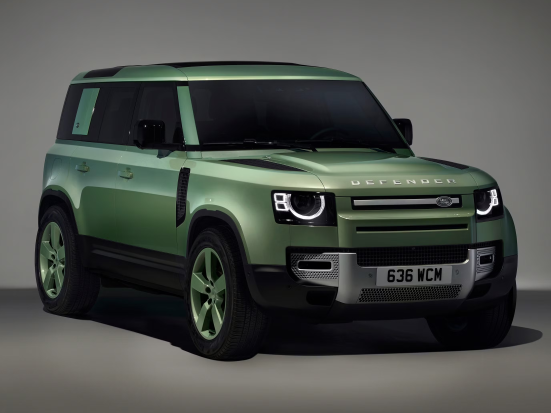
Land Rover Defender: Hardcore Chassis Conquers Any Terrain
LienMay 19, 2025
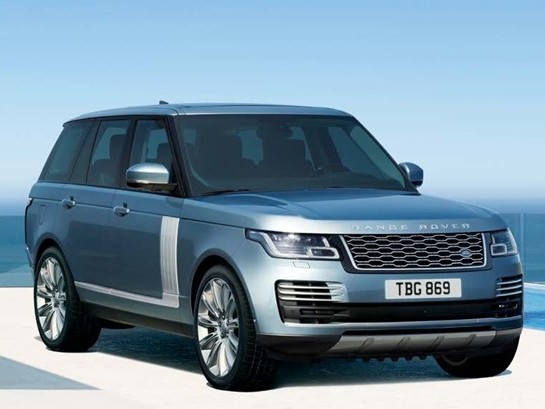
Starting from RM 1,220,000! Luxury SUV: Land Rover Range Rover, unlimited driving pleasure!
AshleyJul 16, 2024
Pros
Cons