
Q
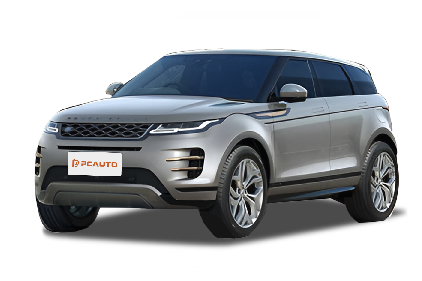
Is the 2024 Range Rover Evoque 4 wheel drive or not?
 SmokeTrailOct 04, 2025, 04:43 PM
The 2024 Range Rover Evoque offers a four - wheel drive (4WD) version in the Malaysian market. The Terrain Response system it is equipped with can automatically adjust the power distribution according to different road conditions, which is suitable for the rainy, wet, or slightly off - road road conditions in Malaysia. This vehicle adopts Land Rover's intelligent four - wheel drive technology. Usually, it mainly uses front - wheel drive to improve fuel economy, but it will instantly switch to four - wheel drive mode when the wheels start to slip. It's worth noting that some entry - level configurations may offer front - wheel drive options. It is recommended to confirm the specific specifications with local dealers before purchasing a car. For Malaysian consumers, the four - wheel drive system can provide better grip during the rainy season or on country roads, but the front - wheel drive version is sufficient for daily city driving. Luxury SUVs in the same class, such as the BMW X1 or Volvo XC40, also offer similar drive layout options. Consumers can decide according to their budget and usage scenarios. The Evoque's four - wheel drive system is specially tuned to focus more on road driving comfort while maintaining off - road capabilities, which is in line with its positioning as an urban luxury SUV.
Special Disclaimer: This content is published by users and does not represent the views or position of PCauto.
Related Q&A
Q
Is the Range Rover Evoque 2024 timing belt or chain?
The 2024 Range Rover Evoque is equipped with a timing chain instead of a timing belt. This design is quite common in luxury SUVs. Compared with timing belts, timing chains have a longer service life. Usually, they don't need to be replaced throughout the vehicle's lifespan, which reduces maintenance costs and the hassle of frequent replacements. Moreover, timing chains can withstand higher engine loads, making them suitable for Malaysia's diverse driving environments, including congested city traffic and occasional long - distance drives.
For Malaysian car owners, the durability of the timing chain is a significant advantage. Since the local climate is hot and humid, timing belts are prone to aging, while chains are not affected by these factors. However, although the chain doesn't require regular replacement, it's still recommended to regularly check its condition to ensure the normal operation of the engine. At the same time, it's important to keep the engine oil clean and replace it in a timely manner, as the quality of the oil directly affects the lubrication and lifespan of the chain.
Understanding these details can help car owners better maintain their vehicles, extend the lifespan of the engine, and avoid unnecessary repair costs.
 TitanCrushOct 4, 2025
Q
How often do you have to service a Range Rover Evoque 2024?
According to the official maintenance recommendations for the 2024 Range Rover Evoque, under the climate and road conditions in Malaysia, it is recommended to perform regular maintenance every 12 months or every 16,000 kilometers, whichever comes first. This is because the tropical high - temperature and high - humidity environment may accelerate the aging of engine oil and filters, and frequent short - distance urban driving increases the risk of engine carbon deposits. Maintenance usually includes replacing fully synthetic engine oil and the oil filter, inspecting the braking system and suspension components. Special attention should be paid to the maintenance of the air - conditioning system, as the humid climate in Malaysia can easily lead to the growth of mold.
If the vehicle is frequently driven in the congested urban area of Kuala Lumpur, it is advisable to consider shortening the inspection interval for brake pads and tires to every 10,000 kilometers, as frequent starting and stopping will accelerate the wear of these components. It is worth noting that the Ingenium series engines used in the new - generation Evoque have high requirements for engine oil quality. Be sure to use Land Rover - certified 0W - 20 fully synthetic engine oil. Authorized dealers in Malaysia usually offer a complete maintenance service that includes software upgrades.
For owners who often drive on highways, it is recommended to pay extra attention to tire balancing and wheel alignment, as long - distance cruising on the North - South Expressway may cause uneven tire wear. If the vehicle is equipped with an MHEV mild - hybrid system, the health status of the 48V battery also needs to be checked regularly, as this system has a heavy workload under the frequent starting and stopping conditions in Malaysia.
 NovaBurstOct 4, 2025
Q
What is the life expectancy of the Evoque 2024?
Under normal use and regular maintenance, the 2024 Range Rover Evoque is expected to have a lifespan of 10 to 15 years or cover a mileage of approximately 200,000 to 300,000 kilometers. Its specific performance depends on driving habits, road conditions, and maintenance frequency. The tropical climate in Malaysia has a certain impact on the vehicle's durability. It is recommended to pay special attention to the maintenance of the air - conditioning system, rubber parts, and electronic components, and regularly replace the coolant and check the anti - rust treatment. The lightweight aluminum alloy body and Ingenium series engine technology adopted by the Evoque can effectively reduce the risk of corrosion and improve fuel efficiency. However, short - distance city driving may increase the risk of carbon deposition. It is advisable to drive at high speeds occasionally to clean the engine. For Malaysian consumers, choosing the original factory warranty extension service is a wise move, as original parts and professional technology can be better adapted to local conditions. Luxury SUVs in the same class, such as the Volvo XC40 or the Mercedes - Benz GLA, also offer similar lifespan expectations, but Land Rover's all - terrain adaptation system is more practical in Malaysia's rainy environment. Regularly using the original factory diagnostic equipment for system updates can extend the lifespan of electronic devices, which is a key part of modern luxury car maintenance.
 SpiritualGrowthOct 4, 2025
Q
Is the Range Rover Evoque 2024 reliable?
The 2024 Range Rover Evoque shows relatively stable performance in terms of reliability. The Ingenium series turbocharged engine it is equipped with has been proven by the market over the years and has a low failure rate. At the same time, Land Rover has also improved the stability of its electronic systems in recent years. The Terrain Response 2 all - terrain system, which is standard for the rainy climate in Malaysia, performs reliably. This vehicle comes with a 3 - year or 100,000 - kilometer warranty in the Malaysian market, which is sufficient to cover most potential problems. It is recommended to have regular maintenance at an authorized service center to keep it in the best condition.
For Malaysian consumers considering a luxury compact SUV, the Evoque's British design language and high - end interior quality are still among the best in its class. The standard Pivi Pro infotainment system supports wireless Apple CarPlay and has good local adaptation. However, it should be noted that the battery cooling performance of its hybrid version in tropical regions may require more frequent checks. If you are looking for higher reliability, you can consider an extended warranty plan. After all, the maintenance cost of luxury cars is relatively high. Overall, the 2024 model has made significant improvements in quality control compared to the earlier models.
 CyberHawkOct 4, 2025
Q
Is the 2024 Range Rover electric?
The 2024 Range Rover has indeed launched a fully electric version called the Range Rover Electric. This is Land Rover's first fully electric luxury SUV, marking a significant step in its transition to electrification. The model is built on the MLA - Flex platform and supports 800V high - voltage fast - charging technology. With a 10 - minute charge, it can gain approximately 100 kilometers of range, and it's expected to have a full - charge range of up to 600 kilometers (WLTP standard). Meanwhile, it retains the classic all - terrain capabilities and luxury features.
For Malaysian consumers, although the local charging infrastructure is still being improved, fast - charging stations have been gradually increasing in major cities like Kuala Lumpur. Coupled with home charging solutions, the electric Range Rover is viable for daily use. It's worth noting that the Malaysian government offers tariff exemptions for imported electric vehicles. In 2024, the import duty on fully electric vehicles can be reduced to 0%, which may make the on - road price of the electric Range Rover more competitive.
The traditional fuel - powered 2024 Range Rover is still on sale simultaneously. It is equipped with 3.0T and 4.4T engines and comes standard with a four - wheel drive system, making it suitable for users who prefer a more established power system. Whether it's the electric or fuel - powered version, the 2024 Range Rover continues the refined craftsmanship and off - road heritage of its British lineage. Malaysian users can choose according to their own driving scenarios.
 DaisyMeadowOct 4, 2025
Q
What's the average cost of a 2024 Range Rover?
The average starting price of the 2024 Range Rover in Malaysia is around RM 1.2 million. The specific price may vary depending on the vehicle configuration, optional accessories, and the local dealers' promotional policies. The top - of - the - line models may cost over RM 2 million. This vehicle continues the luxury heritage of the Land Rover brand. It comes standard with the Terrain Response system, premium leather interior, and the latest Pivi Pro infotainment system. Meanwhile, it offers a variety of powertrain options, including mild - hybrid, plug - in hybrid, and the high - performance SV version.
For Malaysian consumers, apart from considering the purchase cost, they also need to pay attention to additional fees such as local import taxes, registration fees, and insurance. These factors will all affect the final on - the - road price. The Range Rover has long been renowned in the Malaysian market for its excellent off - road performance and luxurious comfort, making it suitable for buyers seeking high - end SUVs. It is recommended that interested consumers directly contact the authorized dealers to get the latest quotes and arrange test drives, so as to have a more comprehensive understanding of the vehicle details and after - sales guarantee policies.
 WildernessOct 4, 2025
Q
What is the name of the new Range Rover 2024?
The all-new 2024 Range Rover has been officially named "Range Rover SV" in the Malaysian market. This luxury SUV continues the brand's iconic sophisticated design and powerful performance. Meanwhile, it has undergone local tuning for the climate and road conditions in Southeast Asia. For example, the air - conditioning system with better tropical adaptability and anti - corrosion chassis coating have been upgraded.
The new car is equipped with an advanced PHEV plug - in hybrid system, offering a pure - electric range of up to 100 kilometers, which meets both environmental protection and power requirements. It is particularly suitable for the congested urban roads in Malaysia. It's worth mentioning that the Range Rover SV is equipped with an intelligent driving assistance system developed for right - hand - drive markets for the first time, including adaptive cruise control and automatic parking functions. The interior uses cold - colored genuine leather materials preferred by Malaysian consumers, and an optional leather treatment process that complies with Islamic teachings is available.
Competitors in the same class, such as the BMW X7 and Mercedes - Benz GLS, have also successively launched hybrid versions. However, with its unique all - terrain feedback system and British luxury heritage, the Range Rover SV still maintains strong competitiveness in the high - end SUV market in Malaysia. The official recommended retail price starts from RM 1.2 million, and bookings are now being accepted.
 CloverPatchOct 4, 2025
Q
Is a Range Rover Evoque 2024 a safe car?
The 2024 Range Rover Evoque excels in safety, meeting the expectations of Malaysian consumers for high - end SUVs. This vehicle is equipped with advanced active safety technologies, including adaptive cruise control, lane - keeping assist, automatic emergency braking, and a blind - spot monitoring system. These features can effectively enhance driving safety on the complex urban and highway roads in Malaysia.
In addition, its body structure is made of high - strength materials and has passed strict crash tests, including achieving a high score in the European NCAP certification, ensuring sufficient protection for passengers in case of an accident. Given the rainy climate in Malaysia, the Evoque also comes standard with an all - terrain response system to optimize handling stability on slippery roads.
If you want to learn more about the safety performance of similar models, you can refer to the test results of the local Asean NCAP or global standards such as Euro NCAP. These evaluations can help consumers compare the safety performance of different brands and models. At the same time, it is recommended to take a test drive before purchasing to see if the vehicle's actual handling and the response of its safety features meet your personal needs.
 LivelySpiritOct 4, 2025
Q
Where is the Range Rover Evoque 2024 made?
The 2024 Range Rover Evoque is mainly produced at the Halewood plant in the UK. This plant is one of the important production bases of the Jaguar Land Rover Group and is responsible for manufacturing multiple best - selling models. For Malaysian consumers, this means the vehicle maintains the authentic British quality and craftsmanship standards. It's worth mentioning that the Halewood plant employs advanced manufacturing technologies to ensure a high standard of luxury and performance for the vehicles. Meanwhile, the Evoque models introduced to the Malaysian market are usually fully imported. Therefore, their configurations and tuning are optimized for the tropical climate and local driving habits. For example, the air - conditioning system is enhanced and the chassis adaptability is improved.
In addition, the Land Rover brand has a well - established dealer network and after - sales service system in Malaysia, which can provide comprehensive support for car owners, including warranty, maintenance, and spare parts supply, so users don't have to worry about subsequent usage issues. As a compact luxury SUV, the 2024 Evoque continues to leverage its advantages in fashionable design and technological configurations. It is highly suitable for the urban driving environment in Malaysia. At the same time, its four - wheel drive system can also handle mild off - road requirements, combining daily practicality with the unique charm of the brand.
 LeafyBranchOct 4, 2025
Q
What is the difference between Range Rover 2024 and 2025?
The main difference between the 2024 and 2025 Range Rover models is that the 2025 model has undergone minor upgrades, with the focus on the optimization of technology features and the powertrain. The 2025 Range Rover is expected to be equipped with an updated infotainment system and may come with more advanced driver - assistance features, such as enhanced adaptive cruise control and automatic parking technology. Meanwhile, the interior materials and detailed design may also be improved.
In terms of power, the 2025 model might introduce more efficient mild - hybrid or plug - in hybrid options to meet the global environmental protection trend. However, the specific parameters are yet to be officially announced. For Malaysian consumers, both models retain the Range Rover's consistent luxury and off - road capabilities, but the 2025 model excels in technological experience and fuel economy.
It's worth noting that the specific configurations in the Malaysian market may be adjusted according to local regulations and road conditions. It is recommended to consult local dealers for the latest information before purchasing a car. As a representative of luxury SUVs, Range Rover usually has a long replacement cycle. Therefore, annual facelifts are more about detailed optimizations rather than a complete overhaul, and this strategy ensures the stability and maturity of the model.
 RubyRedFlameOct 4, 2025
Popular Cars
Model Year
Car Compare
Car Photo
Related Models
 Cars
CarsLatest Q&A
Q
Is AMT similar to automatic?
There are significant differences between AMT transmissions and automatic transmissions (AT) in terms of core structure and driving experience. AMT is essentially an electronically automated version of a manual transmission, simulating manual clutch operation and gear shifting through a computerized control system while retaining the gear set structure of manual transmissions. As a result, it offers higher transmission efficiency, with fuel consumption approximately 8%-12% lower than AT, making it particularly suitable for highway or long-distance driving. However, it may exhibit jerking similar to manual transmissions during low-speed gear shifts, especially noticeable in congested traffic conditions.
AT transmissions rely on torque converters for power transfer, delivering smooth and seamless gear shifts that appeal to comfort-oriented users. However, their complex structure (incorporating planetary gear sets, hydraulic systems, etc.) results in higher maintenance costs. A single service may cost between 800 to 1,500 ringgit, whereas AMT only requires gear oil replacement at approximately 400 ringgit.
From a market perspective, AMT is predominantly used in budget vehicles or commercial models priced below 80,000 ringgit, while AT is typically featured in mid-to-high-end vehicles. Consumers should select based on actual needs: AMT suits those prioritizing fuel efficiency and low maintenance costs, while AT better serves those valuing comfort. Notably, recent advancements in AMT electronic control technology have significantly mitigated jerking issues, though test drives should still emphasize low-speed performance evaluation.
 AriaMar 26, 2026
Q
Which is better, DCT or AT?
DCT (Dual-Clutch Transmission) and AT (Automatic Transmission) each have their own advantages and disadvantages, and the choice should be based on personal driving needs. AT transmissions transfer power through a torque converter, offering excellent shift smoothness, making them suitable for urban commuting or novice drivers. However, they tend to have higher fuel consumption, and vehicles equipped with them are usually more expensive. DCT transmissions utilize a dual-clutch structure, featuring fast shift speeds and high power transmission efficiency, which provides a more direct driving experience—particularly suitable for users seeking a sporty feel. However, they may exhibit jerking at low speeds and have relatively high maintenance costs. If durability and comfort are priorities, AT is the more reliable choice; if power responsiveness and driving pleasure are preferred, wet DCT (such as Volkswagen DSG) performs better, though dry DCT models should be avoided in prolonged stop-and-go traffic conditions. Additionally, CVT transmissions excel in smoothness and fuel efficiency, making them ideal for daily commuting, but they lack driving excitement. It is recommended to test-drive before purchasing, as tuning varies significantly across brands, and real-world experience is more important than theoretical specifications.
FlutteringMar 26, 2026Q
Is Amt good or bad?
AMT gearboxes have a significant cost advantage in the local market, typically being around 5,000 Ringgit cheaper than models equipped with conventional automatic transmissions. Their fuel efficiency is comparable to manual transmissions, resulting in long-term fuel savings. Featuring a straightforward design, they achieve transmission efficiency exceeding 90% with relatively low maintenance costs, making them ideal for practicality-oriented consumers. However, their shifting logic contains inherent limitations: gear changes between 1st and 2nd cause 0.3-0.5 second power interruptions, while unintended upshifts on inclines may reduce engine speed by 15%-20%, compromising driving smoothness. For urban commuters or budget-conscious buyers, AMT offers excellent value, though those prioritizing premium driving dynamics should consider alternative transmission types. Some domestic models like the Perodua Axia employ enhanced AMT systems, where optimized shift programming has reduced gearshift shock by approximately 30%.
 RainbowsMar 26, 2026
Q
Which gives better mileage, CVT or AMT?
From the perspective of fuel economy, CVT transmissions generally perform better under urban driving conditions. Their continuously variable design allows the engine to consistently operate within the optimal speed range, significantly reducing fuel consumption during frequent starts and stops. Test data shows that their fuel consumption in urban driving conditions is 10% to 15% lower than that of comparable models. AMT transmissions, on the other hand, inherit the high transmission efficiency of manual transmissions, delivering fuel efficiency close to manual transmissions during high-speed cruising. This makes them particularly suitable for long-distance driving in large-displacement vehicles. However, due to power interruption during gear shifts, their overall fuel consumption may be 5% to 8% higher than CVTs.
The difference in fuel-saving characteristics between the two transmissions stems from their technical principles: CVTs achieve continuous variability through steel belts and pulleys, eliminating the fixed gear ratio limitations of traditional transmissions; AMTs simulate manual gear changes via electronic control systems while maintaining the mechanical efficiency of gear transmission. Notably, actual fuel consumption is also influenced by driving habits. Smooth acceleration and anticipatory deceleration can maximize the transmissions' fuel-saving potential. If the vehicle budget permits and urban commuting is the primary use, CVTs offer a more economical choice. For frequent highway driving with an emphasis on cost-effectiveness, AMTs are equally worth considering.
 RubyBlazeMar 26, 2026
Q
Which is cheaper, AMT or CVT?
In terms of gearbox cost, AMT is usually more economical than CVT. Essentially, AMT is a manual transmission equipped with an electronic control unit, featuring a simple structure and low maintenance costs. The unit price ranges from approximately 5,000 to 8,000 ringgit, making it suitable for budget-conscious consumers or those who prioritize long-term operating costs. CVT incurs higher manufacturing costs due to its precision steel belt transmission system and continuous variable transmission technology, with a unit price of about 7,000 to 10,000 ringgit. However, it delivers a smoother driving experience and superior fuel efficiency. The primary differences between the two lie in technical complexity: AMT retains the gear-shifting mechanism, resulting in noticeable shift shock; CVT achieves linear power output through stepless speed variation but requires periodic belt inspection and incurs higher maintenance expenses. For those prioritizing initial cost and basic transportation needs, AMT offers better value; if comfort and long-term fuel economy are priorities, CVT represents a more worthwhile investment. Note that actual prices may vary based on vehicle model, brand, and local supply chain factors.
 ShadowProwlMar 26, 2026
Related News

Return to the top! Land Rover Defender D7X-R Swept the top two spots in the Dakar Rally's Production Class
RobertJan 20, 2026

Land Rover releases Defender Dakar D7X-R, returning to Dakar Rally
RobertNov 28, 2025
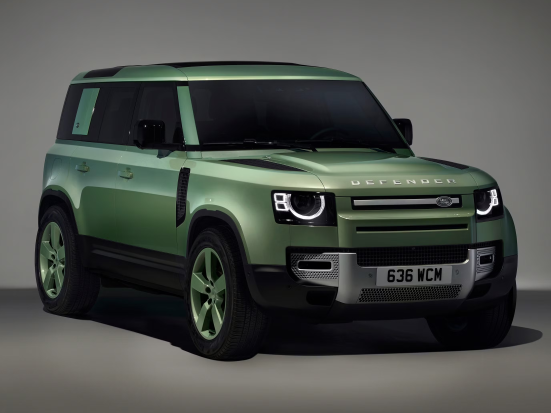
Land Rover Defender: Hardcore Chassis Conquers Any Terrain
LienMay 19, 2025
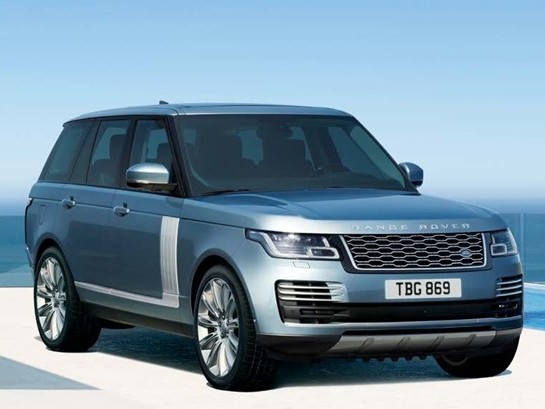
Starting from RM 1,220,000! Luxury SUV: Land Rover Range Rover, unlimited driving pleasure!
AshleyJul 16, 2024
Pros
Cons