
Q
Should I charge my Kia Niro to 100%?
 FearlessCourageFeb 09, 2026, 04:52 PM
Regarding the question of whether to charge the Kia Niro to 100%, it is recommended to make flexible adjustments based on your daily usage needs. Keeping the battery fully charged for a long time may have a slight impact on the battery life, but it's okay to fully charge it occasionally. Due to the characteristics of lithium - ion batteries, cycling within the 20% - 80% range can extend the battery life. So, for daily commuting, charging it to 80% - 90% is sufficient. If you need to drive long - distance, you can fully charge it to ensure the driving range.
In the hot climate of Malaysia, it is advisable to avoid leaving the vehicle parked with a full charge for an extended period. High temperatures combined with a high state of charge may accelerate battery aging. The battery management systems of modern electric vehicles are quite intelligent and will automatically optimize the charging process, so car owners don't need to worry too much.
It's worth noting that the battery types of Niro models from different years may vary slightly. You can refer to the specific recommendations in the owner's manual. Regularly using slow charging also contributes to battery health. Although fast charging is convenient, it is recommended to use it only in emergencies. With proper use, the Niro's battery pack can maintain stable performance for many years, allowing car owners to enjoy the convenience of electric travel with peace of mind.
Special Disclaimer: This content is published by users and does not represent the views or position of PCauto.
Related Q&A
Q
Is the Kia Niro 2023 a quiet car?
The 2023 Kia Niro really does an excellent job in terms of noise reduction. Especially in the driving environment of Malaysia, its sound insulation project is quite well - done, and the noise inside the car is well - controlled. Particularly when driving on urban roads and highways, both wind noise and tire noise are effectively suppressed. This is due to its optimized body structure and the application of sound - insulating materials. If you often drive in a busy city like Kuala Lumpur, its quietness will make you feel comfortable.
In addition, the hybrid and all - electric versions of the Niro are almost silent at low speeds, further enhancing the noise - reducing experience. If you have high requirements for in - car quietness, you can consider the high - end versions, which usually come with more advanced sound - insulating glass and additional noise - reduction technologies.
Of course, the noise - reduction effect is also affected by tire selection and road conditions. It is recommended to pay more attention to the performance under different road conditions during a test drive to ensure it meets your expectations.
 CheeryMoodSep 3, 2025
Q
Is the Kia Niro 2023 fast?
The 2023 Kia Niro is positioned as a practical family car in terms of power performance. Its acceleration performance is mainly designed to meet daily driving needs rather than pursuing extreme speed. Take the common 1.6-liter four-cylinder hybrid version in Malaysia as an example. It has a combined horsepower of about 139 hp, and it takes about 11 seconds to accelerate from 0 to 100 km/h. It's suitable for urban commuting and medium- and short-distance trips, with smooth power output and excellent fuel economy.
If you have higher requirements for performance, you can pay attention to its all-electric version (EV version). The motor power is increased to 201 hp, and the 0 - 100 km/h acceleration time is shortened to about 7.8 seconds, which is more suitable for users who pursue a bit of driving fun.
It's worth noting that there are many mountain roads in Malaysia and the climate is hot and humid. It is recommended to focus on the low-speed torque response and battery heat dissipation performance during the test drive. The hybrid system can show its advantages in congested roads with frequent stops and starts, while for the EV version, the convenience of charging facilities needs to be considered.
Competitors in the same class, such as the hybrid versions of Toyota Corolla Cross or Honda HR-V, have similar data, but the Niro offers a longer battery warranty (usually 6 years/150,000 kilometers), which is a practical consideration for Malaysian consumers.
 LivelySpiritSep 3, 2025
Q
Is the Kia Niro 2023 a SUV?
The 2023 Kia Niro is indeed classified as an SUV. Positioned as a compact crossover SUV, it combines the advantages of a traditional SUV—including high ground clearance and a spacious interior—while retaining hatchback-like nimble handling. This makes it well-suited for Malaysia’s diverse road conditions and family needs. The vehicle offers three powertrain options: hybrid (HEV), plug-in hybrid (PHEV), and all-electric (EV). The EV variant delivers a range of up to 460 km (WLTP standard), catering to both urban commuting and inter-city travel. With a body length of approximately 4,420 mm and a ground clearance of 154 mm, the Niro—equipped with an available intelligent AWD system—provides reliable performance on slippery rainforest roads or in light off-road scenarios. Notably, its advanced safety features (such as Lane Keeping Assist and Adaptive Cruise Control) comply with Malaysia’s 2023 New Car Assessment Program standards (meeting ASEAN NCAP’s 5-star requirements). While competitors in the same segment include the Honda HR-V and Mazda CX-30, the Niro differentiates itself through its longer battery warranty (8 years/150,000 km in Malaysia) and Vehicle-to-Load (V2L) functionality, which enables reverse charging of external devices. These features are particularly valuable for Malaysian users, whether for camping or during unexpected power outages.
 FrostyWhisperSep 3, 2025
Q
How long can a Kia Niro 2023 last?
Under normal maintenance and usage conditions, the 2023 Kia Niro is expected to run 200,000 to 300,000 kilometers or even more. The specific lifespan depends on the owner's driving habits, maintenance frequency, as well as the road conditions and climate in Malaysia. Regularly changing the engine oil, checking the braking system, maintaining the tires, and following the manufacturer's recommended maintenance schedule are the keys to extending the vehicle's lifespan. The tropical climate in Malaysia may have an impact on the battery and rubber components, so it is recommended to regularly inspect these components to ensure their performance. In addition, for the hybrid version of the Niro, special attention needs to be paid to the maintenance of the battery system to keep it running efficiently.
The Kia Niro is known for its reliability and durability. It is equipped with an advanced powertrain and high - quality materials, which can meet the daily driving needs. If you plan to use this car for a long time, it is recommended to choose an officially authorized service center for maintenance to ensure that the vehicle is always in the best condition. At the same time, driving reasonably and avoiding overloading can also significantly improve the vehicle's service life.
 WandererSoulSep 3, 2025
Q
How much is a battery for a Kia Niro 2023?
Regarding the battery price of the 2023 Kia Niro in the Malaysian market, it varies according to the battery type (such as hybrid or all - electric version) and the supplier channels. Generally, the price ranges from RM4,000 to RM15,000, specifically depending on the battery capacity (like the 1.56kWh HEV battery or larger - capacity PHEV/EV batteries) and whether you choose original or certified third - party parts. It is recommended to directly inquire with the Kia - authorized dealers in Malaysia for the latest quotes, as they may offer warranty services or promotional programs.
Moreover, the cost of electric vehicle batteries is greatly influenced by global raw material prices. If you're considering long - term use, you can pay attention to battery health maintenance tips, such as avoiding frequent fast charging or over - discharging. These habits can extend the battery life. Additionally, the Malaysian government offers tax incentives for new energy vehicles, and in some cases, you may be eligible for subsidies when replacing the battery. It is advisable for car owners to regularly check the battery status to ensure optimal performance.
 DazzlingSparkleSep 3, 2025
Q
How to charge a 2023 Kia Niro?
The 2023 Kia Niro, a model that supports plug - in hybrid electric vehicle (PHEV) or electric vehicle (EV) options, requires users in Malaysia to choose the appropriate charging method according to the vehicle model. The PHEV version can use a 220V household socket or a public Type 2 charging pile. For the EV version, it is recommended to use direct - current fast charging (CCS2 interface) first to shorten the charging time. Before charging, make sure that the vehicle's interface type matches the charging pile.
Mainstream charging operators in Malaysia, such as ChargeEV and JomCharge, cover most shopping malls and highway service areas. You can check the real - time status of charging piles through their apps. In daily use, it is recommended to keep the battery level between 20% and 80% to extend the battery life. If the vehicle is parked for a long time, charge it regularly to avoid complete battery discharge.
Note that the tropical climate in Malaysia may affect battery efficiency. It is advisable to choose a shaded charging spot and turn on the battery temperature management system. Also, regularly check the charging cables for signs of aging to ensure safety. For home charging, it is recommended to apply for a dedicated electricity meter from TNB and hire a certified electrician to install a wall - mounted charging box, which is more stable and efficient than an ordinary socket.
If you plan a long - distance trip, you can plan the charging stations along the way in advance through platforms like PlugShare. Currently, the coverage of charging piles on the East - West Highway of the Malay Peninsula is still being improved, so it is recommended to make a backup plan.
 TwilightMysterySep 3, 2025
Q
How efficient is the 2023 Kia Niro?
The 2023 Kia Niro excels in fuel economy, making it particularly suitable for the urban road conditions in Malaysia and long - distance driving needs. Its hybrid electric version (HEV) can achieve a fuel consumption as low as 4.7L/100km under combined driving conditions. The plug - in hybrid electric version (PHEV) offers an all - electric range of about 65 kilometers, which is ideal for zero - fuel - consumption short - distance commuting. The all - electric version (EV) provides a range of approximately 460 kilometers (WLTP standard), meeting daily usage requirements.
The combination of the 1.6L GDI engine and the electric motor in this vehicle balances power and energy efficiency. It is also equipped with an intelligent regenerative braking system to further enhance energy efficiency. For Malaysian users, the compact SUV body of the Niro is well - suited to the local road environment, and its low - fuel - consumption feature can reduce long - term vehicle usage costs.
It's worth noting that the hybrid technology can effectively reduce fuel waste during traffic jams. Moreover, the battery pack warranty policy (usually 8 years or 150,000 kilometers) alleviates users' concerns. If you're considering a new energy vehicle, you need to comprehensively evaluate it in combination with the distribution of charging facilities in Malaysia and government tax incentives (such as EEV certification). Currently, the energy - efficiency performance of the Niro is at the mainstream level among its competitors in the same class.
 SunshineDaySep 3, 2025
Q
How long does it take to charge a 2023 Kia Niro?
The charging time of the 2023 Kia Niro depends on the charging equipment used and the battery capacity. This model is available in hybrid, plug - in hybrid, and all - electric versions. The all - electric version is equipped with a 64.8 kWh battery pack. If a standard 7.4 kW home AC charging pile is used, it takes approximately 9 hours and 30 minutes to fully charge the battery. However, if a 50 kW DC fast - charging pile is used, the battery can be charged from 10% to 80% in about 1 hour, which is suitable for quick energy replenishment during long - distance trips.
For users in Malaysia, due to the hot local climate, it is recommended to avoid charging the vehicle during the high - temperature period at noon to protect the battery life. At the same time, they can make full use of the lower electricity rates at night for slow charging to save costs. It's worth noting that the actual charging time may be affected by the ambient temperature, battery status, and fluctuations in the charging equipment's power. It is advisable for car owners to refer to the charging suggestions in the vehicle manual and regularly maintain the high - voltage battery system.
Malaysia is gradually improving its public charging facilities. Fast - charging piles have begun to be installed in major shopping malls and highway service stations, providing more convenience for electric vehicle users.
 BuddyTimeSep 3, 2025
Q
What are the recalls for the Kia Niro 2023?
Regarding the recall information of the 2023 Kia Niro, there is no official recall notice officially released in the Malaysian market yet. However, according to international market records, this model has undergone upgrades and maintenance due to some electronic system software issues or potential hidden dangers in parts. For example, some vehicles may be involved in software calibration of the hybrid system or abnormal display of the seat - belt warning light. Owners can enter the Vehicle Identification Number (VIN) on the recall inquiry page of the official Kia website in Malaysia to confirm whether they are affected.
For Malaysian car owners, it is crucial to regularly follow the official Kia notifications and have the vehicle serviced on time. If any abnormalities are found, they can contact the authorized service center for inspection. In modern automotive technology, such software updates can usually be quickly resolved to ensure the vehicle's safety performance.
In addition, regardless of whether the vehicle is involved in a recall, it is recommended that car owners develop the habit of regularly checking the vehicle's condition, such as through the self - inspection function of the in - vehicle system or diagnosis by professional technicians, to prevent potential problems in advance and maintain the best driving experience.
 HelperHandSep 3, 2025
Q
How much should I pay for a 2023 Kia Niro?
The prices of the 2023 Kia Niro vary due to various factors, such as the powertrain (HEV, PHEV, EV) and interior trim levels. The 2024 Niro Hybrid offers three different powertrains, with a pricing range from $26,840 to $35,240. The entry - level LX starts at $26,840, the EX model is priced at $29,090, and the top - of - the - line SX starts at $35,240. The EX Touring starts at $31,840, and the base suggested retail price of the SX Touring is $35,240. All prices do not include a $1,325 destination charge.
In addition, the MSRP of the 2025 Kia Niro is $26,990 - $35,390; the MSRP of the 2025 Kia Niro EV is $39,600 - $44,600; the MSRP of the 2025 Kia Niro Plug - In Hybrid is $34,490 - $40,790. You can visit your local dealership to find out the actual selling prices. They'll give you an accurate quote based on vehicle configurations, promotions and so on.
 ThinkerThoughtSep 3, 2025
Popular Cars
Model Year
Car Compare
Car Photo
Related Models
 Cars
CarsLatest Q&A
Q
Is AMT similar to automatic?
There are significant differences between AMT transmissions and automatic transmissions (AT) in terms of core structure and driving experience. AMT is essentially an electronically automated version of a manual transmission, simulating manual clutch operation and gear shifting through a computerized control system while retaining the gear set structure of manual transmissions. As a result, it offers higher transmission efficiency, with fuel consumption approximately 8%-12% lower than AT, making it particularly suitable for highway or long-distance driving. However, it may exhibit jerking similar to manual transmissions during low-speed gear shifts, especially noticeable in congested traffic conditions.
AT transmissions rely on torque converters for power transfer, delivering smooth and seamless gear shifts that appeal to comfort-oriented users. However, their complex structure (incorporating planetary gear sets, hydraulic systems, etc.) results in higher maintenance costs. A single service may cost between 800 to 1,500 ringgit, whereas AMT only requires gear oil replacement at approximately 400 ringgit.
From a market perspective, AMT is predominantly used in budget vehicles or commercial models priced below 80,000 ringgit, while AT is typically featured in mid-to-high-end vehicles. Consumers should select based on actual needs: AMT suits those prioritizing fuel efficiency and low maintenance costs, while AT better serves those valuing comfort. Notably, recent advancements in AMT electronic control technology have significantly mitigated jerking issues, though test drives should still emphasize low-speed performance evaluation.
 AriaMar 26, 2026
Q
Which is better, DCT or AT?
DCT (Dual-Clutch Transmission) and AT (Automatic Transmission) each have their own advantages and disadvantages, and the choice should be based on personal driving needs. AT transmissions transfer power through a torque converter, offering excellent shift smoothness, making them suitable for urban commuting or novice drivers. However, they tend to have higher fuel consumption, and vehicles equipped with them are usually more expensive. DCT transmissions utilize a dual-clutch structure, featuring fast shift speeds and high power transmission efficiency, which provides a more direct driving experience—particularly suitable for users seeking a sporty feel. However, they may exhibit jerking at low speeds and have relatively high maintenance costs. If durability and comfort are priorities, AT is the more reliable choice; if power responsiveness and driving pleasure are preferred, wet DCT (such as Volkswagen DSG) performs better, though dry DCT models should be avoided in prolonged stop-and-go traffic conditions. Additionally, CVT transmissions excel in smoothness and fuel efficiency, making them ideal for daily commuting, but they lack driving excitement. It is recommended to test-drive before purchasing, as tuning varies significantly across brands, and real-world experience is more important than theoretical specifications.
 FlutteringMar 26, 2026
Q
Is Amt good or bad?
AMT gearboxes have a significant cost advantage in the local market, typically being around 5,000 Ringgit cheaper than models equipped with conventional automatic transmissions. Their fuel efficiency is comparable to manual transmissions, resulting in long-term fuel savings. Featuring a straightforward design, they achieve transmission efficiency exceeding 90% with relatively low maintenance costs, making them ideal for practicality-oriented consumers. However, their shifting logic contains inherent limitations: gear changes between 1st and 2nd cause 0.3-0.5 second power interruptions, while unintended upshifts on inclines may reduce engine speed by 15%-20%, compromising driving smoothness. For urban commuters or budget-conscious buyers, AMT offers excellent value, though those prioritizing premium driving dynamics should consider alternative transmission types. Some domestic models like the Perodua Axia employ enhanced AMT systems, where optimized shift programming has reduced gearshift shock by approximately 30%.
 RainbowsMar 26, 2026
Q
Which gives better mileage, CVT or AMT?
From the perspective of fuel economy, CVT transmissions generally perform better under urban driving conditions. Their continuously variable design allows the engine to consistently operate within the optimal speed range, significantly reducing fuel consumption during frequent starts and stops. Test data shows that their fuel consumption in urban driving conditions is 10% to 15% lower than that of comparable models. AMT transmissions, on the other hand, inherit the high transmission efficiency of manual transmissions, delivering fuel efficiency close to manual transmissions during high-speed cruising. This makes them particularly suitable for long-distance driving in large-displacement vehicles. However, due to power interruption during gear shifts, their overall fuel consumption may be 5% to 8% higher than CVTs.
The difference in fuel-saving characteristics between the two transmissions stems from their technical principles: CVTs achieve continuous variability through steel belts and pulleys, eliminating the fixed gear ratio limitations of traditional transmissions; AMTs simulate manual gear changes via electronic control systems while maintaining the mechanical efficiency of gear transmission. Notably, actual fuel consumption is also influenced by driving habits. Smooth acceleration and anticipatory deceleration can maximize the transmissions' fuel-saving potential. If the vehicle budget permits and urban commuting is the primary use, CVTs offer a more economical choice. For frequent highway driving with an emphasis on cost-effectiveness, AMTs are equally worth considering.
 RubyBlazeMar 26, 2026
Q
Which is cheaper, AMT or CVT?
In terms of gearbox cost, AMT is usually more economical than CVT. Essentially, AMT is a manual transmission equipped with an electronic control unit, featuring a simple structure and low maintenance costs. The unit price ranges from approximately 5,000 to 8,000 ringgit, making it suitable for budget-conscious consumers or those who prioritize long-term operating costs. CVT incurs higher manufacturing costs due to its precision steel belt transmission system and continuous variable transmission technology, with a unit price of about 7,000 to 10,000 ringgit. However, it delivers a smoother driving experience and superior fuel efficiency. The primary differences between the two lie in technical complexity: AMT retains the gear-shifting mechanism, resulting in noticeable shift shock; CVT achieves linear power output through stepless speed variation but requires periodic belt inspection and incurs higher maintenance expenses. For those prioritizing initial cost and basic transportation needs, AMT offers better value; if comfort and long-term fuel economy are priorities, CVT represents a more worthwhile investment. Note that actual prices may vary based on vehicle model, brand, and local supply chain factors.
 ShadowProwlMar 26, 2026
Related News

In Malaysia, which sliding door MPVs are available?
MichaelOct 30, 2025
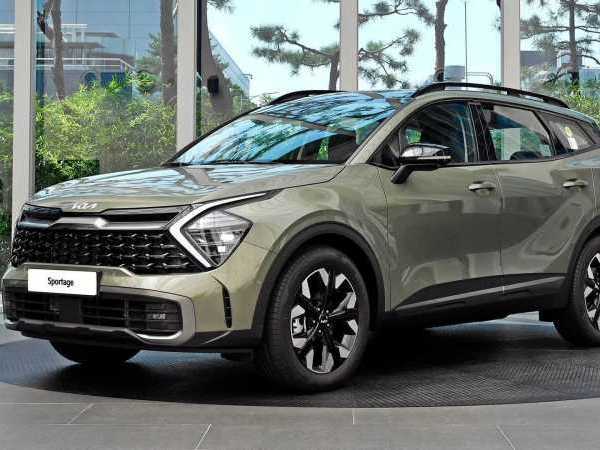
Kia Sportage: Superior Suspension for Smooth Ride
Kevin WongMay 19, 2025
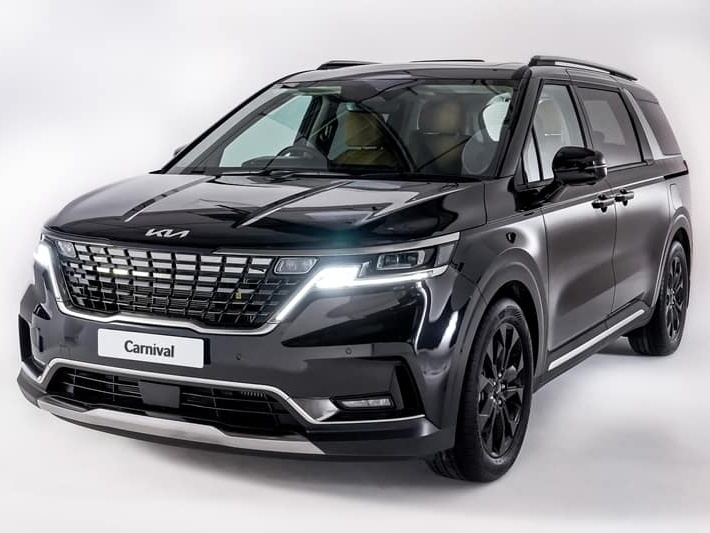
Kia Carnival: Spacious & Versatile for Every Journey
Kevin WongMay 19, 2025
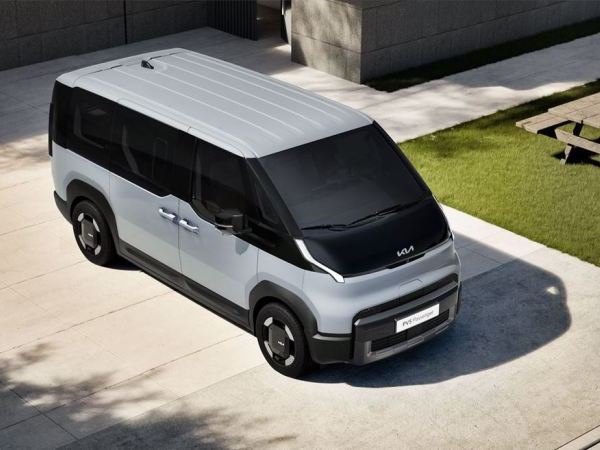
Kia reveals all details of PV5, with a maximum range of up to 400 kilometers
LienMar 11, 2025
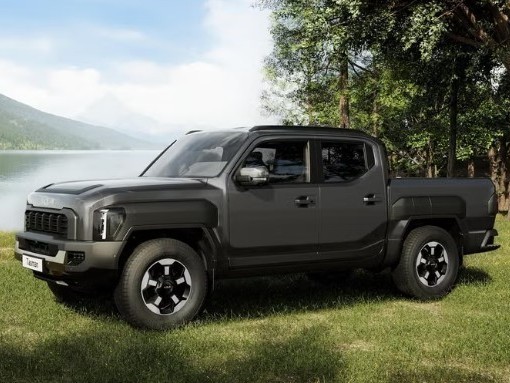
173L cargo box, 3500kg towing capacity, KIA Tasman meets all your needs!
MichaelOct 31, 2024
View More
Pros
Cons