
Q
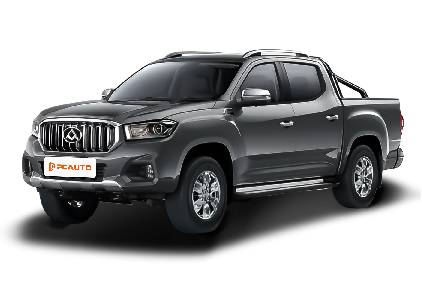
What are the colors of Maxus T60?
 BlazeKnightSep 01, 2025, 09:49 AM
The Maxus T60 offers a variety of color options in the Malaysian market to meet the aesthetic needs of different consumers. Common colors include classic neutral tones such as white, silver, and black. At the same time, more personalized options like blue, red, or brown may also be available. The specific colors may vary depending on the year and configuration. It is recommended to inquire with local dealers for the latest information.
Color selection is not only about aesthetics but also involves practical considerations. For example, light - colored paint can better reflect sunlight in hot climates, reducing the temperature inside the vehicle. Dark - colored paint looks more elegant but requires more frequent cleaning to maintain its appearance.
In addition, as a practical pickup truck, the Maxus T60's paint technology usually emphasizes durability to adapt to Malaysia's diverse vehicle - using environments, including urban commuting and light off - road needs. When purchasing a car, besides the color, you can also pay attention to the body's anti - rust treatment and maintenance suggestions to ensure that the vehicle still maintains a good appearance after long - term use.
Special Disclaimer: This content is published by users and does not represent the views or position of PCauto.
Related Q&A
Q
Where is Maxus T60 made?
The Maxus T60 is a pickup truck model manufactured by SAIC Motor in China. Its main production base is located in China. This model is sold in international markets, including Malaysia. With its rugged exterior design and practical functional configurations, it has attracted some consumers.
In the Malaysian market, the Maxus T60 is mainly targeted at users who need to balance work and life. It offers a diesel engine option and good cargo - carrying capacity, which is suitable for the diverse local vehicle - using needs. For Malaysian consumers, Chinese - made cars have significantly improved in quality and technology in recent years. As an economical and practical pickup, the reliability of the Maxus T60 has been verified in multiple markets. Meanwhile, SAIC Motor's global layout ensures after - sales service support.
Malaysian users can consider the Maxus T60 when choosing a pickup. It not only has the basic functions of a pickup but also makes breakthroughs in comfort and technological configurations. For example, it is equipped with an intelligent infotainment system and safety driving assistance functions. These features make it competitive among models in the same class.
 DriverRouteTravelSep 1, 2025
Q
Is the Maxus T60 4 wheel drive?
Yes, the Maxus T60 offers a four-wheel drive (4WD) version in the Malaysian market. This pickup truck is equipped with a part-time four-wheel drive system that allows drivers to manually switch between 2H (rear-wheel drive), 4H (high-speed four-wheel drive), and 4L (low-speed four-wheel drive) modes according to road conditions. It's suitable for dealing with complex terrains such as mud, gravel, or steep slopes. Meanwhile, some models are also equipped with an electronic differential lock to enhance the vehicle's ability to get out of trouble.
In addition to its four-wheel drive performance, the T60 also provides a powertrain combination of a 2.0T diesel engine paired with a 6-speed manual or automatic transmission, which meets both daily driving and cargo - carrying needs. For Malaysian users, the four-wheel drive version is particularly suitable for scenarios like operations in the rainforests of East Malaysia or on farms, while the two-wheel drive version is more suitable for city commuting.
It should be noted that the four-wheel drive system will increase fuel consumption and maintenance costs. It is recommended that vehicle owners regularly maintain the transmission components and select the drive mode according to actual needs to balance performance and economy. As an international brand, Maxus' four-wheel drive technology has been verified in multiple markets around the world. Malaysian consumers can refer to the test drive services provided by local dealers to experience its actual performance.
 SteelHeartSep 1, 2025
Q
What is the load capacity of the Maxus T60?
The load - carrying capacity of the Maxus T60 varies depending on the specific configuration and model. Its maximum load capacity is usually around 1 ton, which is suitable for daily commercial use and family needs. This pickup truck has won the favor of many consumers in the Malaysian market due to its durability and practicality.
Apart from its load - carrying capacity, the Maxus T60 is also equipped with an advanced diesel engine, which offers excellent fuel economy and power performance. It can adapt well to the diverse road conditions in Malaysia, easily handling both city driving and rural roads. Moreover, its cargo box design is highly practical, making it convenient to load all kinds of goods. It's a great choice for users who need to transport items frequently.
When choosing a pickup truck, in addition to the load - carrying capacity, factors such as the overall performance of the vehicle, safety configuration, and after - sales service should also be considered to ensure that you buy a model that best suits your needs. The Maxus T60 performs well in all these aspects and is a practical pickup truck worth considering.
 WolfFangSep 1, 2025
Q
Is Maxus T60 petrol or diesel?
The Maxus T60 offers both diesel and gasoline engine options in the Malaysian market. The specific configurations depend on the vehicle model version and market demand. The diesel version is usually equipped with a 2.0-liter turbocharged engine, which is suitable for users who focus on torque and fuel economy, especially for consumers who often carry goods or drive long distances. On the other hand, the gasoline version is more suitable for city commuting, providing a quieter driving experience and lower maintenance costs. Malaysian consumers can choose according to their own needs. Diesel vehicles are more popular locally because diesel prices are relatively low and they have stronger endurance. However, gasoline vehicles perform better in noise control and cold start. It is recommended to take a test drive at an authorized dealer before purchasing to personally experience the differences between the two power systems. At the same time, you can also consult about the latest road tax and insurance fees, as there may be differences between diesel and gasoline vehicles in these aspects. As a practical pickup truck, the Maxus T60 can meet the needs of daily work and family use regardless of which power system you choose.
PhoenixFireSep 1, 2025Q
How many seats are in the Maxus T60?
The Maxus T60 is a practical and feature - rich pickup truck model. It offers a variety of configuration options in the Malaysian market. The standard version is a double - cab design that can accommodate five passengers with a 2 + 3 seat layout. The front row provides ample headroom and legroom, and the rear seats are also quite spacious, making it suitable for both family and work purposes.
Moreover, the Maxus T60 emphasizes practicality. The rear seats can be folded down to increase the cargo space, meeting users' needs for versatility. In Malaysia, pickup trucks are popular for their durability and versatility. The Maxus T60 is not only suitable for daily commuting but also can handle various work scenarios, such as construction, agriculture, or logistics transportation.
This model is also equipped with modern technological features, like a touch - screen infotainment system and safety assistance technologies, which enhance the driving experience. For users who need more cargo space, the single - cab version of the Maxus T60 can offer greater cargo - carrying capacity, though the number of seats will be reduced accordingly.
Overall, the Maxus T60 strikes a balance between passenger comfort and practical needs in terms of seat design and functionality, making it one of the pickup options worth considering in the Malaysian market.
 IceBreakerSep 1, 2025
Q
What is the towing capacity of the Maxus T60?
The towing capacity of the Maxus T60 varies depending on the specific configuration and model. Generally, its maximum towing capacity ranges from 2.5 to 3 tons, which can meet the daily needs of Malaysian users for towing small yachts, RVs, or engineering equipment. This pickup truck is equipped with a 2.0-liter turbocharged diesel engine, which provides abundant low-end torque output. Coupled with a sturdy chassis design and rear-wheel drive or four-wheel drive system, it ensures stability when towing heavy loads. For Malaysia's mountainous terrain or wet road conditions, it is recommended to choose the four-wheel drive version to enhance towing safety. At the same time, it is necessary to pay attention to complying with local regulations regarding the weight and speed of trailers. When purchasing trailer accessories, you should confirm that the hitch rating matches the vehicle, and regularly check the braking system and cooling device, as the tropical climate may place additional stress on the transmission and engine during long-term high-load operation. If you often engage in heavy towing, you can consider installing a transmission oil cooler to extend the lifespan of the power system. These details can help owners use the towing function of the T60 more safely and efficiently.
 StormChaserSep 1, 2025
Q
How much is Maxus T60 in Malaysia?
The price of the Maxus T60 in Malaysia starts from approximately RM 88,888. The specific price depends on the configuration and dealer promotions. This pickup truck is equipped with a 2.0-liter turbocharged diesel engine, which delivers 163 horsepower and 375 Nm of torque. It comes with a 6-speed manual or automatic transmission, making it suitable for both commercial and leisure use. It has a loading capacity of up to 1 ton and is equipped with safety features such as ESP and hill assist. Compared with its peer models like the Toyota Hilux and Isuzu D-Max, the T60 offers similar features at a more competitive price. Recently, the demand for pickup trucks in the Malaysian market has been continuously increasing. With its high cost - effectiveness, the Maxus T60 has become a great option. It is recommended that interested consumers directly contact the authorized dealers to get the latest quotes and arrange test drives so as to have a more comprehensive understanding of the vehicle's performance.
 LivelySpiritEnergizeSep 1, 2025
Q
What size engine is in the Maxus T60?
The Maxus T60 offers two diesel engine options in the Malaysian market, namely a 2.0-liter turbocharged four-cylinder engine and a 2.8-liter turbocharged four-cylinder engine. The 2.0-liter version has a maximum power of 163 horsepower and a peak torque of 375 Nm, while the 2.8-liter version can output 150 horsepower and 360 Nm of torque. Both engines are paired with a 6-speed manual or 6-speed automatic transmission, catering to different driving needs. Diesel engines are favored in Malaysia for their high torque and fuel economy, especially suitable for users who often carry heavy loads or drive long distances. As a pickup truck, the engine design of the Maxus T60 takes into account both power and durability, capable of handling Malaysia's diverse road conditions, including urban commuting and rural roads. In addition, the relatively low maintenance cost of diesel engines is also one of the important factors considered by many Malaysian consumers. If you're interested in pickup truck models, you can also compare the engine configurations of other brands such as the Toyota Hilux and Isuzu D-Max, which also perform well in the Malaysian market. However, the Maxus T60 stands out as a great choice with its high cost-effectiveness and practical feature configurations.
 HappySnailSep 1, 2025
Q
What is the warranty on the Maxus T60?
The warranty policy provided by Maxus T60 in Malaysia is usually 5 years or 150,000 kilometers (whichever comes first). This warranty covers major components such as the engine and transmission, which reflects the brand's confidence in the product quality. At the same time, it also provides Malaysian consumers with long - term vehicle usage protection. It should be noted that the warranty terms may vary slightly depending on the region or dealer. It is recommended to confirm the specific details with the authorized dealer before purchasing a vehicle.
In addition to the original factory warranty, Malaysian car owners can also choose to purchase an extended warranty service to further extend the protection period. In Malaysia's hot and rainy climate, regular maintenance is particularly important for maintaining the validity of the warranty. It is recommended to strictly follow the requirements in the maintenance manual, use the oil and accessories recommended by the original factory, and keep complete maintenance records.
As a practical - oriented pickup truck, Maxus T60's warranty policy is competitive compared with models in the same class. It can meet the durability requirements of Malaysian users for commercial or household pickups. A reasonable warranty period can also effectively reduce the long - term usage costs for car owners.
 HappyShrimpSep 1, 2025
Q
What is the spec of the Maxus T60?
The Maxus T60 is a pickup truck model launched by SAIC Maxus in China. It has also caught the attention of many consumers in the Malaysian market. It is equipped with a 2.0-liter turbocharged diesel engine with a maximum power of 163 horsepower and a peak torque of 375 Nm. It is paired with a 6-speed manual or 6-speed automatic transmission, offering rear-wheel drive and four-wheel drive versions to meet various road conditions. In terms of body dimensions, the T60 has a length of 5365 mm, a wheelbase of 3155 mm, and a cargo box length of 1485 mm, with excellent carrying capacity, making it suitable for both commercial and household use. The interior is equipped with a 10-inch touch screen, a reversing camera, a multi-functional steering wheel and other features, combining practicality and a sense of technology. In terms of safety, it comes standard with ABS+EBD, dual airbags, a vehicle stability system and so on. For Malaysian users, the T60's diesel power system has advantages in fuel economy and low-end torque performance, especially suitable for those who often carry heavy loads or drive long distances. It's worth mentioning that pickups are popular models in Malaysia. In addition to their cargo-carrying function, many users also modify them for leisure purposes, and the T60's chassis strength and modification potential provide a good foundation for this. When choosing a pickup, in addition to power and load capacity, it is recommended to also pay attention to the after-sales network and maintenance costs, as these factors are crucial for the long-term vehicle ownership experience.
 WittySep 1, 2025
Popular Cars
Model Year
Car Compare
Car Photo
Related Models
 Cars
CarsLatest Q&A
Q
Is AMT similar to automatic?
There are significant differences between AMT transmissions and automatic transmissions (AT) in terms of core structure and driving experience. AMT is essentially an electronically automated version of a manual transmission, simulating manual clutch operation and gear shifting through a computerized control system while retaining the gear set structure of manual transmissions. As a result, it offers higher transmission efficiency, with fuel consumption approximately 8%-12% lower than AT, making it particularly suitable for highway or long-distance driving. However, it may exhibit jerking similar to manual transmissions during low-speed gear shifts, especially noticeable in congested traffic conditions.
AT transmissions rely on torque converters for power transfer, delivering smooth and seamless gear shifts that appeal to comfort-oriented users. However, their complex structure (incorporating planetary gear sets, hydraulic systems, etc.) results in higher maintenance costs. A single service may cost between 800 to 1,500 ringgit, whereas AMT only requires gear oil replacement at approximately 400 ringgit.
From a market perspective, AMT is predominantly used in budget vehicles or commercial models priced below 80,000 ringgit, while AT is typically featured in mid-to-high-end vehicles. Consumers should select based on actual needs: AMT suits those prioritizing fuel efficiency and low maintenance costs, while AT better serves those valuing comfort. Notably, recent advancements in AMT electronic control technology have significantly mitigated jerking issues, though test drives should still emphasize low-speed performance evaluation.
 AriaMar 26, 2026
Q
Which is better, DCT or AT?
DCT (Dual-Clutch Transmission) and AT (Automatic Transmission) each have their own advantages and disadvantages, and the choice should be based on personal driving needs. AT transmissions transfer power through a torque converter, offering excellent shift smoothness, making them suitable for urban commuting or novice drivers. However, they tend to have higher fuel consumption, and vehicles equipped with them are usually more expensive. DCT transmissions utilize a dual-clutch structure, featuring fast shift speeds and high power transmission efficiency, which provides a more direct driving experience—particularly suitable for users seeking a sporty feel. However, they may exhibit jerking at low speeds and have relatively high maintenance costs. If durability and comfort are priorities, AT is the more reliable choice; if power responsiveness and driving pleasure are preferred, wet DCT (such as Volkswagen DSG) performs better, though dry DCT models should be avoided in prolonged stop-and-go traffic conditions. Additionally, CVT transmissions excel in smoothness and fuel efficiency, making them ideal for daily commuting, but they lack driving excitement. It is recommended to test-drive before purchasing, as tuning varies significantly across brands, and real-world experience is more important than theoretical specifications.
FlutteringMar 26, 2026Q
Is Amt good or bad?
AMT gearboxes have a significant cost advantage in the local market, typically being around 5,000 Ringgit cheaper than models equipped with conventional automatic transmissions. Their fuel efficiency is comparable to manual transmissions, resulting in long-term fuel savings. Featuring a straightforward design, they achieve transmission efficiency exceeding 90% with relatively low maintenance costs, making them ideal for practicality-oriented consumers. However, their shifting logic contains inherent limitations: gear changes between 1st and 2nd cause 0.3-0.5 second power interruptions, while unintended upshifts on inclines may reduce engine speed by 15%-20%, compromising driving smoothness. For urban commuters or budget-conscious buyers, AMT offers excellent value, though those prioritizing premium driving dynamics should consider alternative transmission types. Some domestic models like the Perodua Axia employ enhanced AMT systems, where optimized shift programming has reduced gearshift shock by approximately 30%.
 RainbowsMar 26, 2026
Q
Which gives better mileage, CVT or AMT?
From the perspective of fuel economy, CVT transmissions generally perform better under urban driving conditions. Their continuously variable design allows the engine to consistently operate within the optimal speed range, significantly reducing fuel consumption during frequent starts and stops. Test data shows that their fuel consumption in urban driving conditions is 10% to 15% lower than that of comparable models. AMT transmissions, on the other hand, inherit the high transmission efficiency of manual transmissions, delivering fuel efficiency close to manual transmissions during high-speed cruising. This makes them particularly suitable for long-distance driving in large-displacement vehicles. However, due to power interruption during gear shifts, their overall fuel consumption may be 5% to 8% higher than CVTs.
The difference in fuel-saving characteristics between the two transmissions stems from their technical principles: CVTs achieve continuous variability through steel belts and pulleys, eliminating the fixed gear ratio limitations of traditional transmissions; AMTs simulate manual gear changes via electronic control systems while maintaining the mechanical efficiency of gear transmission. Notably, actual fuel consumption is also influenced by driving habits. Smooth acceleration and anticipatory deceleration can maximize the transmissions' fuel-saving potential. If the vehicle budget permits and urban commuting is the primary use, CVTs offer a more economical choice. For frequent highway driving with an emphasis on cost-effectiveness, AMTs are equally worth considering.
 RubyBlazeMar 26, 2026
Q
Which is cheaper, AMT or CVT?
In terms of gearbox cost, AMT is usually more economical than CVT. Essentially, AMT is a manual transmission equipped with an electronic control unit, featuring a simple structure and low maintenance costs. The unit price ranges from approximately 5,000 to 8,000 ringgit, making it suitable for budget-conscious consumers or those who prioritize long-term operating costs. CVT incurs higher manufacturing costs due to its precision steel belt transmission system and continuous variable transmission technology, with a unit price of about 7,000 to 10,000 ringgit. However, it delivers a smoother driving experience and superior fuel efficiency. The primary differences between the two lie in technical complexity: AMT retains the gear-shifting mechanism, resulting in noticeable shift shock; CVT achieves linear power output through stepless speed variation but requires periodic belt inspection and incurs higher maintenance expenses. For those prioritizing initial cost and basic transportation needs, AMT offers better value; if comfort and long-term fuel economy are priorities, CVT represents a more worthwhile investment. Note that actual prices may vary based on vehicle model, brand, and local supply chain factors.
 ShadowProwlMar 26, 2026
Pros
Cons