
Q
What are the pros and cons of the Kia Rio 2018?
 CloverPatchDec 05, 2025, 04:59 PM
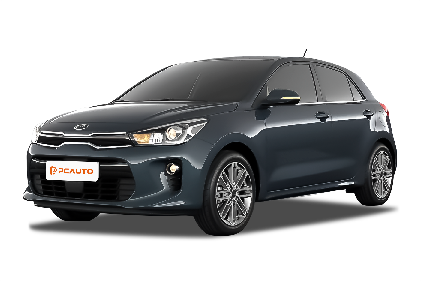
The advantages of the 2018 Kia Rio 1.4 MPI include outstanding cost-performance with an affordable price of RM79,888; reliable quality, as it is equipped with a naturally aspirated engine featuring mature and stable technology, simple maintenance, and low fuel requirements—its mileage can exceed 100,000 kilometers with proper care; comprehensive safety features, including standard 6 airbags, ABS anti-lock braking system, and electronic stability control; good space utilization, with spacious and comfortable front seats and a relatively large interior space for its class; excellent fuel efficiency, making it suitable for daily use; stylish and streamlined exterior design that balances practicality and aesthetics; practical features such as rear parking sensors, multifunction steering wheel, and automatic climate control, along with a 5-year unlimited-mileage warranty. Its drawbacks primarily include limited rear legroom, slightly underpowered performance when fully loaded or with air conditioning engaged; an interior with pronounced plastic elements, where some fit-and-finish details could be improved; manual transmission exclusively offered in base models and lack of available navigation option; tires susceptible to punctures and relatively thin body panels; firm seats that may cause discomfort on extended drives, along with somewhat constrained storage capacity. Overall, this vehicle is well-suited for urban commuting and novice drivers, representing a competitively priced B-segment offering.
Special Disclaimer: This content is published by users and does not represent the views or position of PCauto.
Related Q&A
Q
What is the 2018 Kia Rio's safety rating?
The 2018 Kia Rio delivers solid safety performance, earning a four-star Euro NCAP rating. It scored 84% for adult occupant protection and 85% for child occupant protection, though its pedestrian protection (52%) and safety assist systems (25%) were less impressive. Standard safety features include six airbags, Electronic Stability Control (ESC), and anti-lock brakes (ABS), while higher trims may add a rearview camera and tire pressure monitoring.
For safety-conscious buyers, the Rio provides dependable overall protection despite some average scores. Keep in mind that safety ratings are just one factor—real-world safety also depends on driving habits and road conditions. We recommend a test drive to evaluate the car’s features firsthand, along with regular maintenance to keep safety systems in top shape.
 DancerMoveGracefulDec 5, 2025
Q
What type of transmission does the 2018 Kia Rio use?
The 2018 Kia Rio offered two transmission options depending on trim. The base model came with a 6-speed manual gearbox—perfect for drivers who prefer more control. Higher trims got a 6-speed automatic that delivered smooth shifts and decent fuel efficiency. Both used conventional torque converter designs, so you’re looking at proven, reliable tech here.
Worth noting: Some markets had a dual-clutch variant, but locally, the 6AT was the mainstream choice. Since transmissions are critical, stick to the recommended fluid changes—and if you’re driving the manual, keep an eye on clutch wear.
These days, more compact cars are switching to CVTs or gearboxes with more speeds, but Rio’s 6AT still holds up for city driving with its lower maintenance costs and durability.
 ForestTrailAdventureDec 5, 2025
Q
How much does a 2018 Kia Rio cost?
The 2018 Kia Rio typically falls between RM40,000 to RM60,000 in the used car market, depending on factors like condition, mileage, trim level, and location. Entry-level models sit at the lower end, while higher-spec EX variants or those with optional packages often command top prices.
Popular for its fuel efficiency and practicality, the Rio packs either a 1.4L or 1.6L naturally aspirated engine paired with a 6-speed automatic—ideal for city driving. It also boasts competitive safety features for its class, including six airbags and stability control as standard.
If you’re considering a used Rio, prioritize checking service records and accident history. Watch out for post-five-year maintenance costs, like shock absorber replacements or transmission fluid changes. Some early models might still have leftover coverage under Kia’s 5-year/unlimited-mileage factory warranty—confirm terms with authorized dealers for extra peace of mind.
While other Japanese or local B-segment sedans compete in this price range, the Rio stands out with its well-equipped interiors and sharper design.
 CheeryLaughterDec 5, 2025
Q
Is a 2018 Kia Rio a good car?
The 2018 Kia Rio is a solid budget-friendly compact car that's perfect for city commutes and daily driving. It comes with either a 1.4L or 1.6L naturally aspirated engine—nothing thrilling, but it gets the job done smoothly and sips fuel, which eco-conscious drivers will appreciate.
Inside, the cabin keeps it simple and functional. You’ll find mostly hard plastics, but the build quality feels sturdy. Safety-wise, it’s decently equipped with six airbags and stability control as standard. Rear legroom is adequate for its class, though taller passengers might wish for a bit more headroom.
On the used market, the Rio holds its value about average for the segment. Maintenance won’t break the bank, and parts are easy to come by. One standout feature is its light steering, making it a breeze to maneuver in tight city traffic. That said, road noise becomes noticeable at highway speeds.
Overall, it’s a no-nonsense choice—especially if you want a reliable, well-equipped hatchback without paying a premium for a Japanese badge. You actually get more standard features here than in some rivals, and the lower brand hype means better bang for your buck.
 NatureBeautyDec 5, 2025
Q
What engine does the 2018 Kia Rio have?
The 2018 Kia Rio offered two gasoline engine options across different markets: a 1.4L and a 1.6L naturally aspirated four-cylinder. The 1.4L delivers around 100 horsepower with 132 Nm of torque, while the 1.6L pushes output to 130 hp and 161 Nm. Both pair with either a 6-speed manual or 6-speed automatic, prioritizing fuel efficiency and smooth driving dynamics.
Built on Hyundai-Kia’s proven Gamma engine family, these mills feature dual CVVT (continuous variable valve timing) for balanced performance and economy—ideal for city commuting. Against rivals like the Honda Jazz or Toyota Yaris with similar displacements, the Rio’s tuning leans toward low-end torque, better suited for stop-and-go traffic.
Pro tip: Stick to the factory-recommended 10,000-km or 6-month service intervals. Genuine oil helps preserve these engines long-term.
 LivelySpiritEnergizeDec 5, 2025
Q
How many miles will a 2018 Kia Rio last?
The 2018 Kia Rio can typically last around 250,000 to 300,000 kilometers with proper maintenance and normal driving conditions, though actual mileage may vary based on driving habits, service frequency, and road conditions.
Equipped with either a 1.4L or 1.6L engine—both proven and reliable—the Rio can achieve a long service life as long as key components like engine oil, transmission fluid, and timing belts are replaced on schedule. Smooth driving (avoiding hard acceleration or sudden braking) helps reduce wear and tear, while regular checks on tires, brakes, and coolant levels improve overall reliability.
The Rio has earned a reputation for being economical and durable, especially as a city commuter. If you plan to keep it long-term, stick to the manufacturer’s maintenance schedule and use authorized service centers—this not only keeps the car in good shape but also helps retain better resale value.
Thanks to modern manufacturing improvements, many cars today can easily surpass 200,000 kilometers while still running strong, as long as they’re well maintained. The Rio is no exception.
 ButterflyKissDec 5, 2025
Q
Is there a recall on the 2018 Kia Rio?
Based on current information, the 2018 Kia Rio was subject to a global recall due to a software issue with the airbag control unit. Certain vehicles may require a software update to ensure proper airbag deployment during collisions. Owners are advised to check their recall status by entering the VIN on Kia’s official website or contacting an authorized local dealer—affected vehicles will receive complimentary repairs.
Regarding recalls, this is actually a standard practice in the auto industry. Manufacturers proactively address potential defects to enhance safety, and similar cases occur across other brands. Beyond recall alerts, routine maintenance like checking brakes, tire wear, and other critical components is equally important—preventive care goes a long way in extending your car’s lifespan. If you’re unsure about your vehicle’s condition, reaching out to an authorized service center for professional advice is always the safest move.
 AdventureSeekDec 5, 2025
Q
Is the 2018 Kia Rio easy to maintain?
The 2018 Kia Rio proves to be owner-friendly when it comes to maintenance. With readily available parts at reasonable prices, routine services like oil changes and filter replacements won’t break the bank—perfect for budget-conscious buyers. Its proven 1.4L and 1.6L naturally aspirated engines are known for reliability, and most mechanics can quickly diagnose issues thanks to their straightforward design.
Kia recommends servicing every 10,000 km or 6 months, which strikes a good balance compared to rivals, keeping long-term costs in check. While third-party shops offer plenty of aftermarket parts, sticking with OEM or certified components is wise for optimal performance.
Pro tip: Regular transmission fluid checks and brake inspections will help extend its lifespan. The Rio’s electronics are also solid, with fewer gremlins than some competitors. Bottom line? It nails the sweet spot between durability and affordability, making it a smart pick for practical drivers.
 ExplorerPathDec 5, 2025
Q
What are common problems with the 2018 Kia Rio?
The 2018 Kia Rio delivers solid overall reliability, though there are a few common issues worth noting. Some owners report occasional transmission shudder at low speeds, particularly in automatic models—this often ties to software calibration or transmission fluid condition, so have your technician check for updates during routine maintenance.
A handful of cases mention the electric power steering temporarily feeling heavier in extreme humidity, usually resolved by system resets or sensor replacements. On the interior, a few drivers notice slight rattles from dashboard plastics after prolonged sun exposure; using a sunshade helps slow aging.
Both the 1.4L and 1.6L engines are robust, but stick to the recommended timing chain replacement (around 80k–100k miles) to prevent stretching-induced ignition issues. The factory-installed hard-compound tires offer mediocre wet grip—consider upgrading if you frequently drive in rain.
While maintenance costs are low for this segment, we’d recommend OEM oil filters, as aftermarket parts sometimes increase engine noise. One more thing: The torsion beam rear suspension (typical for this class) delivers a slightly firm ride over bumps, especially for rear passengers.
 DiverzzDec 5, 2025
Q
Is the 2018 Kia Rio good in snow?
The 2018 Kia Rio delivers average snow performance. Its front-wheel-drive setup and standard Electronic Stability Control (ESC) provide basic winter safety, though the factory all-season tires may struggle with deep snow or icy surfaces – we'd recommend switching to winter tires and carrying chains. With modest ground clearance (about 6.1 inches), it's wise to avoid deep snow drifts, but the ABS and traction control handle light snow reasonably well.
For those in colder climates, the optional heated seats and remote start are worthwhile upgrades. Just remember: performance varies significantly by region – if you're dealing with mountain roads or extreme cold, a 4WD vehicle would be smarter. Regardless of drivetrain, don't overlook winter maintenance basics like checking your battery, antifreeze, and washer fluid – these often matter more than drive wheels when temperatures drop.
 HunterQuestDec 5, 2025
Popular Cars
Model Year
Car Compare
Car Photo
Related Models
 Cars
CarsLatest Q&A
Q
Is AMT similar to automatic?
There are significant differences between AMT transmissions and automatic transmissions (AT) in terms of core structure and driving experience. AMT is essentially an electronically automated version of a manual transmission, simulating manual clutch operation and gear shifting through a computerized control system while retaining the gear set structure of manual transmissions. As a result, it offers higher transmission efficiency, with fuel consumption approximately 8%-12% lower than AT, making it particularly suitable for highway or long-distance driving. However, it may exhibit jerking similar to manual transmissions during low-speed gear shifts, especially noticeable in congested traffic conditions.
AT transmissions rely on torque converters for power transfer, delivering smooth and seamless gear shifts that appeal to comfort-oriented users. However, their complex structure (incorporating planetary gear sets, hydraulic systems, etc.) results in higher maintenance costs. A single service may cost between 800 to 1,500 ringgit, whereas AMT only requires gear oil replacement at approximately 400 ringgit.
From a market perspective, AMT is predominantly used in budget vehicles or commercial models priced below 80,000 ringgit, while AT is typically featured in mid-to-high-end vehicles. Consumers should select based on actual needs: AMT suits those prioritizing fuel efficiency and low maintenance costs, while AT better serves those valuing comfort. Notably, recent advancements in AMT electronic control technology have significantly mitigated jerking issues, though test drives should still emphasize low-speed performance evaluation.
 AriaMar 26, 2026
Q
Which is better, DCT or AT?
DCT (Dual-Clutch Transmission) and AT (Automatic Transmission) each have their own advantages and disadvantages, and the choice should be based on personal driving needs. AT transmissions transfer power through a torque converter, offering excellent shift smoothness, making them suitable for urban commuting or novice drivers. However, they tend to have higher fuel consumption, and vehicles equipped with them are usually more expensive. DCT transmissions utilize a dual-clutch structure, featuring fast shift speeds and high power transmission efficiency, which provides a more direct driving experience—particularly suitable for users seeking a sporty feel. However, they may exhibit jerking at low speeds and have relatively high maintenance costs. If durability and comfort are priorities, AT is the more reliable choice; if power responsiveness and driving pleasure are preferred, wet DCT (such as Volkswagen DSG) performs better, though dry DCT models should be avoided in prolonged stop-and-go traffic conditions. Additionally, CVT transmissions excel in smoothness and fuel efficiency, making them ideal for daily commuting, but they lack driving excitement. It is recommended to test-drive before purchasing, as tuning varies significantly across brands, and real-world experience is more important than theoretical specifications.
 FlutteringMar 26, 2026
Q
Is Amt good or bad?
AMT gearboxes have a significant cost advantage in the local market, typically being around 5,000 Ringgit cheaper than models equipped with conventional automatic transmissions. Their fuel efficiency is comparable to manual transmissions, resulting in long-term fuel savings. Featuring a straightforward design, they achieve transmission efficiency exceeding 90% with relatively low maintenance costs, making them ideal for practicality-oriented consumers. However, their shifting logic contains inherent limitations: gear changes between 1st and 2nd cause 0.3-0.5 second power interruptions, while unintended upshifts on inclines may reduce engine speed by 15%-20%, compromising driving smoothness. For urban commuters or budget-conscious buyers, AMT offers excellent value, though those prioritizing premium driving dynamics should consider alternative transmission types. Some domestic models like the Perodua Axia employ enhanced AMT systems, where optimized shift programming has reduced gearshift shock by approximately 30%.
 RainbowsMar 26, 2026
Q
Which gives better mileage, CVT or AMT?
From the perspective of fuel economy, CVT transmissions generally perform better under urban driving conditions. Their continuously variable design allows the engine to consistently operate within the optimal speed range, significantly reducing fuel consumption during frequent starts and stops. Test data shows that their fuel consumption in urban driving conditions is 10% to 15% lower than that of comparable models. AMT transmissions, on the other hand, inherit the high transmission efficiency of manual transmissions, delivering fuel efficiency close to manual transmissions during high-speed cruising. This makes them particularly suitable for long-distance driving in large-displacement vehicles. However, due to power interruption during gear shifts, their overall fuel consumption may be 5% to 8% higher than CVTs.
The difference in fuel-saving characteristics between the two transmissions stems from their technical principles: CVTs achieve continuous variability through steel belts and pulleys, eliminating the fixed gear ratio limitations of traditional transmissions; AMTs simulate manual gear changes via electronic control systems while maintaining the mechanical efficiency of gear transmission. Notably, actual fuel consumption is also influenced by driving habits. Smooth acceleration and anticipatory deceleration can maximize the transmissions' fuel-saving potential. If the vehicle budget permits and urban commuting is the primary use, CVTs offer a more economical choice. For frequent highway driving with an emphasis on cost-effectiveness, AMTs are equally worth considering.
 RubyBlazeMar 26, 2026
Q
Which is cheaper, AMT or CVT?
In terms of gearbox cost, AMT is usually more economical than CVT. Essentially, AMT is a manual transmission equipped with an electronic control unit, featuring a simple structure and low maintenance costs. The unit price ranges from approximately 5,000 to 8,000 ringgit, making it suitable for budget-conscious consumers or those who prioritize long-term operating costs. CVT incurs higher manufacturing costs due to its precision steel belt transmission system and continuous variable transmission technology, with a unit price of about 7,000 to 10,000 ringgit. However, it delivers a smoother driving experience and superior fuel efficiency. The primary differences between the two lie in technical complexity: AMT retains the gear-shifting mechanism, resulting in noticeable shift shock; CVT achieves linear power output through stepless speed variation but requires periodic belt inspection and incurs higher maintenance expenses. For those prioritizing initial cost and basic transportation needs, AMT offers better value; if comfort and long-term fuel economy are priorities, CVT represents a more worthwhile investment. Note that actual prices may vary based on vehicle model, brand, and local supply chain factors.
 ShadowProwlMar 26, 2026
Related News

In Malaysia, which sliding door MPVs are available?
MichaelOct 30, 2025
Kia Sportage: Superior Suspension for Smooth Ride
Kevin WongMay 19, 2025

Kia Carnival: Spacious & Versatile for Every Journey
Kevin WongMay 19, 2025

Kia reveals all details of PV5, with a maximum range of up to 400 kilometers
LienMar 11, 2025
173L cargo box, 3500kg towing capacity, KIA Tasman meets all your needs!
MichaelOct 31, 2024
View More
Pros
Cons