
Q
What is special about the 2023 Camaro?
 WanderPathDec 04, 2025, 01:58 PM
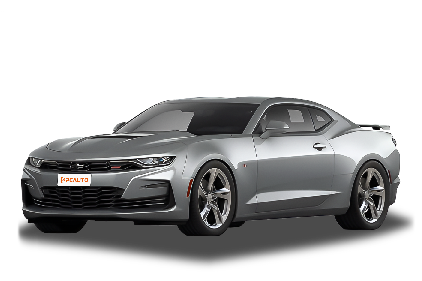
The 2023 Camaro, as the latest iteration of Chevrolet's iconic performance sports car, shines with its enhanced track-focused dynamics and tech upgrades – a perfect match for driving enthusiasts. Under the hood, it offers multiple powertrain options: a 2.0T turbo, a 3.6L V6 naturally aspirated, and the range-topping SS variant packing a 6.2L V8 LT1 engine that churns out 455 horsepower. The SS pairs this brute force with either a 10-speed auto or a 6-speed manual gearbox, while Magnetic Ride Control suspension and Brembo brakes sharpen its handling.
Visually, it keeps those signature razor-sharp lines but now offers optional track packages with aggressive aero kits and lightweight alloy wheels. Inside, an 8-inch touchscreen comes standard, featuring wireless Apple CarPlay/Android Auto and – for the first time – a built-in track telemetry system to analyze your lap times.
Don't let its performance pedigree fool you; daily usability gets attention too, with heated seats and steering wheel as standard. For mod-happy owners, Chevy throws in factory-approved upgrades like exhaust systems and suspension tweaks – no aftermarket guesswork or compliance headaches.
Special Disclaimer: This content is published by users and does not represent the views or position of PCauto.
Related Q&A
Q
What is the top speed of a 2023 Camaro?
The top speed of the 2023 Chevrolet Camaro varies depending on the trim level. The range-topping Camaro ZL1, powered by a supercharged 6.2L V8, can hit an impressive 315 km/h (196 mph). Meanwhile, the SS model with its naturally aspirated LT1 V8 tops out around 250 km/h (155 mph), and the entry-level 2.0T turbo variant reaches approximately 240 km/h (149 mph).
All high-performance Camaro models come equipped with Magnetic Ride Control suspension and Brembo brakes, delivering both stability and safety at high speeds. Keep in mind that actual top speed may vary due to weather, road conditions, and vehicle tuning—always obey local traffic laws.
For driving enthusiasts who crave precision handling, the Camaro offers rear-wheel drive paired with a 10-speed automatic transmission. Its track mode sharpens shift logic and suspension response, proving that while American muscle cars are known for straight-line speed, modern chassis tuning has significantly improved their cornering ability. If you love raw, unfiltered performance with classic American character, the Camaro delivers.
 SkaterRinkDec 4, 2025
Q
What engine is in a 2023 Camaro?
The 2023 Camaro delivers a versatile engine lineup to suit every driving style. For those prioritizing fuel efficiency, there's a peppy 2.0L turbocharged four-cylinder pumping out 275 horsepower. Drivers seeking a sweet spot between performance and daily usability will appreciate the 3.6L V6 naturally aspirated engine's 335 horsepower.
Performance enthusiasts get their fix with the thunderous 6.2L V8, available in two flavors: the 455-hp LT1 for serious muscle, while the track-focused ZL1 variant boasts a supercharged LT4 churning out 650 horsepower.
Chevrolet offers your choice of a crisp 6-speed manual or a lightning-fast 10-speed automatic transmission. This spread of powertrains covers everything from commuting to circuit racing – with the V8 models particularly stealing hearts among gearheads. That classic American muscle car roar never gets old, even if these big-displacement beasts are becoming rarer in today's market.
Whether you're counting every drop of fuel or chasing adrenaline, the Camaro's got you covered with a configuration that matches your priorities. The V8 models remain the crown jewels for driving purists who crave that intoxicating blend of raw power and signature exhaust notes.
 NomadicLifeDec 4, 2025
Q
Is the 2023 Camaro a reliable car?
The 2023 Camaro delivers solid reliability, thanks to its proven 6.2L V8 engine and 10-speed automatic transmission—a combo that’s been road-tested for years with relatively low failure rates. Routine maintenance is straightforward, and the high-strength steel chassis adds both safety and durability. The suspension strikes a nice balance between sporty handling and everyday comfort, making it well-suited for local roads.
Inside, the cabin materials and electronics (like the infotainment system) have been refined to avoid the glitches some earlier models had. Just keep in mind: as a performance car, it’s thirsty at the pump, and the rear seats are tight—best for drivers who prioritize fun over practicality.
If you’re eyeing a used Camaro, prioritize units with full service records and pay extra attention to critical components like the brakes and cooling system. On the upside, it’s a tuner’s dream with strong aftermarket support locally, so customization is easy. Bottom line? Stay on top of maintenance, and this car won’t let you down.
 FlutteringWingDec 4, 2025
Q
How fast is a 2023 Camaro?
The performance of the 2023 Chevrolet Camaro varies depending on the engine choice. The range-topping ZL1 model packs a supercharged 6.2L V8, churning out an impressive 650 horsepower and 881 Nm of torque. It rockets from 0-100 km/h in just 3.5 seconds, with an electronically limited top speed of 290 km/h. Meanwhile, the entry-level 2.0L turbocharged four-cylinder delivers a modest 275 horsepower, achieving the 0-100 km/h sprint in about 5.4 seconds.
Known for its rear-wheel-drive setup and available 10-speed automatic or 6-speed manual transmission, the Camaro offers sharp handling that driving enthusiasts will appreciate. While these high-performance muscle cars aren't as common as daily commuters here, their bold styling and raw power still turn heads.
Just a heads-up—the bigger engines are thirsty, so running costs add up. Plus, that much power demands some real driving skill to handle safely.
 BreezyOceanDec 4, 2025
Q
How does the 2023 Camaro compare to Mustang?
The 2023 Camaro and Mustang, as icons of American muscle cars, showcase distinct personalities. The Camaro leans into sharper styling and surgical handling—its LT1 and SS trims pack a 6.2L V8 pumping out 455 horsepower, paired with either a 10-speed auto or 6-speed manual. This thing absolutely shreds on track days.
Meanwhile, the Mustang sticks to its classic playbook. You’ve got two heartbeats: the 2.3L EcoBoost or the throaty 5.0L V8 (450 hp in GT trim). Ford tuned the chassis for daily-driver comfort without neutering that rear-wheel-drive grin. Inside, the Camaro’s cockpit hugs you like a race helmet, while the Mustang keeps it clean with a standard 12.4-inch digital cluster.
Both cars throw in modern safety tech like collision warning and adaptive cruise, but Ford’s SYNC 4 infotainment just works better—no submenu scavenger hunts. Heads-up for owners: these V8s are picky drinkers, demanding premium octane fuel, and maintenance will sting a bit more than your neighbor’s crossover.
Prefer drag strips? The Mustang’s arrow-straight stability gives it an edge. But if canyon carving’s your thing, the Camaro dances through bends like it’s on rails. Your call depends on which kind of adrenaline you’re chasing.
 DreamyEscapeDec 4, 2025
Q
Why did Camaro discontinue in 2023?
The discontinuation of the Chevrolet Camaro in 2023 primarily stems from shifting trends in the global auto market. With consumer demand surging for SUVs and electric vehicles, traditional muscle cars have seen their market share steadily shrink. To adapt, Chevy has reallocated resources toward more popular models and its electrification push.
While the Camaro remains an iconic American muscle car with a loyal following, declining sales made it increasingly difficult to justify continued production. Stricter emissions regulations and fuel efficiency standards also drove up R&D and manufacturing costs for big-displacement cars like this—accelerating the decision to pull the plug.
That said, the Camaro’s exit doesn’t spell the end of muscle car culture. The Ford Mustang and Dodge Challenger are still going strong, and the electric era might even birth a new wave of high-performance models. Ford’s already rolled out the Mustang Mach-E, proving there’s room for electrified speed. Who knows? We could soon see more vehicles blending classic design with cutting-edge tech, keeping the thrill alive for enthusiasts.
 LovelyMemoryDec 4, 2025
Q
How much horsepower does a 2023 Camaro 2.0 Turbo have?
The 2023 Camaro 2.0 Turbo packs a punch with its 2.0-liter turbocharged four-cylinder engine, delivering an impressive 275 horsepower and 400 Nm of torque. Paired with an 8-speed automatic transmission, this setup offers a thrilling drive—perfect for enthusiasts who crave a sporty ride.
Thanks to advanced turbocharging tech, this engine doesn’t just deliver strong performance—it also keeps fuel efficiency in check, making it great for daily commutes and the occasional spirited drive. The Camaro 2.0 Turbo’s chassis is tuned for sporty handling, with sharp steering and well-balanced suspension that adds to the fun behind the wheel.
Now, sure, it’s a four-cylinder, but clever exhaust tuning and sound-enhancing tech give it a growl that’s surprisingly close to a V8’s rumble. If you’re after that classic American muscle car vibe without the big-engine price tag, this is a solid pick. It delivers plenty of performance for most drivers, and hey, the maintenance costs are way friendlier than the V8 models.
 CuteySmileDec 4, 2025
Q
How much does a 2023 Camaro cost?
The 2023 Chevrolet Camaro's price varies depending on trim levels. The entry-level LS model starts at around RM200,000, while the range-topping ZL1 can exceed RM400,000—final pricing depends on optional packages and dealer incentives.
Known for its iconic muscle car styling and powerful performance, the Camaro offers multiple engine choices: a 2.0L turbocharged four-cylinder, a 3.6L V6, and a 6.2L V8, catering to different driving preferences. Though it’s a niche model in the local market, it’s a favorite among performance car enthusiasts thanks to its sharp handling and strong aftermarket potential.
If you’re considering one, shop around for the best dealer deals and check for ongoing promotions. Just keep in mind that running costs—like insurance and maintenance—will be higher than your average commuter car given its high-performance nature.
 CharmingSoulDec 4, 2025
Q
Where are Camaros made?
The Chevrolet Camaro is currently mainly produced at the Lansing Grand River Assembly Plant in Michigan, USA. This plant has been responsible for manufacturing the sixth-generation Camaro since 2015, and the fifth-generation models were also produced here before. As one of the representatives of American muscle cars, the production lines of the Camaro are concentrated in the United States to ensure the authentic design and performance tuning.
For car enthusiasts in Malaysia, the Camaro is usually purchased through import channels. Although there is no local production line, some dealers may offer officially imported right-hand drive versions to meet the market demand. The Camaro is a niche but highly-noticed model in Malaysia. Its classic V8 engine and rear-wheel drive layout are deeply loved by performance car enthusiasts, and there is also a turbocharged four-cylinder version that is more suitable for daily driving.
It should be noted that imported cars in Malaysia are subject to relatively high tariffs and registration fees, so the selling price may be much higher than that in the original market. However, this also makes the Camaro more unique locally. If you are interested in the Camaro, it is recommended to contact the official Chevrolet dealers in Malaysia to learn about the latest vehicle configurations and after-sales support.
 GamerAug 12, 2025
Q
Do Camaros have longevity?
As one of the representatives of American muscle cars, the durability of the Chevrolet Camaro depends on the maintenance condition and usage environment. In the tropical climate of Malaysia, it's particularly important to regularly replace the coolant and check the cooling system, as high temperature and humidity may accelerate the aging of rubber parts and electronic components. Models equipped with the 6.2L V8 LT1 engine feature lightweight designs such as aluminum alloy cylinder blocks, which helps reduce the thermal load. The 2.0T turbocharged version is more suitable for city driving and more fuel-efficient. If you insist on changing the full-synthetic oil every 5,000 kilometers and promptly address the potential chassis rust issues in coastal areas, the car can easily exceed 200,000 kilometers in mileage. It's worth noting that for American cars imported into Malaysia, special attention should be paid to the supply cycle of original parts. It's recommended to obtain genuine parts through authorized service centers. Meanwhile, the rear-wheel-drive layout of this car requires careful driving during the rainy season, especially when using performance tires, attention should be paid to their drainage performance. For owners who love American muscle cars but are worried about maintenance costs, they can follow the actual car - using experience sharing of the local Camaro owners' club.
 DipAug 12, 2025
Popular Cars
Model Year
Car Compare
Car Photo
Related Models
 Cars
CarsLatest Q&A
Q
Is AMT similar to automatic?
There are significant differences between AMT transmissions and automatic transmissions (AT) in terms of core structure and driving experience. AMT is essentially an electronically automated version of a manual transmission, simulating manual clutch operation and gear shifting through a computerized control system while retaining the gear set structure of manual transmissions. As a result, it offers higher transmission efficiency, with fuel consumption approximately 8%-12% lower than AT, making it particularly suitable for highway or long-distance driving. However, it may exhibit jerking similar to manual transmissions during low-speed gear shifts, especially noticeable in congested traffic conditions.
AT transmissions rely on torque converters for power transfer, delivering smooth and seamless gear shifts that appeal to comfort-oriented users. However, their complex structure (incorporating planetary gear sets, hydraulic systems, etc.) results in higher maintenance costs. A single service may cost between 800 to 1,500 ringgit, whereas AMT only requires gear oil replacement at approximately 400 ringgit.
From a market perspective, AMT is predominantly used in budget vehicles or commercial models priced below 80,000 ringgit, while AT is typically featured in mid-to-high-end vehicles. Consumers should select based on actual needs: AMT suits those prioritizing fuel efficiency and low maintenance costs, while AT better serves those valuing comfort. Notably, recent advancements in AMT electronic control technology have significantly mitigated jerking issues, though test drives should still emphasize low-speed performance evaluation.
 AriaMar 26, 2026
Q
Which is better, DCT or AT?
DCT (Dual-Clutch Transmission) and AT (Automatic Transmission) each have their own advantages and disadvantages, and the choice should be based on personal driving needs. AT transmissions transfer power through a torque converter, offering excellent shift smoothness, making them suitable for urban commuting or novice drivers. However, they tend to have higher fuel consumption, and vehicles equipped with them are usually more expensive. DCT transmissions utilize a dual-clutch structure, featuring fast shift speeds and high power transmission efficiency, which provides a more direct driving experience—particularly suitable for users seeking a sporty feel. However, they may exhibit jerking at low speeds and have relatively high maintenance costs. If durability and comfort are priorities, AT is the more reliable choice; if power responsiveness and driving pleasure are preferred, wet DCT (such as Volkswagen DSG) performs better, though dry DCT models should be avoided in prolonged stop-and-go traffic conditions. Additionally, CVT transmissions excel in smoothness and fuel efficiency, making them ideal for daily commuting, but they lack driving excitement. It is recommended to test-drive before purchasing, as tuning varies significantly across brands, and real-world experience is more important than theoretical specifications.
 FlutteringMar 26, 2026
Q
Is Amt good or bad?
AMT gearboxes have a significant cost advantage in the local market, typically being around 5,000 Ringgit cheaper than models equipped with conventional automatic transmissions. Their fuel efficiency is comparable to manual transmissions, resulting in long-term fuel savings. Featuring a straightforward design, they achieve transmission efficiency exceeding 90% with relatively low maintenance costs, making them ideal for practicality-oriented consumers. However, their shifting logic contains inherent limitations: gear changes between 1st and 2nd cause 0.3-0.5 second power interruptions, while unintended upshifts on inclines may reduce engine speed by 15%-20%, compromising driving smoothness. For urban commuters or budget-conscious buyers, AMT offers excellent value, though those prioritizing premium driving dynamics should consider alternative transmission types. Some domestic models like the Perodua Axia employ enhanced AMT systems, where optimized shift programming has reduced gearshift shock by approximately 30%.
 RainbowsMar 26, 2026
Q
Which gives better mileage, CVT or AMT?
From the perspective of fuel economy, CVT transmissions generally perform better under urban driving conditions. Their continuously variable design allows the engine to consistently operate within the optimal speed range, significantly reducing fuel consumption during frequent starts and stops. Test data shows that their fuel consumption in urban driving conditions is 10% to 15% lower than that of comparable models. AMT transmissions, on the other hand, inherit the high transmission efficiency of manual transmissions, delivering fuel efficiency close to manual transmissions during high-speed cruising. This makes them particularly suitable for long-distance driving in large-displacement vehicles. However, due to power interruption during gear shifts, their overall fuel consumption may be 5% to 8% higher than CVTs.
The difference in fuel-saving characteristics between the two transmissions stems from their technical principles: CVTs achieve continuous variability through steel belts and pulleys, eliminating the fixed gear ratio limitations of traditional transmissions; AMTs simulate manual gear changes via electronic control systems while maintaining the mechanical efficiency of gear transmission. Notably, actual fuel consumption is also influenced by driving habits. Smooth acceleration and anticipatory deceleration can maximize the transmissions' fuel-saving potential. If the vehicle budget permits and urban commuting is the primary use, CVTs offer a more economical choice. For frequent highway driving with an emphasis on cost-effectiveness, AMTs are equally worth considering.
 RubyBlazeMar 26, 2026
Q
Which is cheaper, AMT or CVT?
In terms of gearbox cost, AMT is usually more economical than CVT. Essentially, AMT is a manual transmission equipped with an electronic control unit, featuring a simple structure and low maintenance costs. The unit price ranges from approximately 5,000 to 8,000 ringgit, making it suitable for budget-conscious consumers or those who prioritize long-term operating costs. CVT incurs higher manufacturing costs due to its precision steel belt transmission system and continuous variable transmission technology, with a unit price of about 7,000 to 10,000 ringgit. However, it delivers a smoother driving experience and superior fuel efficiency. The primary differences between the two lie in technical complexity: AMT retains the gear-shifting mechanism, resulting in noticeable shift shock; CVT achieves linear power output through stepless speed variation but requires periodic belt inspection and incurs higher maintenance expenses. For those prioritizing initial cost and basic transportation needs, AMT offers better value; if comfort and long-term fuel economy are priorities, CVT represents a more worthwhile investment. Note that actual prices may vary based on vehicle model, brand, and local supply chain factors.
 ShadowProwlMar 26, 2026
Pros
Cons