
Q
What size tires go on a 2019 Kia Optima?
 KonOct 23, 2025, 11:58 AM
For the 2019 Kia Optima in Malaysia, factory tire sizes vary by trim level. The standard fitment you'll usually find is 215/55 R17, while higher-spec models might step up to 235/45 R18 rubber. Breaking down those numbers: 215 or 235 is the tire width in millimeters, 55 or 45 is the aspect ratio (that's the sidewall height as a percentage of the width), the R stands for radial construction, and 17 or 18 is the wheel diameter in inches.
Picking the right tire size is crucial for safety. Go too wide and you might hurt steering response; too narrow and you'll lose grip. Your best bet is to check the factory sticker on the door jamb or fuel filler cap for the exact specs.
Malaysia's tropical climate means frequent rain, so considering tires with strong wet-weather performance makes sense. Brands like Michelin Pilot Sport 4 or Continental UltraContact UC6 are solid choices here—they really help boost safety when the roads are slick.
If you're thinking about upsizing your tires, keep the overall diameter change within ±3% to avoid messing with your speedometer accuracy or ABS operation. And don't forget to stay on the right side of JPJ's regulations for tire modifications.
Finally, regular tire maintenance is key. Low pressure can hit your fuel economy, and once those tread depths drop below 1.6mm, it's time for new tires to keep that wet braking performance up to par.
Special Disclaimer: This content is published by users and does not represent the views or position of PCauto.
Related Q&A
Q
Are 2019 Kias reliable?
The 2019 Kia models are generally above average when it comes to reliability, especially popular SUVs like the Sportage and Sorento, which have built up a solid reputation in the Malaysian market. Their powertrains, such as the 2.0L and 2.4L naturally aspirated engines, are pretty well-proven tech, and maintenance costs are relatively reasonable, making them a good fit for local road conditions and climate. That said, some owners have mentioned occasional minor niggles with electronics—think touchscreen glitches or sensor hiccups—so it’s definitely worth getting a professional inspection before buying to check the car’s condition.
One thing that stands out is that most 2019 Kia models come equipped with smart safety features like lane keep assist and automatic emergency braking, which is a nice plus for this price bracket. For Malaysian consumers, regular maintenance is a must, especially since the tropical climate can take a toll on rubber components and cooling systems. Sticking with authorized dealerships or certified service centers will go a long way in keeping the vehicle in good shape. If you’re looking at a used model, prioritize ones with a complete service history and make sure to check for any flood damage—these details really matter for long-term reliability.
 MotorcyclistRiderOct 23, 2025
Q
What is the 2019 Kia engine lawsuit?
The 2019 Kia engine lawsuit primarily targeted Theta II GDI engines found in select 2011-2019 model-year vehicles sold in the U.S. market. The legal action alleged these engines might have a defect that could lead to unexpected stalling or even fire risks. In response, Kia rolled out related recalls and extended warranty programs to address the issues. For Malaysian consumers, while this lawsuit was mainly focused on the North American market, understanding international automotive recall mechanisms still holds value. After all, cars are global products, and manufacturers typically take corresponding measures across different markets based on technical investigation findings. If Malaysian Kia owners have concerns about their vehicle's condition, it's advisable to check their car's VIN through official channels to see if it falls under any technical campaigns. Additionally, following the manufacturer's recommended regular maintenance schedule is an effective way to prevent potential problems. It's worth noting that the Hyundai Motor Group (which includes Kia) has continued to invest heavily in engine technology in recent years. Their new Smartstream engine lineup has incorporated more reliability improvements, demonstrating the manufacturer's commitment to technical optimization.
 SkyDiverFearlessOct 23, 2025
Q
Is Kia Korean or Japanese?
Kia, a South Korean automotive brand founded in 1944 and headquartered in Seoul, is now a subsidiary of the Hyundai Motor Group, together forming the twin pillars of South Korea's automotive industry alongside Hyundai. Kia's vehicle lineup spans sedans, SUVs, MPVs, and electric vehicles, characterized by youthful design aesthetics and feature-packed technology. In the Malaysian market, models like the Kia Carnival, Seltos, and Sportage have struck a chord with consumers, thanks to their strong value proposition and generous warranty packages – some models even come with a 5-year unlimited mileage warranty, which is a big plus.
While Japanese brands such as Toyota and Honda enjoy significant popularity in Malaysia, Kia has carved out its own niche with its distinct Korean design language and global tech offerings, including Smartstream engines and the UVO connected car system. It's worth noting that Malaysia's automotive market is diverse and open, giving consumers the freedom to choose from brands across the globe. Korean cars tend to emphasize technology and design, Japanese models are renowned for their reliability and low maintenance costs, and Kia, in particular, has been making inroads with its hybrid and electric vehicles – the EV6, for instance – gradually entering the Malaysian scene and offering fresh options for eco-conscious drivers.
 RiverRaftingAdventurerOct 23, 2025
Q
Are 2019 Kia Optima good cars?
The 2019 Kia Optima is a solid contender in Malaysia's midsize sedan market, winning over many buyers with its well-rounded performance, comfortable ride, and generous equipment list. Under the hood, you'll find 2.0L and 2.4L naturally aspirated engines that deliver smooth power – perfect for city driving – while also returning decent fuel economy, which lines up nicely with what Malaysian drivers look for in a daily runabout.
Inside, the Optima goes for a clean, functional design. The center console features an 8-inch touchscreen with Apple CarPlay and Android Auto, giving it a good tech vibe. Safety-wise, it's kitted out with six airbags, stability control, and a reverse camera, offering peace of mind on the road.
The suspension is tuned more for comfort, doing a great job of soaking up bumps and irregularities, which is handy given Malaysia's varied road conditions. Now, it's worth noting that the Optima might not hold its value as well as some Japanese rivals in the used car market. But if you're prioritizing bang for your buck and a well-equipped interior, the 2019 Optima still makes a strong case for itself.
Kia's after-sales network in Malaysia is relatively comprehensive too, making servicing and maintenance pretty hassle-free – definitely a plus for owners.
 MountainClimberAthleteOct 23, 2025
Q
What is the recall on the 2019 Kia Optima engine?
The 2019 Kia Optima was recalled in some markets due to a potential engine issue, specifically related to manufacturing defects in the 2.4-liter Theta II GDI engine. These defects could lead to abnormal wear of internal components or insufficient oil circulation, and in extreme cases, pose a risk of engine stalling or even fire. Affected vehicles need to be taken back to the dealership for a free replacement of improved engine components or an ECU software update. Malaysian owners can check if their vehicle is included in the recall by entering their VIN on Kia Malaysia's official website, or by contacting an authorized service center directly. Such recalls are part of automakers' proactive approach to safety responsibilities. Hyundai Motor Group has implemented an extended warranty program for the Theta II engine series to enhance customer protection. It's advisable for owners to regularly check their oil condition and perform timely maintenance. If the engine warning light comes on, unusual noises occur, or there's a drop in power while driving, the vehicle should be inspected immediately. Malaysia's hot climate can add extra strain on the engine, so adhering to the original maintenance schedule and using the specified oil can effectively reduce potential risks.
 BeachBumSurferOct 23, 2025
Q
How much is a 2019 Kia Optima worth used?
If you're scouting for a used 2019 Kia Optima in Malaysia, you'll typically find prices ranging from around RM70,000 to RM120,000. The actual figure hinges on several factors: the car's overall condition, mileage, trim level, and service history. For instance, top-spec GT Line models or low-mileage gems might nudge closer to that upper end, while base variants or higher-mileage examples will sit more towards the lower side of the scale.
The Optima holds its own in Malaysia's pre-owned market, thanks to its comfy cabin, practical space, and well-rounded performance. The 1.6T and 2.0L engine options are particularly popular with family buyers, striking a nice balance between fuel efficiency and adequate power.
If you're looking to buy, here’s the drill: Always get a PUSPAKOM inspection to verify the mechanical health, and check the original service records to ensure there are no major accident red flags. It’s also smart to compare prices on local platforms like Carlist or Mudah to get a feel for the market. On top of that, Kia’s got a pretty solid after-sales network here, with reliable parts supply – that’s definitely a plus for keeping the resale value steady down the line.
 CitySlickerNavigatorOct 23, 2025
Q
What kind of oil does a 2019 Kia Optima take?
For the 2019 Kia Optima in Malaysia, the recommended oil viscosity is 5W-20 or 5W-30 full synthetic oil that meets or exceeds API SN specifications. If your ride has a turbocharged engine, we'd lean toward 5W-30 for that extra high-temperature protection—it's worth it. Malaysia's hot and humid climate is no joke, so full synthetic oil handles the heat better and lets you stretch oil changes to around 10,000 km or 6 months, whichever comes first.
Kia Genuine Oil is obviously dialed in for the engine, but you've got options—big names like Shell Helix, Castrol Edge, or Petronas Syntium with the same specs work just fine. When you do the oil change, don't skip swapping the oil filter too (genuine is best) to keep that filtration working properly.
If your Optima's racked up over 80,000 km, think about stepping up to 5W-30 or even 5W-40 for better seal integrity—but always check the owner's manual or hit up an authorized service center first. It's all about balancing fuel economy and engine protection. And if you're regularly doing long hauls or carrying heavy loads, you might want to play it safe and shorten the interval to 7,000-8,000 km.
 SpiritualOct 23, 2025
Q
What kind of battery does a 2019 Kia Optima take?
The 2019 Kia Optima in the Malaysian market typically comes equipped with a 12-volt lead-acid battery, most commonly the H6 (Group 48) size or a similar maintenance-free variant. Given Malaysia's tropical heat, we'd strongly recommend a cold cranking amp (CCA) rating of 650A or higher to ensure reliable starts even on scorching days. When replacing, double-check that the physical dimensions and terminal positions match the original to avoid fitment headaches. For this climate, prioritizing a battery with strong high-temperature tolerance is key – AGM (Absorbent Glass Mat) batteries are a solid upgrade here. They handle the stop-start demands and short trip duty cycles much better, maintaining stability where conventional batteries might struggle.
Malaysian Optima owners, listen up: regular battery health checks are non-negotiable. The intense heat here accelerates electrolyte evaporation and plate corrosion. Make it a habit to inspect the terminals every 6 months – keep 'em clean! Also, check the voltage; a healthy, fully charged battery should read around 12.6V. If your Optima has a smart charging system, ensure your new battery is compatible to avoid any electrical gremlins. And for those who frequently drive through heavy rain or flooded areas? A battery with superior sealing will help prevent moisture ingress and potential damage. Finally, if you're parking the car for an extended period, investing in a battery maintainer is a smart move to keep it topped up and extend its life.
 GrinningFaceOct 23, 2025
Q
How much is an oil change for a 2019 Kia Optima?
For a 2019 Kia Optima in Malaysia, an oil change typically runs between RM150 and RM300. The exact price hinges on the type of oil you go for—mineral, semi-synthetic, or fully synthetic—and where you decide to get the service done. Authorized Kia service centers might charge a bit more, but you’re getting genuine parts and the peace of mind that comes with their warranty coverage. Third-party workshops, on the other hand, usually offer a more budget-friendly route.
Sure, fully synthetic oil costs more, around RM250 to RM300, but it’s a solid investment. It provides superior engine protection and lets you stretch the interval between changes to about 10,000 kilometers. Mineral oil, which sits in the RM150 to RM200 range, needs swapping out every 5,000 kilometers, so keep that in mind for long-term costs.
My advice? Pick the oil that best fits your driving style and wallet. Regular maintenance is key to keeping that engine running strong, so don’t skip those service dates. Oh, and always make sure they replace the oil filter too—you want that lubrication system clean and working at its best. And hey, the owner’s manual has all the deets on the Optima’s recommended service schedule. Sticking to Kia’s guidelines will help your car last longer and perform at its peak for years to come.
 MonOct 23, 2025
Q
How long does a 2019 Kia Optima last?
The 2019 Kia Optima, when driven normally and serviced regularly here in Malaysia, can typically clock up 200,000 to 300,000 kilometers or even more. Its actual lifespan really hinges on things like driving habits, how often you service it, and the road conditions it's subjected to. The Optima has built a solid reputation around its dependable powertrains – think the 2.0L and 2.4L naturally aspirated engines, as well as the 1.6L turbo. Paired with a 6-speed automatic gearbox, this setup is well-tuned and known to hold up nicely over time.
To keep your Optima running strong for the long haul, I'd recommend sticking to a regular service schedule – aim for every 6 months or 5,000 to 10,000 kilometers, whichever comes first. That should include the usual suspects: oil and filter changes, checking the brakes, and inspecting the tires. Malaysia's tropical climate can be tough on batteries and rubber components, so keeping an eye on those is extra important to prevent premature wear.
Another pro tip: using genuine parts and strictly following the manufacturer's service manual can make a world of difference in keeping the car reliable. Do all that, and the Optima won't just last; it'll maintain that nice driving feel too. It's a solid mid-size sedan that offers great bang for your buck. If you're in the market for a used Optima, definitely dig into the service records and vehicle history to make sure you're getting one that's been well looked after.
 IonOct 23, 2025
Popular Cars
Model Year
Car Compare
Car Photo
Related Models

 Cars
CarsLatest Q&A
Q
Is the turn signal always on the left?
The switch for a car's turn signals is usually located on the control lever below the left side of the steering wheel. The operation follows the universal design of "up for right, down for left"—pushing up activates the right turn signal, while pulling down activates the left one. This ergonomic layout allows drivers to operate it quickly.
The turn signals themselves are installed on the front and rear sides of the vehicle and near the left and right side mirrors. They achieve the flashing function through xenon tubes and an electronic control system. Their core component, the flasher, comes in three types: thermal (bimetallic strip), capacitor, and electronic, ensuring stable and reliable signals.
When using turn signals, attention should be paid to timing and specifications: activate them 10 seconds before changing lanes or turning; engage them 30 to 10 meters in advance when turning at intersections; use the right signal when pulling over to park and the left signal when pulling away; and select the corresponding signal based on the direction of travel at roundabouts.
The design of turn signals, with standardized positions and clear light signals, aims to effectively reduce traffic accidents caused by insufficient communication, making them an indispensable part of the road safety system.
 JoggerPaceEnduranceMar 20, 2026
Q
How should you give a signal to turn left?
To correctly activate the left turn signal, use your left hand to push down the control lever on the left side of the steering wheel. This will cause the left turn indicator light to appear on the dashboard while the front and rear left turn signals flash simultaneously. It is recommended to activate the turn signal at least 3 seconds in advance, particularly before changing lanes or making turns. Always check the rearview mirror to confirm rear safety before initiating any turning maneuver. The turn signal typically deactivates automatically when the steering wheel returns to the center position; if automatic cancellation fails, manually return the lever to the neutral position. Notably, during nighttime or rainy conditions, activate turn signals 10 seconds earlier to improve visibility. Regular inspection of bulb luminosity and lens cleanliness ensures optimal signal clarity. When navigating roundabouts, no signal is required upon entry, but the right turn signal must be activated prior to exiting. During overtaking procedures, first engage the left turn signal to indicate passing intent. As a critical inter-vehicle communication device, proper turn signal usage significantly reduces traffic accident risks. Drivers should inspect electrical connections monthly and use genuine OEM components for maintenance.
 GamerZoneFunMar 20, 2026
Q
Why do vehicles have turn signals?
The core purpose of equipping vehicles with turn signals is to communicate driving intentions to other road users in advance through standardized signals, thereby coordinating traffic behavior and reducing accident risks. As an important medium for transmitting dynamic vehicle information, turn signals function in scenarios such as turning, lane changing, overtaking, and parking. For example, turning on the left turn signal when making a left turn can warn rear vehicles to slow down and yield, while activating the right turn signal before exiting a roundabout can effectively alert oncoming vehicles. From a technical perspective, modern turn signals primarily use LED light sources, which have a longer lifespan and lower energy consumption compared to traditional gas lamps. Their circuit design achieves regular flashing through relays or electronic controllers to ensure the signals are clearly distinguishable. Legally, the proper use of turn signals is a statutory obligation for drivers; failure to operate them as required may lead to collisions and corresponding liability. It is noteworthy that some drivers hold the misconception that "turn signals are unnecessary for short-distance lane changes," but any directional change should activate the turn signal at least 3 seconds in advance, which is particularly crucial in road environments with high motorcycle density. Although turn signals are small components, they are indispensable safety elements for establishing orderly traffic.
 ActorStagePerformanceMar 20, 2026
Q
What is the most serious warning light in a car?
The most serious warning lights on a car's dashboard are the red emergency warning lights, especially the oil pressure warning light (oil can icon), the brake system warning light (exclamation mark inside a circle), and the high engine temperature warning light (thermometer inserted into wavy lines). The illumination of the oil pressure warning light indicates a failure in the engine's lubrication system; continuing to drive may cause severe engine damage, so the engine should be turned off immediately to check the oil level or contact maintenance. The brake system warning light signals an abnormality in the braking system, which may be accompanied by the risk of brake failure, so the vehicle must be stopped immediately for inspection and repair. The high engine temperature warning light indicates that the engine's cooling system has failed; high temperatures may cause cylinder block deformation or cylinder explosion, so the vehicle should be stopped and idled to cool down, and the coolant should be checked. These red warning lights all require immediate attention; otherwise, they will directly threaten driving safety or result in high repair costs. Although yellow warning lights such as the check engine light or ABS light need to be inspected and repaired as soon as possible, short-distance low-speed driving is allowed. It is recommended that car owners regularly check the status of fluids, tires, and sensors, and read the vehicle manual thoroughly to accurately identify various warning lights.
 SingerVoiceHarmonyMar 20, 2026
Q
What's another word for turn signal?
In automotive terminology, common synonyms for "turn signal" include "indicator" (primarily used in British English), "blinker" (American colloquialism), and "direction indicator" (technical designation). These terms collectively denote the vehicular safety device that flashes to signal turning intent, with its primary function being to communicate directional changes (left or right turns) to other road users. For instance, in local markets, operational turn signals are mandatory inspection items during annual vehicle checks. Damaged bulbs require prompt replacement, with standard halogen turn signal bulbs priced at approximately 15 to 30 ringgit, while LED turn signal assemblies range from 80 to 200 ringgit. Notably, certain premium vehicle models incorporate turn signals into side mirrors or daytime running light strips—a design approach that improves both aesthetics and warning effectiveness. Under Section 48 of Malaysia's Road Transport Act 1987, failure to activate turn signals during lane changes or turns constitutes a traffic violation punishable by fines up to 300 ringgit. For safe driving practices, motorists should engage turn signals at least three seconds prior to lane changes to ensure adequate reaction time for following vehicles.
 HeartHealerComforterMar 20, 2026
Related News

In Malaysia, which sliding door MPVs are available?
MichaelOct 30, 2025

Kia Sportage: Superior Suspension for Smooth Ride
Kevin WongMay 19, 2025

Kia Carnival: Spacious & Versatile for Every Journey
Kevin WongMay 19, 2025

Kia reveals all details of PV5, with a maximum range of up to 400 kilometers
LienMar 11, 2025
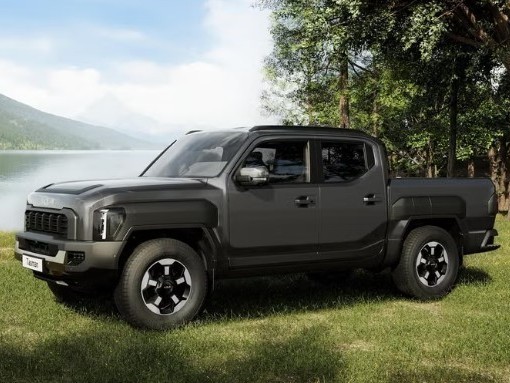
173L cargo box, 3500kg towing capacity, KIA Tasman meets all your needs!
MichaelOct 31, 2024
View More
Pros
Cons