

2019 Porsche Cayenne E-Hybrid Review

 Share
Share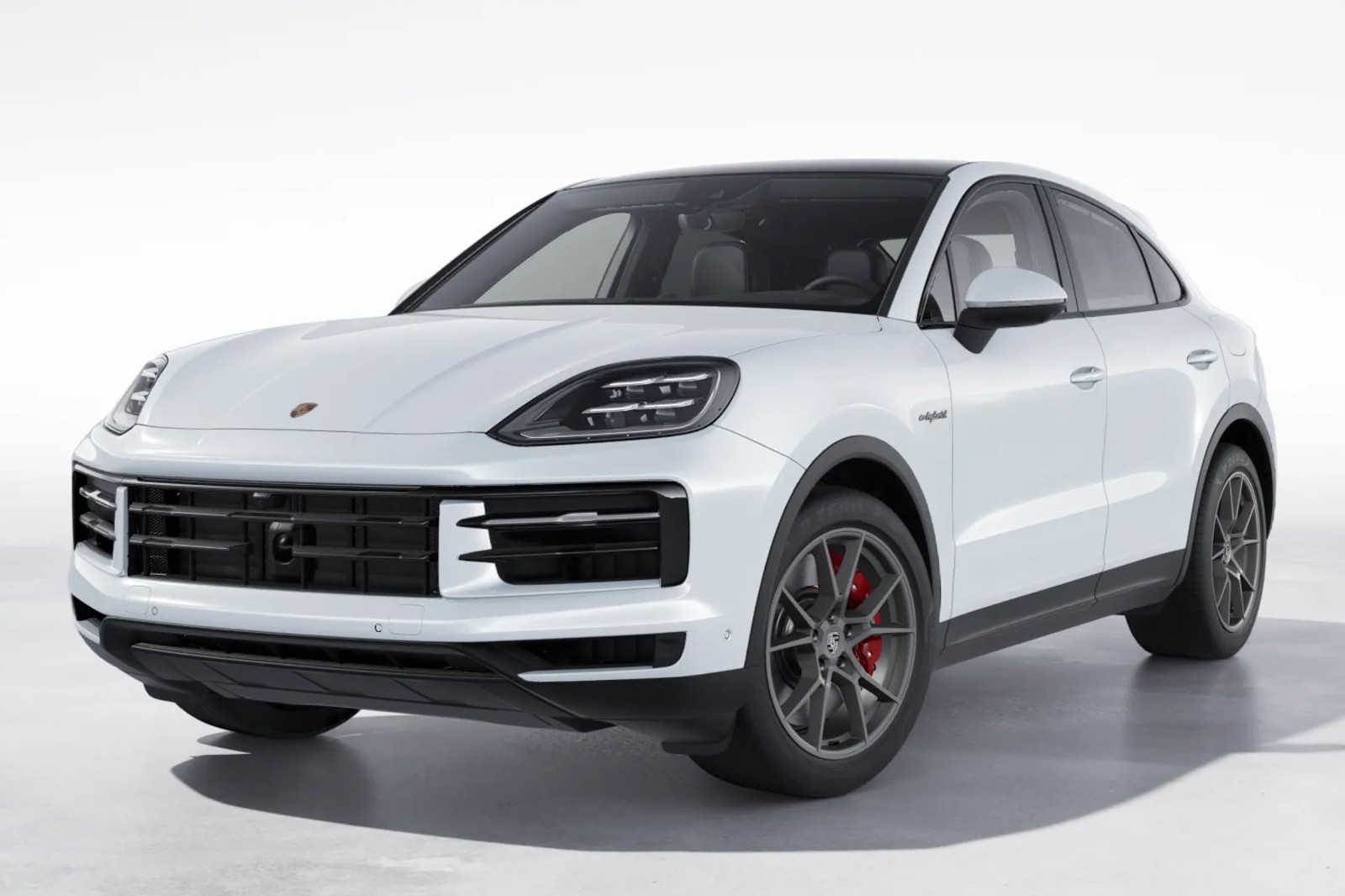
 Segment
 Body Type
 Capacity(L)
 Combined System Output(PS)
 Combined System Torque(Nm)
 EV Range(km)
In Malaysia's luxury mid-size SUV market, consumer demand for performance and environmental friendliness is gradually increasing. Choices that balance brand appeal and daily practicality are not uncommon, but vehicles that combine sports car genes with hybrid efficiency are rare. The 2019 Porsche Cayenne E-Hybrid, as an early representative of the brand's electrification transformation, breaks the stereotype of "hybrid = compromised performance" with a combined output of 462PS. This time, we've got the actual vehicle, focusing on testing the real-world performance of its hybrid system and whether it lives up to the grounded practicality expected of a luxury SUV.
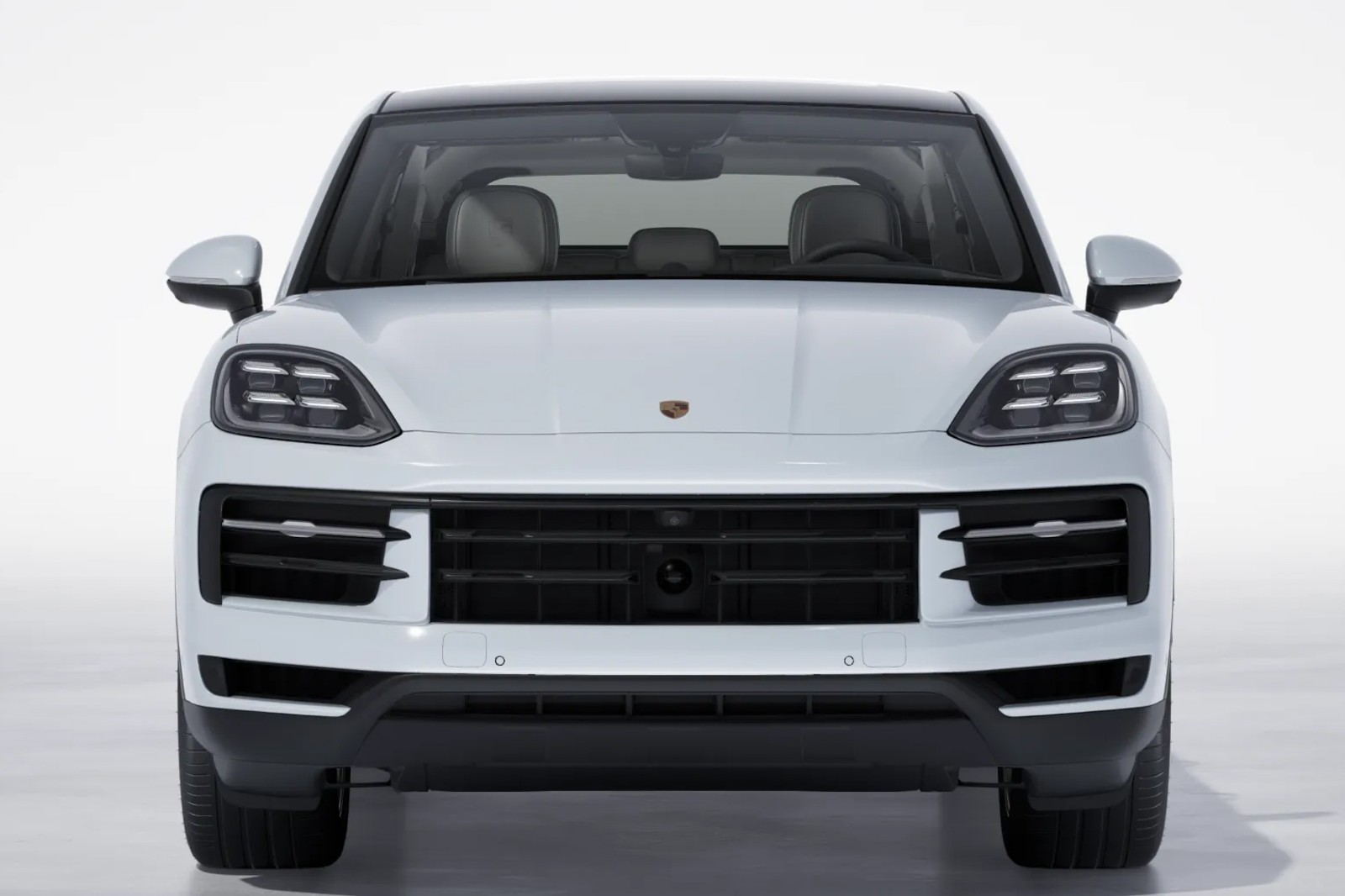
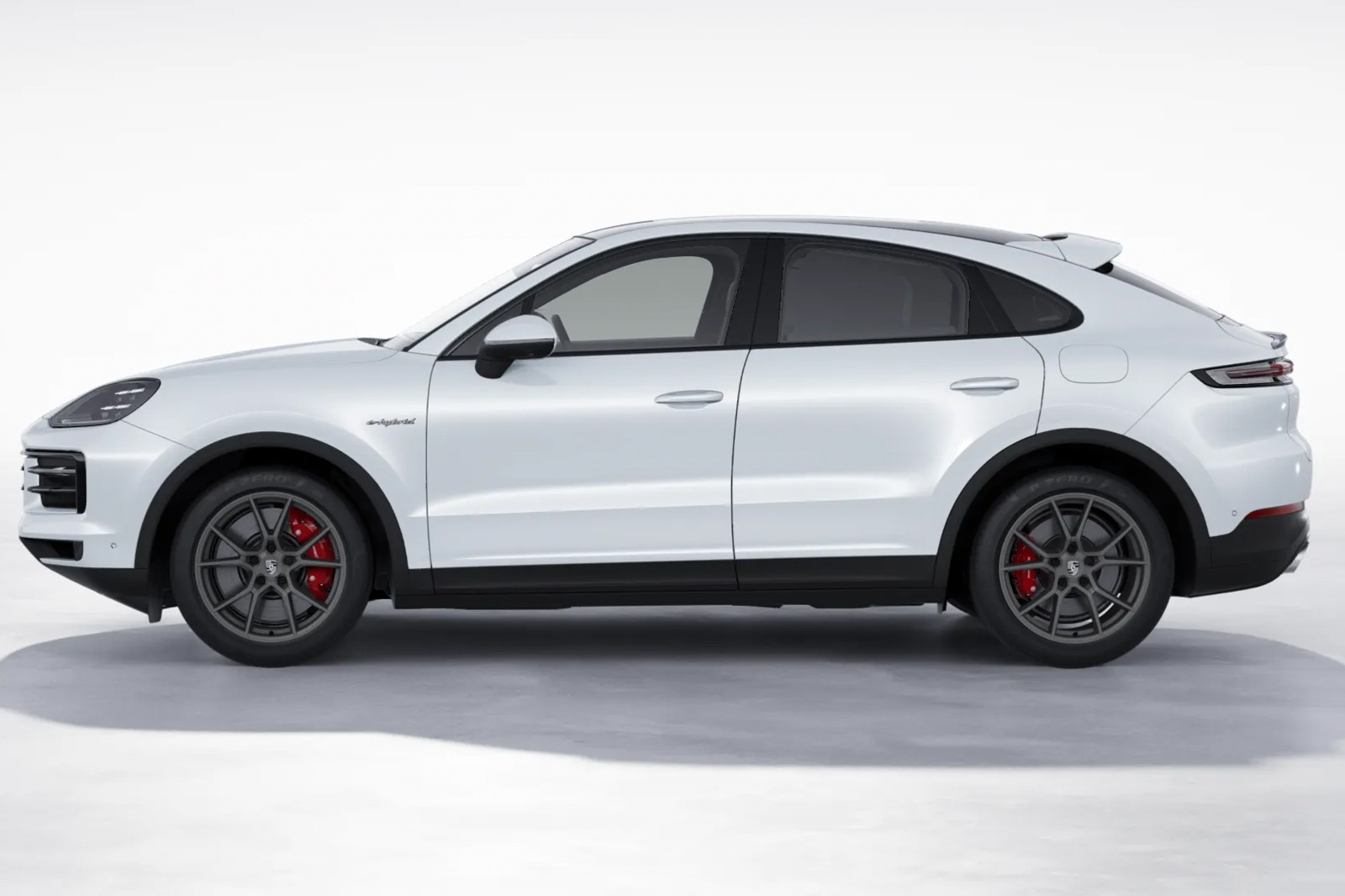
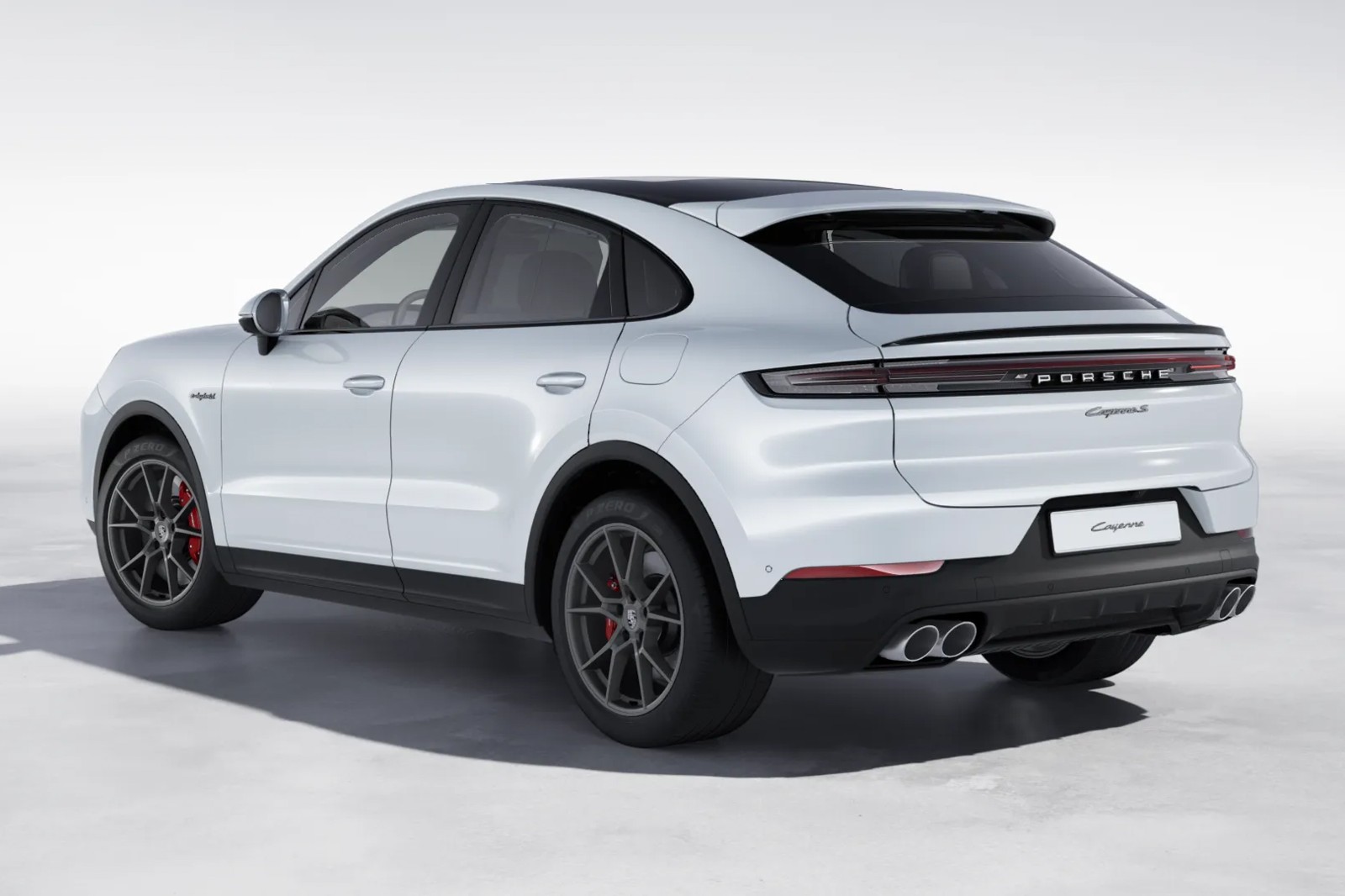
The Cayenne E-Hybrid's exterior maintains the sporty silhouette of the combustion engine version, with smooth overall lines and Porsche’s signature sloping-back tail design. At the front, the active air intake grille design feels more refined than the standard version, with blue trims inside the grille as a distinctive marker for hybrid models, complementing the sharp LED headlights on both sides for high recognition. On the side, the 21-inch alloy wheels paired with red brake calipers directly highlight its performance attributes; the waistline runs from the front fender to the rear, making the body appear more elongated. At the rear, the LED taillights feature a horizontal design that stands out when illuminated. The concealed exhaust layout under the rear bumper adds a touch of understated elegance compared to the combustion engine version.
Opening the door reveals an interior that strikes a great balance between luxury and technology. The dashboard retains Porsche's classic "pilot-style" layout, with a large number of physical buttons preserving the intuitive operation. Meanwhile, the 12.3-inch central touchscreen supports CarPlay and Android Auto, offering smooth system responsiveness. The seats are wrapped in genuine leather, with the front row offering 18-way electric adjustments and heating functionality. The lumbar and thigh support are excellent, ensuring comfort even for long durations. Regarding materials, the top of the dashboard and inner door panels are covered with soft-touch materials, offering a delicate feel. The decorative panel in front of the passenger seat can be optionally upgraded to carbon fiber, further enhancing the sporty atmosphere. Notably, the blue stitching details in the interior echo the hybrid badge on the exterior, emphasizing the model's unique identity.
In terms of dimensions, the Cayenne E-Hybrid measures 4918mm in length, 1983mm in width, and 1696mm in height, with a wheelbase of 2895mm. Front-row space is ample; with an occupant of 180cm adjusting the seat, there’s still a fist and two fingers worth of headroom. The rear row also performs well, offering about two fists of legroom and one fist of headroom. The nearly flat middle floor ensures that even when fully seated with three passengers, the middle occupant won't feel cramped. Storage-wise, the front central armrest compartment is quite spacious, while the door pockets can hold two bottles of mineral water. The trunk has a standard capacity of 770L, which can be expanded to 1710L by folding the rear seats, meeting the needs of grocery shopping or long trips. Additionally, the rear row is equipped with independent air conditioning vents and USB charging ports, maximizing practicality.
In terms of the powertrain, the Cayenne E-Hybrid is equipped with a combination of a 2.9T V6 twin-turbocharged engine and an electric motor, delivering a combined maximum power of 462PS and a maximum torque of 700N·m, paired with an 8-speed Tiptronic S transmission. During actual driving, the motor’s involvement at startup is very smooth; a light press on the accelerator offers a good response. Official figures for 0-100km/h acceleration are 5.0 seconds. In real-world testing, disabling the vehicle stability system causes slight front-wheel slip, but the overall acceleration process is very swift, with evident push-back force. Mid-to-high-speed acceleration is equally potent, maintaining continuous power delivery past 100km/h, inspiring great confidence in overtaking. There are four driving modes to choose from: E-Power, Hybrid Auto, Sport, and Sport Plus. In E-Power mode, the pure electric range is about 44km (NEDC standard), making it entirely feasible for daily commuting on electric power alone. In Sport Plus mode, the engine and electric motor work together, transmission shift speed increases, and the engine sound becomes more pronounced.
In terms of handling, the steering wheel has very high precision with minimal slack. It feels light when driving at low speeds and becomes more stable at high speeds, with a very fine-tuned tactile feel. The suspension system adopts an adaptive air suspension. In comfort mode, it filters out small road bumps very well, and vibrations over speed bumps are suppressed smoothly. When switched to sport mode, the suspension stiffens, body roll is significantly reduced, and cornering support improves substantially. The chassis has a solid overall feel, providing great stability at high speeds, and even when encountering uneven road surfaces, the body avoids excessive shaking.
Range and efficiency are key aspects of hybrid models. In our test on congested urban roads, the pure electric mode achieved an actual range of about 38km, approximately 86% efficiency. In Hybrid Auto mode, the combined fuel consumption was approximately 8.2L/100km, which is considerably lower than traditional fuel-powered SUVs with similar power levels. On highways cruising at 120km/h, the fuel consumption was about 9.5L/100km, performing reasonably well. The energy recovery system has three levels of adjustment. At the highest level, releasing the throttle results in a noticeably strong drag, effectively recovering electrical energy. The lowest level is closer to the coasting sensation of a fuel car, suiting users accustomed to driving conventional cars.
Regarding ride comfort, the noise control of the Cayenne E-Hybrid is quite impressive. In pure electric mode, there is almost no noise; the engine's engagement is also relatively quiet, and it’s only in Sport Plus mode that you can hear the engine’s roar. During high-speed driving, wind noise and tire noise are well suppressed and do not affect the communication between passengers inside the cabin. The comfort of the seats has already been mentioned; similarly, the rear seats also offer excellent angles and support, making long-distance rides rather comfortable.
Overall, the 2019 Cayenne E-Hybrid has some very evident core strengths: its 462PS combined power output satisfies performance-driven users, while its hybrid system addresses the economic needs of daily commuting. Its luxurious interior and practical space align with the positioning of a premium mid-sized SUV, and the Porsche brand attributes meet the identity recognition needs of consumers. Compared to peers like the BMW X5 xDrive45e and Mercedes-Benz GLE 350 e, the Cayenne E-Hybrid has an advantage in terms of power specifications, and its handling performance exudes a more sports car-like feel. Although its price might be slightly higher, the added brand value and performance are enough to justify its positioning.
The target audience for this car is clear: first, young consumers seeking both brand recognition and performance while having an environmental consciousness; second, those who need a luxury SUV for family use but also occasionally want to experience the fun of driving. It can serve as a daily commuter vehicle, meet the needs of weekend road trips, and even perform decently on the track.
Overall, the 2019 Porsche Cayenne E-Hybrid is an "all-round" luxury hybrid SUV. It has not sacrificed performance for the sake of being a hybrid, nor has it compromised practicality for luxury. If you’re looking for a mid-sized SUV that balances brand, performance, environmental consciousness, and practicality, it’s a choice well worth considering.
More Porsche Reviews
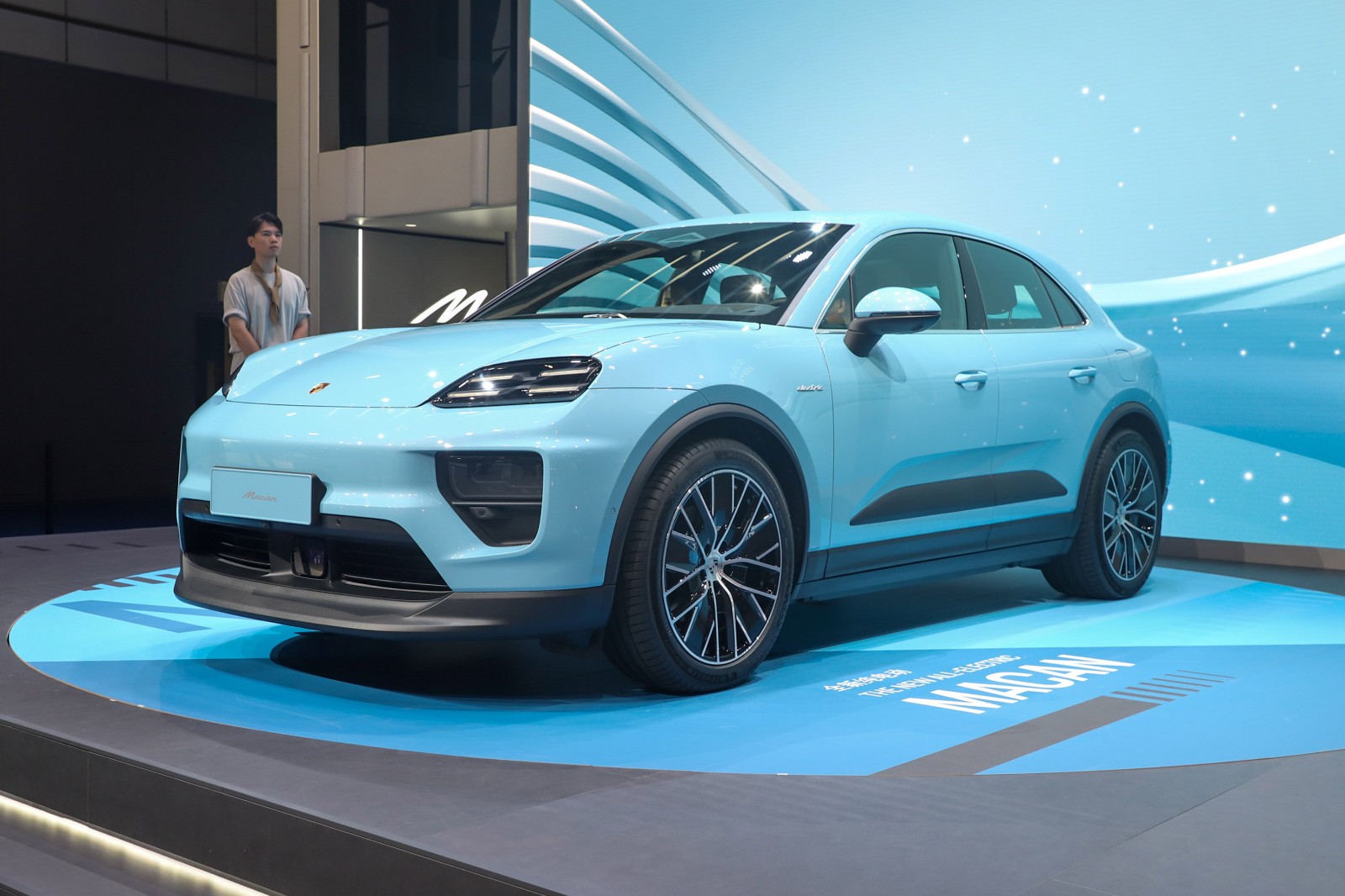
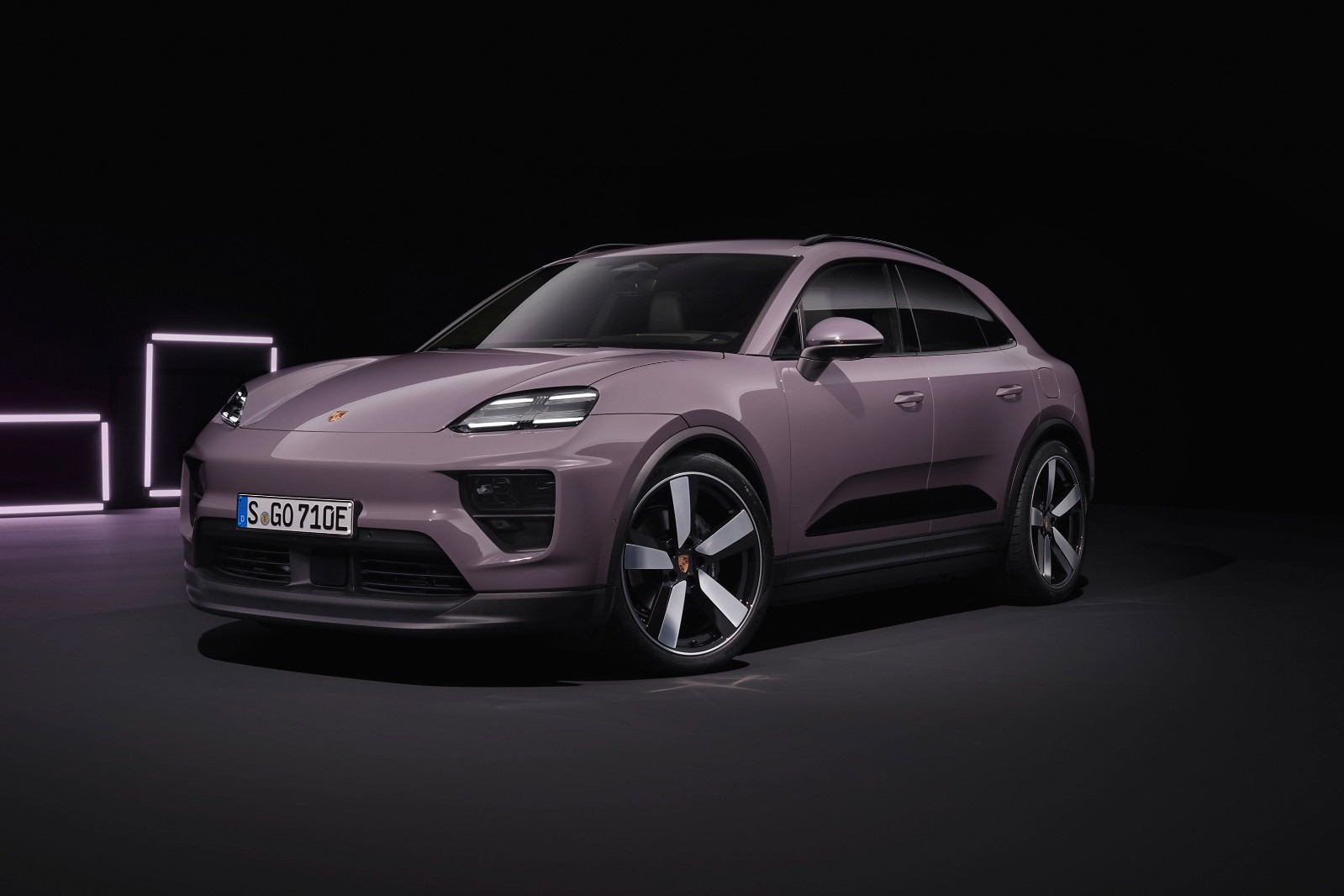
Cars With Similar Price And Features
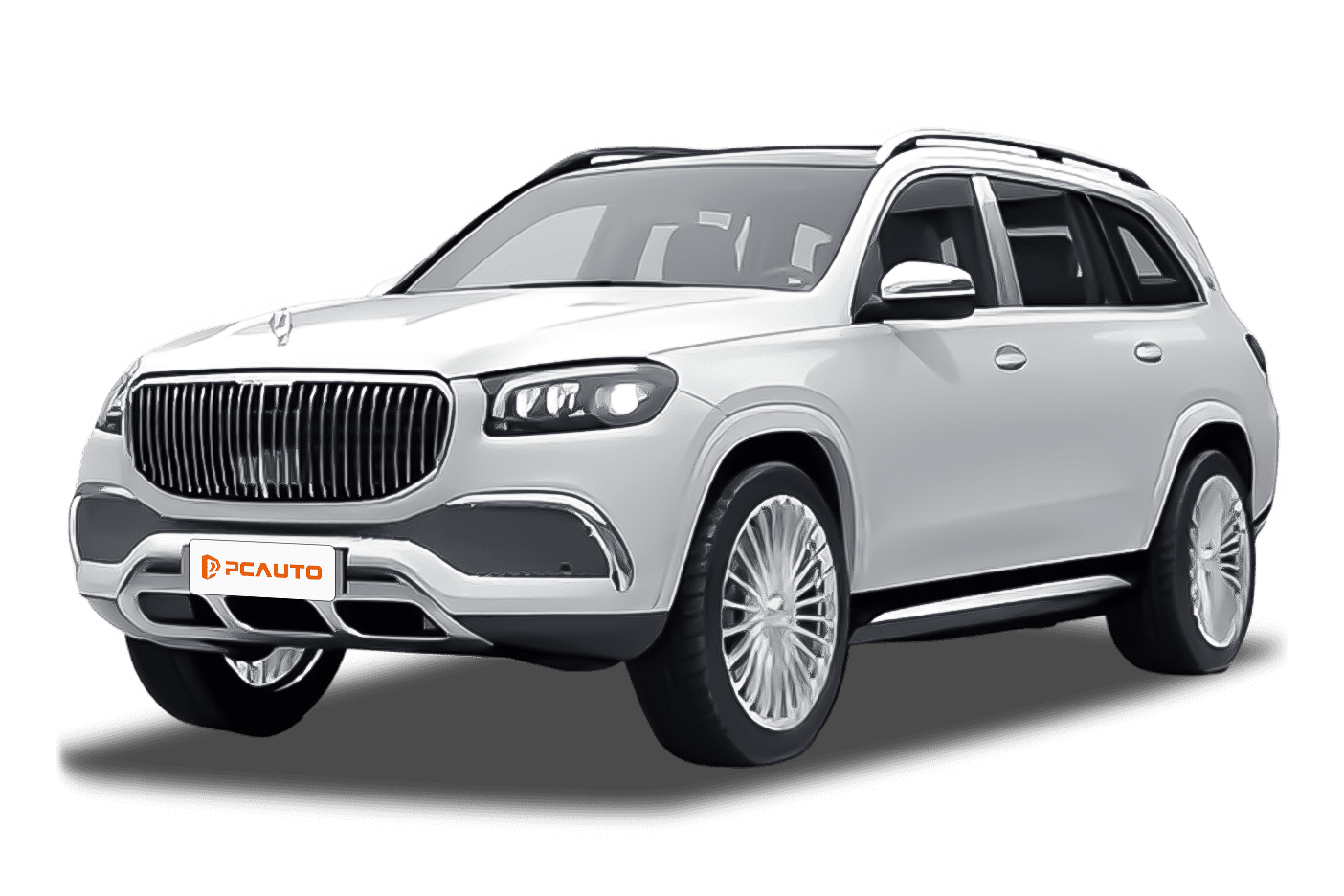
2024 Mercedes-Benz Maybach GLS 600 4MATIC, as a benchmark for million-level luxury SUVs, continues its noble status as a "mobile palace" with a first-class rear-seat experience, V8 power, and refined texture.
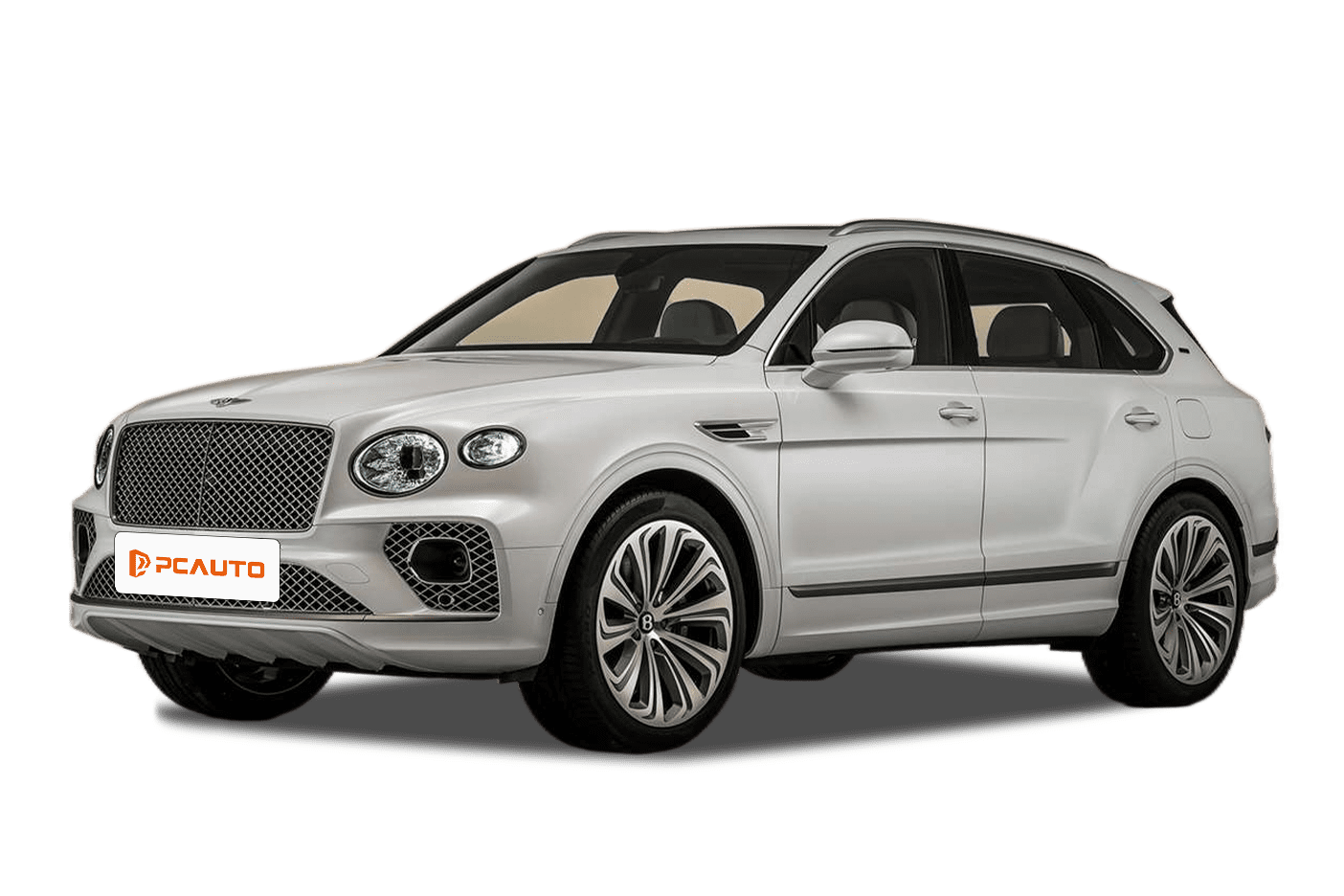
2025 Bentley Bentayga Speed is a top luxury SUV that combines 650 horsepower performance (0-100 km/h in 3.6 seconds) with luxurious refinement, defining a new benchmark for luxury performance with exclusive sporty design and handcrafted interiors.