2019 Porsche Taycan Turbo S Review

 Share
Share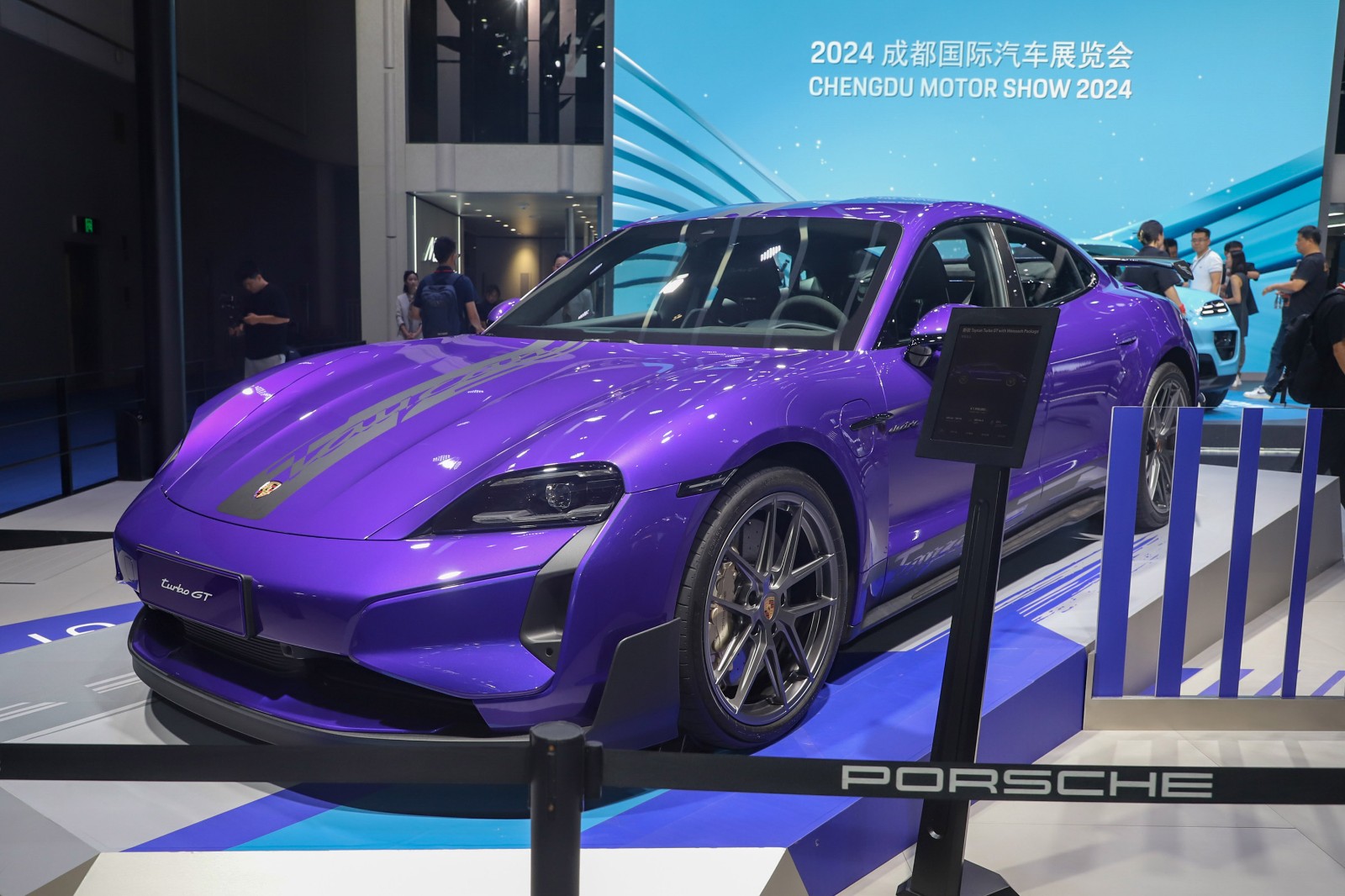
 Segment
 Body Type
 Motor Output(kW)
 Motor Torque(Nm)
 EV Range(km)
 Battery Capacity(kWh)
In Malaysia's luxury electric vehicle market in 2019, the Grand Tourer (GT) segment was at a critical juncture in transitioning from traditional fuel sports cars to electrification—consumers not only desired the signature long-distance comfort and luxury of GT models but also began focusing on the performance breakthroughs brought by electrification. As Porsche's first all-electric GT model, the Taycan Turbo S, with its official 0-100km/h acceleration in 2.8 seconds and 2900mm wheelbase providing seating for four, precisely meets the high-end user demand of "wanting both performance and practicality." This review will comprehensively analyze the car from static design, spatial practicality to dynamic driving experience to see how this vehicle balances electric performance with the essence of a GT model.
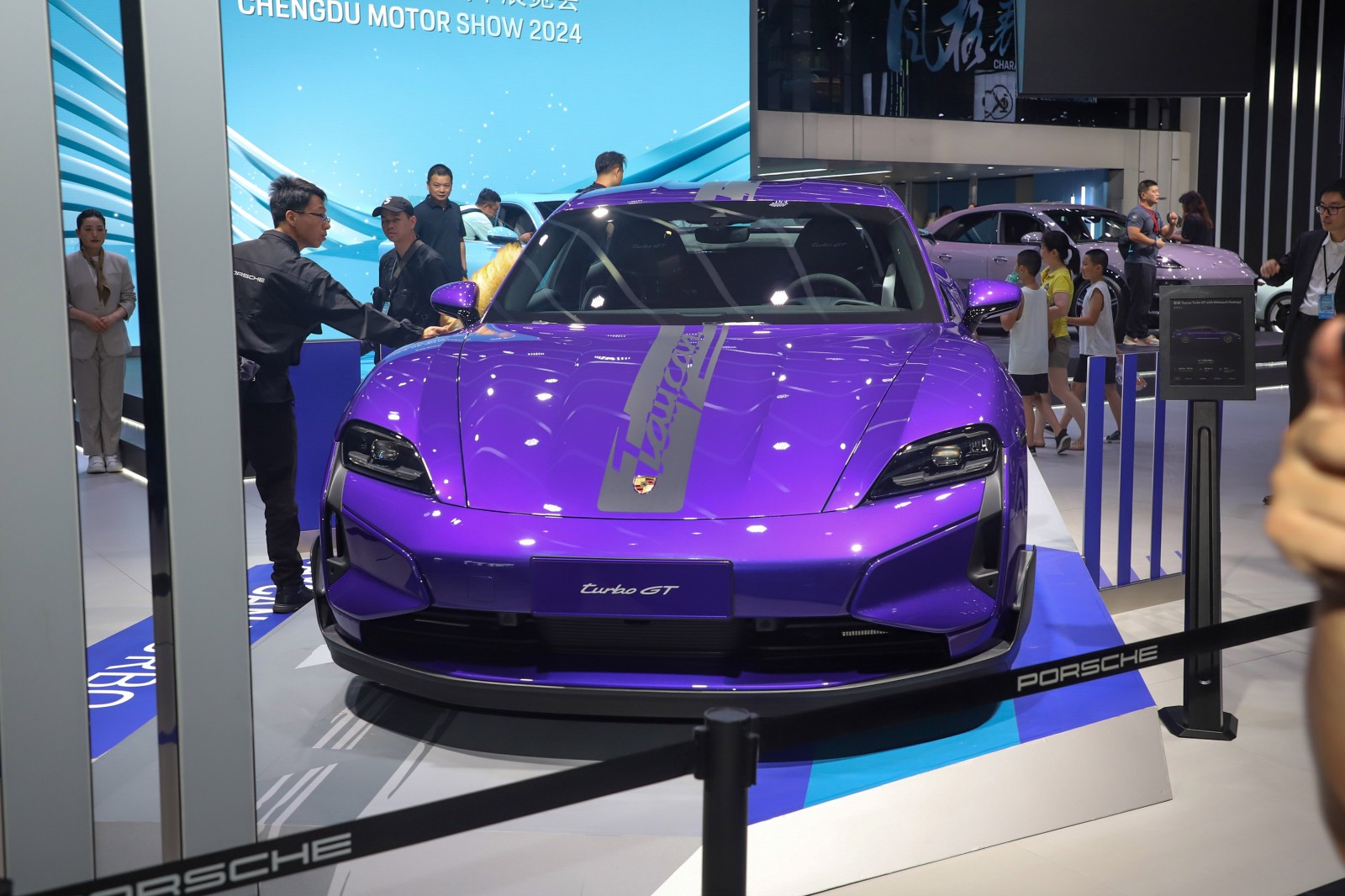
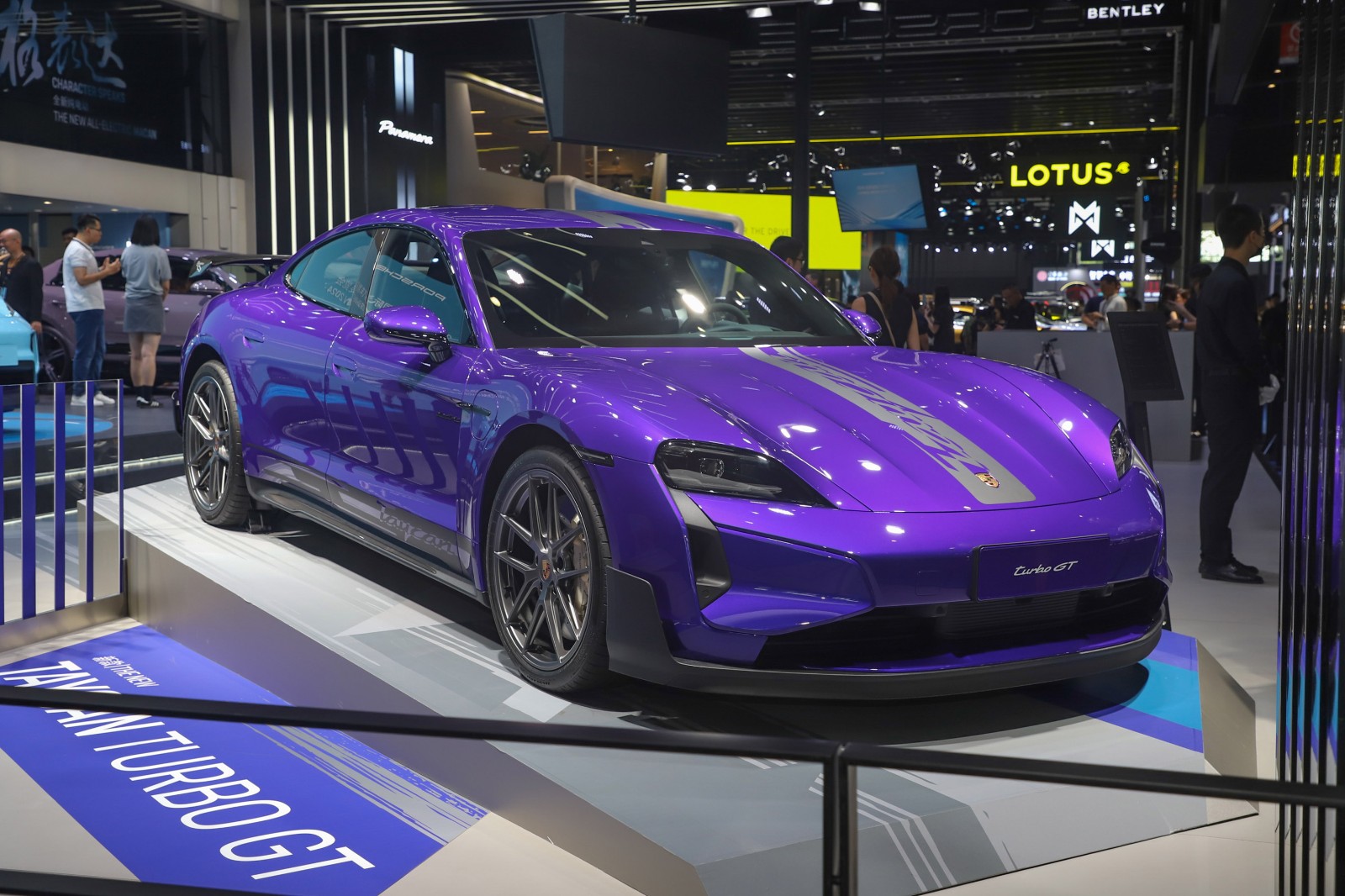
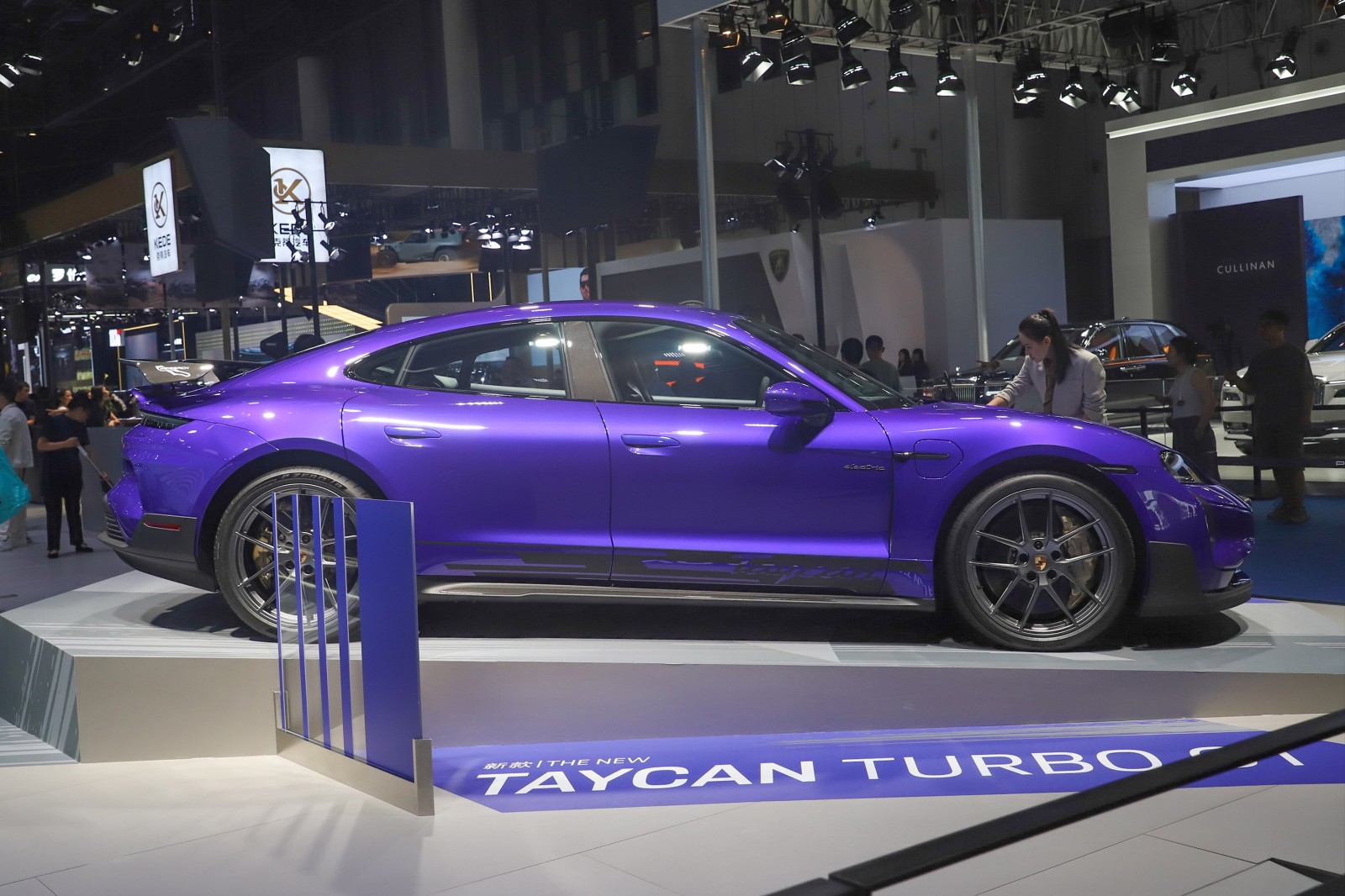
From the exterior, the Taycan Turbo S inherits Porsche's sporty genes, but its electrified design details make it highly recognizable. The body dimensions are 4963mm×1966mm×1378mm, with a low height of 1378mm and smooth fastback lines maintaining the graceful stance of a GT model. The front face removes the traditional air intake grille, replaced by a continuous LED daytime running light strip that forms the iconic "four-point" light signature when illuminated, matching the matrix LED headlights on both sides, which makes it highly recognizable at night. On the side of the body, 20-inch five-spoke wheels paired with 245/45 R20 tires at the front and 287/40 R20 tires at the rear enhance its sporty feel; the hidden door handles automatically pop out when unlocked, reducing wind resistance and enhancing technological appeal. At the rear, the continuous LED taillight echoes the design of the front face, and the ducktail spoiler automatically rises at high speeds, balancing aesthetics and aerodynamic performance. The overall design retains the classic elements of Porsche while conveying a sense of futurism through electrification details.
Stepping into the car, the interior of the Taycan Turbo S is centered around a "digital cockpit" while maintaining luxurious texture. The center console features multiple touchscreens: a 10.9-inch central touchscreen is mounted in the center, accompanied by a 7-inch touchscreen on the left for controlling lighting and driving modes, and a smaller 8.4-inch touchscreen below is responsible for air conditioning and seat adjustment. These three screens replace most physical buttons, with a clear operating logic that requires a brief adaptation period. Interior materials include genuine leather, Alcantara, and metallic trim, while the seats are designed with sports-style bucket seats that support electric adjustment and heating functions, providing strong lateral support for long journeys without discomfort. The rear row adopts an independent dual-seat layout with a center armrest. Although it is a four-seater design, the 2900mm wheelbase ensures sufficient legroom for rear passengers—a passenger with a height of 175cm sitting in the rear still has a two-fist distance from the front seats. Headroom is slightly constrained due to the fastback design, but the minimum ground clearance of 126mm makes getting in and out relatively convenient. Regarding storage space, the front trunk has a capacity of about 81L, which can accommodate a carry-on suitcase, while the rear trunk offers 407L, meeting the needs of daily commuting or short trips. Both the front and rear rows are equipped with two USB-C ports each, and there is also a wireless charging pad in the front row, ensuring practicality.
Dynamic driving is the core advantage of the Taycan Turbo S. It is equipped with dual motors on the front and rear axles, delivering a combined maximum horsepower of 634PS. The official 0-100km/h acceleration time is 2.8 seconds. During actual driving, switching to "Sport Plus" mode and pushing the accelerator deeply provides a strong sense of acceleration, with virtually no delay in power response. During overtaking, a slight press on the pedal is enough to complete a lane change, and its high-speed acceleration capabilities are equally impressive. The steering wheel is precise with minimal play, coupled with the low-slung body stance, ensuring well-controlled body roll while cornering and offering the driver ample confidence. The chassis employs air suspension with height adjustability: in standard height mode, it filters out most minor vibrations on bumpy roads for daily driving; in sport mode, the chassis lowers by 10mm and the suspension stiffens for enhanced cornering support. Despite weighing 2870kg, the all-wheel-drive system ensures balanced power distribution, preventing slippage when starting on slippery surfaces.
Regarding specific performance aspects, the Taycan Turbo S's range and energy consumption align with the expectations of a luxury electric GT. The official CLTC range is about 460km, and actual tests show an energy consumption of approximately 22kWh/100km during city commuting, rising to 28kWh/100km during highway cruising at 120km/h. The overall range achievement rate is about 85%, meeting the needs for daily commutes or single long-distance trips under 300km. In terms of charging, it supports a maximum of 270kW fast charging, enabling a charge from 10% to 80% in just 22.5 minutes, which provides high replenishment efficiency. On driving comfort, the vehicle effectively controls wind and road noise, with only light wind noise audible inside the cabin during highway cruising at 120km/h. The energy recuperation system offers three adjustable levels; under the highest level, there's a noticeable deceleration when the accelerator pedal is released, allowing for one-pedal driving. The lowest level provides a coasting experience similar to that of fuel vehicles, catering to different driving preferences.
Overall, the core advantage of the Taycan Turbo S lies in its "balance of electric performance and GT attributes": it combines a 2.8-second 0-100km/h performance with the luxury and long-distance comfort of a GT car. Its 2900mm wheelbase offers practical space for four passengers, making it more suitable for daily use compared to other pure electric sports cars in the same class. Compared with other electric GT models in its class, its advantage lies in Porsche's brand heritage and mature chassis tuning, while its drawback is the relatively high price (priced at RM 1,195,000 in the Malaysian market).
This car is suitable for two types of people: first, young entrepreneurs seeking a combination of electric performance and a sense of luxury, meeting the practicality of daily commuting while enjoying driving pleasure on weekends; second, high-end users who love long-distance travel, as the electric quietness and air suspension comfort make long journeys more relaxing. Overall, the Taycan Turbo S is not a "pure performance-oriented" electric car but an "electrified GT car"—it redefines the possibilities of GT models using electric technology and stands as a benchmark in the luxury electric GT segment.