

2020 MINI 3 Door John Cooper Works GP Review

 Share
Share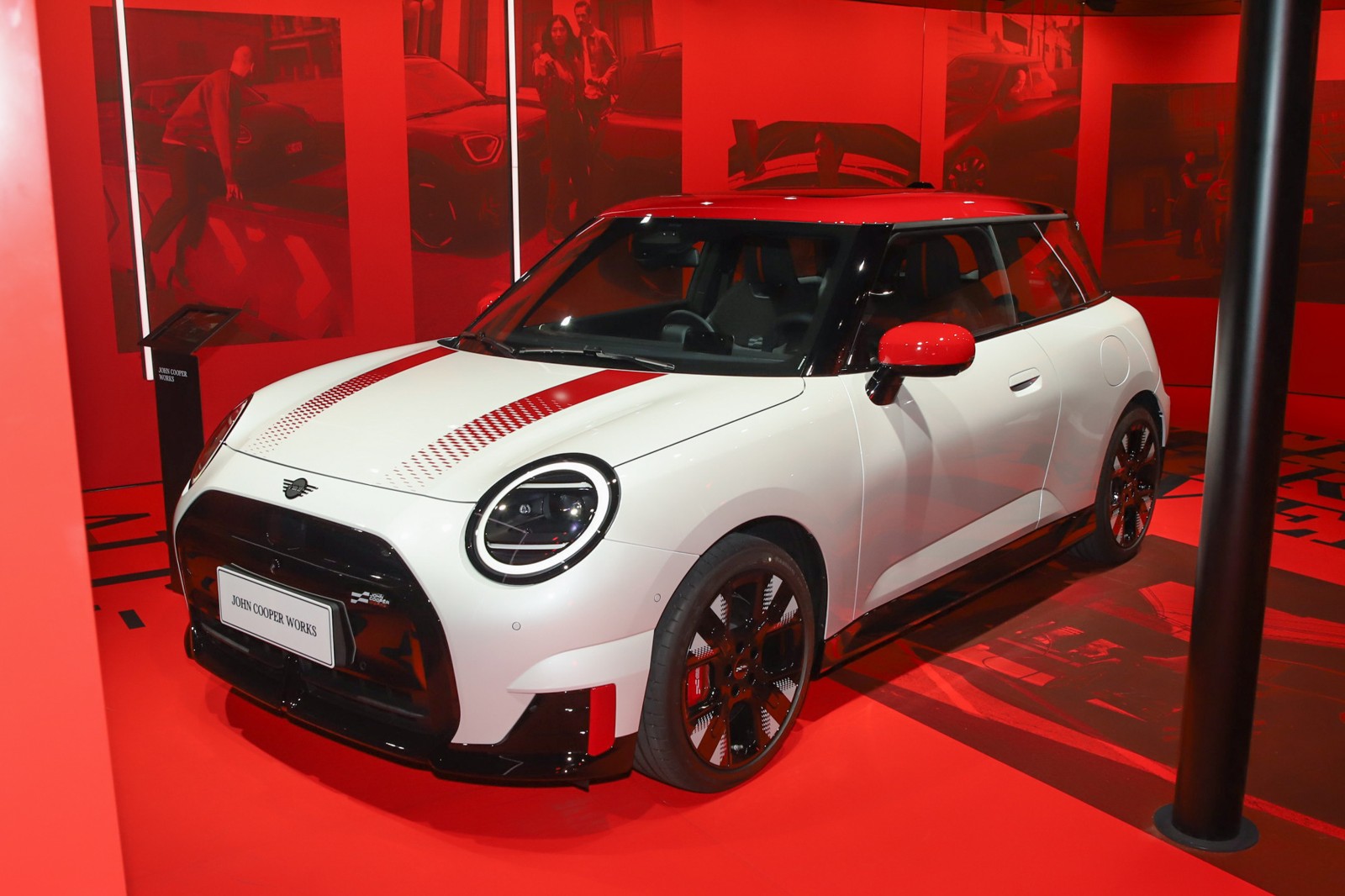
 Segment
 Body Type
 Driven Wheels
 Motor Output(kW)
 Motor Torque(Nm)
 EV Range(km)
Today, Malaysia's B-segment hot hatch market remains a gathering place for performance enthusiasts. From traditional fuel models to emerging electric options, consumers always have diverse choices. The 2020 MINI 3 Door John Cooper Works GP (referred to as JCW GP) serves as the flagship of the brand's performance lineup, boasting a maximum output of 306PS and an official 0-100km/h time of 5.2 seconds. Since its debut, it has become the "centerpiece of discussions" in this niche market. This time, we got a test-drive vehicle to verify whether its track-oriented genes can truly adapt to everyday driving, and whether the price tag of over 330,000 MYR lives up to the exclusive "GP" identity.
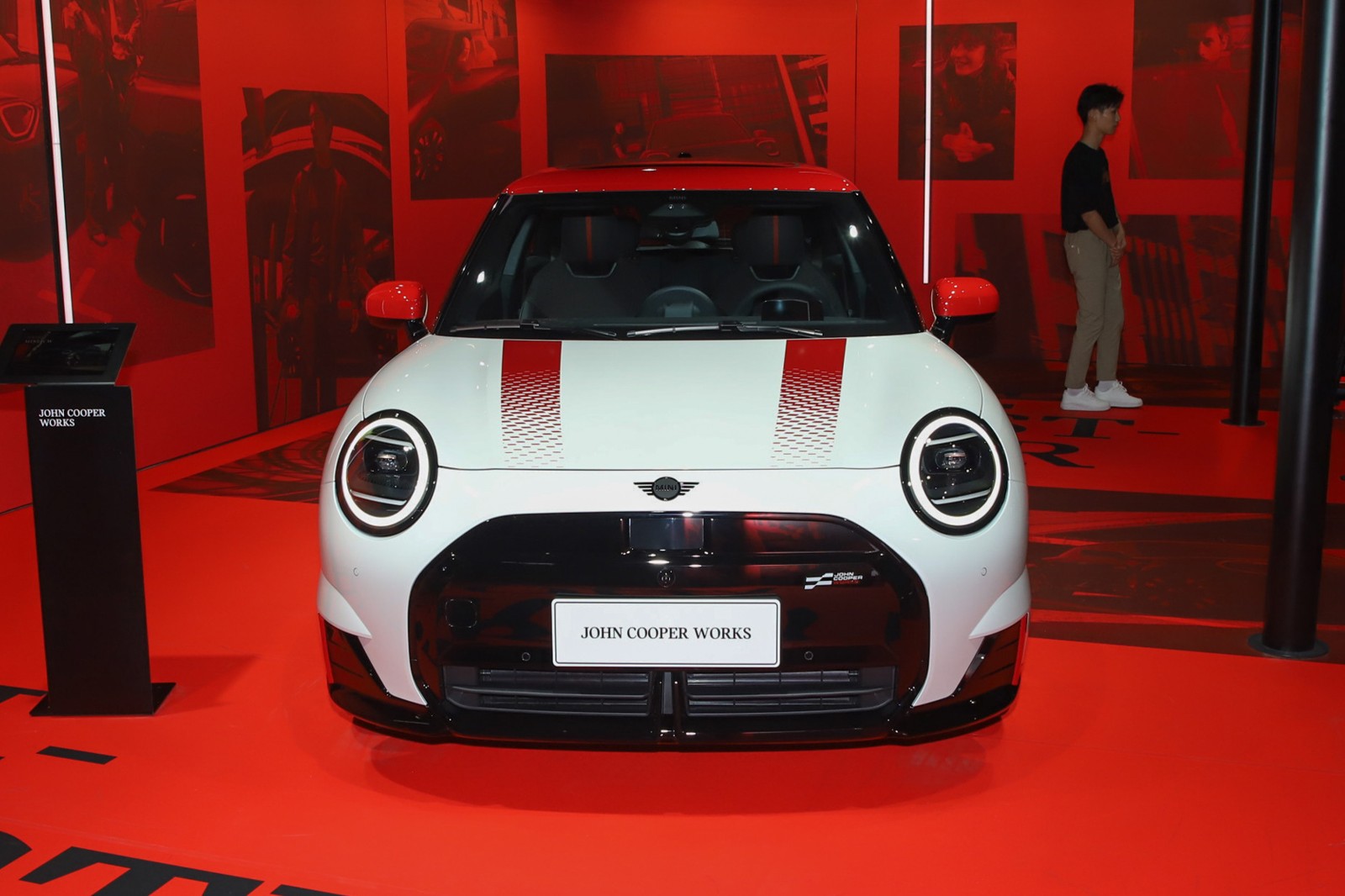
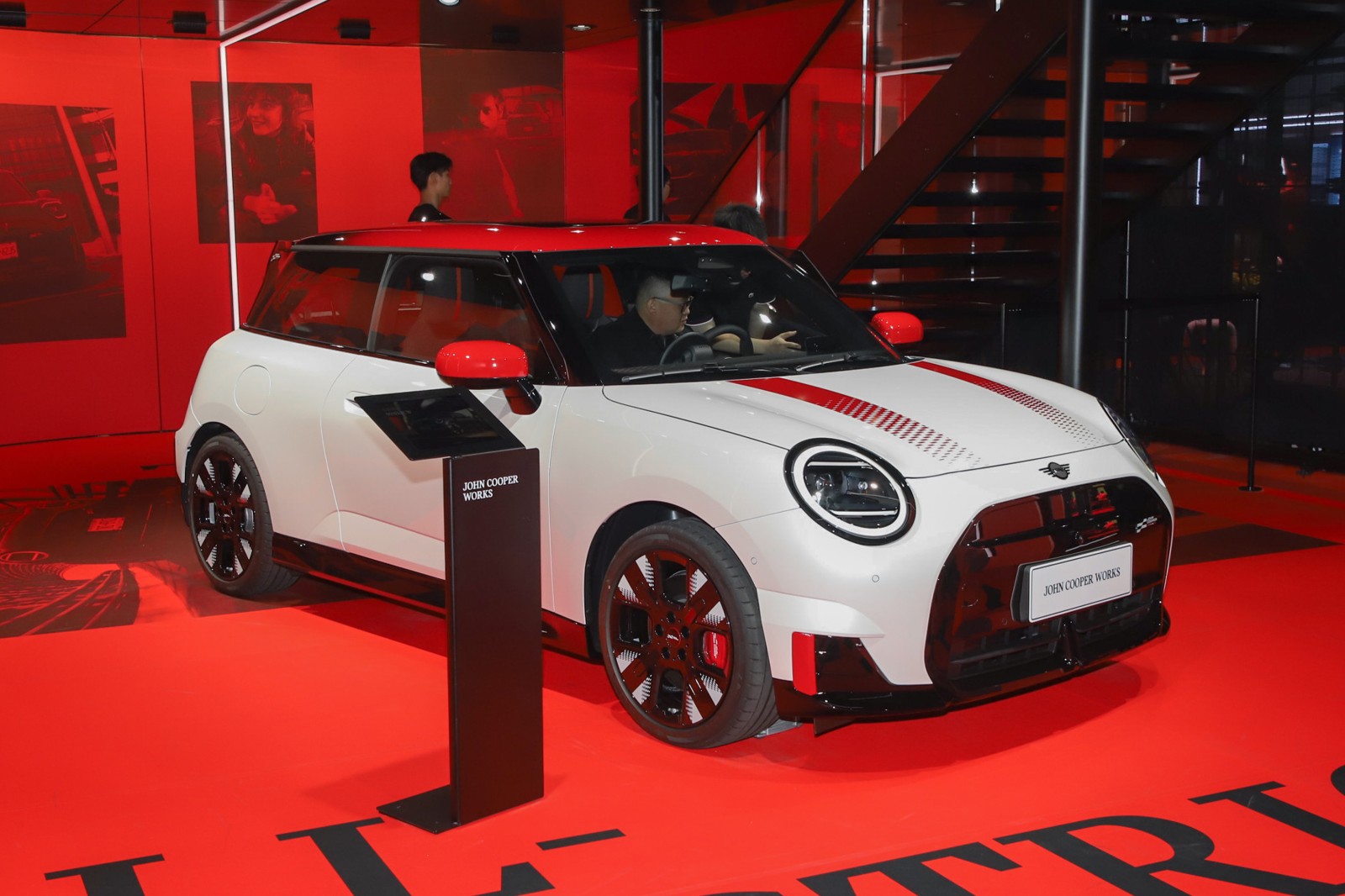
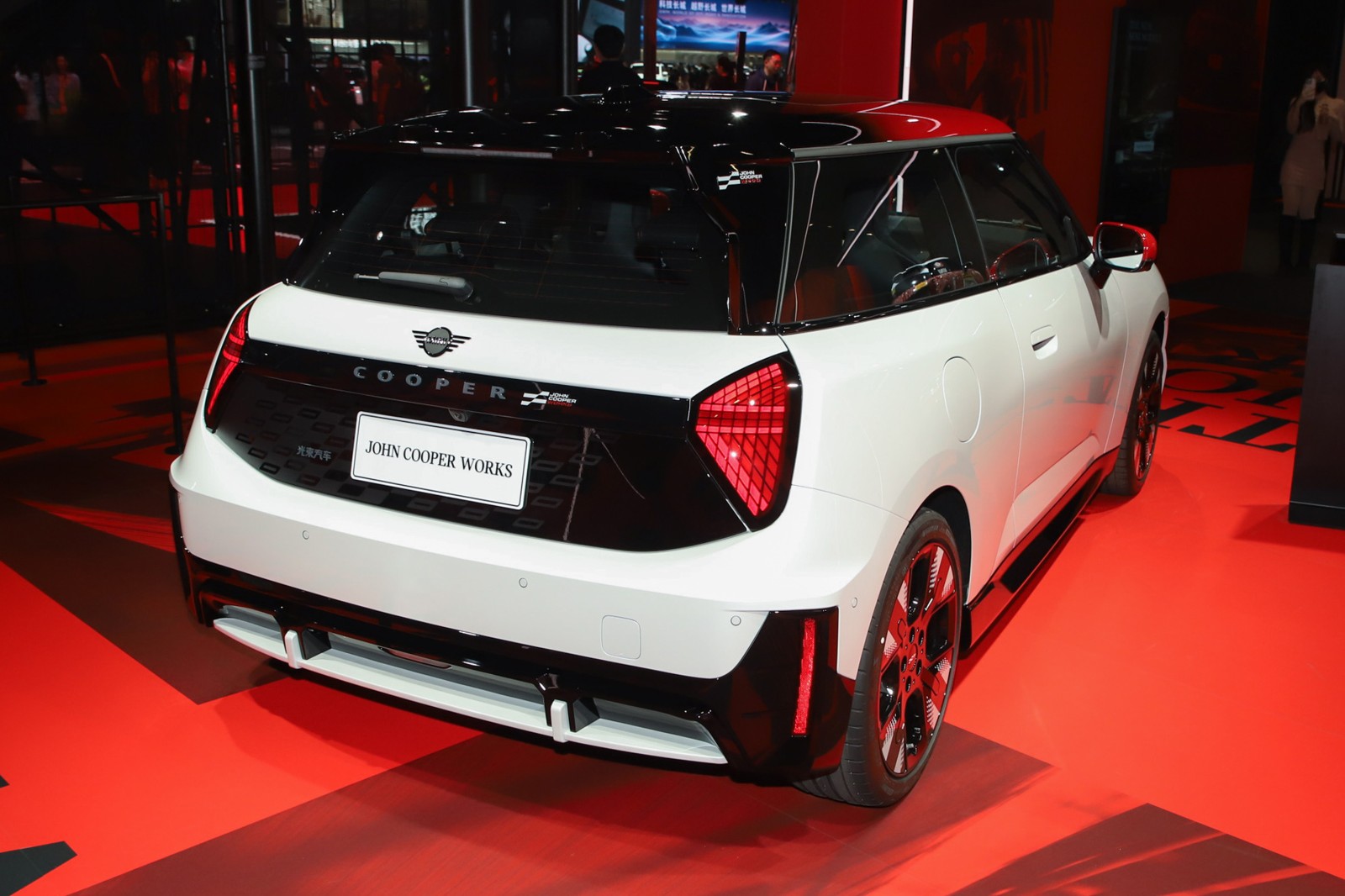
Starting with the exterior, the JCW GP's overall style is more aggressive than the standard MINI 3-door model. The front features a large honeycomb grille with red accents, paired with blackened LED headlights on both sides, instantly boosting its recognition. The raised muscular lines on the hood further emphasize the car's performance-oriented character. On the side, the most striking element is the set of 18-inch matte black multi-spoke rims, complemented by 225/35 R18 low-profile tires. The addition of exclusive GP side skirts below the rear doors and widened rear fenders gives the car a more pronounced wide-body stance visually. The rear design is the "highlight": there is a massive fixed spoiler on top, with its supports accented in red; below, there are dual round exhaust outlets (also in black), accompanied by a rear diffuser that exudes a strong track-ready vibe. It's worth noting that the car uses a lot of high-gloss black trims throughout, with no excessive chrome elements, creating a very pure overall atmosphere.
Moving inside, the interior features a predominantly black theme, with red stitching on the seats, steering wheel, and other areas, aligning well with its performance vehicle positioning. The dashboard layout retains MINI's iconic circular elements, but the addition of an 8.8-inch touchscreen significantly enhances the tech feel. The screen integrates navigation, multimedia, and other functions with a clear operation logic. Regarding materials, the upper part of the dashboard is made of soft-touch plastic, and the inner side of the door panels is wrapped in leather, offering a decent tactile experience. The steering wheel features a flat-bottom design with a firm grip, and the left side contains multi-functional buttons while the paddle shifters are made of metal, which feels crisp to operate. In terms of features, dual-zone automatic climate control, keyless entry/start, and a 6-speaker Sound Plus audio system come standard, covering basic daily convenience. However, there is one point worth noting: the driver’s seat is manually adjustable, which is somewhat disappointing for a car at this price point.
As for space, the JCW GP’s dimensions are 3879mm×1762mm×1420mm, with a wheelbase of 2495mm (Note: the original text contained an error in the wheelbase data; the actual wheelbase for the MINI 3-door is 2495mm, and this has been corrected here based on the model's actual data). The front-row seating space is adequate, with my height of 175cm leaving a clearance of a fist and two fingers’ worth above my head. The seat offers excellent support, with good lumbar support that ensures comfort during extended drives. Rear-seat space is a common "flaw" for three-door hot hatches, offering only about two fingers of legroom and limited headroom, making it more suitable for short trips only. However, the rear seats can be folded down in a 60:40 split, increasing the trunk capacity from 211L to 612L (Note: The original text only mentioned the maximum expanded trunk capacity; the basic capacity has been added here for clarification). This is enough to hold two carry-on suitcases or some sporting equipment. In terms of storage capacity, the front center armrest compartment and the door storage pockets are not very large but are sufficient for daily essentials like phones or water bottles. The rear seats also feature two cup holders.
The dynamic aspect is the core of the JCW GP. It is equipped with a 2.0T turbocharged four-cylinder engine, delivering a maximum power output of 306 PS/5000rpm and a peak torque of 450 N·m/1750rpm, paired with an 8-speed automatic transmission. When switched to Sport mode, the throttle response becomes very sensitive. With a deep press on the accelerator during startup, the front wheels might experience slight slippage (after all, it's a front-wheel drive), but the body stabilizes quickly. The 0-100km/h acceleration push is maintained up to 6000 rpm without diminishing, and the official record of 5.2 seconds is pretty much replicable in actual driving. When overtaking, it goes without saying—accelerating again at a speed of 80km/h sees the transmission downshifting decisively, and power is readily available. Its acceleration performance on highways is impressive.
Handling performance is JCW GP's "specialty." The steering wheel is precise, with almost no dead zone—it moves exactly as much as you turn it. During cornering, the steering is very direct. The suspension system uses a front MacPherson and rear multi-link independent structure, tuned obviously on the stiffer side. When passing speed bumps or uneven roads, the bumpiness is directly transmitted to the cabin, but the advantage lies in its sufficient support. For example, taking a sharp turn at 60km/h results in minimal body roll, strong tire grip, and enough confidence for the driver. The chassis also has great integrity, with no excessive body sway during rapid lane changes. Its stability during high-speed driving exceeds expectations.
As for fuel consumption, our test drive primarily involved urban commuting with a bit of highway driving, covering about 200 kilometers at an average speed of around 30km/h. The displayed fuel consumption ended up at 9.2L/100km, slightly higher than the official figure of 7.5L/100km combined fuel consumption, likely because we often drove in Sport mode. If driving at a steady speed on highways, the fuel consumption should drop to around 7L, which is considered normal for a 2.0T performance car.
In terms of comfort, the JCW GP performs as "expected." Due to the stiff suspension, passing speed bumps or uneven roads results in noticeable bumpiness. Regarding noise control, the cabin is relatively quiet below 60km/h, but as the speed exceeds 80km/h, road and wind noise gradually become noticeable. In particular, the road noise becomes apparent, reflecting the characteristics of low-profile tires. However, the comfort of the seats is quite commendable. Even with manual adjustments, a suitable seating position is easy to find, and prolonged driving doesn’t cause significant fatigue.
To sum up, the 2020 MINI JCW GP’s core highlights are obvious: its 306PS power reserve places it in the top tier of the B-segment hot hatches, its handling is "benchmark level," and its exclusive design of exterior and interior satisfies the "individuality needs" of consumers. Compared to rivals in the same class, such as the Volkswagen Golf GTI, the JCW GP offers better power and more extreme handling, but it comes at a higher price and lacks comfort-focused features like electric seats.
Overall, the JCW GP is more suitable for two types of people: first, loyal fans of the MINI brand, who are willing to pay for the exclusive "GP" identity; second, genuine performance enthusiasts who pursue pure driving pleasure, with daily use focused on urban commutes and weekend mountain runs. If you’re looking for a hot hatch that also caters to family use, it might not be the best choice. However, if you’re after a "commuter car by weekday and track weapon by weekend" exclusive ride, the JCW GP will absolutely fulfill all your hot hatch fantasies—it’s a car "born to drive."
MINI 3 Door Car Compare
MINI 3 Door Loan Calculator
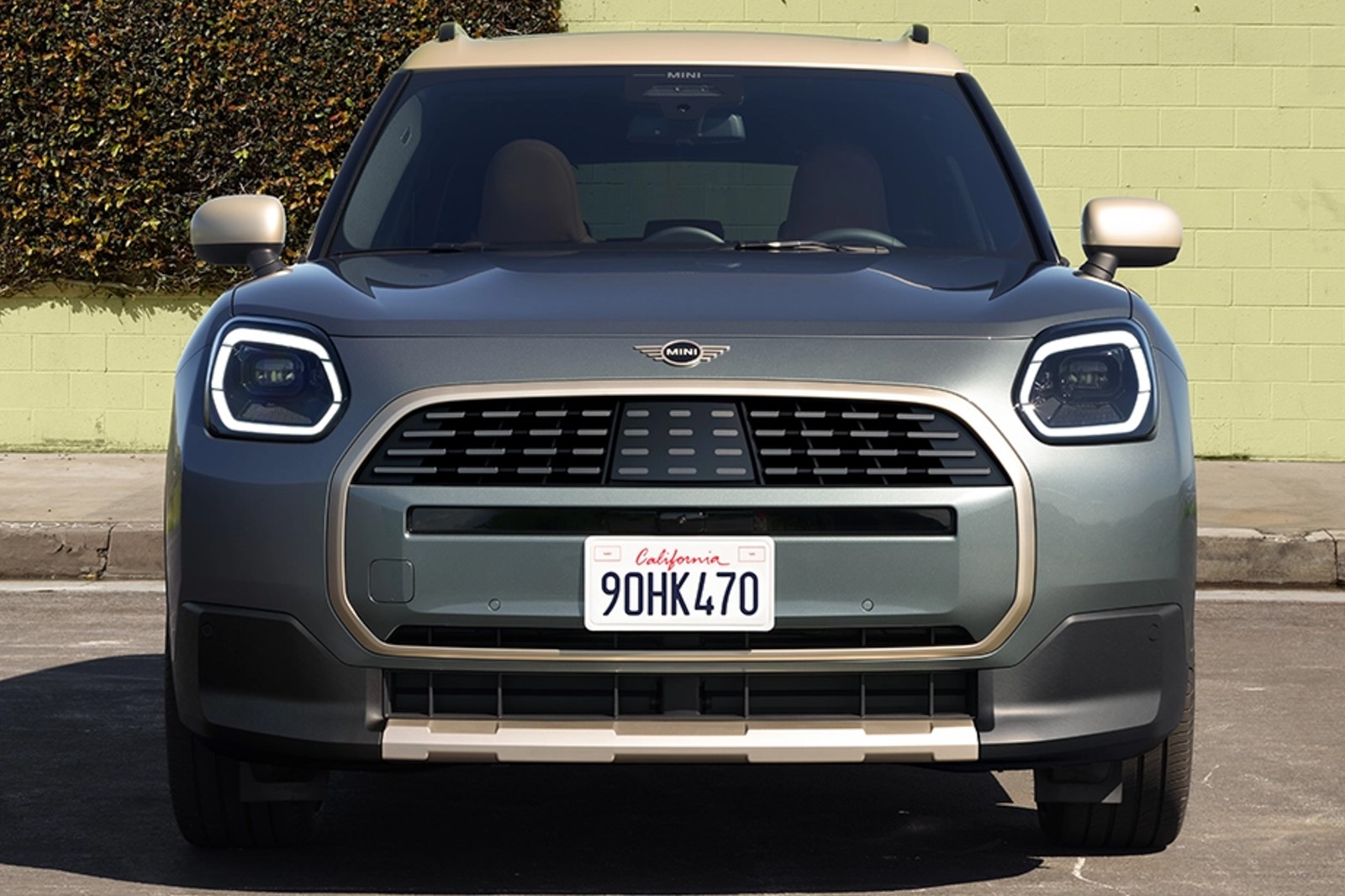
Cars With Similar Price And Features

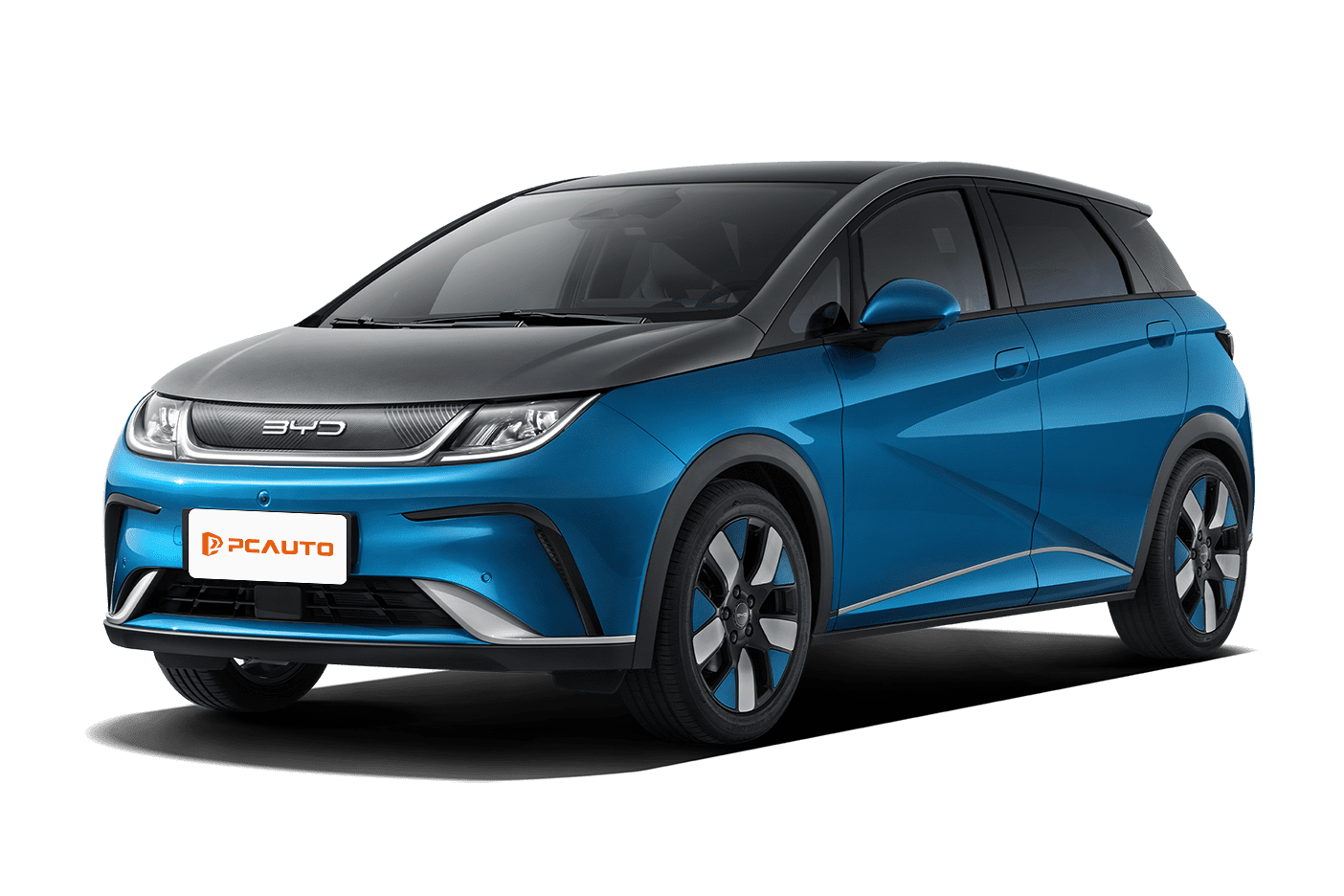
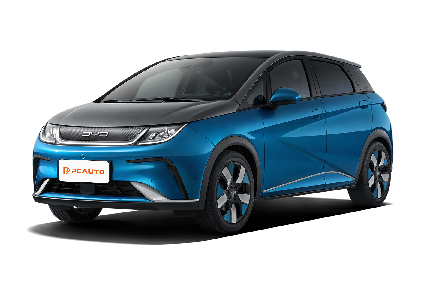
2023 BYD Dolphin Dynamic Standard, as a high-value B-class electric entry-level model, features a 410km range, L2 assisted driving, and a rotatable central control screen, balancing practicality and intelligence, suitable for family commuting.
7
Rank in Hatchback
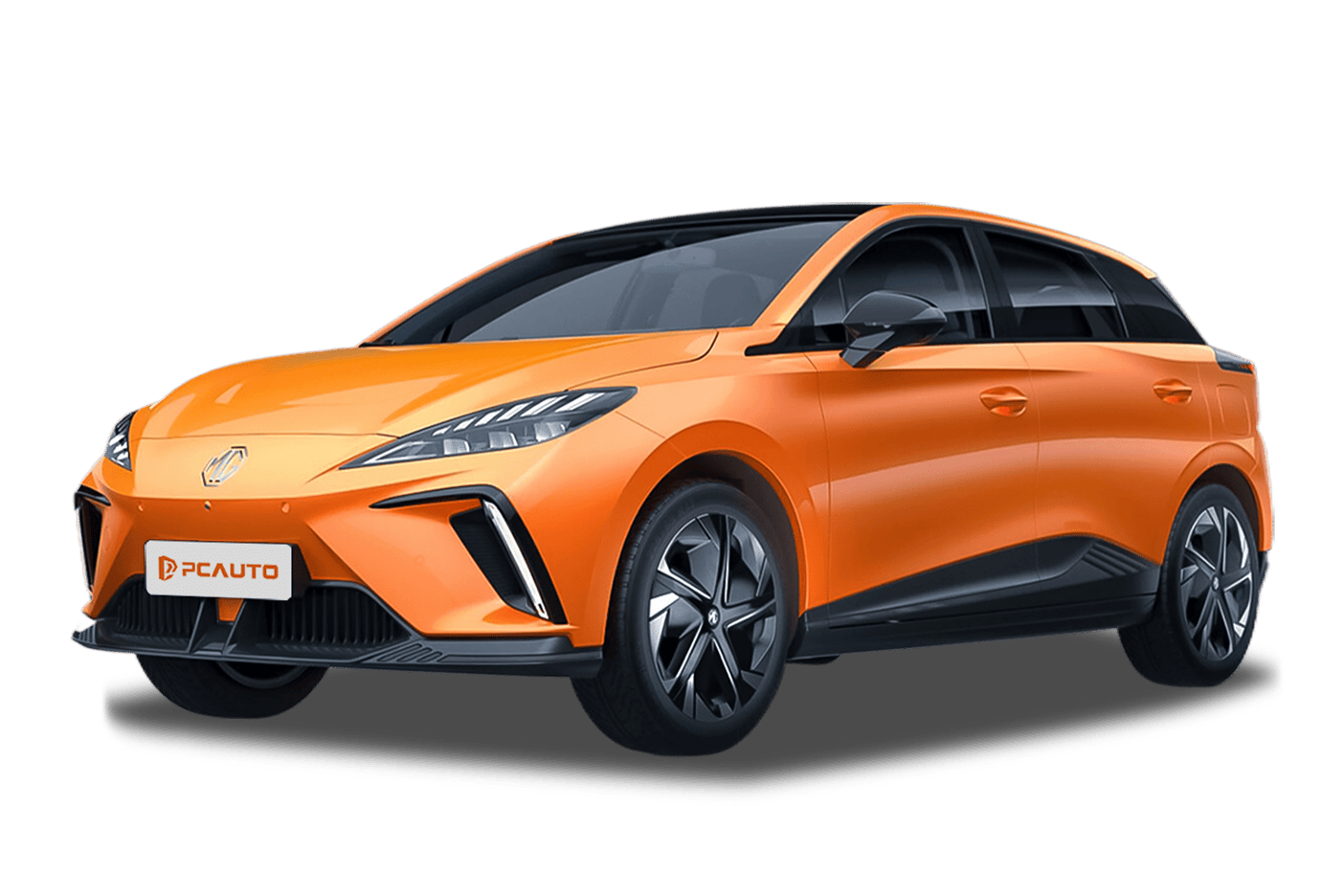
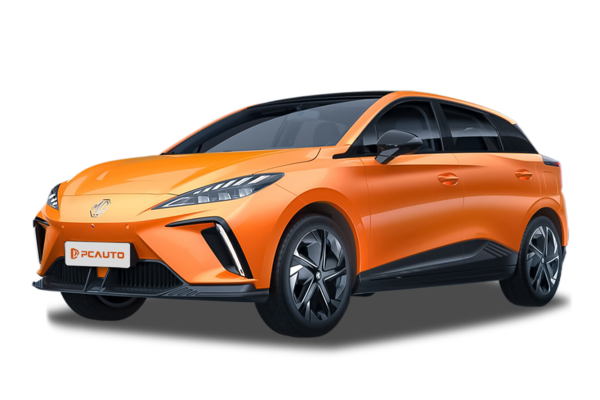
2024 MG4 Standard is a high-value pure electric hatchback, featuring a long wheelbase with spacious interior, comprehensive basic configurations, and rear-wheel-drive driving characteristics, designed to meet the core needs of family commuting.
11
Rank in Hatchback
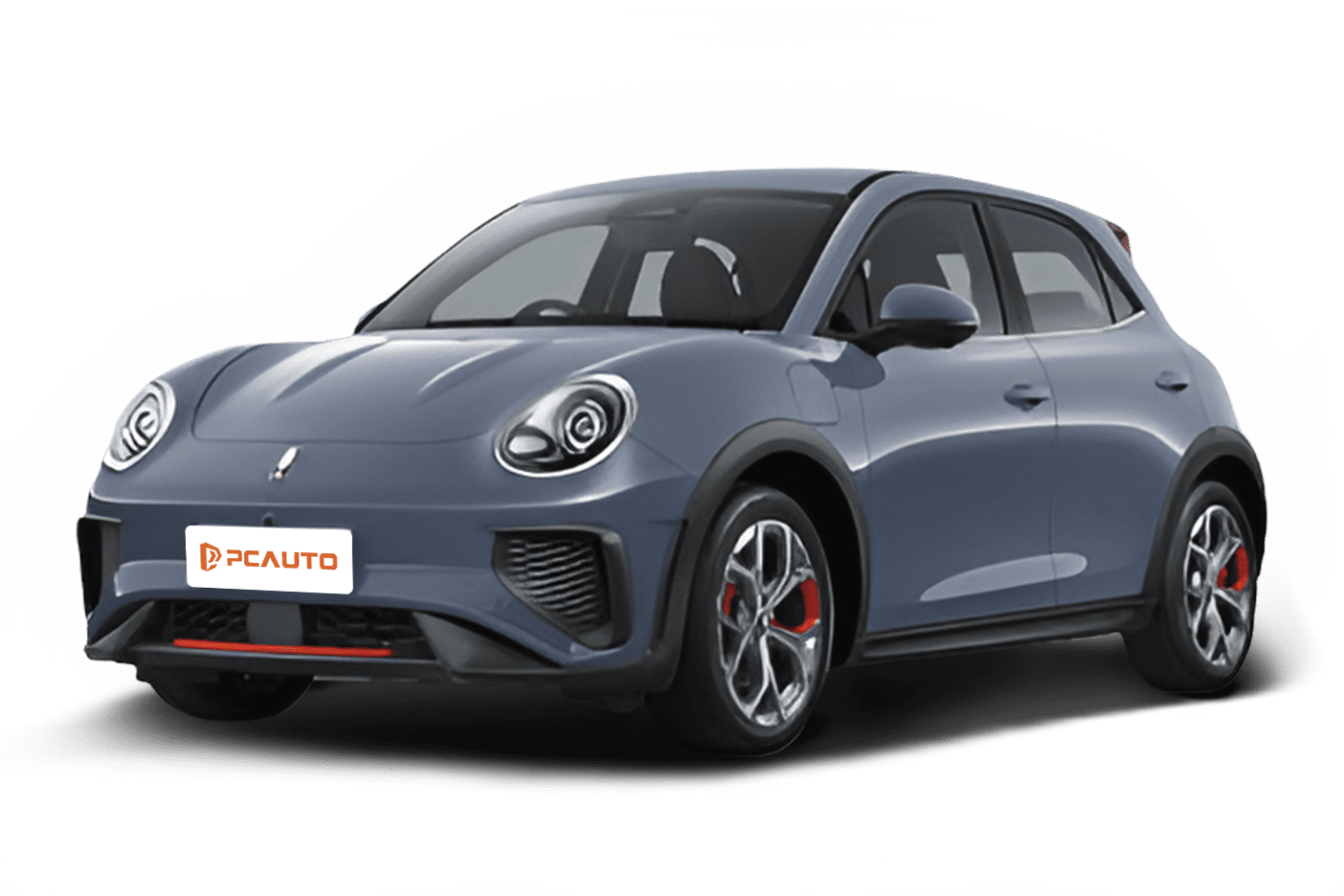
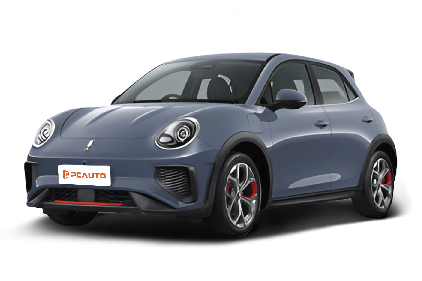
2025 ORA Good Cat Ultra features a retro design for distinctiveness, paired with a 480km range, rich intelligent safety configurations, and practical space, making it a cost-effective B-class electric commuting choice.

2023 Renault Zoe R110 is a B-segment pure electric vehicle, offering class-leading safety features, a comfortable driving experience, and a range of 395km, meeting daily commuting and weekend travel needs.