

2021 Lexus ES 250 F Sport Review

 Share
Share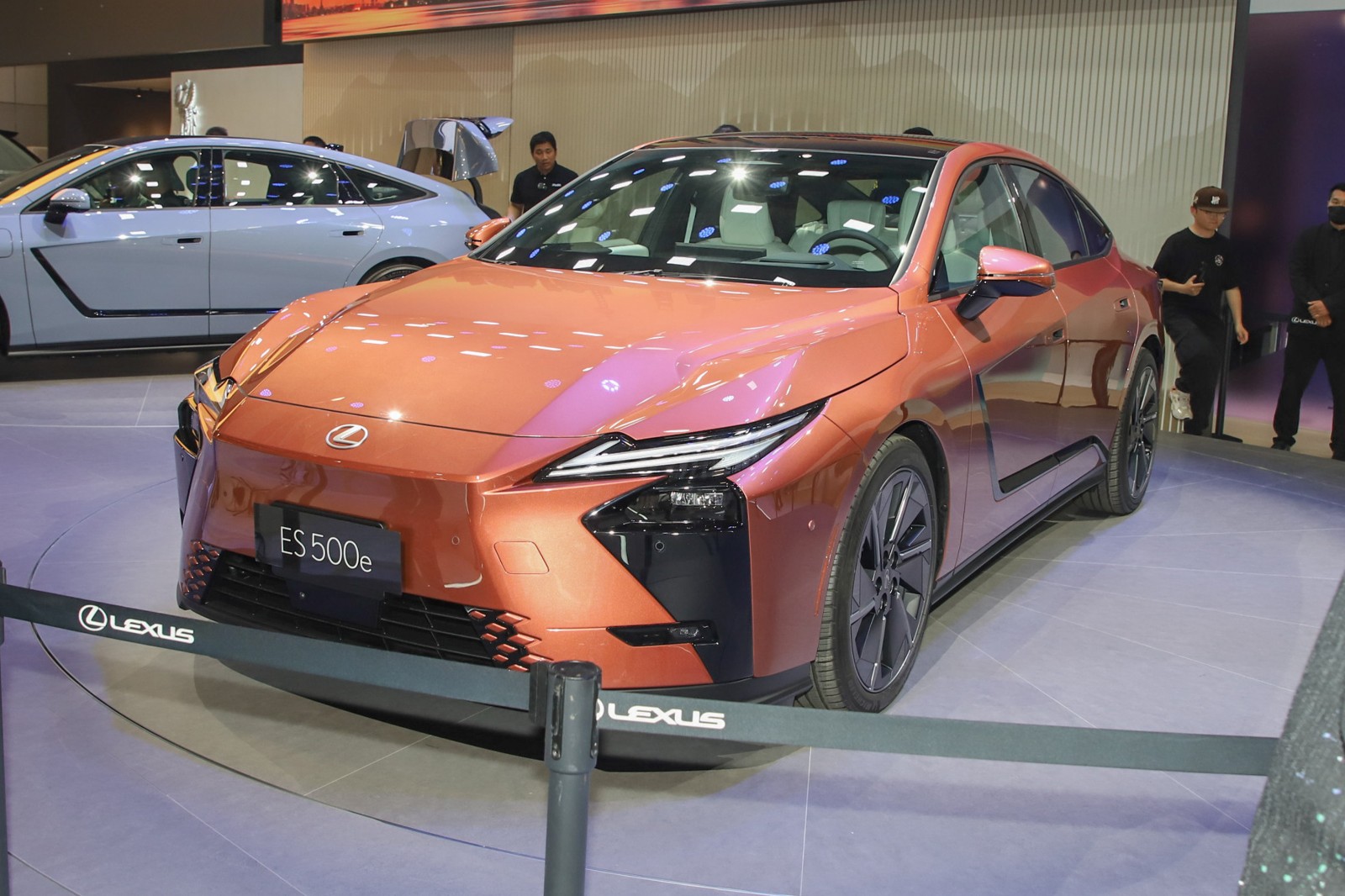
 Segment
 Body Type
 Capacity(L)
 Engine Power(PS)
 Transmission
 Driven Wheels
The luxury midsize sedan market in Malaysia has always been a battleground balancing brand identity and practicality. Consumers value both sophistication and uncompromising practicality in terms of space and specifications. The 2021 Lexus ES 250 F Sport wraps a luxurious core in a sporty exterior, focusing on a balance of "everyday comfort + driving pleasure." Coupled with Lexus's consistent reputation for reliability, it stands out with a particularly targeted proposition among many competitors. This test aims to find out whether its sporty kit is merely "for show" and whether its luxury features truly justify its price tag.
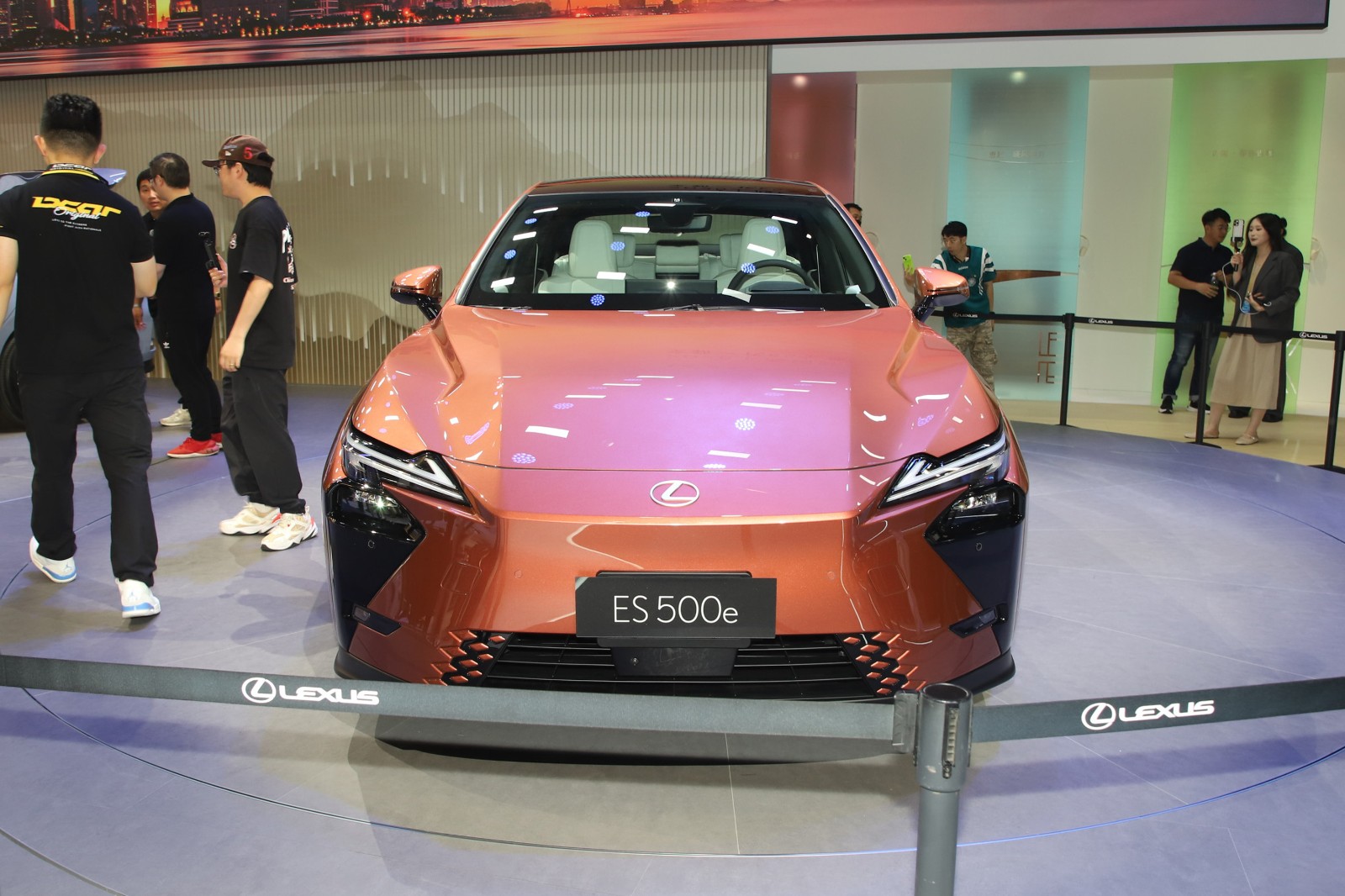
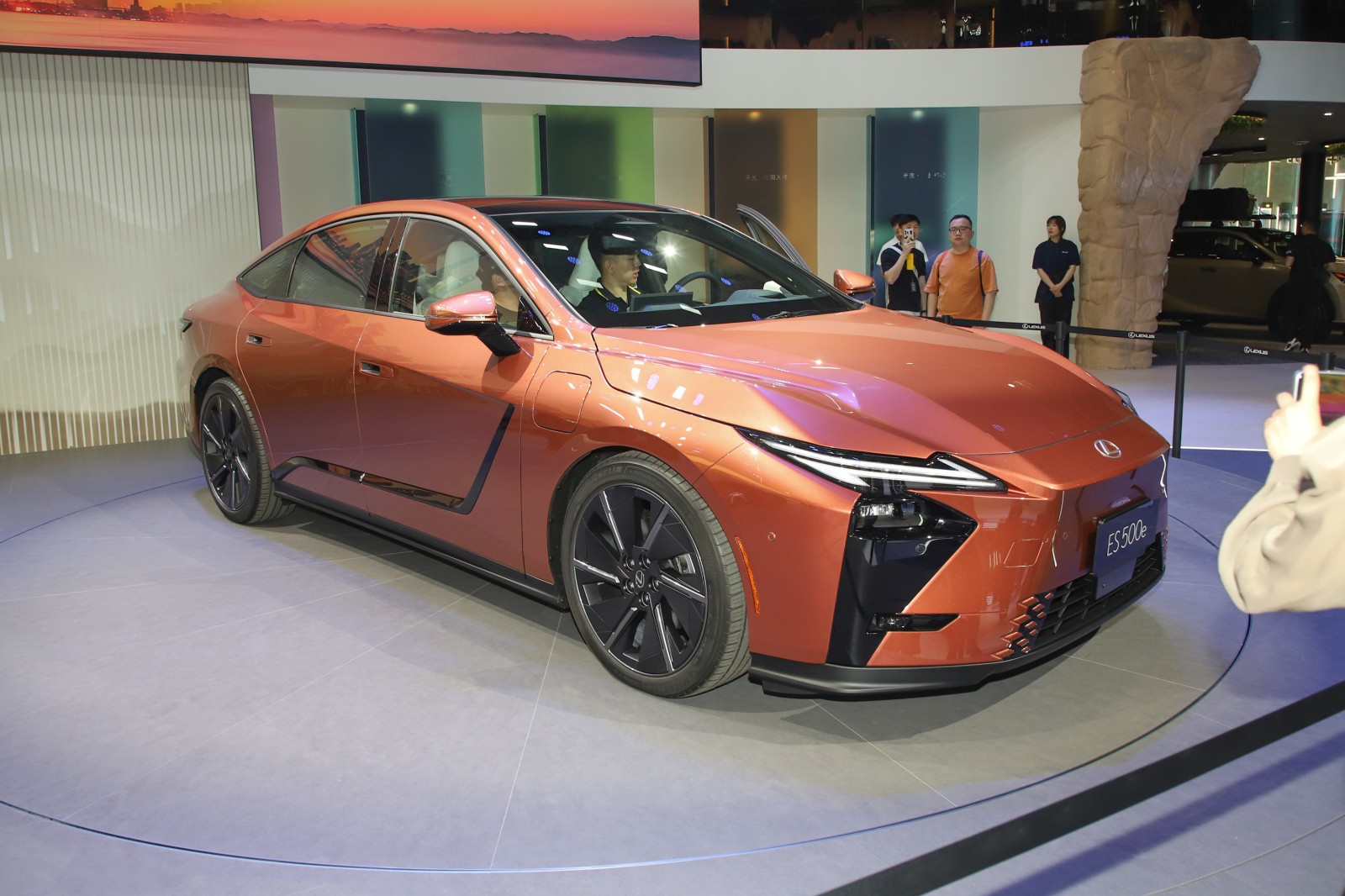
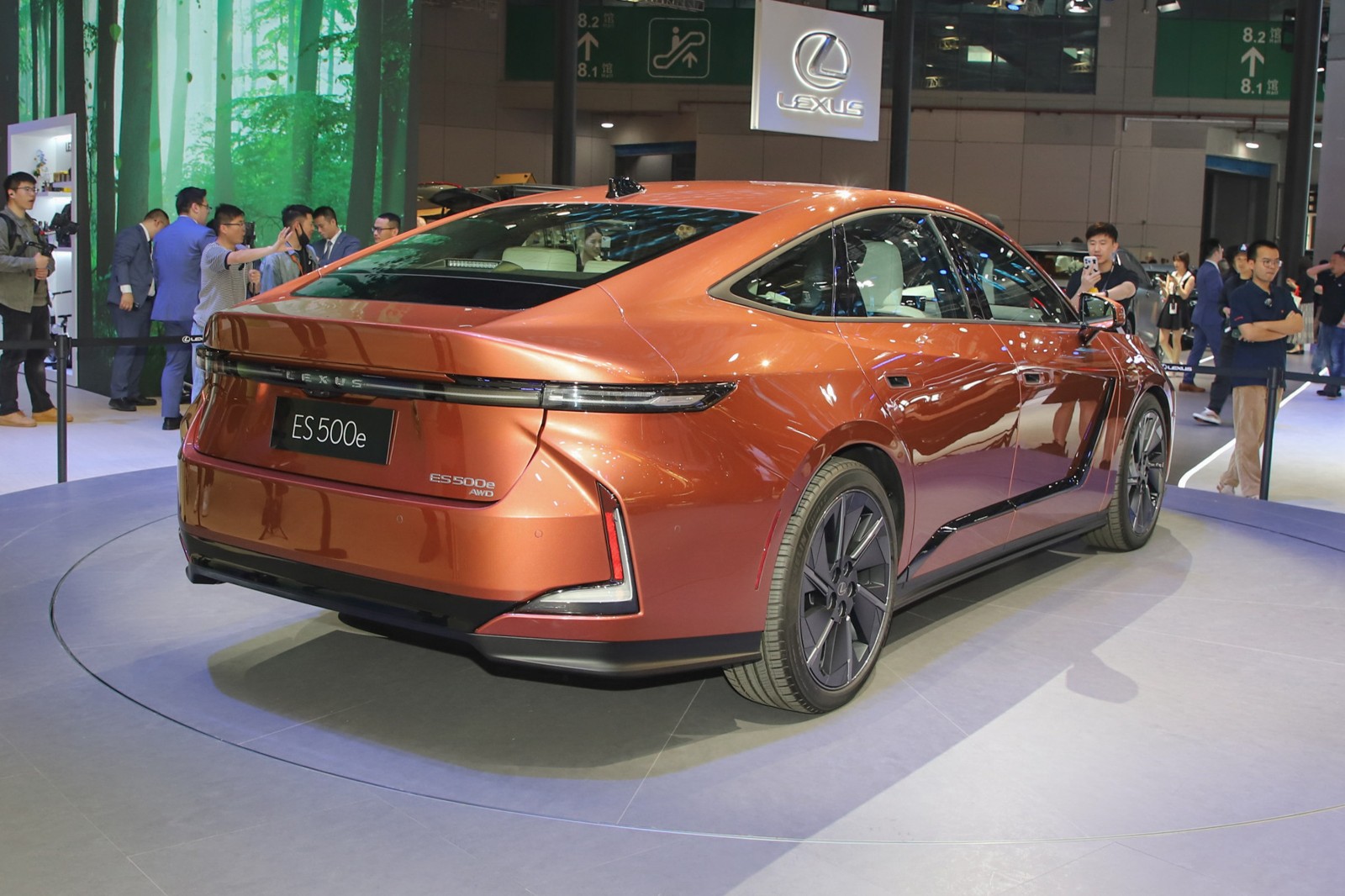
The exterior of the ES 250 F Sport can be immediately distinguished from the standard version: dimensions of 4975mm×1865mm×1445mm, with a wheelbase of 2870mm, maintaining the sleek proportions of a midsize sedan. However, the F Sport-specific honeycomb grille, sharper side air intakes on the front bumper, and 19-inch multi-spoke alloy wheels add less stability and more aggressiveness to the overall lines. The headlights feature full LED lighting with an automatic activation function, while the taillights use an L-shaped light strip design, offering high recognizability at night. The side body line extends from the front fender to the rear, coupled with a low-slung stance that visually enhances its sporty appearance.
Inside the cabin, the exclusive F Sport elements are also immediately noticeable: the perforated leather-wrapped sports steering wheel has a solid grip; the seats, made of leather with F Sport emblems, feature more pronounced side bolsters compared to the standard version. The front seats are 10-way electrically adjustable with memory functions for the driver’s seat, accommodating drivers of varying builds. The dashboard layout continues Lexus’s symmetrical design philosophy, combining soft-touch materials with piano black panels. The quality of materials aligns well with its luxury positioning. The 8-inch central screen is equipped with the Remote Touch Interface system, which takes some time to get used to but responds relatively smoothly; the 10-speaker sound system delivers clear audio, sufficient for everyday listening. Notable configuration highlights include a full LCD instrument cluster, HUD head-up display, a 360-degree panoramic camera, dual-zone automatic climate control for the front seats + independent air conditioning for the rear seats, keyless entry/start, rain-sensing wipers, and more, maximizing practicality.
In terms of space, the wheelbase advantage of 2870mm is evident: with the front seats adjusted to a comfortable position, the rear legroom offers more than two-fist space, and the headroom is adequate for passengers up to 180cm tall. The rear seats support electric reclining (angle adjustment), and the central armrest allows control of the seats, audio, and air conditioning, significantly enhancing comfort for long-distance travel. The trunk has a capacity of 420L with a neatly shaped opening, capable of accommodating two 28-inch suitcases. However, the rear seats cannot fold down, slightly limiting expandability. Storage design is practical: the front center armrest compartment has ample depth, the door panel storage slots can hold two bottles of water, and there’s a 220V power outlet in the front, meeting external device connection needs.
For performance, the 2.5L naturally aspirated engine delivers a maximum power of 204PS at 6600rpm and maximum torque of 243N·m at 5000rpm, paired with an 8AT gearbox. During daily driving, power delivery is linear and smooth, with a non-lagging start. Acceleration at low to medium speeds is sufficiently brisk; however, noticeable thrust requires revving above 4000rpm after pressing the accelerator harder, and some anticipation is needed during high-speed overtaking. The transmission logic is clear, with both upshifts and downshifts being proactive. Paddle shifters in manual mode respond swiftly, satisfying occasional driving urges. There are three driving modes: Eco, Normal, and Sport. The Eco mode softens throttle responses, making it suitable for city commuting, while the Sport mode keeps the transmission in high-rev ranges for more direct power output.
Handling performance is better than expected: The combination of the MacPherson front suspension and double-wishbone rear suspension is tuned towards firmness. Body roll is well-controlled during cornering, and the steering is precise with minimal slack. When dealing with the common potholes on Malaysian roads, the suspension manages to filter out most of the minor bumps. However, when crossing speed bumps or large undulations, the rear seats may experience slight bouncing, but overall, comfort takes priority. The braking system features front and rear ventilated discs, with a linear braking force that inspires confidence—what you press is what you get.
In terms of specialized testing, we drove 150km on mixed road conditions, of which 60% was urban and 40% on highways. The measured fuel consumption was 8.6L/100km, which is close to the official figure of 8.4L. Considering the 1.66-ton weight of the car, this performance is reasonable. Noise control is well-executed: at 60km/h in the city, both tire noise and wind noise are negligible; at 120km/h on highways, wind noise increases slightly but doesn't affect in-car conversations. The seats provide excellent support, and driving continuously for two hours doesn’t cause fatigue.
In summary, the core advantages of the 2021 Lexus ES 250 F Sport are clear: its sporty exterior design adds appeal, while it features rich and practical configurations. Daily driving is smooth and comfortable, and the space is sufficient to meet family needs. Compared to BBA models in the same segment, its sense of luxury and reputation for reliability are definite plus points. The standard safety features across the entire range (10 airbags, lane assist, active braking, etc.) are also more generous than some competitors. However, the naturally aspirated engine’s high-speed performance is less robust than turbocharged options, and the inability to fold down the rear seats is a minor regret.
The target demographic for this car is clear: consumers who seek the refinement of a luxury brand but do not favor overly aggressive driving characteristics, primarily using it as a family car but occasionally looking for a bit of driving fun. If your budget is around 350,000 MYR and you value a balanced combination of 'comfort + practicality + brand,' the ES 250 F Sport is a solid choice.
Lexus ES Car Compare

Lexus ES Loan Calculator
More Lexus Reviews
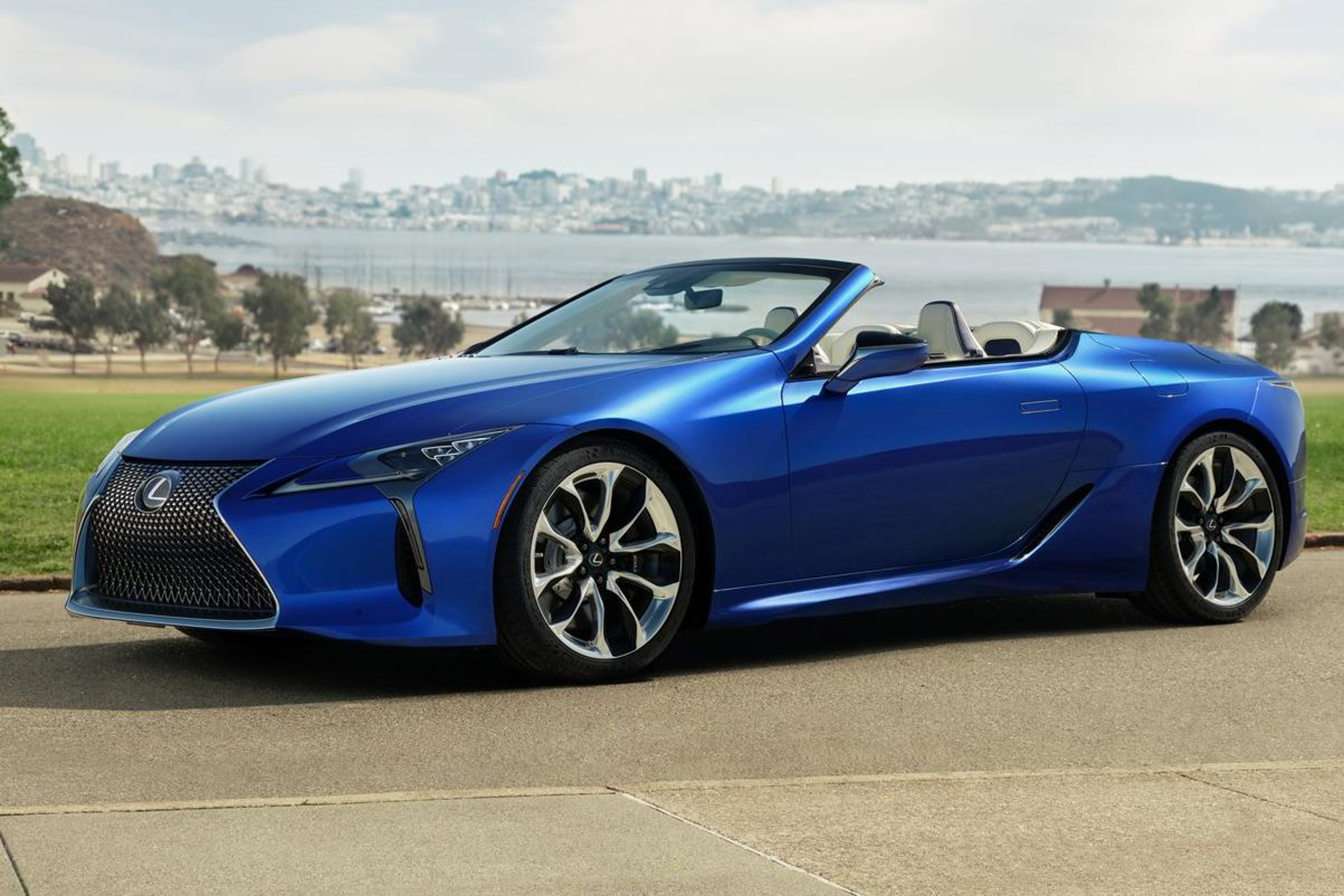
Cars With Similar Price And Features
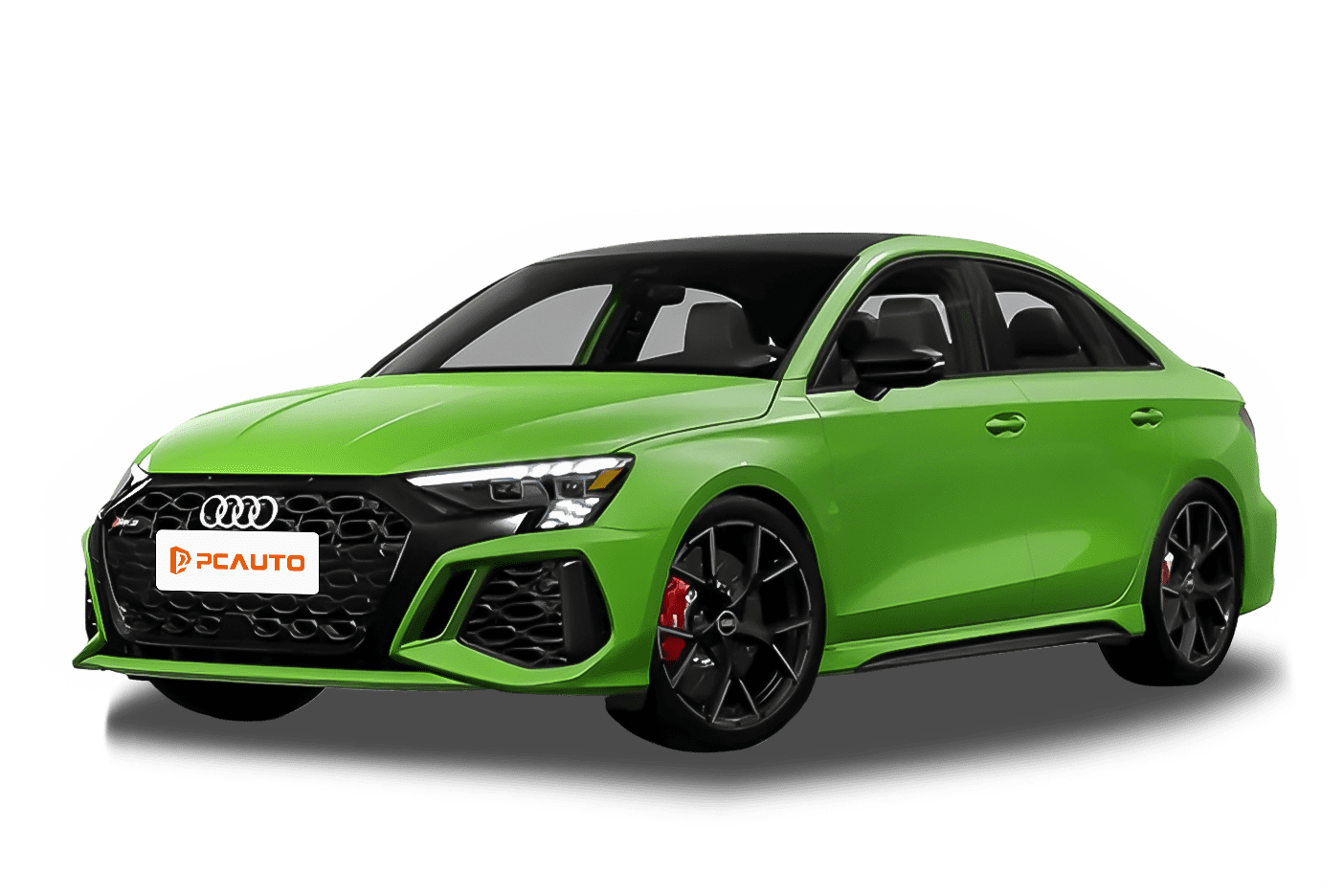
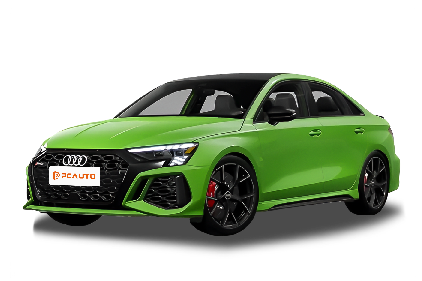
Audi RS3 Sportback is a luxurious and compact "pocket rocket" that balances 400PS five-cylinder performance, Quattro control, and practicality for family use, with a sporty design and a full sense of technology.

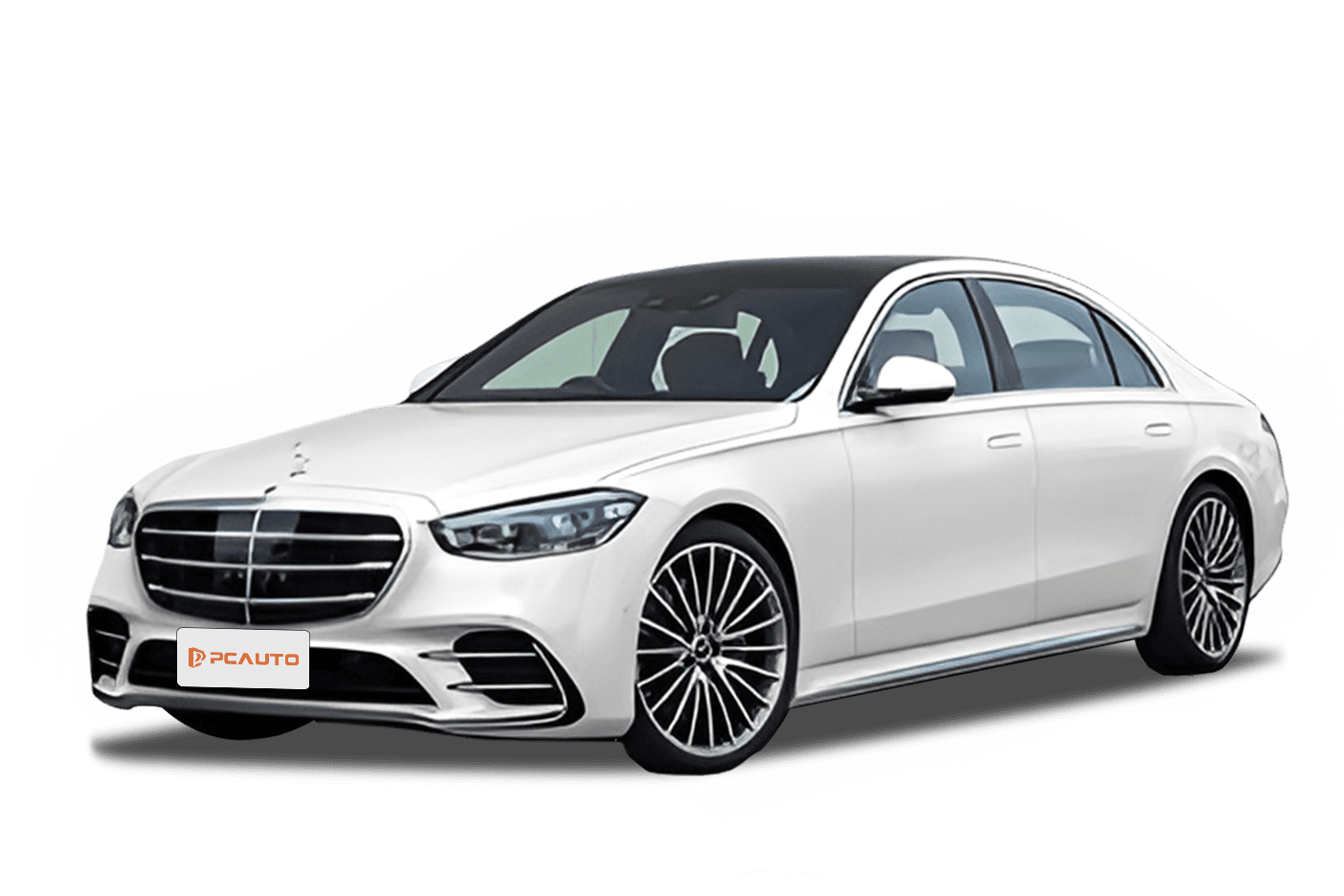
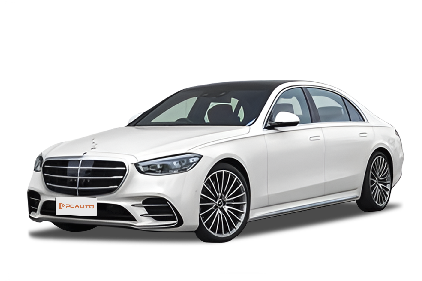
2022 Mercedes-Benz S-Class S 580 e, as the flagship plug-in hybrid model, offers a luxurious rear-seat experience with its extended wheelbase, a practical 100km pure electric range, and advanced intelligent features, balancing luxury and the practicality of new energy.

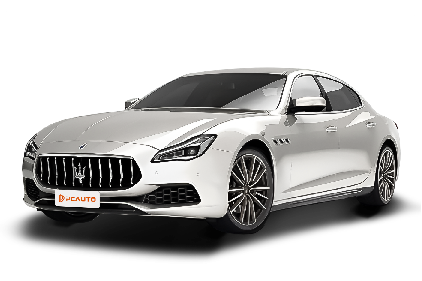
2019 Maserati Quattroporte GranSport is a luxury sedan that combines Italian sporty design with executive-level space. With a powerful 3.0T engine and precise handling, it balances the needs of passionate driving and business travel.
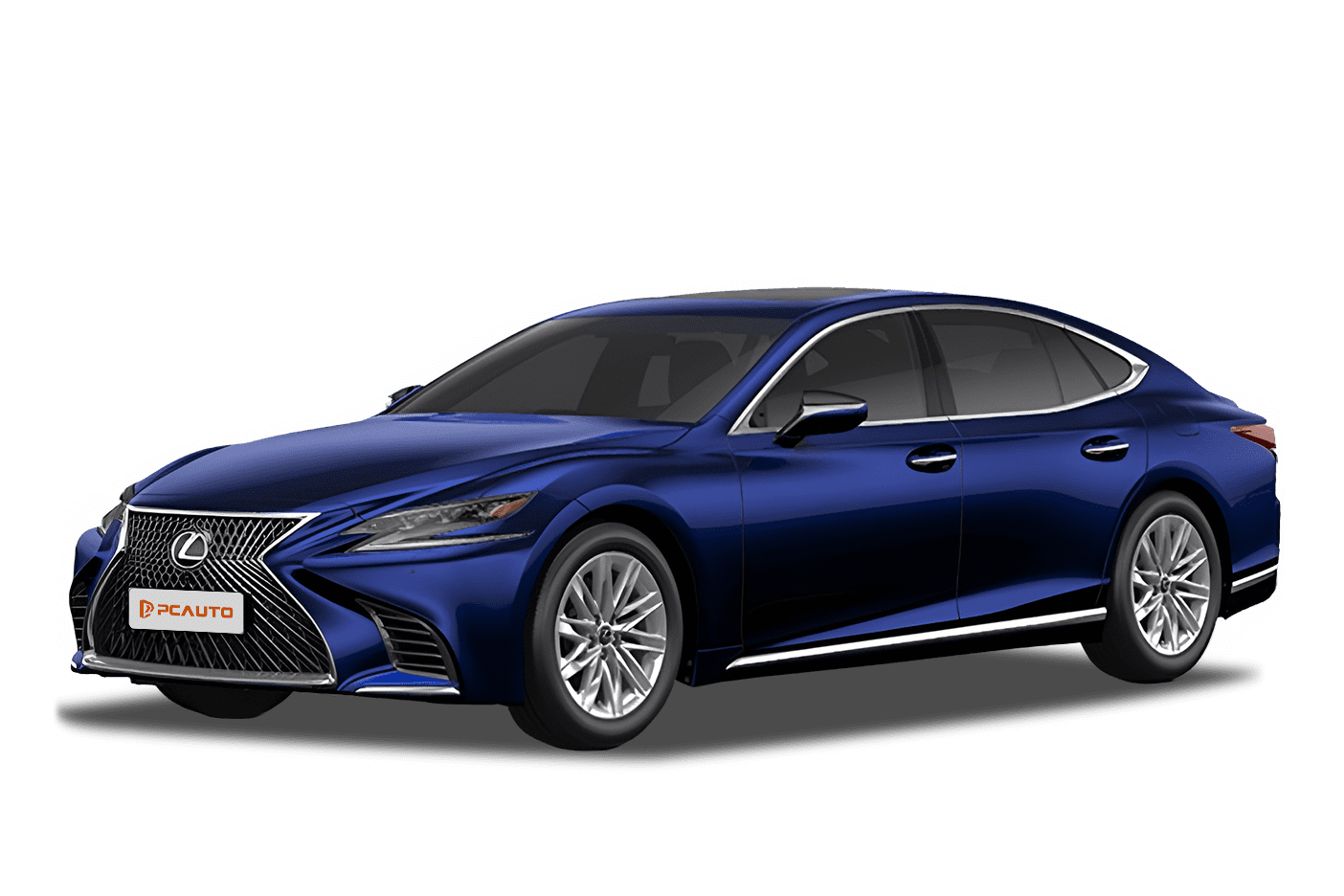
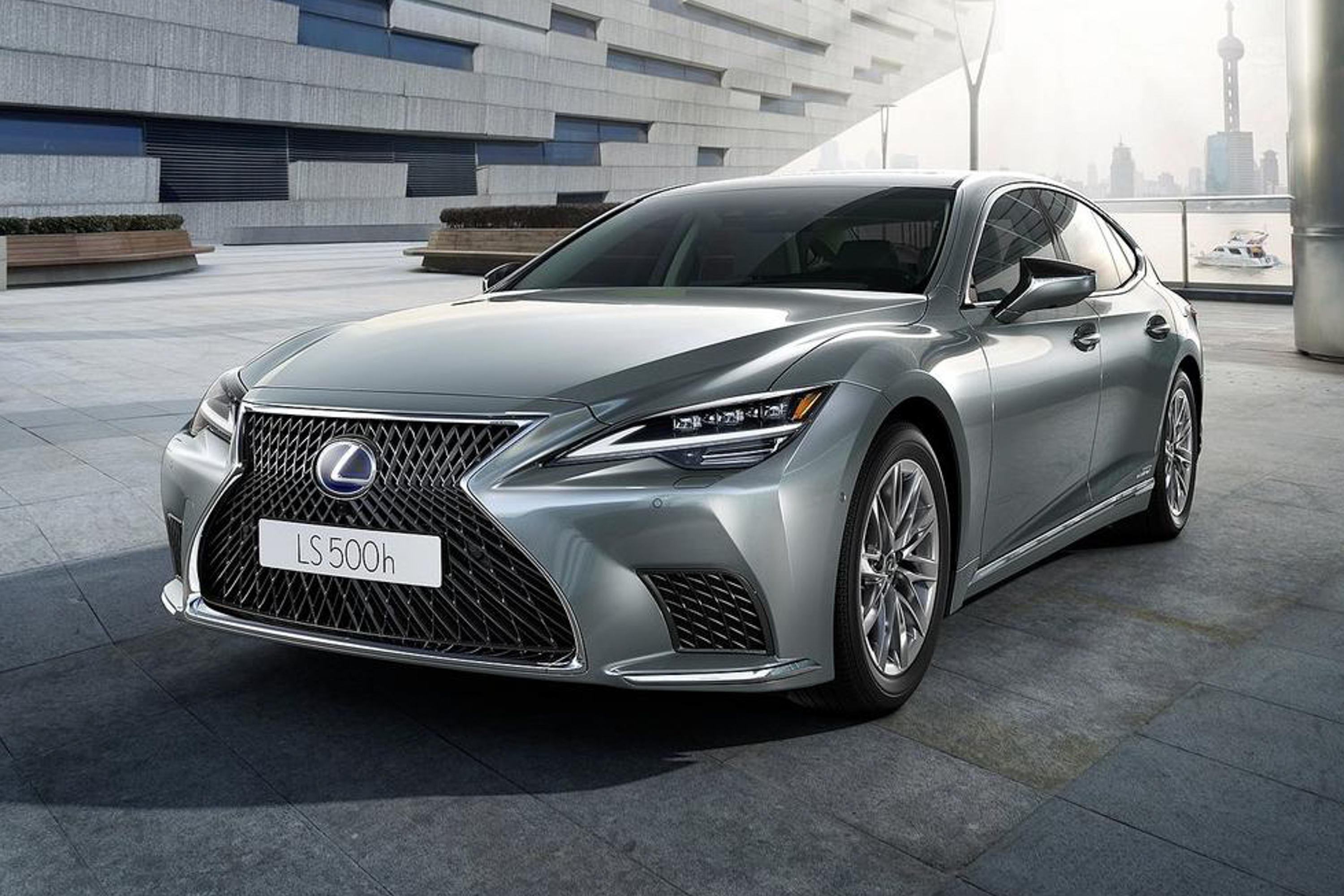
2021 Lexus LS 500 Luxury built with the concept of Oriental luxury, 28-way power-adjustable massage seats + 3.4T powerful performance, high cost-effectiveness competing with German counterparts.