2021 Porsche Taycan RWD Review

 Share
Share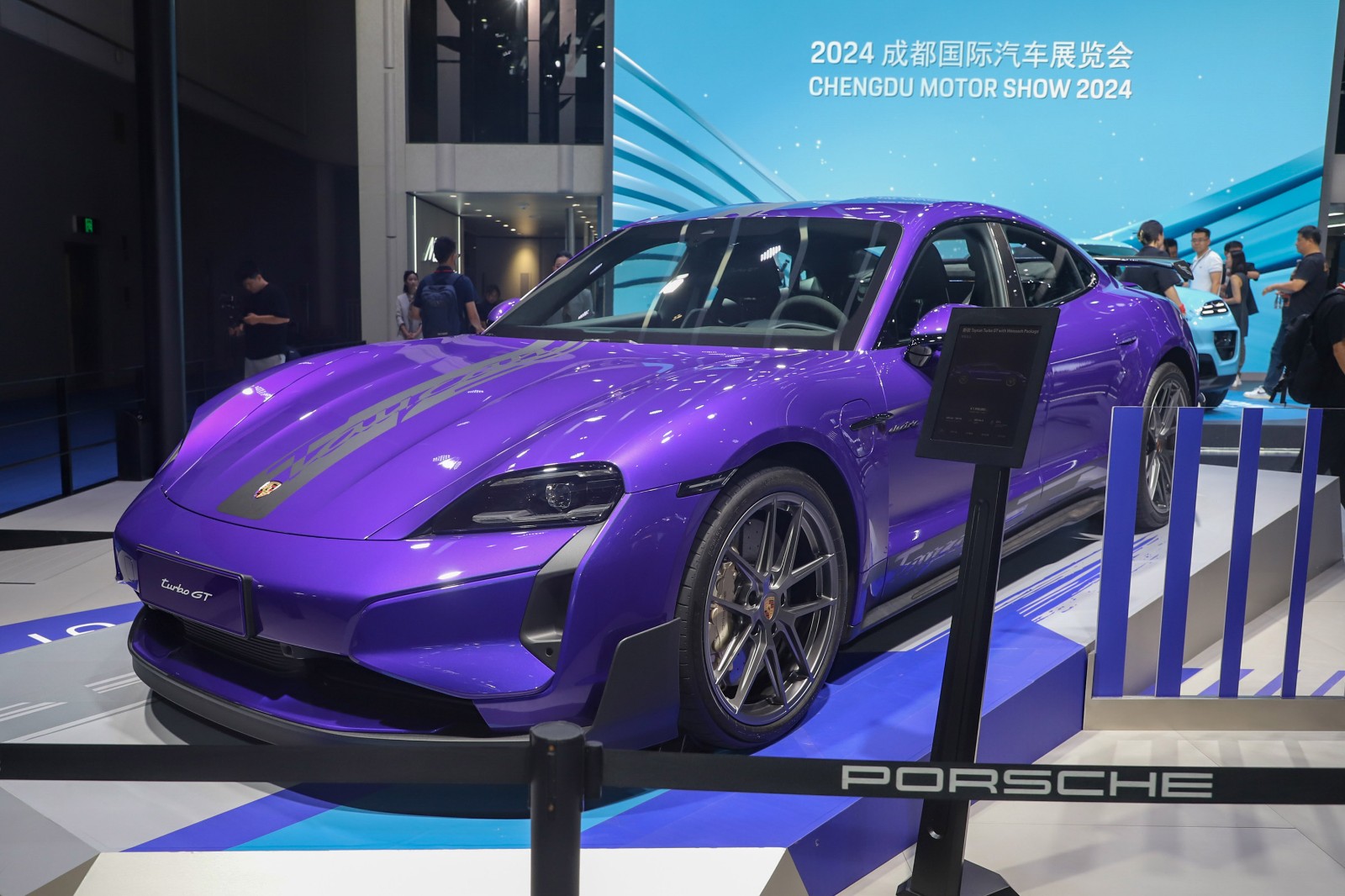
 Segment
 Body Type
 Motor Torque(Nm)
 EV Range(km)
 Battery Capacity(kWh)
 Driven Wheels
In recent years, competition in the luxury electric sedan market has been intensifying. Consumers not only seek identity recognition brought by brand perception but also value the technological features and daily practicality of electric vehicles. As Porsche's first all-electric model, the Taycan series initially launched with all-wheel-drive versions offering strong performance, but its relatively high price deterred some potential buyers. The arrival of the 2021 Taycan RWD has lowered the entry threshold with its rear-wheel-drive setup while retaining Porsche's signature sporty genes and luxurious quality. This makes us curious: can it strike a balance between "brand premium" and "practical value"? This test drive focuses on its exterior design, space practicality, dynamic driving experience, and range performance to provide a comprehensive reference for users interested in this model.
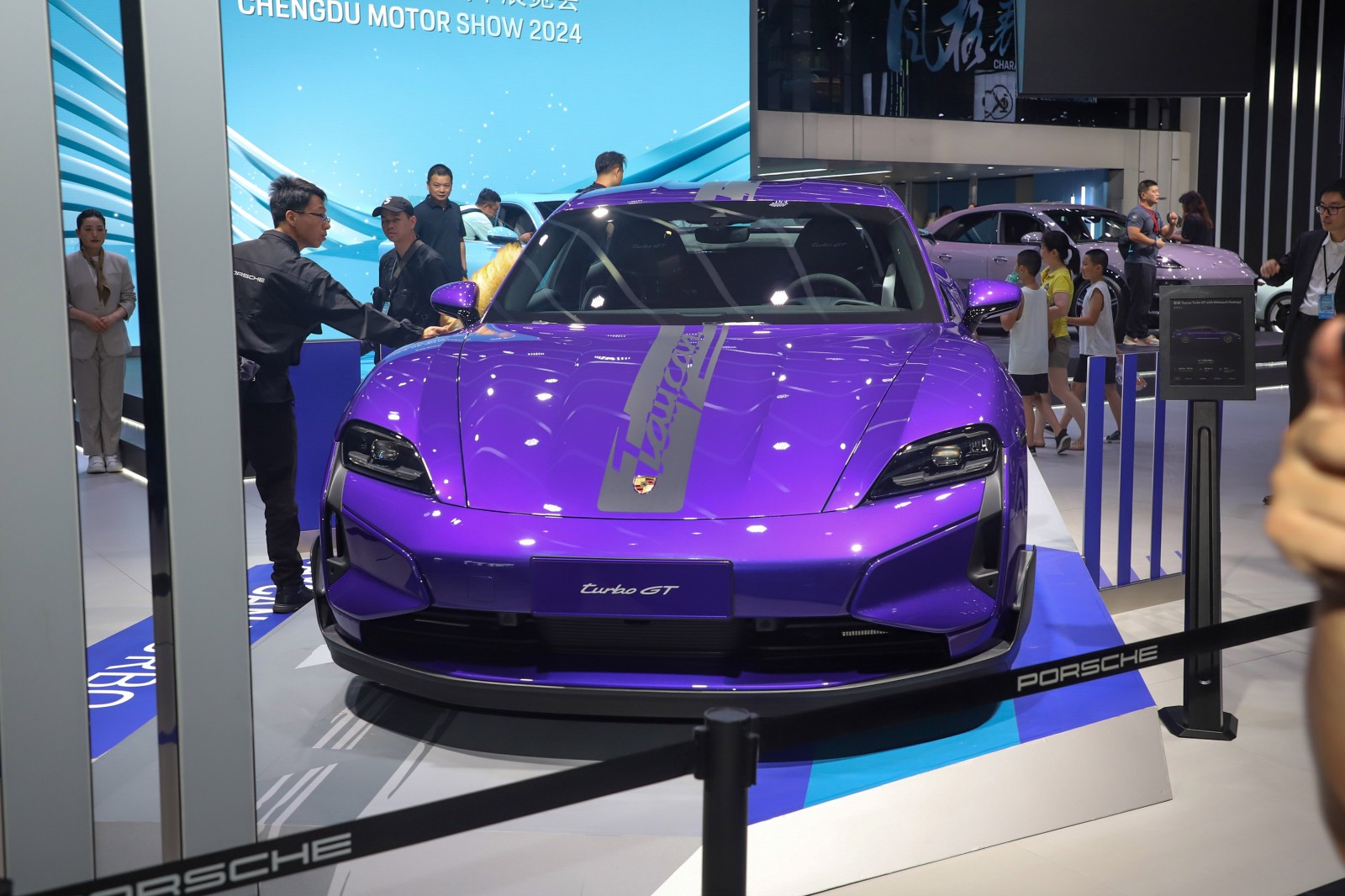
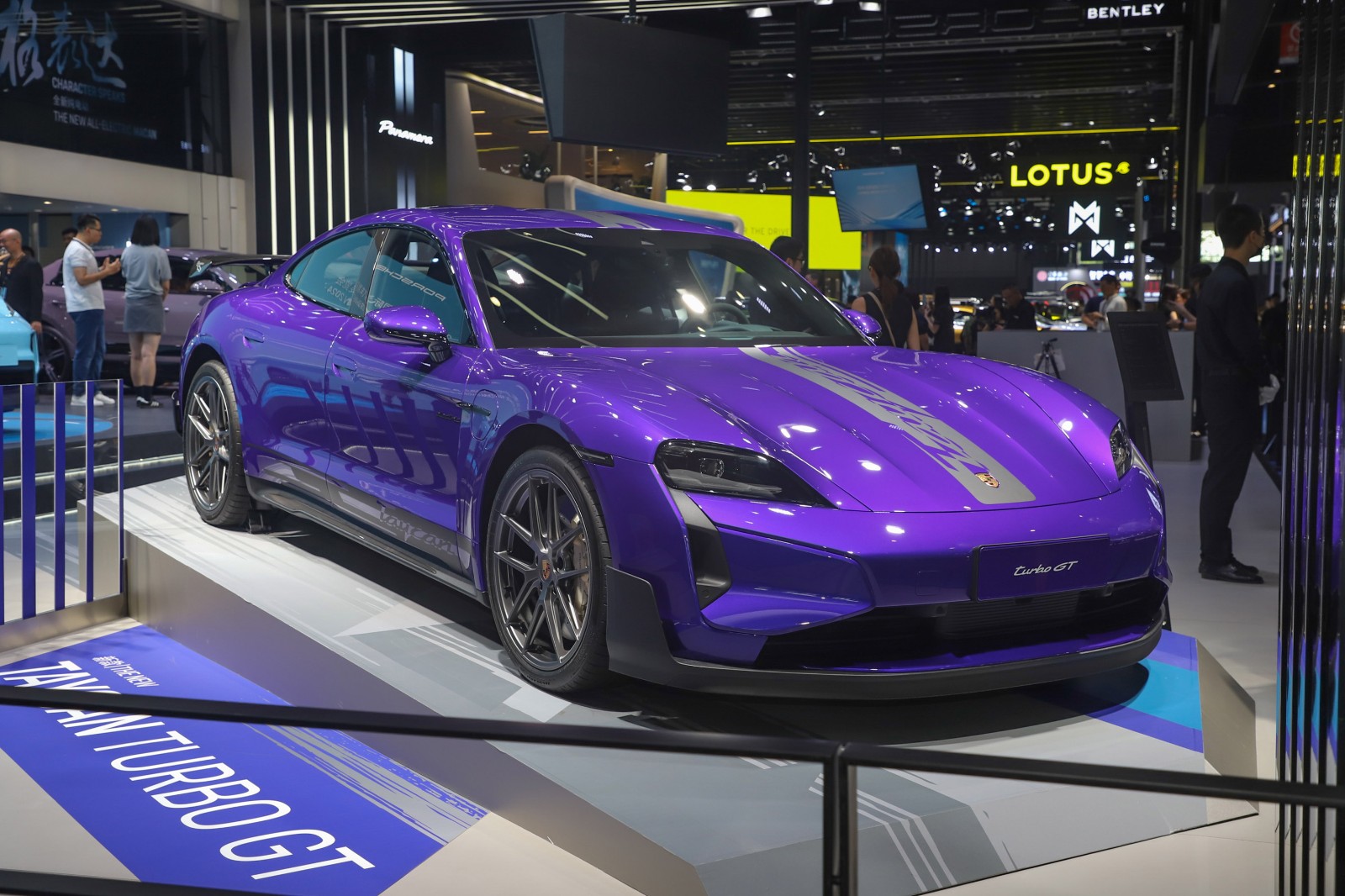
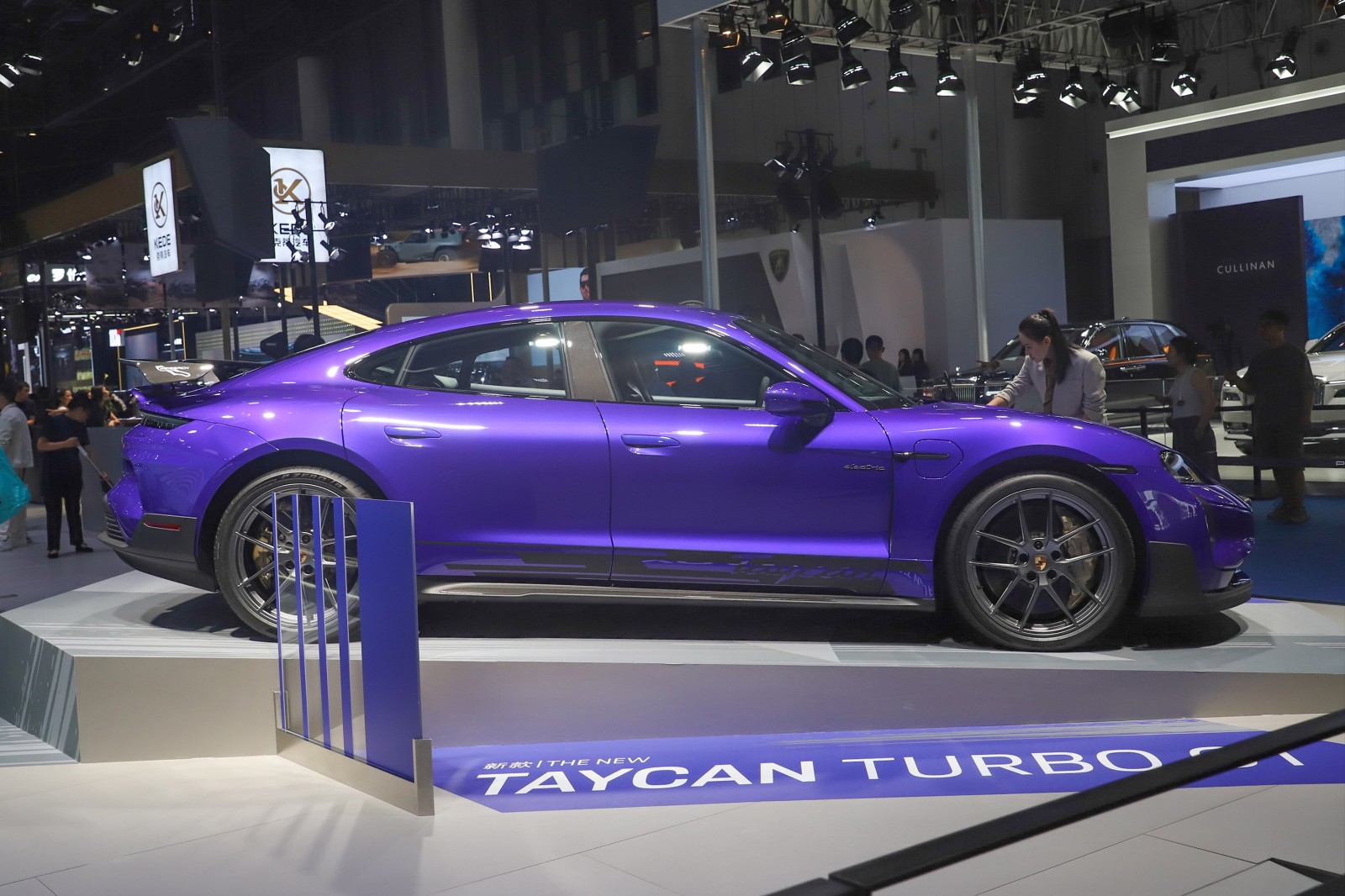
The first glance at the 2021 Taycan RWD easily captivates with its low and sleek coupe stance. The car measures 4,963mm in length, 1,966mm in width, 1,395mm in height, and has a wheelbase of 2,900mm. Despite being a standard mid-to-large sedan in size, its fastback roofline and short front overhang create a more compact and dynamic visual impression. The front end continues Porsche's signature design with a full-width LED daytime running light connecting the matrix LED headlights on both sides, which are highly recognizable when illuminated. The black honeycomb design of the air intake below the front bumper not only optimizes aerodynamics but also enhances the sporty appearance. The side profile features a waistline extending from the front fender to the rear, complemented by 20-inch multi-spoke alloy wheels (front tires 245/45 R20, rear tires 285/40 R20), further emphasizing the rear-wheel-drive character. The flush door handles automatically pop out when unlocked, improving both the technological feel and reducing wind resistance. The rear design is relatively simple, with the full-width LED taillight echoing the front design. The small ducktail spoiler on the trunk lid automatically rises at high speeds to provide extra downforce for the body. Overall, the Taycan RWD's exterior retains Porsche's sporty essence while conveying a sense of cutting-edge technology through its unique electric vehicle details.
Inside the car, the interior layout of the Taycan RWD differs significantly from the brand's fuel-powered models but continues to combine luxury with sportiness. The dashboard adopts a driver-centric design, with three touchscreens (a 10.9-inch central display, a passenger display, and a climate control screen) replacing traditional physical buttons. The operating logic is intuitive, and the screen responses are smooth. The interior materials mainly consist of genuine leather and Alcantara, complemented by metallic trims, providing a refined tactile experience wherever you touch. The seats feature a sporty bucket design with excellent lateral support, and the front seats offer multi-directional electric adjustments and heating functions, ensuring comfort during long drives. In terms of space, the front headroom provides about a fist's worth of clearance for passengers up to 180cm in height due to the lower roofline; the rear legroom benefits from the 2,900mm wheelbase and gives about two fists of space for passengers with the same height, but the rear headroom only leaves a three-finger clearance, making it unsuitable for tall passengers over extended periods. For storage, the front trunk offers approximately 81L of capacity, enough for a small carry-on suitcase, while the rear trunk provides a standard capacity of 407L, which can be expanded to 1,171L by folding down the rear seats, meeting storage needs for daily commutes or short trips. Additionally, the rear seat area is equipped with independent air conditioning vents and USB-C charging ports, ensuring practicality in the details.
After starting the vehicle, the power response of the Taycan RWD is impressive. Its rear-wheel-drive motor delivers a maximum horsepower of 408PS and a peak torque of 345N·m. The official 0-100km/h acceleration time is 5.4 seconds — slightly slower compared to the all-wheel-drive version, but still plentiful for everyday driving. Engaging the D gear and gently stepping on the accelerator, the torque from the motor is instantly released, making for a very brisk start. Even during mid-to-high-speed acceleration, when driving over 100km/h and pressing the accelerator pedal further, you can still feel a continuous thrust, providing plenty of confidence for overtaking. The driving modes include Normal, Sport, Sport Plus, and Range. In Normal mode, the power output is smooth and suitable for city commuting. In Sport mode, throttle response becomes more sensitive and the steering feels heavier. Sport Plus mode disables certain electronic assists, further unleashing the vehicle’s handling capabilities.
As for the chassis, the front and rear of the Taycan RWD are equipped with air suspension, which can automatically adjust height and stiffness based on the driving mode or road conditions. On urban roads, the suspension filters out most minor bumps, and the impact when crossing speed bumps is softened, balancing comfort and smoothness. On mountain roads, switching to Sport mode automatically lowers the suspension by 20mm, effectively reducing body roll. Combined with the precise steering feel (minimal play and clear feedback), the cornering performance showcases excellent rear-wheel tracking, living up to Porsche's sporty reputation. The braking system uses ventilated disc brakes at the front and rear with linear and powerful braking response. During emergency braking, the vehicle maintains a stable posture with no significant nosedive.
Range and energy consumption are the primary concerns for electric vehicle users. The Taycan RWD is equipped with a 79.2kWh battery pack, with an official pure electric range of 430km. In our test drive across urban roads (approximately 60% congested and 40% clear) and highways (with a cruising speed of about 120km/h), driving 100km in each condition while the air conditioning was set to 24℃, the actual range efficiency reached approximately 85%, with an energy consumption of about 22kWh per 100km. Considering the vehicle's weight of 2050kg, this performance is fairly average. The battery is covered under an 8-year/160,000-kilometer warranty, which effectively reduces long-term ownership concerns for customers.
In terms of driving comfort, the Taycan RWD performs commendably. Its sound insulation is well-executed, keeping wind and tire noise adequately controlled during highway driving and allowing easy in-car conversations. The energy recovery system offers three adjustable levels; in the highest setting, the deceleration feel upon releasing the accelerator is similar to the engine braking of a combustion vehicle. Once accustomed to it, single-pedal driving is largely achievable. The rear seats are relatively softer compared to the front, but due to the sloping roofline, headroom in the rear is limited, which might make long journeys slightly less comfortable.
Overall, the core advantages of the 2021 Taycan RWD are clear. Firstly, it retains Porsche's iconic sporty character, with the rear-wheel-drive layout providing a purer driving pleasure, and the air suspension balancing both handling and comfort. Secondly, its luxurious feel and technological features are on point, with high-quality interior materials and responsive touchscreen controls meeting consumer expectations for a premium electric car. Lastly, the rear-wheel-drive version lowers the price threshold, making it more accessible for more consumers to experience Porsche's pure electric models. However, it’s worth noting that the rear headroom is limited, making it more suitable for scenarios prioritizing front passengers. Additionally, while the range performance isn’t particularly outstanding, it is sufficient for daily commutes or short trips.
Compared to vehicles in the same class, the Taycan RWD has a significantly higher brand appeal than the Tesla Model S, and its sporty handling more closely aligns with the positioning of a "driver's car." Although its range performance is slightly inferior to some competitors, Porsche's chassis tuning and build quality are its core strengths. This car is more suitable for two types of users: young consumers seeking brand identity and sporty driving experiences, and luxury car owners requiring a vehicle that balances business commuting with weekend road trips.
In summary, the 2021 Taycan RWD is not an "all-encompassing" electric sedan, but it accurately addresses the core needs of its target audience—providing consumers with access to Porsche's brand premium and sporty DNA at a lower threshold, while meeting basic everyday practicality. If you don't prioritize extreme range and value driving pleasure and luxury quality, then it is a choice worth considering.