

2022 Mercedes-Benz EQS SUV Upcoming Review

 Share
Share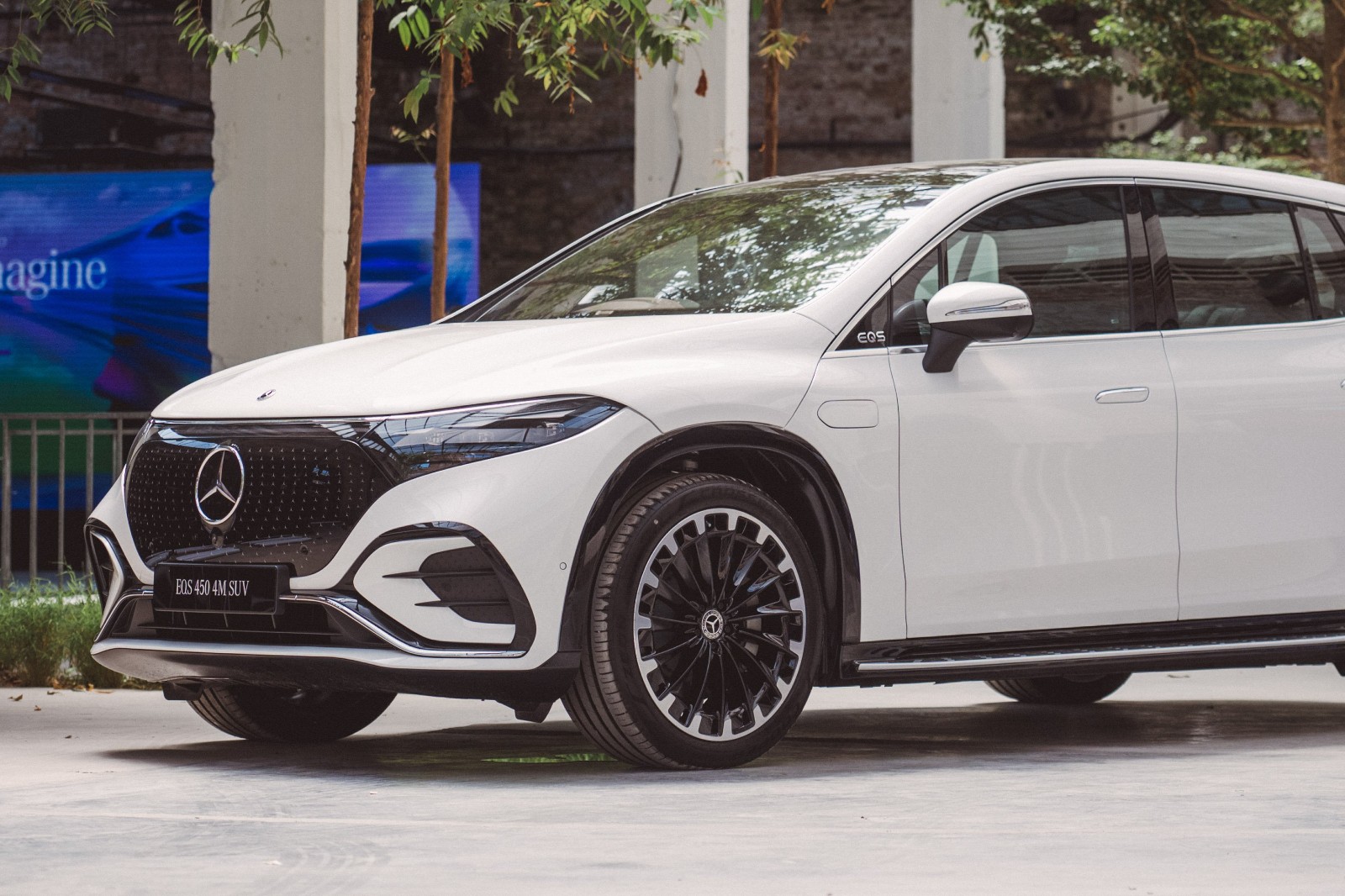
 Segment
 Body Type
 Motor Output(kW)
 Motor Torque(Nm)
 EV Range(km)
 Battery Capacity(kWh)
The luxury executive SUV segment of the electric vehicle market is rapidly expanding, with consumers' demands for spacious interiors, long range, and high-end features continuously rising. As the flagship SUV of the Mercedes-Benz all-electric family, the upcoming 2022 EQS SUV has garnered much anticipation — it not only continues the technological genes of the EQS sedan, but also incorporates the practicality and spatial advantages of an SUV. Can it establish a firm foothold in this highly competitive market? The core aim of this test is to comprehensively evaluate the real capabilities of this all-electric flagship SUV, from static design and spatial performance to dynamic driving experience.
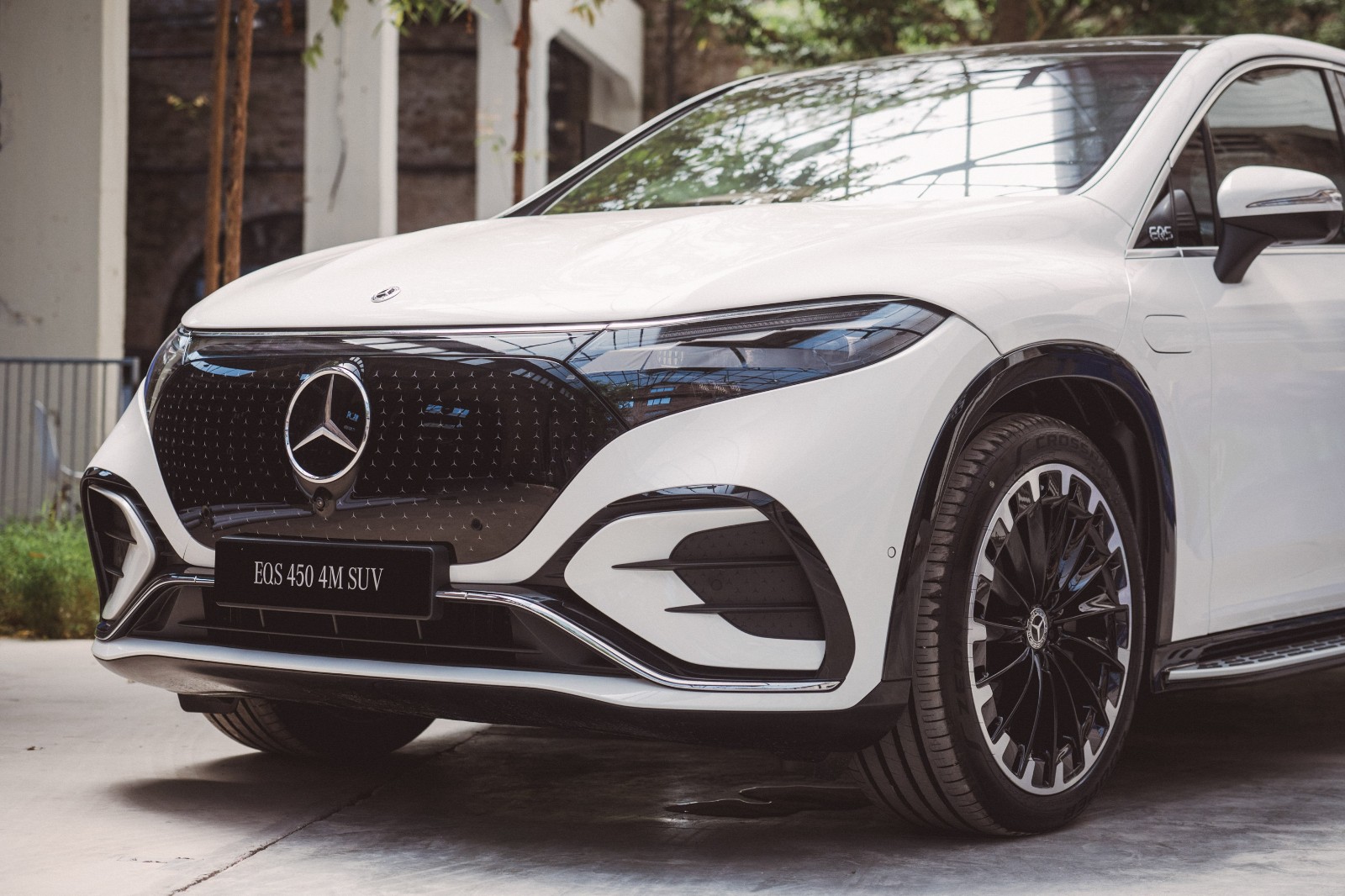
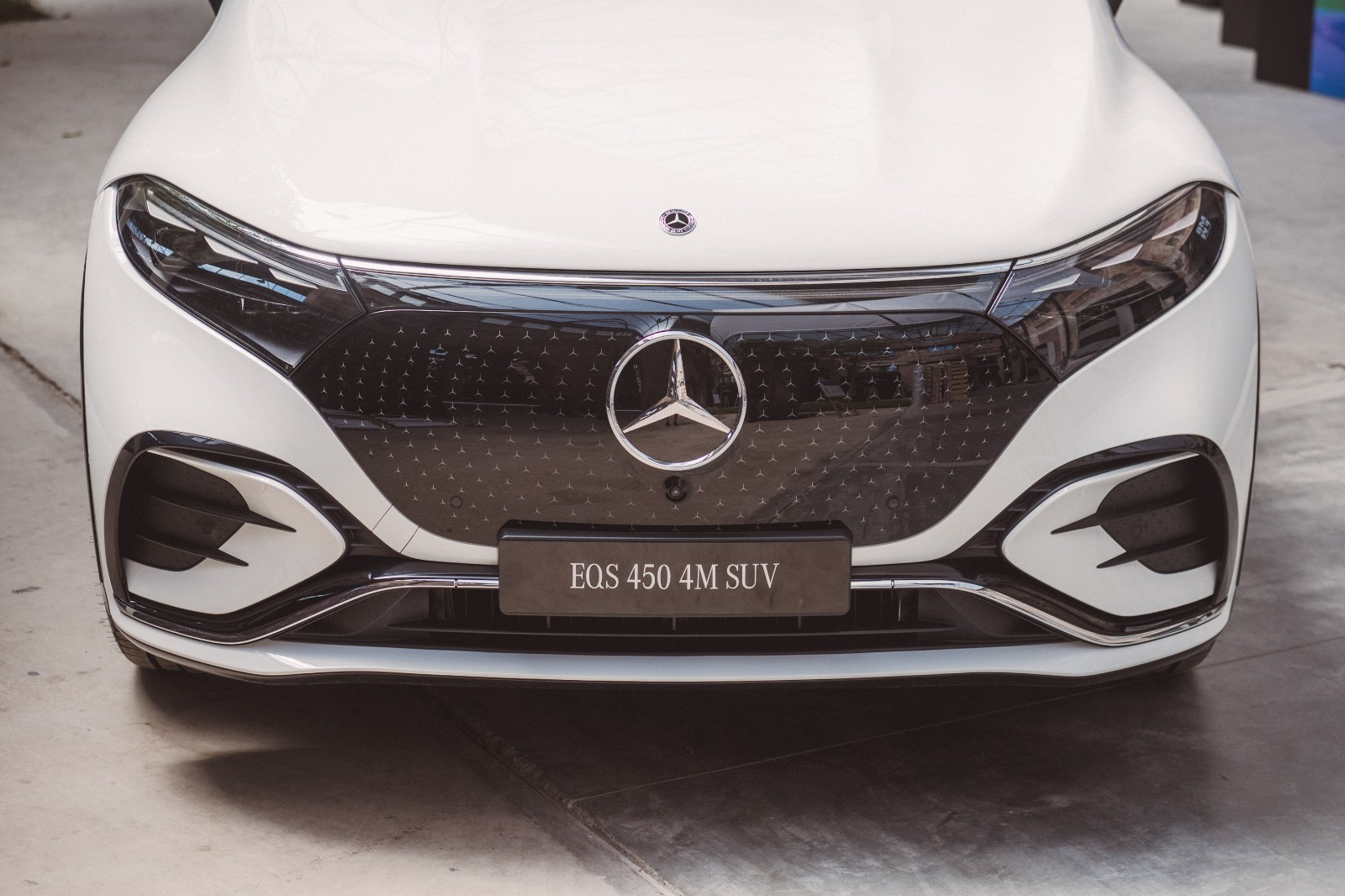
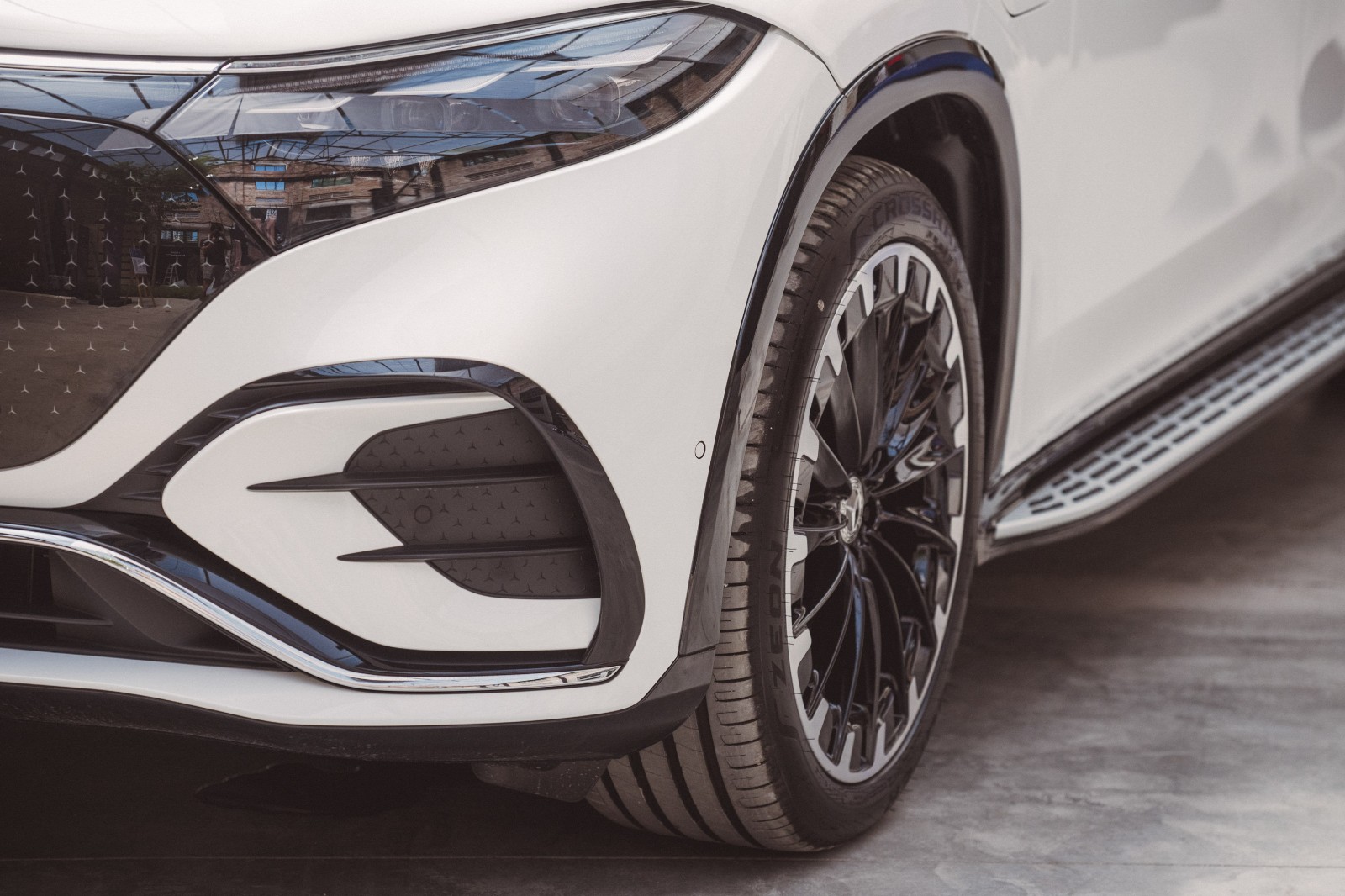
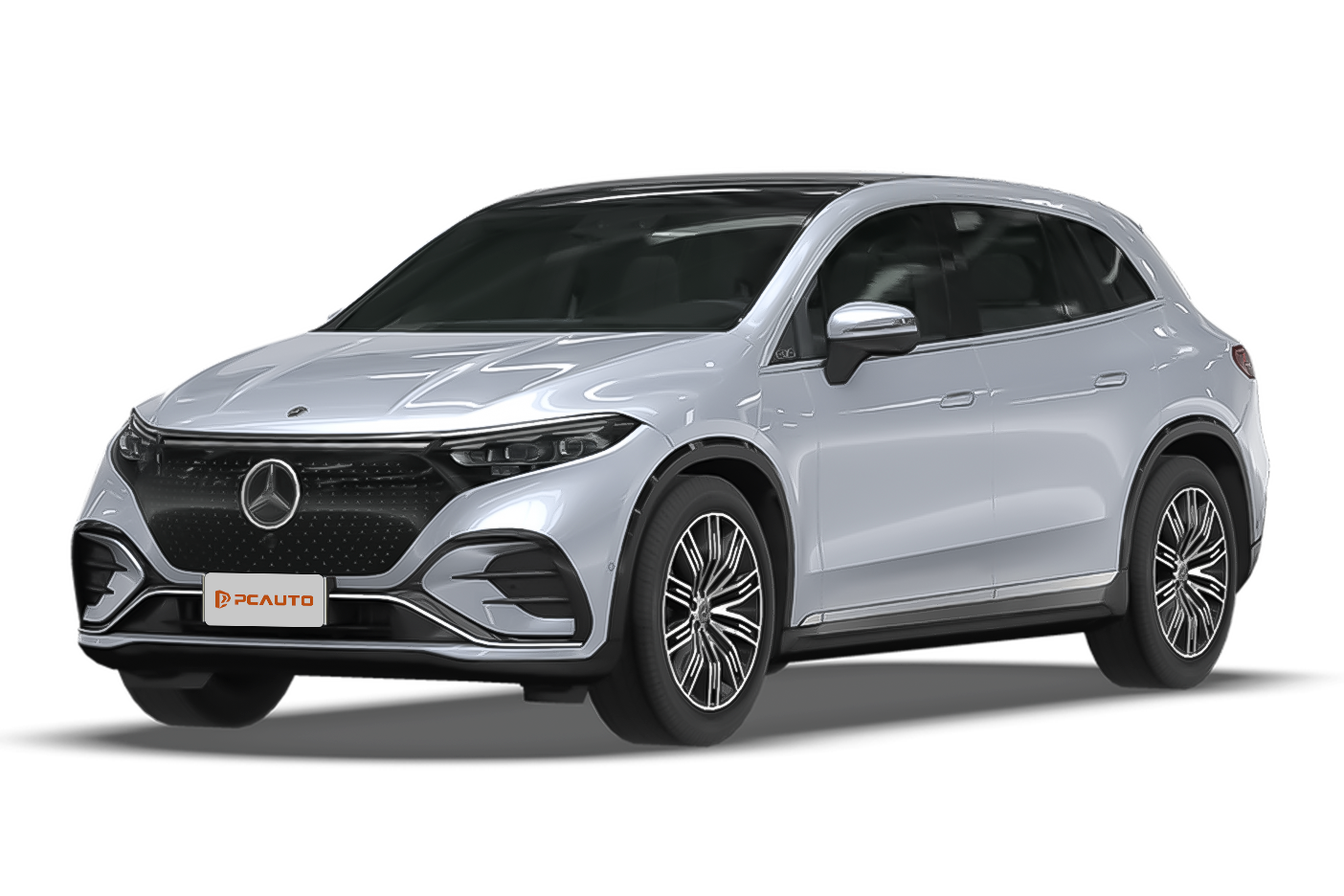
From the exterior, the 2022 EQS SUV maintains Mercedes-Benz's family design language for electric vehicles, with an overall style that is sleek and smooth, boasting a drag coefficient of just 0.26, which stands out among SUVs of the same class. The front adopts a closed grille design, paired with an illuminated three-pointed star emblem and a continuous LED daytime running light, giving it a highly recognizable look. The headlamp group features a digital lighting system that supports adaptive adjustment, automatically switching beam patterns according to road conditions. The side profile of the body showcases lines that extend from the A-pillar to the D-pillar, departing from the segmented beltlines typical of traditional fuel vehicles and replaced by smooth surface transitions. Hidden door handles and 21-inch aerodynamic wheels further enhance its electric attributes. At the rear, a continuous LED taillight echoes the design of the front, with a dot-matrix light source inside the taillight creating a strong sense of technology when illuminated. The diffuser design at the bottom of the rear bumper adds a touch of sportiness.
Inside the vehicle, the EQS SUV's interior continues the luxurious and technological feel of the EQS sedan. The dashboard is dominated by a 141 cm MBUX Hyperscreen, encompassing a fully digital instrument cluster, a central touchscreen, and a passenger entertainment screen, with seamless integration among the three displays. The operation fluidity and display clarity are top-notch in its class. Interior materials include Nappa leather, natural grain wood trim, and metal chrome accents; soft-touch materials cover all touchpoints, providing a solid texture. The air conditioning vents adopt a hidden design, blending seamlessly with the piano lacquer panel below the center screen for a simple yet sophisticated look. In terms of features, the SUV comes standard with multi-zone automatic climate control, a head-up display (HUD), wireless charging pad, and a Burmester 3D surround sound system. The seats support electric adjustment, heating, and ventilation functions, while the rear seats can adjust their angle, ensuring comfort for long journeys.
Regarding spatial performance, the EQS SUV's dimensions are 5125mm×1959mm×1718mm, with a wheelbase of 3210mm, placing it in the mid-to-large SUV category. The front-row seating space is spacious, with a passenger of 180 cm height having two fists of headroom after adjusting the seat appropriately. Rear legroom exceeds three fists, and headroom is about one fist, ensuring that even when three people are seated, it does not feel cramped. In terms of storage capacity, the front central armrest compartment is relatively large, capable of holding two phones and small items, and the door panel storage slots can accommodate bottled water. The trunk offers a standard capacity of 645L, which can be expanded to 2100L by folding down the rear seats—sufficient for long family trips or transporting large items. Additionally, the rear row is equipped with independent air conditioning vents, USB-C charging ports, and a 220V power outlet, with thoughtful attention to detail.
In terms of the power system, the tested model is the EQS 580 4MATIC version, equipped with dual front and rear electric motors, with a combined maximum power of 385kW and peak torque of 855N·m. It accelerates from 0-100km/h in 4.6 seconds. During actual driving, the power response is quick in the starting phase, providing an obvious push-back feeling with light accelerator input; mid-to-late stage acceleration is equally powerful, with power continuously output by pressing the pedal harder, even at high speeds, without any sense of power lag. Four driving modes are available: Eco, Comfort, Sport, and Individual. In Eco mode, the power output appears relatively smooth, making it suitable for daily commuting; in Sport mode, the suspension becomes firmer, the steering gains weight, and driving becomes more enjoyable.
In terms of handling and chassis performance, the EQS SUV is equipped with an adaptive air suspension and a rear-wheel steering system, with a maximum rear-wheel steering angle of 10 degrees. During daily driving, the suspension absorbs most road surface bumps, and when passing speed bumps or rough roads, the body sway is minimal, ensuring good comfort; when entering corners, the suspension provides sufficient support, the body roll is minimal, and with the rear-wheel steering system, the turning radius is smaller than that of vehicles in the same class, and the maneuverability exceeds expectations. The braking system performs reliably, the brake pedal feels linear, and during emergency braking, the car's posture remains stable, with a 100km braking distance of around 36 meters, aligning with the positioning of a flagship SUV.
In terms of range, the EQS SUV is equipped with a 107.8kWh ternary lithium battery pack with a CLTC range of 660km. In this test, the vehicle was driven half the distance in urban roads and half on highways, with air conditioning and audio system running throughout. The final actual range was approximately 590km, achieving a range completion rate of nearly 89%, which is excellent. Regarding charging efficiency, it supports a maximum 200kW DC fast charge, taking only 31 minutes to charge from 10% to 80%; home AC slow charging requires about 11 hours to fully charge, making it more suitable for overnight charging.
When it comes to driving comfort, the NVH control of the EQS SUV is outstanding. At low speeds, almost no motor noise is heard in the cabin; at high speeds, wind and tire noise are kept to low levels and can be further masked by activating the Burmester sound system. The energy recovery system provides three adjustable levels, and at the highest level, releasing the accelerator pedal produces a noticeable deceleration effect, close to a one-pedal driving mode; the lowest level simulates the coasting experience of fuel vehicles, catering to users with different driving habits. The seats offer good wrap-around support, ensuring comfort even during long drives, and the angle adjustment feature in the rear seats allows passengers to find the most comfortable seating position.
In summary, the core strengths of the 2022 Mercedes-Benz EQS SUV lie in its luxurious interior with a high-tech ambiance, spacious interior performance, and strong power and range capabilities. Compared to competitors like the BMW iX and Audi e-tron GT, the EQS SUV offers larger screen sizes, superior interior quality, and more competitive space and range. Although the price may be slightly higher, the richness of its configurations makes up for this difference. This vehicle is suitable for families who value luxury, comfort, and technological features, or successful individuals who need to balance business and family use — it offers both the convenience of daily commuting and the capability for long-distance travel, delivering well-rounded performance.
Overall, as the flagship SUV of the Mercedes-Benz pure electric family, the EQS SUV demonstrates the level of a flagship model in design, technology, space, and performance. If you are looking for luxurious technology and comprehensive practicality, while having high expectations for the range and power of an electric vehicle, then the EQS SUV would be a good choice.
Mercedes-Benz EQS SUV Car Compare
More Mercedes-Benz Reviews
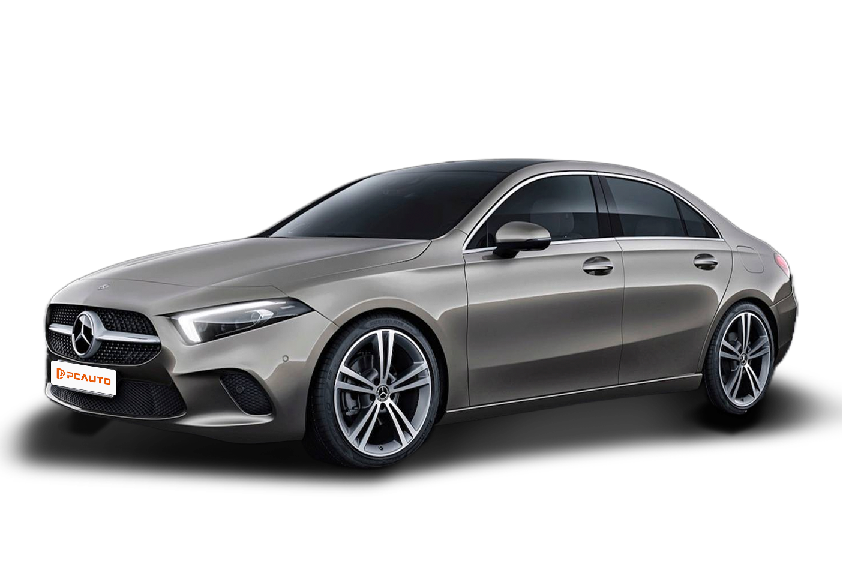
Cars With Similar Price And Features

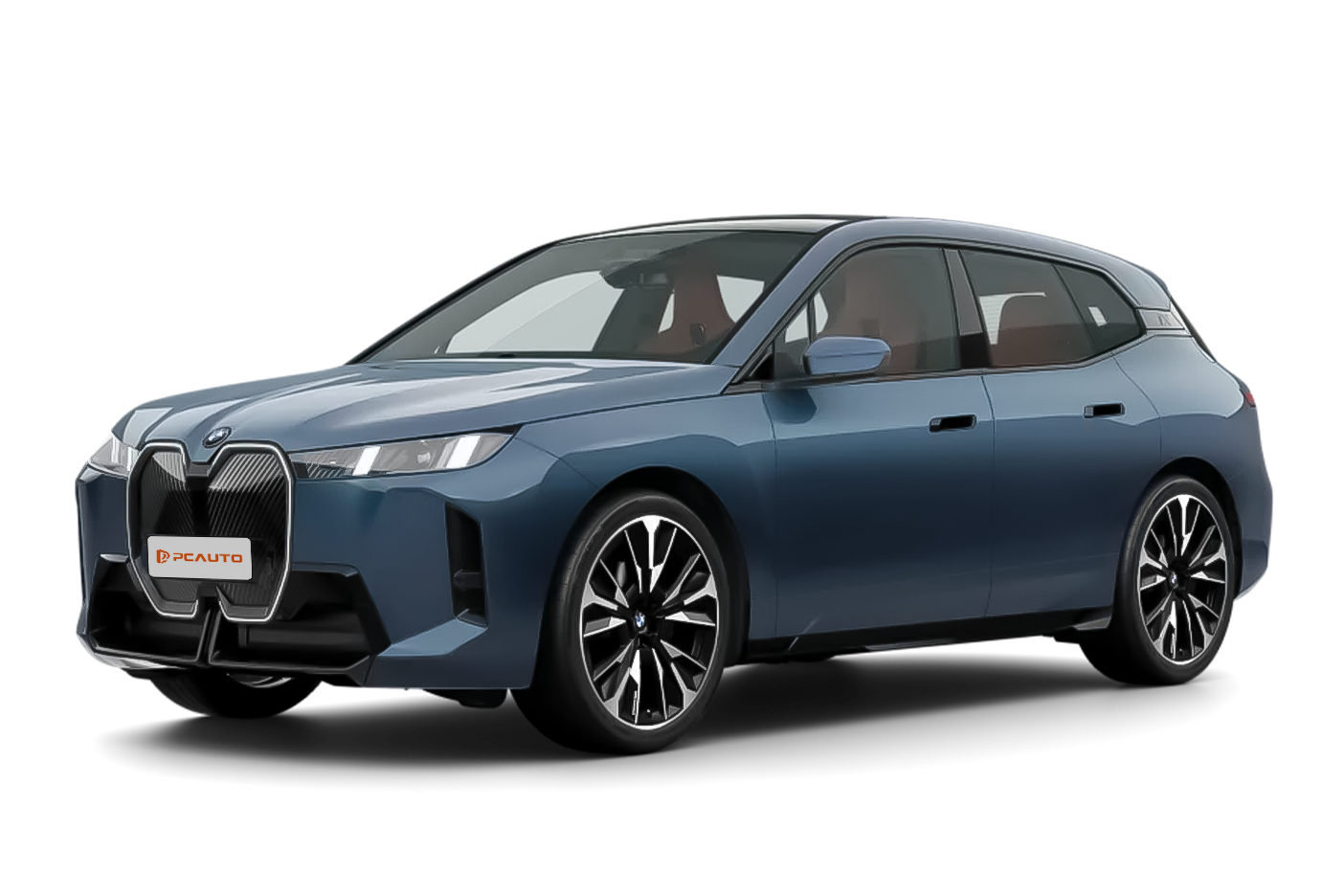
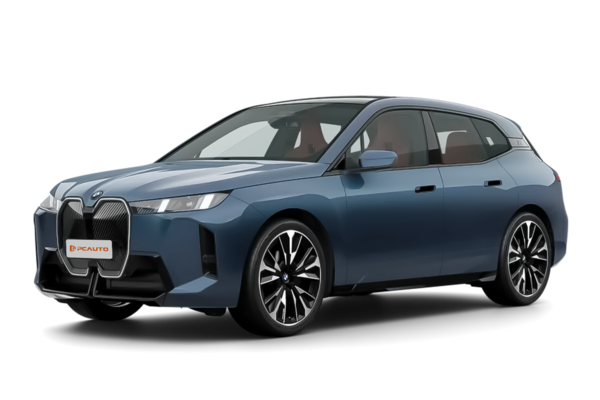
The 2025 BMW iX xDrive45 Sport is an Executive-class pure electric SUV that balances a 602km long range, signature driving dynamics, and luxurious intelligent features.
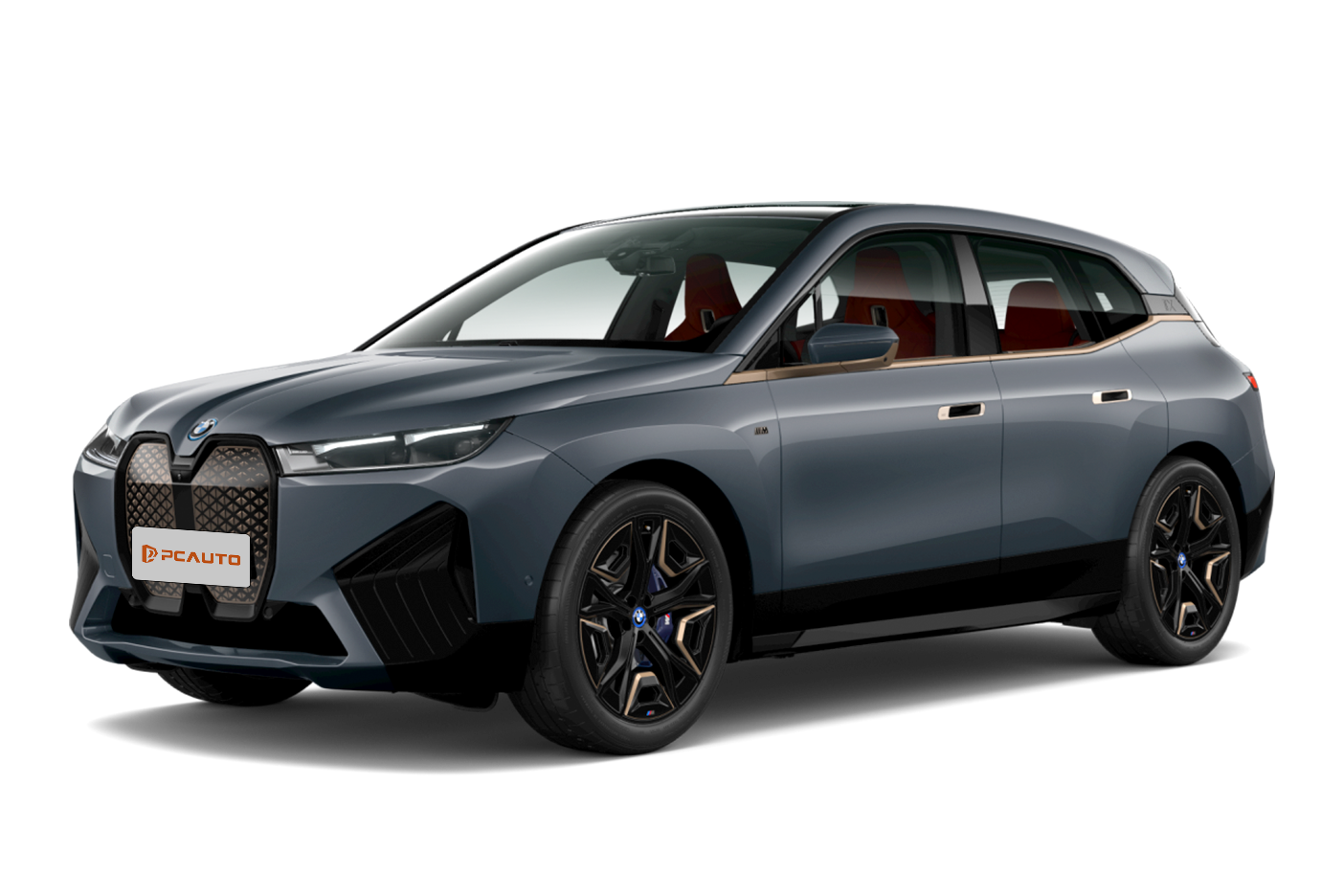
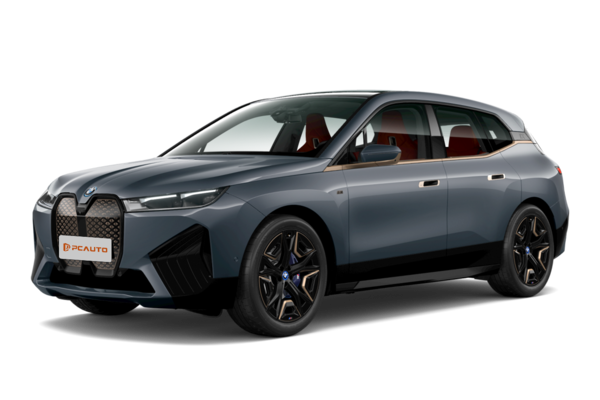
BMW iX M60 2024, as a high-end executive-level pure electric SUV, combines ultimate performance and luxurious experience with dual motors delivering 619 horsepower, 1110N·m torque, and a 561km range.
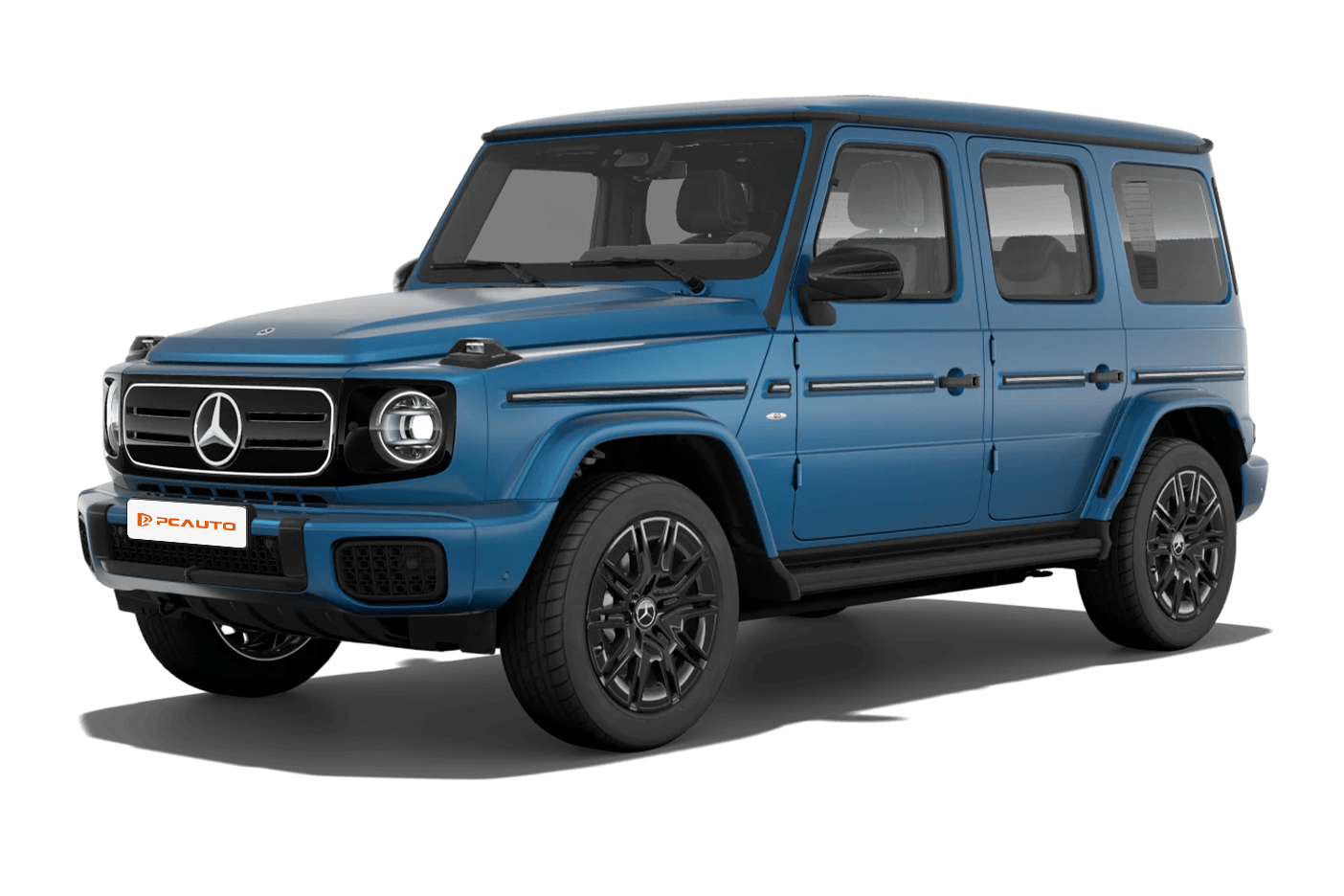
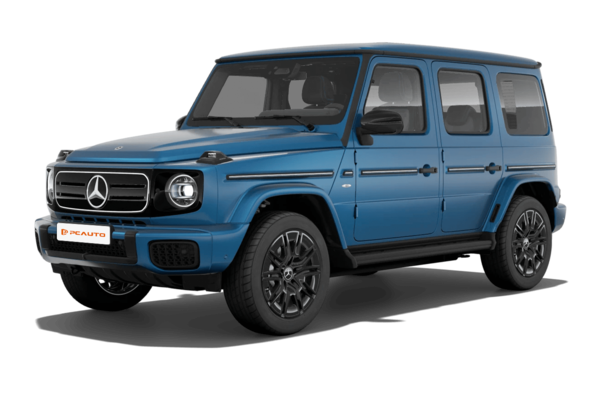
2025 Mercedes-Benz G-Class G580 is a luxury electric hardcore SUV that inherits the classic boxy design, equipped with a dual motor delivering 590 horsepower, combining 590 hp performance and a 473 km range.