

2023 Honda WR-V 1.5 E Review

 Share
Share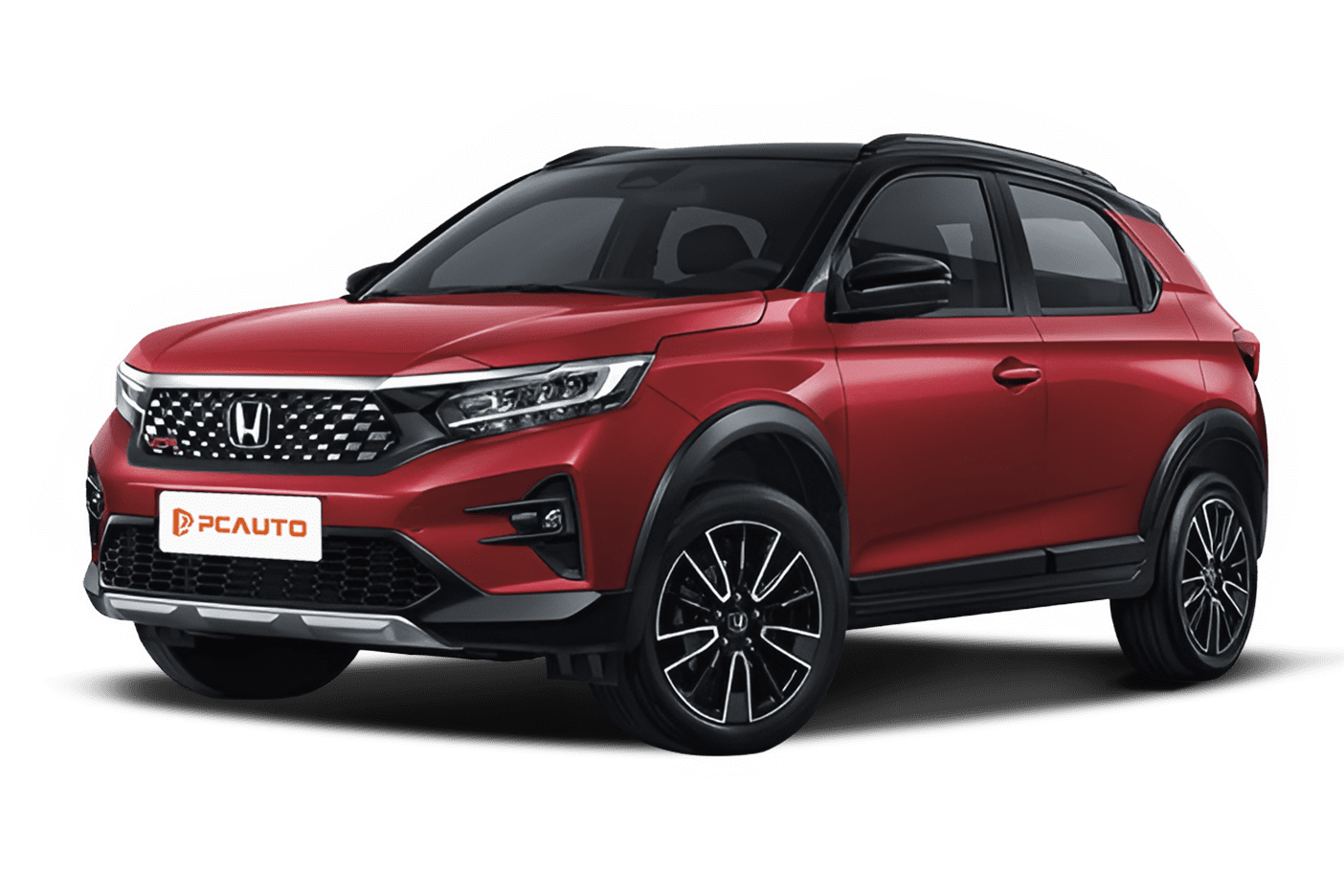
 Segment
 Body Type
 Capacity(L)
 Engine Power(PS)
 Transmission
 Driven Wheels
In Malaysia's A-segment SUV market, consumer demand for "balance and practicality" has never waned—they want a vehicle that is agile enough for urban commuting, offers adequate cargo space for daily needs, and doesn't compromise on features. The 2023 Honda WR-V 1.5 E is aimed precisely at meeting this demand, with a clear core selling point: a price under 100,000 MYR with a full suite of safety features, plus comfort features such as a sunroof and electrically folding side mirrors. In this test drive, I'm looking to see whether it can strike the perfect balance between "adequate" and "practical," providing an affordable yet reliable choice for families on a budget who don't want to compromise.
At first glance, the WR-V 1.5 E doesn’t come off as overly flashy, but its design does maintain a sense of recognizability. Overall, it has the high stance typical of small SUVs. The front features Honda’s signature chrome trim, connecting the halogen and LED combination headlights on either side, which gives the front a broader appearance. The black plastic cladding on the lower part of the front bumper, combined with the round design of the front fog lights, adds a bit of rugged crossover style. The side profile is simple, with a clean shoulder line running from the front to the rear of the car, paired with 16-inch wheels that provide a relatively harmonious proportion. The rear design is straightforward, with LED taillights shaped to mirror the front headlights, and a black bumper trim that matches the style of the entire car. Overall, its exterior can be described as "enduringly stylish," avoiding excessive adornments and perfectly aligning with the functional aesthetics of a family car.
Step inside, and the interior design of the WR-V 1.5 E focuses on functionality. The layout of the dashboard is very straightforward, with a 7-inch touchscreen positioned in the center, and the air conditioning controls situated below it, featuring physical buttons that are easy to operate blindly. Most materials used are hard plastics, but the seams and overall build quality still feel decent without coming across as cheap. The seats are fabric-covered, with cushioning that isn’t overly soft but provides adequate support, ensuring comfort even over long periods. In terms of features, the offerings are practical: a digital multi-function instrument cluster is standard, capable of displaying basic information like RPM and fuel consumption; the front has manually operated air conditioning, but rear passengers get their own air vents, ensuring they don’t feel stifled during hot summers. There’s also a 220V power outlet, making it convenient for charging laptops or small appliances. A highlight of the WR-V is its spaciousness. With a wheelbase of 2485mm, my 175cm height leaves me with about a fist and a half of headroom in the front seats, and approximately one fist of legroom in the rear seats—enough to avoid feeling cramped. The trunk has a capacity of 380L, sufficient for daily items like a baby stroller or groceries, and the rear seats can be folded down in a 60:40 split to expand the space for larger items. Additionally, the storage compartments in the door panels and the central armrest box provide plenty of room for keeping smaller items, further enhancing its practicality.
Once on the road, the performance of the WR-V 1.5 E is best described as "adequate." Its 1.5L naturally aspirated engine delivers 121PS of power, paired with a CVT transmission. The car doesn’t feel sluggish when starting, and its responsiveness is smooth when following other cars or pulling away in city traffic. Accelerating beyond 60km/h for overtaking is achievable by pressing the accelerator firmly; the transmission will simulate gear changes, and though it’s not lightning-fast, it doesn’t feel underwhelming either. For daily commuting, the performance is more than sufficient. The suspension setup consists of front MacPherson struts and a rear torsion beam, which leans toward comfort. It absorbs most bumps well when driving over speed bumps or on uneven roads, without jolting discomfort. On highways, the chassis remains stable and avoids feeling floaty. The steering wheel has moderate weight and decent precision, making everyday driving an easy task. As for fuel consumption, my test drive was primarily on urban roads, with occasional highway stretches, and the fuel efficiency averaged around 6.5L per 100km, which is close to the manufacturer’s claimed 6L. For a family car, this fuel economy is very favorable.
However, it also has some minor shortcomings: for instance, it lacks a reverse camera, and although it has front sensors, extra caution is still needed when parking. It only has 4 speakers with average sound quality, so those who prioritize audio quality might need to consider aftermarket upgrades. Additionally, the rear row lacks a central armrest, which might make long trips slightly less comfortable for rear passengers. But considering its price of RM95,900, these drawbacks are actually acceptable.
Overall, the core advantages of the 2023 Honda WR-V 1.5 E are quite clear: comprehensive safety features (lane departure warning, autonomous emergency braking), practical space, solid configurations, and most importantly, a very competitive price within its class—compared to the same-class Perodua Ativa, it has more comprehensive safety features; compared to the Proton X50, it is priced lower. Its overall performance is well-balanced, with no obvious shortcomings, making it suitable for families who value practicality and safety, especially for those who commute daily and occasionally take family trips. If you’re looking for a "no-fuss" family SUV, the WR-V 1.5 E is indeed a worthy choice.
Honda WR-V Car Compare
Honda WR-V Loan Calculator
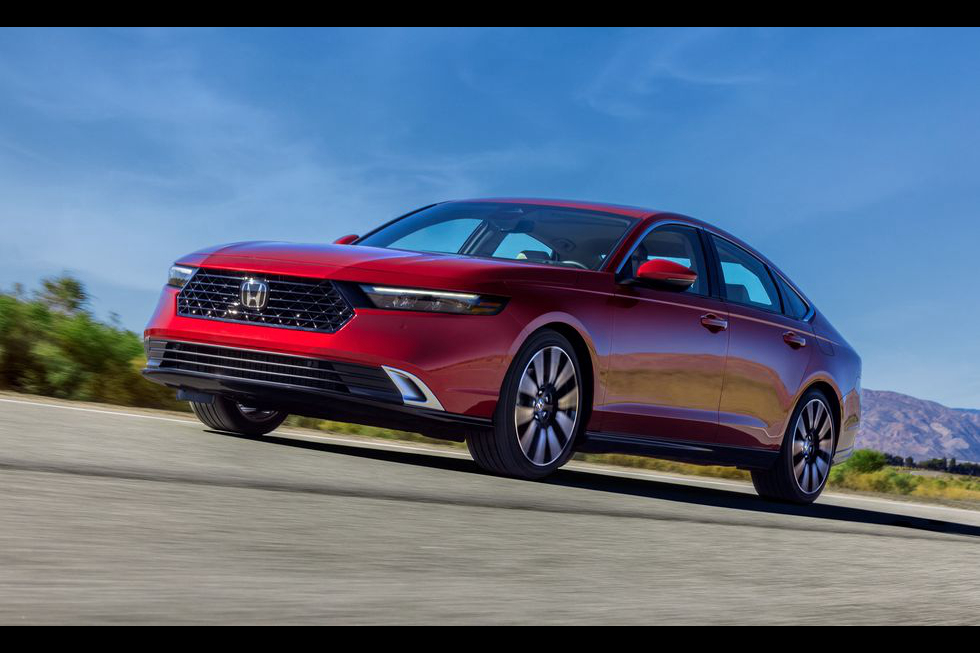
Cars With Similar Price And Features
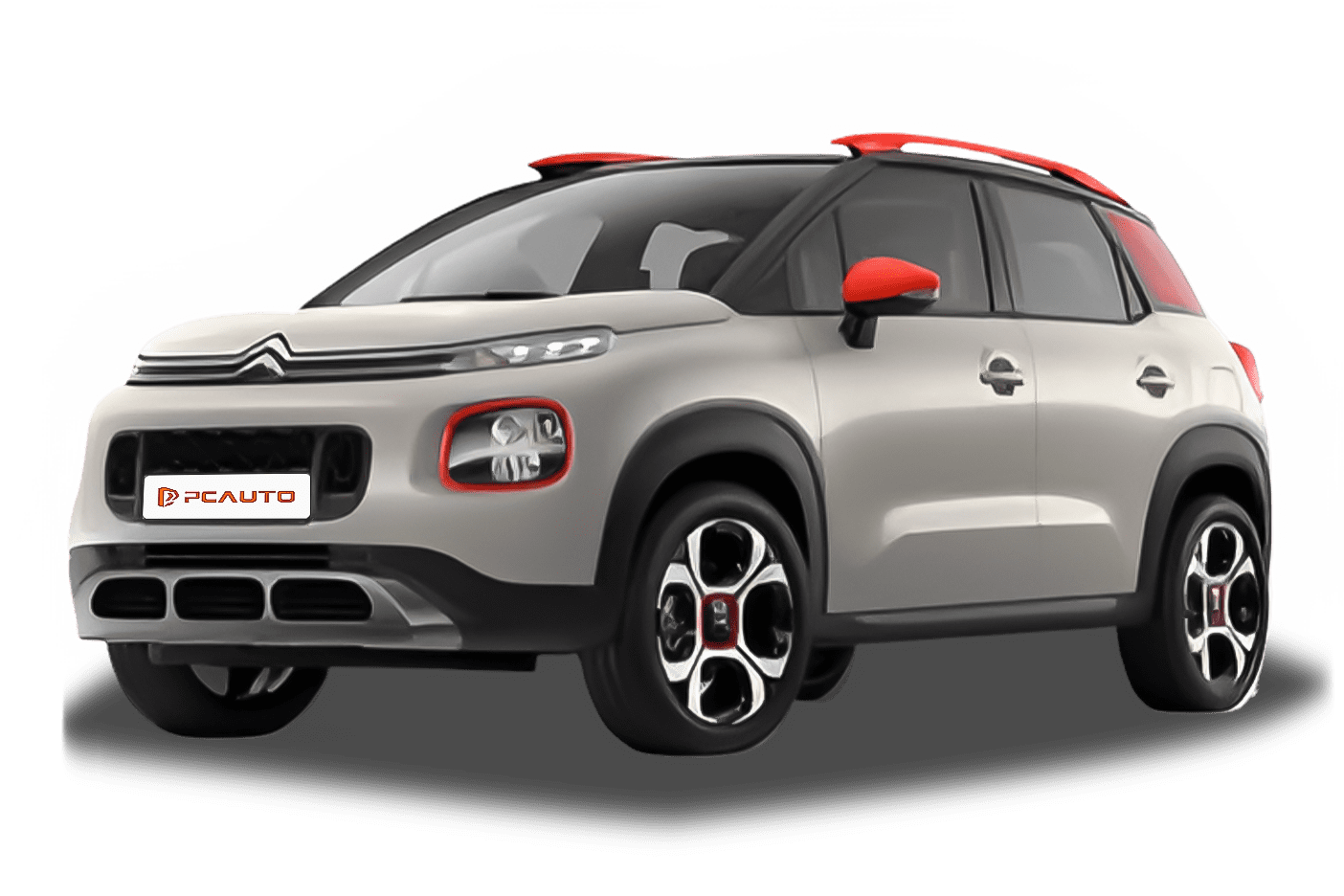
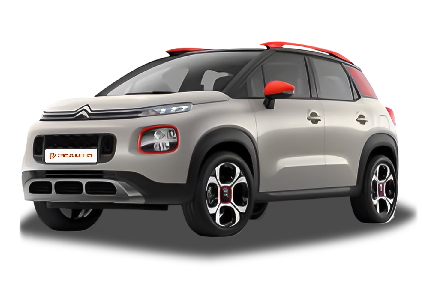
2025 Citroen C3 Aircross public is an A-Segment SUV designed for family users, focusing on flexible space, rich safety configurations, and affordable pricing as its core selling points, balancing urban commuting and multi-scenario practical needs.

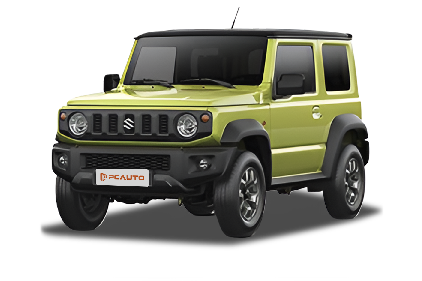
Suzuki Jimny 2024 is an A-segment hardcore small SUV with a classic square off-road design. The newly added full-time four-wheel drive enhances its off-road capability, making it suitable for outdoor adventure and individualistic enthusiasts.
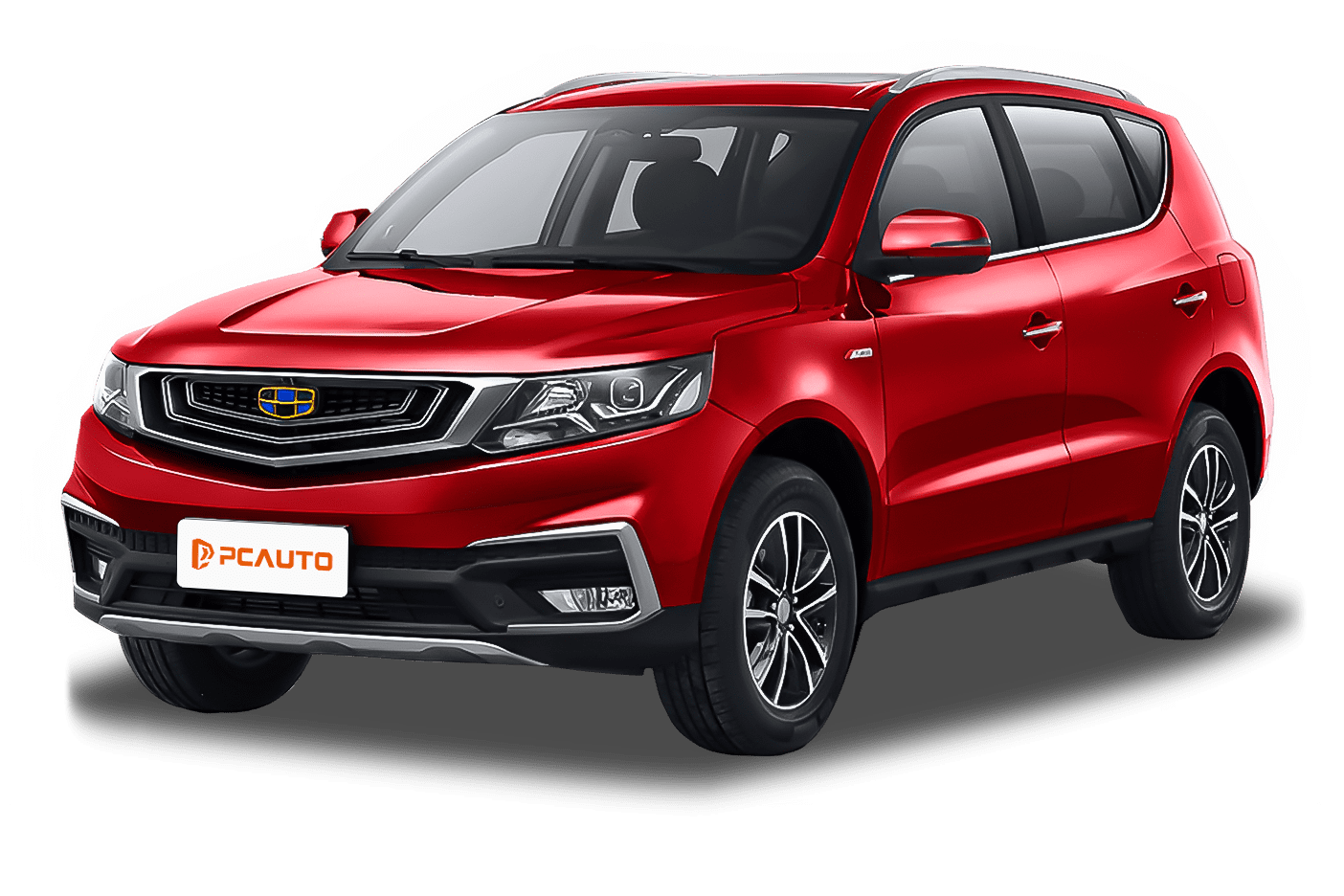
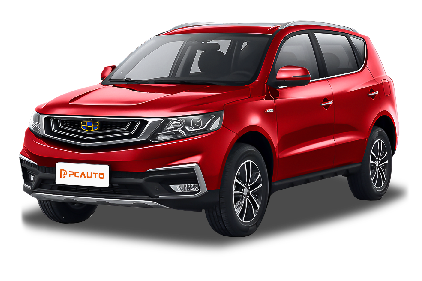
2019 Geely Emgrand X7 1.8L+5MT is a high-value-for-money family-oriented A-segment SUV with practical space and balanced configurations, suitable for budget-conscious family users.