

2023 Honda WR-V 1.5 V Review

 Share
Share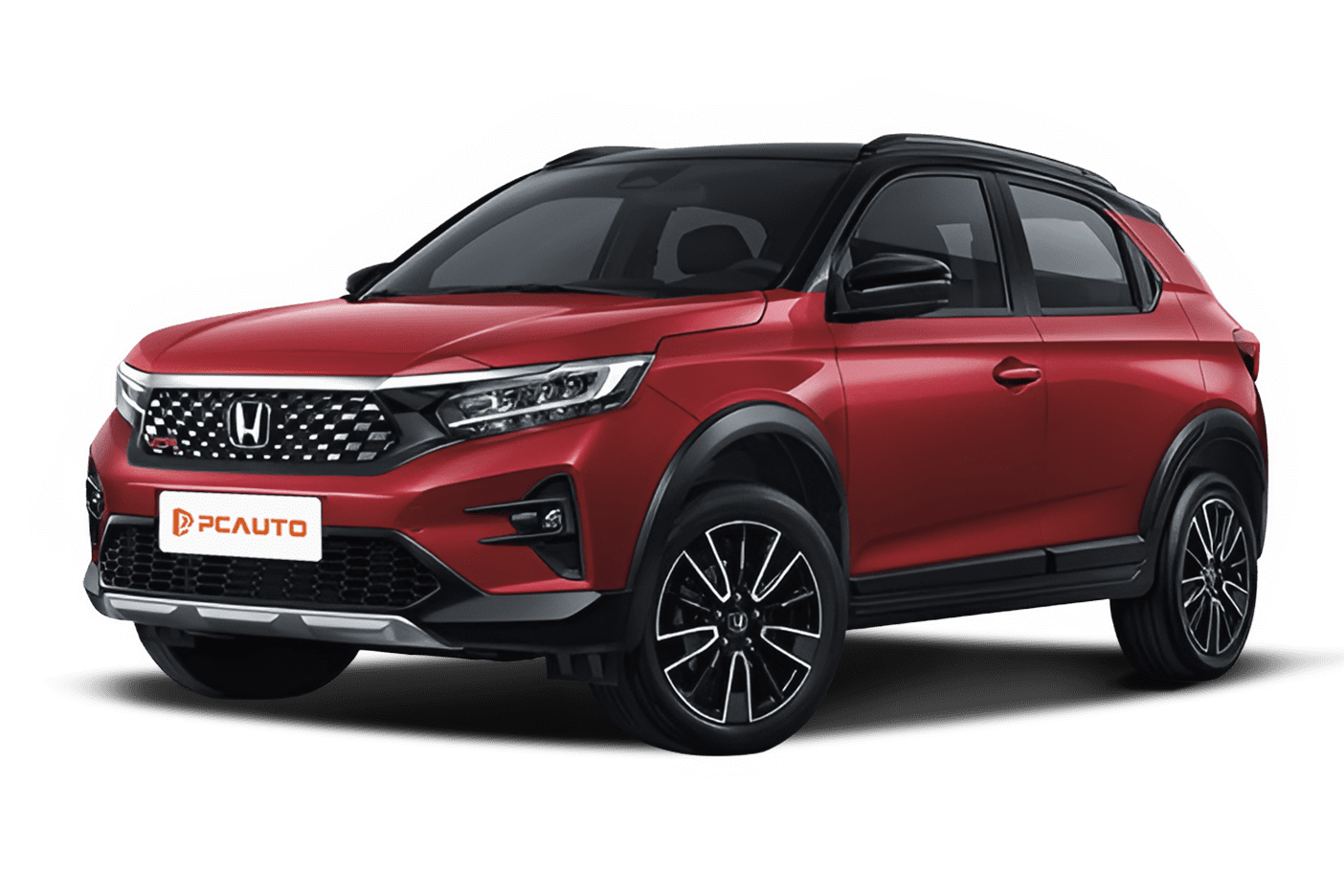
 Segment
 Body Type
 Capacity(L)
 Engine Power(PS)
 Transmission
 Driven Wheels
The local A-Segment SUV market has become increasingly competitive in recent years. Consumers want the agile handling of a compact car while also seeking the off-road capability and practicality of an SUV. Honda launched the WR-V 1.5 V in 2023, featuring a 121PS naturally aspirated engine, standard L2 level active safety features, and a price tag of under RM100,000, aiming to strike a balance between "cost-effectiveness and safety features." In this test drive, we focused on verifying its space practicality, daily performance of the powertrain, and the real-world experience of its safety features to see if it stands out in its segment.
In terms of exterior design, the WR-V 1.5 V retains the family-style aesthetics of Honda. The front features a large blacked-out honeycomb grille connected to LED headlights on both sides with chrome trim, offering high recognizability. The side profile is simple, with 16-inch multi-spoke alloy wheels (tire size 215/55R16) and a minimum ground clearance of 207mm, aligning with the SUV positioning while ensuring city road accessibility. At the rear, the LED taillight assembly adopts a connected design but actually uses independent light sources on the left and right sides, with the central chrome trim serving as decoration only. The lower rear bumper includes a silver skid plate, adding a touch of off-road flavor. The lighting system comes standard across the range with LED headlights, daytime running lights, and automatic headlights, while the front and rear fog lights enhance daily practicality.
Sitting inside, the interior mainly features a black color scheme. The center console is covered with soft-touch materials, accented with silver trim, and the overall quality is slightly above average for its class. The 7-inch touchscreen infotainment system is positioned at the top of the center console, with a simple and user-friendly interface. It supports Bluetooth connection and basic multimedia functions but lacks Apple CarPlay and Android Auto, which is a minor letdown. The instrument cluster is a fully digital multifunction display, showing information such as RPM, vehicle speed, fuel consumption, and the status of safety assistance systems, all displayed clearly. In terms of features, the front row has manual air conditioning, while the rear is equipped with air vents and a 220V/230V power outlet as standard, providing good comfort for rear passengers. In addition, features like power-folding mirrors, rain-sensing wipers, and a single sunroof (with a sunshade) meet daily usage needs comprehensively.
Regarding space performance, the vehicle dimensions of the WR-V 1.5 V are 4060mm×1780mm×1608mm, with a wheelbase of 2485mm. The front seating area feels spacious, and for a passenger with a height of 175cm, there is still a one-fist clearance above the head after adjusting the seat. The rear space is surprisingly good: with passengers of the same height, legroom allows for two fist-widths of space, and headroom allows for one fist-width, offering comfort even when accommodating three people in the back. The trunk has a capacity of 380L, and the rear seats can be folded down in a 60:40 ratio to create a larger storage space, capable of accommodating a baby stroller or suitcase without issue. There are plenty of storage compartments inside the car, such as a front-center console box, door storage slots, and cup holders, which can meet the needs of storing small daily items.
In terms of power, the WR-V 1.5 V is equipped with a 1.5L naturally aspirated four-cylinder engine, delivering a maximum power of 121PS (6000rpm) and a maximum torque of 145N·m (4800rpm), paired with a CVT transmission. The power response is relatively linear during takeoff, and lightly pressing the accelerator ensures a smooth start, making it suitable for congested city roads. Its low-to-mid-speed acceleration is decent, allowing for relatively easy overtaking at speeds under 60km/h. However, once the speed exceeds 80km/h, the acceleration becomes noticeably weaker, requiring a harder press on the accelerator for a more evident power boost. There is only a standard driving mode available, without a sport or eco mode, reflecting an overall setup that leans towards comfortable family use.
In terms of handling and chassis performance, the front suspension is MacPherson independent suspension, and the rear suspension is a torsion beam non-independent suspension (not explicitly stated by the manufacturer, but common in the same class). During daily driving, the suspension effectively filters out small road bumps, offering good comfort; however, when passing speed bumps or uneven roads, the rear suspension feels slightly stiff, and the jolts are directly transmitted into the cabin. The steering wheel has a light feel and precise handling, making it suitable for city driving; at high speeds, the steering wheel becomes slightly heavier, which improves stability. The braking system performs linearly, with a moderately long brake pedal travel. During emergency braking, the vehicle maintains a stable posture.
During the fuel consumption test, we drove 150 km in urban traffic conditions (about 60%) and highway conditions (about 40%), achieving a displayed average fuel consumption of 6.2L/100km, which is close to the manufacturer’s stated figure of 6L/100km, meeting expectations for fuel efficiency. Regarding safety features, the WR-V 1.5 V comes standard with the Honda SENSING safety system, which includes lane departure warning, active braking, forward collision warning, and hill start assist functions. In practical use, the lane departure warning system shows moderate sensitivity, issuing an alert when the vehicle is about to deviate from its lane. The active braking system can intervene and apply brakes promptly to avoid collisions when traveling below 30km/h and encountering obstacles ahead.
In terms of ride comfort, the seats are wrapped in fabric material, providing good support and cushioning, making them comfortable for long periods of sitting without causing fatigue. Noise control in the cabin is average, with tire and wind noise becoming noticeably intrusive when speeds exceed 80km/h, though still within an acceptable range. Additionally, as there is no energy recovery system (being a fuel-powered vehicle), the driving experience is consistent with traditional fuel vehicles and has a low learning curve.
Overall, the core advantages of the WR-V 1.5 V lie in its balanced space performance, practical safety features, and affordable pricing. Compared to competitors in the same class, its standard Honda SENSING safety system stands out as the biggest highlight, while the 207mm ground clearance provides better off-road capability. However, disadvantages such as the lack of smartphone connectivity on the central control screen and average interior quality are also evident.
This car is suitable for family users who value safety features and space practicality, especially for those who primarily commute in the city but occasionally need to drive on unpaved roads. Additionally, its price of under 100,000 MYR is appealing to young consumers.
Overall, the WR-V 1.5 V is a practical family SUV. It doesn’t have overly flashy features, but it strikes a good balance between safety, space, and fuel efficiency, making it a worthy choice in its class.
Honda WR-V Car Compare

Honda WR-V Loan Calculator
Cars With Similar Price And Features
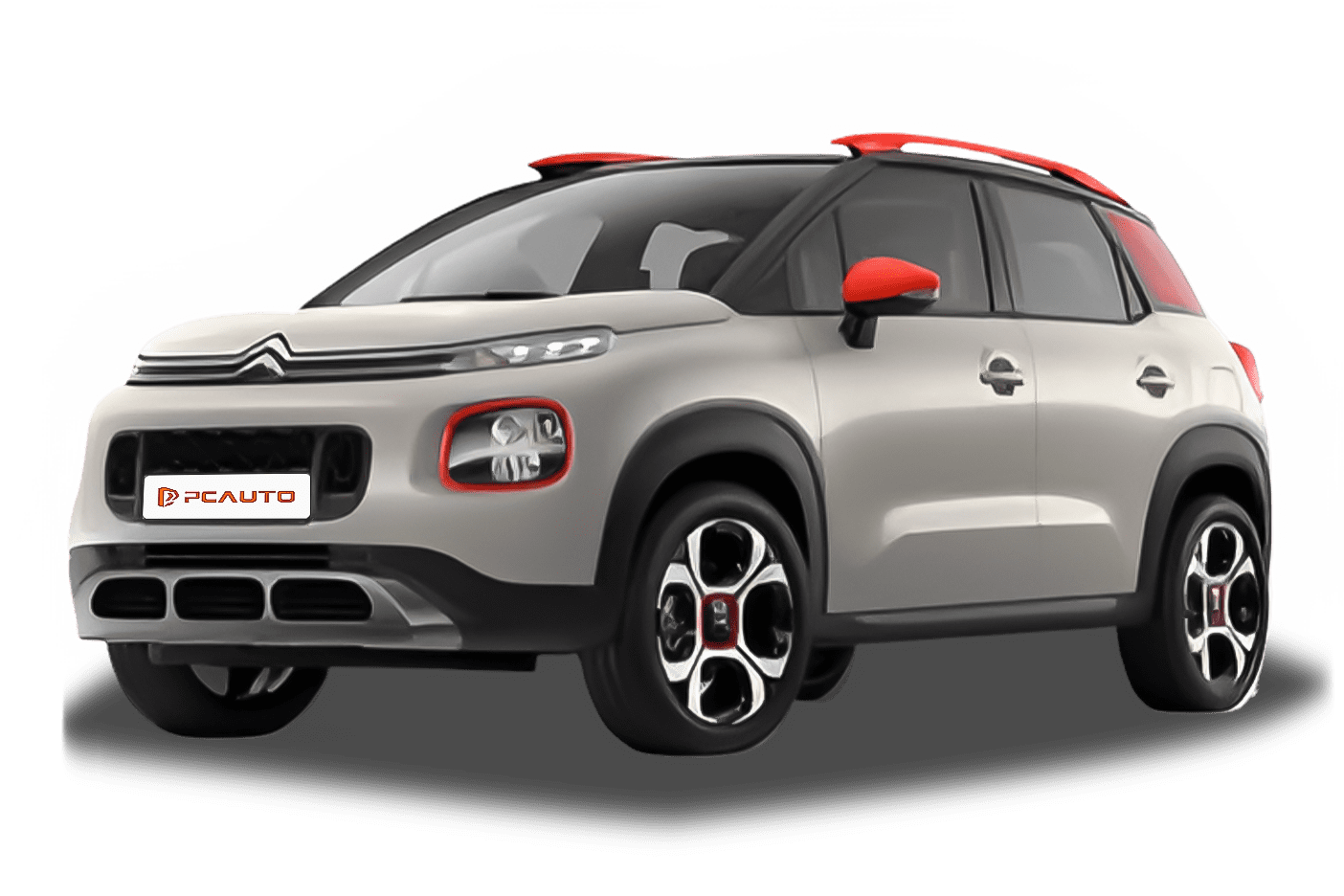
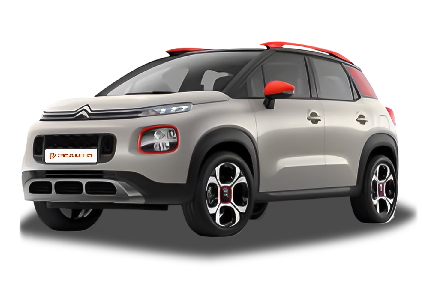
2025 Citroen C3 Aircross public is an A-Segment SUV designed for family users, focusing on flexible space, rich safety configurations, and affordable pricing as its core selling points, balancing urban commuting and multi-scenario practical needs.

Suzuki Jimny 2024 is an A-segment hardcore small SUV with a classic square off-road design. The newly added full-time four-wheel drive enhances its off-road capability, making it suitable for outdoor adventure and individualistic enthusiasts.
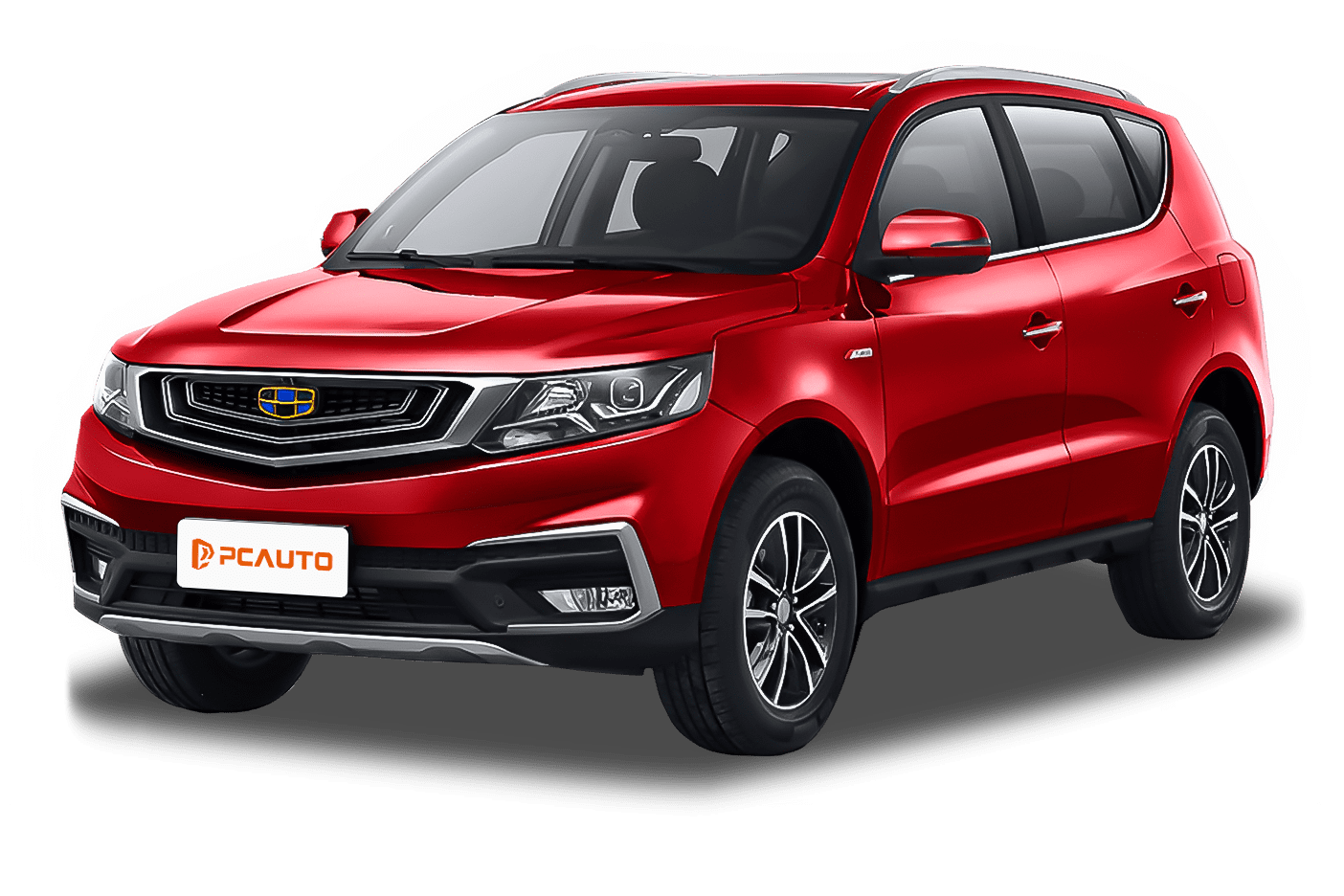
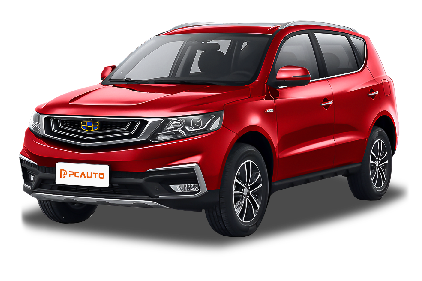
2019 Geely Emgrand X7 1.8L+5MT is a high-value-for-money family-oriented A-segment SUV with practical space and balanced configurations, suitable for budget-conscious family users.