2025 Bentley Continental GT Speed Review

 Share
Share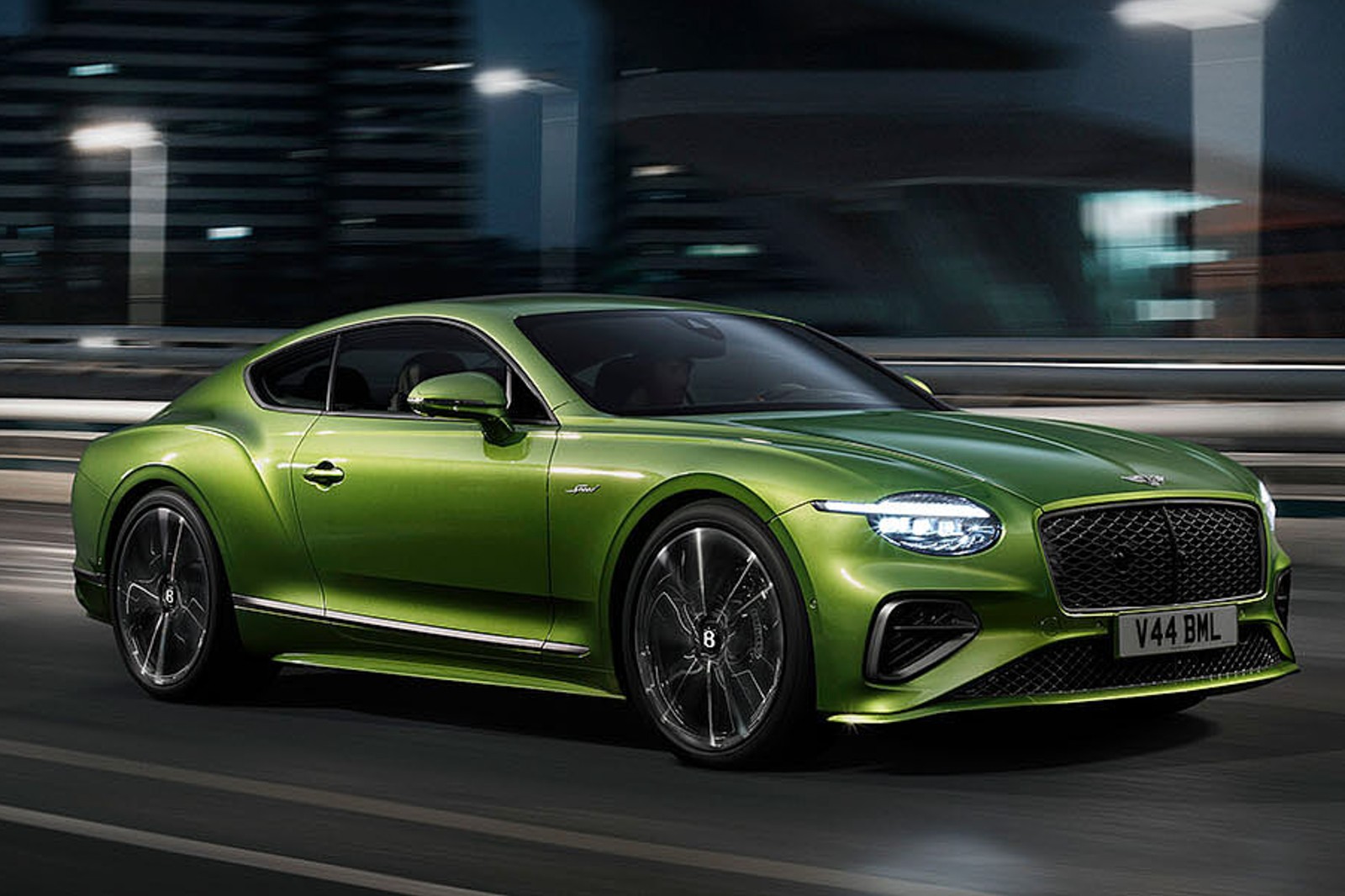
 Segment
 Body Type
 Capacity(L)
 Combined System Output(PS)
 EV Range(km)
 Driven Wheels
In recent years, competition in the luxury GT market has increasingly focused on the "balance between performance and luxury." Consumers not only want the exhilarating roar of a V8 engine but also expect the silent commuting capability of pure electric mode—the 2025 Bentley Continental GT Speed PHEV was created to meet this demand. As the brand's first plug-in hybrid Speed version, it combines a 4.0T V8 engine delivering 600PS with a rear electric motor generating 190PS, resulting in a combined system output of 782PS and 1,000N·m. Officially, it accelerates from 0-100km/h in just 3.2 seconds, with a top speed of 335km/h, while also achieving a pure electric range of 80km. In this test, we focus on verifying whether it can seamlessly switch between being a "performance beast" and a "daily driver," and whether the plug-in hybrid system truly enhances practicality.
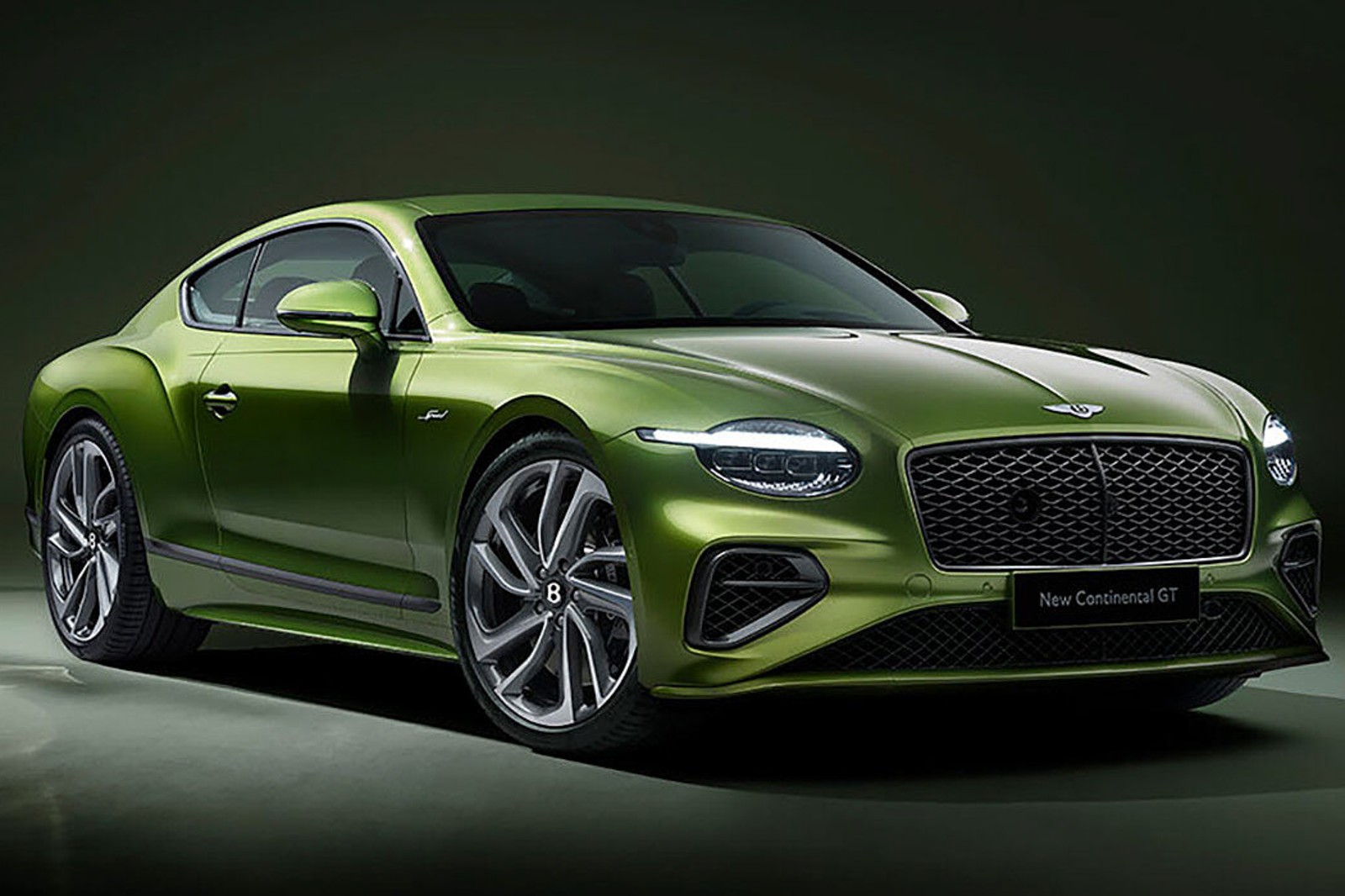
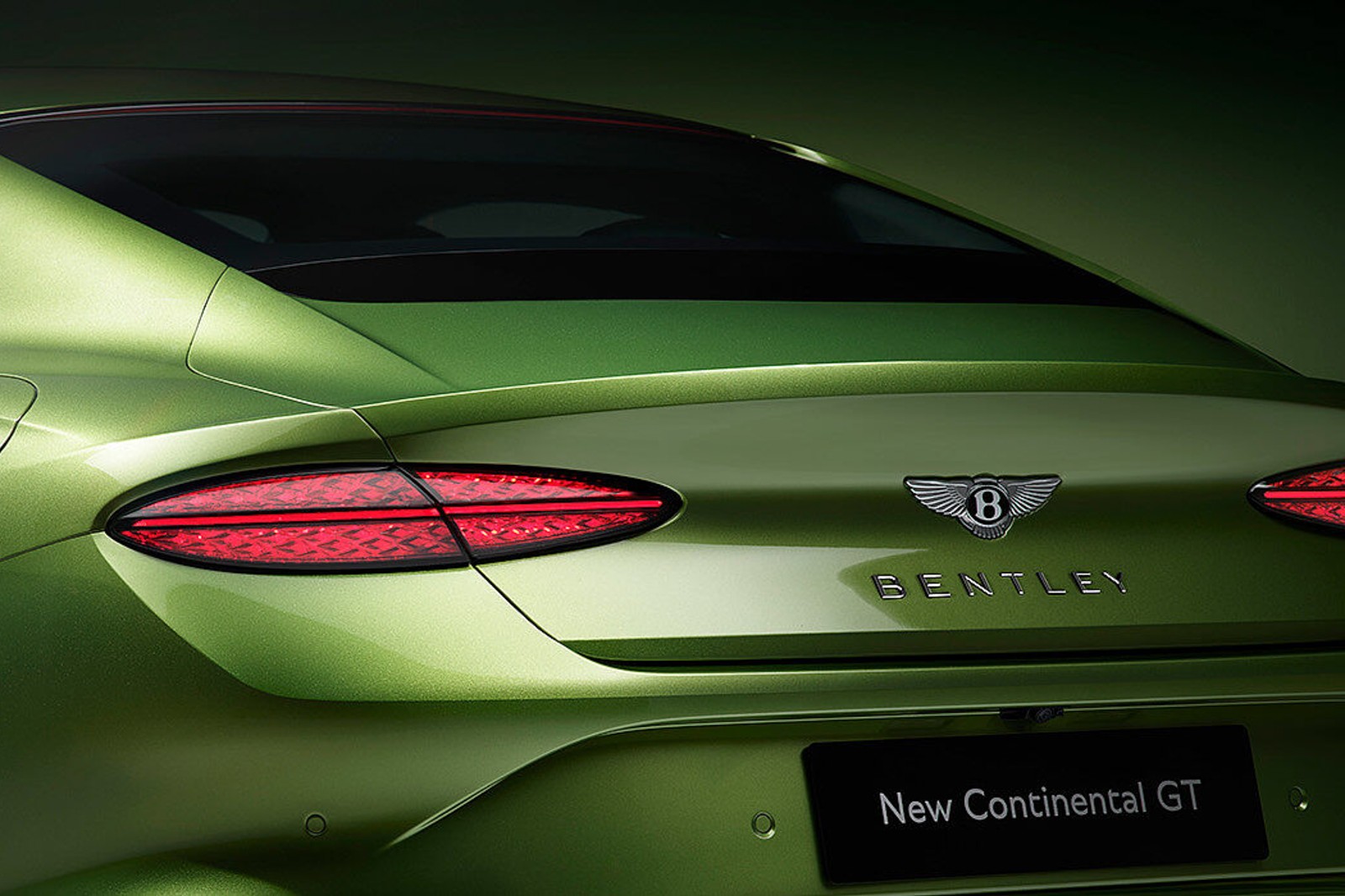
In terms of appearance, the 2025 Continental GT Speed maintains the classic Bentley GT silhouette, with a 4,895mm length paired with a 2,187mm wide-bodied design, creating a low stance with a commanding presence. The front features matrix LED headlights with dynamic turn signals for high recognizability when illuminated. The front grille adopts a glossy black mesh design, and the carbon fiber trim on the lower front lip enhances its sporty attributes. The "Speed" exclusive badge on the side of the body corresponds with the 22-inch polished alloy wheels, while the waistline extends from the front fender to the rear, with overall lines that are smooth yet powerful. At the rear, the quad exhaust layout and diffuser design further emphasize its performance positioning, and the LED tail lights feature a ring-shaped light strip that echoes the headlights when lit at night.
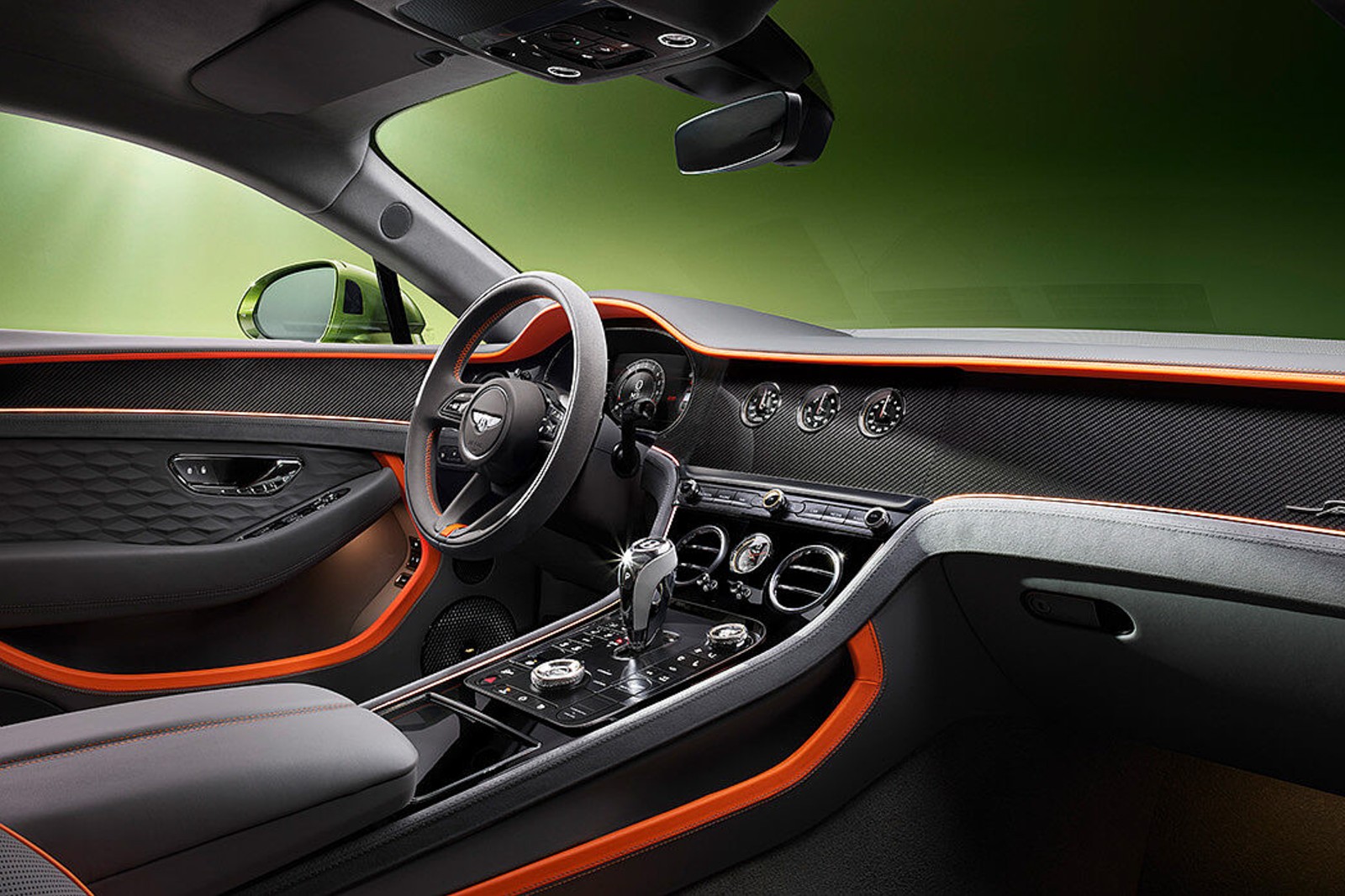
Stepping into the interior, the typical Bentley luxury is immediately evident. The cabin features materials like leather, wood, and metal trim, with a 12.3-inch touchscreen on the center console supporting CarPlay and Android Auto. The three-spoke multifunction steering wheel is wrapped in Alcantara, providing a solid grip and equipped with a heating function. The front seats offer 12-way electric adjustment, including lumbar support and leg rest adjustments, with leather padding that is moderately firm, ensuring comfort even on long journeys. Although the rear adopts a 2+2 layout, its limited 2,851mm wheelbase means legroom for adults is slightly tight, making it more suitable for children or short trips. In terms of storage, the front center armrest box is spacious enough to hold items like phones and wallets, and door panel storage compartments can accommodate bottled water. The trunk provides 480 liters of regular capacity, sufficient for daily commutes or short trips.
The power performance is the most surprising aspect of this car. In pure electric mode, the 140kW rear motor output is adequate for daily urban commuting, with smooth and quiet starts. The 80km pure electric range broadly covers the commuting radius of most people. When switching to hybrid mode, the V8 engine and the electric motor work in tandem, and pressing the throttle deeply delivers a continuous surge of power. Especially on the 2,500-4,500rpm torque platform, overtaking requires only a light press on the pedal to accelerate. The 8-speed DCT gearbox has a clear shifting logic with almost no jarring. In sports mode, the exhaust valves open, allowing the V8 engine’s roar to enter the cabin, creating an intense driving thrill. The chassis features front and rear air suspension, supporting adjustments in stiffness and ride height. In standard mode, it filters out most minor road bumps, and passing over speed bumps doesn’t result in harsh jolts. In sports mode, the suspension becomes significantly stiffer, and body roll is well-controlled during cornering. Paired with the all-wheel-drive system, its grip performance is outstanding, and even under wet road conditions, acceleration does not lead to slippage.
In terms of fuel consumption, the combined fuel consumption in hybrid mode is approximately 8.5L/100km, which is nearly 40% lower than the purely petrol-powered Continental GT Speed; in pure electric mode, the energy consumption is about 22kWh/100km, and it takes only 3 hours to fully charge using a home slow-charging station, which is quite convenient. The braking system performs consistently, with larger front ventilated discs, providing a linear braking pedal feel and maintaining stable body posture during emergency braking. Regarding noise control, there is almost no external noise in pure electric mode, and even when the engine kicks in during hybrid mode, there is no obvious abruptness. At high speeds, wind and tire noise are controlled to the level expected of a luxury car.
Overall, the core advantage of the 2025 Bentley Continental GT Speed PHEV lies in its "versatility"—it retains the performance genes of the Speed version while enhancing daily practicality and fuel economy through the plug-in hybrid system. Compared to competitors in the same class, such as the Porsche 911 Turbo S E-Hybrid, it has an edge in luxury features and brand refinement; and compared to the traditional fuel-powered Continental GT, the plug-in hybrid system enables it to handle more urban traffic restriction scenarios. This car is suitable for those who seek driving pleasure while also focusing on daily comfort and environmental friendliness, such as enterprise executives or luxury car enthusiasts aged 30-50, who need a vehicle that can balance business receptions with weekend adventures.
In summary, the 2025 Bentley Continental GT Speed PHEV is not merely a performance car nor just a luxurious commuting tool—it is a perfect blend of both. If you're looking for a luxury GT that can unleash passion on the track and commute quietly in the city, then this car is worth considering.